

Winter wreaths add texture and seasonal presence to your entry without overwhelming the architecture of the door. Focus on scale, material durability, and how the colors interact with your house exterior so the finished piece feels intentional rather than temporary.
Classic Evergreen Wreath
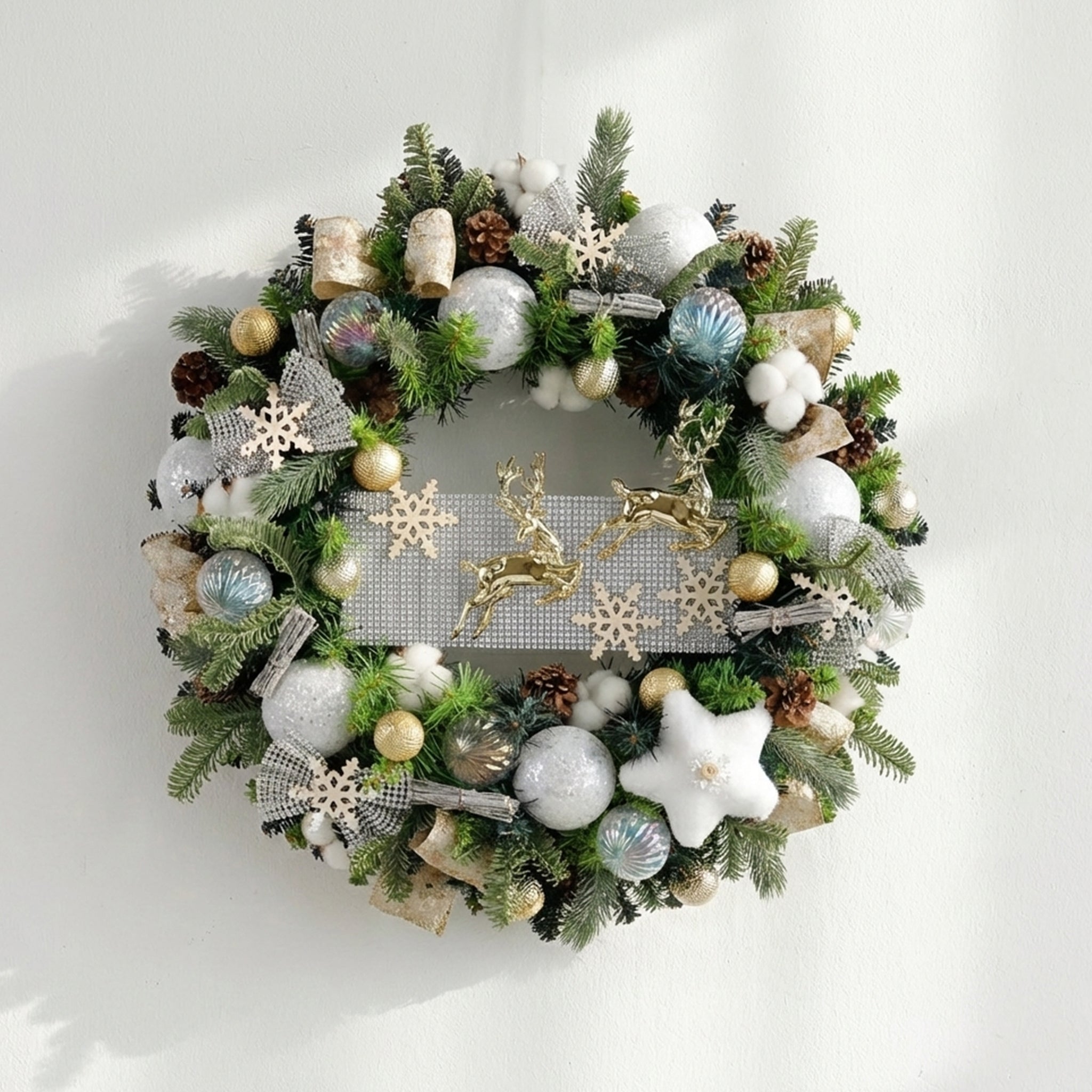
Fresh or preserved evergreens create a full, layered base that holds up through freeze-thaw cycles better than many expect. The needles trap light and cast soft shadows that change throughout the day, giving the wreath movement even when nothing else moves on the door.
Mix noble fir with cedar for varied needle lengths and natural color shifts from deep green to silvery blue. Secure stems to a wire frame in overlapping layers so no gaps appear when the wreath dries slightly. A thin coat of anti-desiccant spray extends freshness if you live in a windy area.
Pinecone and Berry Wreath

Clusters of pinecones wired at different angles add weight and shadow that balance the bright pops of faux or preserved berries. The contrast keeps the design from looking flat against a dark door.
Choose pinecones in two sizes and nest smaller ones inside larger clusters for depth. Wire each cone at its base rather than through the center to avoid cracking the scales. Red or deep burgundy berries read best from the street when your door sits in partial shade.
How do I keep berries from fading on an outdoor wreath?
Preserved berries hold color longer than fresh ones when coated with a matte sealer before assembly. Reapply the sealer lightly every six weeks during peak sun exposure. Store the wreath in a cool, dry space between seasons to prevent the berries from becoming brittle.
White Snowy Wreath

A light dusting of flocking or white-painted accents mimics fresh snow without requiring constant upkeep. The pale tones stand out against brick or dark siding and photograph well in low winter light.
Apply flocking in thin layers over a dry evergreen base, letting each layer set before adding more. Too much product weighs the wreath and causes sagging. Pair the white with a few matte black accents such as small branches to prevent the design from disappearing against a light-colored door.
Burlap and Lace Wreath

Burlap provides a neutral, textured backdrop that softens when paired with delicate lace or ribbon. The combination feels farmhouse without becoming overly rustic on most entry styles.
Cut burlap into strips and wrap a foam or straw form tightly so the weave stays visible. Layer narrow lace along one side only to create an asymmetrical focal point that draws the eye. Avoid gluing lace directly to burlap; instead, stitch it in place so it survives wind movement.
Gold Accented Wreath
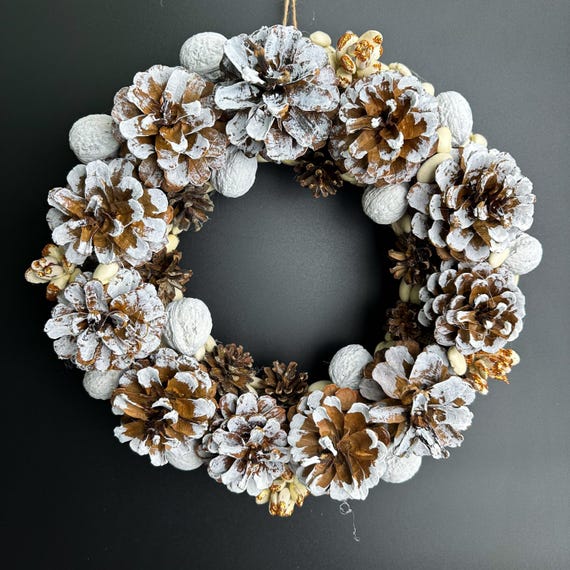
Subtle gold leaf or metallic spray on select elements catches low winter sun and adds warmth to cool-toned doors. The key is restraint so the gold reads as an accent rather than a full coating.
Apply gold only to the tips of pinecones or the edges of a few leaves. This creates reflective points without turning the entire wreath into a mirror. Matte gold performs better outdoors than high-shine versions that show water spots.
Faux Fur Trimmed Wreath

Narrow strips of faux fur tucked into the greenery add unexpected softness and catch frost beautifully on cold mornings. The texture reads from a distance even when colors are muted.
Choose short-pile fur in natural tones rather than bright white so it blends with evergreens. Secure the fur with floral wire hidden inside the wreath rather than hot glue that can fail in temperature swings. One continuous strip along the lower third prevents the look from becoming spotty.
Lantern and Candle Wreath
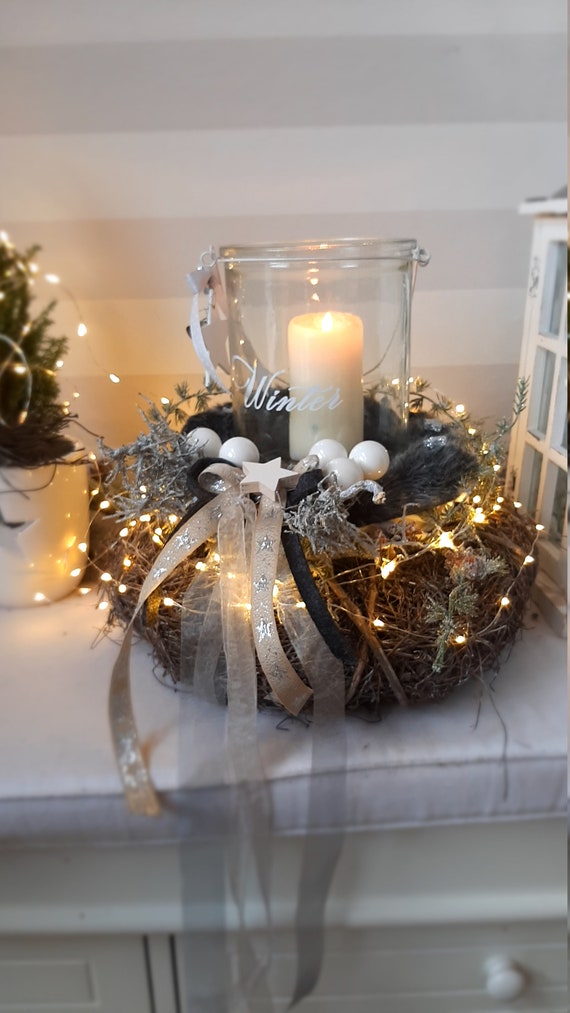
A small battery lantern wired into the center turns the wreath into a light source after dark. This works especially well on doors that receive little direct sunlight during short winter days.
Select a waterproof lantern sized to sit inside the wreath opening without touching the foliage. Use warm-white LED candles on a timer so the light activates automatically at dusk. Check battery life weekly during the coldest weeks when temperatures drain power faster.
Dried Citrus Wreath

Thin orange and lemon slices wired among evergreens introduce color and a faint scent that lingers even after the slices dry completely. The translucent edges catch light in a way fresh fruit cannot.
Dry slices in a low oven until leathery but not brittle, then seal both sides with clear acrylic spray. Wire each slice through the rind rather than the flesh to avoid tearing. Place slices on the outer edge so they remain visible when the wreath hangs flat against the door.
Monogram Initial Wreath

A large wooden or metal initial centered in the wreath personalizes the entry without adding extra objects. The letter becomes the focal point while the greenery frames it.
Choose a font style that matches your house numbers for visual consistency. Paint or stain the letter in a color that contrasts with the door rather than matching it exactly. Attach the letter first, then build greenery around it so the base remains hidden.
Plaid Patterned Wreath

Wide plaid ribbon woven through the greenery introduces pattern and movement that reads clearly from the curb. The check or tartan pattern pairs well with both traditional and modern architecture.
Use two widths of ribbon so the larger checks sit in the background while narrower strips create movement. Weave the ribbon in a loose spiral rather than straight lines to follow the curve of the wreath. Secure ends with floral wire instead of staples that can rust.
Magnolia and Evergreen Wreath

Large, glossy magnolia leaves mixed with finer evergreens create strong contrast in both color and leaf shape. The leaves hold their deep green through winter and develop attractive copper tones as they age.
Layer magnolia leaves first to establish the outer ring, then fill inward with smaller cedar or fir. The thicker magnolia stems need heavier gauge wire for security. Rotate the wreath every few weeks so sun exposure stays even and prevents one side from fading faster.
Feather Embellished Wreath
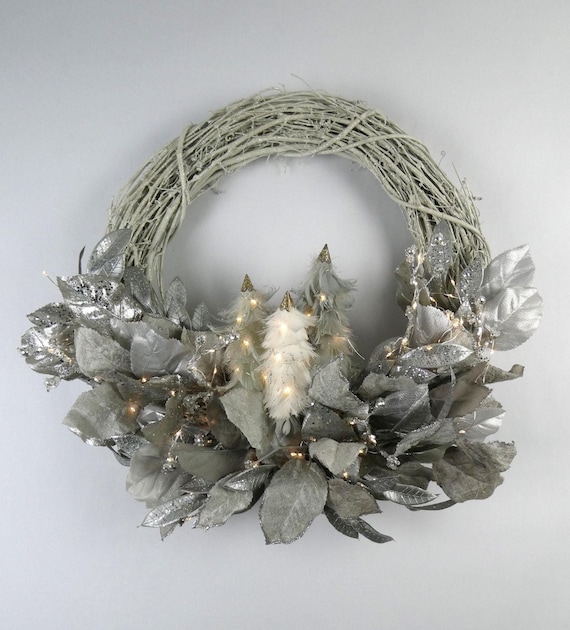
Natural or dyed feathers tucked among branches add soft movement that responds to breezes. The effect is subtle until wind hits the door and the feathers shift.
Select feathers with sturdy quills that can be wired rather than glued. Place them in small groups of three so they read as intentional clusters instead of scattered pieces. Avoid placing feathers near the top where they collect snow and become heavy.
Hoop Style Minimal Wreath
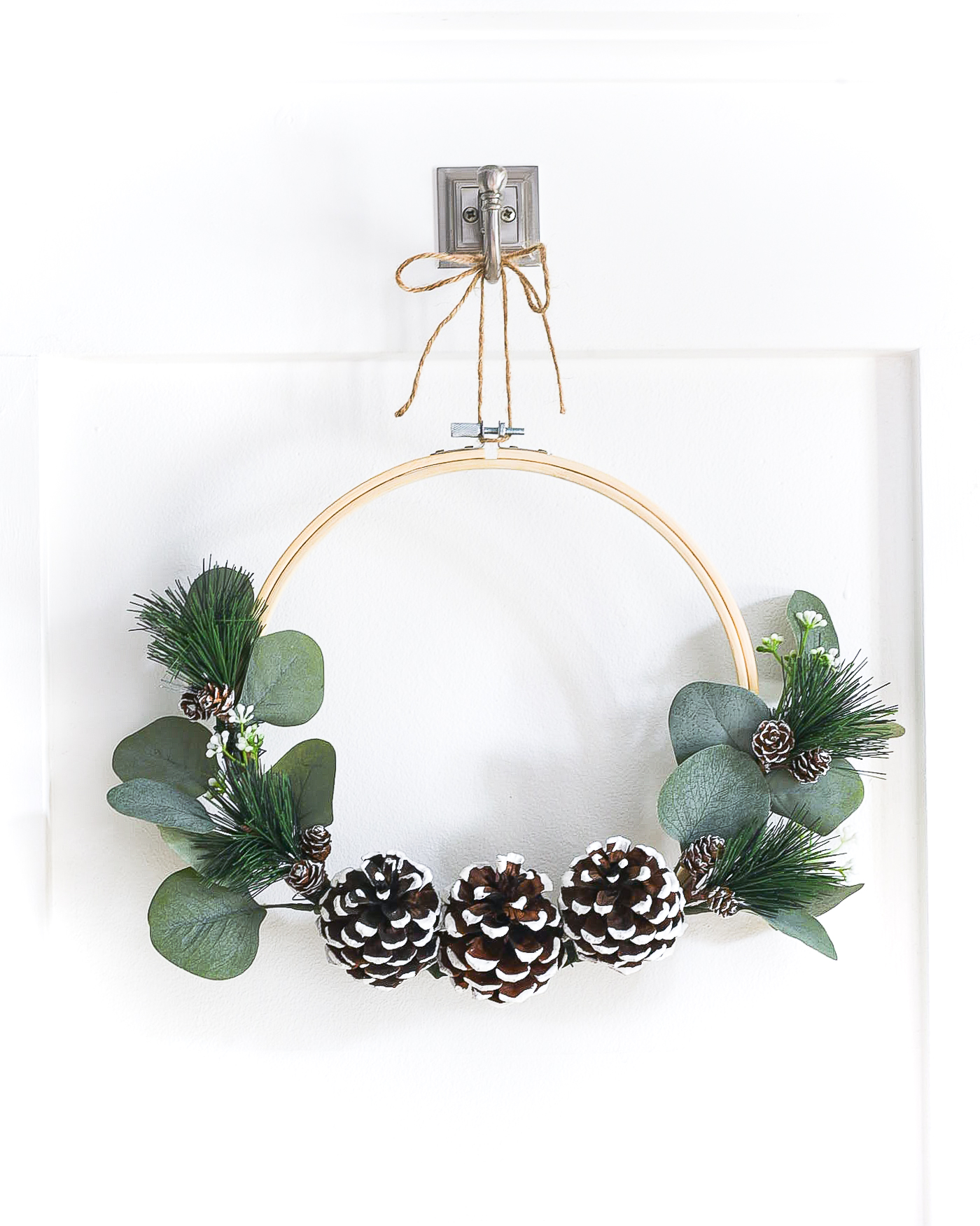
A single metal hoop wrapped with thin evergreen sprigs or twigs creates a lighter profile that suits narrow doors or sidelights. The open center keeps the design from feeling heavy.
Wrap the hoop in floral tape first so greenery stems grip without slipping. Space sprigs evenly and trim any that extend too far inward. This style works best with a single material rather than multiple textures that compete for attention.
LED Lighted Wreath

Battery-operated LED strands woven through the greenery provide evening visibility without the fire hazard of real candles. Modern warm-white LEDs mimic the glow of incandescent bulbs.
Hide the battery pack inside a small waterproof bag wired to the back of the wreath. Run the lights in a single continuous strand so one dead bulb does not darken an entire section. Test the timer function before hanging so the lights activate at the same time each evening.
Rustic Wood Slice Wreath

Thin wood slices wired together with small evergreen accents create a natural, almost sculptural look. The bark edges add texture that pairs well with stone or wood siding.
Select slices of similar thickness so the finished wreath hangs flat. Drill small holes near the edge of each slice for wire rather than attempting to nail pieces together. Limit evergreen accents to one side so the wood remains the dominant material.
Mixed Greenery Wreath

Combining three or more evergreen varieties produces depth and color variation that single-type wreaths lack. The mix also masks any individual branches that brown early.
Start with the largest leaves or needles as the base, then add finer textures last. Vary stem lengths so the surface stays irregular rather than flat. This approach tolerates minor damage better because no single plant type defines the entire look.
Branch and Twig Wreath
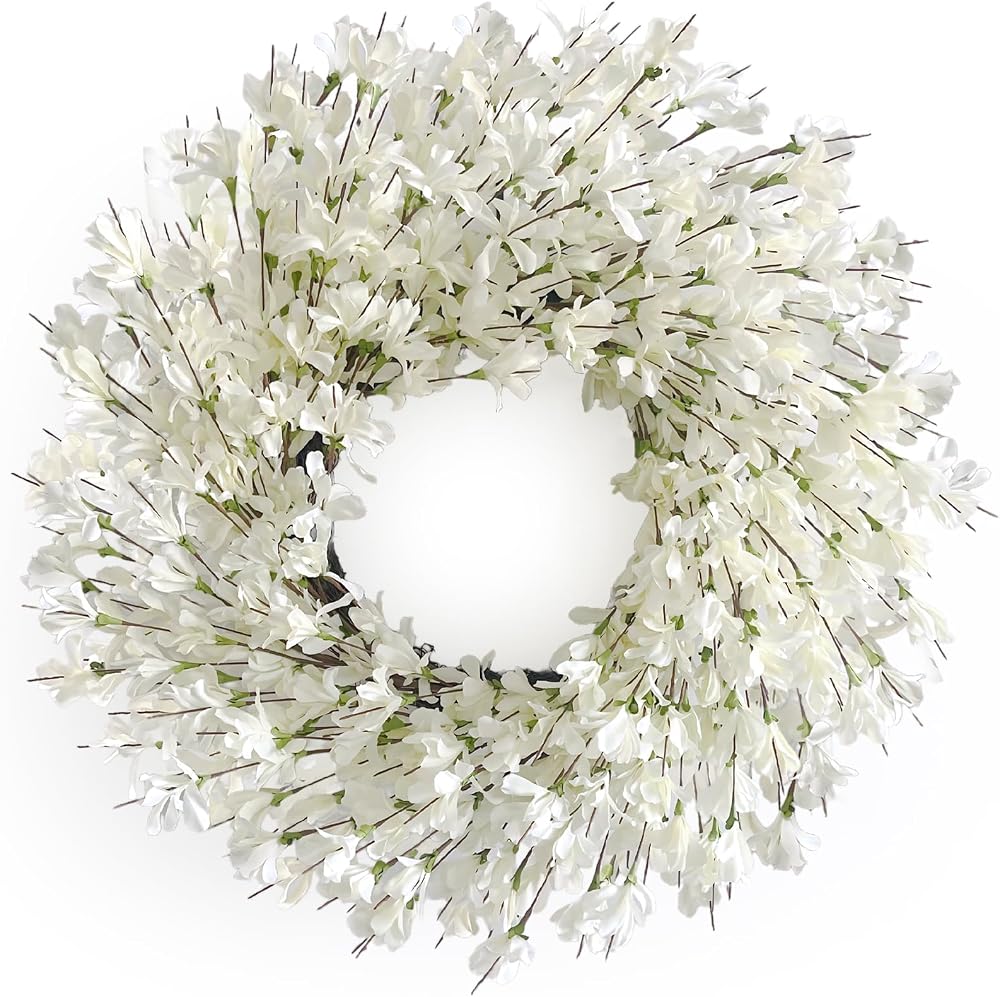
Curved twigs and flexible branches form a lightweight base that can stand alone or support additional elements. The natural curves create organic movement that straight frames cannot match.
Soak branches overnight to increase flexibility before shaping them into a circle. Overlap ends and secure with natural jute twine rather than wire that can cut into the wood. This style accepts fewer additional elements because the twigs already provide strong visual interest.
Quick Comparison of Wreath Base Materials
| Base Material | Weight | Longevity Outdoors | Best Door Type |
|---|---|---|---|
| Straw | Light | 6-8 weeks | Covered porch |
| Wire | Medium | 8-10 weeks | Exposed door |
| Foam | Light | 4-6 weeks | Mild climates |
| Grapevine | Medium | 10+ weeks | Any |
Real evergreens last longer when kept out of direct afternoon sun, while faux versions maintain shape better in high wind.
Wire frames allow the most airflow, reducing mold risk on the back of the door during damp winters.
FAQ
How often should I refresh a fresh winter wreath? Check moisture levels every ten days and mist lightly if needles feel brittle. Rotate the wreath to even sun exposure. Replace when more than a quarter of the greenery turns brown.
What size wreath works best on a standard 36-inch door? A 24-inch wreath leaves enough door surface visible on each side without crowding the hardware. Measure from the center of the door to the edge and choose a wreath roughly two-thirds that width.
Can I use the same wreath two winters in a row? Store it in a cool, dark closet inside a breathable cotton bag. Avoid plastic that traps moisture and causes mold. Inspect for broken stems before rehanging.
How do I protect my door finish from wreath damage? Place a small felt pad between the wreath and the door surface. Check the pad monthly for moisture buildup. Remove the wreath during heavy rain if your door lacks overhang protection.
Winter wreaths reward attention to proportion and material choice, turning a simple door into a clear seasonal marker that lasts through the coldest months.
Leave a Reply