
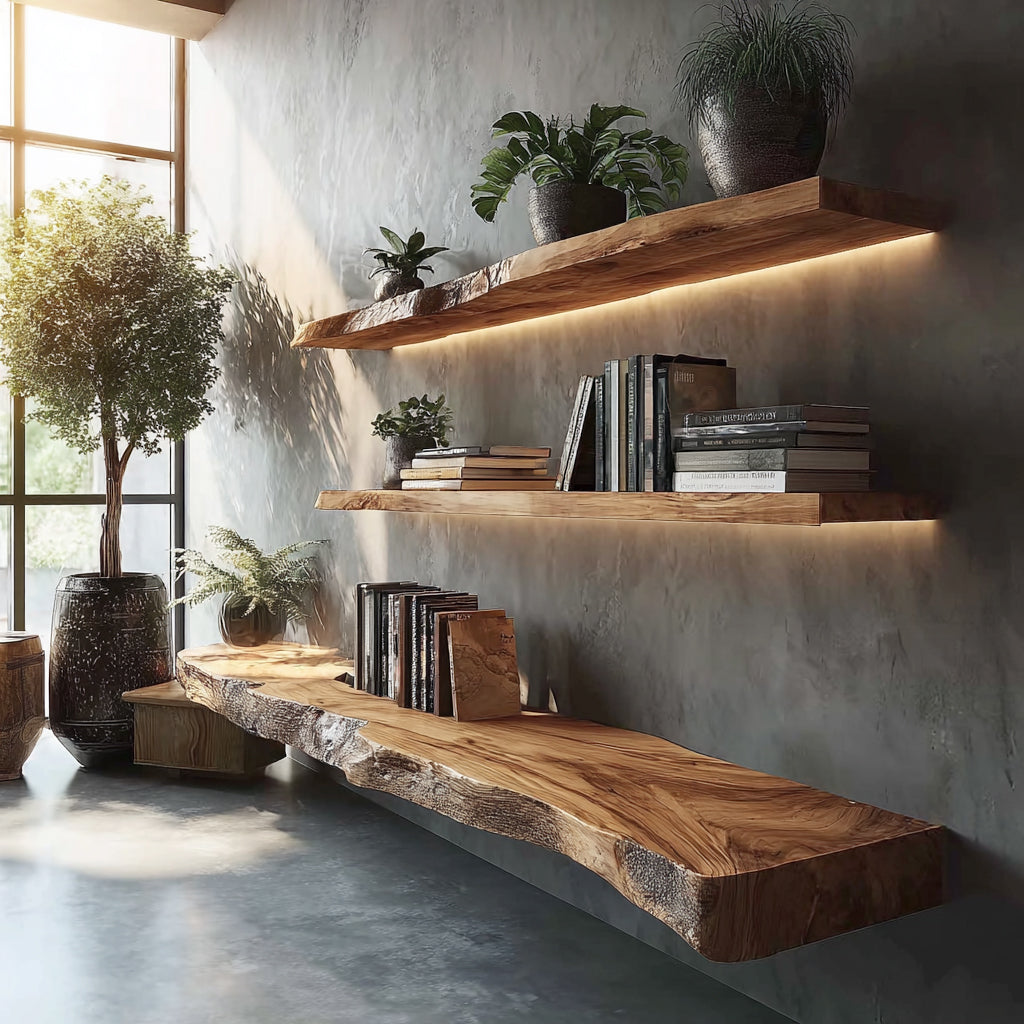
White tones on open shelves bring a calm brightness that counters winter dimness while keeping the space feeling layered and lived-in. The key is mixing matte ceramics, soft textiles, and subtle reflective pieces so the shelves read as intentional rather than stark. Scale the arrangement to your shelf depth and leave breathing room between groups so light still moves through the display.
White Book Stacks with Texture

Grouping books by size and spine tone creates quiet vertical rhythm that anchors the rest of the shelf. Choose editions with linen or embossed covers so the white feels varied rather than flat. Place the tallest stacks at the back and step smaller ones forward to form a gentle slope that draws the eye across the length of the shelf.
This arrangement works especially well on deeper built-ins where you can tuck a small white vessel or candle in front of the books without crowding them. Rotate a few spines outward every few weeks so the display stays fresh and dust does not settle in one pattern.
Ceramic Vessel Groupings
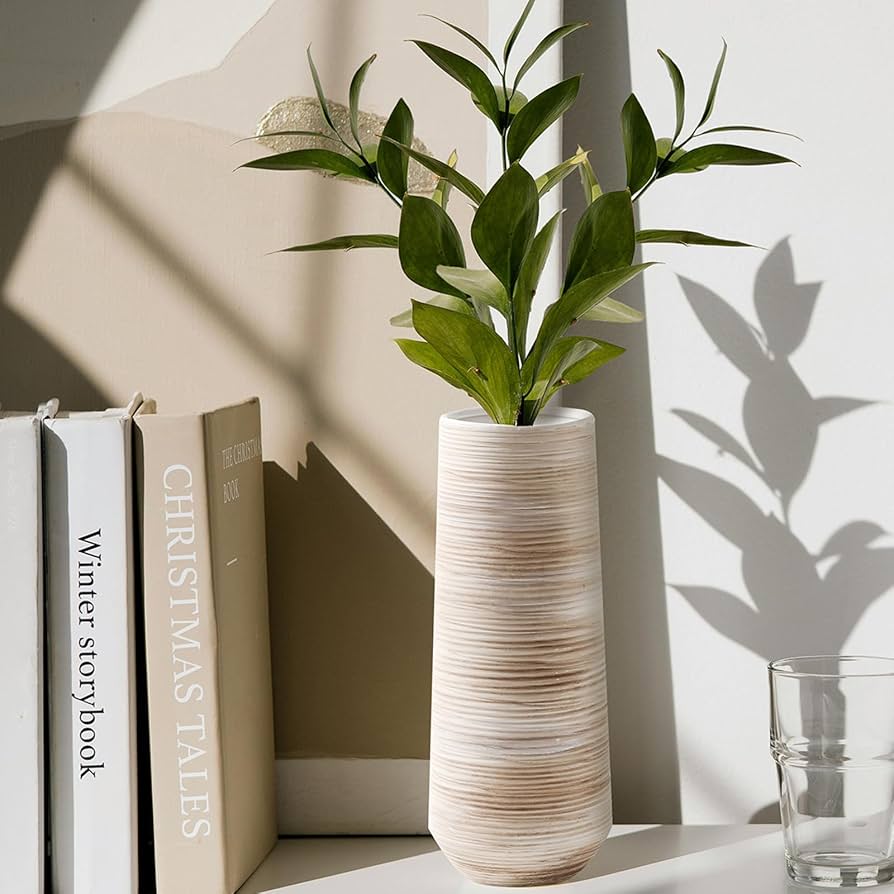
Cluster three to five matte or slightly speckled white vases of differing heights in one section of the shelf. The variation in shape prevents the group from looking rigid while the shared color keeps the look cohesive. Fill one or two with dried stems cut to different lengths so the arrangement gains movement without introducing strong color.
Candle and Lantern Groupings
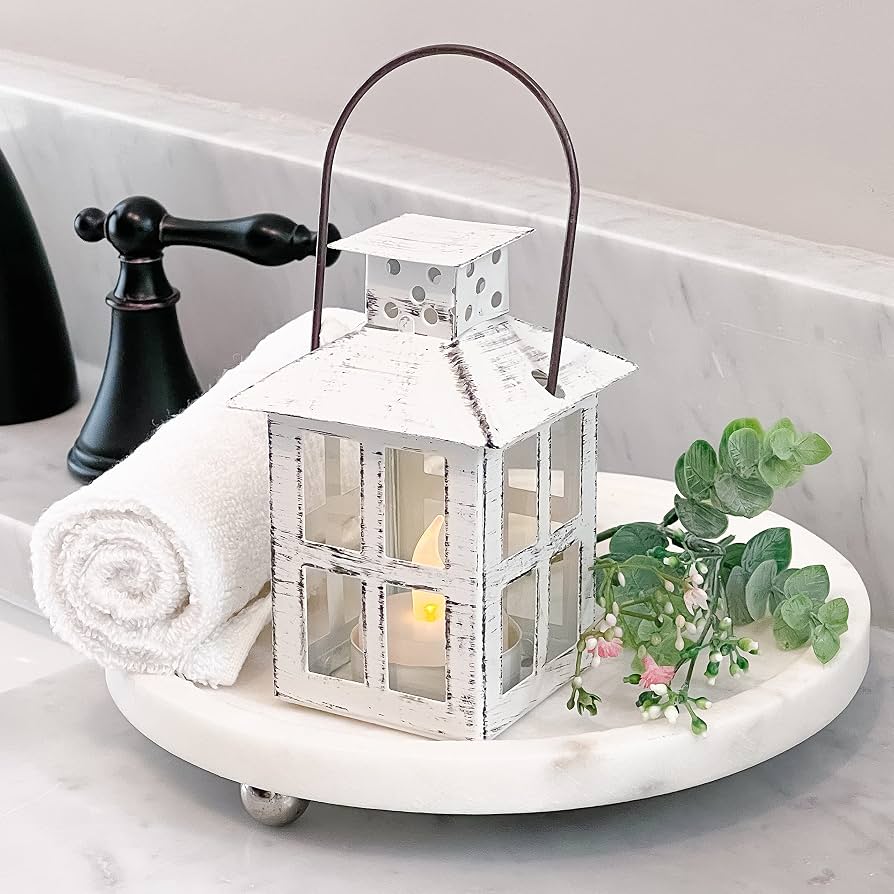
Arrange pillar candles of several diameters alongside a single white lantern so the eye moves between smooth wax surfaces and the metal frame. Keep the tallest candle toward the back and stagger the others so every flame height is visible from across the room. This setup reflects soft light onto the wall behind the shelf during early evenings.
Dried White Florals
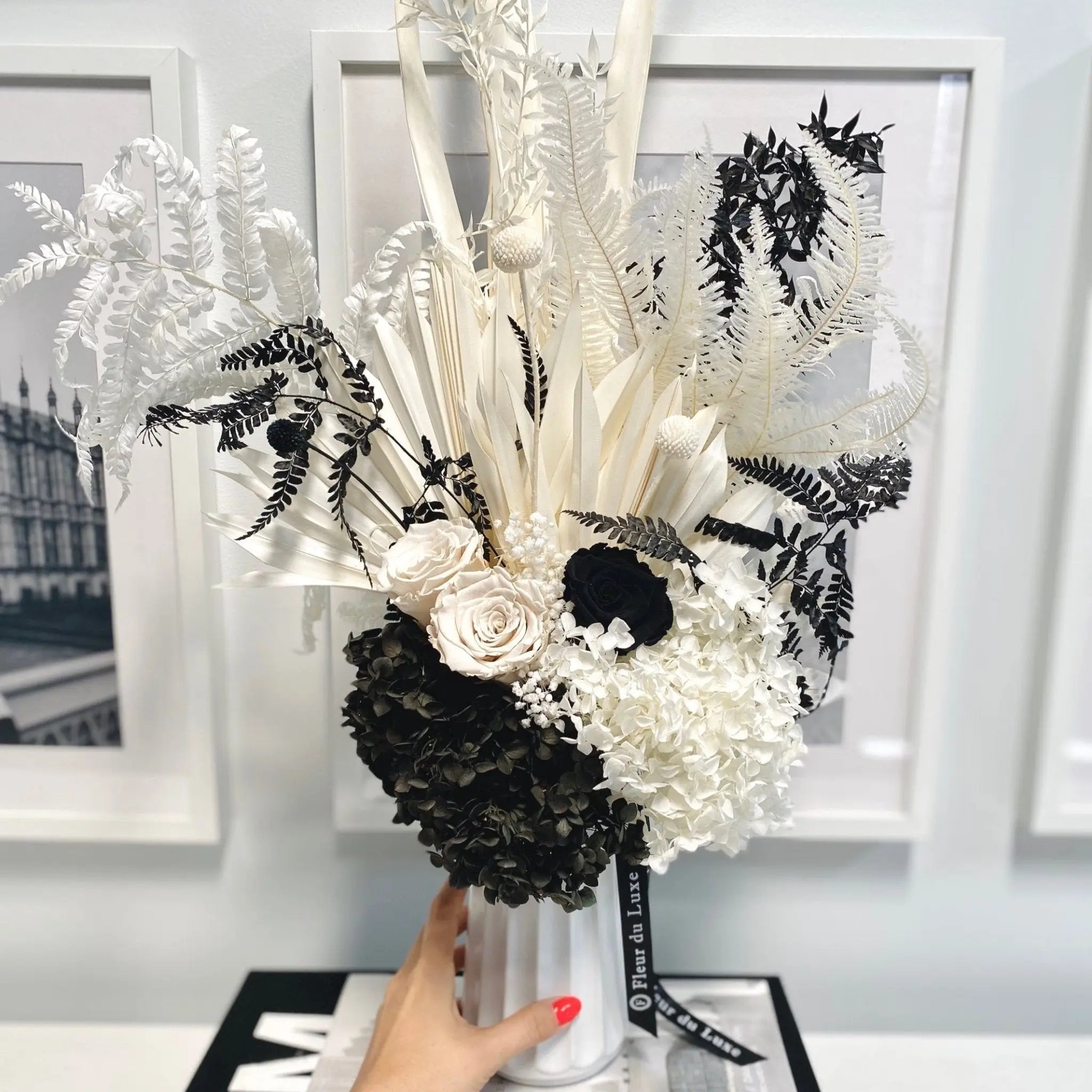
Select stems such as lunaria, dried hydrangea, and bleached baby’s breath so the palette stays within winter white. Trim them at staggered heights and place them in a low, wide vessel that sits toward the front edge. The dried material catches light differently than fresh greenery and holds its shape for months.
Knitted and Woven Textiles

Fold a chunky white knit throw into a loose rectangle and drape it over the front of one shelf so the texture becomes part of the display. Tuck the ends behind a stack of books or a wooden box to keep the fabric from slipping. The soft folds add warmth that plain wood or metal shelves lack in winter.
Glass and Crystal Accents
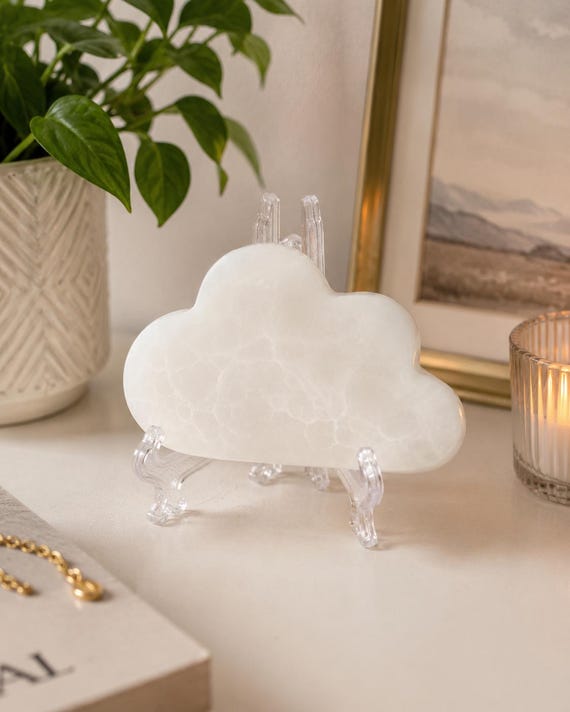
Position a few clear or milk-glass pieces among the matte objects so light bounces around the arrangement. A small crystal bowl or frosted bottle catches the glow from nearby lamps without competing with the overall white scheme. Limit the number to two or three pieces so the shelf does not feel overly busy.
Wooden Whitewashed Pieces
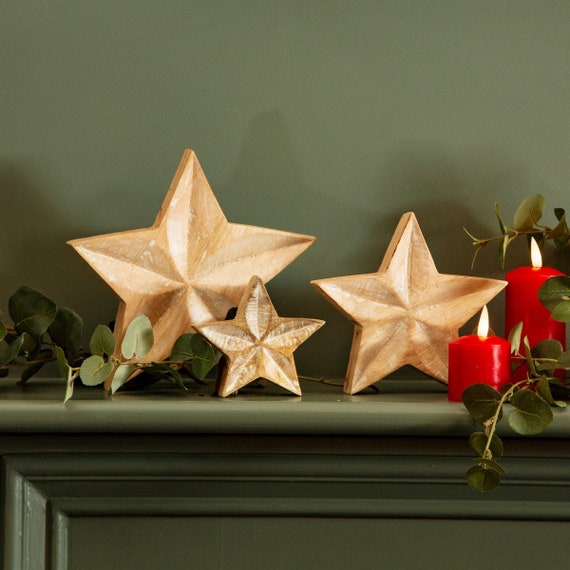
Slide a whitewashed wooden tray or small crate onto the shelf to create a raised platform for smaller items. The pale wood grain adds subtle variation while still reading as part of the winter white palette. Use the tray to corral candles or vessels so the grouping stays neat even on narrow ledges.
Mirror and Reflective Elements
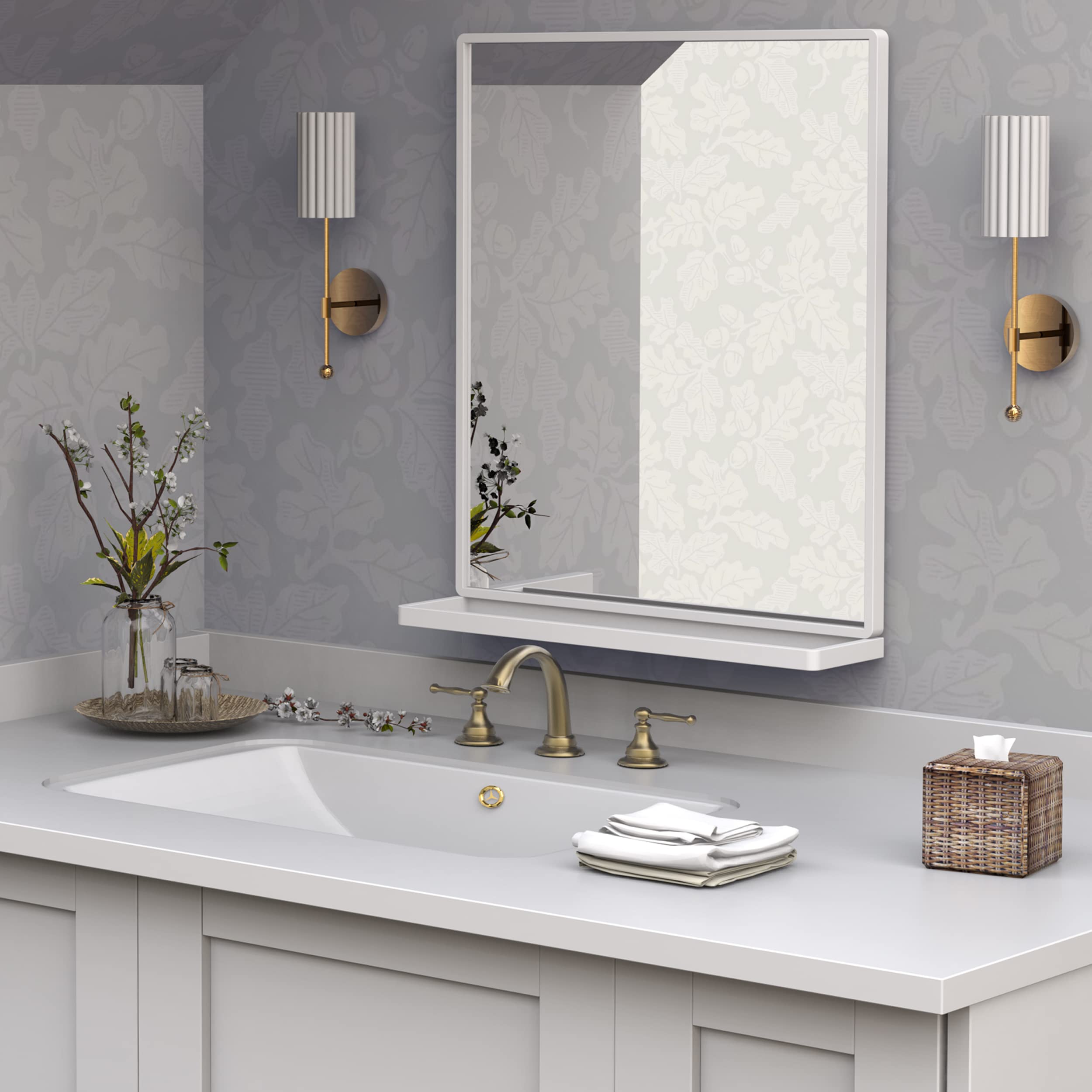
Lean a small white-framed mirror against the back of the shelf so it doubles the light in the room. Position it behind a cluster of objects rather than centering it, which keeps the reflection interesting instead of obvious. The mirror also makes the shelf appear deeper, useful in tight alcoves.
Pillow and Cushion Displays
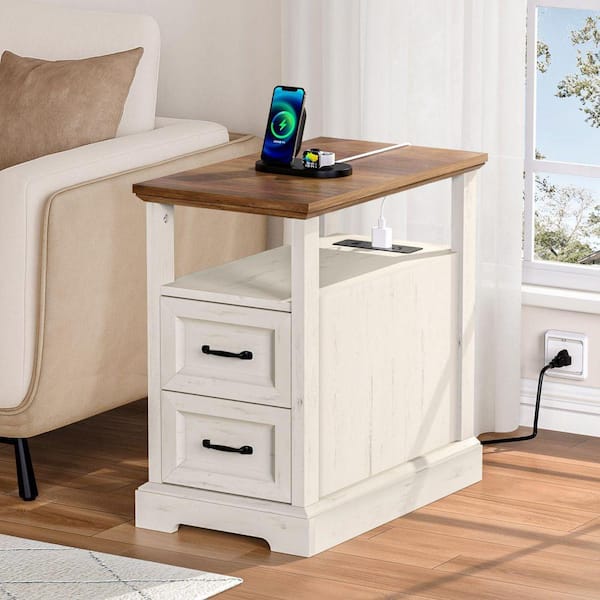
Roll or fold two white pillows and stack them on their sides so the fabric edges create horizontal lines. Choose covers with subtle texture such as waffle weave or light embroidery so they read as decor rather than spare bedding. This works best on lower shelves where the softness contrasts with harder materials above.
Branch and Nature Elements
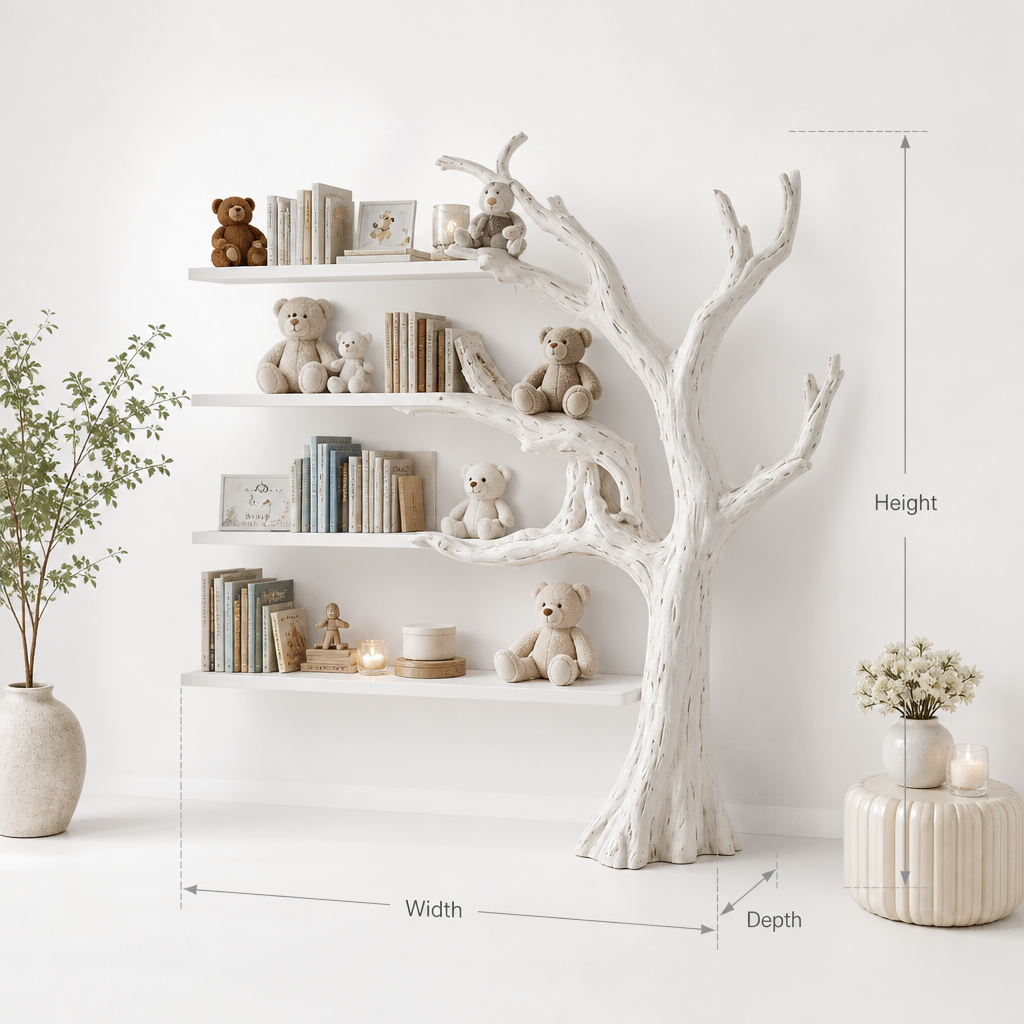
Place a few branches that have been lightly brushed with white paint or left naturally pale into a tall cylindrical vase. Angle one or two branches outward so they extend past the shelf edge and soften the straight lines of the furniture. The organic shape offsets the geometric feel of stacked books and boxes.
Artwork in White Frames
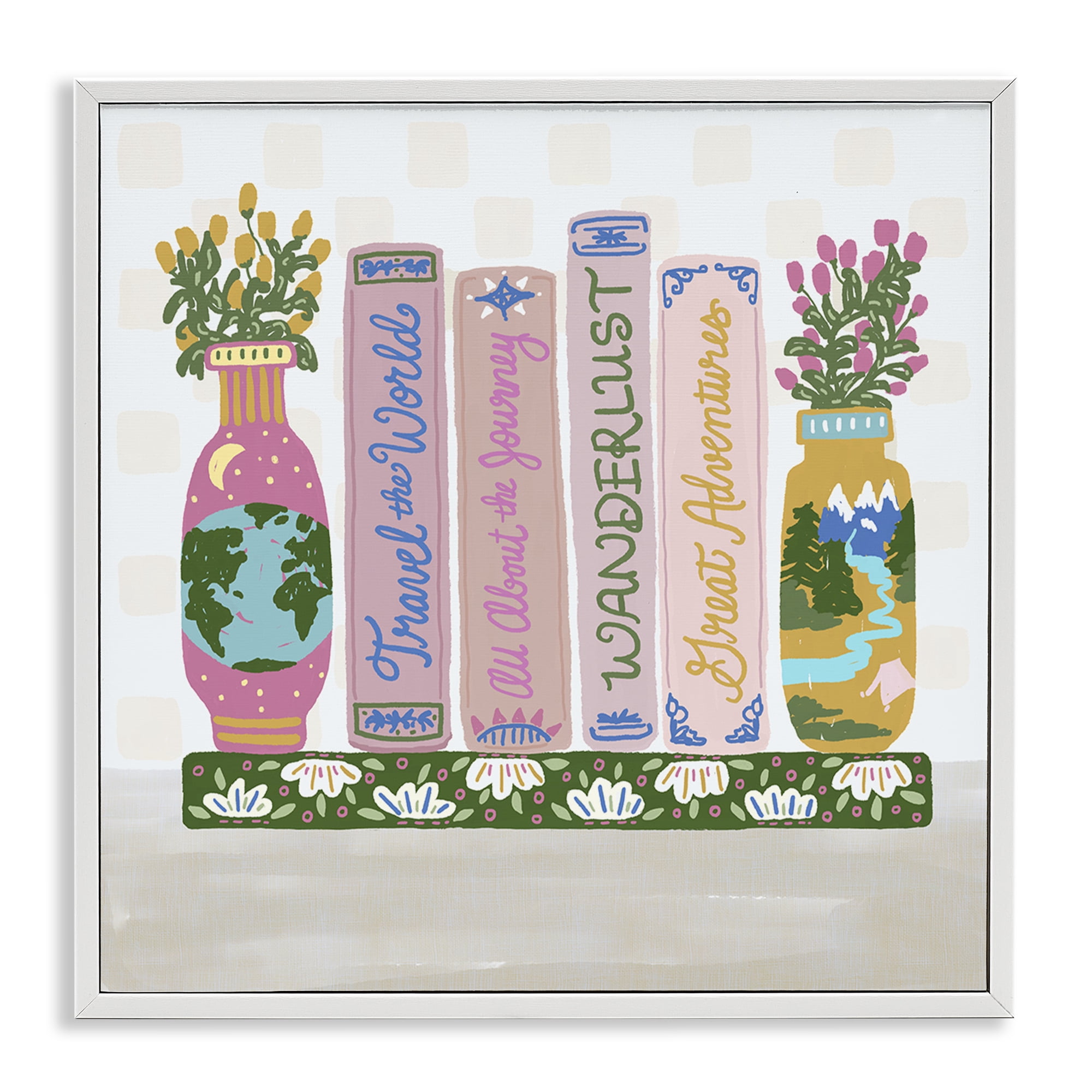
Prop a small white-framed print or photograph between two taller objects so the frame becomes part of the height rhythm. Choose artwork with plenty of negative space or pale subjects so it blends rather than interrupts the white scheme. Rotate the piece seasonally to keep the shelf from feeling static.
Layered Tray Styling
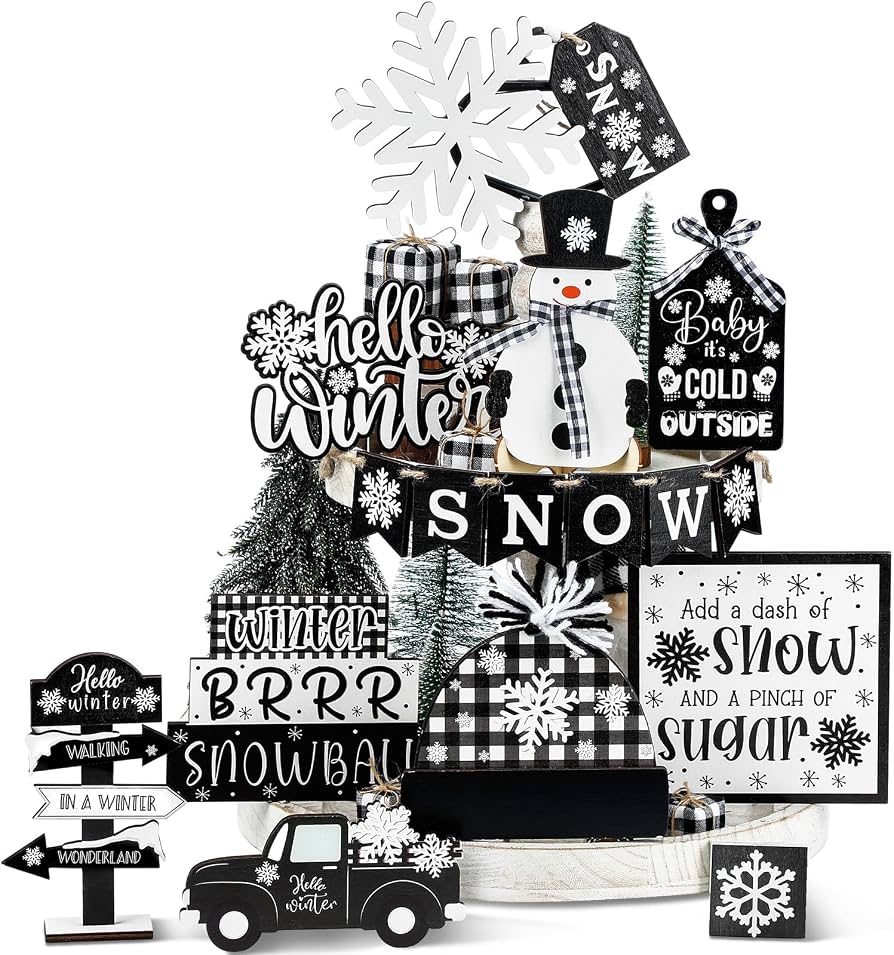
Set a shallow white tray at one end of the shelf and arrange a few small objects inside it. The tray creates a defined boundary that makes even a modest collection feel intentional. Swap the contents of the tray every month so the overall display evolves without requiring a full rearrangement.
Whitewashed wood offers the most forgiving surface when shelves receive direct sunlight, while milk glass adds gentle brightness in darker corners without glare.
Place the table in the section comparing material choices so readers can decide quickly which pieces suit their lighting conditions.
A single reflective piece placed at the back of a deep shelf can increase perceived brightness by nearly a third without adding extra lamps.
FAQ
How do I keep white shelf decor from looking cold in winter?
Layer at least three different textures such as matte ceramic, soft knit, and smooth glass within each grouping so the eye registers warmth through contrast rather than color alone. Avoid lining every item in a perfect row; instead stagger heights and leave small gaps that let the wall color show through.
What size vessels work best on narrow floating shelves?
Choose pieces no deeper than two-thirds the shelf depth so they sit securely without tipping forward. Low, wide bowls or short cylinders stay balanced more easily than tall, narrow vases when the shelf itself is only six or seven inches deep.
How often should I dust winter white shelf displays?
Run a microfiber cloth over the surfaces once a week during the heating season when indoor air tends to be drier and dust clings more readily. Move items in small groups rather than individually so the overall arrangement does not shift out of balance.
Can I mix warm and cool whites on the same shelf?
Yes, but keep the ratio roughly two-thirds warm white to one-third cool white so the cooler tones read as accents instead of dominating the palette. Test the combination under the actual room lighting before committing to the full display.
White shelf styling in winter tones rewards small, repeated adjustments far more than one large overhaul. Keep a few spare pieces on hand so you can swap textures as the season shifts and the shelves stay fresh without extra effort.
Leave a Reply