
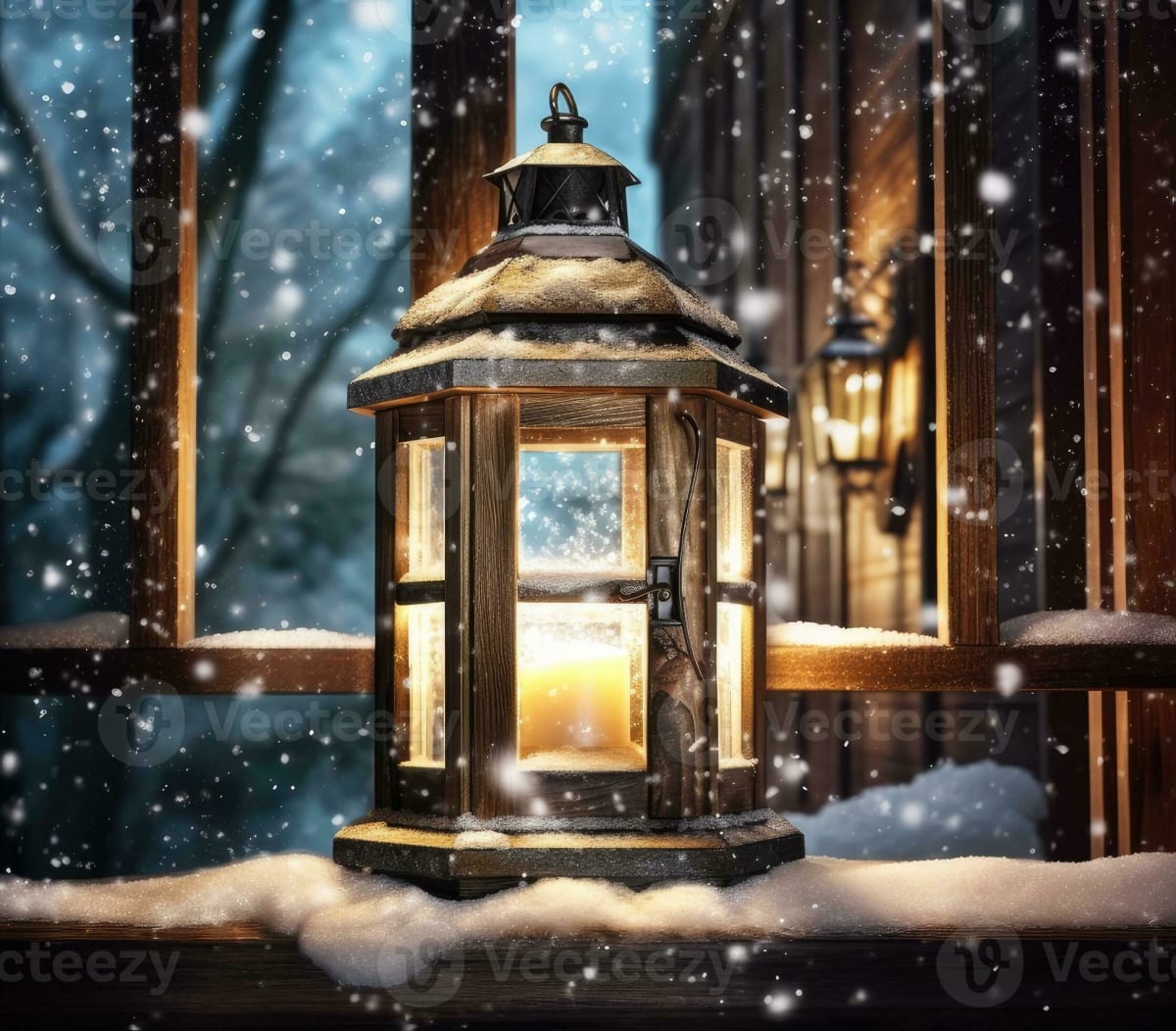
Winter garden lanterns bring steady light and structure to outdoor spaces when days shorten and temperatures drop. They highlight paths, frame seating areas, and add dimension to bare beds without relying on flowers. The twelve ideas below focus on lanterns that handle cold, wind, and occasional snow while staying easy to source and style.
Mason Jar Lanterns with Evergreen Sprigs

Mason jar lanterns sit low on garden steps or tucked into border beds where their wide bases resist tipping. Fill each jar with a short pillar candle or string of battery lights, then tuck a few cut evergreen branches around the glass to catch frost overnight. The combination keeps the light visible while the greenery softens the jar’s clean lines against winter ground.
Choose jars with straight sides so they stack neatly when stored. Swap the evergreen for dried seed heads or bare twigs once the holidays pass. Place them in groups of three at different heights to create depth along a walkway.
Vintage Metal Lanterns with Frosted Panels
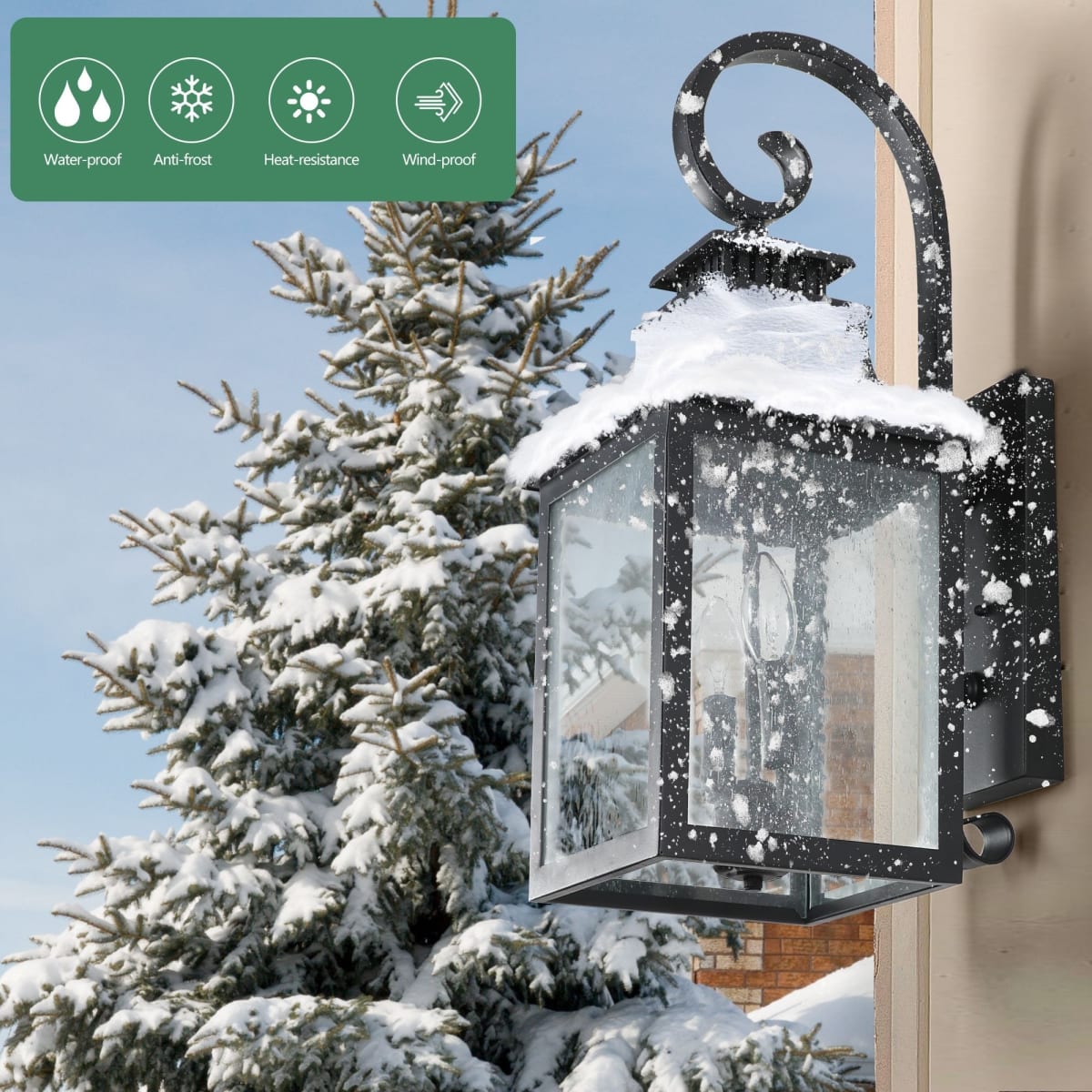
Vintage metal lanterns with frosted glass panels scatter soft light across patios and decks. Their aged finishes blend with stone walls and weathered wood, while the frosted surface reduces glare on snowy evenings. Set them on low tables or hang from shepherd hooks near seating so the light stays at eye level.
These lanterns often come with hinged doors that make swapping candles simple. Check the seams for rust before winter and apply a thin coat of clear sealant if needed. Group one large lantern with two smaller matching pieces to form a balanced vignette.
Solar Lanterns Along Gravel Paths
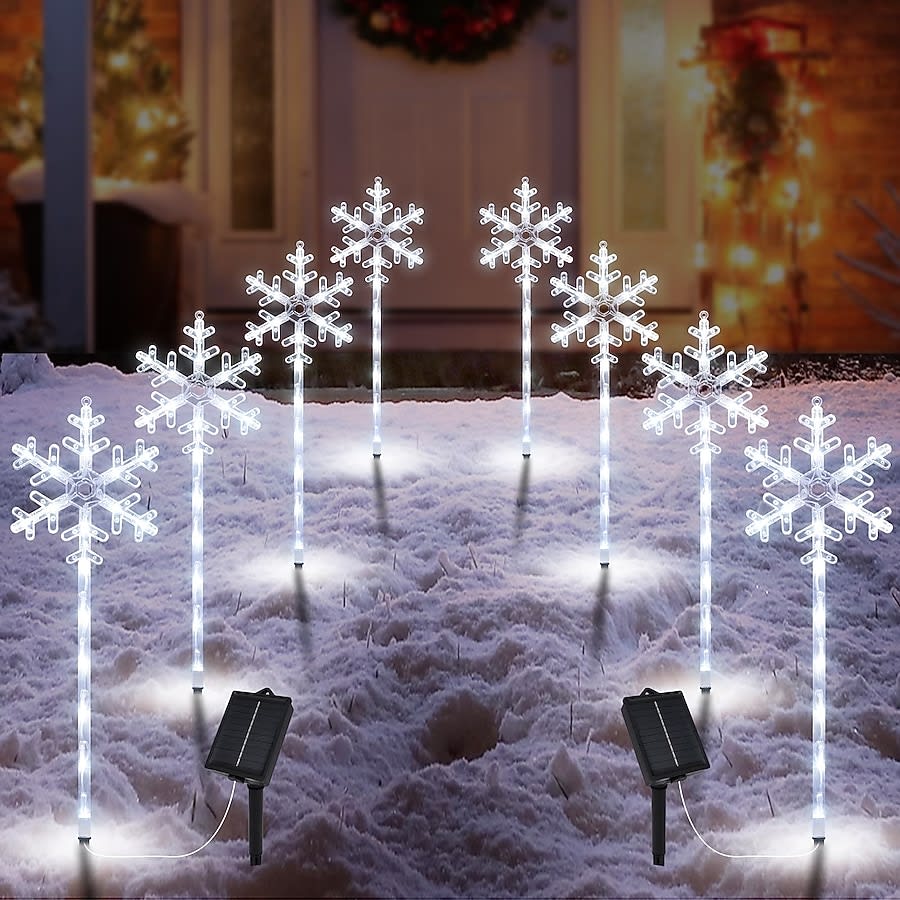
Solar lanterns charge during short winter days and switch on automatically at dusk, marking paths without extra wiring. Stake versions push into soil beside gravel or mulch walks, while flat-base models rest on low walls. Their built-in sensors adjust brightness as daylight fades.
Select models rated for below-freezing temperatures and with sturdy stakes that won’t bend under ice weight. Clean the solar panels every few weeks to remove snow or leaf debris. Space them eight to ten feet apart so the light pools rather than creating harsh spots.
Hanging Lanterns from Bare Tree Branches
Hanging lanterns suspended from sturdy tree limbs add vertical interest once leaves have fallen. Use weatherproof chain or thick jute rope and choose lanterns with secure tops that won’t swing open in wind. Position them at varying heights to echo the natural branch pattern.
Battery versions eliminate the need to climb with matches after dark. Check branch strength each season and move any lantern that sits directly under a drip line from melting snow. One cluster of three lanterns near a focal tree draws the eye without overwhelming the canopy.
Lanterns Filled with Pinecones and Twigs

Lanterns filled with pinecones and twigs create texture inside the glass while the flame or light sits above the filler. Choose open-weave metal styles so air circulates and moisture escapes. The natural materials echo the surrounding garden and catch light from multiple angles.
Replace damp filler after heavy snow or rain to prevent mold. Mix in a few birch logs cut to jar height for contrast against darker pinecones. These lanterns work equally well on porch railings or nestled among dormant perennials.
Frosted Glass Lanterns on Stone Walls

Frosted glass lanterns placed along stone walls catch and diffuse light across textured surfaces. Their cool finish complements gray stone and looks especially crisp against evergreen hedges. Use wall brackets rated for outdoor weight and angle the lanterns slightly downward so light reaches the ground.
Wipe the glass monthly to remove salt spray or road grit. Pair them with matching frosted sconces on the house for a coordinated look. One lantern every six feet along a low wall creates rhythm without crowding the stone.
Wooden Lantern Boxes with Clear Panes
Wooden lantern boxes with clear panes protect candles from wind while their warm grain stands out against bare branches. Build or buy boxes sized for standard pillar candles and finish the wood with exterior stain. Set them on garden stools or low stumps near seating areas.
The boxes also serve as small shelters for seed heads or dried arrangements when the candle is removed. Drill a few drainage holes in the base if snow accumulates inside. One box at each end of a bench frames the seating without blocking views.
Metal Cage Lanterns with LED Candles
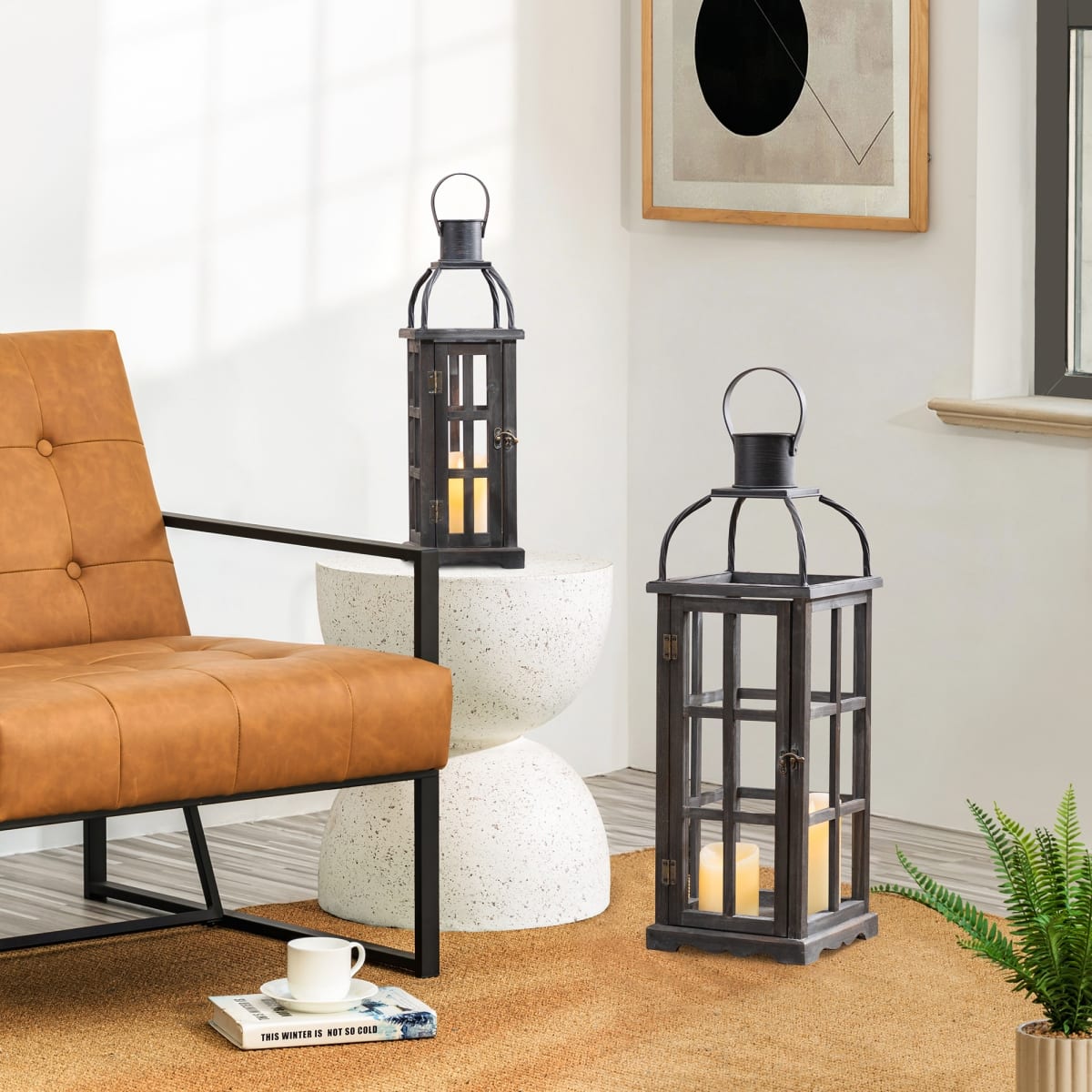
Metal cage lanterns fitted with LED candles give the look of open flame without fire risk near dry leaves or mulch. Their open frames allow snow to collect lightly on the “candle” top for seasonal detail. Place them inside empty raised beds or along fence lines where the metal echoes garden edging.
Choose LEDs with a warm color temperature around 2700K so the light feels like real flame rather than blue daylight. Recharge or replace batteries every three weeks during heavy use. Cluster four small cages together on a flat stone for a modern fire-pit alternative.
Battery Lanterns on Metal Stakes
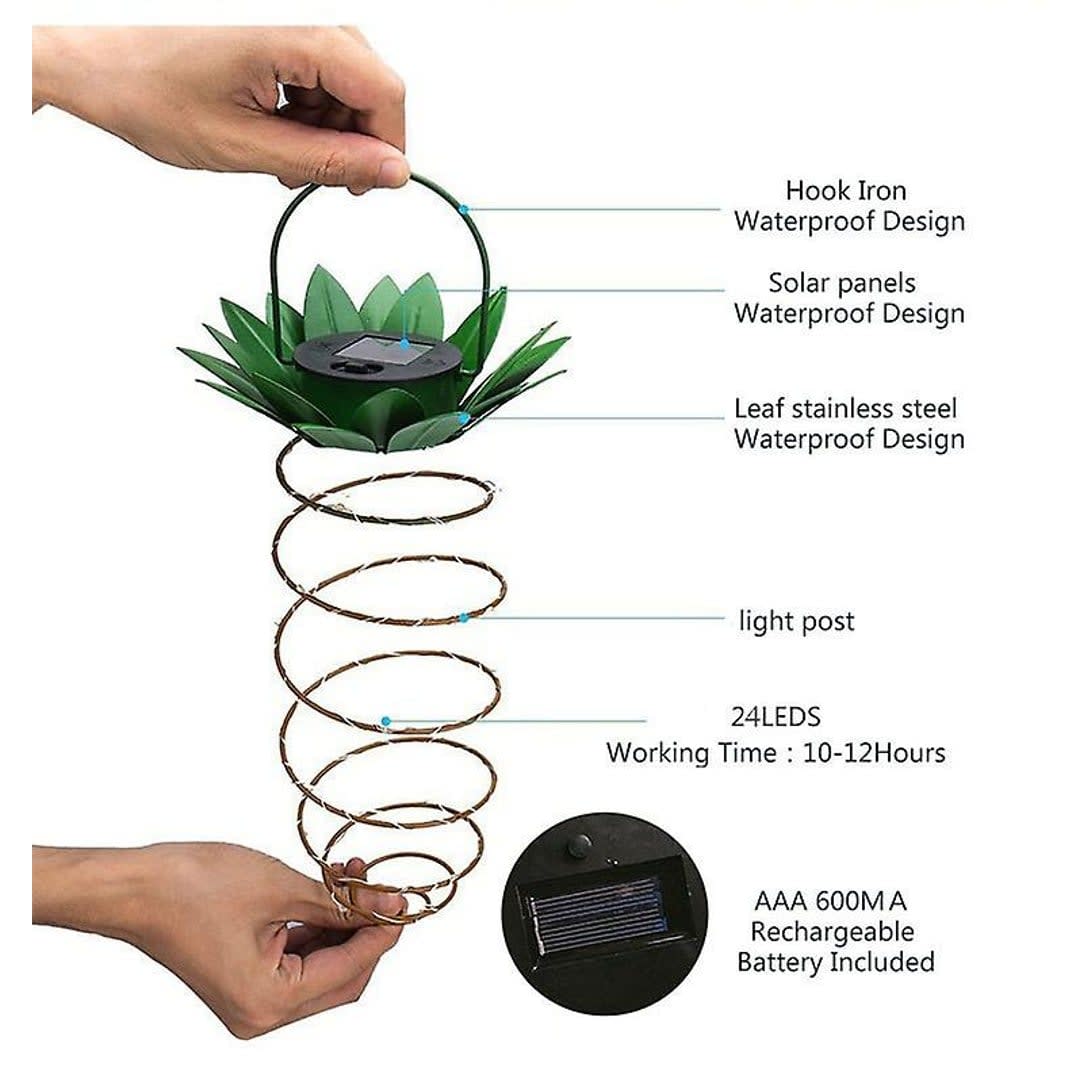
Battery lanterns mounted on metal stakes push into borders or line vegetable beds once plants are cut back. The stakes keep the lanterns above snow depth while the battery packs tuck into the ground. Rotate the stake angle slightly each week so the light shifts across different garden features.
Use stakes at least eighteen inches long for stability in frozen soil. Swap between cool and warm light modes depending on whether the lantern sits near cool stone or warm wood tones. These lanterns move easily when spring planting begins.
Burlap-Wrapped Lanterns Near Gates

Burlap-wrapped lanterns placed near gates add soft texture that contrasts with metal hardware. Wrap the lower third of each lantern and secure with twine so the fabric stays clear of the flame or bulb. The neutral tone blends with dormant grasses and highlights the gate itself.
Remove the burlap if heavy rain is forecast so the fabric dries quickly. One lantern on each side of a gate creates symmetry that guides visitors. The wrapping also hides any bright battery packs or cords.
Upcycled Tin Can Lanterns with Punched Patterns
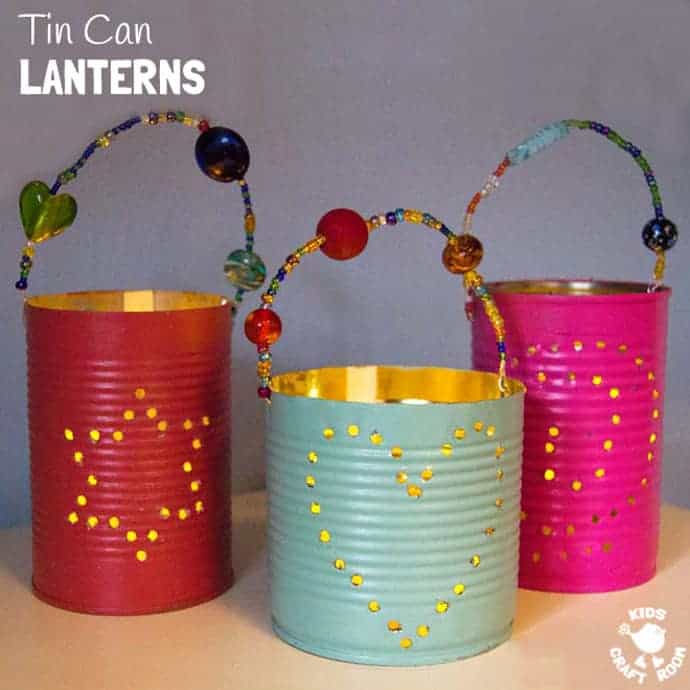
Upcycled tin can lanterns with punched patterns cast delicate shadows on snow or bare soil. Clean and paint the cans first so they resist rust, then punch simple star or snowflake designs. Set them on flat rocks or hang from low branches where the light patterns show best.
Line the inside with parchment paper to soften the light further. These lanterns cost little to make yet photograph well for winter garden posts. Store them indoors between seasons to extend their life.
Cluster Lantern Displays on Patios

Cluster lantern displays group three to five lanterns of varying heights on a single patio or terrace. Mix metal, glass, and wood finishes so the collection feels collected rather than matched. Keep the tallest lantern at the back and step heights forward so every flame remains visible.
Add one low tray beneath the group to catch drips and make moving the cluster easier. Rotate the arrangement every few weeks so no single area of the patio receives constant heat. This setup turns an empty winter patio into a focal point visible from inside the house.
How do I prevent lanterns from tipping in high wind?
Place heavier bases or add landscape staples through the feet of stake-mounted lanterns. Check local forecasts and bring lightweight pieces indoors when gusts exceed twenty-five miles per hour. Grouping lanterns together also reduces individual movement.
Which lantern materials hold up best against road salt?
Powder-coated metal and sealed glass resist salt corrosion better than raw iron or untreated wood. Rinse lanterns monthly with fresh water during winter to remove residue. Avoid placing them directly beside driveways where salt spray is heaviest.
Can I leave real candles in lanterns overnight?
Real candles should be extinguished before bed or when no one is outside to monitor them. Use LED candles for extended evening displays instead. Always keep a fire extinguisher nearby when any open flame is present.
FAQ
How long do solar lanterns typically last in winter? Most quality solar lanterns run four to six hours after a full charge, though shorter winter days and snow cover reduce that window. Clean panels weekly and angle them toward the sun when possible. Replace batteries every two seasons for consistent performance.
What size lantern works best beside a front gate? Lanterns twelve to sixteen inches tall balance visibility with the scale of most residential gates.
Larger pieces can overwhelm narrow entrances, while smaller ones disappear against the gate structure. Test placement at dusk before committing to permanent brackets.
How do I store lanterns between winter and spring? Empty any water, remove batteries, and wrap glass pieces in bubble wrap before boxing.
Store in a dry shed or garage rather than an unheated space where condensation forms. Label boxes by location so reinstallation takes minutes the following season.
Do lantern clusters need a focal point? Clusters look more intentional when one taller lantern sits slightly behind or to the side of the group.
This creates depth without requiring extra pieces. Avoid centering every lantern at the same height.
One well-chosen lantern can quietly reshape how a winter garden feels after sunset, turning empty beds and bare branches into a space that still invites attention.
Leave a Reply