
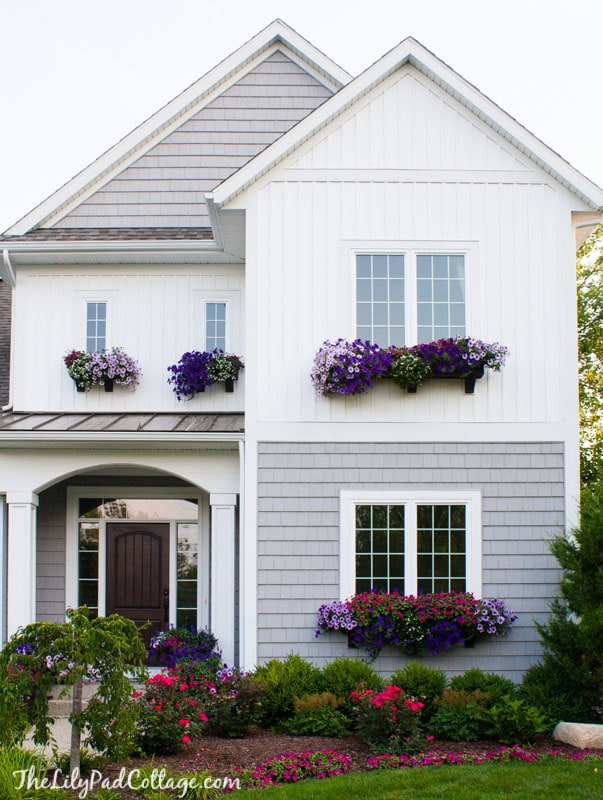
Window boxes add instant charm to any home exterior by bringing color, texture, and life right up to your windows. The right combination of planter style and plants turns plain facades into welcoming focal points that shift beautifully with the seasons.
Wooden Window Boxes with Classic Geraniums
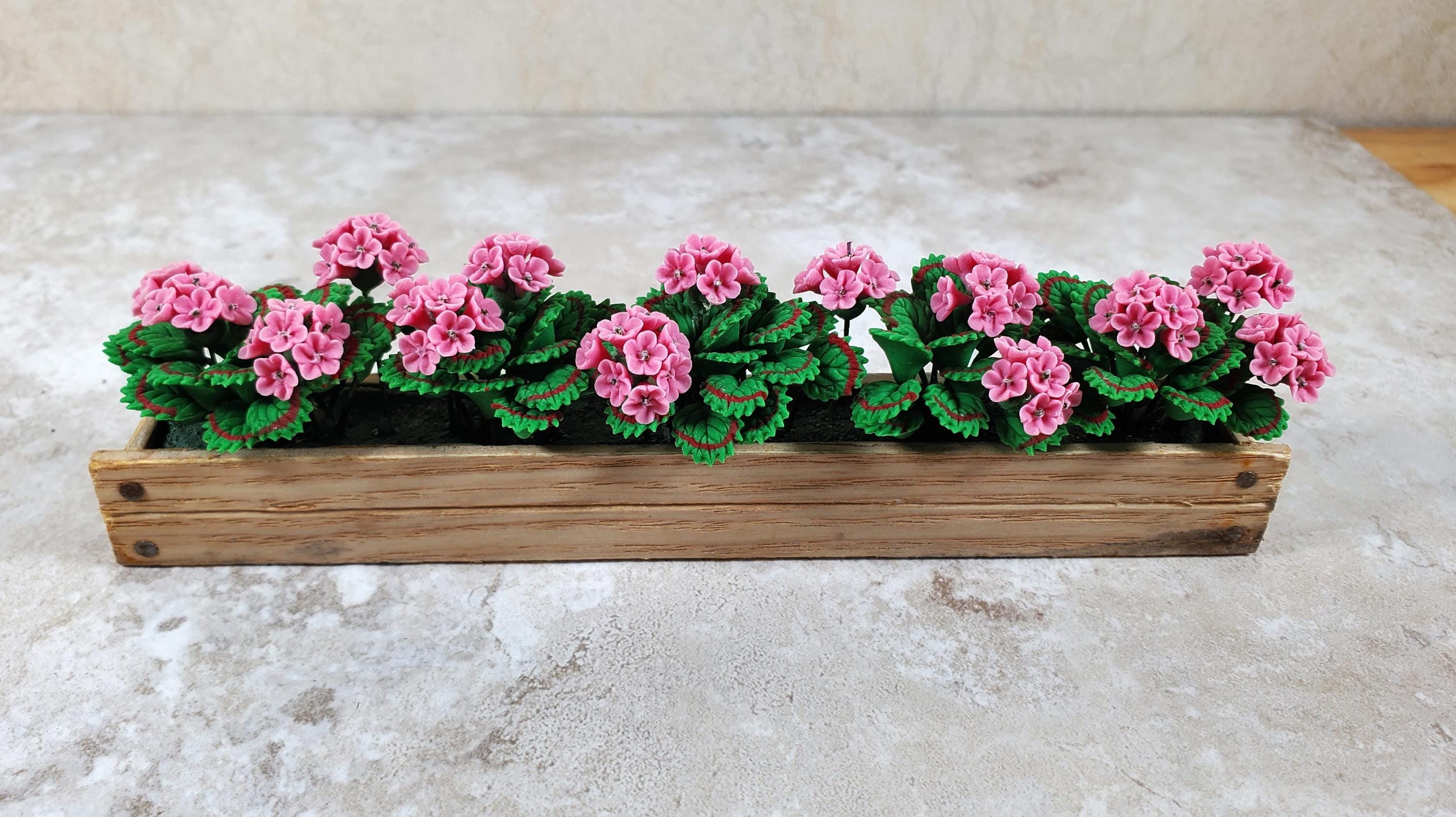
These timeless boxes suit both traditional and farmhouse homes. The warm wood grain pairs naturally with bold red or pink geraniums that bloom steadily through summer.
Quick styling note
Choose weathered cedar or pine for an aged look that blends with brick or siding.
Galvanized Metal Boxes with Kitchen Herbs
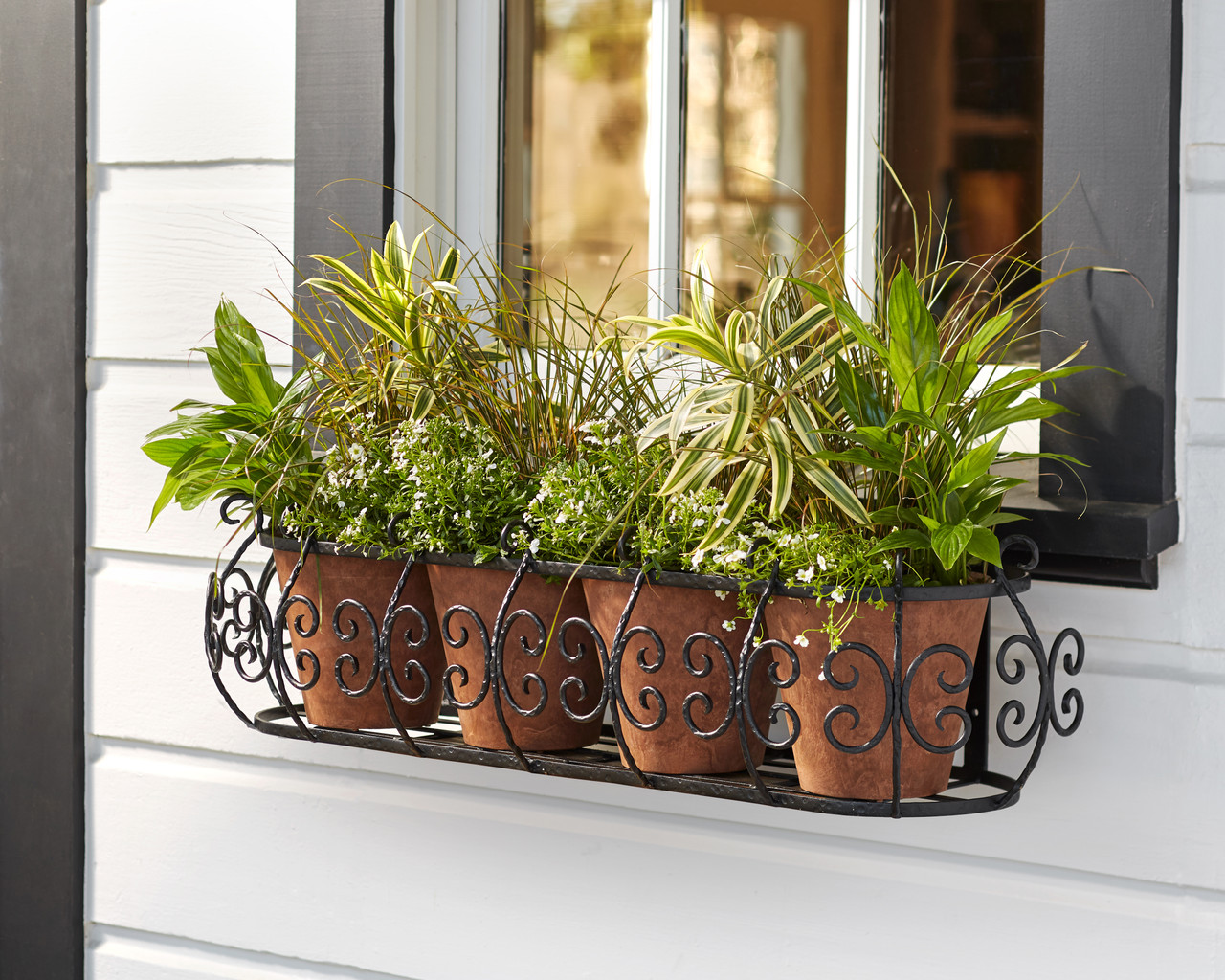
Metal planters give a clean, utilitarian feel that works especially well near kitchens. Basil, thyme, and rosemary stay within easy reach while adding soft green texture against the silver finish.
Trailing Petunia Cascades
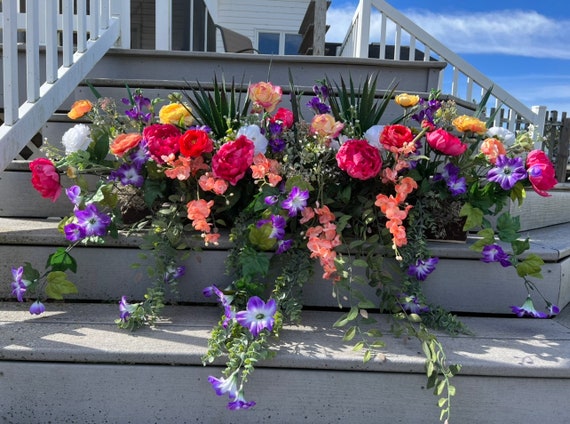
Petunias spill gracefully over the edges and soften hard architectural lines. Their range of colors lets you match or contrast with your home’s trim for a polished effect.
Shallow Succulent Window Boxes
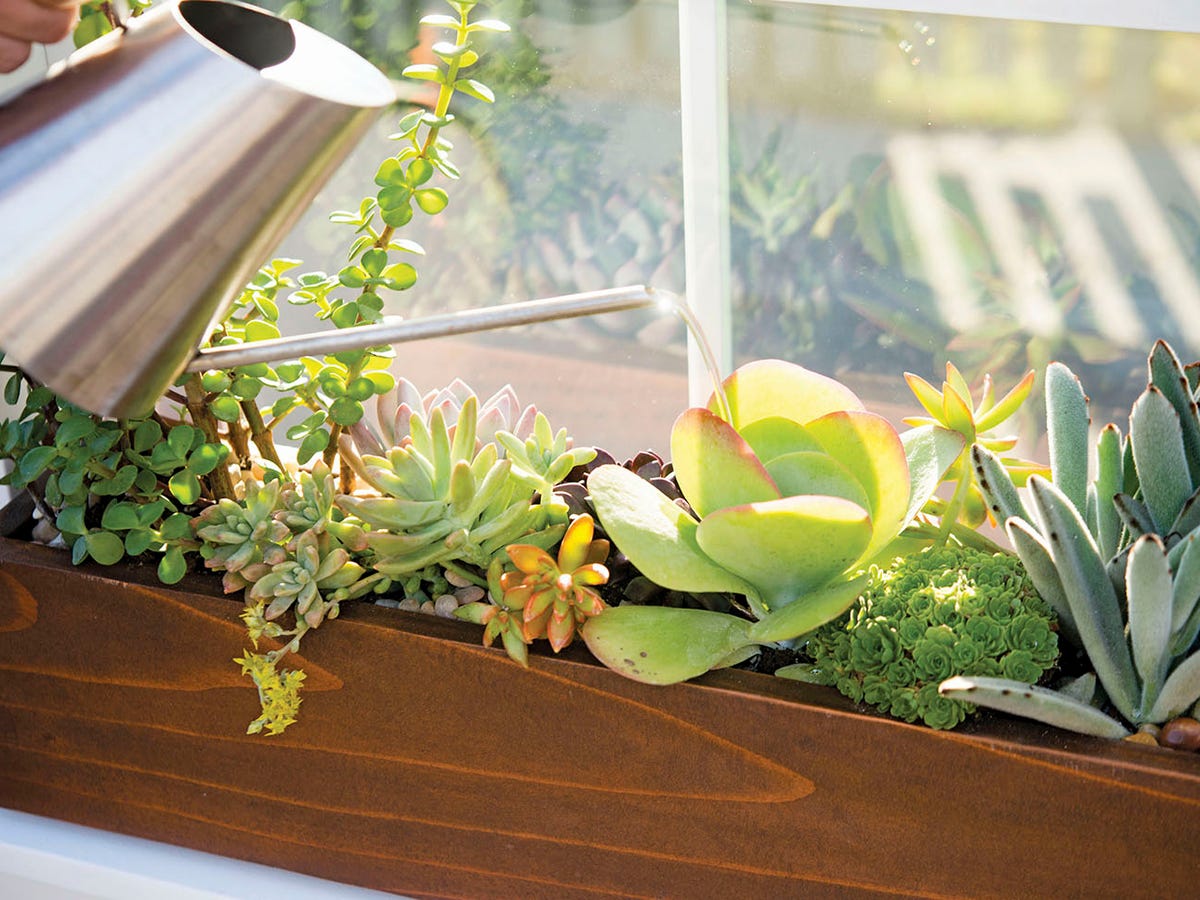
Low-maintenance succulents thrive in the good drainage these boxes provide. Mix echeveria, sedum, and hens-and-chicks for varied shapes and subtle color shifts throughout the year.
Edible Vegetable and Strawberry Planters
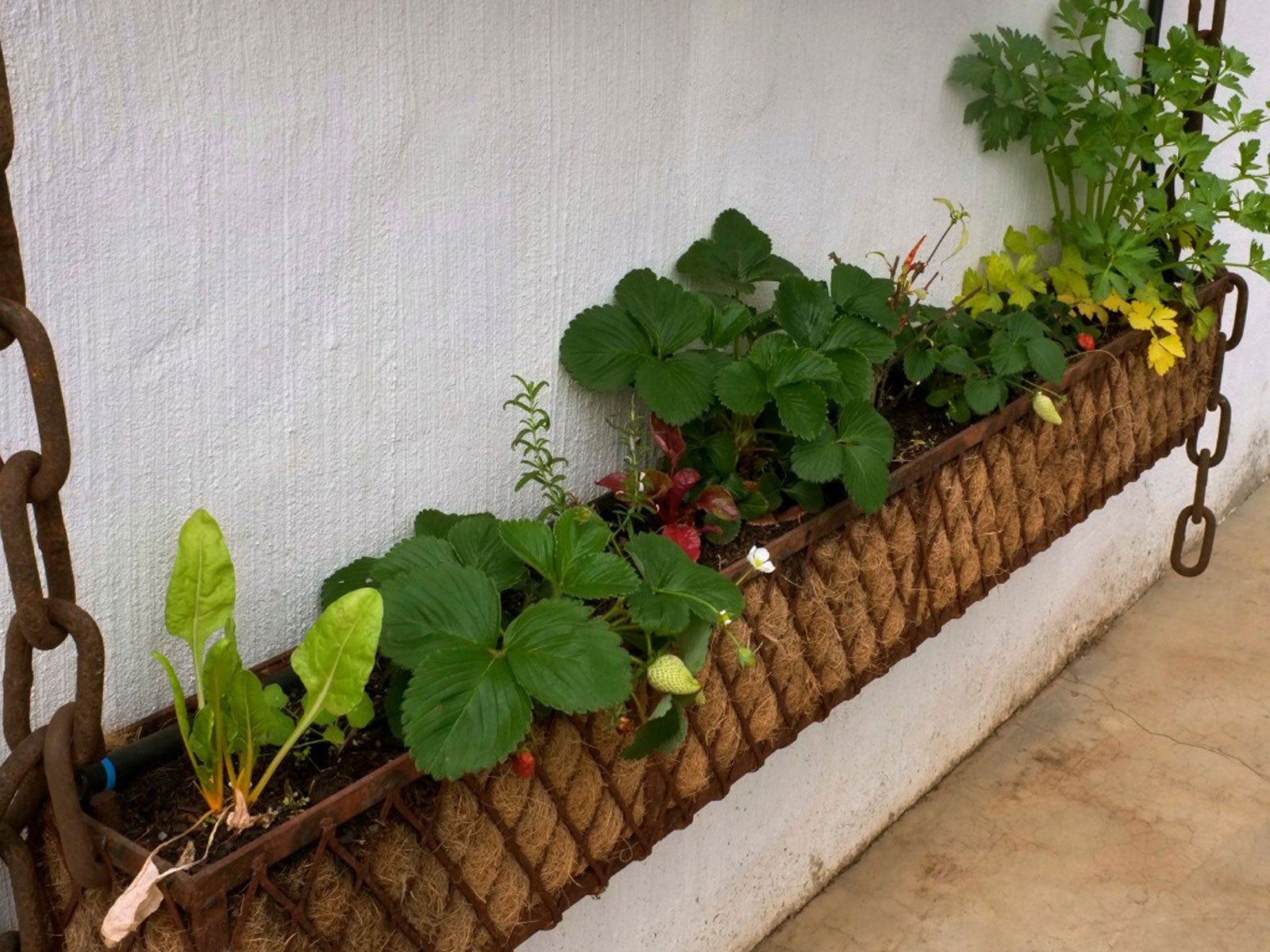
Compact varieties of lettuce, cherry tomatoes, and strawberries turn sunny windows into mini gardens. The harvest stays close to the kitchen while the foliage adds lush greenery.
Evergreen Boxwood and Ivy Combinations
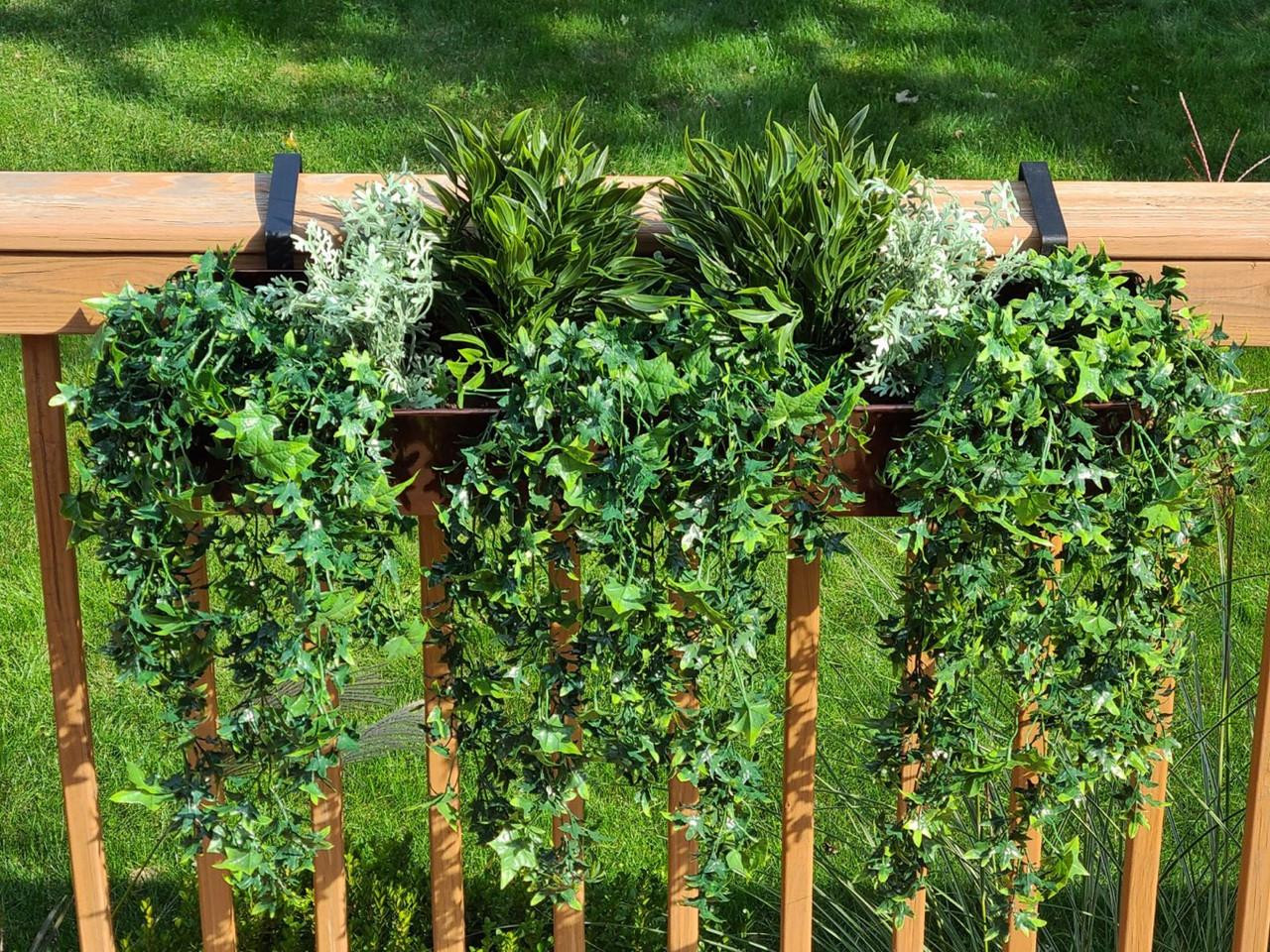
These plantings keep windows looking full even in colder months. Boxwood provides structure while ivy trails downward for year-round interest without constant replanting.
Lavender and Rosemary Scented Boxes
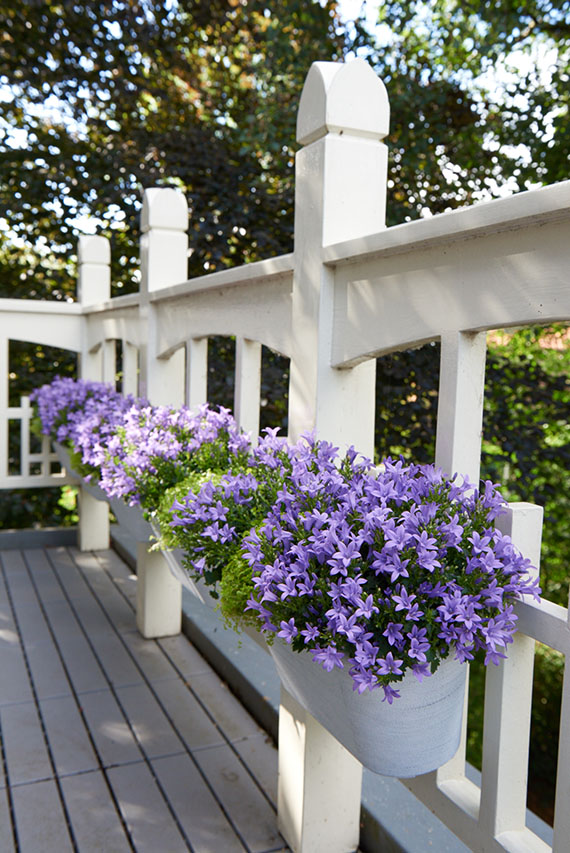
Both plants release fragrance when brushed by breezes. Their silvery foliage and purple flower spikes create a soft, Mediterranean look against almost any exterior color.
Colorful Annual Mixes in Painted Boxes
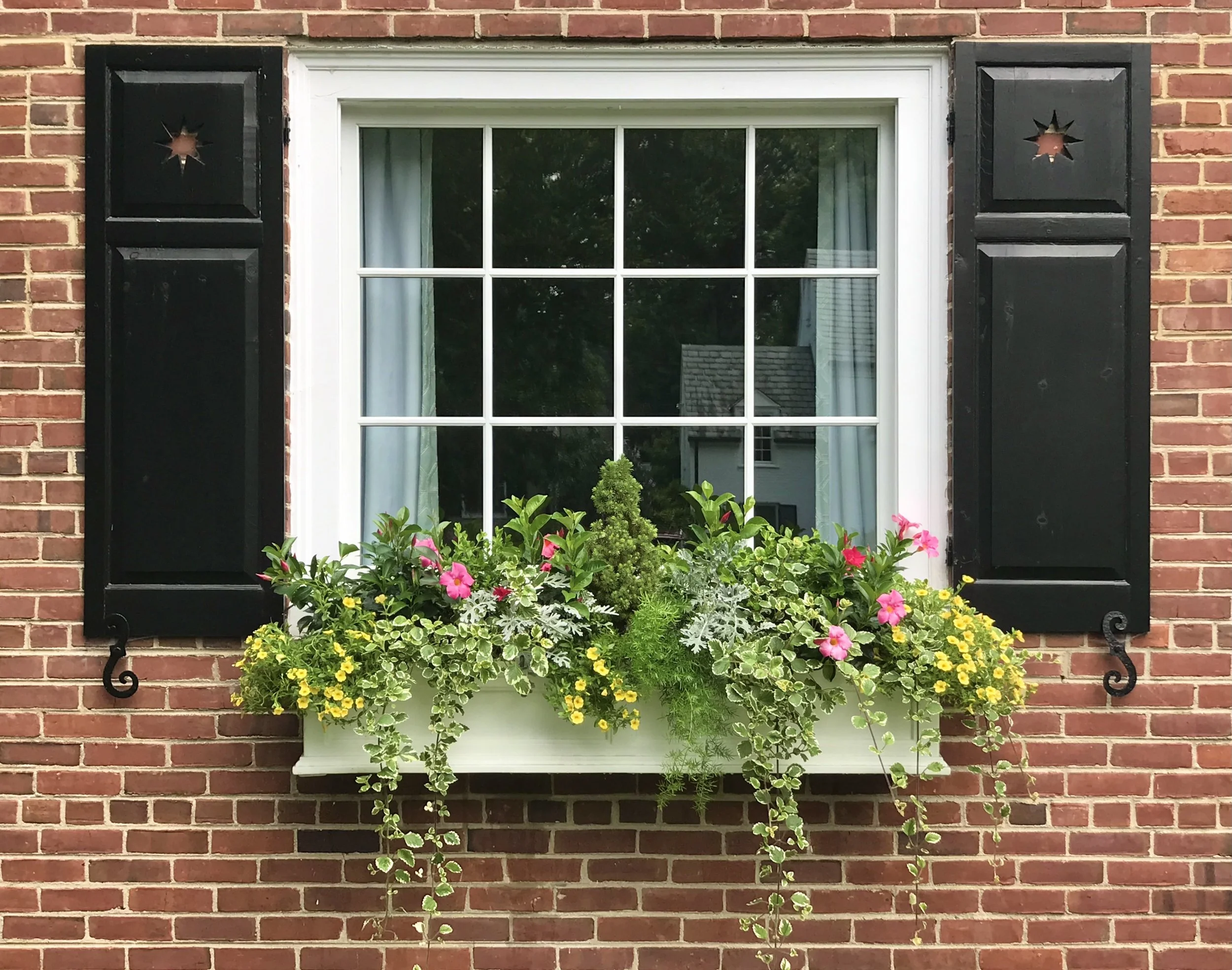
Bright marigolds, zinnias, and pansies bring cheerful pops against painted wood or metal. Rotate colors each season to refresh the look without changing the planter itself.
Fern and Ivy Shaded Window Boxes
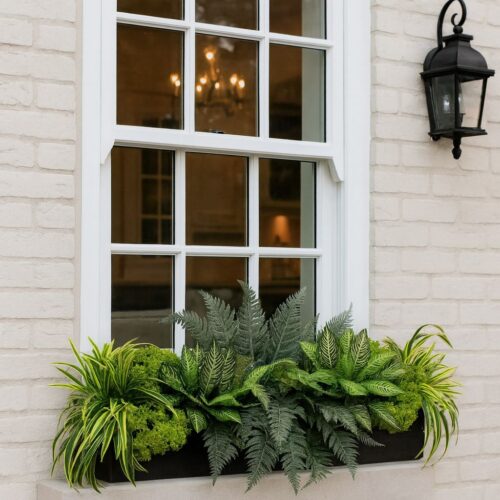
These combinations suit north-facing windows where direct sun is limited. The varied leaf textures create depth and movement even in lower light.
Hydrangea Window Box Displays
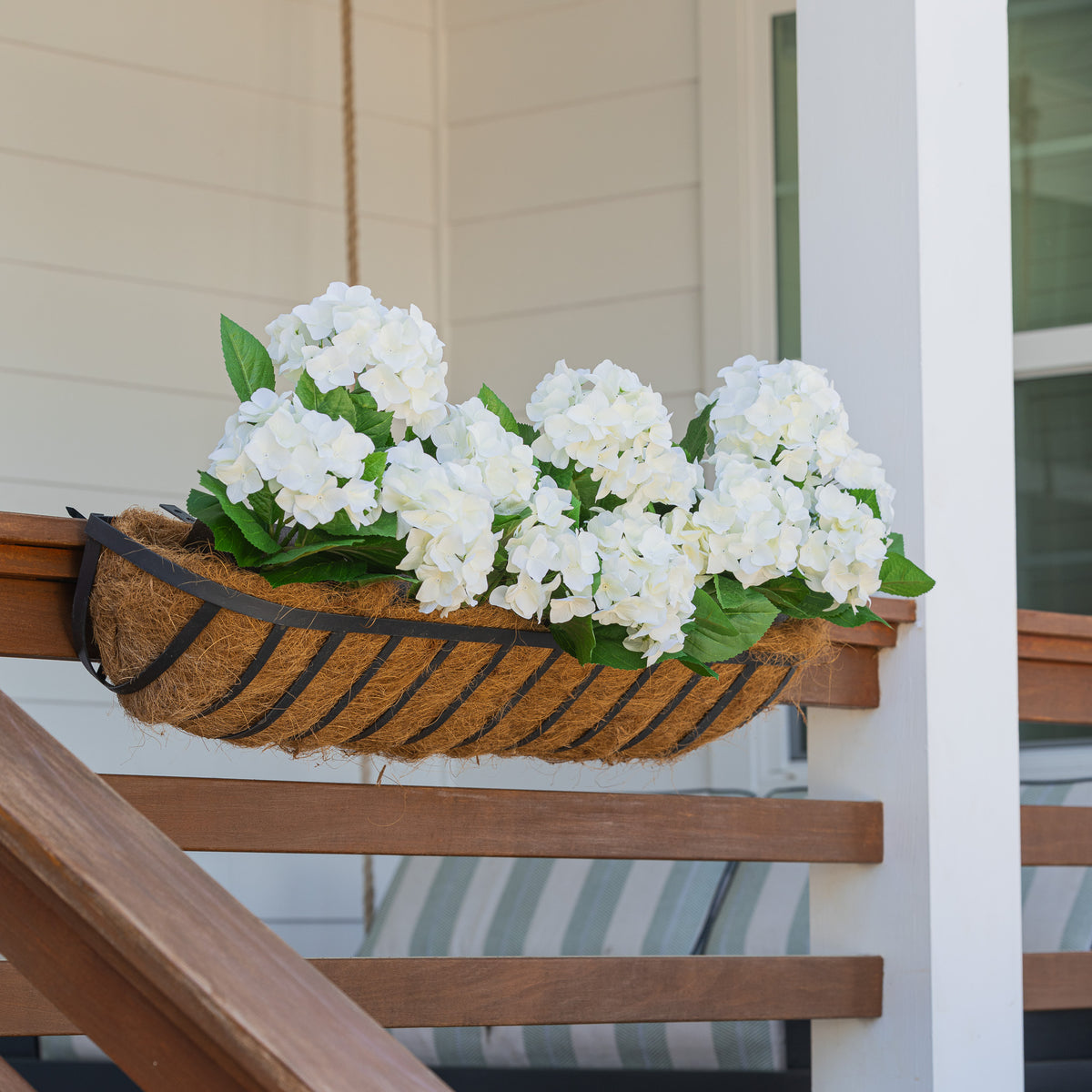
Large mophead blooms give a cottage-garden softness. Choose dwarf varieties so the flowers stay in proportion with the box and window frame.
Mixed Foliage with Hostas and Heuchera

Different leaf colors and shapes add interest without relying on flowers. This approach works well in partly shaded spots and requires less deadheading than flowering options.
Winter Greens with Pine and Berries
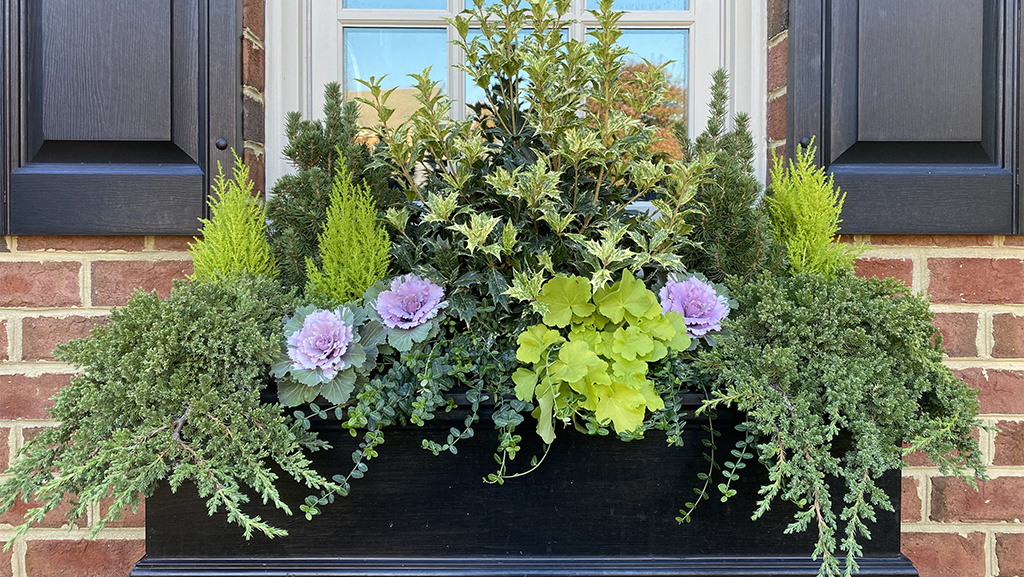
Evergreen boughs, holly, and berry stems keep windows dressed through the colder months. The arrangement stays fresh-looking with minimal watering once temperatures drop.
FAQ
How often should I water window boxes?
Check soil moisture every other day during warm weather. Most boxes need watering when the top inch of soil feels dry.
What depth works best for most plants?
Eight to ten inches allows roots to develop properly for the majority of annuals, herbs, and small shrubs.
Can I leave the same plants year-round?
Evergreen and perennial choices like boxwood or lavender can stay, while tender annuals are usually swapped each season.
Do window boxes damage siding or windows?
Properly mounted boxes with drainage trays and a small gap behind them prevent moisture issues against the house.
Window boxes reward simple choices made with your specific light, climate, and home style in mind. Start with one or two planters this season and expand as you discover what grows best in your space.
Leave a Reply