
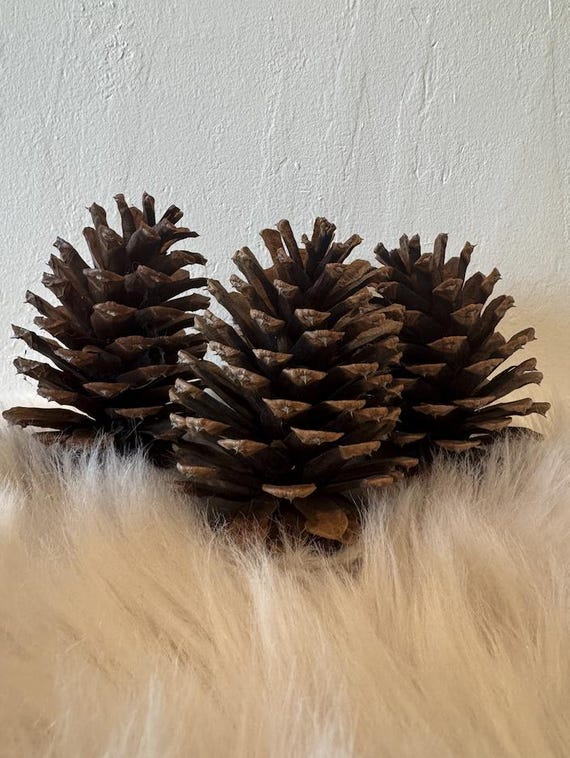
Pinecones stay shut when moisture levels inside the scales remain high, preventing the natural opening process that exposes the interior for gluing, painting, or arranging in wreaths and centerpieces. Several factors from collection timing to storage choices influence whether the cones respond to drying methods. Addressing these directly leads to reliable results for your next set of projects.
Freshly Gathered Pinecones Retain Excess Moisture
Pinecones picked while still green or recently fallen carry internal water that locks the scales in place. This moisture acts as a natural sealant until evaporation occurs, and rushing the process without proper drying leaves the cones unchanged. Allowing time for air exposure often resolves the issue without additional intervention.
Pinecones harvested after heavy rain close tighter because absorbed water penetrates deeper into the core than surface dampness alone.
Placement variations make a difference here. Set cones in a single layer on a wire rack rather than a solid tray so air circulates underneath.
Rotate them every few days to expose all sides evenly. Avoid stacking because trapped humidity between layers slows drying further.
- Choose cones that feel lightweight rather than heavy with sap
- Select those with visible gaps already forming at the base as a sign of partial readiness
- Skip any showing green tips since these indicate active moisture retention
Indoor Humidity Levels Block Natural Opening
High household humidity mimics outdoor conditions and stops scales from separating even after weeks on a shelf. Rooms without good airflow, such as bathrooms or basements, keep cones from responding the way drier spaces allow. Moving them to a location with consistent low moisture changes the outcome.
How Does Oven Heat Affect Closed Pinecones Differently Than Air Drying?
Low oven temperatures around 200 degrees Fahrenheit speed evaporation without burning the wood when monitored closely. Place cones on parchment paper and check every 30 minutes to avoid over-drying that can cause cracking.
Air drying works best in spaces with dehumidifiers running. Test room conditions with a simple hygrometer before committing cones to a spot. This step prevents repeated failures when the environment itself works against the process.
Different Pine Species Respond at Varying Rates
Not every pinecone follows the same timeline because scale thickness and resin content differ by tree type. White pine cones often open faster than those from lodgepole pines due to thinner layers that release more readily. Identifying the species before starting helps set realistic expectations for your batch.
A second non-obvious factor appears in cones from higher elevations where colder nights create denser resin seals that require longer heat exposure to break.
Common placement options include windowsills for natural light warmth or near heating vents during winter months. Each location alters the speed without needing equipment. Test small groups first to see which works for the specific cones you collected.
Storage Practices Before Crafting Matter
Storing cones in sealed plastic bags or airtight containers traps residual moisture and prevents any progress toward opening. Paper bags or open baskets allow gradual release while protecting against dust. Switching containers often revives stalled cones within a few days.
How Can I Tell If My Pinecones Are Ready to Use in Projects?
Scales that separate with gentle pressure and feel dry to the touch indicate readiness. Shake the cone lightly to check for loose seeds as another confirmation sign.
Avoid direct sunlight during storage because intense rays can dry the exterior too quickly while the interior stays damp. This uneven result leads to brittle outer scales that break during crafting. Consistent moderate conditions produce better uniformity across the entire cone.
Leave a Reply