
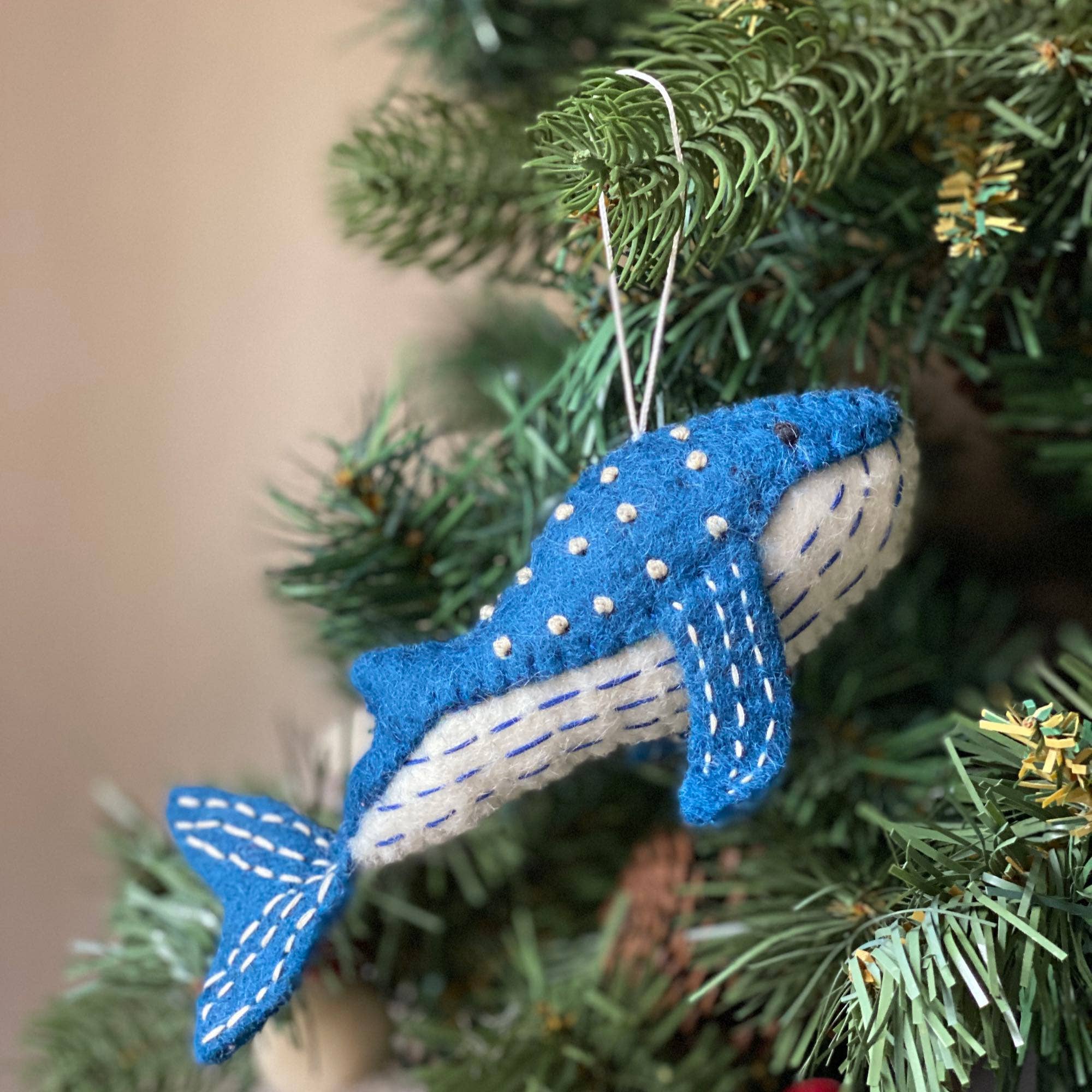
Felt ornaments separate along seams when thread choice, stitch construction, or material handling fails to hold the layers together under normal handling and display conditions. Understanding the exact failure point lets you correct the issue on the next set of ornaments without starting from scratch.
Thread Selection Problems
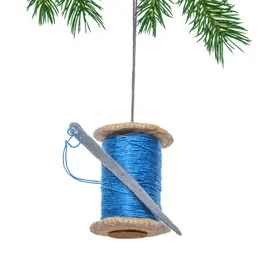
Standard all-purpose thread often lacks the grip needed for felt’s slightly fuzzy surface, allowing stitches to pull through after repeated hanging or light squeezing. Switching to a heavier cotton-wrapped polyester or embroidery thread increases surface friction and reduces slippage at each puncture point.
Felt also stretches slightly when handled, so thread that has no give creates stress points that eventually tear the fabric. A 100% cotton thread with moderate twist balances strength and flexibility better than slick synthetics in most ornament projects.
Stitch Technique Errors
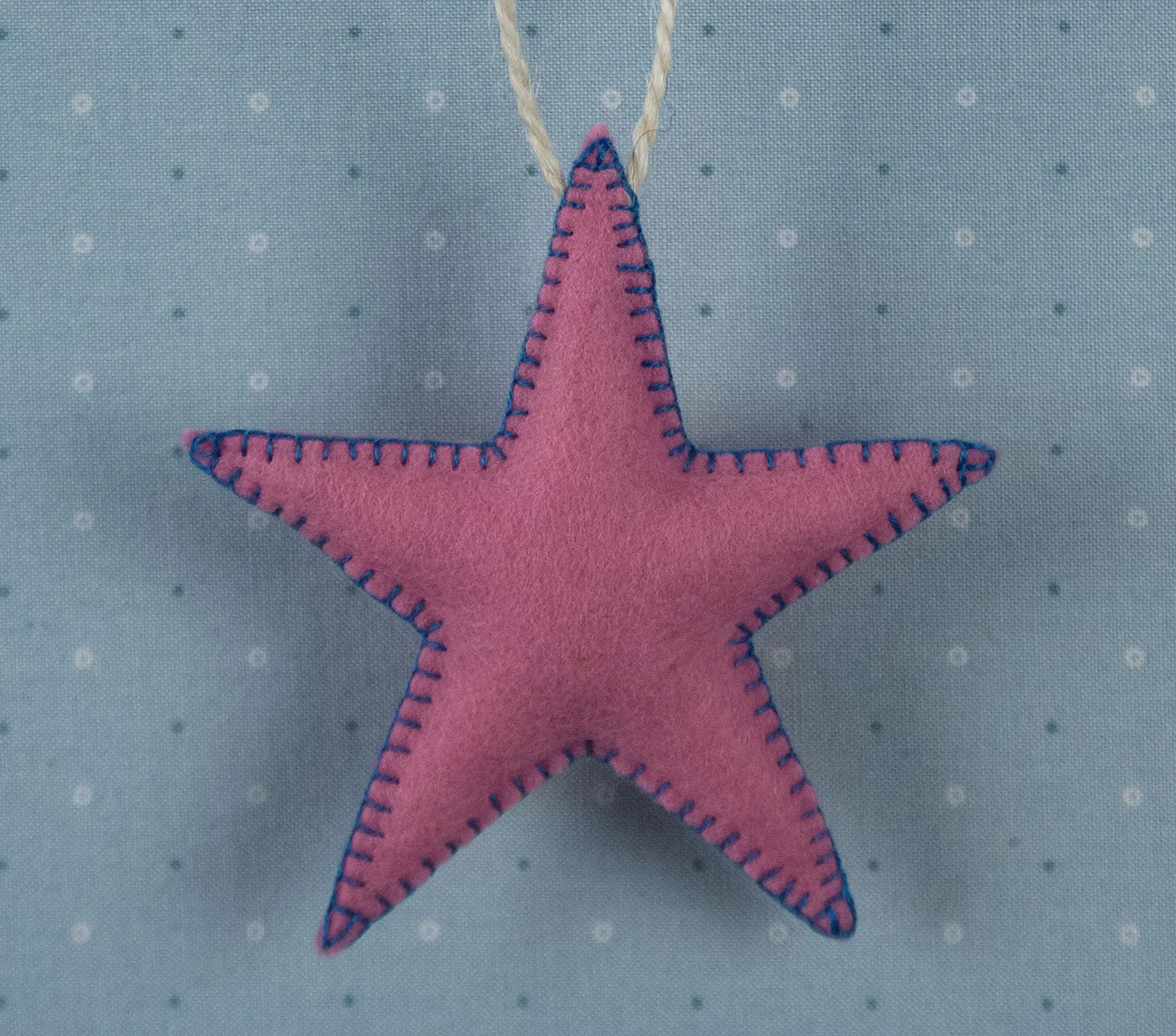
Short, tight stitches crowd the felt and create a perforated line that weakens the material, while overly long stitches leave gaps where the layers can shift apart. A running stitch or whip stitch spaced 3–4 mm apart with consistent tension keeps the seam secure without cutting into the felt fibers.
Many makers finish the seam with a single knot that loosens over time. Adding a second knot and pulling the thread tail back through the last two stitches locks the end in place so the seam cannot unravel from one loose point.
Felt Quality and Preparation
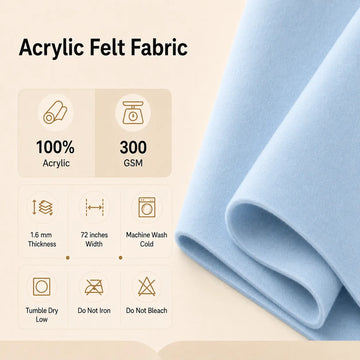
Thin craft felt tears easily along needle holes, especially when the ornament is stuffed firmly or hung by a single loop. Using wool-blend felt or two layers of craft felt fused with a light iron-on adhesive gives the seam more material to grip.
Skipping the step of pressing the felt flat before sewing leaves wrinkles that open into gaps once the ornament is filled. A quick pass with a warm iron removes these creases and lets the pieces lie evenly so every stitch catches both layers fully.
Finishing and Handling Steps
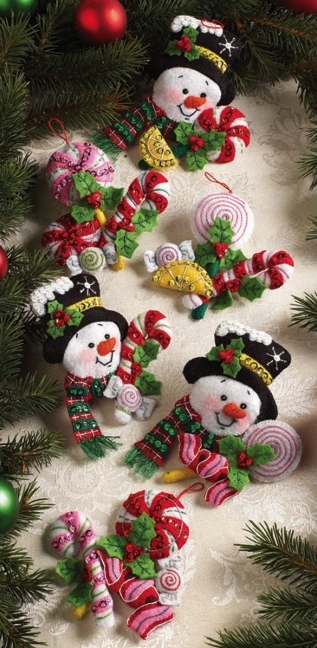
Stuffing too aggressively pushes the seam allowances outward and strains the stitches before the ornament is even hung. Adding filling gradually and stopping once the shape is plump prevents this pressure on the thread line.
Key insight: a small dab of fabric glue placed inside the seam allowance before the final stitches creates a secondary bond that holds even if one stitch later fails.
Hanging the finished ornament by its loop rather than pinching the body avoids crushing the seam edges during placement on the tree or wreath.
- Use a thimble to push the needle through thicker wool felt without bending the thread.
- Keep seam allowances at least 6 mm wide so the stitches sit away from the cut edge.
- Test a short seam sample with your chosen thread and felt before committing to the full ornament.
Common Mistake: Washing or Steaming the Finished Ornament
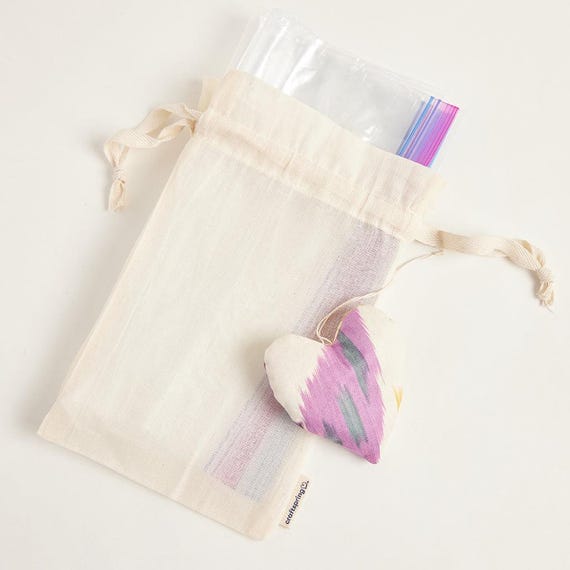
Moisture causes felt to swell and contract, pulling at the stitches and loosening knots that were secure when dry. Spot cleaning with a barely damp cloth keeps the ornament looking fresh without introducing water into the seams.
Key insight: storing ornaments in a breathable cotton bag rather than a sealed plastic bin prevents humidity buildup that can weaken thread over months.
FAQ
Why does my felt ornament split even when I use a sewing machine?
Machine tension that is set too high for felt creates a straight line of perforations that acts like a perforated tear strip once the ornament is handled. Lower the tension and test on scrap felt until the stitch looks even but does not pucker the fabric.
Can I repair a seam that has already opened?
Yes, but first remove the old thread completely so new stitches do not catch on loose ends. Then restitch with a heavier thread and add a small amount of fabric glue inside the seam for extra security.
How do I choose felt that will hold stitches better?
Look for felt that feels dense rather than fluffy when you pinch it; wool-blend felt holds stitches more reliably than thin acrylic craft felt. If only craft felt is available, fuse two layers together before cutting the ornament pieces.
What thread weight works best for felt ornaments?
Embroidery thread or 12-weight cotton thread provides more surface texture than standard sewing thread, helping the stitches grip the felt fibers without slipping out over time.
A single adjustment in thread, stitch spacing, or felt thickness often solves the separation problem for every ornament you make afterward.
Leave a Reply