
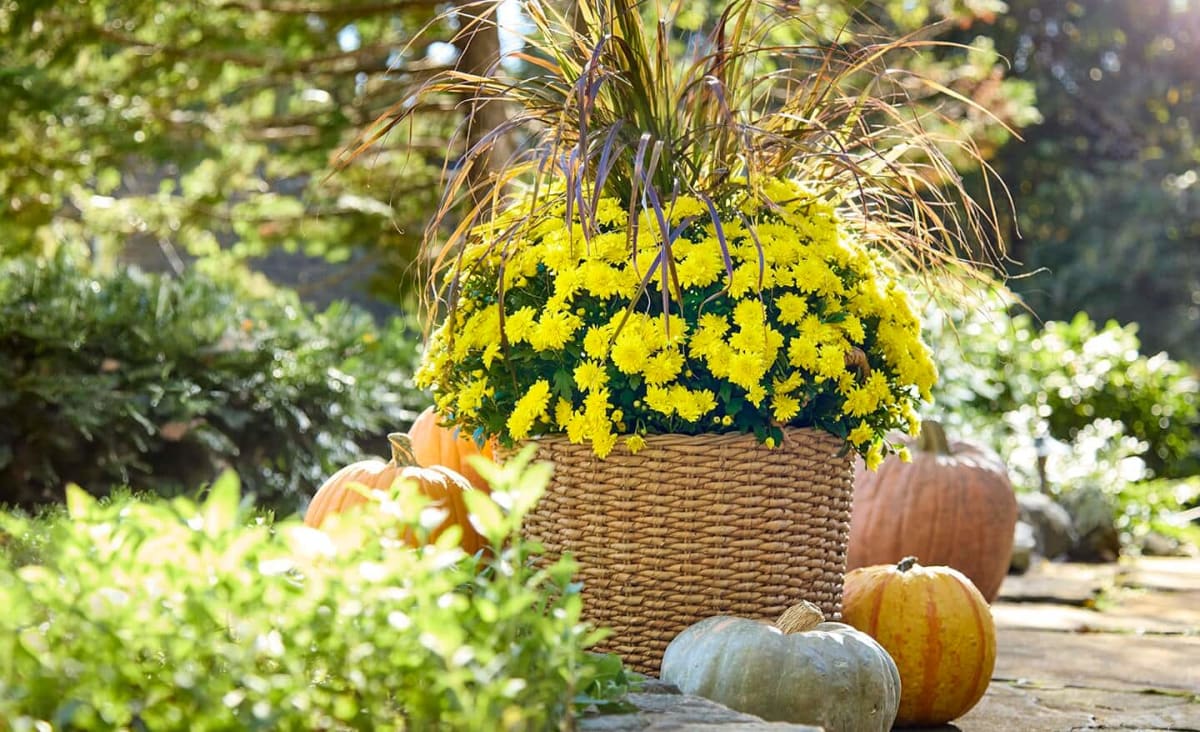
Potted mums often decline quickly once cooler weather arrives because their needs shift with shorter days and changing moisture levels. Understanding the exact stressors in your setup helps you adjust care before the plants collapse entirely.
Overwatering Problems
Frequent watering in fall creates soggy conditions that mums cannot tolerate once growth slows. Roots sit in waterlogged soil and begin to rot, cutting off oxygen and causing yellowing leaves that drop within days. Checking soil moisture two inches down before adding water prevents this cycle from starting.
Placement also matters because containers on covered porches dry slower than those in open air. You may notice a musty smell or dark stems at the base when overwatering has taken hold. Switching to a saucer-free setup and watering only when the top feels dry restores balance within a week.
Root rot advances faster in plastic pots than in terracotta because moisture lingers longer against the sides.
How much water do potted mums need in fall?
Mums in fall containers typically require watering every four to five days rather than daily. The exact interval depends on pot size and local humidity, so always test the soil first. Morning watering lets excess evaporate before night temperatures drop.
Lack of Proper Sunlight
Shorter daylight hours reduce photosynthesis, and mums placed in partial shade struggle to maintain blooms. Leaves turn pale and stems stretch toward any available light, weakening the plant structure. Moving pots to a south-facing spot that receives at least six hours of direct sun keeps foliage dense and flowers lasting longer.
Indoor windowsills often provide insufficient intensity even when bright. You can supplement with a simple grow light on a timer set for twelve hours daily. Without this adjustment, buds fail to open and existing flowers fade prematurely.
Temperature and Frost Exposure
Sudden temperature swings between warm afternoons and cold nights stress mums more than steady cold. Frost damages cell walls in petals and leaves, turning them brown overnight. Wrapping pots with burlap or moving them against a house wall buffers these changes effectively.
Hardy varieties still need protection once temperatures dip below twenty-five degrees. You can group several pots together so they share warmth and reduce wind exposure. Checking local forecasts each evening lets you act before damage occurs.
Inadequate Soil and Drainage
Heavy garden soil compacts in pots and prevents water from flowing through, creating the same oxygen loss as overwatering. Fresh potting mix with perlite or bark added improves airflow around roots and supports fall growth. Repotting into this blend revives plants that have sat in old soil for more than one season.
Container bottoms without drainage holes compound the issue regardless of how often you water. Drilling additional holes or switching to raised planters solves the problem at the source. Testing drainage by pouring water through the pot before planting confirms the mix works properly.
Pest and Disease Attacks
Aphids and spider mites move onto stressed mums in fall when natural predators decline. These insects cluster on new growth and suck sap, causing curled leaves and sticky residue. Inspecting the undersides of leaves weekly and rinsing with a strong stream of water removes most infestations before they spread.
Fungal spots appear when humidity stays high and air circulation is poor. Removing affected leaves promptly and spacing pots farther apart reduces the chance of further infection. Treating early with an organic neem spray keeps the problem contained without harming beneficial insects nearby.
Mums planted in the same potting mix for two years develop hidden salt buildup that mimics pest damage.
Why do my mums have black spots on leaves?
Black spots usually signal a fungal issue tied to wet foliage or poor airflow around the plant. Removing spotted leaves and improving spacing between pots stops the spread. Watering at the base instead of overhead keeps leaves dry and prevents new outbreaks.
Can I revive mums that have already wilted?
Wilting mums recover when the cause is corrected within a few days. Trim damaged stems back to healthy tissue and place the pot in consistent light while adjusting water and drainage. New growth appears within two weeks if roots remain intact.
Leave a Reply