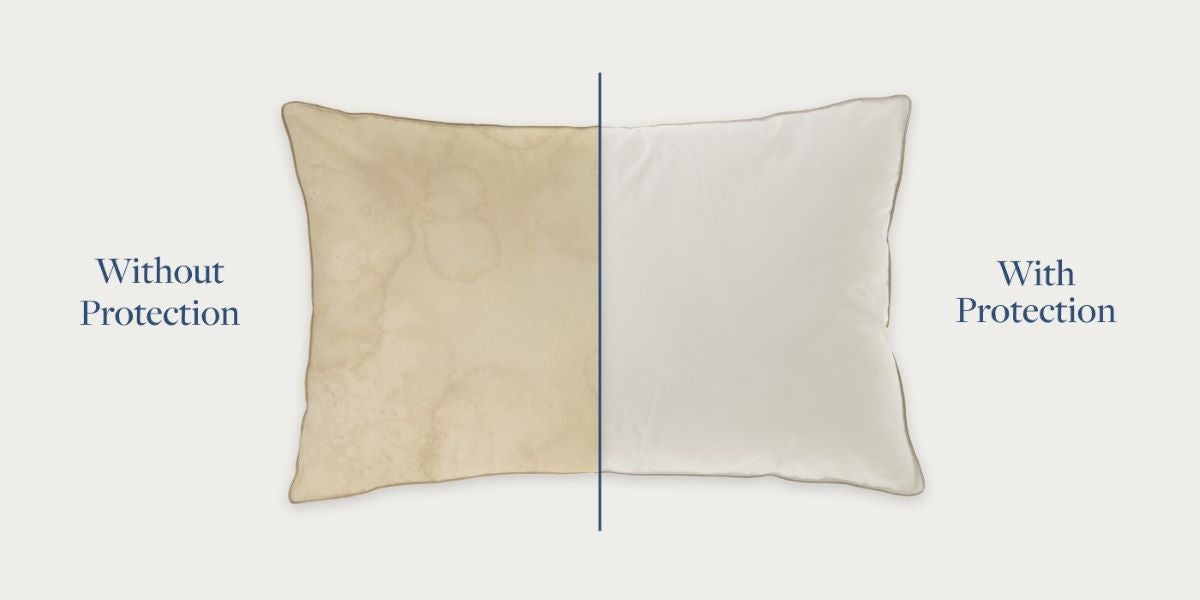
You know that moment when you strip the pillowcase off and realize the pillow underneath has gone from crisp white to a sad shade of yellow? It happens to everyone — body oils, sweat, drool, and skincare products slowly seep through even the best pillowcases over time.
The good news is you don’t need chlorine bleach to bring them back. Chlorine bleach can actually break down pillow fibers and leave them feeling rough, so these nine household methods are not only gentler — they’re often more effective.
1. Baking Soda
Baking soda is probably the first thing you should reach for because nearly everyone has a box in the pantry already. It’s mildly alkaline, which helps dissolve the oils and proteins responsible for that yellow discoloration.
Toss half a cup directly into the washing machine drum before adding your pillows, then run a hot cycle with your regular detergent. The hot water activates the baking soda and lifts grime that detergent alone often can’t touch.
If your pillows are badly yellowed, dissolve half a cup of baking soda in a bathtub of hot water and let them soak for an hour or two before moving them to the machine. Just keep in mind that memory foam pillows should never go in the washing machine — for those, stick to spot-cleaning with a damp cloth and a baking soda paste.
2. White Vinegar
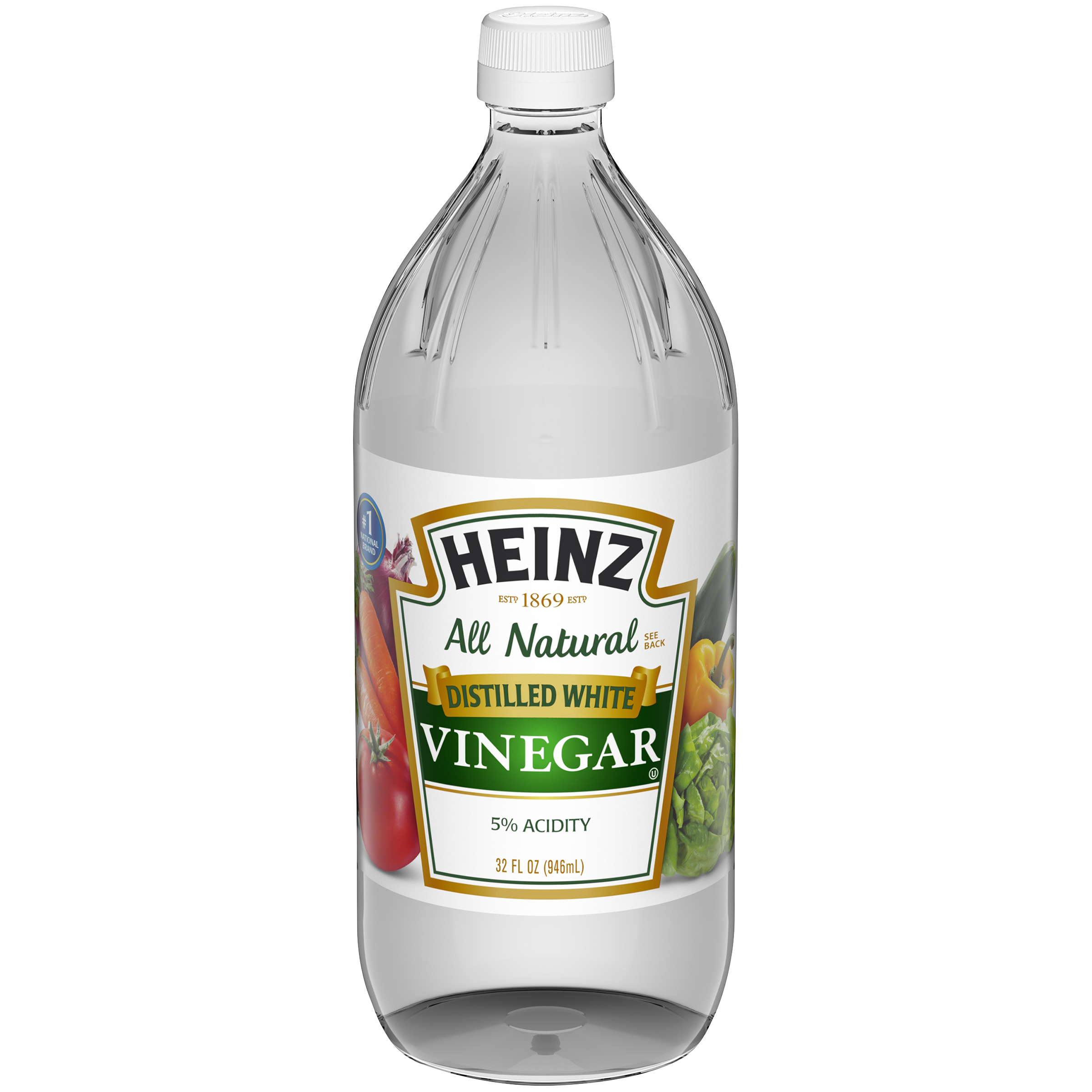
White vinegar is the perfect partner to baking soda, and honestly, I usually use both together for the best results. The acetic acid cuts through mineral deposits from hard water and breaks down alkaline residue left behind by sweat and body oils. Pour one cup of distilled white vinegar into the fabric softener dispenser so it gets released during the rinse cycle, or pause the machine during the rinse and pour it in manually.
You can also do a straight vinegar pre-soak: fill your tub with warm water, add two cups of vinegar, and let the pillows sit for about 30 minutes before washing. Don’t worry about the smell — it completely disappears once the pillows dry. Vinegar is safe for every pillow type that can be machine washed, including down.
3. Hydrogen Peroxide
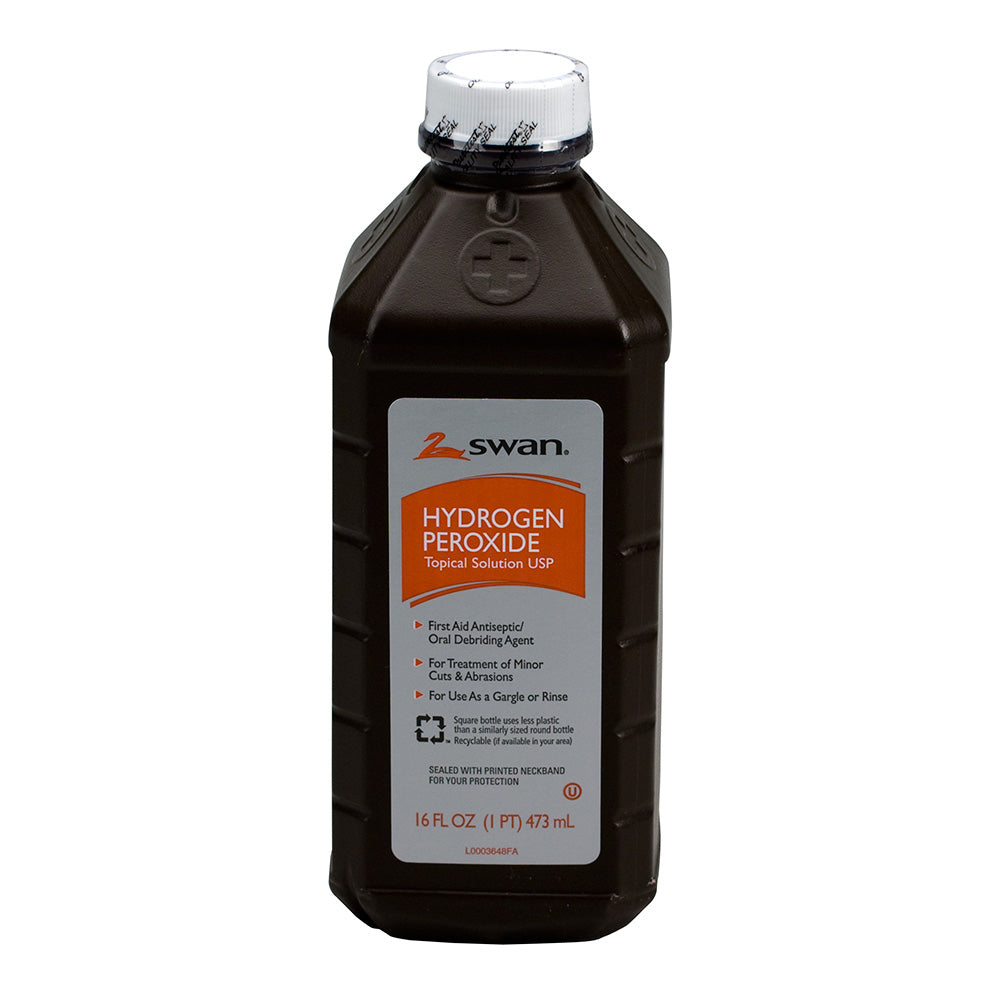
Hydrogen peroxide is a natural whitener that works by oxidizing the compounds causing discoloration — the same principle as bleach, but far gentler on fabric. You want the standard 3% solution from the drugstore, nothing stronger.
Add half a cup directly to the wash along with your detergent, using the hottest water your pillow’s care label allows. Some people also mix it with baking soda into a paste and rub it directly on stubborn yellow spots before tossing the pillow in the machine — that two-pronged approach works especially well on older stains.
Will hydrogen peroxide bleach my pillow fabric?
At 3% concentration, it’s safe for white cotton and synthetic pillow covers without causing damage. However, you should never use it on colored pillows because it can lighten dyes. Spot-test a hidden corner first if your pillow has any colored stitching or embroidery piping along the edges.
4. Washing Soda
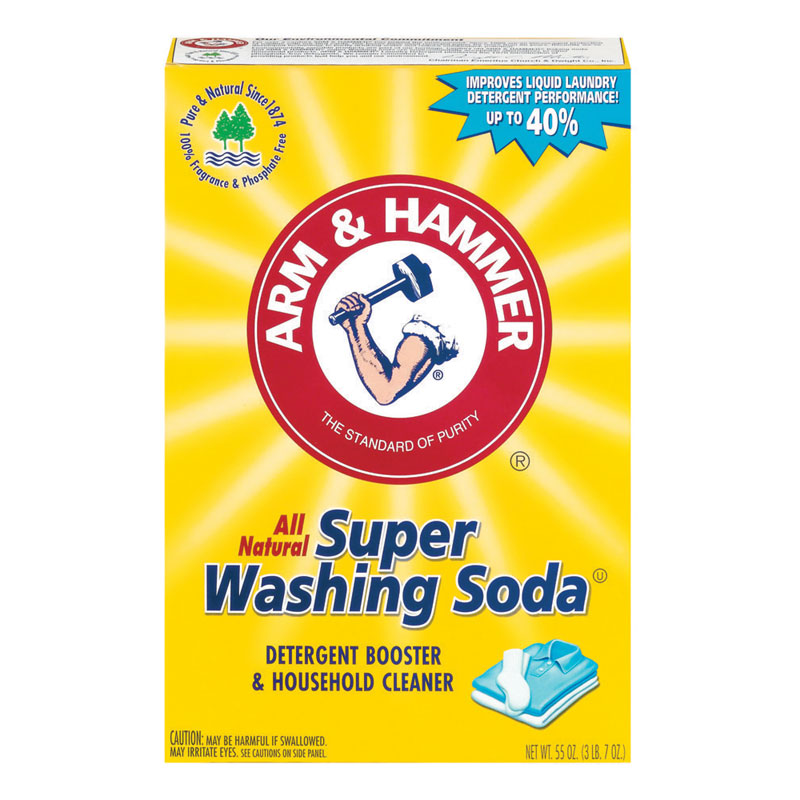
Washing soda (sodium carbonate) is a stronger alkaline cleaner than baking soda, and it’s specifically designed for laundry. It raises the pH of your wash water, which helps detergent work harder and breaks down body oils more aggressively. Add half a cup to the drum along with your regular detergent on a hot cycle.
You can find Arm & Hammer Super Washing Soda in the laundry aisle at most grocery stores for just a few dollars. A couple of cautions: washing soda is more caustic than baking soda, so wear gloves if you’re scooping it frequently, and don’t use it on wool or silk pillow covers. It’s ideal for sturdy cotton and synthetic pillows that have gotten badly yellowed over months of neglect.
5. Borax
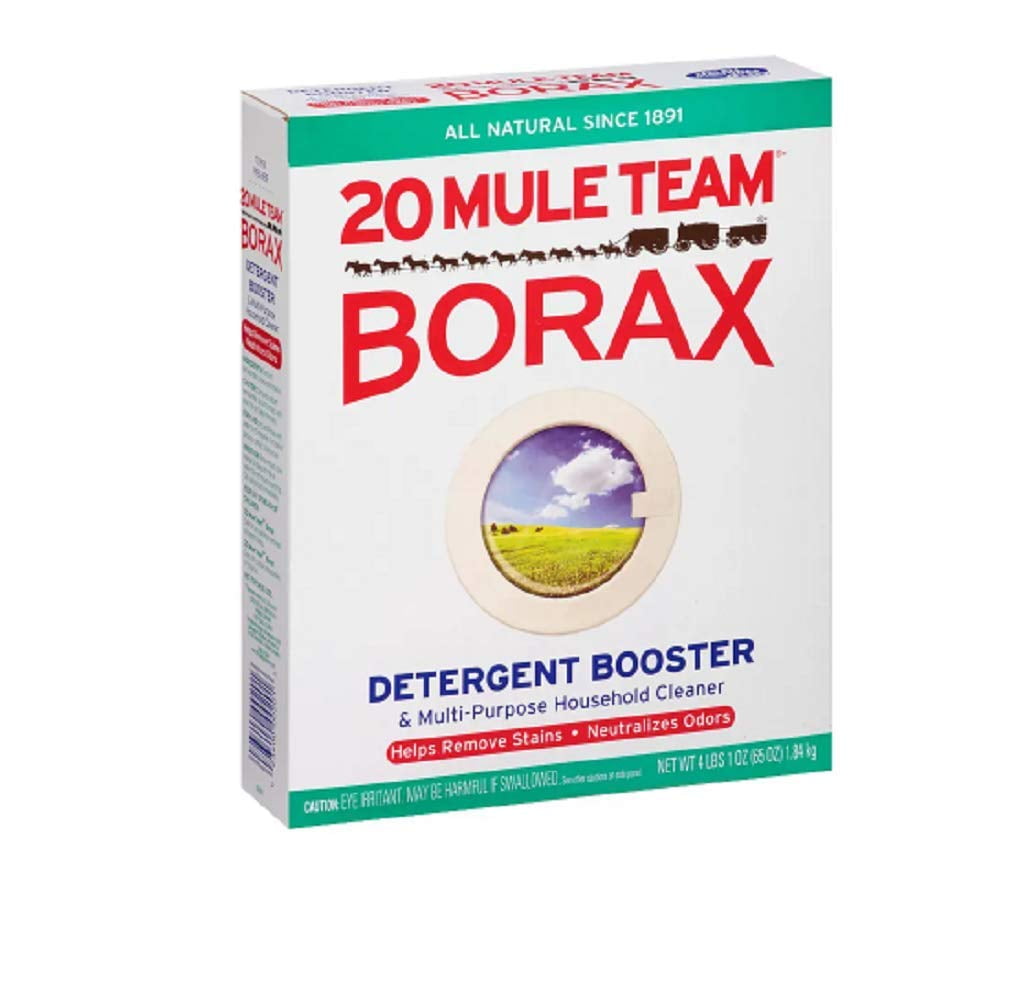
Borax is another laundry-aisle classic that softens water and boosts your detergent’s cleaning power — especially helpful if you have hard water, a common but overlooked reason pillows yellow faster. Add half a cup of 20 Mule Team Borax to the wash cycle along with your detergent and run it on hot.
What makes borax slightly different from washing soda is that it also has mild antifungal properties, so it helps with any musty odors that come along with the yellowing. It’s safe for most machine-washable pillows, but as with washing soda, skip it for delicate covers. For maximum whitening power, combine borax with baking soda — use a quarter cup of each — for a serious one-two punch in the same wash.
6. Oxygen Brightener
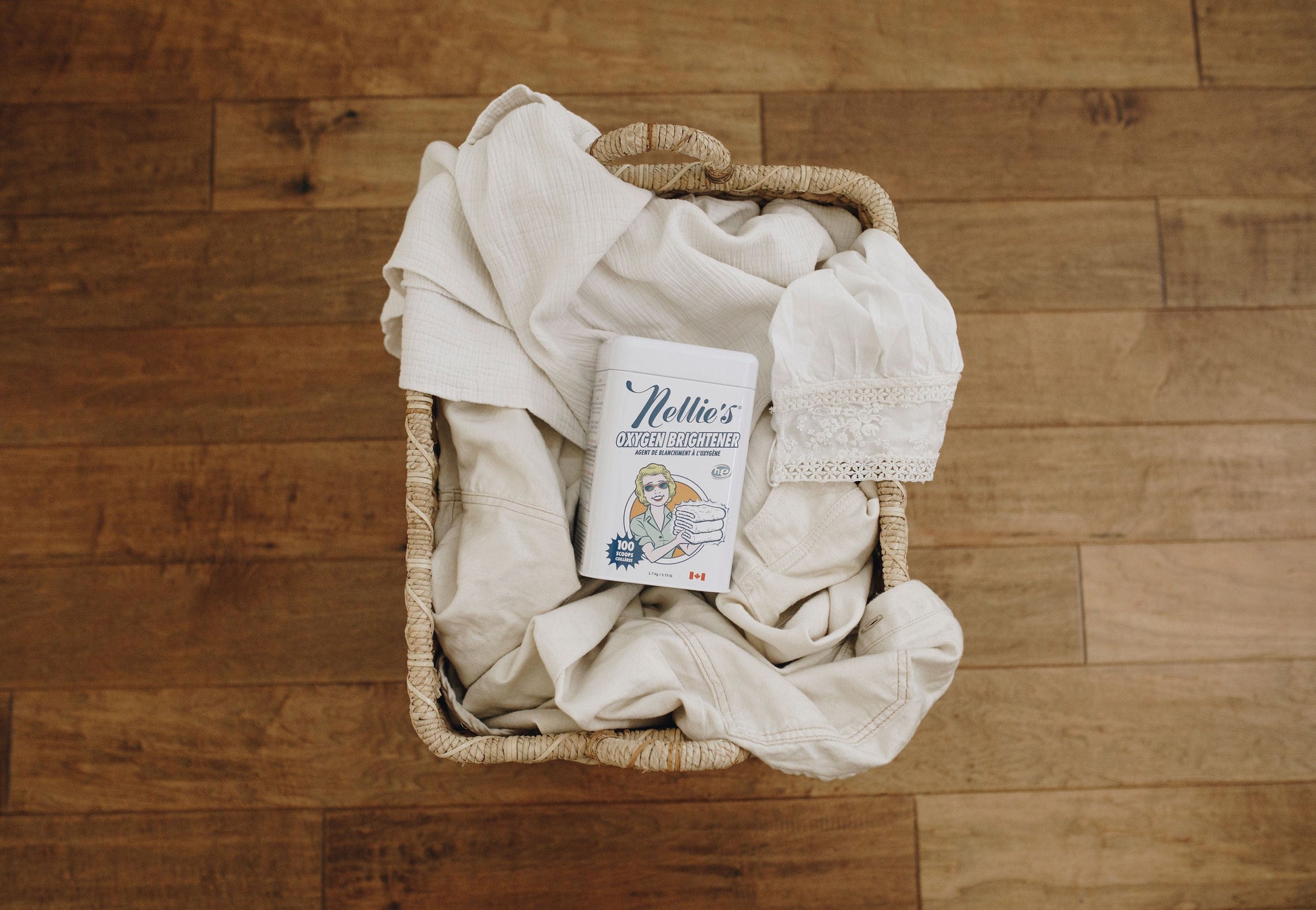
Products like OxiClean White Revive or generic sodium percarbonate powders release oxygen in water, which lifts stains and brightens whites without chlorine. This is technically an “oxygen bleach,” but it’s hydrogen-peroxide-based and much gentler than chlorine bleach — it won’t weaken pillow fibers or cause that telltale chemical smell.
You can use it two ways:
- ✦Pre-soak method (best for heavy yellowing): Dissolve one scoop in a bathtub of hot water and let the pillows soak for one to six hours, then machine wash as usual.
- ✦Direct wash method (maintenance whitening): Add one scoop to the drum alongside your detergent and run a normal hot cycle.
Either way, these products cost around $5–$10 per container and last a long time, so they’re a solid investment if you want an easy “dump and go” option.
7. Dish Soap Pre-Treatment
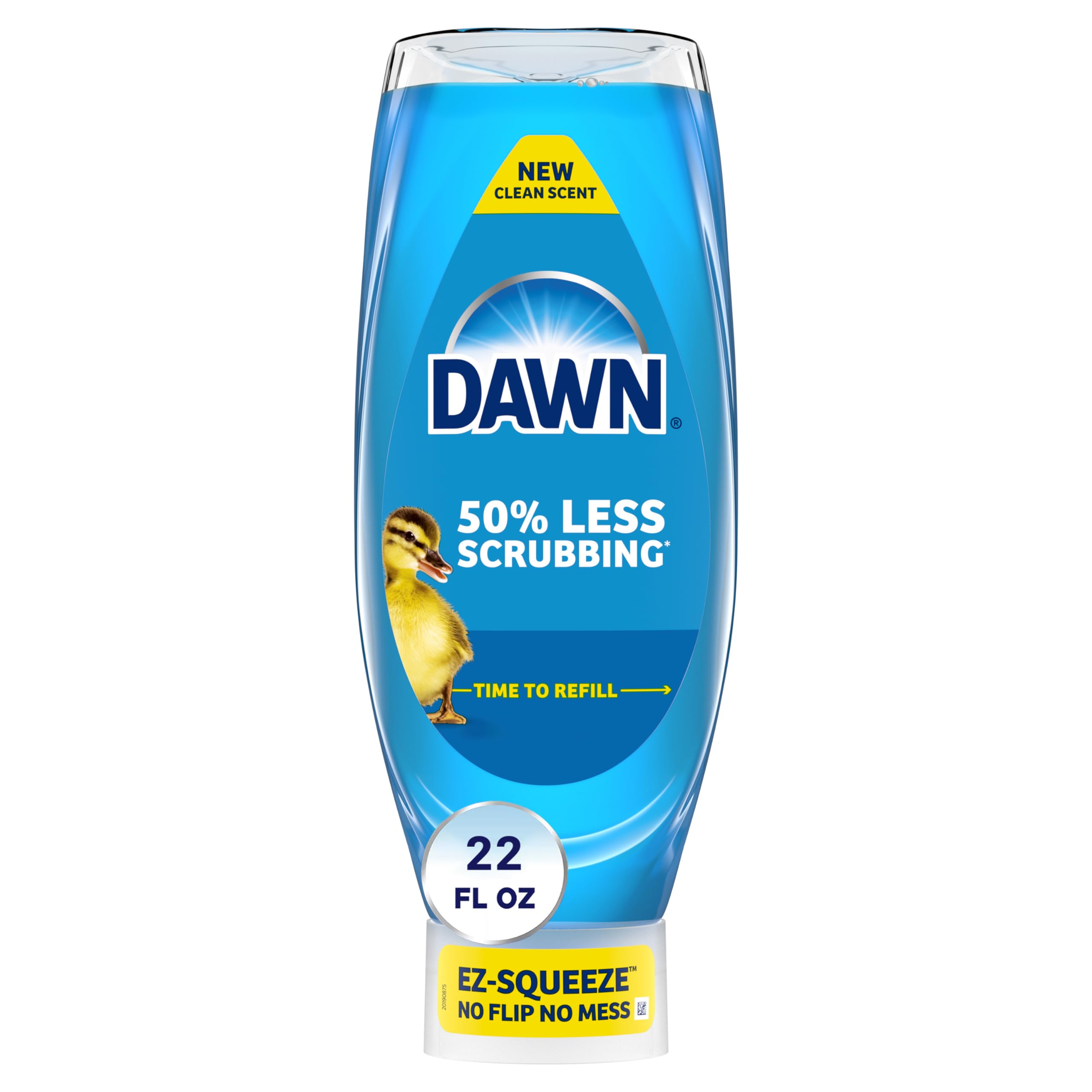
This one surprised me the first time I tried it, but a grease-cutting dish soap like Dawn is surprisingly effective at lifting the oily buildup that causes yellowing. The trick is to use it as a pre-treatment only — too much suds in the machine can cause overflow issues, so don’t pour it into the detergent drawer.
Squirt a line of dish soap directly onto the yellowed areas on both sides of the pillow and gently work it in with your fingers or a soft-bristle brush. Let it sit for 15 to 20 minutes, then toss the pillow in the wash with your regular detergent on a warm or hot cycle. The dish soap breaks down the sebum and lotion residue that detergent alone often leaves behind, and you’ll notice the difference especially around the edges where your face and hands rest every night.
8. Lemon Juice and Sunlight
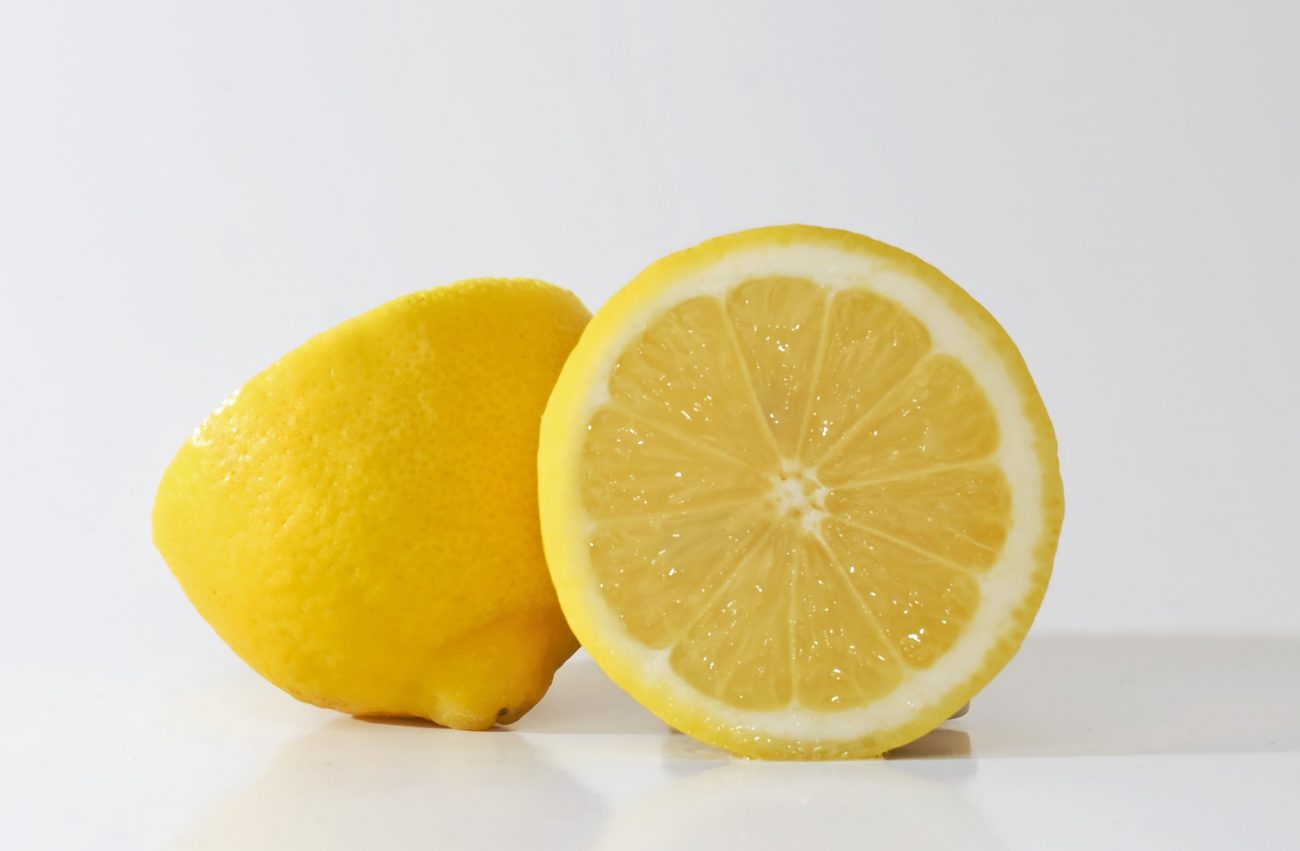
This is the most old-school method on the list, and it genuinely works — though it takes a little more patience. Squeeze the juice of three to four lemons into a basin of hot water, or use a cup of bottled 100% lemon juice.
Submerge your pillow and let it soak for at least an hour. Then lay the pillow flat in direct sunlight to dry.
The citric acid acts as a natural bleaching agent, and the UV rays from the sun amplify the whitening significantly. This is the one method where sunshine actually matters — it’s not just for drying.
Leave the pillow out for three to four hours, flipping it once halfway through. Fair warning: this approach works best as a follow-up to one of the washing methods above rather than on its own, since lemon juice alone isn’t strong enough to tackle heavy yellowing.
9. Denture Cleaning Tablets
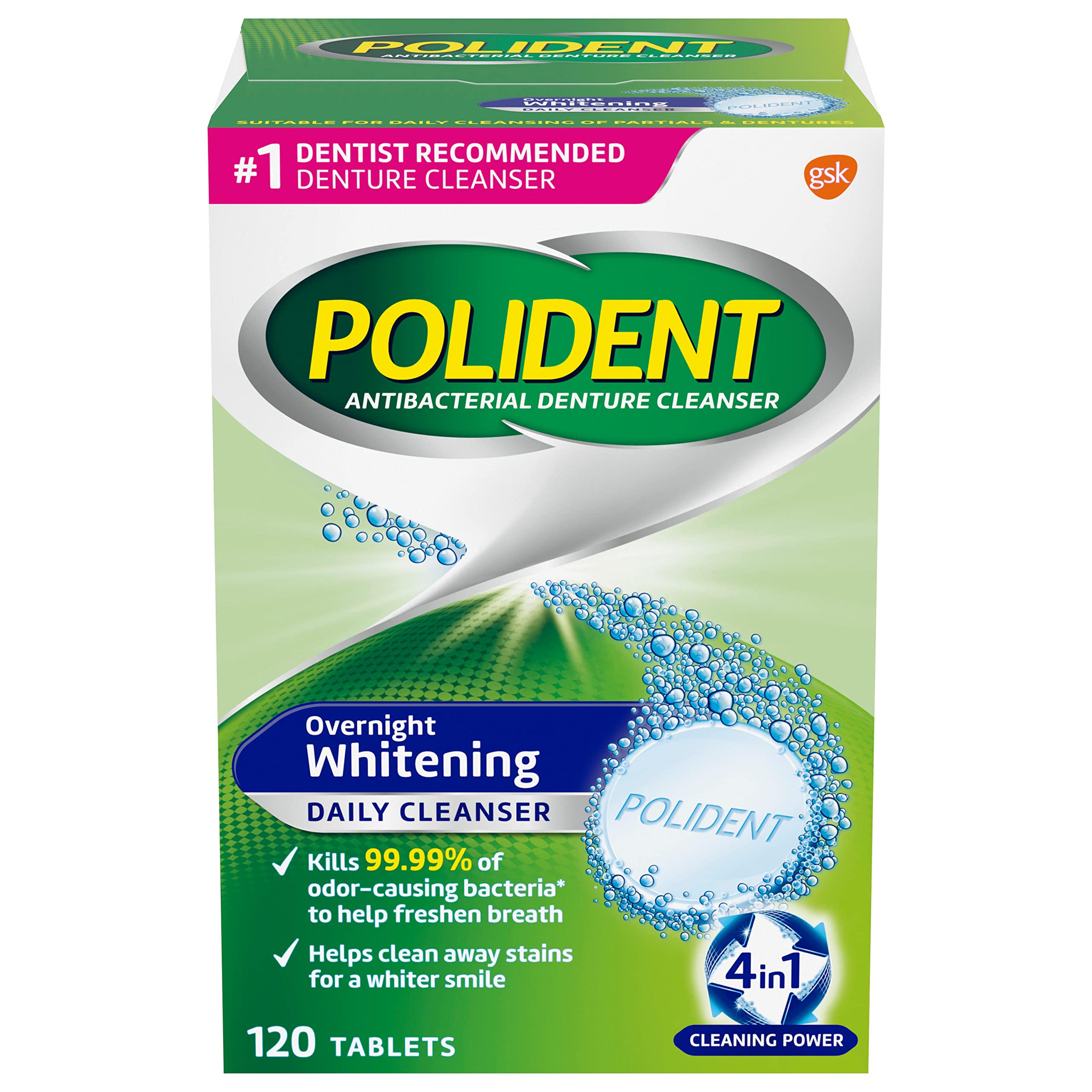
This is the method that sounds bizarre until you try it — and then you wonder why you didn’t think of it sooner. Denture tablets contain sodium bicarbonate and citric acid that fizz and dissolve stains, and they’re designed to be safe on soft materials. Drop four to six tablets into a bathtub filled with hot water, let them dissolve completely, then submerge your pillows and soak for at least two hours.
After soaking, give the pillows a regular machine wash to rinse everything out and fluff them back up. This is a great option for pillows that are too delicate for more aggressive washing methods, since the solution is gentle on fabrics. It’s also incredibly cheap — a box of generic denture tablets costs a couple of dollars and you only need a handful per treatment.
FAQ
Why do pillows turn yellow even with pillowcases on?
Sweat, body oils, and wet hair penetrate pillowcases over time, especially if you use a thin cotton case or sleep without one. Skincare products like retinol and moisturizers accelerate the staining significantly. Even natural perspiration during sleep is enough to cause visible yellowing within a few months.
Can I wash memory foam pillows in the washing machine?
No — memory foam should never go in a washing machine because the agitation breaks apart the foam structure permanently. Spot-clean memory foam pillows with a damp cloth and a mild detergent solution, then air dry completely. You can also sprinkle baking soda on the surface, let it sit for 30 minutes, and vacuum it off to freshen them between deep cleans.
How often should I wash my pillows?
Every three to four months is a good rule of thumb for the pillows themselves, even if you wash your pillowcases weekly. Between deep washes, running them through the dryer on a no-heat or low-heat setting for 20 minutes helps kill dust mites and restore fluffiness.
Will these methods work on colored pillows?
Most of these methods are designed for white pillows specifically. Hydrogen peroxide, lemon juice, and oxygen brighteners can all lighten dyes on colored fabric. For colored pillows, stick to baking soda, vinegar, borax, or washing soda, and always spot-test in an inconspicuous area first.
Getting your pillows back to white doesn’t require anything fancy or expensive — just a little patience and whichever pantry staple you already have on hand. I usually reach for the baking soda and vinegar combo for routine washes and save the oxygen brightener soak for when things have gotten really dire. Once you’ve got them bright again, slipping pillow protectors under your pillowcases is the single best thing you can do to keep them that way for good.
Leave a Reply