
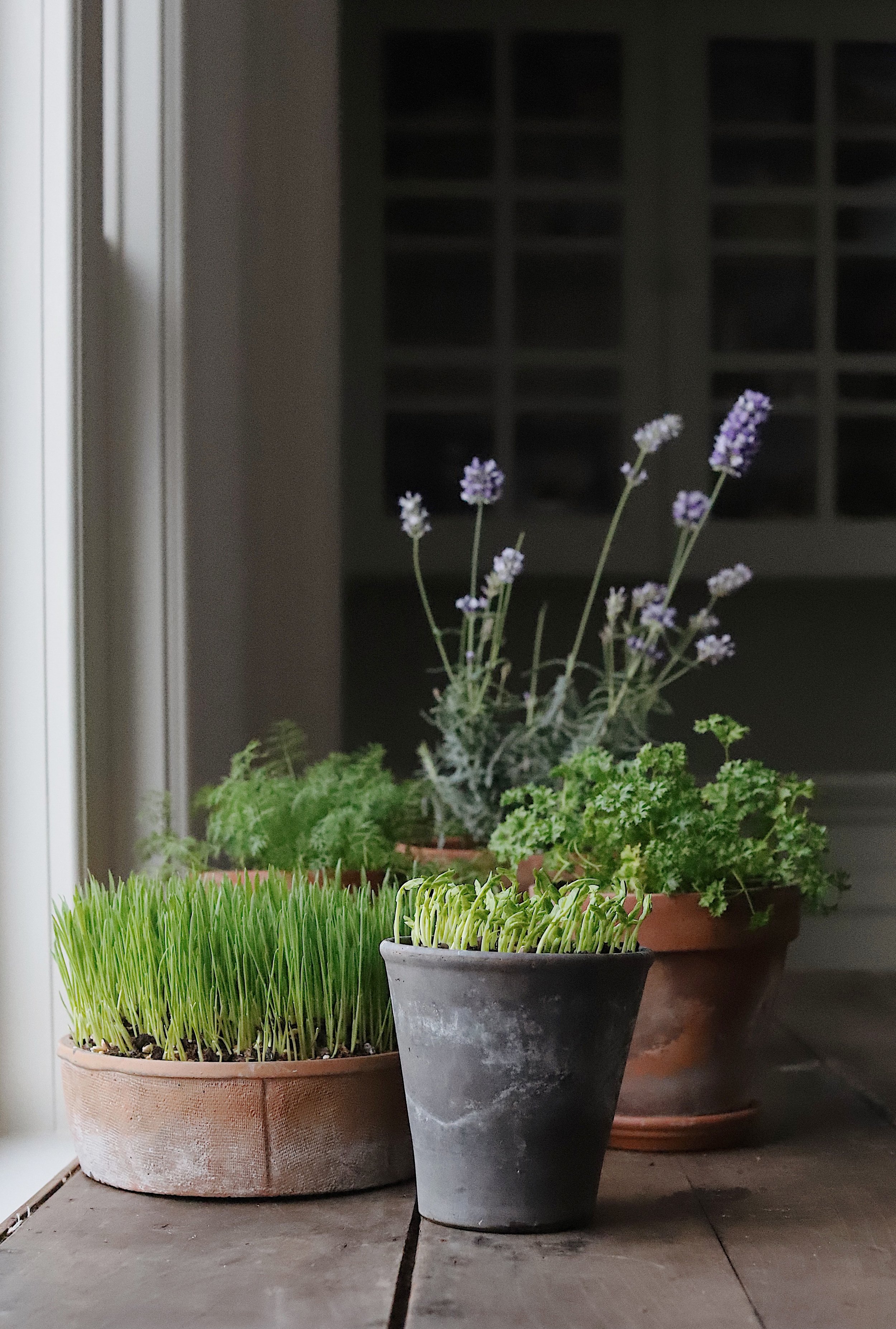
Knowing exactly when to move your outdoor potted plants inside protects them from sudden cold snaps while avoiding unnecessary stress from an early transition. Temperature thresholds, plant type, and your local climate all play into the decision, and watching the forecast closely gives you the clearest signal. A few well-timed checks in fall prevent root damage and keep foliage healthy through the colder months.
Watching Nighttime Lows Closely
Nighttime temperatures dropping into the low 50s often signal the start of the move-in window for many common potted plants. You can track this by checking reliable local forecasts each evening rather than relying on daytime highs alone. Once lows reach the mid-40s, tender varieties need protection even if the days remain mild.
Frost-sensitive roots suffer first, so act before the first predicted freeze rather than after visible damage appears.
This approach keeps plants from experiencing shock that slows recovery once they reach indoor conditions.
- Check soil temperature with a simple probe near the pot edge
- Note wind chill factors that make air feel colder than the thermometer shows
- Move plants in batches so you can monitor each group for adjustment issues
Accounting for Plant Hardiness Ratings
Hardiness zones tell you which potted plants tolerate brief cold and which need immediate shelter. You match the zone on the plant tag against your location to decide priority order. Tropical and subtropical varieties usually require indoor placement once nights fall below 55 degrees, while some hardy perennials can stay out longer.
Different materials affect how quickly pots cool. Terracotta loses heat faster than thick resin or wood, so plants in those containers often move first. Grouping similar hardiness levels together simplifies decisions and reduces the chance of overlooking a sensitive specimen.
Preparing Plants Before the Move
A quick inspection for pests and disease prevents indoor infestations that are harder to treat later. You rinse leaves and check soil surfaces, removing any yellowing foliage that could harbor problems. Pruning back overly long stems also makes the transition easier on both the plant and your available space.
Acclimating plants gradually over several days reduces leaf drop once they enter lower light levels indoors. Place them in a shaded outdoor spot first, then move them to a bright indoor window. This step-by-step shift helps roots adjust without sudden changes in humidity or temperature.
Finding Suitable Indoor Locations
South-facing windows provide the strongest light for most potted plants during winter months. You test light levels by observing shadow patterns on the floor at midday to confirm the spot meets each plant’s needs. Avoid placing pots directly against cold glass panes where temperature swings can stress foliage.
Humidity often drops indoors once heating systems run, so grouping plants on pebble trays helps maintain moisture around leaves. Rotating pots weekly keeps growth even and prevents leaning toward the light source. These small adjustments keep plants looking full rather than sparse by spring.
Handling the Return Trip Outdoors
Spring transition timing mirrors the fall process but in reverse, with daytime highs as your main cue. You wait until consistent nights stay above 50 degrees before moving plants back outside. Gradual exposure to outdoor light and wind prevents sunburn and breakage on new growth.
Soil in outdoor pots dries faster than indoor containers once temperatures rise, so check moisture daily during the first two weeks outside.
This prevents the common setback of underwatering after months of stable indoor conditions.
Leave a Reply