
Every fall, you scoop out a pumpkin, drop the seeds into one bowl for roasting, and then stare at the pile of stringy, slippery pulp thinking, “Now what?” Most of it ends up in the trash — and that’s a real waste. Pumpkin guts are packed with fiber, beta-carotene, and natural moisture that you can put to work in your kitchen, your bathroom, and even your garden beds.
I started saving mine a few years ago after noticing how much usable pumpkin was going straight into the garbage, and I haven’t tossed a batch since. Here are nine ways to make the most of every last string.
1. Make Homemade Pumpkin Puree

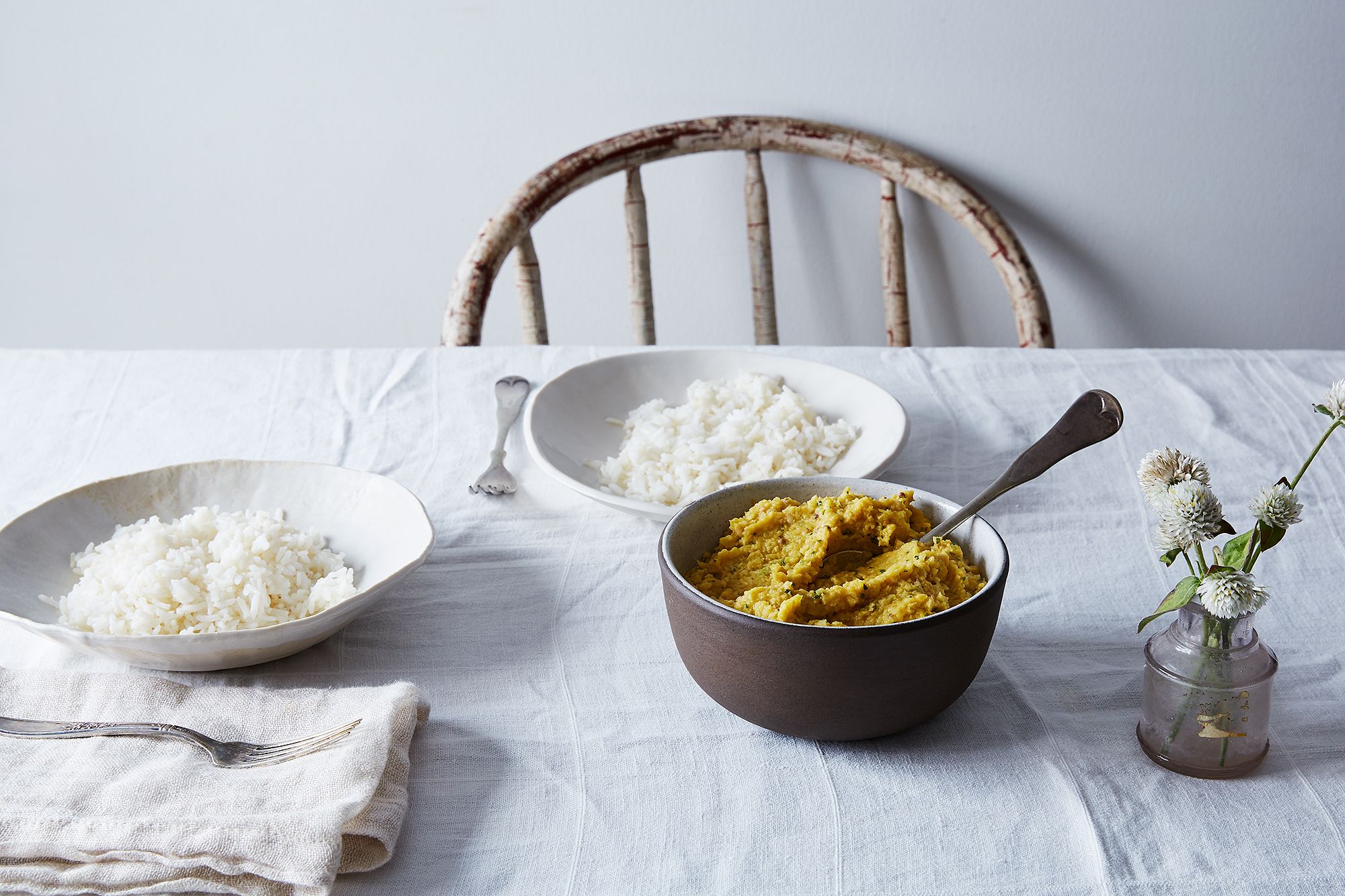
The stringy pulp cooks down into a smooth puree that works in any recipe calling for canned pumpkin — pies, muffins, quick breads, all of it. Separate the guts from the seeds (messy but quick), spread the pulp on a parchment-lined sheet pan, and roast at 375°F for about 25 minutes until it’s soft and just starting to caramelize at the edges.
Then blend it smooth in a food processor or with an immersion blender. One medium pumpkin’s guts yield roughly a cup of puree, which you can use right away or freeze in half-cup portions in labeled zip-top bags for months.
The texture will be thinner and a bit more watery than something like Libby’s canned, so if you’re baking, strain it through cheesecloth for 30 minutes first. That one step makes a noticeable difference in the set of a pumpkin pie or the crumb of a muffin.
2. Blend Into Smoothies
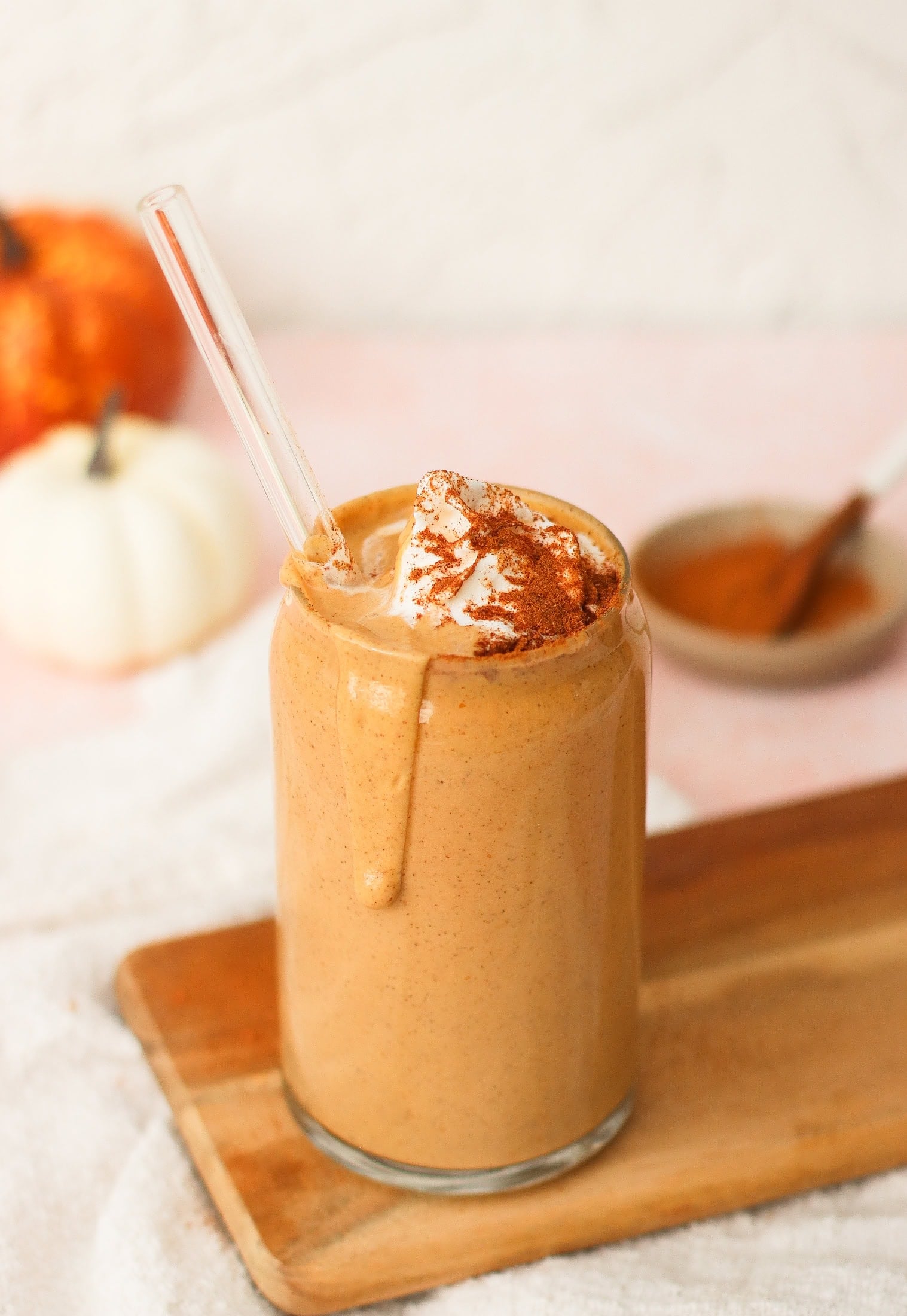
Pumpkin guts blend into a creamy, subtly sweet smoothie base without any roasting or pureeing step — just toss the raw pulp straight into the blender. The natural fiber gives your drink a thicker body, and the flavor is mild enough that it disappears behind stronger spices and fruit. Freeze the guts first in an ice cube tray so you always have portions ready, then build your smoothie from there.
A few combinations I keep coming back to:
- ✦Pumpkin pie: frozen pumpkin guts, banana, cinnamon, nutmeg, vanilla Greek yogurt, oat milk
- ✦Tropical pumpkin: frozen pumpkin guts, mango chunks, coconut milk, a squeeze of lime
- ✦Chocolate pumpkin: frozen pumpkin guts, cocoa powder, peanut butter, almond milk, a drizzle of maple syrup
Start with about half a cup of frozen pumpkin per smoothie and adjust from there. If the flavor reads too “vegetable,” a pinch of cinnamon or a splash of vanilla extract fixes it every time.
3. Cook Up a Quick Pumpkin Soup
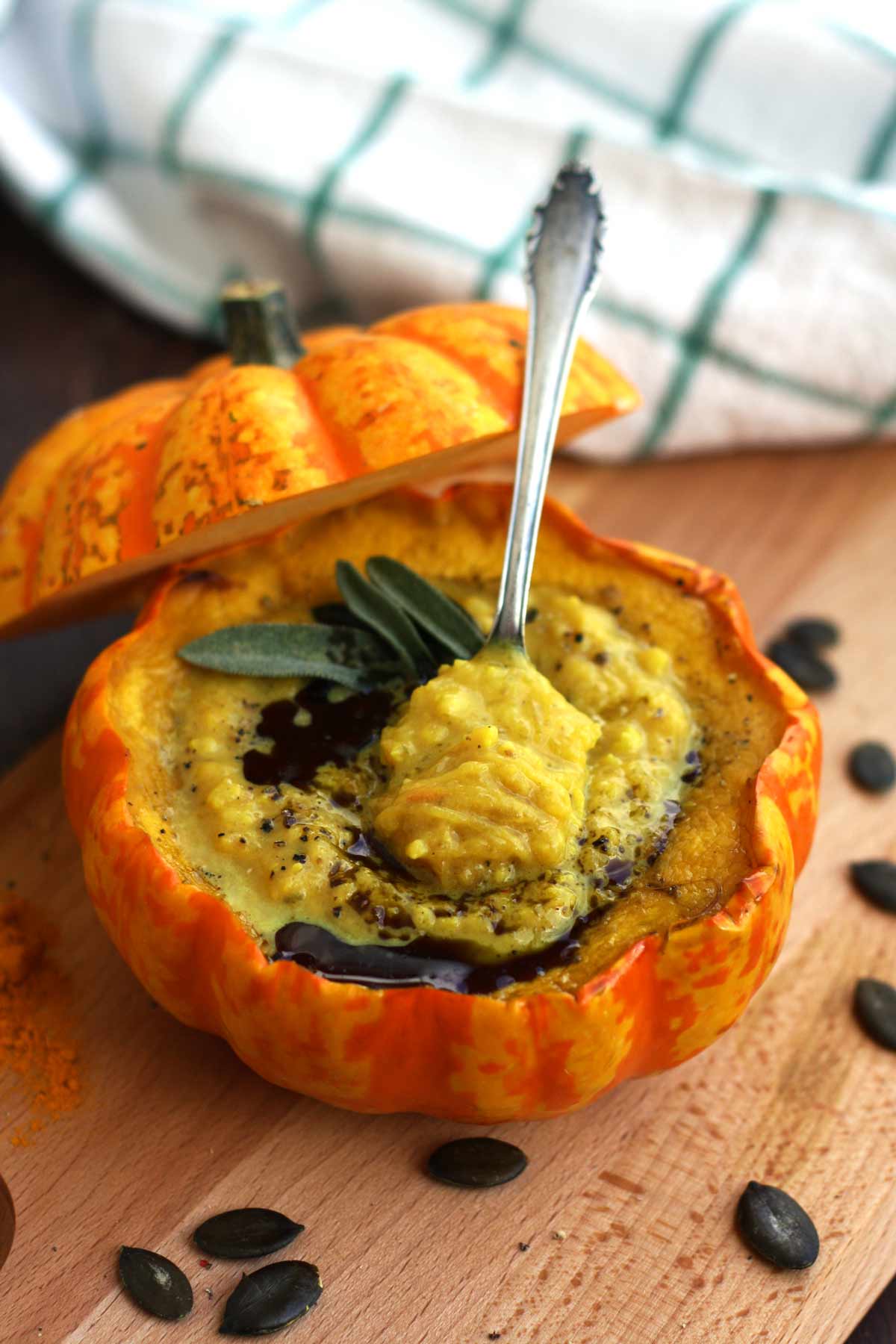
Pumpkin guts make a surprisingly silky soup with almost no effort. Sauté a diced onion and a couple of garlic cloves in olive oil until soft, add the raw pumpkin pulp, pour in enough chicken or vegetable broth to cover, and simmer for 20 minutes.
Blend it all smooth with an immersion blender, stir in a splash of cream or coconut milk, and season with salt, pepper, and a pinch of ground ginger. Dinner’s done in under 30 minutes.
One heads-up: the natural stringiness of the pulp means you really need to blend aggressively to get a smooth result. A countertop blender gives you the silkiest texture, but an immersion blender works if you’re patient and go at it for a full two to three minutes. If small flecks of fiber remain, push the finished soup through a fine-mesh strainer — it’s an extra step, but it turns a rustic soup into something you could serve to company.
4. Add to Your Compost Pile
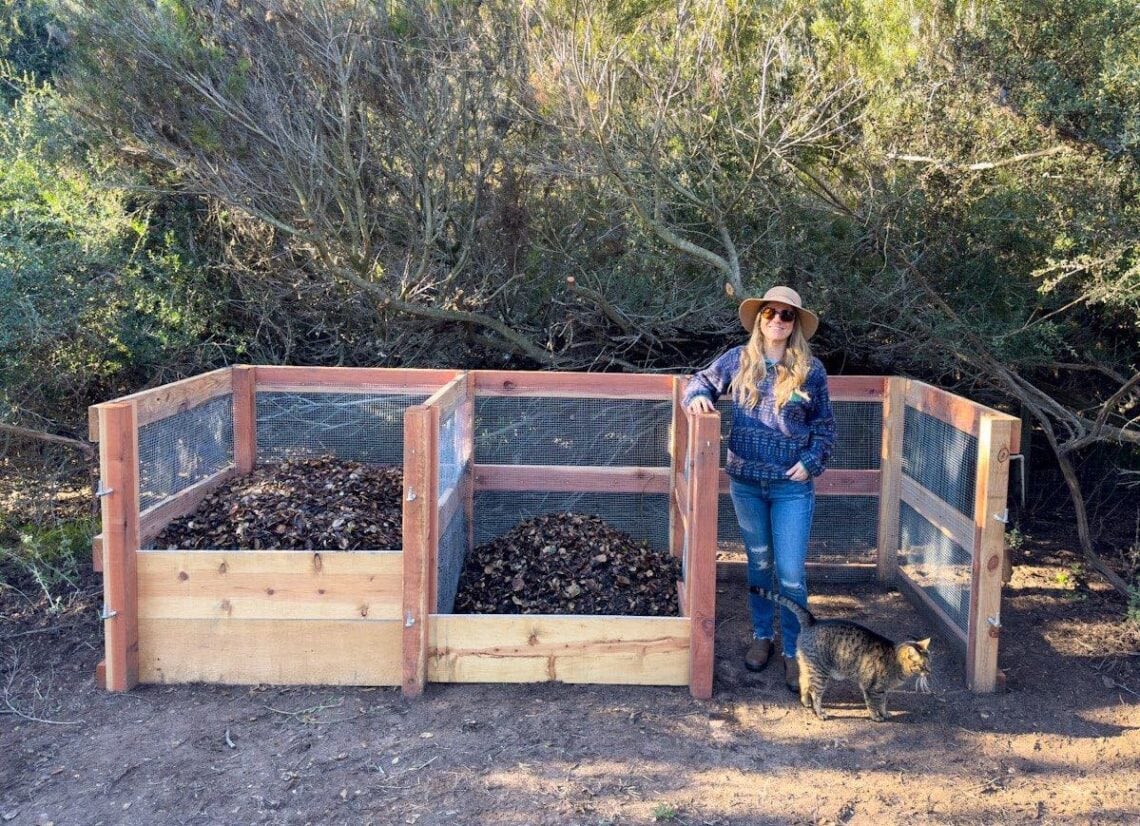
Pumpkin guts are a textbook “green” compost material — nitrogen-rich, wet, and fast to break down. Chop the pulp into smaller chunks before tossing it in so it decomposes faster, and always bury it under a layer of browns like dry leaves, shredded newspaper, or straw. A thick covering of brown material keeps fruit flies and smells at bay while the pumpkin does its work.
If you’re adding guts from multiple pumpkins at once (say, after a big carving session with the kids), resist the temptation to dump them all in one spot. Spread the pieces across the pile and mix them in well.
Too much wet, nitrogen-heavy material concentrated in one place turns anaerobic fast, and that’s what causes a slimy, stinky compost bin. A good rule of thumb is at least two parts brown to one part pumpkin by volume.
5. Whip Up a Pumpkin Face Mask
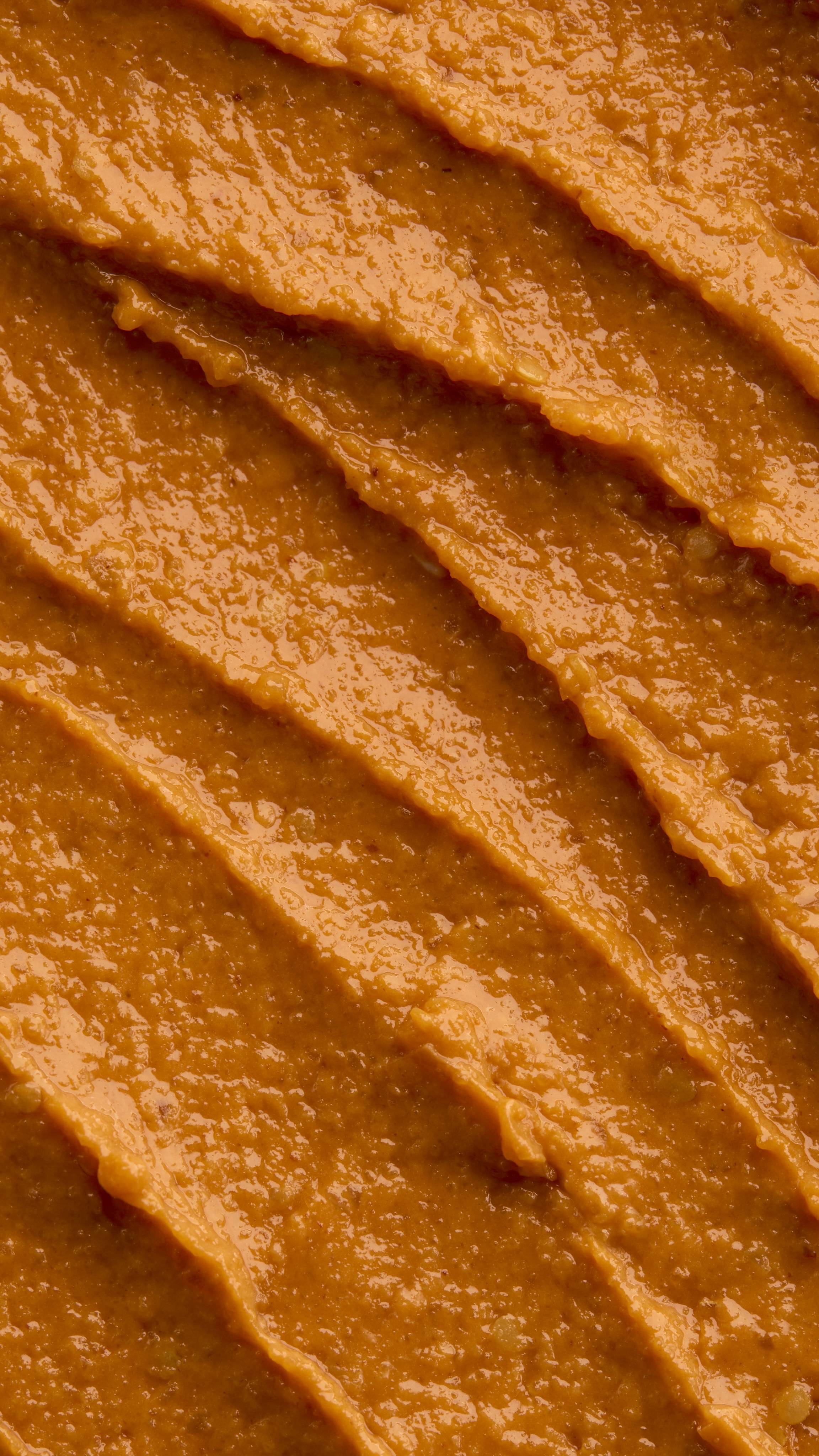
Pumpkin pulp contains natural fruit enzymes and alpha hydroxy acids that gently dissolve dead skin cells, and the vitamin A and beta-carotene leave your skin looking brighter after just one use. Mash two tablespoons of raw pumpkin guts until smooth, stir in a teaspoon of raw honey and a half-teaspoon of milk or cream, and apply the paste to clean skin. Leave it on for 10 to 15 minutes, then rinse with warm water.
The enzymes in raw pumpkin are active enough that you’ll feel a mild tingle — that’s normal. But if you have sensitive skin or you’re prone to redness, do a patch test on your inner arm first and wait ten minutes before putting it on your face.
Skip this one entirely if you have active breakouts or open cuts; the acids will sting. For best results, use the mask the same day you carve; raw pumpkin pulp doesn’t keep well at room temperature, and the enzymes weaken after a day or two in the fridge.
6. Bake Pumpkin Dog Treats
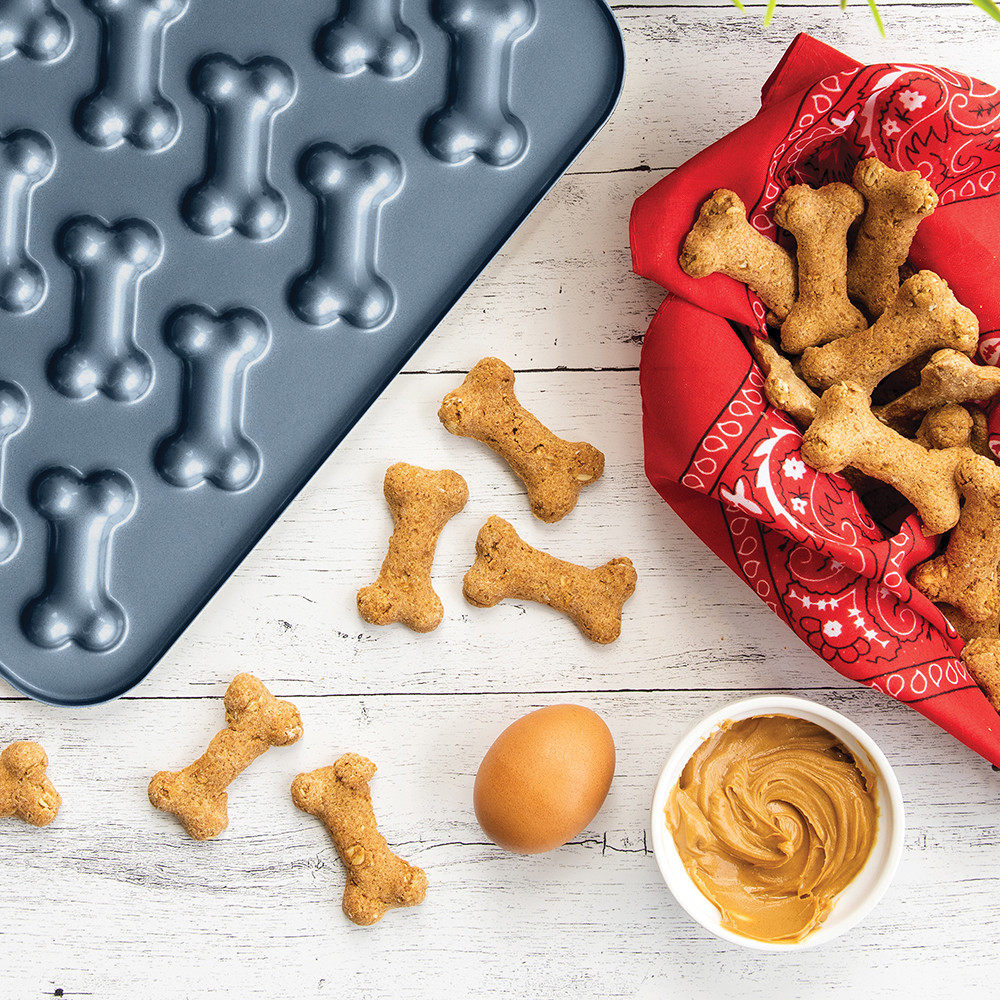
Plain, cooked pumpkin is great for dogs — the fiber supports healthy digestion, and most pups love the taste. Cook the guts until soft (roasting or boiling both work), mash them smooth, and mix one cup of pumpkin mash with one egg and about two and a half cups of whole wheat flour until you have a stiff dough. Roll it out to a quarter-inch thickness, cut into small shapes with a cookie cutter or a knife, and bake at 350°F for 20 to 25 minutes until firm and dry to the touch.
Keep the recipe simple and plain — no sugar, no salt, no nutmeg or cinnamon. Those common pumpkin pie spices aren’t safe for dogs in anything beyond trace amounts, so resist the urge to season.
Store the finished treats in an airtight container in the fridge for up to a week, or freeze a batch and thaw as needed. As with any new treat, start with one biscuit and see how your dog’s stomach handles it before offering more.
7. Make a Pumpkin Body Scrub
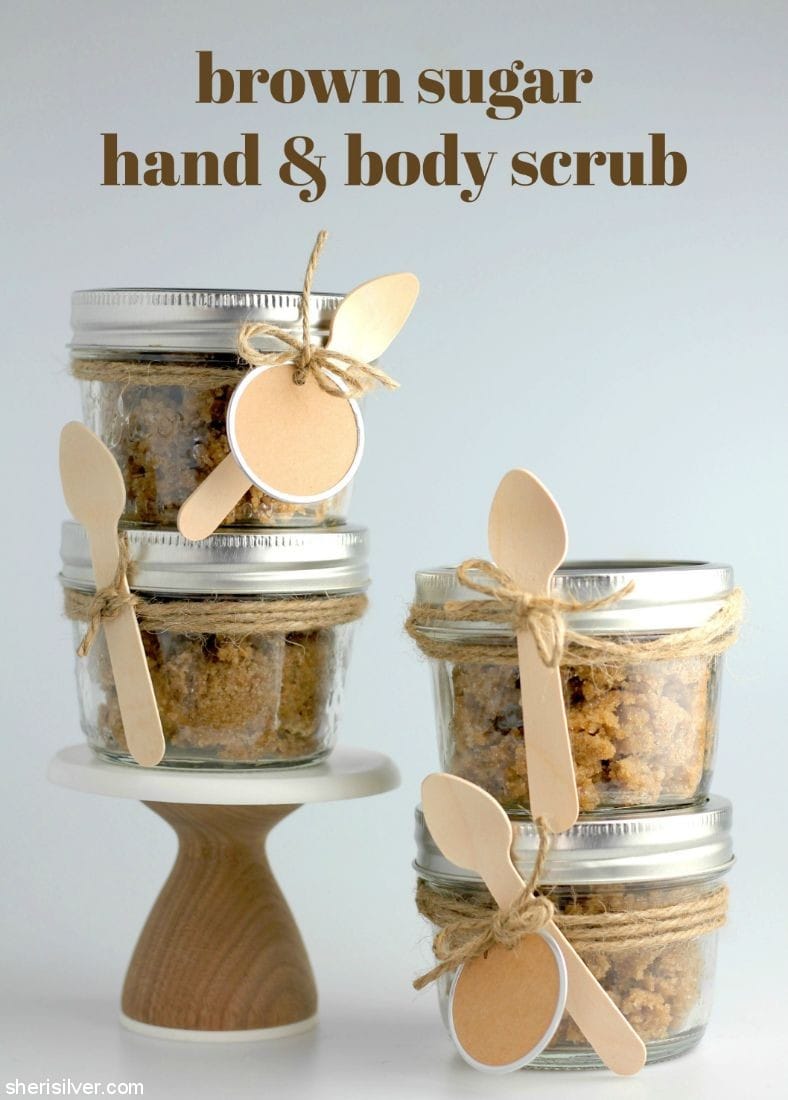
The natural enzymes in pumpkin do the same gentle exfoliating work on your body as they do on your face — you just get to be less precise about it. Combine a quarter cup of mashed pumpkin guts with a quarter cup of granulated sugar and two tablespoons of melted coconut oil.
Mix until it forms a thick, scoopable paste, and use it in the shower on damp skin, focusing on elbows, knees, and any rough patches. Rinse thoroughly; the coconut oil leaves enough moisture behind that you can skip lotion afterward.
You can swap the sugar for fine sea salt if you prefer a grittier scrub, or add a few drops of vanilla extract for a fall-scented version. This one only keeps for about three days in the fridge because of the raw pumpkin, so make a small batch and use it up. If you want something shelf-stable, you’ll need to cook and fully dry the pumpkin first, which kind of defeats the speed of the project — but it does work if you plan ahead.
8. Stir Into Pancake or Waffle Batter
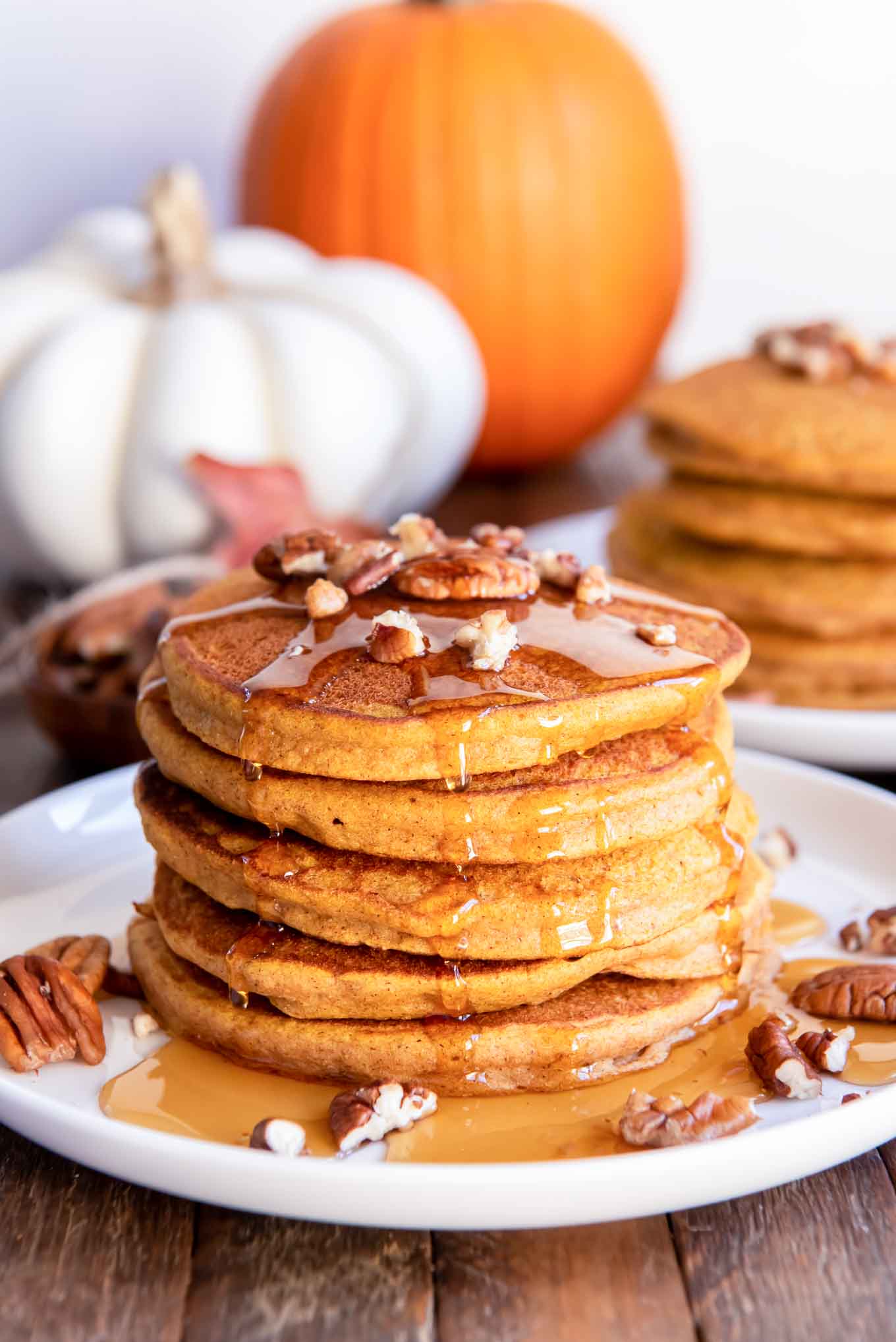
Here’s the laziest, most rewarding trick on this list: stir a few spoonfuls of raw pumpkin guts directly into your favorite pancake or waffle batter. The pulp adds moisture, a gorgeous golden-orange color, and just enough pumpkin flavor to make Saturday breakfast feel seasonal without any extra effort. Use about a quarter cup of guts per cup of batter and reduce the liquid (milk or water) by a tablespoon or two to keep the consistency right.
You can do this with a box mix like Kodiak or Bisquick just as easily as from-scratch batter — I’ve done both, and nobody at my table has ever noticed the difference beyond, “Ooh, these are pretty.” A handful of chocolate chips or chopped pecans on top takes them over the edge. Just note that the batter will be slightly thinner than usual, so cook on medium-low heat and give the pancakes an extra 30 seconds per side to set all the way through.
9. Brew Pumpkin Fertilizer Tea for the Garden
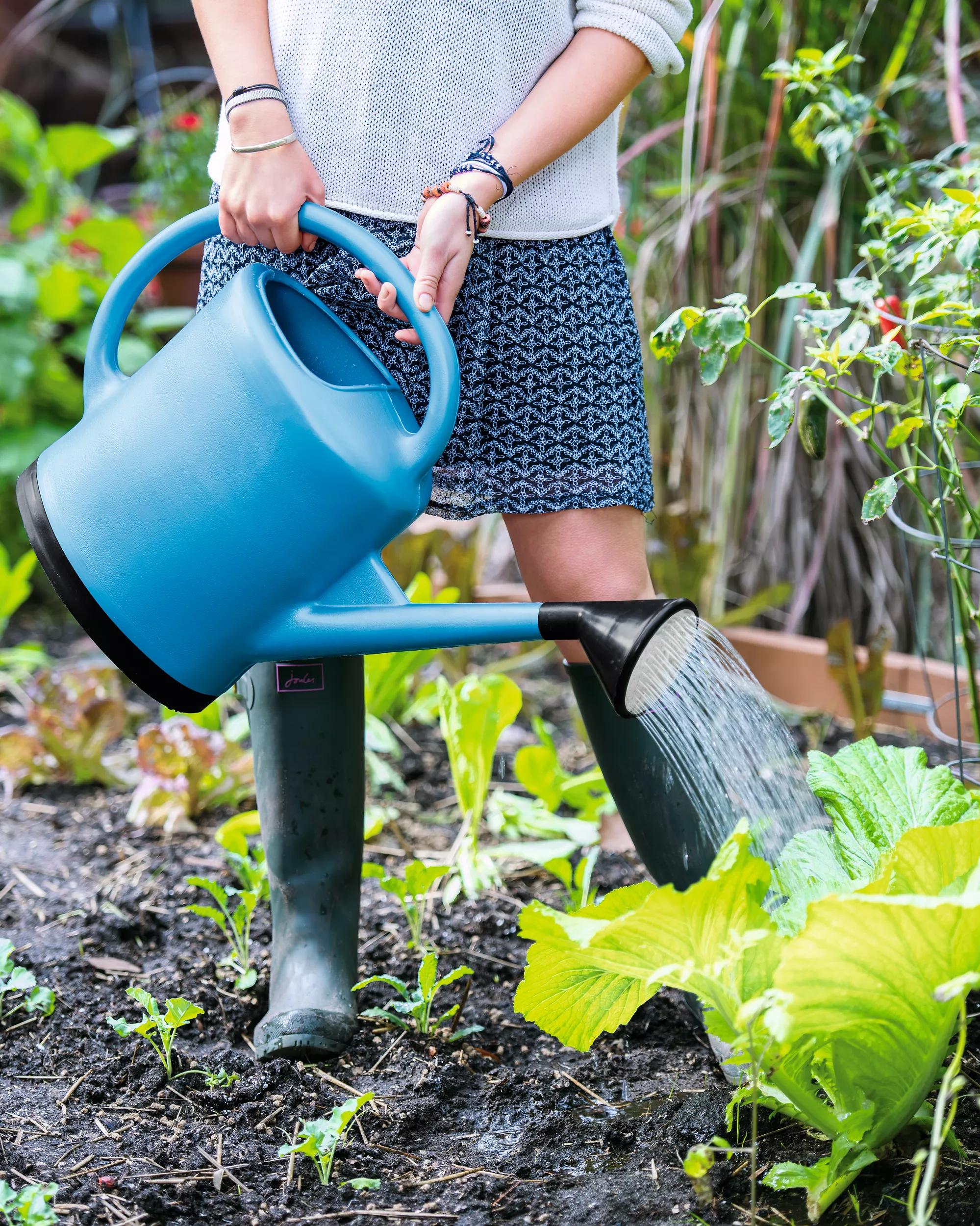
This one’s for the gardeners. Pumpkin pulp breaks down into a nutrient-rich “tea” that feeds your soil with nitrogen, potassium, and trace minerals — exactly what overworked garden beds crave after a long growing season.
Stuff the guts into a five-gallon bucket, fill it with water, cover loosely with a lid or towel, and let it steep outdoors for one to two weeks, stirring every few days. The water will turn murky and smell earthy (fair warning: it gets worse before it gets better).
Once it’s brewed, strain out the solids — toss those into your compost — and dilute the liquid at a ratio of roughly one part tea to four parts fresh water. Water the base of your plants, not the leaves, especially on edibles.
This works well on tomatoes, peppers, squash, and leafy greens in the weeks before you put the garden to bed. It’s not a replacement for a proper fertilizer program, but as a free seasonal boost from scraps you’d otherwise throw away, it’s hard to beat.
FAQ
Can you eat pumpkin guts raw?
Yes, the stringy pulp from carving pumpkins is safe to eat raw, though the texture is fibrous and a bit unpleasant on its own. Blending it into smoothies or mixing it into a dressing is the easiest way to use it uncooked. Just make sure the pumpkin was clean and freshly cut.
How long do pumpkin guts last in the fridge?
Raw pumpkin pulp keeps for about three to four days in an airtight container in the refrigerator. If you’re not going to use it that quickly, spread it on a sheet pan, freeze it flat, then transfer to a freezer bag — it’ll hold for six months or more.
Are pumpkin guts the same as pumpkin puree?
Not exactly. Pumpkin guts are the raw, stringy pulp and fiber you scrape out of a carved pumpkin, while pumpkin puree is that pulp cooked and blended until smooth. You turn guts into puree with a quick roast and a spin through the blender — the two-step process from idea number one above.
Can dogs eat raw pumpkin guts?
Plain raw pumpkin pulp isn’t toxic to dogs, but cooked pumpkin is easier on their digestive system and more palatable. If you want to give your dog a little raw pumpkin, offer just a teaspoon mixed into their food and see how they handle it. Avoid giving them the seeds along with the stringy fiber, as the combination can be hard to digest.
Next time you’re elbow-deep in pumpkin seeds and slime, set the guts aside instead of scraping them straight into the trash bag. Whether you cook them into soup, freeze them for smoothies, or just let them break down in the compost heap, you’re getting real value out of something most people throw away without a second thought. Your pumpkin did the hard work of growing all season — the least you can do is use every part of it.
Leave a Reply