
Every January I end up with the same little mountain: half-used rolls, a drawer of torn-off ends, and a handful of scraps too pretty to bin. None of it is garbage — wrapping paper is essentially cheap decorative paper stock, and once you start thinking of it that way, it stops being clutter and becomes a stash. Here are nine things I actually do with mine, roughly in order of how much paper each one uses.
Cover Books and Notebooks
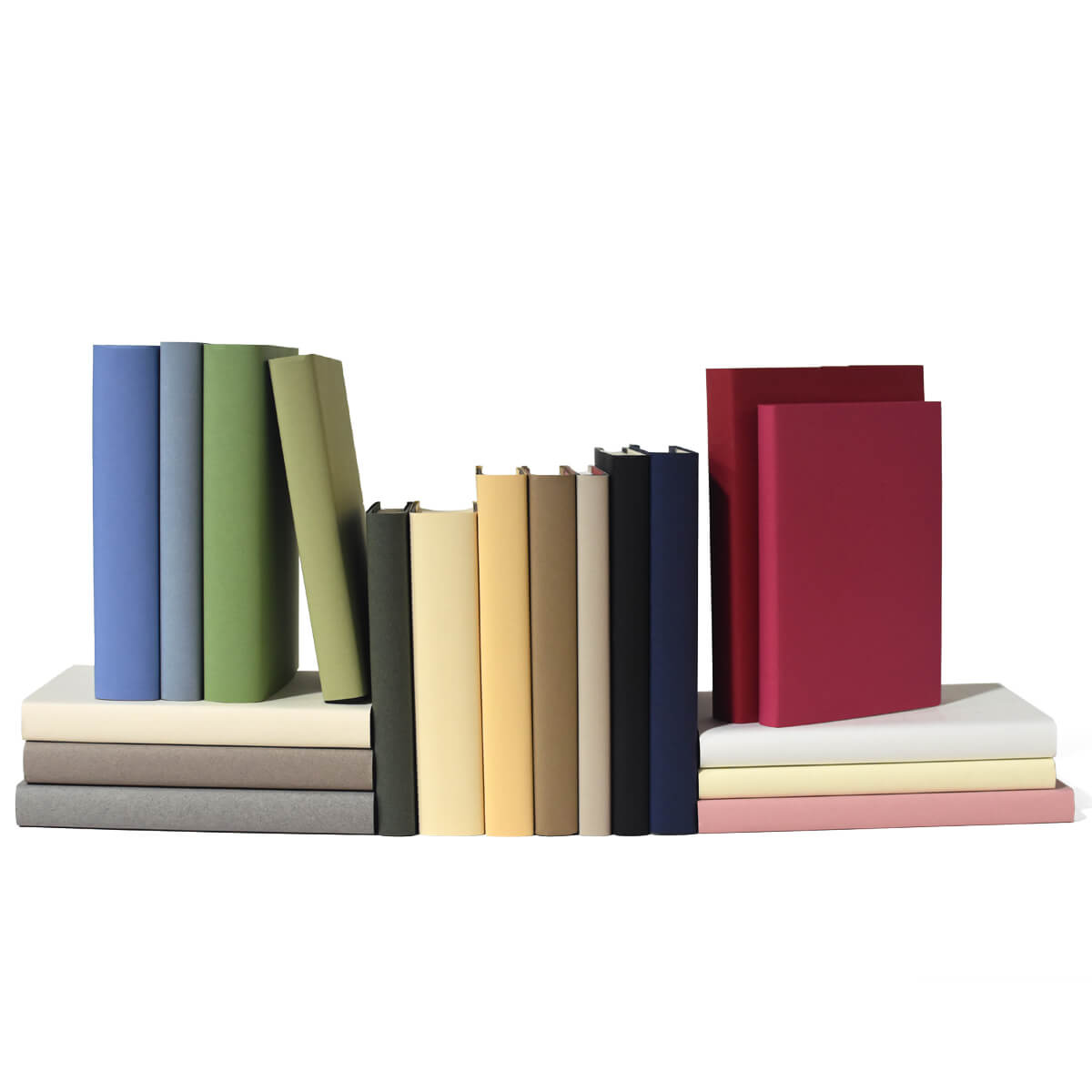
This is the single biggest paper-saver on the list. A standard hardcover takes about two-thirds of a roll width, and a school textbook or a battered paperback takes less. Wrapping a book in leftover gift wrap also protects it — mine have survived backpacks and kitchen spills far better than bare covers do.
Lay the book face-down on the paper, fold the top and bottom flaps over the boards, and cut a vertical slit at each corner so the flaps fold in without bulk. A glue stick (Pritt or Elmer’s) along the inside cover is enough to hold it; you don’t need tape on the outside. If the paper is thin or the book gets heavy use, back it with a sheet of plain brown kraft paper first, and skip glossy foil wraps — they crease sharply and never sit flat.
Make Homemade Gift Tags
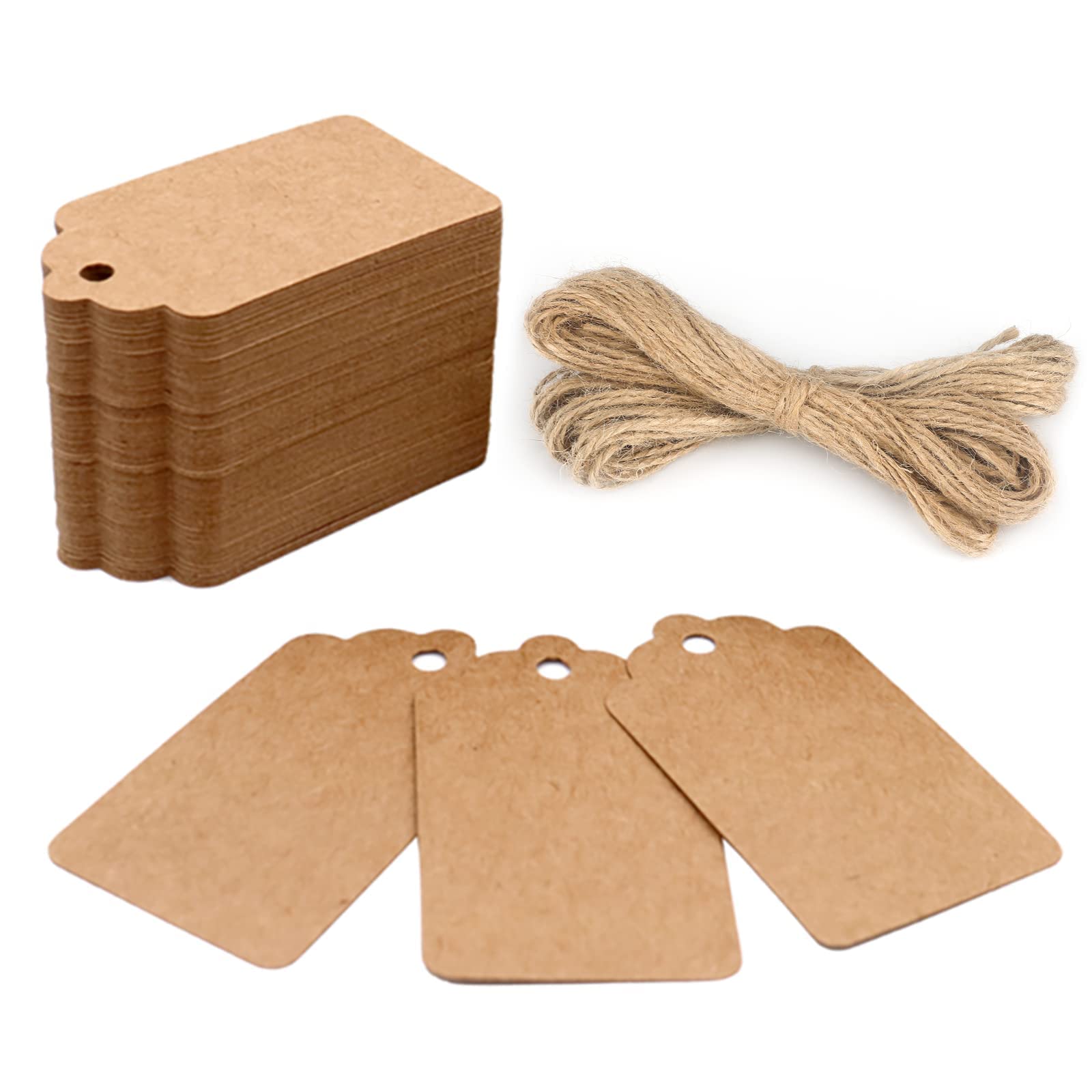
Gift tags eat tiny scraps, so this is where the torn-off ends and those awkward 3-by-6-inch pieces go. Because wrapping paper is lightweight, it’s worth gluing it onto cardstock or a cereal box before you punch or cut, otherwise tags curl and flop on the gift.
Cut a simple rectangle or tag shape, punch a hole with a standard hole punch, thread baker’s twine or a bit of ribbon through, and write with a paint pen or a Sharpie — ballpoint skips on glossy finishes. A corner-rounding punch makes them look shop-bought, and a small hole reinforcer sticker saves you from tearing. Watch the print scale: a big poinsettia pattern will look like abstract color on a small tag, so match small prints to small tags.
Fold Bows and Toppers
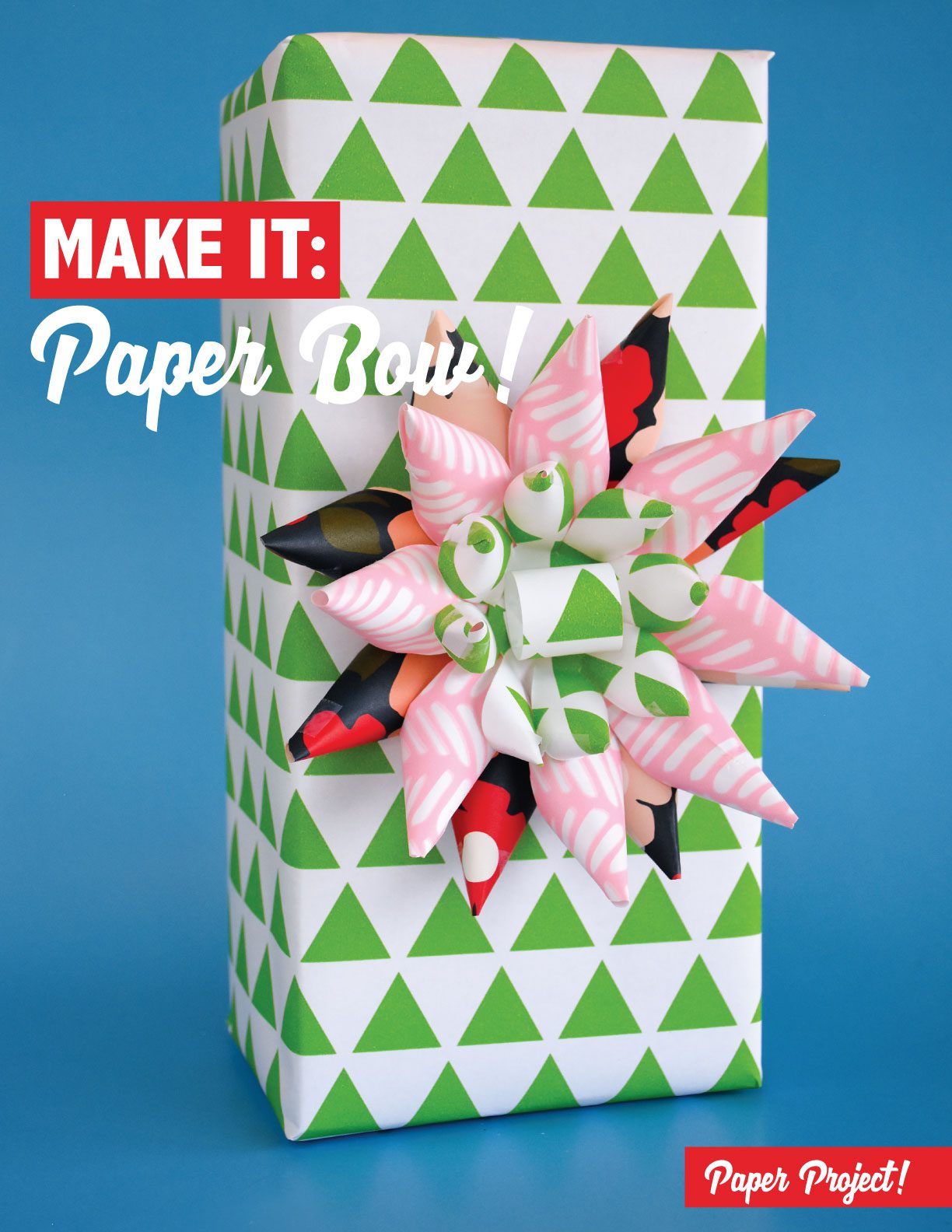
A paper bow is a gift topper that never dries out, never tangles, and costs nothing. It’s also a genuinely satisfying rainy-afternoon project — my kids made a dozen last Christmas and we used every one.
The styles that work best with wrapping paper offcuts:
- ✦Looped rosette bow — cut 8–10 strips, loop each into a petal, glue the ends to a small paper circle, then stack a second smaller layer on top.
- ✦Layered medallion bow — accordion-fold a 4-by-12-inch strip, fold it in half, and fan it open; tie the middle with a thin strip.
- ✦Curly ribbon topper — cut 8–10 long thin strips and run them over a scissor blade the way you do with curling ribbon.
- ✦Flat origami-style bow — best for mailed gifts, since it lies almost flush and won’t crush.
Stiffer papers hold a loop beautifully; very thin, tissue-like wrapping paper needs a dot of hot glue to keep the loops from springing open. Add a paper strip “tails” flourish underneath and you can skip ribbon entirely.
Line Drawers, Shelves, and Cupboard Backs
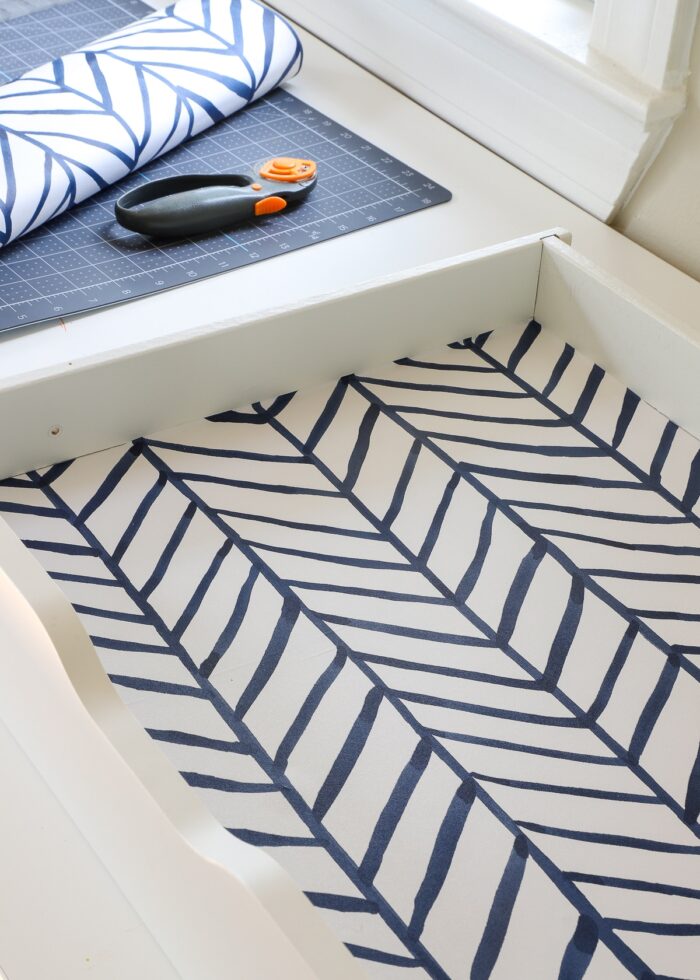
This is the use people forget about, and it’s the one that transforms the most furniture for the least money. A pretty paper lining makes an old dresser drawer look considered, and a covered shelf back inside a bookcase gives the whole cabinet a pop of color every time you open the doors.
Measure the surface, cut the paper about half an inch larger than you need, and stick it down with a thin coat of Mod Podge or a spray adhesive like 3M Super 77 rather than glue sticks, which go lumpy. Smooth from the center out with an old credit card or a rubber brayer to push out air bubbles. Glossy, coated wrapping paper works best here — it wipes clean — while anything with loose glitter will shed into your socks forever.
Make Envelopes
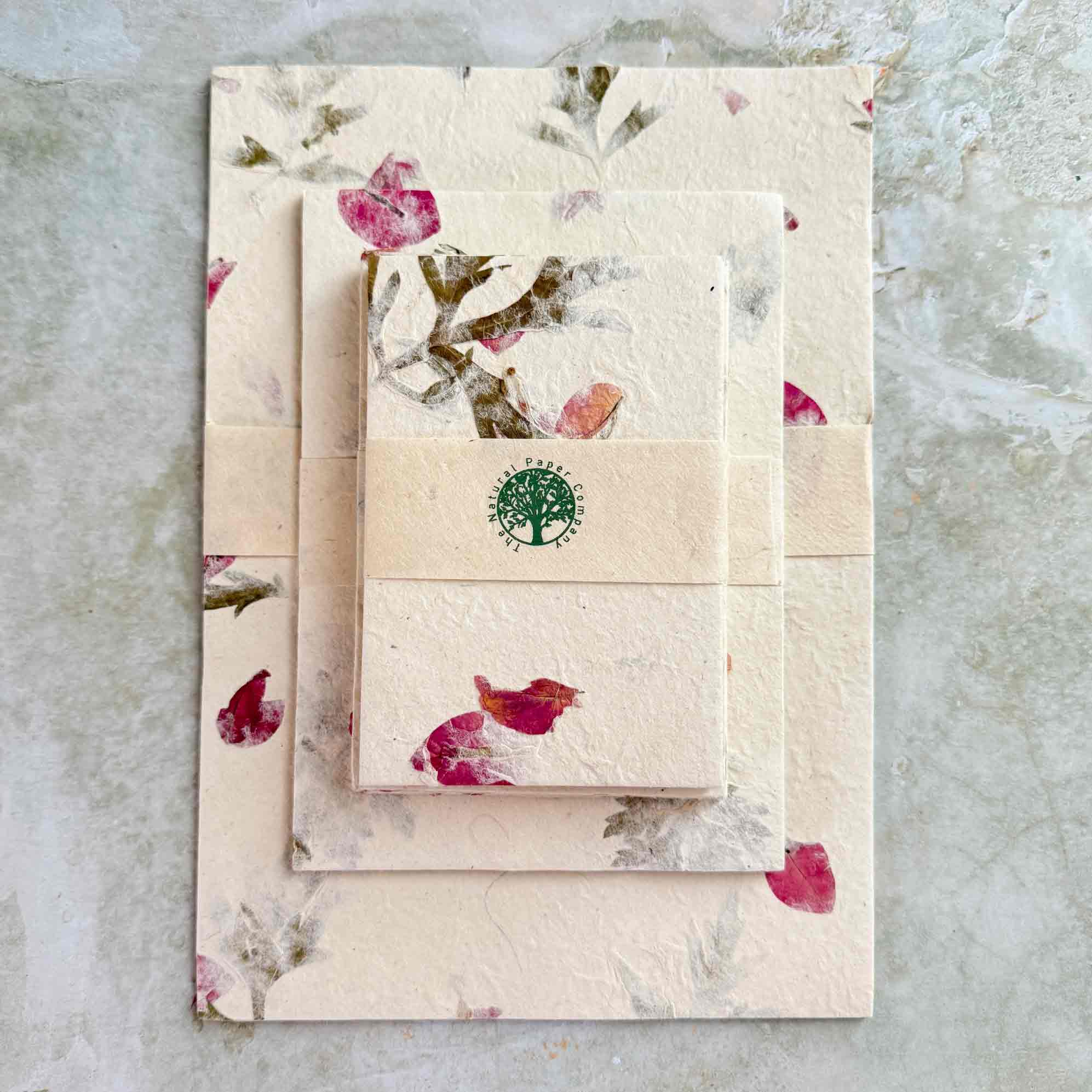
You can get an envelope out of a square scrap in about a minute, and it costs nothing versus buying a pack. It’s perfect for gift cards, cash, letters, and those odd-sized handmade cards that never fit a standard A2.
For a quick version, fold a square of paper around the card with two side flaps and a bottom flap, glue the seams, and finish the top edge with a decorative punch or a length of washi tape. For something sturdier, trace an old envelope as your pattern and score the fold lines first with a bone folder — wrapping paper creases cleanly when scored and buckles when it isn’t. Foil and heavily glittered papers won’t take a crisp fold, so reserve those for the flat styles and use plain paper for origami folds.
Make a Paper Garland or Bunting
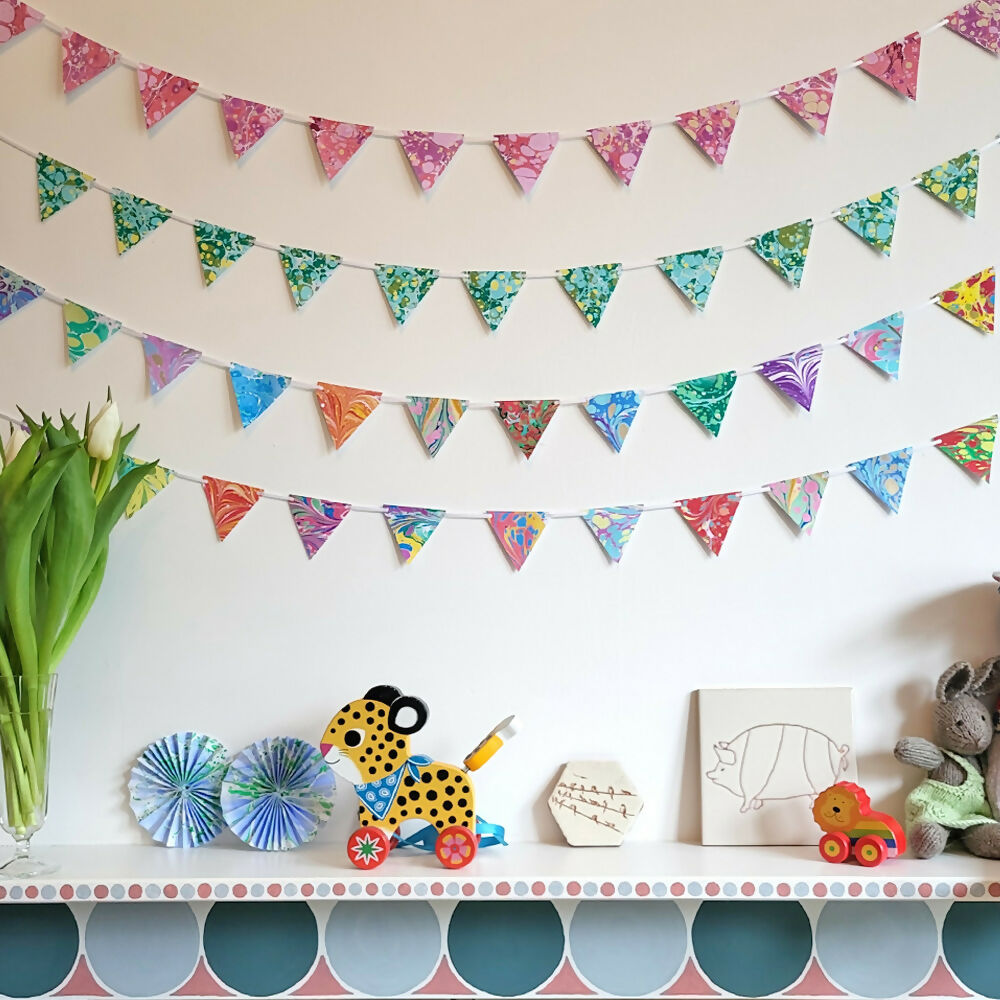
A garland turns the last of a roll into something that hangs over a mantel, a doorway, or a birthday table, and it’s one of the few projects where mixing leftover patterns actually looks better than matching. Coordinating two or three prints from the same color family is the trick.
Cut triangles, circles, or rectangles and either glue them onto a length of twine between two folds, or punch two holes near the top of each shape and thread the twine through. A Big Shot or a simple circle punch in two sizes keeps the shapes consistent. Make the pieces at least 3 inches across for a mantel — tiny shapes read as confetti once they’re up on a wall — and glue both sides of the paper to the twine if the garland will be seen from both directions.
Decoupage a Tray, Box, or Tabletop
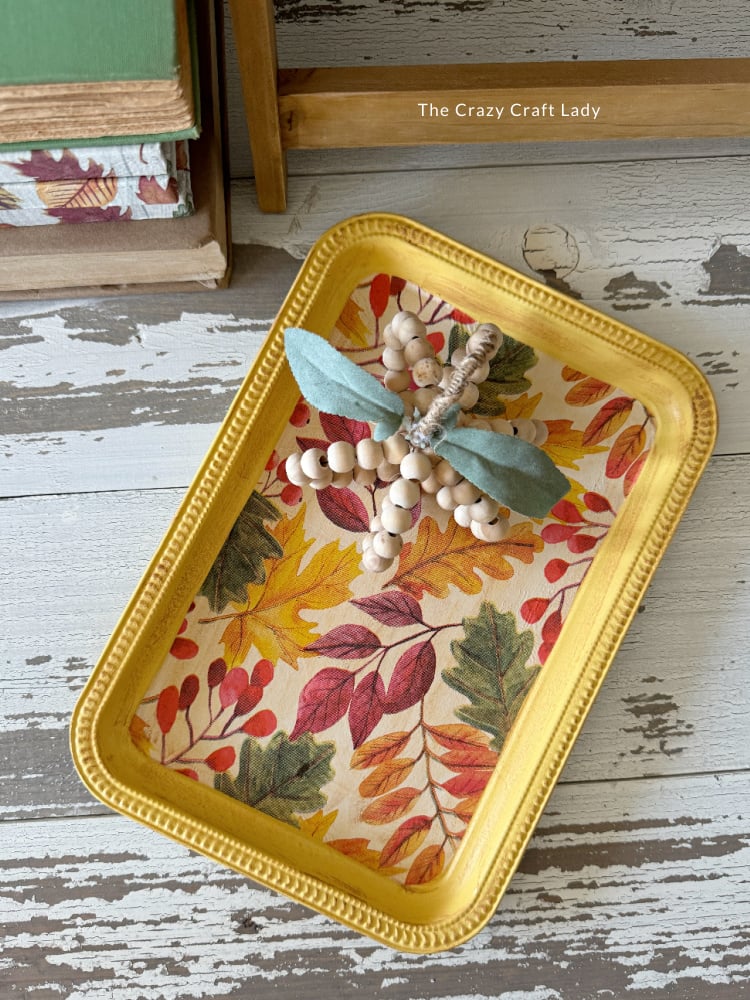
This is where leftover wrapping paper earns its keep as a legitimate decorative material. A thrifted wooden tray or a plain cardboard photo box covered in a good print looks genuinely expensive, and it’s a beginner-level project as long as you cut things right first.
Cut the paper to the exact panel size, brush a thin layer of Mod Podge Matte onto the surface with a flat brush, lay the paper down, then smooth from the center outward. Let it dry fully before brushing a second coat over the top as a sealer. A couple of things I learned the hard way: work in a thin coat or the paper will bubble and ripple, use the matte finish for trays you’ll actually use (gloss looks plastic-y and shows every fingerprint), and skip glitter paper here — the glitter sheds straight into your drink.
Shred It for Packing and Gift Basket Filler
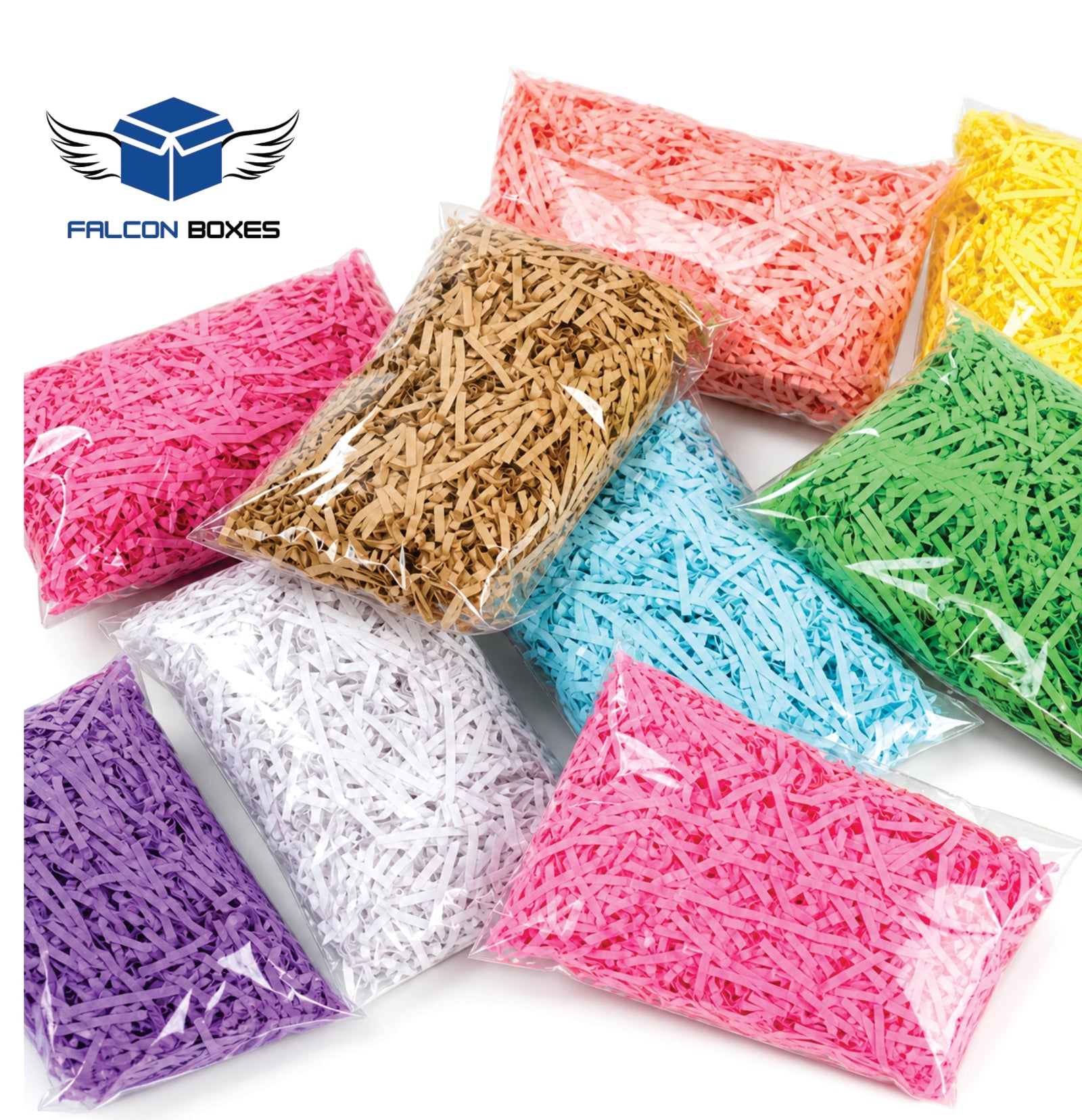
If you have a paper shredder, feed your offcuts through it and you instantly have the same filler a gift basket shop charges for. It cushions, it fills dead space, and it looks far better than crumpled newspaper in a hamper.
Good uses for a bag of the shredded stuff:
- ✦Gift basket and hamper bedding for wine, jars, and baked goods
- ✦Cushioning for mailing fragile items — stuff it around the item rather than on top of it
- ✦Pinata filling, in place of store-bought crinkle paper
- ✦Drying agent and packing for storage boxes of ornaments
Skip anything with a plastic laminate or heavy glitter if the filler will touch food or go in a pinata. And don’t compost the glossy, metallic, or dyed papers — plain kraft or plain uncoated paper is the only wrapping paper that belongs in a compost bin.
Frame It as Wall Art

The cheapest wall art you will ever hang. One good roll can fill a whole gallery wall, and because you’re framing paper rather than buying prints, you can swap it out seasonally without guilt.
Use inexpensive frames — IKEA RIBBA or a thrifted frame with a fresh mat — and mount the paper on a sheet of foam board or cardstock so it doesn’t sag behind the glass. Large-scale prints work best here; busy small patterns turn into visual noise at distance. Trim the paper a quarter inch smaller than the mat opening so there’s no dark gap at the edge, and hang it out of direct sun, because cheap gift-wrap inks fade noticeably faster than archival prints.
FAQ
Can you recycle wrapping paper with glitter or foil on it?
No — most curbside programs won’t take foil, metallic, glittered, or heavily laminated wrapping paper, because those materials don’t break down in the pulping process. Plain, non-laminated paper with the tape and ribbon removed usually is recyclable, but check your local collection rules first.
What’s the best way to store leftover wrapping paper?
Cut rolls down to a manageable length and stand them upright in a tall bin or a dedicated gift-wrap organizer, then group offcuts in a large zip-top bag or a magazine file. Keeping scraps visible and sorted is what actually makes you use them — the pile hidden at the bottom of a closet is the one that gets thrown out.
Is leftover wrapping paper safe for kids’ crafts?
Mostly, yes — paper chains, collages, and paper bead rolling are all great with scraps. Skip foil and glitter papers for very young kids since the metallic coating flakes off and glitter gets everywhere, and keep small punched shapes away from toddlers as you would any choking hazard.
Does wrapping paper work as shelf liner?
It does, for light-duty surfaces like bookcase shelves, linen closet shelves, and dresser drawers. Use spray adhesive or a thin coat of Mod Podge rather than double-sided tape, and know that it’s decorative rather than waterproof — for kitchen shelves that see spills, go back to a vinyl liner.
There’s no shortage of ways to use the stuff, and the real trick is simply deciding before the holidays end that the paper is going somewhere specific. Pick one project from the list, clear an hour, and that pile stops being guilt and starts being useful.
Leave a Reply