
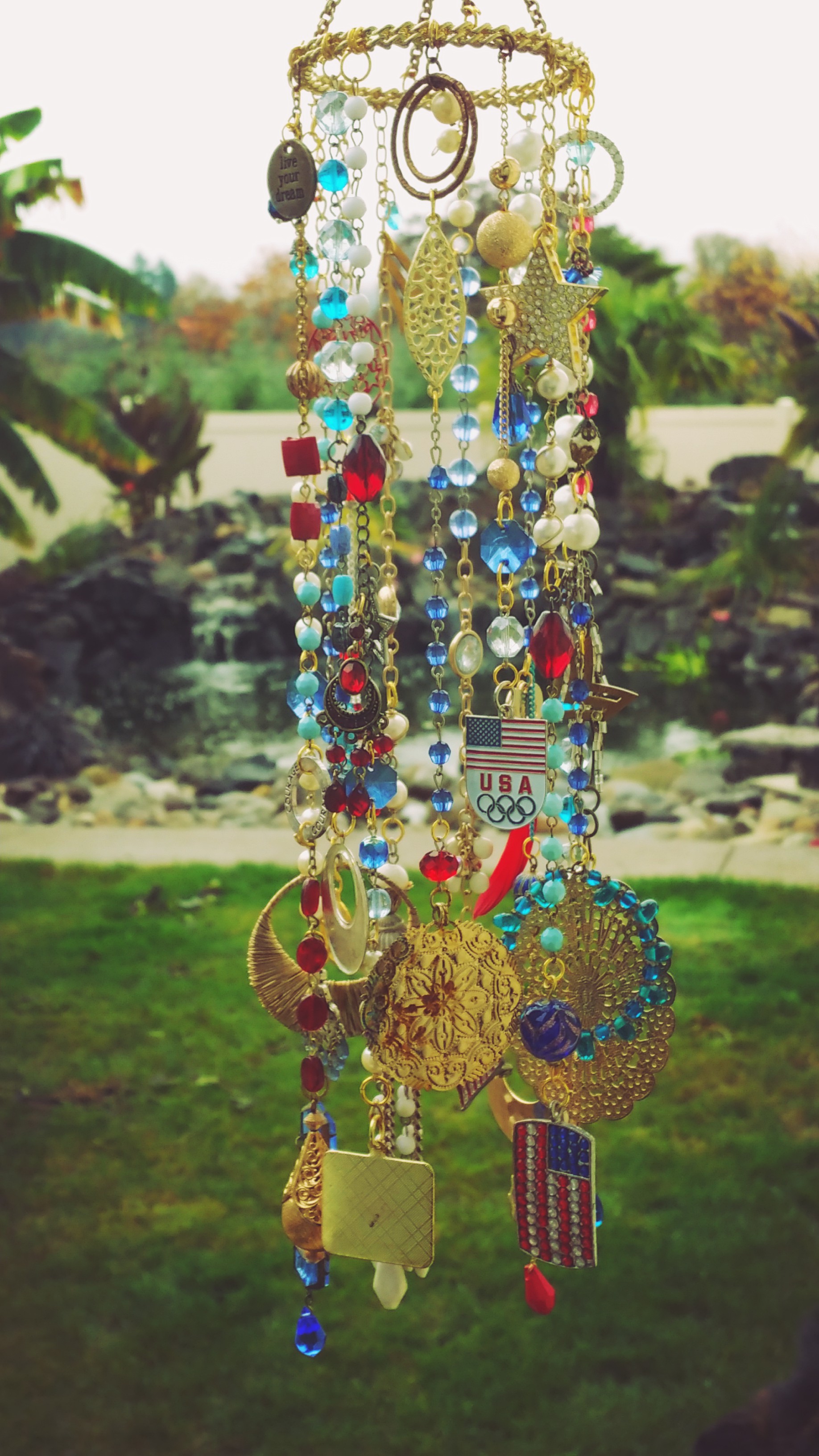
Broken jewelry pieces offer immediate material for small-scale crafts that add texture and color without requiring new purchases. Each fragment already carries finished details like clasps, stones, and metalwork that translate directly into new objects. The following sections focus on practical applications that keep the original character of the pieces intact while turning them into usable items around the home.
Jewelry Bead Wind Chimes
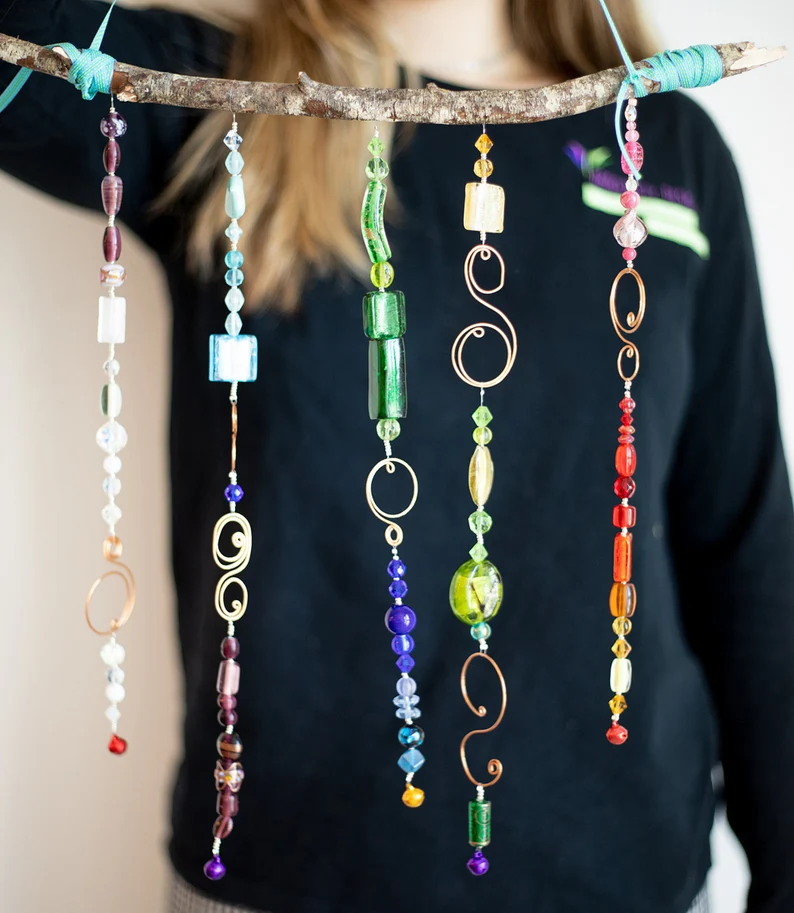
Broken necklaces and bracelets supply the beads and chain segments needed for a compact wind chime. Sort the beads by size and color first, then thread them onto thin wire or leftover chain in repeating patterns that catch light when the chime moves. Hang the assembly from a small metal ring or an old brooch back so the lowest strands dangle freely.
A second layer of interest comes from adding short lengths of chain between bead clusters; the metal links create soft sounds on breezy days. Position the finished chime near a window or on a covered porch where air movement is steady but not strong enough to tangle the strands. Test the balance before final hanging by holding the top ring and letting the lower pieces settle.
Secure any sharp prongs or broken settings with clear jewelry adhesive before stringing so the chime stays safe to handle.
Broken Chain Bookmarks
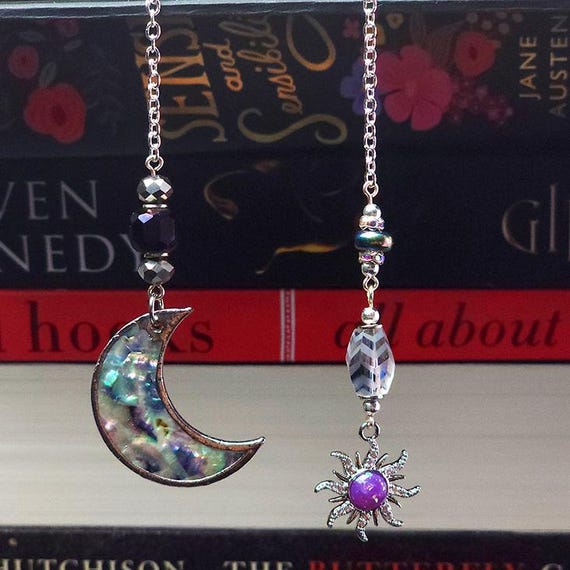
Short chain segments from damaged necklaces turn into slim bookmarks that slide between pages without bulk. Cut the chain to six or seven inches, then attach a single pendant or bead at one end to serve as a pull tab. The remaining length lies flat along the spine and marks the page without creasing paper.
These bookmarks also work well in journals or planners where a heavier tassel might catch on covers. Choose chain styles that match the book’s aesthetic—delicate links for leather journals, bolder curb chains for hardcover novels. A drop of clear nail polish on the cut ends prevents fraying over time.
- ✦Gold-tone chains pair with warm-toned leather covers
- ✦Silver chains suit cool gray or navy notebooks
- ✦Mixed metal chains add contrast to plain fabric journals
Earring Back Magnets
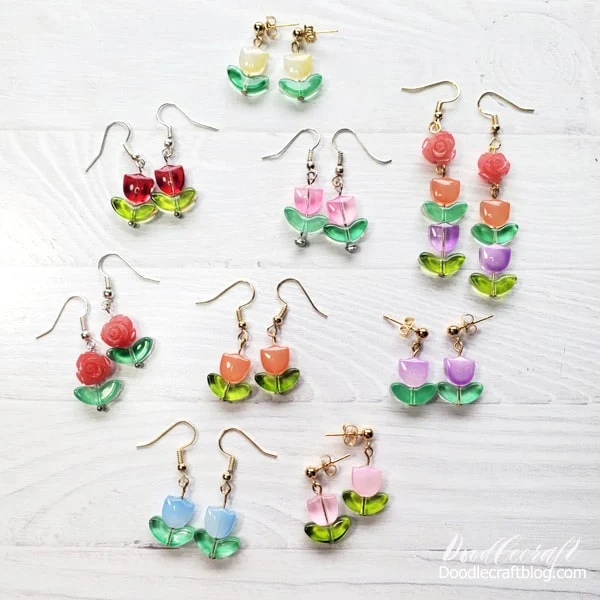
Post earrings and stud backs convert into small magnets for metal surfaces such as refrigerators or magnetic boards. Glue a small neodymium magnet to the flat back of each earring using two-part epoxy, then let the assembly cure fully before testing on metal. The decorative front remains visible while the magnet holds notes or photos.
This approach reuses pieces that are often too small for other projects yet still carry interesting stones or metalwork. Keep a set near a workspace for holding receipts or small reminders. Avoid placing them on surfaces that see frequent wiping, since the epoxy bond can weaken with repeated moisture exposure.
Pendant Key Rings
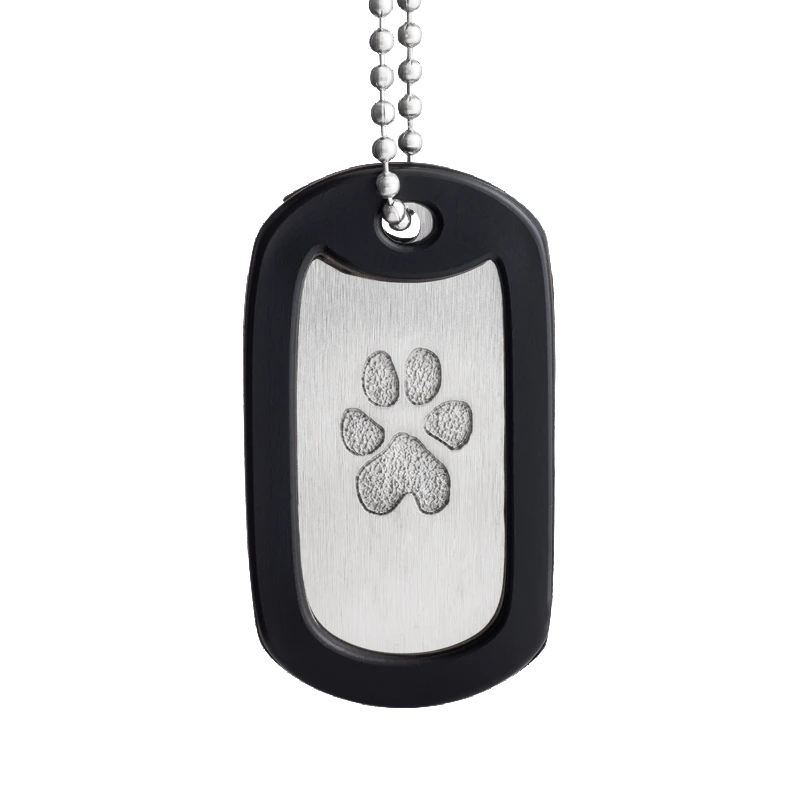
Single pendants or larger focal pieces from broken necklaces become distinctive key fobs when attached to a split ring. Open the ring, thread it through the pendant’s existing loop or a jump ring added for security, then close it again. The weight of most pendants keeps keys from slipping out of pockets.
Test the connection by tugging firmly before daily use. If the original bail feels loose, replace it with a heavier jump ring soldered or crimped closed. These key rings also serve as zipper pulls on bags or jackets when the pendant size fits the pull tab.
Fragment Mosaic Frames
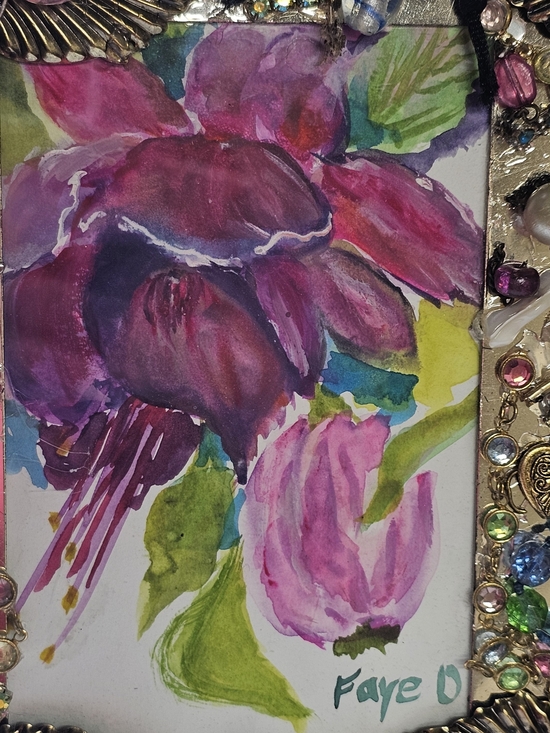
Flat shards from brooches and larger stones create a mosaic surface on plain wooden or resin frames. Arrange the pieces on the frame first to plan spacing, then adhere them with strong craft glue in small sections so the layout does not shift. Fill gaps with grout or clear resin for a smooth finished surface that protects the edges.
The resulting frames highlight photos or small prints without competing for attention. Work on one side of the frame at a time to maintain control over the pattern. Wipe excess adhesive immediately to prevent cloudy residue on the stones.
Charm Bracelet Upcycles
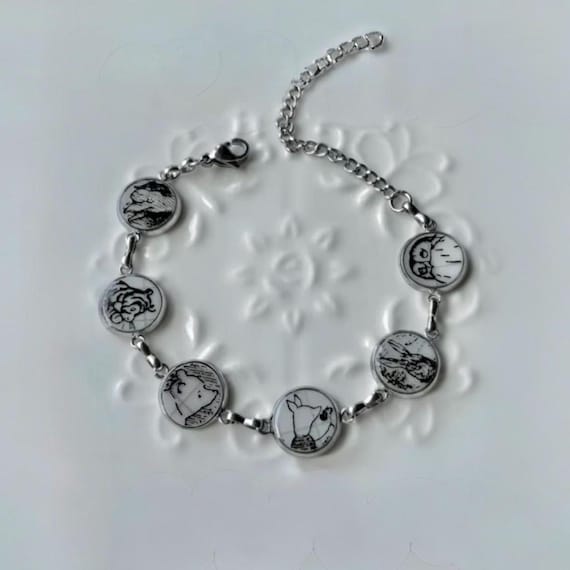
Loose charms and small pendants from several broken pieces combine into new charm bracelets. Sort the charms by theme or metal finish, then attach them to a basic chain or cord base using jump rings. The mix of original styles gives the bracelet a collected-over-time appearance.
Adjust the number of charms so the bracelet drapes naturally rather than feeling heavy on the wrist. Add a sturdy clasp from one of the original pieces to complete the assembly. Store the finished bracelet flat to prevent tangling when not worn.
| Glue Type | Best For | Cure Time | Strength Notes |
|---|---|---|---|
| Two-part epoxy | Metal-to-metal or stone attachments | 5–30 minutes initial set | High; resists daily handling |
| Jewelry adhesive | Lightweight beads on chain | 10–60 seconds | Medium; flexible once dry |
| Hot glue | Temporary test layouts | 30–60 seconds | Low; easy to remove |
Test any new adhesive on a hidden section of the jewelry first to check for discoloration on delicate stones or plating.
Placement Variations for Small Charms
Small charms work in multiple household spots beyond jewelry. Attach them to the pull cords of lamps or blinds for easy grip and visual interest. They also slide onto existing key rings or zipper pulls when a quick accent is needed.
- ✦Lamp pull cords in reading nooks
- ✦Blind cords in home offices
- ✦Zipper pulls on everyday bags
Common Mistake to Avoid
Rushing the glue step often leads to pieces detaching after a few weeks. Allow full cure time even when the adhesive feels set, and support the item so gravity does not pull components apart during drying.
FAQ
How do I clean tarnished broken jewelry before crafting?
Start by soaking the pieces in warm water with a drop of mild dish soap for ten minutes, then use a soft toothbrush to reach crevices. Rinse thoroughly and dry completely before any gluing or stringing. For stubborn tarnish on silver, a polishing cloth works without removing stones.
What glue works best for attaching jewelry pieces to surfaces? Two-part epoxy provides the strongest hold for metal and stone on wood, glass, or metal frames.
Apply sparingly to avoid squeeze-out that can cloud clear stones. Allow the full recommended cure time listed on the package before moving or hanging the finished item.
Are there safety concerns with small parts in crafts? Keep tiny beads and loose stones away from households with young children or pets who might put them in their mouths.
Check each finished piece for sharp edges or loose prongs that could catch on fabric or skin. Store leftover fragments in a sealed container when not in use.
Can broken jewelry be used in garden projects? Yes, larger metal pieces and chains can become plant markers or decorative accents on pots when sealed against moisture.
Avoid using pieces with water-soluble stones or adhesives that may degrade outdoors. Place them where they will not be disturbed by tools or heavy weather.
These projects turn scattered fragments into objects that earn a place in daily routines rather than staying tucked in a drawer.
Leave a Reply