
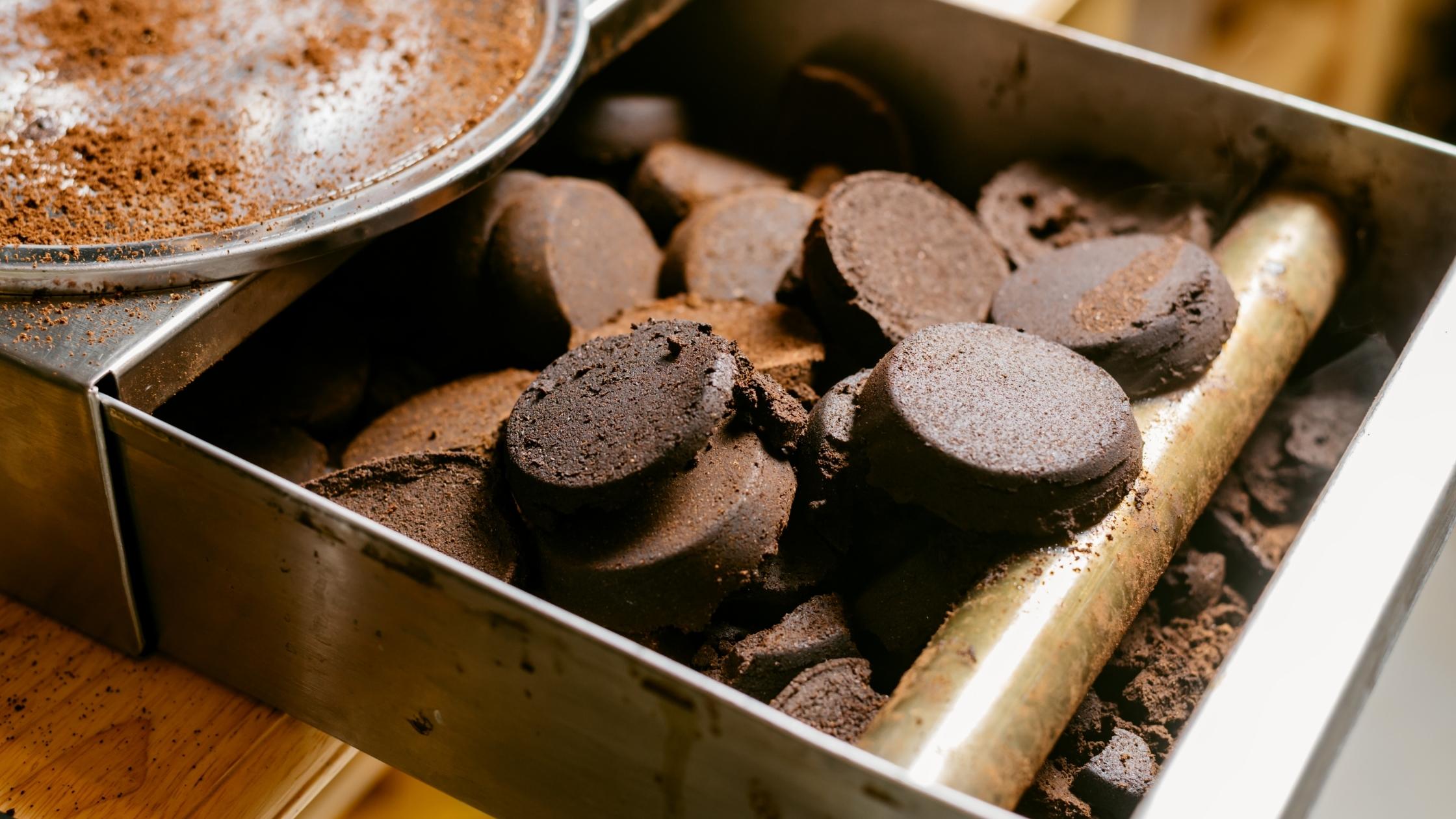
You brew your morning cup, toss the filter and grounds into the trash, and move on with your day. I did the same thing for years — until I started saving those spent grounds and realized they’re one of the most versatile “waste” products sitting in any kitchen.
Whether you garden, craft, or just want to cut back on what goes into your trash can, used coffee grounds have a surprising number of second lives. Here are ten of my favorites, tested and tweaked over plenty of trial and error.
1. Boost Your Compost
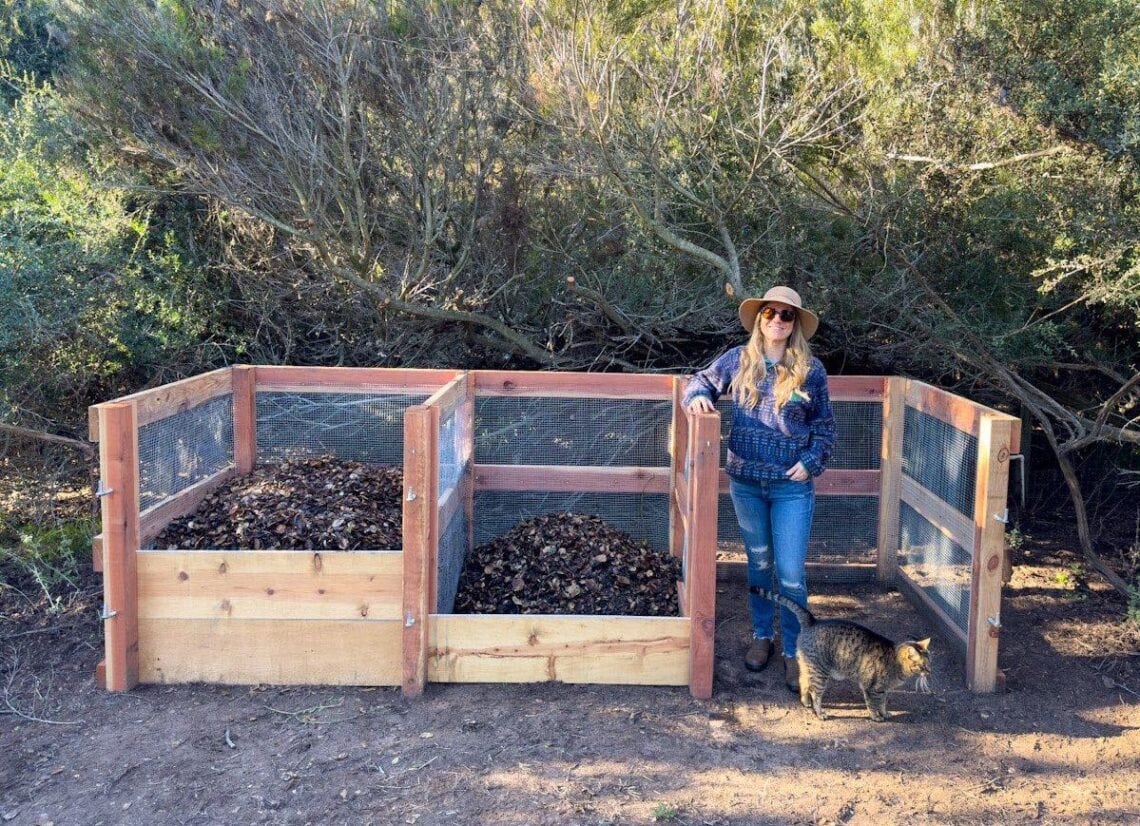
Coffee grounds are considered a “green” compost material — rich in nitrogen, which fuels the microorganisms that break everything down. If your compost pile tends to run slow or develops a sour smell, tossing in your daily grounds can speed up decomposition and balance out all the carbon-heavy “browns” like dried leaves, cardboard, and straw.
Sprinkle grounds directly into your bin or pile each time you brew. They’re not acidic enough after brewing to worry about pH — that’s a persistent myth that’s been debunked plenty.
Aim for roughly a 4:1 ratio of browns to greens overall, and your coffee grounds fit right into the green side. If you notice them clumping into dense, wet mats, break them up with a garden fork so air can circulate.
2. Fertilize Your Garden Beds
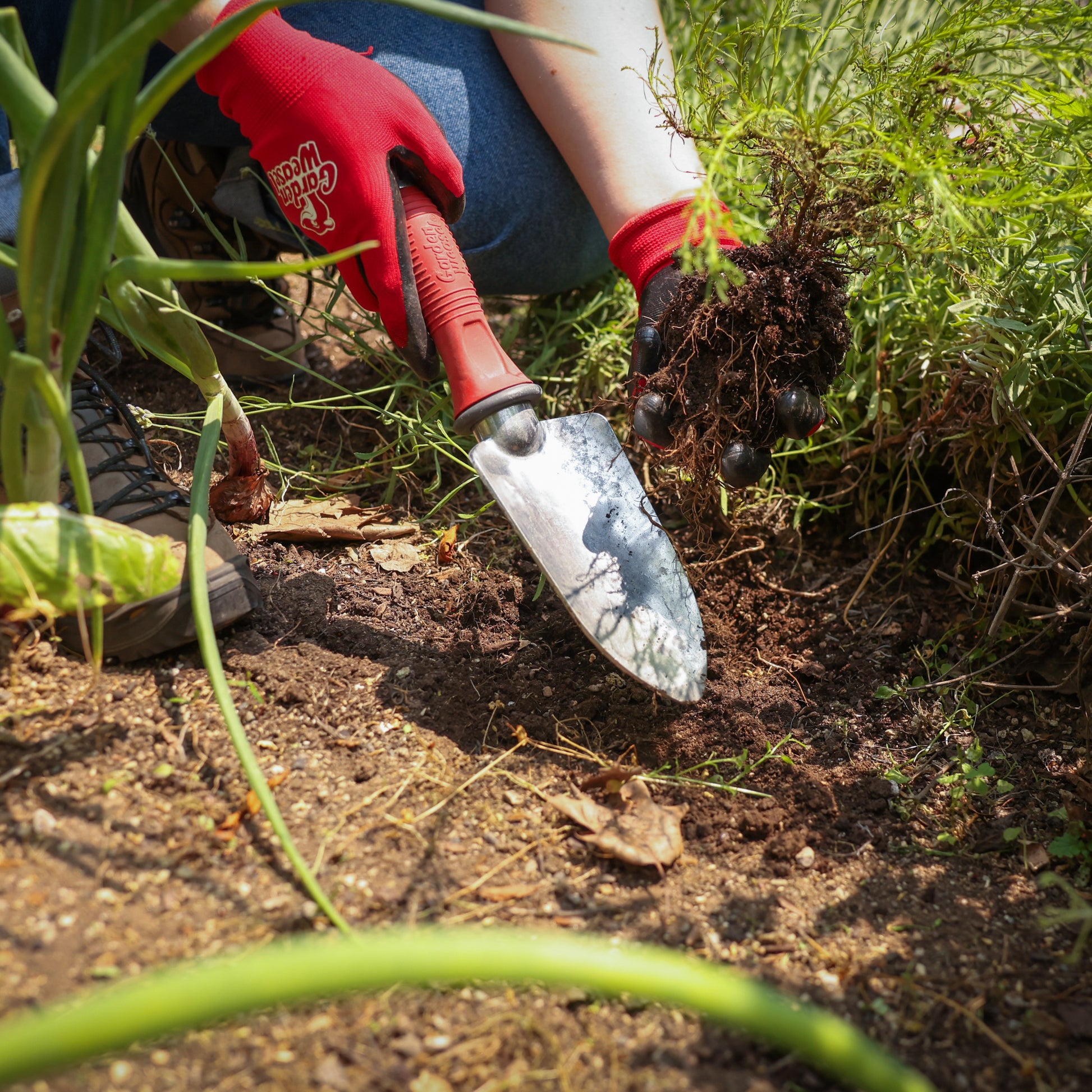
Used grounds contain nitrogen, potassium, and phosphorus — the same three nutrients listed on any bag of commercial fertilizer. You can work them into the soil around acid-loving plants like blueberries, azaleas, hydrangeas, and tomatoes. I scatter a thin layer, about half an inch, around the base of each plant and gently work it into the top inch of soil with my fingers or a hand cultivator.
A few things to keep in mind: fresh (unbrewed) grounds are more acidic than used ones, so if acidity is your goal, skip the brew. For general fertilizing, used grounds work beautifully.
Don’t pile them on thick — a dense layer can form a crust that actually repels water instead of letting it soak in. Thin and mixed in is the way to go.
You can also steep grounds in water overnight to make a mild “coffee tea” liquid feed for container plants.
3. Make a DIY Body Scrub
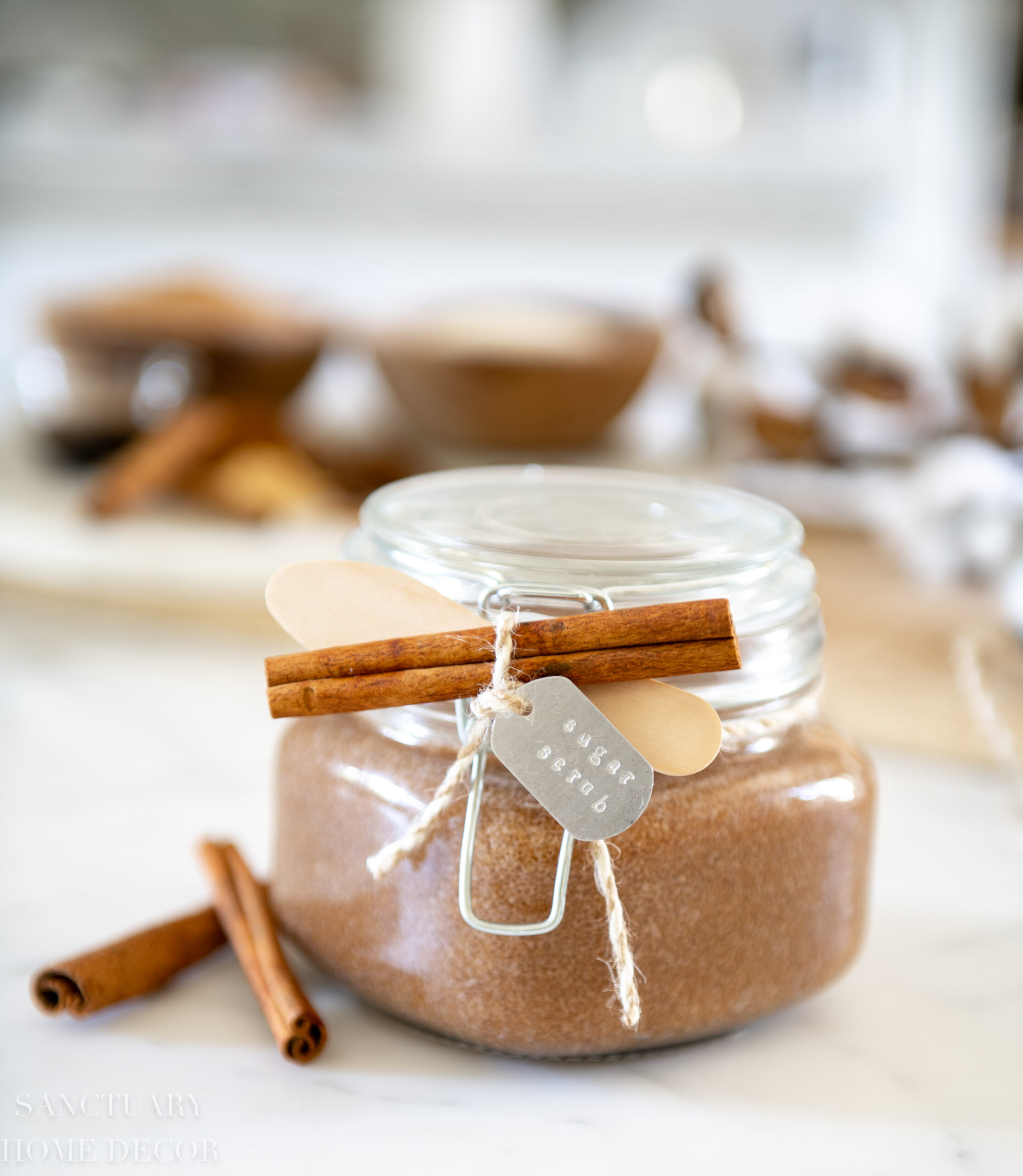
Coffee grounds make an excellent physical exfoliant — the granules are coarse enough to slough off dead skin but gentle enough not to tear it. The caffeine is also thought to temporarily tighten skin and improve circulation, which is why you see coffee listed in so many high-end scrubs at places like Sephora. You can make your own version for pennies.
Mix together:
- ✦1/2 cup dried used coffee grounds
- ✦1/4 cup melted coconut oil
- ✦1/4 cup brown sugar
- ✦A few drops of vanilla extract (optional)
Store it in a mason jar in your shower. Use it on your body — legs, arms, elbows — but avoid your face, since the grounds are a bit too coarse for delicate facial skin.
Use within a week or two; without preservatives, it can develop mold if left sitting wet for too long. If you notice any off smell, toss it and make a fresh batch.
4. Deodorize Smelly Spaces
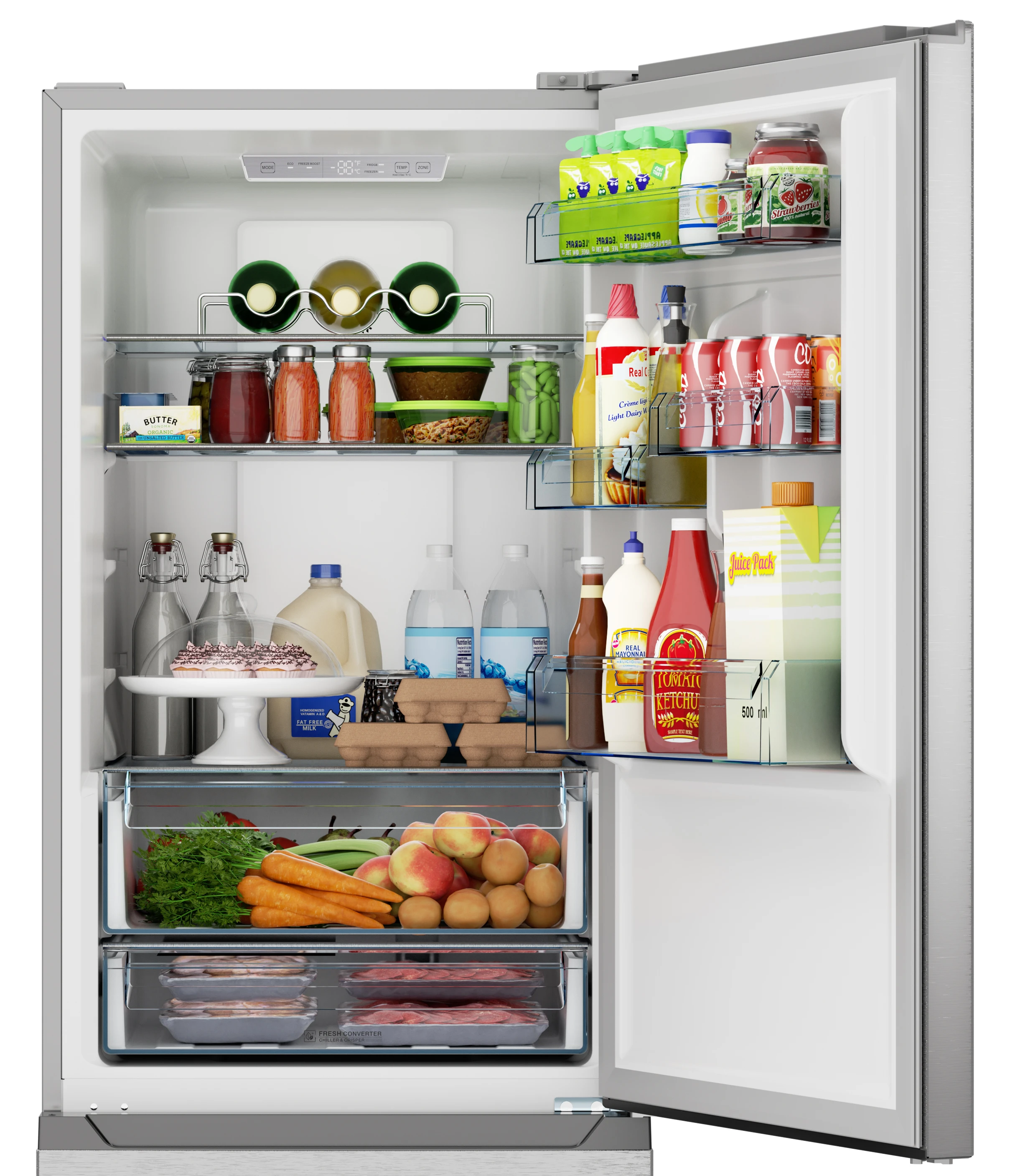
Coffee grounds are surprisingly effective at absorbing odors, working much like baking soda. The nitrogen in the grounds helps neutralize sulfur-based odor molecules in the air. I keep a small open bowl of dried grounds in my fridge and swap it out every two weeks — it genuinely handles strong smells like leftover fish or onions.
Beyond the fridge, you can place bowls of dried grounds:
- ✦Near the kitchen trash can
- ✦In a closet or gym bag
- ✦Inside musty cabinets or drawers
- ✦Near the litter box area
Spread the grounds on a baking sheet and let them dry out completely before setting them out — wet grounds can mold in an enclosed space. Once dry, they’ll absorb odors for a couple of weeks before needing a swap. If you want a subtle scent boost, stir in a few drops of lavender or orange essential oil before setting the bowl out.
5. Scrub Greasy Cookware
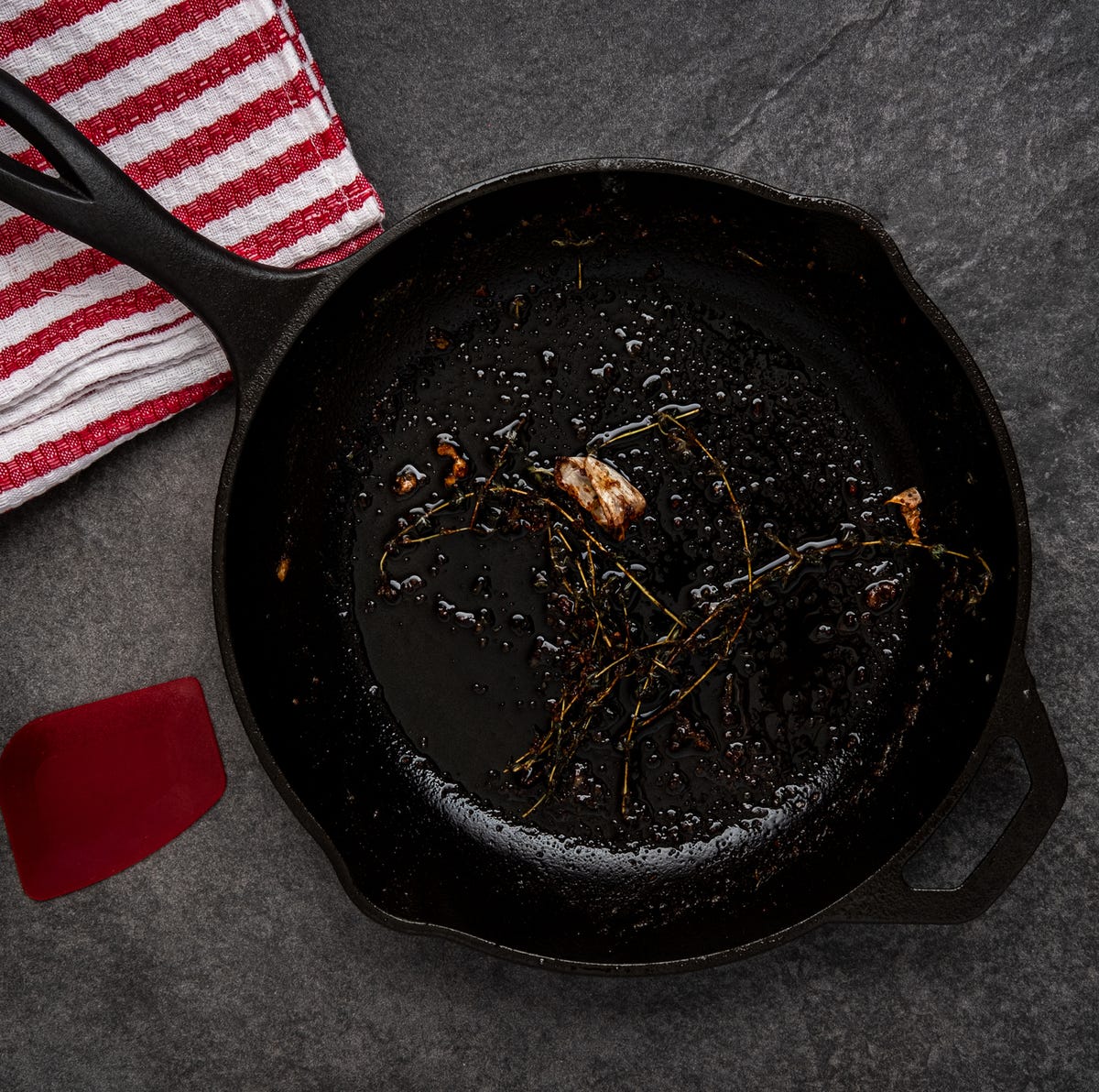
The mildly abrasive texture of coffee grounds works wonders on stuck-on grease. I use them on my cast iron skillet regularly — a small handful of grounds and a stiff brush scrub away residue without stripping the seasoning the way harsh dish soap can.
Sprinkle a tablespoon or so of grounds onto the dirty surface, add a tiny splash of water to form a paste, and scrub with a brush or the rough side of a sponge. Rinse thoroughly when you’re done — grounds left sitting on metal can encourage surface rust on cast iron if you don’t dry the pan well afterward.
This trick also works on greasy baking sheets and stovetop burner grates. Avoid using it on anything with a nonstick coating, though; the abrasion can scratch it.
6. Repel Slugs and Snails

Slugs and snails dislike crawling over coffee grounds — the texture is abrasive to their soft bodies, and caffeine is actually toxic to them in higher concentrations. If you’ve been losing hostas, lettuce, or marigolds to these munchers, a ring of grounds around your plants acts as a surprisingly effective barrier.
Spread a band about two inches wide around the base of vulnerable plants or along the edge of garden beds. Reapply after heavy rain, since the grounds wash away or dissolve into the soil fairly quickly.
This isn’t a foolproof solution on its own — determined slugs may still cross — but combined with other methods like crushed eggshells or copper tape, it’s a solid extra layer of defense. And unlike commercial slug pellets, coffee grounds won’t harm pets or kids who might poke around in the garden.
7. Dye Paper for Vintage Crafts

If you make handmade cards, scrapbook pages, or props, coffee grounds can give plain white paper or cardstock an aged, antique look that’s genuinely beautiful — warm, uneven, and full of character. It’s one of the simplest craft techniques I’ve ever tried.
Brew a strong pot using your used grounds (or steep grounds in hot water for 20 minutes). Pour the liquid into a shallow baking pan.
Submerge your paper and soak for 5 to 30 minutes — longer means darker. For a mottled, uneven effect, crumple the paper slightly before soaking, or drip extra coffee onto specific spots with a spoon.
Hang the sheet to dry on a clothesline or lay it flat on a wire rack. Once dry, you can go in with a damp tea bag to add even more variation.
8. Fix Scratches on Wood Furniture
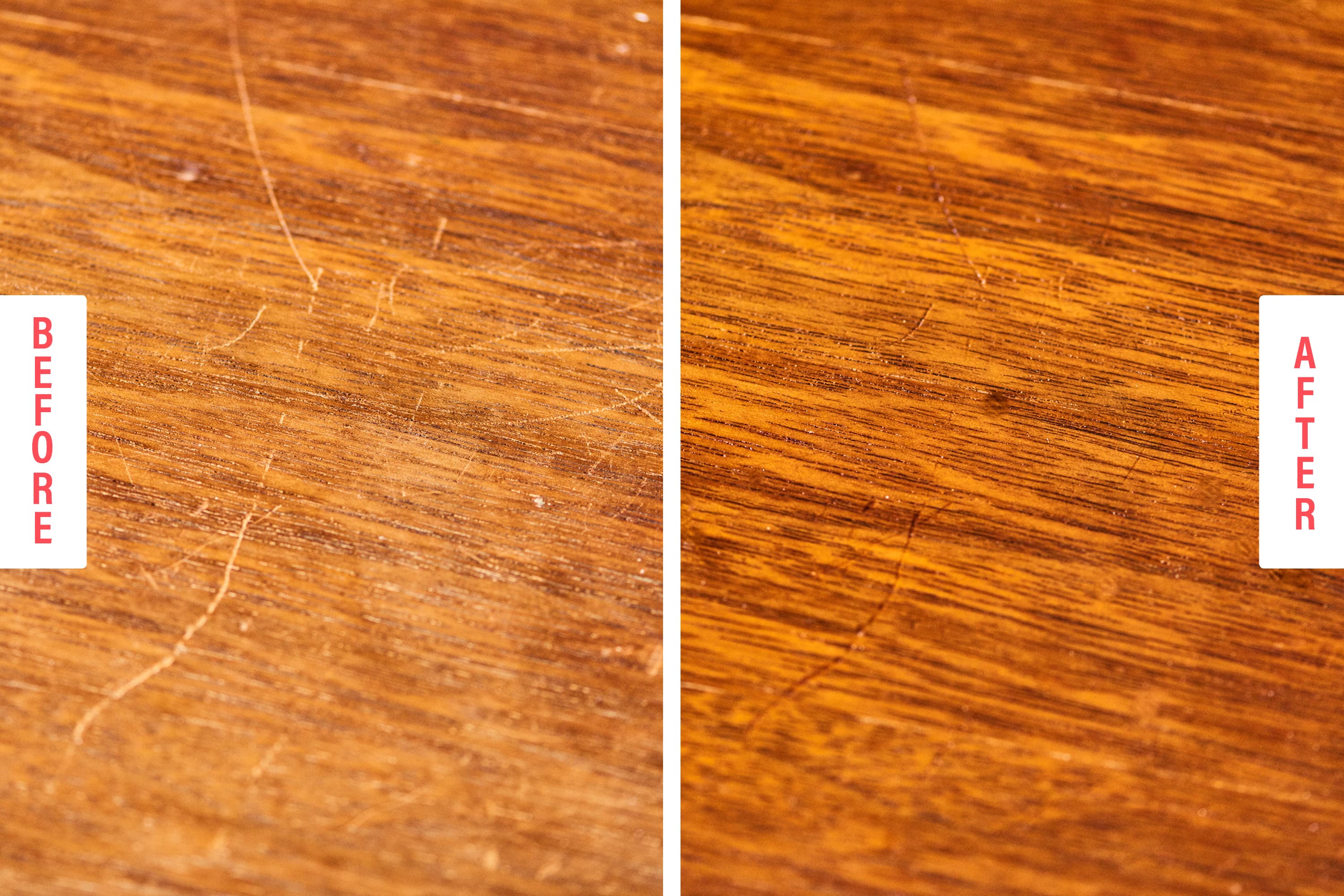
Dark wood furniture with light scratches is a common eyesore, and coffee grounds can camouflage them without buying a single product. The natural pigment acts like a wood stain, darkening the exposed lighter wood inside a scratch so it blends back into the surrounding finish.
Dampen a cotton swab or small cloth with a strong brew made from used grounds. Dab it directly into the scratch and wipe away any excess with a clean cloth.
Let it dry, then check the color — deeper scratches may need a second application. This works best on medium to dark tones like walnut, mahogany, and cherry.
On very light woods like pine or birch, the coffee will look obviously different from the original finish. Always test on a hidden spot first, like the underside of the table, to make sure you’re happy with the match before going after visible damage.
9. Neutralize Shoe Odor

Shoes — especially sneakers and work boots — develop a funk that no amount of airing out seems to fix. Coffee grounds absorb moisture and odor simultaneously, making them a natural fit for this job.
Dry your used grounds completely on a baking sheet first (this step matters — wet grounds inside shoes will just breed mold). Then pour a few tablespoons into each shoe, or tie the grounds into a thin sock or cheesecloth pouch and tuck that inside instead.
Leave overnight, then shake or vacuum out the grounds in the morning. The smell difference is noticeable after just one treatment.
I do this every couple of weeks with my gym shoes and it keeps them from becoming a biohazard. For a subtle scent boost, add a drop of peppermint essential oil to the grounds before stuffing them in.
10. Make Coffee-Scented Candles
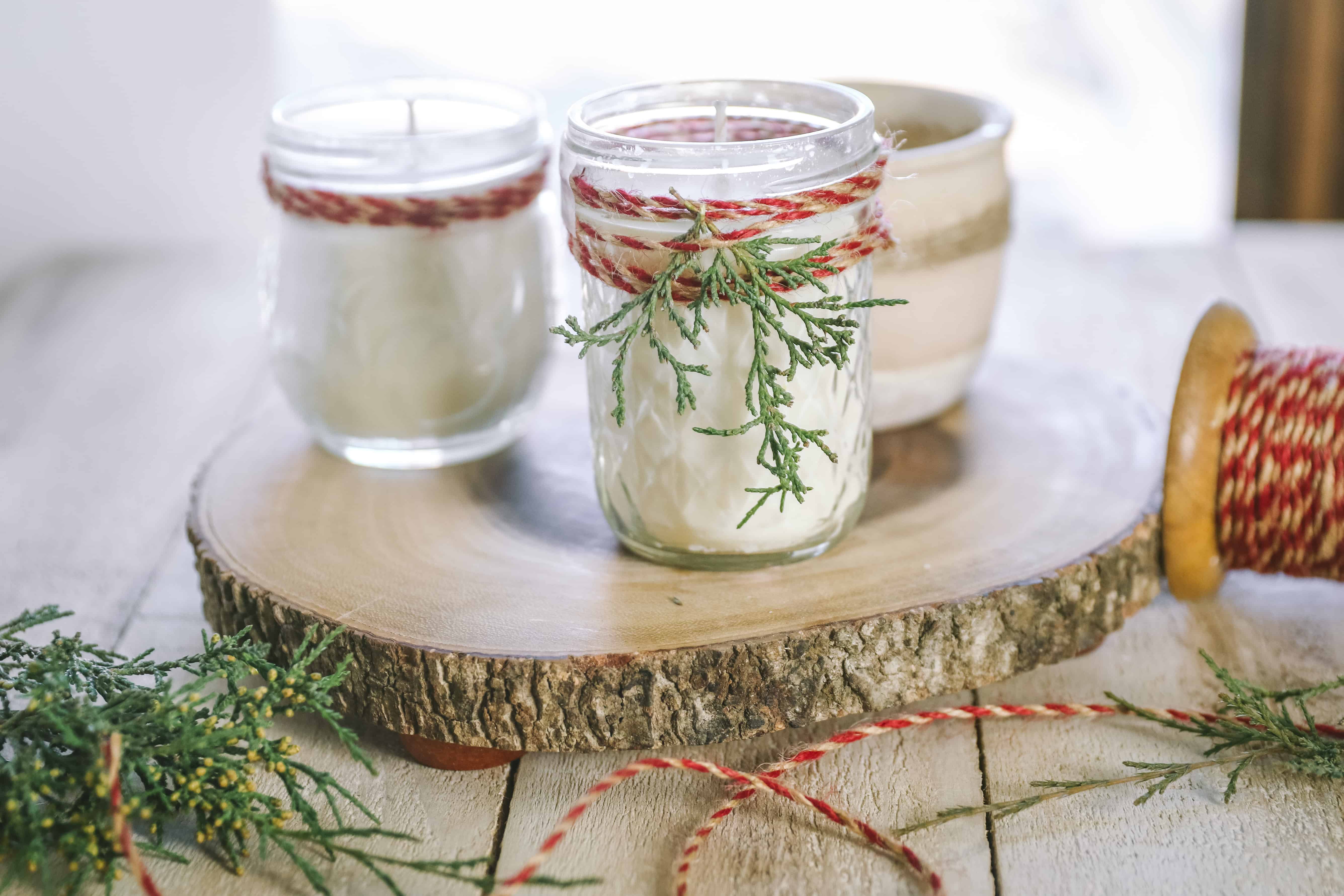
This one’s a little more involved than the others, but it makes a fantastic gift — and your house will smell incredible while you’re working on it. Coffee grounds give homemade candles a warm, rich scent and an interesting speckled texture that looks beautiful through a glass jar.
To make one:
- ✦Melt 1 cup of soy wax flakes in a double boiler
- ✦Stir in 2 tablespoons of dried used coffee grounds
- ✦Add a few drops of coffee essential oil if you want a stronger scent
- ✦Secure a wick in the center of a heat-safe jar and pour in the wax
- ✦Sprinkle a thin layer of grounds on top for decoration before the wax fully sets
Let the candle cure for at least 24 hours before burning. The grounds will settle slightly into the wax as it cools, which adds to the rustic look. A standard 8 oz mason jar will give you roughly 20–25 hours of burn time.
FAQ
How long do used coffee grounds last before they go bad?
Dried, used grounds can last for months in a sealed container stored in a cool, dry place. Wet grounds left in a filter or sitting in a puddle will start to mold within a few days — so if you’re saving them up, spread them on a baking sheet and let them air-dry first.
Can I put coffee grounds directly on my lawn?
It’s not recommended to spread grounds across your lawn in large amounts. They can form a dense mat that blocks water and air from reaching the grass roots. Sprinkle very lightly and rake them in, or better yet, add them to your compost first and spread the finished compost on the grass instead.
Do used coffee grounds still have caffeine?
Yes, but only a small amount — roughly 3 to 10 percent of the original caffeine content, depending on brew time. That’s not enough to notice in anything edible, but it’s enough to affect slugs and give your skin that slight tingly feeling during a scrub.
Are coffee grounds safe for pets?
Used grounds can be harmful to dogs and cats if ingested in significant amounts — the remaining caffeine can cause vomiting, rapid heartbeat, and restlessness. Keep stored grounds and any ground-based projects (scrubs, candles, sachets) out of reach of curious pets, especially dogs who tend to eat anything they find interesting.
Once you start saving your grounds, you’ll be amazed at how quickly they pile up — and how many uses you find for them. Start with whatever feels easiest (composting and odor absorption take zero extra effort), and work your way up to the candles and crafts once you get hooked. Your trash can will thank you.
Leave a Reply