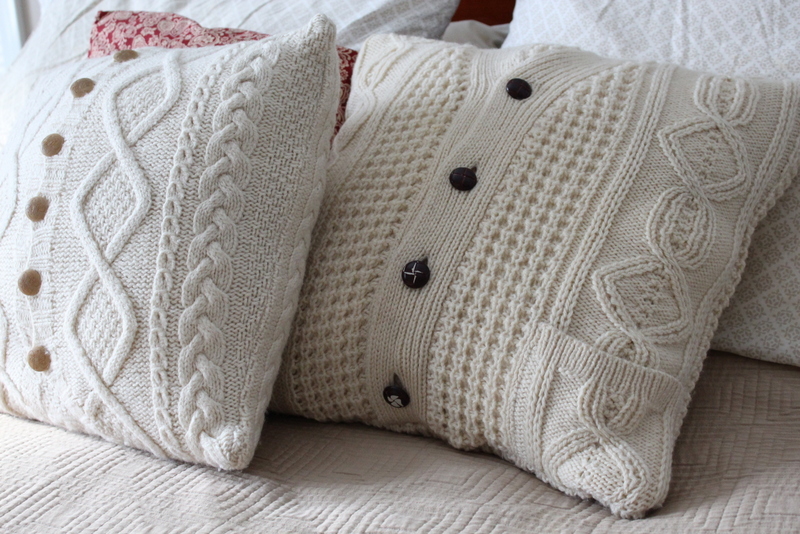
Upcycling sweaters creates durable, textured pieces that add immediate warmth to winter rooms. These projects rely on the natural stretch and insulation of knit fabric to produce items that feel finished rather than makeshift. Choose sweaters with tight stitches and minimal pilling for projects that hold shape over multiple seasons.
Chunky Sweater Throw Pillows
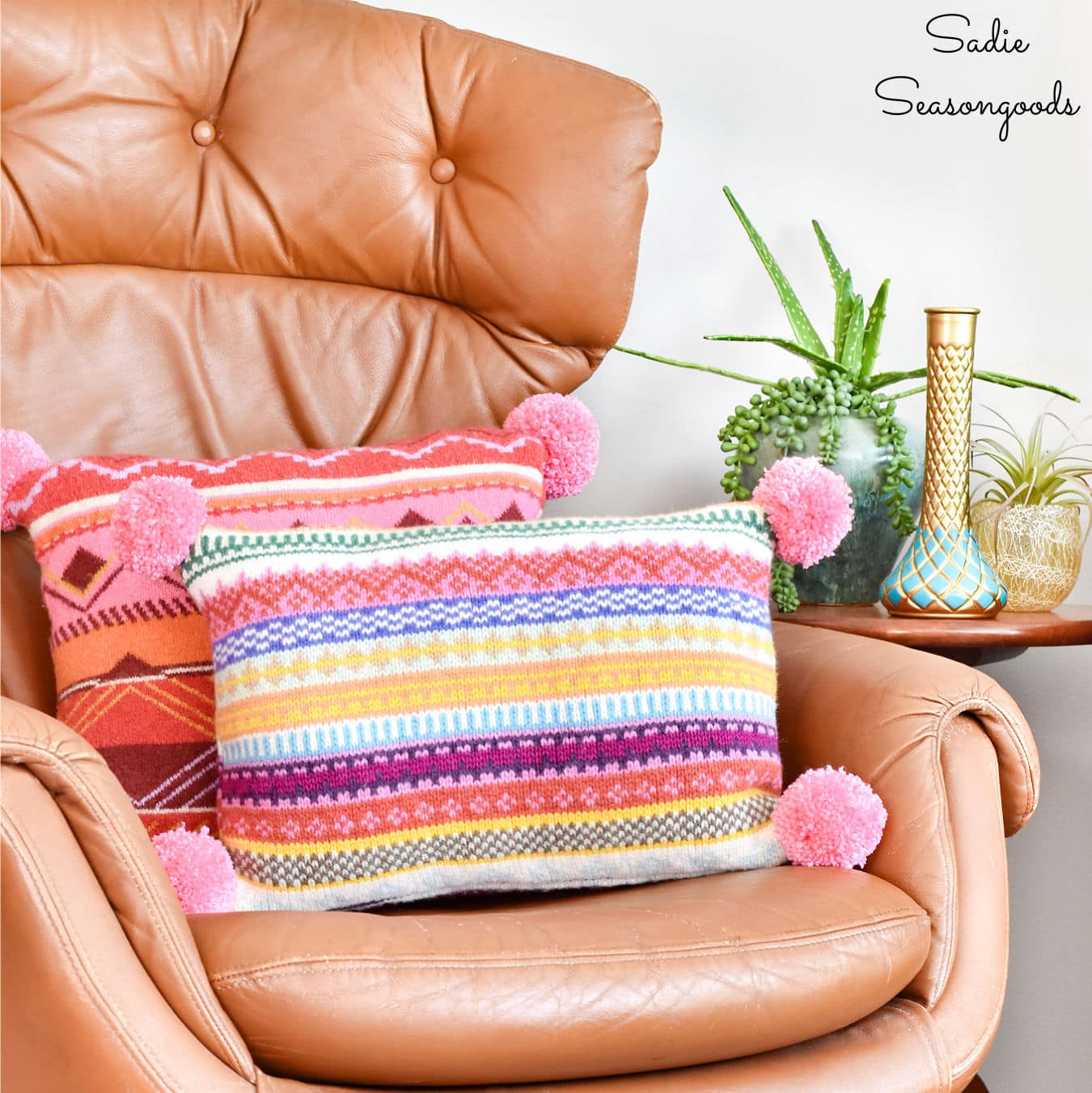
Old sweaters turn into pillow covers that soften hard seating surfaces while keeping heat close to the body. Cut the sweater body to match your insert size, then sew the edges with a zigzag stitch to handle the knit stretch without unraveling. This approach works especially well with oversized turtlenecks or cable knits that already carry visual interest.
Place these pillows on sofas, benches, or window seats where guests sit during colder months. The fabric retains body heat better than cotton covers, making the seating feel more inviting without extra blankets. Wash the sweaters first in hot water to felt the fibers slightly and reduce future shedding.
Wool sweaters shrink up to 20 percent after one hot wash, so measure after felting rather than before.
Upcycled Sweater Blankets
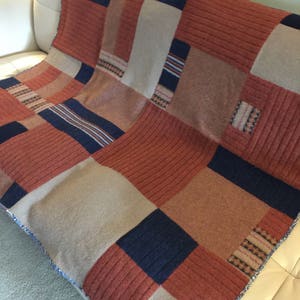
Multiple sweaters can be pieced together into a full-size throw that layers over beds or couches. Cut the sweaters into large rectangles, then join them with a wide zigzag stitch or blanket stitch along the seams. The resulting blanket traps air between the knit layers for better insulation than a single layer of fabric.
Rotate the placement of cable patterns or color blocks to avoid a random look. These blankets soften with use and develop a lived-in texture that fits winter styling. Store them folded in a basket near the seating area so they stay accessible during temperature drops.
Sweater Wrapped Candle Holders
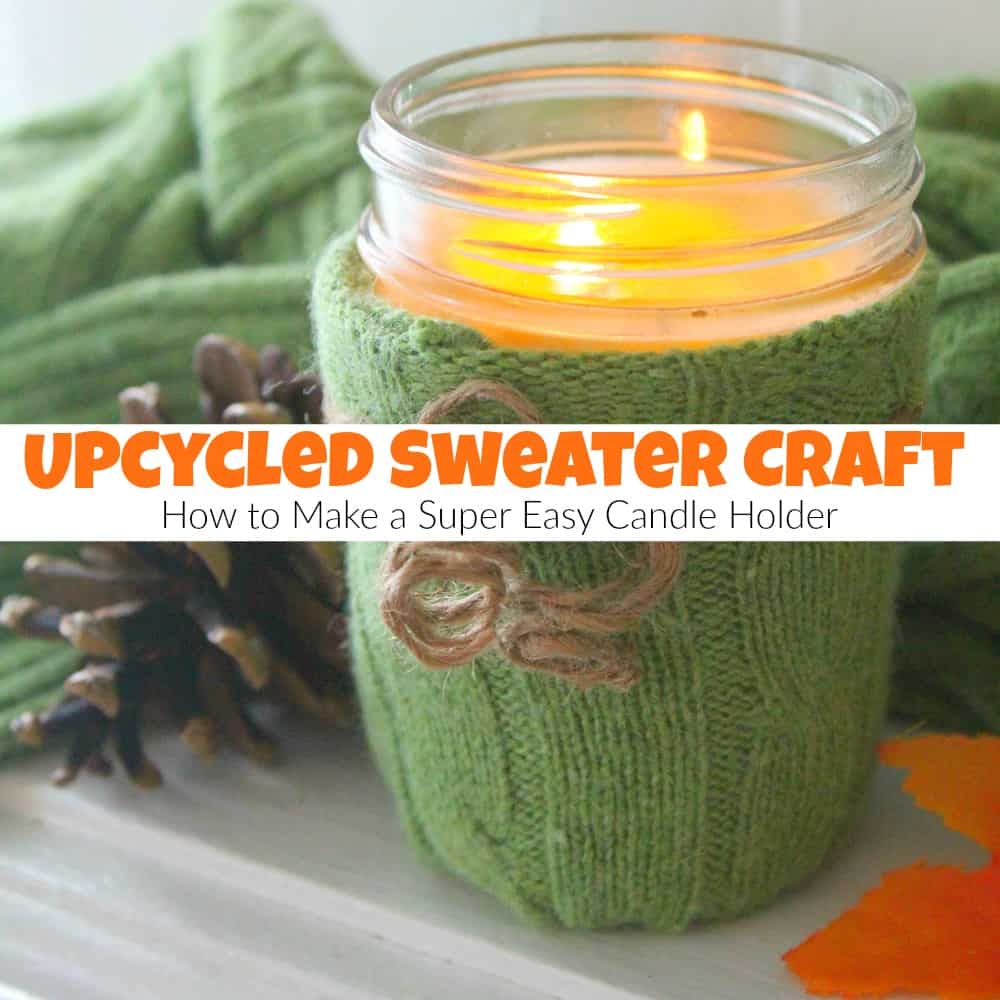
Glass jars or metal cans gain a soft exterior when wrapped in sweater sleeves cut to fit the height. Secure the fabric with fabric glue along the seam and at the top and bottom edges. The knit diffuses candlelight into a gentle glow while protecting hands from heat.
Use these holders on mantels or side tables where direct light feels too harsh. Change the sweater color seasonally by swapping the wrap instead of buying new holders. Avoid placing them near open flames without a glass barrier inside the jar.
Knit Stocking Decorations
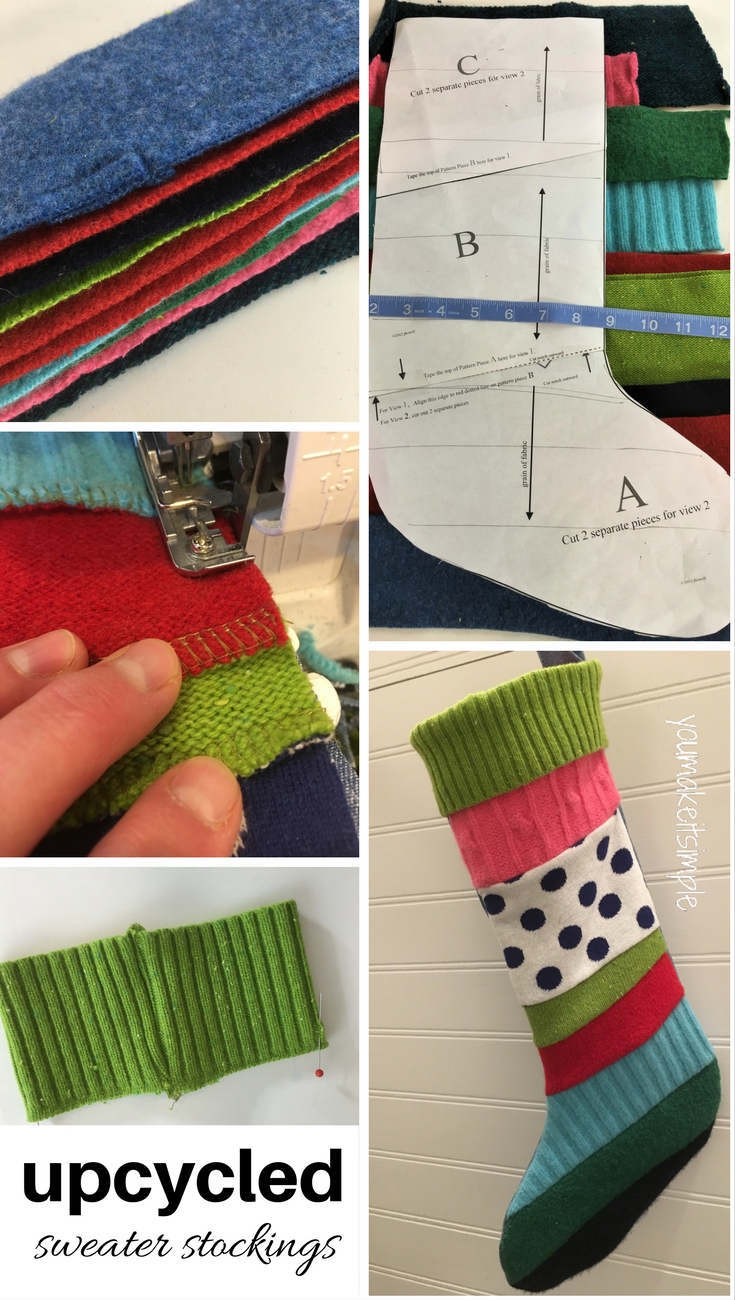
Sweater legs convert into stockings that hang from mantels without looking mass-produced. Trace a stocking shape onto the fabric, cut two layers, and sew them together with a reinforced seam at the toe and heel. Add a cuff from ribbing at the top for a polished finish.
Hang these stockings in pairs or groups of three above fireplaces or stair railings. The thickness of the knit holds small gifts without sagging. Line the inside with a thin cotton fabric if the original sweater has loose threads that might catch on items placed inside.
Sweater Seat Cushion Covers
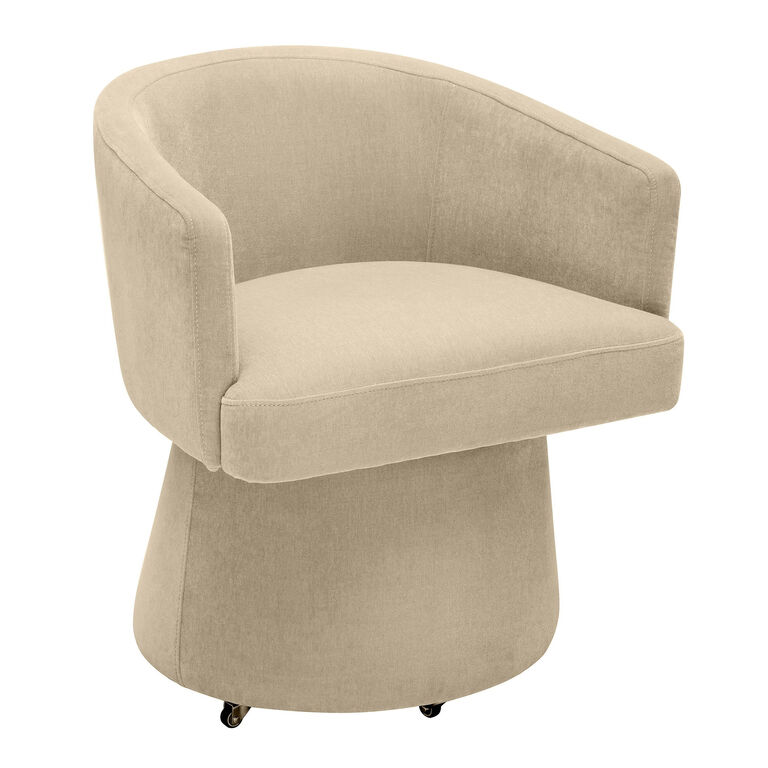
Dining chair or bench cushions receive new life when covered in sweater fabric that matches nearby throws. Measure the cushion top and sides, then cut the sweater to wrap fully around with extra seam allowance. Sew the corners with mitered edges so the cover sits flat.
These covers slip on and off for washing, which matters after heavy winter use. The extra padding from the knit layer makes hard seats more comfortable during long meals. Test the fit on one chair before cutting all the fabric to ensure consistent tension.
Braided Sweater Floor Mats
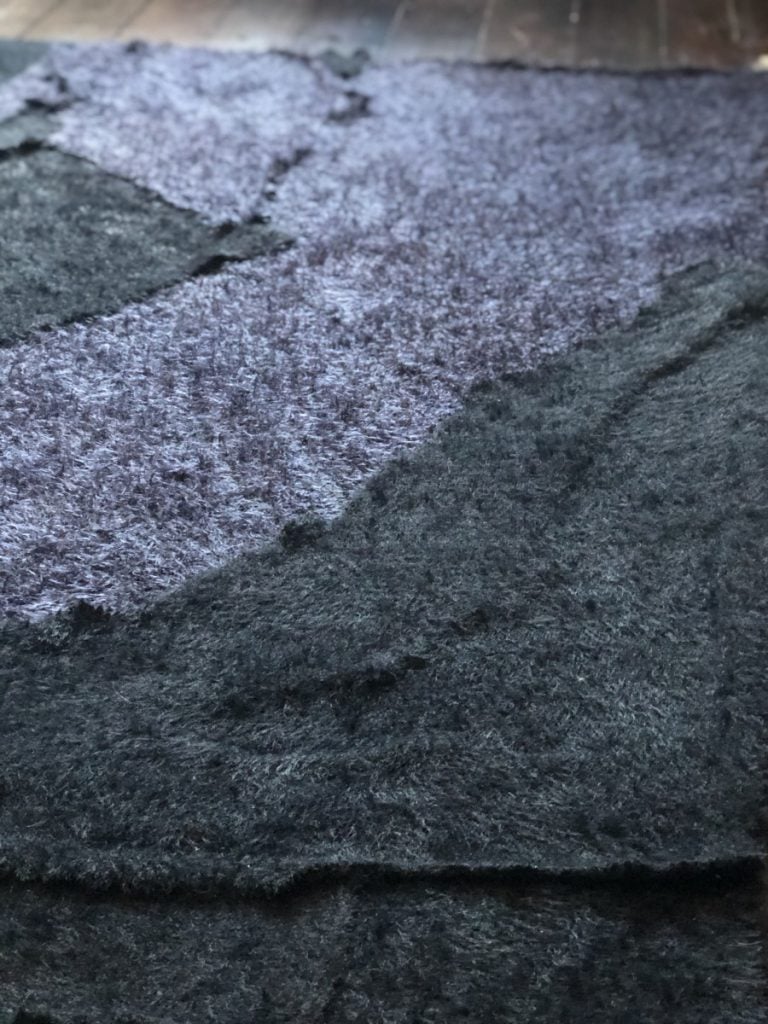
Strips cut from several sweaters braid into small rugs that sit by doors or beds. Cut the sweaters into 2-inch-wide strips, braid three strands together, then coil and stitch the braid into a flat circle or oval. The finished mat absorbs moisture from boots and adds a soft landing spot.
Choose sweaters in similar weights so the braid stays even. These mats clean easily with a vacuum and can be spot-treated for spills. Place one near an entryway where cold air enters to create a quick thermal break.
Sweater Lampshade Updates
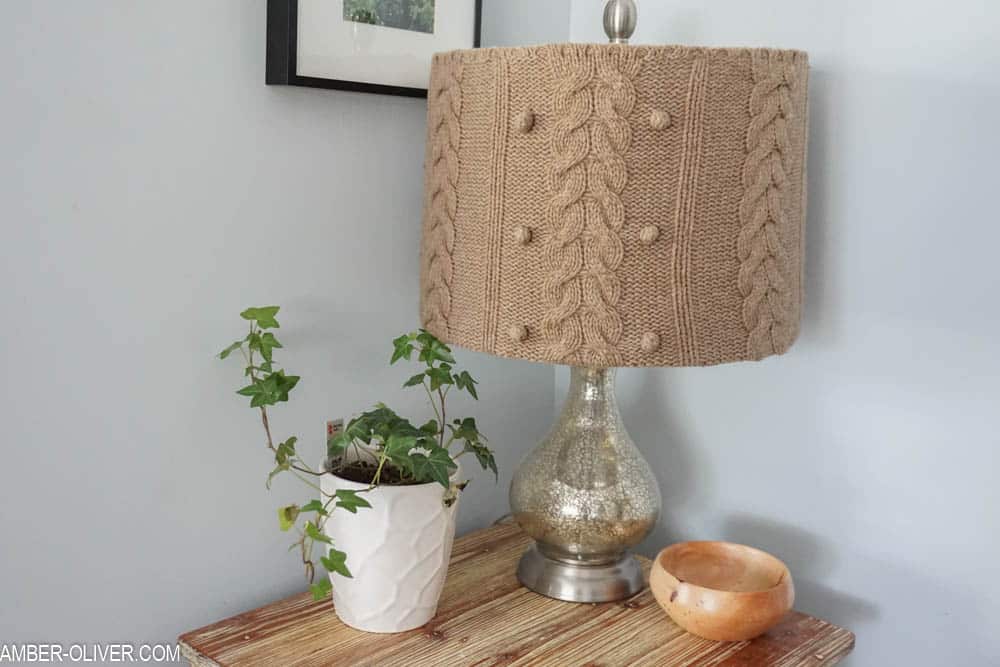
Existing lampshades gain texture when the exterior receives a sweater sleeve stretched over the frame. Trim excess fabric at the top and bottom, then secure with fabric glue or a hidden stitch line. The knit softens harsh bulb light and reduces glare in evening rooms.
Use light-colored sweaters on lamps that stay on for reading. Darker knits work better on accent lamps that provide only ambient light. Check that the fabric stays at least one inch from the bulb to prevent heat buildup.
Textured Sweater Table Runners
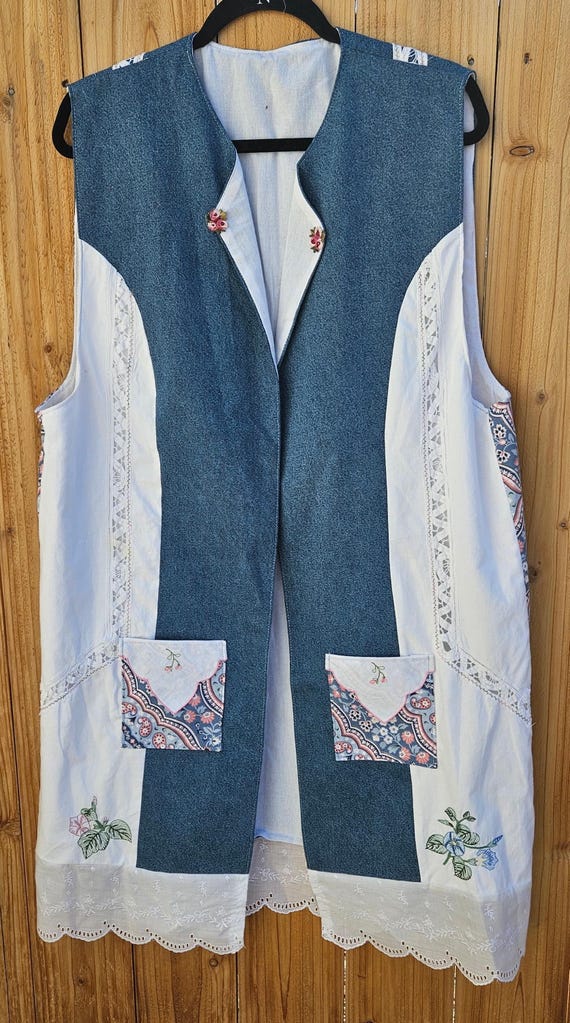
Long strips from multiple sweaters run down dining tables to protect surfaces while adding winter color. Sew the pieces end to end with flat seams, then finish the long edges with a rolled hem or decorative stitch. The runner stays in place better than slippery fabrics because the knit grips wood.
Rotate the runner seasonally by flipping it to show a different side. Pair it with plain placemats so the sweater texture remains the focal point. Avoid placing hot dishes directly on the fabric to prevent scorching.
Sweater Patchwork Wall Hangings
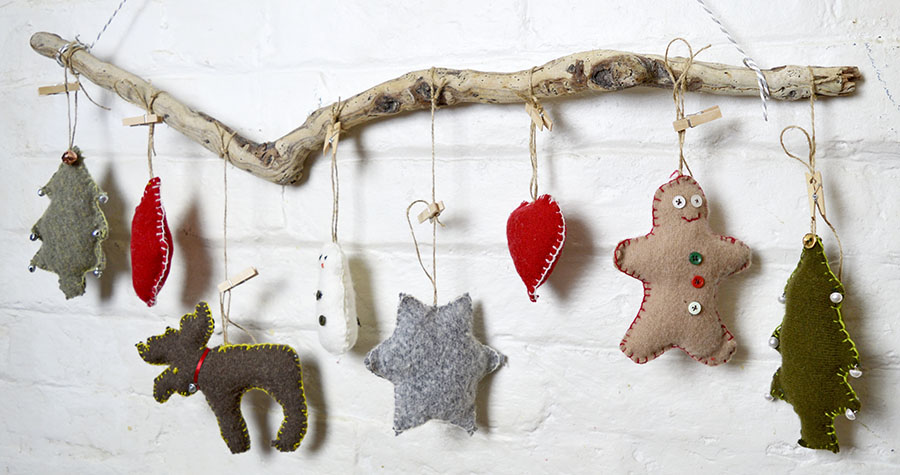
Small sweater pieces assemble into framed wall art that brings color and pattern to blank walls. Stretch the patchwork over a canvas or wooden frame and staple it in place from the back. The varied knit textures catch light differently throughout the day.
Hang these pieces above sofas or in hallways where they break up large empty spaces. Mix solid and patterned sweaters within one piece for visual balance. Dust the surface lightly with a lint roller to keep the texture visible.
Sweater Lined Storage Baskets

Woven baskets receive soft interiors when lined with cut sweater pieces sewn to fit the shape. Attach the liner with a few hand stitches at the rim so it stays removable for washing. The knit adds cushioning that protects delicate items stored inside.
Use these baskets for blankets, magazines, or craft supplies in living areas. The sweater lining reduces noise when items shift during use. Choose baskets with open weaves so the sweater color shows through the sides.
Cozy Sweater Bottle Covers
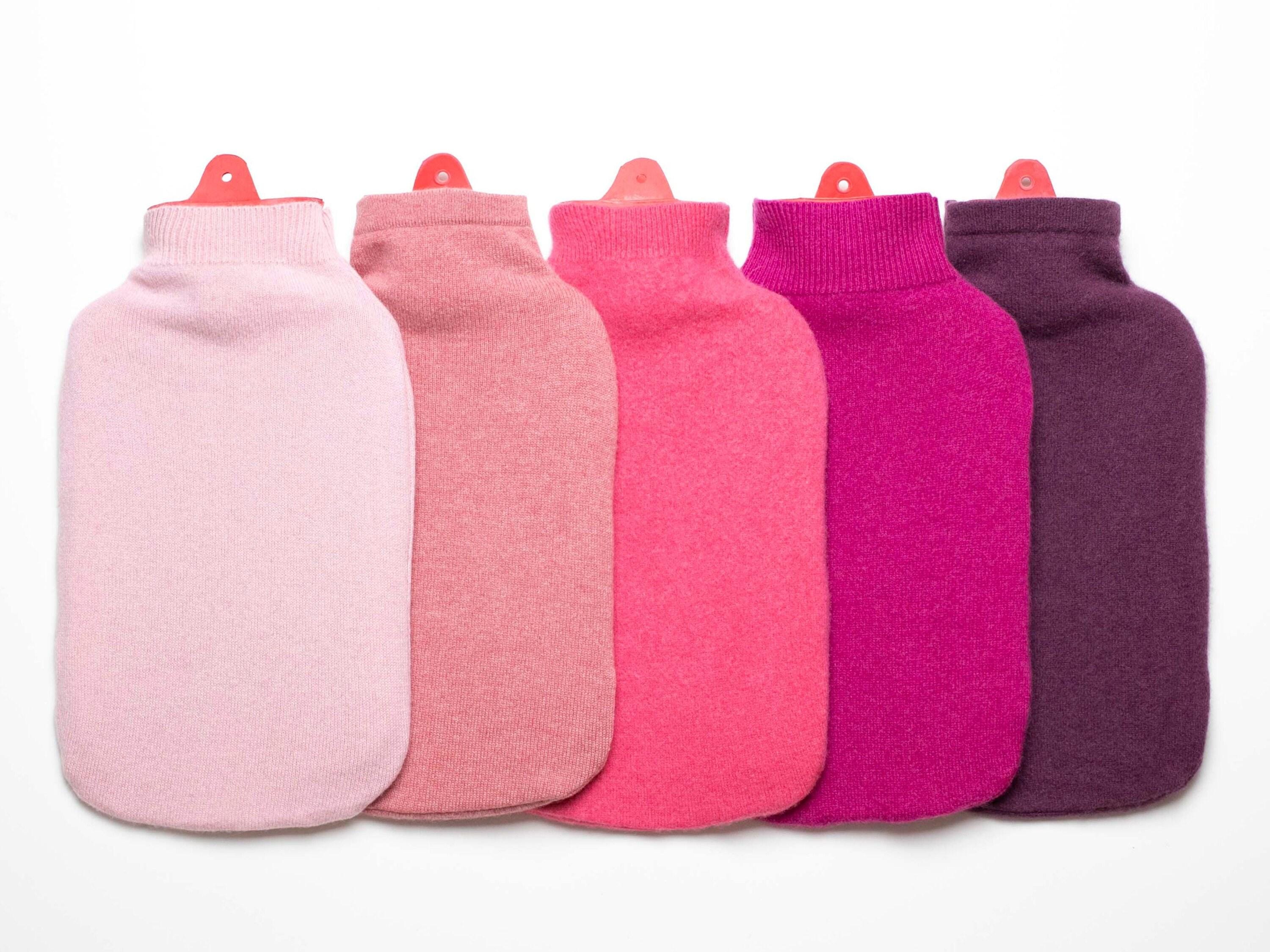
Hot water bottles gain sleeves from sweater arms that keep heat directed toward the body. Cut the arm to length, sew one end closed, and add a tie or button closure at the open end. The extra layer extends the warmth duration during cold nights.
Store the covered bottle near the bed for easy reach. The knit also protects furniture surfaces from condensation. Replace the cover when the original sweater shows wear rather than discarding the whole bottle.
Sweater Fabric Curtain Accents
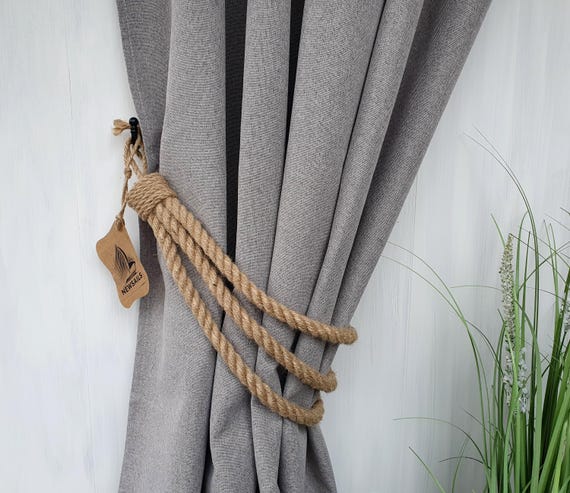
Sweater cuffs or ribbing sections become tiebacks that hold curtains open during daylight hours. Cut a strip long enough to wrap the curtain panel, then add a button or loop closure. The stretch of the knit holds tension without slipping.
Install these tiebacks at consistent heights across multiple windows. They add subtle texture that complements heavier winter drapes. Keep extra strips on hand to swap colors when redecorating.
Felted Sweater Coasters
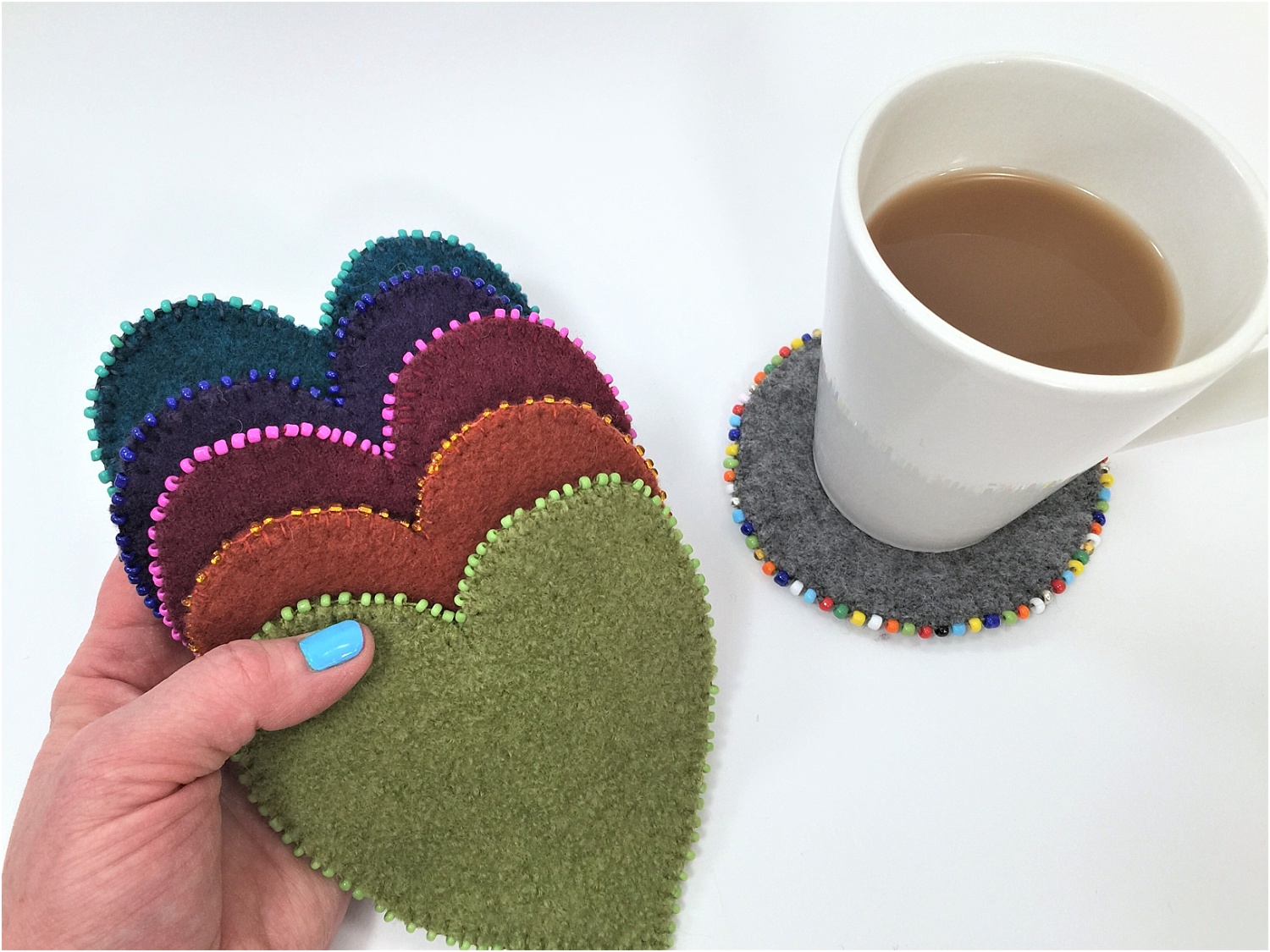
Small sweater scraps felt into thick coasters that protect tables from condensation rings. Cut circles or squares, then wash them in hot water with agitation until the fabric tightens. The finished pieces resist moisture better than unfelted knits.
Stack these coasters in a small bowl near the coffee station. Their thickness prevents heat transfer to wood surfaces. Replace any that lose shape after repeated washing.
Sweater Covered Ottoman Tops
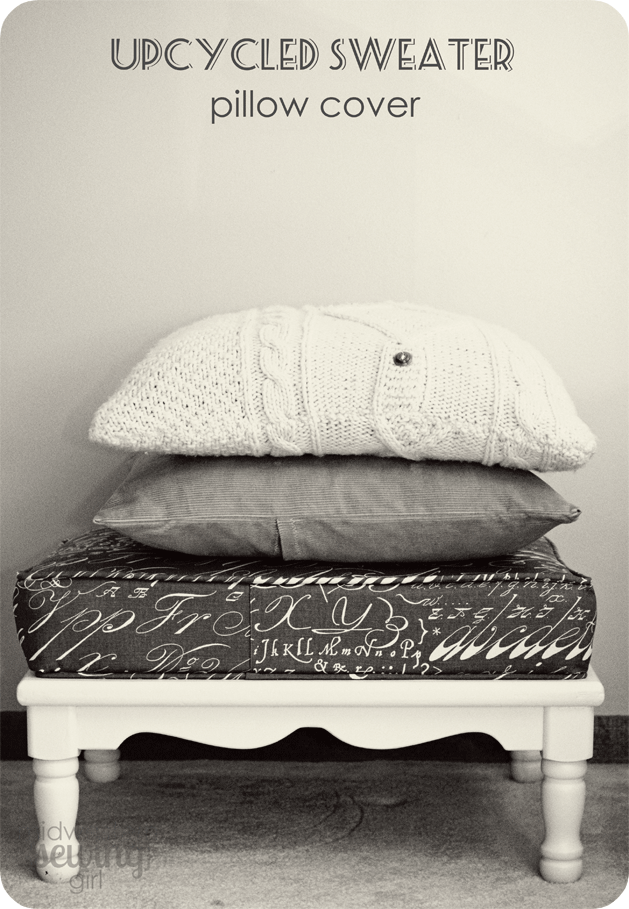
Ottoman tops receive a new surface when a sweater is stretched and stapled in place. Cut the sweater to cover the top and sides with extra fabric for tucking. The knit gives the piece a tailored yet casual appearance that suits winter rooms.
Secure the fabric tightly to avoid wrinkles when the ottoman is used as a footrest. This cover refreshes tired furniture without reupholstering the entire piece. Vacuum the surface regularly to maintain the clean texture.
FAQ
How do I stop cut sweater edges from unraveling during projects?
Cut edges stay stable when you first wash the sweater in hot water to felt the fibers slightly. After cutting, run a zigzag stitch or apply a thin line of fabric glue along raw edges before sewing pieces together. This extra step prevents loose threads from appearing after the item is finished and in use.
Which sweater materials work best for items that touch skin?
Cashmere and merino blends feel softest against skin and hold up well after washing. Avoid acrylic-heavy sweaters for pillows or blankets because they can pill faster with friction. Always test a small swatch on your wrist before committing a full sweater to a project that will be touched often.
Can I machine wash finished upcycled sweater items?
Most finished pieces survive gentle machine cycles when placed inside a mesh laundry bag. Use cold water and skip the spin cycle to reduce stress on the seams. Air drying flat keeps the shape intact better than machine drying.
These projects turn everyday sweaters into pieces that earn their place in daily winter routines.
Leave a Reply