

A slow or clogged drain is one of those household problems that’s easy to ignore — until the water stops going down entirely. Before you reach for a bottle of Drano, consider that those caustic chemical drain openers can corrode older pipes, damage septic systems, and fill your bathroom with fumes that make your eyes water.
The good news is that most household clogs respond perfectly well to stuff you already have in your kitchen. These are methods I’ve personally used on everything from a sluggish bathroom sink to a fully backed-up kitchen drain, and they genuinely work — no hazmat gloves required.
1. Boiling Water Flush
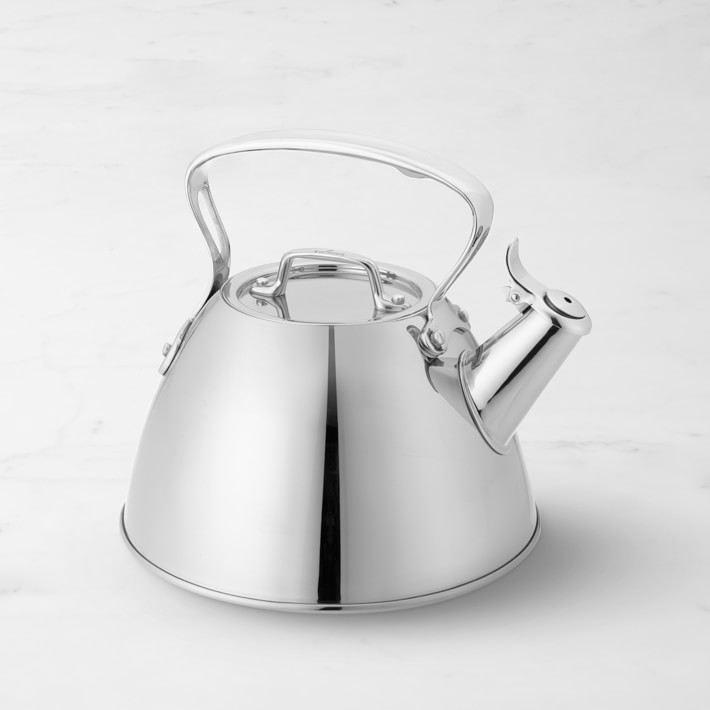
This is always the first thing I try because it costs nothing and takes about three minutes. Boil a full kettle of water and pour it directly down the drain in two or three stages, letting each pour work for a few seconds before adding the next.
The heat melts through soap scum, loosens grease, and softens buildup that’s clinging to pipe walls. It handles mild to moderate clogs on its own and serves as a great first step before escalating to something stronger.
One important caveat: if you have PVC pipes under your sink, let the water sit off the boil for about 30 seconds before pouring. Full-boiling water (212°F) can soften PVC joints and cause them to separate over time. And if your sink basin is porcelain, pour into the drain opening itself rather than letting boiling water pool in the bowl — thermal shock can crack porcelain.
2. Baking Soda and White Vinegar
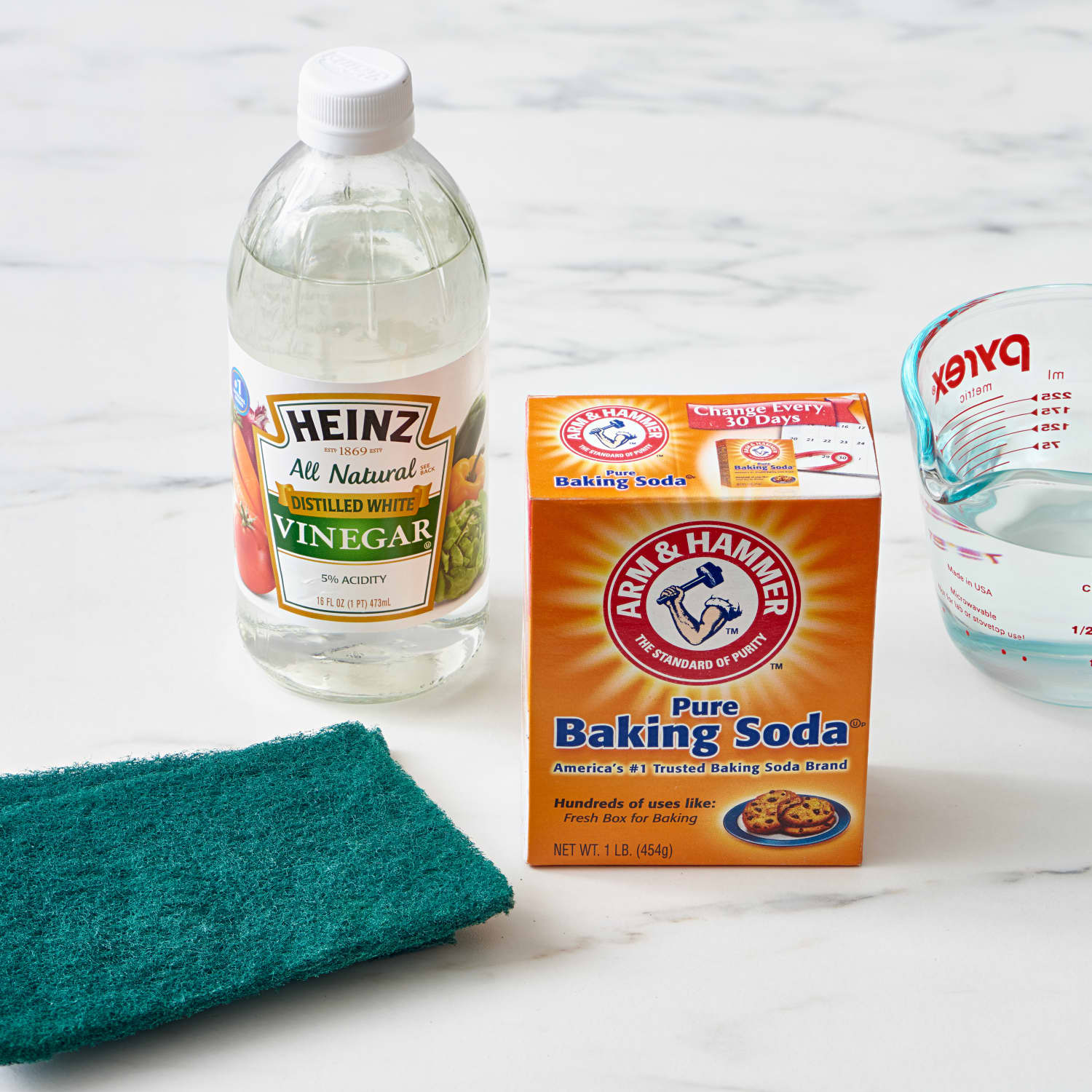
The classic combination, and it deserves its reputation. Pour half a cup of baking soda down the drain, followed by half a cup of plain white vinegar.
The fizzing reaction that starts immediately isn’t just for show — it creates carbon dioxide gas and a mild acid that break down organic buildup, soap residue, and light grease deposits. Cover the drain with a stopper or damp cloth to keep the reaction pushing downward instead of bubbling back up into your sink.
Wait 30 minutes to an hour, then flush with hot water.
I’ve cleared more slow bathroom sinks with this method than I can count. It won’t chew through a solid hair clog or a chunk of food lodged in the pipe, but for the gradual gunk buildup that makes your drain gurgle and slow down, it’s remarkably effective. For stubborn cases, repeat the whole process a second time before moving on to something more aggressive.
3. Salt and Baking Soda
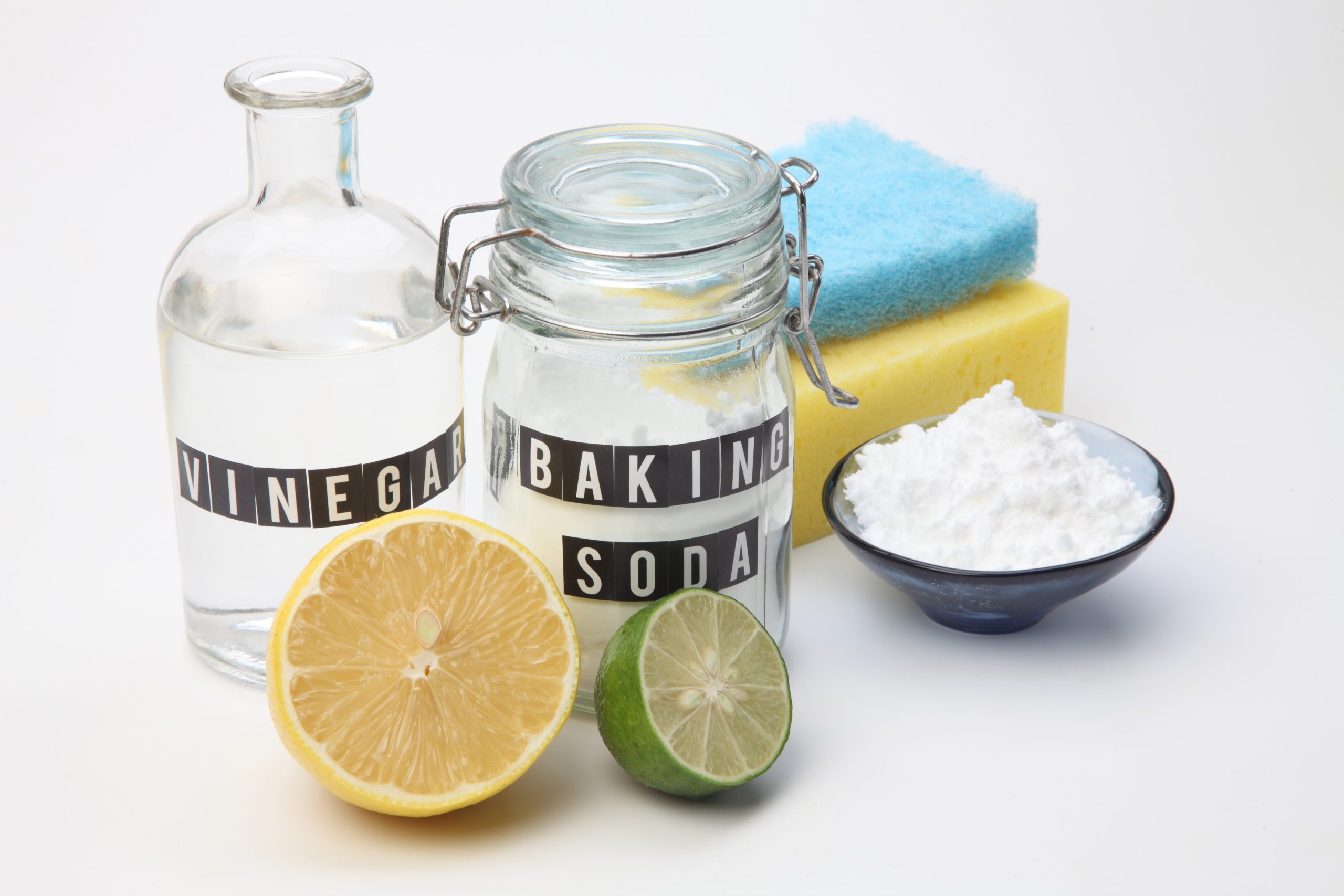
Mix half a cup of table salt with half a cup of baking soda — just stir them together in a cup or small bowl — and pour the combination straight into the drain. Let it sit for at least four hours, though overnight gives the best results.
The coarse salt works as a gentle abrasive that scrubs buildup off pipe walls while the baking soda absorbs odors and loosens residue. When the waiting period is up, chase it with a kettle of boiling water to flush everything through.
This method really shines on kitchen drains that have developed a smell. The salt-baking soda combo neutralizes the bacteria causing the odor while it clears the buildup those bacteria are feeding on. If you’re on a septic system, a single treatment won’t cause problems, but avoid making this a regular habit — concentrated salt isn’t great for the beneficial bacteria in your septic tank.
4. Dish Soap and Hot Water
Grease clogs are the bane of kitchen sinks, and dish soap is purpose-built to dissolve grease. Squirt a generous tablespoon or two of liquid dish soap — Dawn is the gold standard here for its grease-cutting formula — directly into the drain opening.
Follow it with a full pot of very hot water, not quite boiling. The soap emulsifies the grease the same way it handles oil on your dinner plates, and the hot water carries it away down the pipe.
I keep a cheap bottle of dish soap under the kitchen sink specifically for drain maintenance. After Thanksgiving, after frying anything, or after any meal where I know I’ve been less careful about greasy dishwater, I do this immediately. For heavy grease buildup, let the soap sit in the drain for ten to fifteen minutes before adding the hot water — give it time to work on the congealed fat.
5. Baking Soda and Lemon Juice
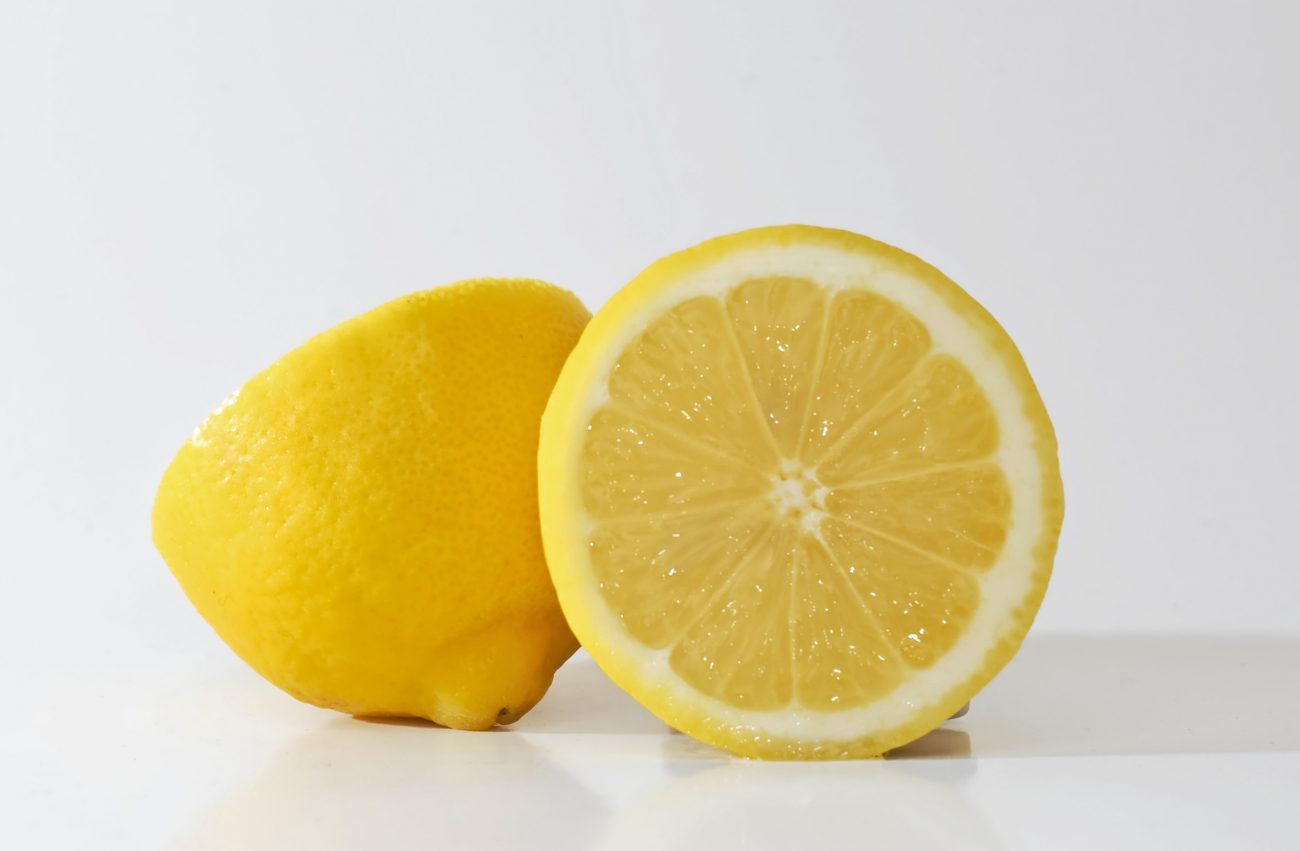
If the vinegar method works but you can’t stand the smell lingering in your kitchen, this is a great swap. Pour half a cup of baking soda into the drain, then squeeze in the juice of two fresh lemons — roughly a quarter cup.
It fizzes the same way the vinegar version does, but leaves behind a clean citrus scent instead of that acrid vinegar tang. Let it work for 30 minutes, then flush with hot water.
The citric acid in lemon juice is slightly less aggressive than acetic acid in vinegar, so this is better suited to lighter clogs and routine maintenance rather than fighting a stubborn blockage. Bottled lemon juice works if that’s what you have on hand, though fresh lemons are noticeably more acidic and more effective. For bathroom sinks where the smell matters most, this is the method I reach for.
6. Plunger
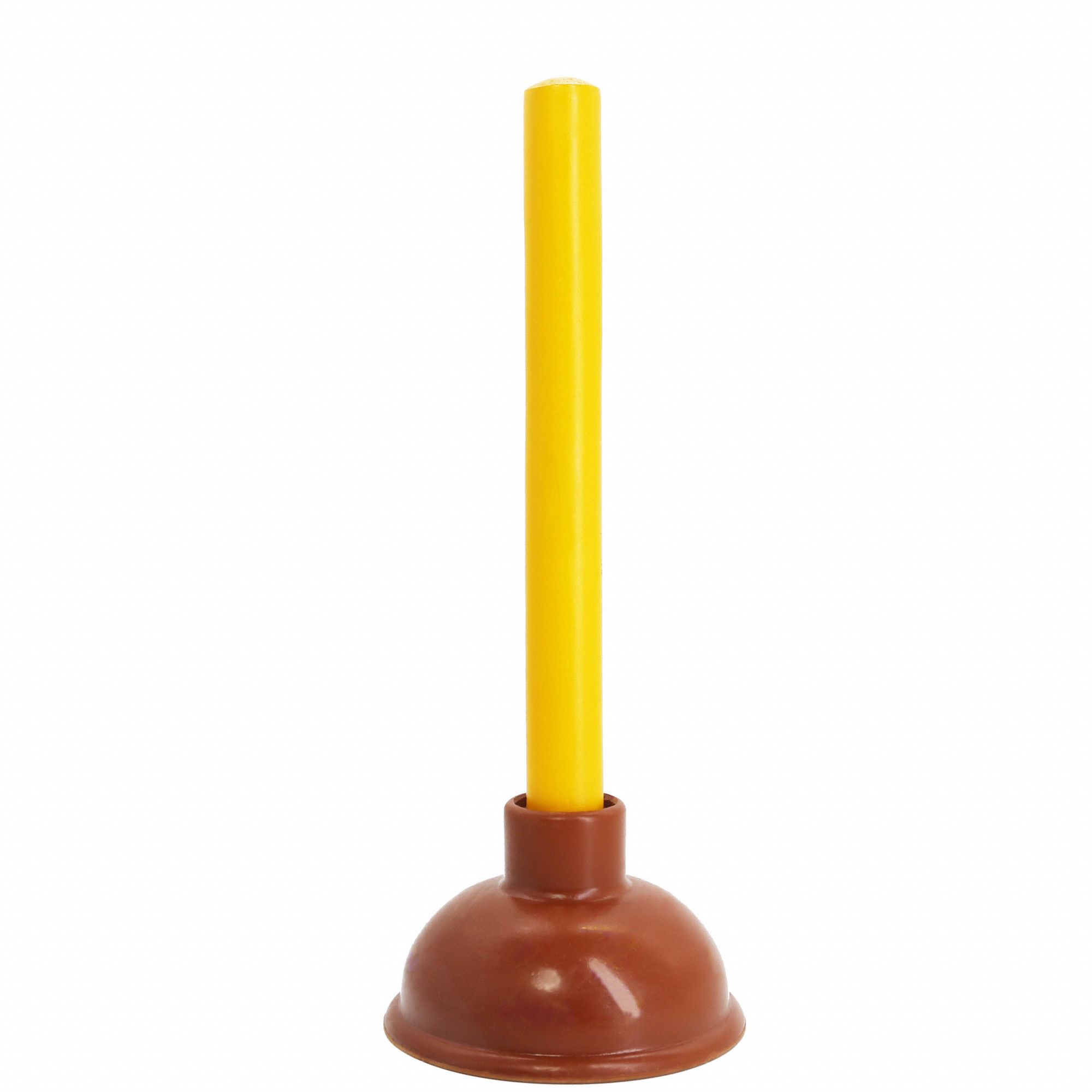
Sometimes suction is the only thing that’ll do it. Use a cup plunger — the flat-bottomed kind, not the flanged toilet plunger — and fill the sink or tub with enough water to cover the rubber cup.
Press it firmly over the drain to create a tight seal, then pump it with 15 to 20 sharp, steady thrusts. The alternating pressure and suction push and pull at the clog until it breaks apart and starts moving through the pipe.
Two things make the difference between a plunger that works and one that just splashes water everywhere. First, block the overflow drain (that little slot near the top of your sink or tub) with a wet rag — otherwise all your pressure just escapes through the overflow channel.
Second, smear a thin ring of petroleum jelly around the rim of the plunger cup for a tighter seal on smooth porcelain or stainless steel. I’ve cleared clogs with a plunger that I was certain would need a plumber.
7. Wire Coat Hanger Drain Snake
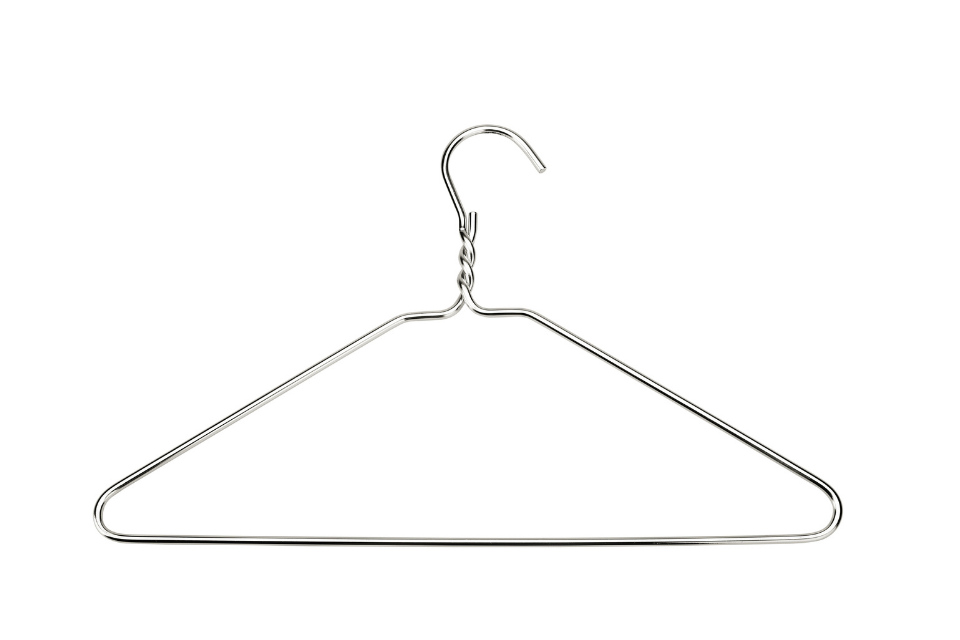
When you know the clog is hair — and in bathroom sinks and showers, it almost always is — sometimes you just need to physically pull it out. Straighten a wire coat hanger with pliers, then bend one end into a small hook about a quarter-inch wide.
Feed the hook down the drain and fish around gently, twisting the hanger as you go to snag hair and pull it upward. Wipe off whatever you retrieve and repeat until you stop pulling out clumps.
I won’t sugarcoat it: what comes out of your drain will be disgusting. But that’s also what makes this so satisfying.
The key is gentle pressure — you don’t want to scratch a porcelain sink or push the clog further down the pipe. Once you’ve extracted the bulk of the blockage, follow up with a baking soda and vinegar flush to clear the gummy residue left behind.
8. Wet/Dry Vacuum
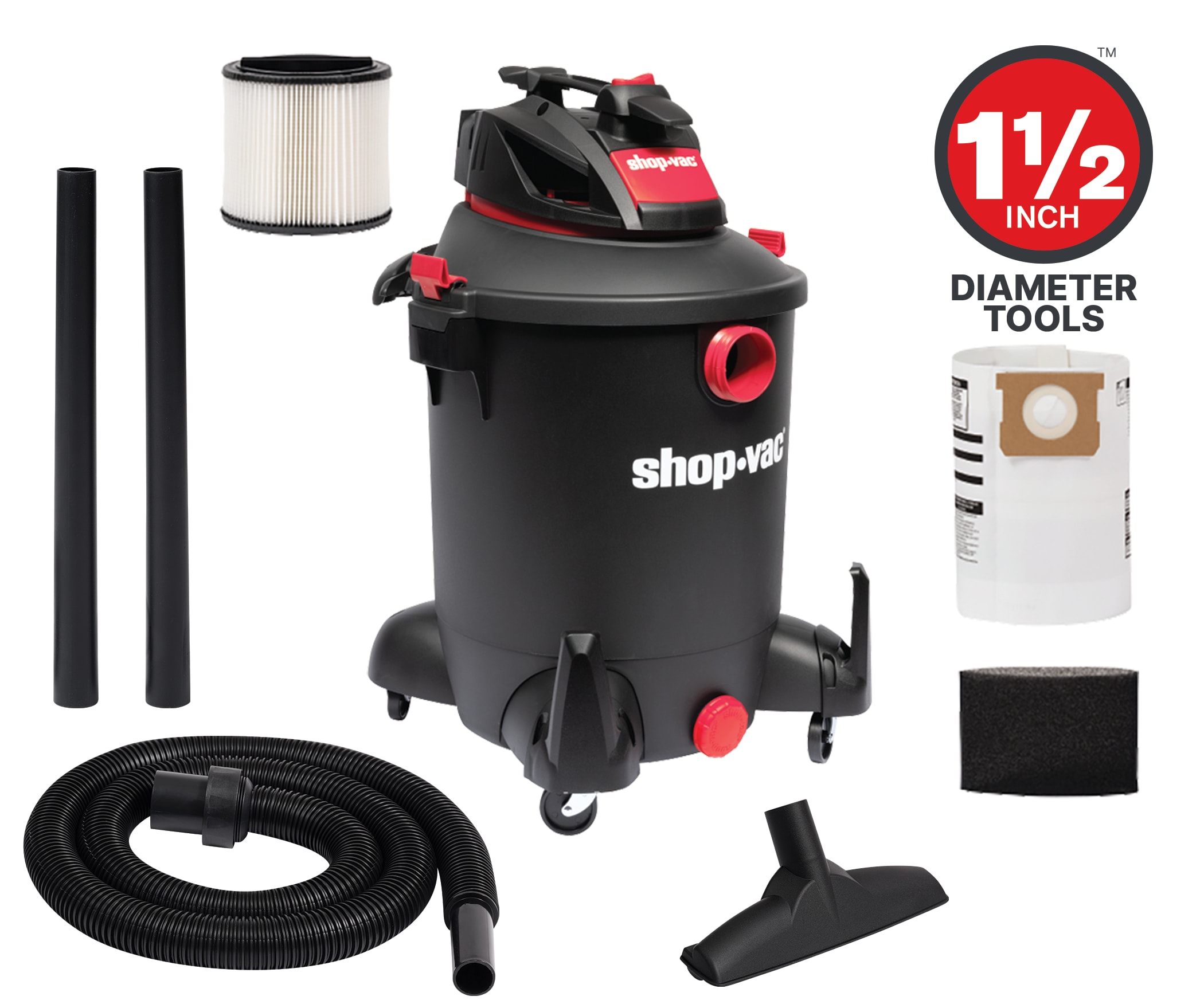
If you own a wet/dry shop vacuum, it’s more powerful than any chemical cleaner for pulling out stubborn clogs. Set it to liquid mode (remove the filter first — this is important or you’ll ruin it), create a tight seal over the drain opening, and run it on the highest setting. The intense suction can pull clogs right out of the pipe, or at least break them up enough for other methods to finish the job.
Getting a good seal is the tricky part. The vacuum hose is usually smaller than the drain opening, so air leaks around the edges and kills your suction.
I’ve had the best results using a wet rag to fill the gap around the hose, then pressing down firmly with both hands while the vacuum runs. A little duct tape around the edges works too if you’re not worried about residue on your fixture.
This method is especially effective on shower drains where the clog sits relatively close to the surface.
9. Enzyme-Based Drain Cleaner
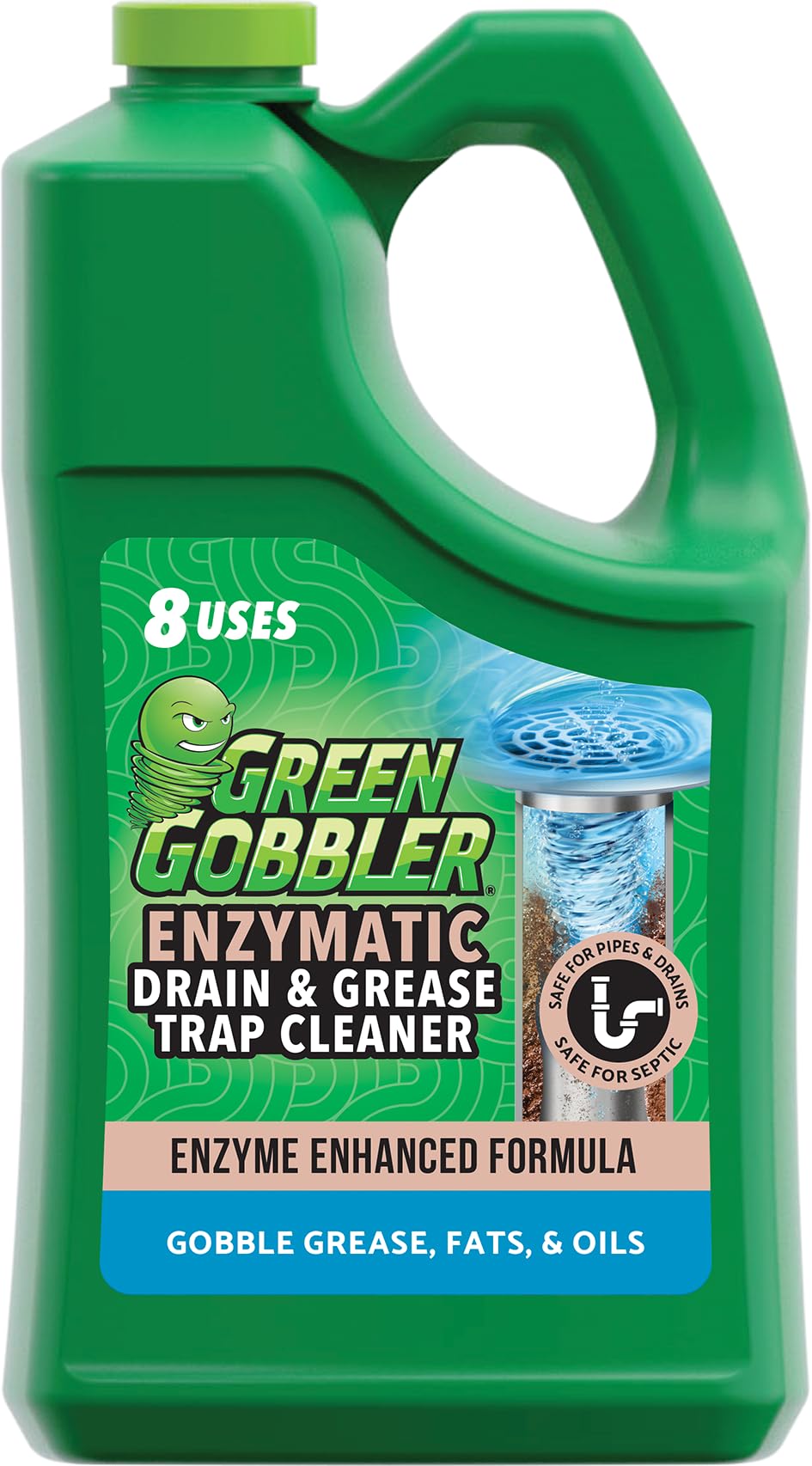
This is less of a quick fix and more of a long-term strategy, but it’s the single best thing you can do to prevent clogs from forming in the first place. Enzyme-based drain cleaners use live bacteria and enzymes that literally eat organic matter — hair, grease, soap scum, food particles — digesting it over several hours.
You pour them in at night before bed and let them work for 8 to 12 hours while you sleep. They won’t blast through a complete blockage, but they keep drains flowing freely and prevent buildup from ever reaching that point.
A few products I’ve used and can recommend:
- ✦Green Gobbler Enzyme Drain Cleaner — widely available at Home Depot and on Amazon, works well on both kitchen and bathroom drains
- ✦Bio-Clean Bacteria Enzyme Drain Cleaner — a powder you mix with warm water, particularly good if you’re on a septic system
- ✦Earth Enzymes Drain Powder — another powder option that’s especially effective on grease and organic buildup
I pour enzyme cleaner into every drain in the house once a month and haven’t had a serious clog in over three years. It’s not exciting, but it works.
10. Remove and Clean the P-Trap
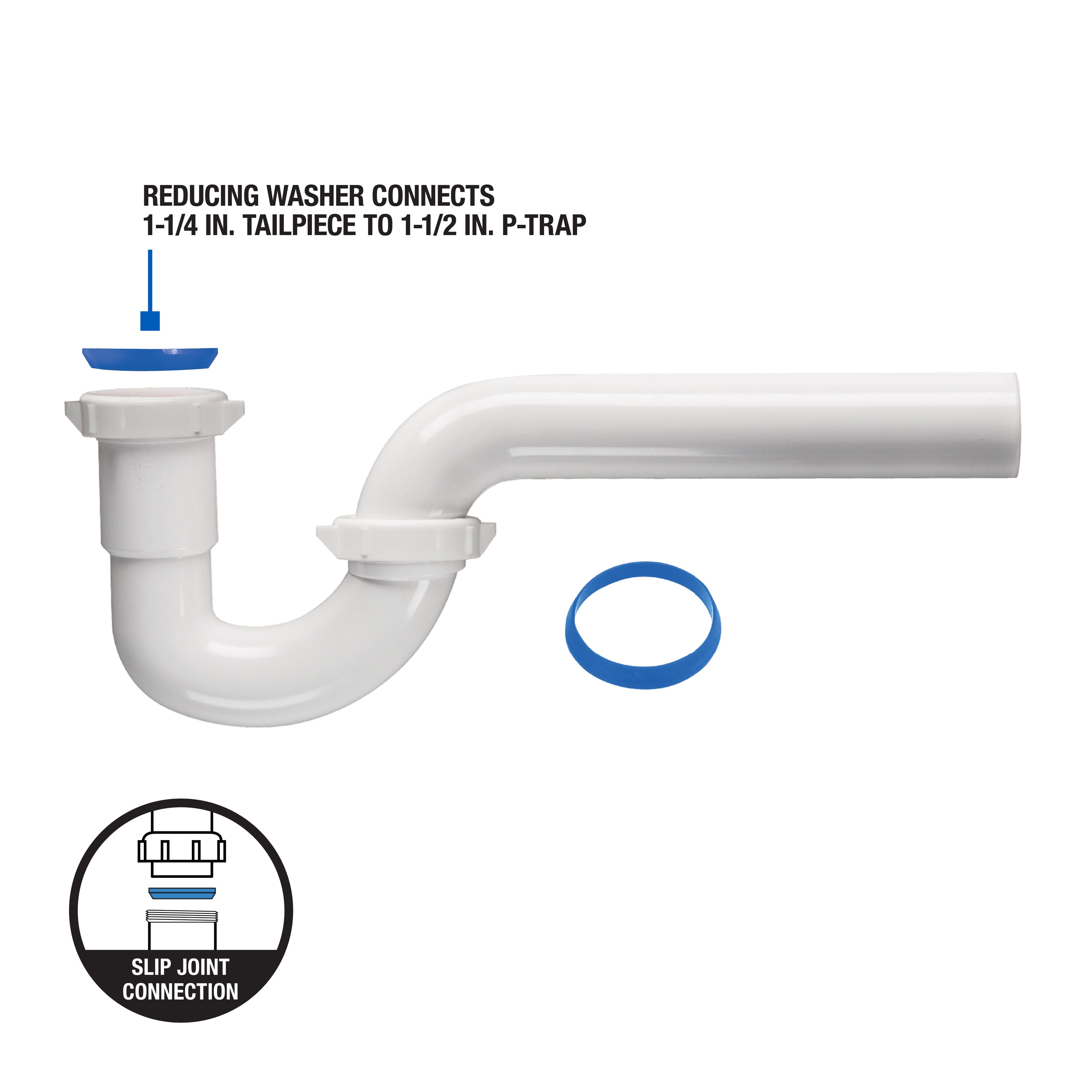
When you’ve tried everything else and your drain is still sluggish or completely blocked, the problem is almost certainly sitting in the P-trap — that curved section of pipe directly below your drain that holds water to prevent sewer gas from backing up. Place a bucket underneath to catch the water that’s going to spill (and it will spill), then unscrew the slip nuts on each end of the trap.
Hand pressure usually works, but channel-lock pliers help if they’re stubborn. Pull the trap free, dump the contents into the bucket, and scrub it clean with an old toothbrush and hot soapy water.
When you put it back together, hand-tighten the slip nuts — do not use a wrench, because over-tightening cracks plastic fittings and strips threads on metal ones. Run water for a minute and check the joints for drips.
I keep old towels on the floor whenever I do this because there’s no graceful way to remove a P-trap without water going everywhere. The whole job takes about 15 minutes, and I’ve found everything from bottle caps to solidified cooking grease to a surprising number of hair ties in there.
Frequently Asked Questions
Can baking soda and vinegar really unclog a drain?
Yes — for minor to moderate clogs, it genuinely works. The fizzing reaction breaks down soap scum, light grease, and organic buildup. It won’t dissolve a dense hair clog or a solid blockage, but for slow drains caused by gradual residue accumulation, it’s one of the most effective natural options you’ve got.
Is it safe to pour boiling water down PVC pipes?
Not at a full rolling boil, no. Water at 212°F can soften PVC pipe joints and cause them to separate over time.
Let your kettle sit for 30 seconds to a minute after boiling before pouring. The water should still be very hot — just not at maximum temperature.
If you’re unsure whether your pipes are PVC or metal, err on the side of caution and use very hot tap water instead.
How often should I do natural drain maintenance?
Once a month works well for most households. A simple baking soda and vinegar flush or an enzyme cleaner treatment keeps residue from accumulating into an actual clog. If you have family members with long hair or you cook frequently with oil and grease, consider bumping that up to every two weeks.
Will these methods work on a completely blocked drain?
If no water is draining at all, start with mechanical methods — the plunger, the wire hanger, or removing the P-trap. Chemical-reaction approaches like baking soda and vinegar work best on slow drains rather than complete blockages. If none of these clear the problem, the clog is likely further down the line and may need a professional plumber’s snake to reach it.
Natural drain cleaning isn’t just the gentle option — for the everyday clogs and slow drains that plague most households, it’s genuinely the most effective approach. Start with the simplest method that matches your situation, work your way down the list, and once things are flowing again, set a monthly reminder to do a quick maintenance flush. Your pipes will last longer, your septic system will thank you, and you’ll never have to open a window to ventilate chemical fumes again.
Leave a Reply