Loom knitting is an accessible, versatile, and meditative craft that allows anyone—regardless of their experience with traditional needles—to create professional-quality knitwear and home decor.
By using a frame with fixed pegs, loom knitting removes the struggle of maintaining tension and managing multiple needles, making it the ideal upcycling hobby for transforming yarn stashes into functional art.
Whether you are using a circular loom for hats or a long loom for blankets, the process is rhythmic, fast, and incredibly satisfying.
1. The Classic Slouchy Beanie
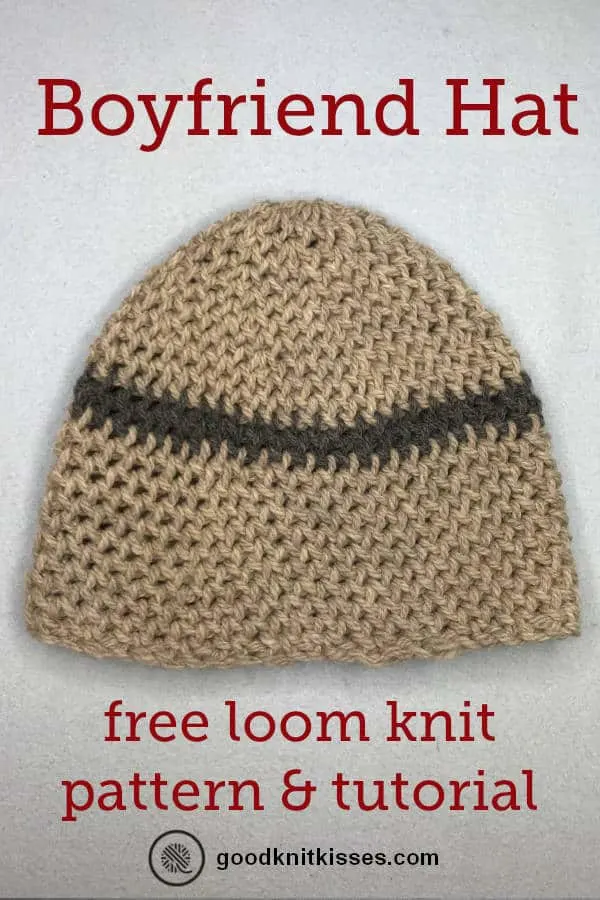
The slouchy beanie is the quintessential beginner project. It is typically worked on a circular loom (usually the 36-peg or 41-peg version).
By using the E-wrap stitch, you create a stretchy, textured fabric that is both warm and stylish.
- Materials: Round loom, bulky weight yarn (Size 5 or 6), loom hook.
- Technique: Start with a 2-inch brim using a knit-two, purl-two pattern to prevent rolling. Transition to a full E-wrap for the body of the hat until it reaches about 10–12 inches in length.
- Finishing: Use the drawstring bind-off method to gather the top tightly. Add a faux-fur pom-pom for a high-end boutique look.
2. Chunky Infinity Scarf
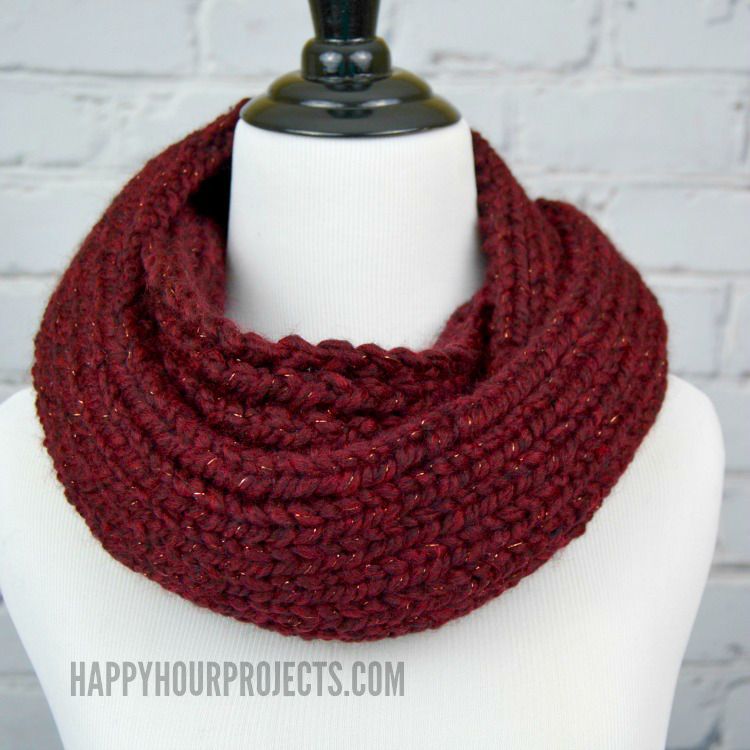
Infinity scarves are excellent for practicing flat knitting on a circular loom.
Instead of working in a continuous circle, you work back and forth to create a long panel that is later seamed together.
- Materials: Large gauge round loom, super bulky yarn.
- Technique: Use the Figure 8 stitch or the U-wrap for a denser, more cohesive fabric.
- Design Tip: Use variegated yarn to create automatic color transitions without having to switch skeins manually.
3. Reusable Cotton Dishcloths
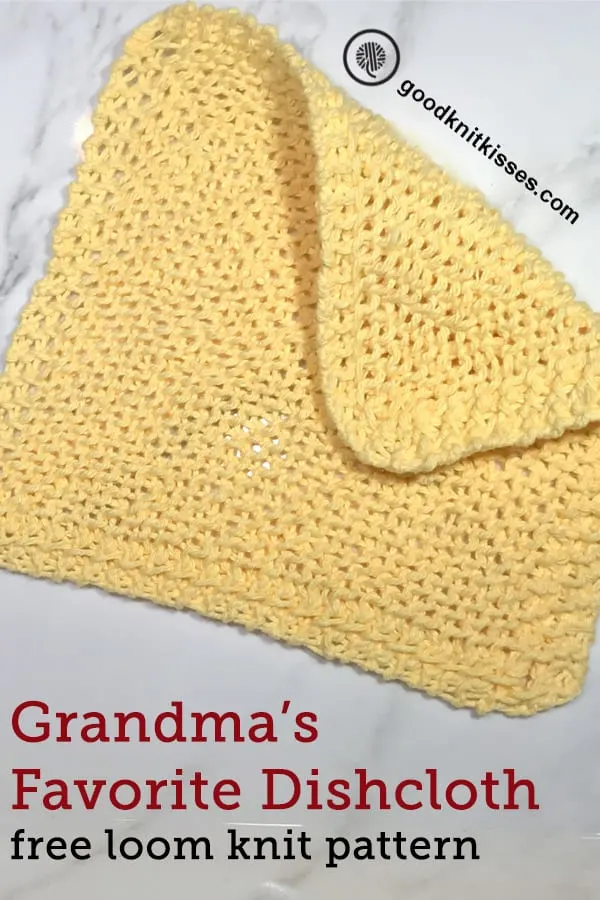
For those interested in sustainable living and upcycling, loom-knitted dishcloths are a must.
They are durable, machine washable, and far superior to store-bought sponges.
- Materials: Small square or round loom, 100% cotton yarn.
- Technique: Use the Garter Stitch (alternating rows of knit and purl). This creates a bumpy texture that is perfect for scrubbing surfaces without scratching them.
- Size: Aim for an 8×8 inch square.
4. The S-Loom Afghan Blanket
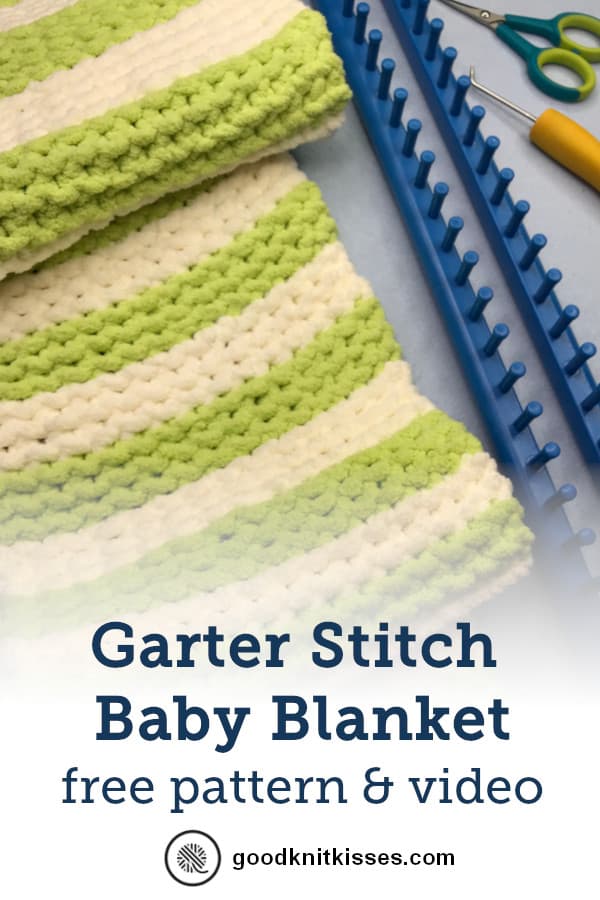
You do not need giant needles to make a full-sized blanket.
An S-loom (or Serenity Loom) allows you to knit wide panels (up to 60 inches) in one piece.
- Materials: S-shaped loom, 4–6 skeins of chenille or chunky yarn.
- Technique: Use the Flat Stitch to keep the blanket from becoming too holey.
- Time Investment: This is a long-term project, but because the loom holds your place, you can pick it up and put it down easily over several weeks.
5. Cozy Boot Cuffs
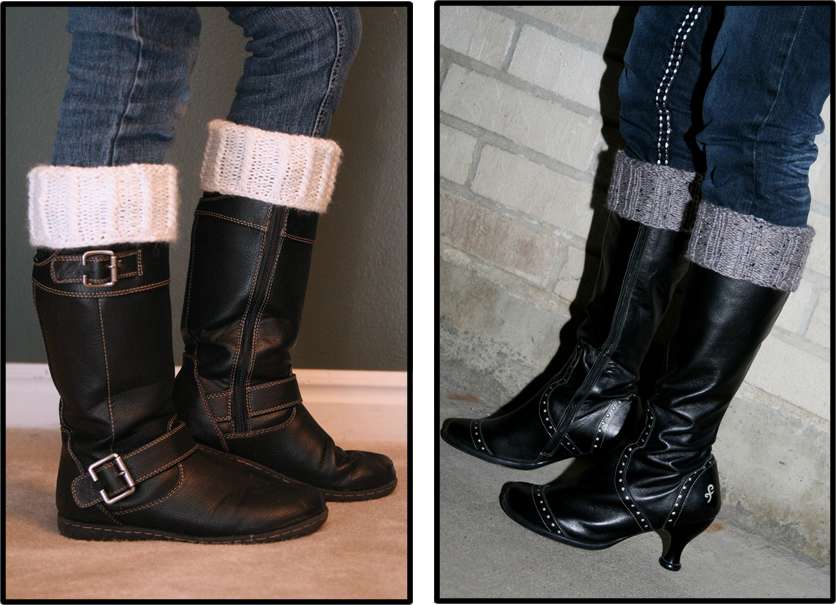
Boot cuffs are a fantastic way to use up scrap yarn from larger projects.
They add a layer of warmth and a pop of color to winter outfits.
- Materials: Small 24-peg circular loom.
- Technique: Knit a 4-inch tube. Focus on a Ribbed Stitch (K1, P1) for the entire project to ensure they stay snug around your calves.
- Customization: Add wooden buttons to the side for a rustic, farmhouse aesthetic.
6. Modern Geometric Throw Pillows
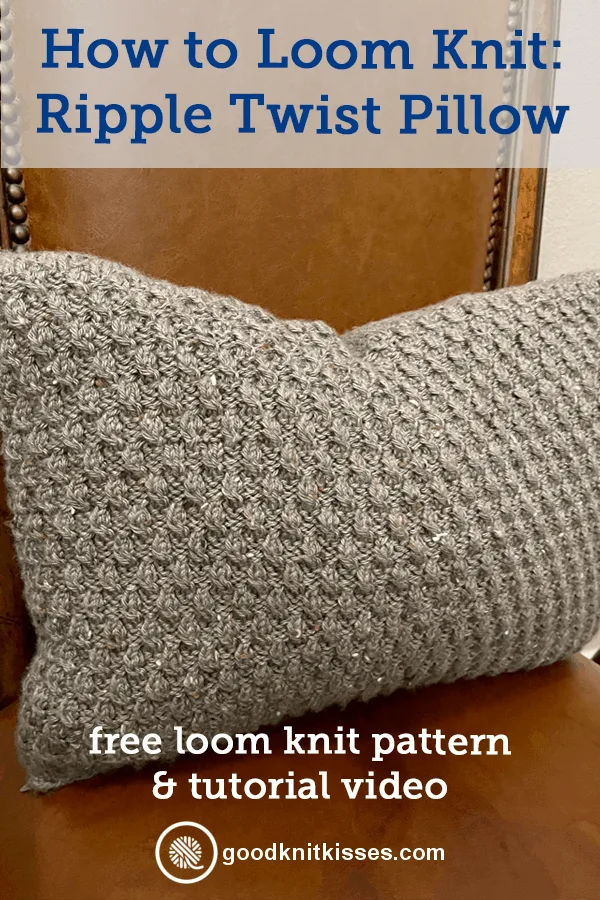
Upcycle your living room by creating custom-fitted pillow covers.
This project uses a long loom to create two large squares that are then seamed together around a pillow insert.
- Materials: Long loom (at least 18 inches wide), wool-blend yarn.
- Technique: Experiment with the Honeycomb Stitch to create a 3D geometric texture.
- Pro Tip: Use a zipper on one side so the cover can be removed and washed easily.
7. Fingerless Texting Gloves
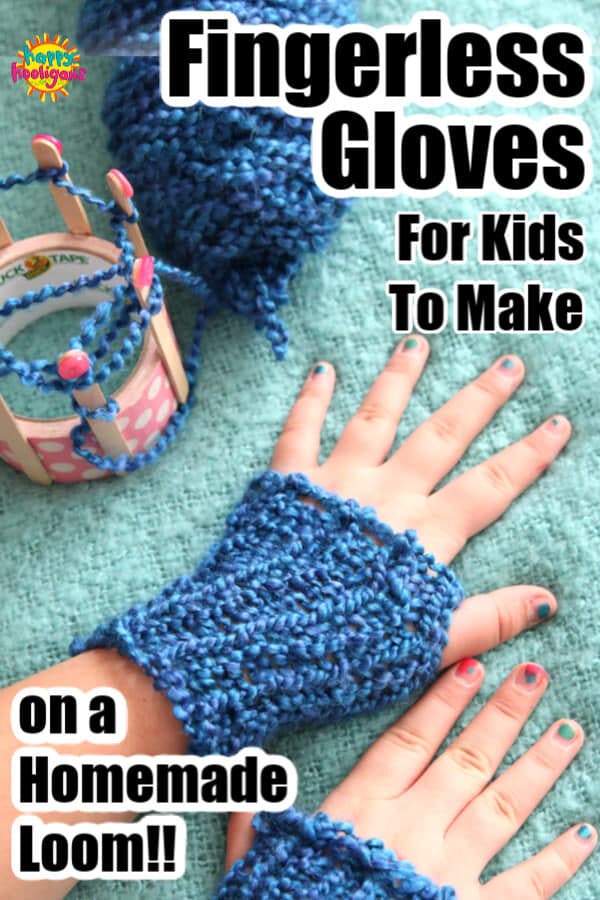
In the digital age, fingerless gloves are more practical than traditional mittens.
These are surprisingly simple to make on a small gauge loom.
- Materials: 24-peg loom, medium weight yarn (Size 4).
- The Thumb Hole: To create the thumb hole, you simply stop knitting in a circle at the 5-inch mark. Work back and forth for 1.5 inches, then resume circular knitting. This creates a vertical slit for the thumb.
8. Braided Cable Headband
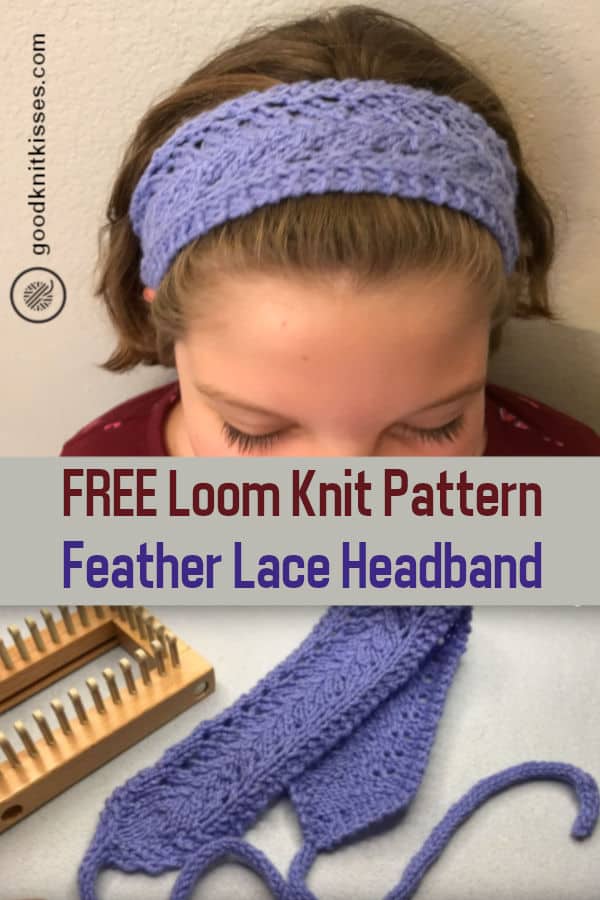
Cables look intimidating, but on a loom, they are just a matter of moving loops between pegs.
A cabled headband is a perfect introduction to advanced loom techniques.
- Materials: Long loom or small round loom.
- Technique: Use a cable needle to hold two loops, knit the next two pegs, and then place the held loops back onto the loom in a crossed pattern.
- Style: This creates a braided look that looks much more expensive than it is.
9. Market Tote Bag
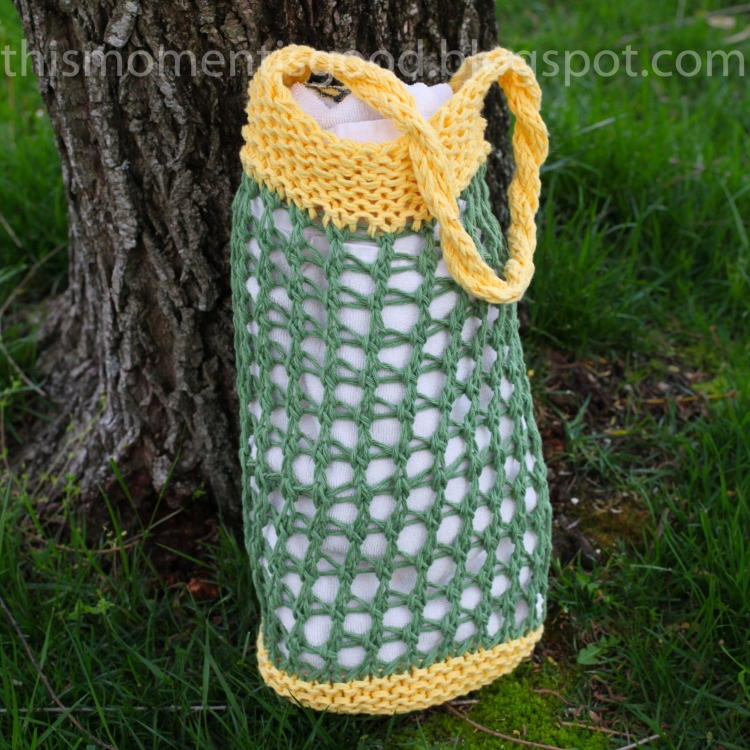
Ditch plastic bags for a hand-knitted market tote.
This project requires a sturdy, non-stretchy yarn like hemp or heavy cotton.
- Materials: Large round loom, cotton twine or cord.
- Technique: Use a Lace Stitch or Eyelet Stitch (achieved by skipping every other peg and doing yarn-overs) to create a mesh-like fabric that expands to hold groceries.
10. Baby Cocoon and Hat Set
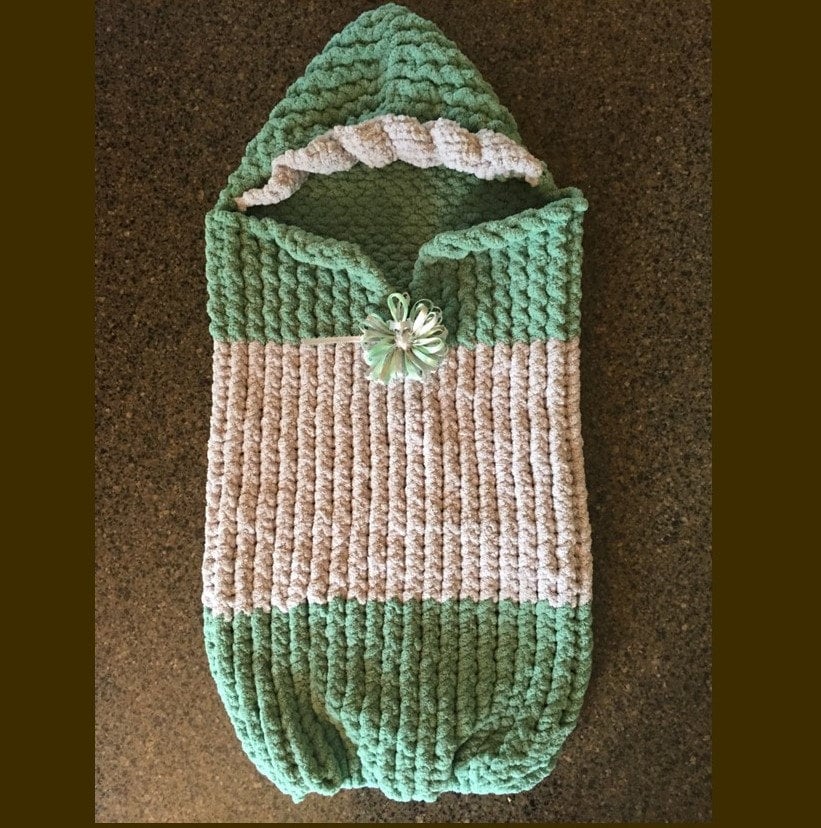
Baby cocoons are essentially giant socks without a heel.
They are popular for newborn photography and keeping infants snug.
- Materials: 36-peg loom, soft baby yarn (acrylic/nylon blends).
- Technique: Work in the round for approximately 18–20 inches. Close the bottom using a flat seam rather than a drawstring for a more comfortable fit for the baby’s feet.
11. Pet Sweater for Small Dogs
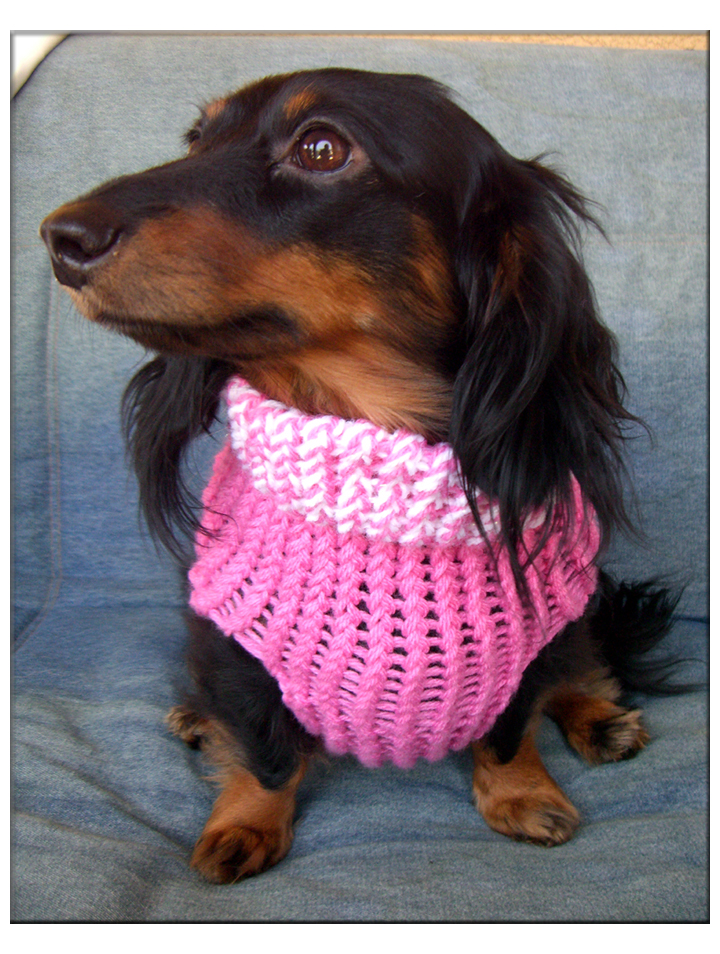
Our furry friends deserve DIY love too.
A loom-knitted dog sweater is custom-sized to your pet’s specific measurements.
- Materials: Medium circular loom.
- Technique: You will create leg holes by binding off 3–4 pegs on two sides of the loom, then re-casting them on in the next row. This creates a gap for the front legs.
12. Felted Wool Slippers
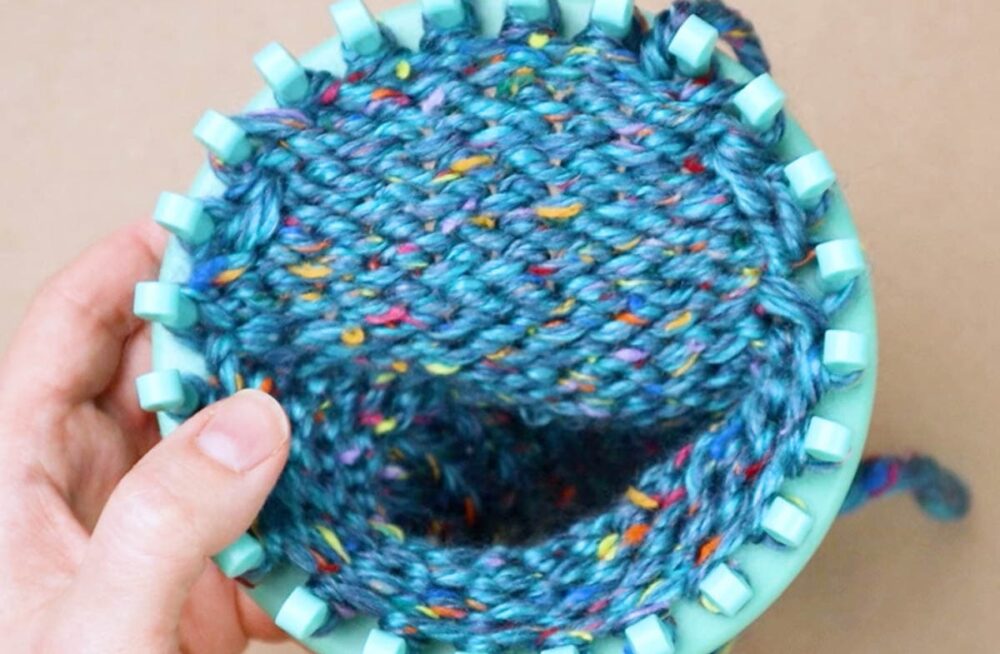
By knitting a project 30% larger than needed using 100% wool yarn and then washing it in hot water, you felt the fabric.
This turns the knit stitches into a solid, warm, water-resistant material.
- Materials: Large loom, 100% non-superwash wool.
- Technique: Knit a large, oversized sock shape.
- The Magic: After knitting, toss them in the wash. They will shrink and thicken into sturdy house slippers.
13. Table Runner with Tassels
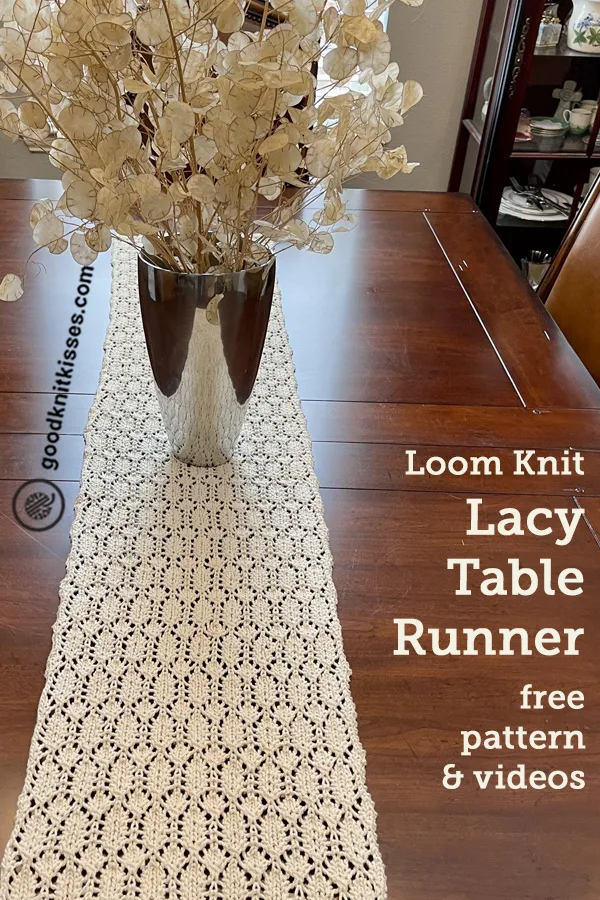
For a boho-chic dining room, a long loom can create a beautiful, textured table runner.
- Materials: Long loom, cream-colored cotton yarn.
- Technique: Use the Linen Stitch for a woven appearance that lies flat and does not curl at the edges.
- Finishing: Add 6-inch tassels to each corner for a finished, professional look.
14. Plush Amigurumi Stuffies
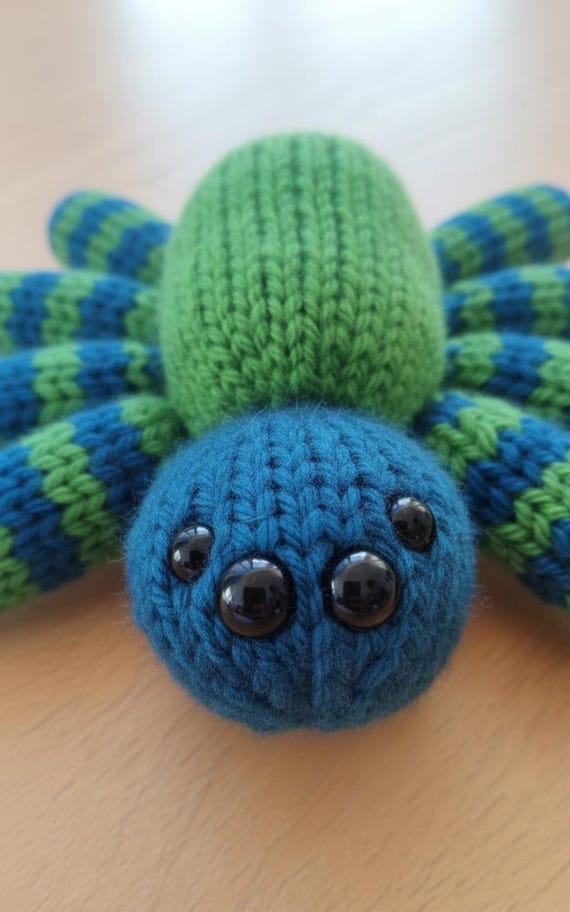
Yes, you can make toys on a loom!
By knitting small tubes and spheres, you can assemble teddy bears, bunnies, or even emotional support pickles.
- Materials: Spool loom or tiny flower loom, polyester fiberfill.
- Technique: Knit small sections, stuff them firmly with batting, and use a yarn needle to sculpt the features.
15. The Ten-Stitch Spiral Rug
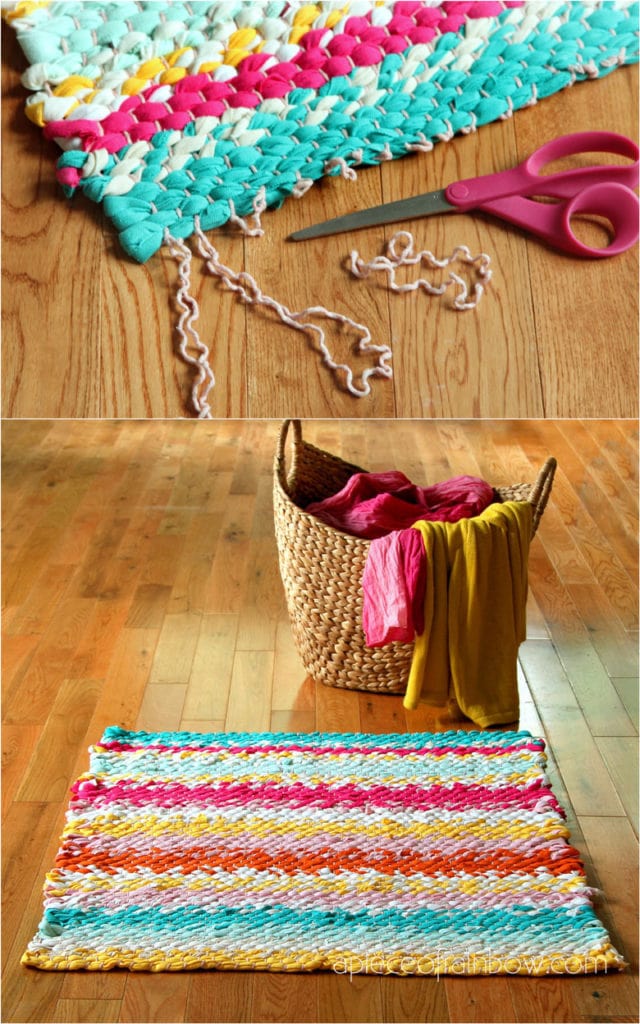
This is an advanced scrap-buster project.
You knit a long strip that is only 10 stitches wide, but you join it to the side of the previous row as you go, creating a growing spiral.
- Materials: Small long loom, t-shirt yarn (upcycled from old shirts).
- Technique: The Join-as-you-go method. This results in a thick, durable rug perfect for a bathroom or kitchen.
Comparison of Popular Loom Types
| Loom Type | Best For | Skill Level |
|---|---|---|
| Round Loom | Hats, Cowls, Socks, Flowers | Beginner |
| Long Loom | Scarves, Blankets, Shawls, Pillows | Beginner to Intermediate |
| S-Loom | Large Afghans, Bedspreads | Intermediate |
| Adjustable Loom | Custom Garments, Sweaters | Advanced |
Essential Loom Knitting Stitches
To master the patterns above, you need to understand these four core movements:
- 1. E-Wrap (Twisted Knit): The most common stitch. You wrap the yarn around the peg in a lowercase e shape. It creates a thick, textured fabric.
- 2. Purl Stitch: The opposite of a knit stitch. You pull the yarn through the existing loop from the top down. Essential for ribbing so your projects do not curl.
- 3. Flat Knit Stitch: You lay the yarn across the peg and lift the bottom loop over. This creates a tighter, thinner fabric than the E-wrap.
- 4. U-Wrap Stitch: A tighter version of the knit stitch that looks most like traditional needle knitting.
Frequently Asked Questions (FAQ)
Q: Can I use any yarn for loom knitting?
A: Most looms are designed for bulky (Size 5) or super bulky (Size 6) yarn. If you want to use thinner yarn (Size 4), you should hold two strands together as if they were one to ensure the fabric is not too loose.
Q: How do I prevent my projects from curling at the edges?
A: Just like needle knitting, loom knitting tends to curl if you only use the knit stitch. To prevent this, always start your project with a ribbed border (alternating knit and purl) or a garter stitch border.
Q: Is loom knitting faster than needle knitting?
A: For beginners, yes! Because the pegs hold the tension for you, you can move much faster. A basic beanie can be completed in about 90 minutes on a loom.
Q: What do I do if I drop a stitch?
A: Do not panic! Use your loom hook to grab the loose loop and place it back onto the peg. If it has unraveled several rows, you may need to tink (knit backward) to the mistake.
Conclusion
Loom knitting is more than just a hobby; it is a gateway to creating a handmade home. From the simplest dishcloth to the most complex spiral rug, the versatility of the loom allows for endless creativity. By mastering the basic stitches and experimenting with different loom shapes, you can upcycle your yarn stash into meaningful gifts and stylish decor. Grab a loom, a hook, and your favorite skein of yarn—your first masterpiece is only a few wraps away!
Leave a Reply