Vintage sewing patterns offer a gateway to a wardrobe that is both timeless and sustainable.
Unlike modern fast fashion, vintage designs prioritize silhouette, structural integrity, and feminine or bold architectural lines that never truly go out of style.
By utilizing free vintage patterns available through public domain archives, independent designers, and sewing communities, you can recreate iconic looks from the 1920s through the 1970s without the premium price tag of original paper envelopes.
This guide provides a curated selection of 20 high-quality, free vintage sewing patterns, along with essential tips for grading and fabric selection.
1. The 1920s One-Hour Dress
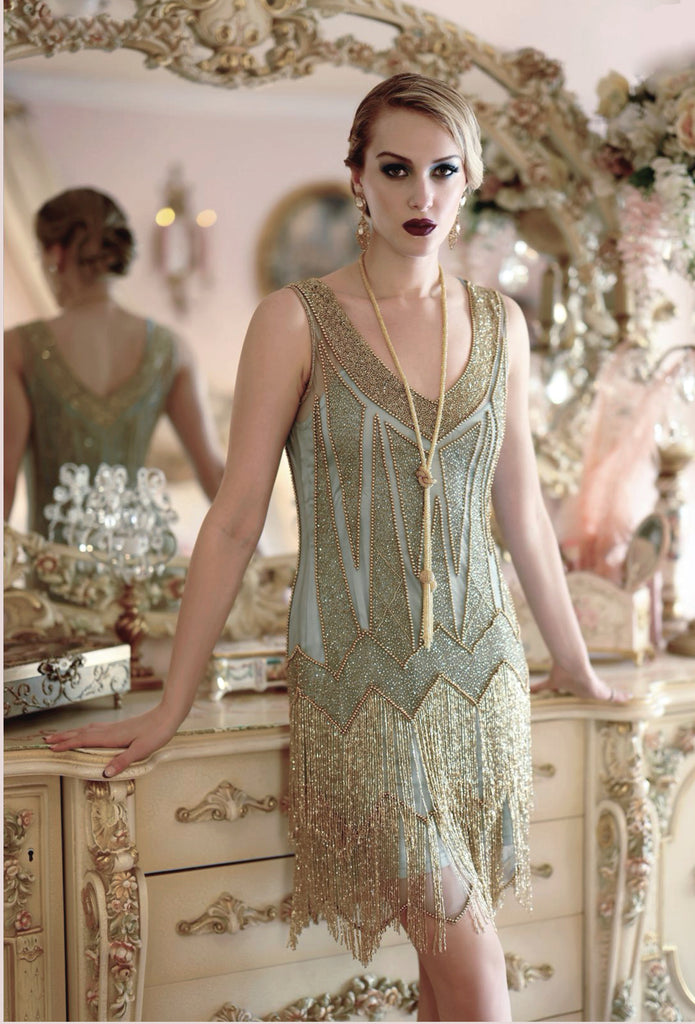
The One-Hour Dress became a sensation in the 1920s, designed by Mary Brooks Picken. It is the epitome of the Flapper era, featuring a simple, straight silhouette that relies on the drape of the fabric rather than complex tailoring.
This pattern is perfect for beginners because it consists of simple rectangles and minimal shaping. To achieve the authentic look, use lightweight silks, rayons, or fine cotton voiles.
The beauty of this pattern lies in its versatility; you can add a sash at the hips or embellish the hem with lace for a more formal evening look.
2. 1930s Bias-Cut Slip Dress
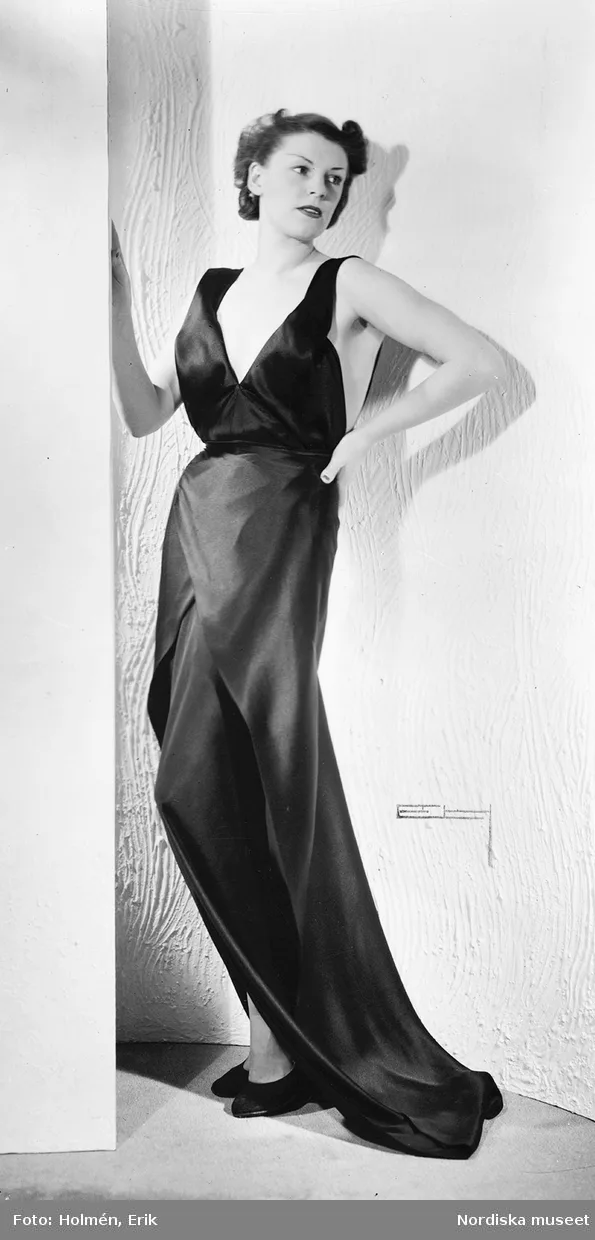
The 1930s moved away from the boxy 20s shape into a more fluid, body-skimming silhouette. The bias-cut slip dress is a staple of this decade, characterized by cutting the fabric at a 45-degree angle to provide natural stretch and drape.
Free patterns for this style often focus on a V neckline and thin spaghetti straps. This project requires a bit more patience, as sewing on the bias can be tricky.
Use a walking foot on your sewing machine to prevent the fabric from stretching out of shape as you sew.
3. 1940s Rosie the Riveter Overalls
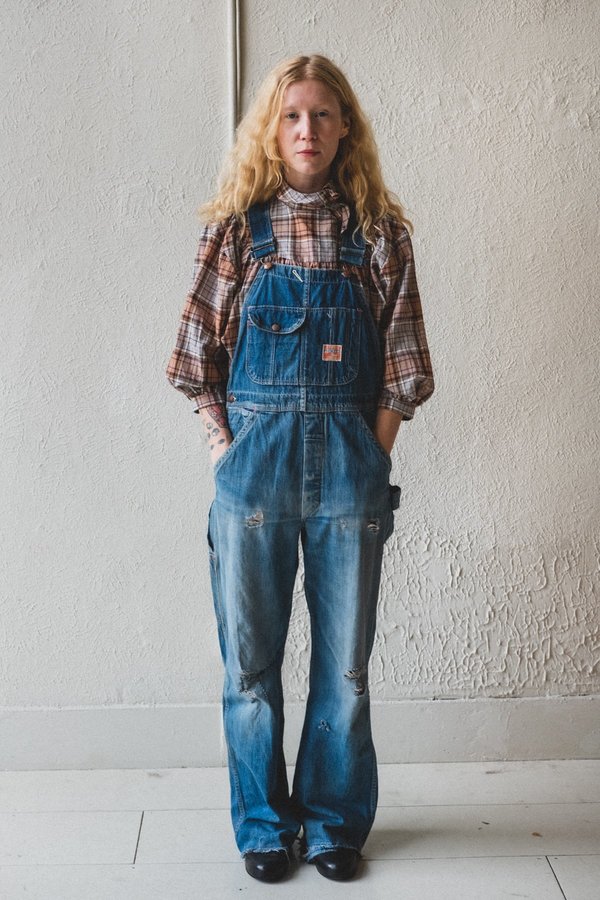
During WWII, women entered the workforce in record numbers, leading to the rise of functional yet stylish workwear. These high-waisted overalls feature wide legs and sturdy straps, offering a silhouette that is both practical and incredibly flattering.
When looking for a free pattern for this style, look for utility or land girl patterns. Heavyweight denim or cotton drill are the best fabric choices here.
They provide the structure needed for the wide-leg drape and ensure the garment lasts for years.
4. 1940s Sweetheart Neckline Blouse
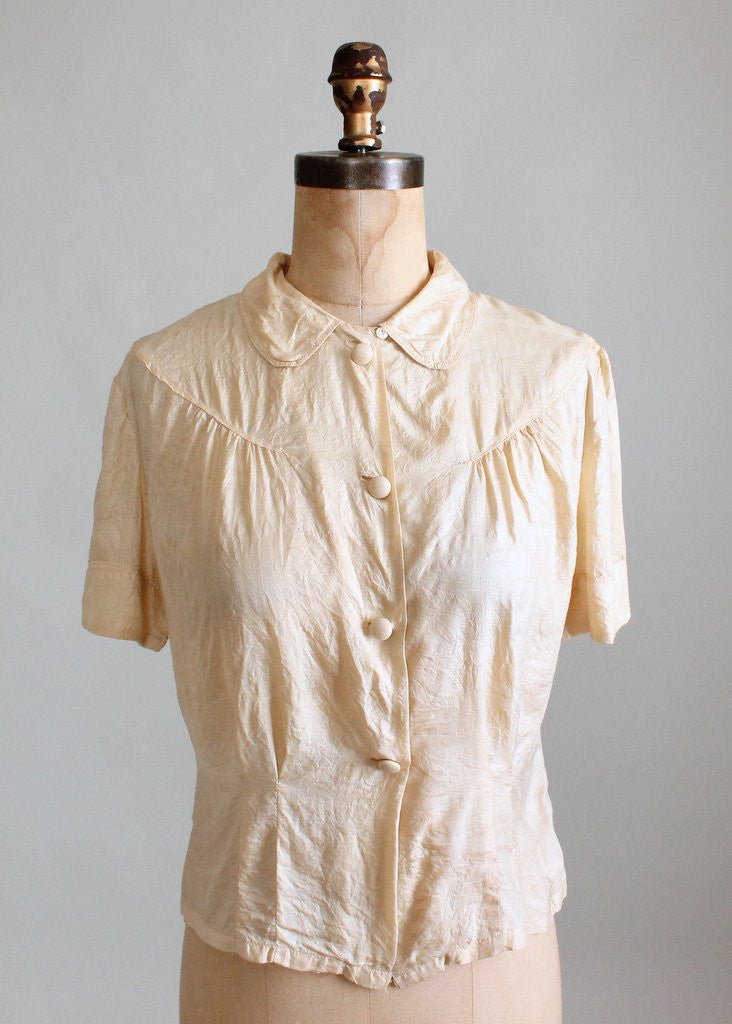
The sweetheart neckline is a hallmark of 1940s femininity. This blouse pattern usually includes puffed sleeves and a cinched waist, often achieved through darts or a peplum.
It’s a fantastic project for learning how to sew curved necklines and set-in sleeves. Free versions are often available through vintage-inspired blogs like Tilly and the Buttons or Mood Sewciety.
Pair this blouse with a high-waisted pencil skirt for a complete New Look inspired ensemble.
5. 1950s Full Circle Skirt
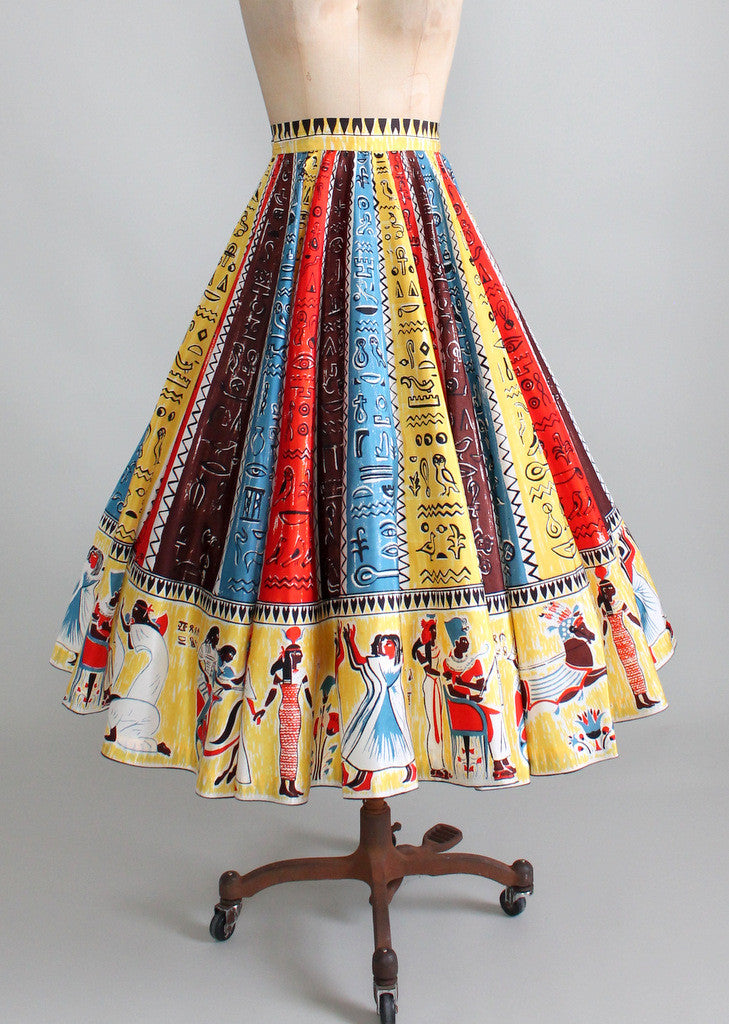
Perhaps the most recognizable vintage garment, the 1950s circle skirt is a must-have for any retro lover. The pattern is essentially a giant donut of fabric.
Because it requires no complex fitting around the hips, it is an ideal project for those new to garment construction. You can find free circle skirt calculators online that generate a custom pattern based on your waist measurement.
For an authentic 50s poodle skirt vibe, use felt or heavy cotton and pair it with a crinoline underneath.
6. 1950s Cigarette Pants
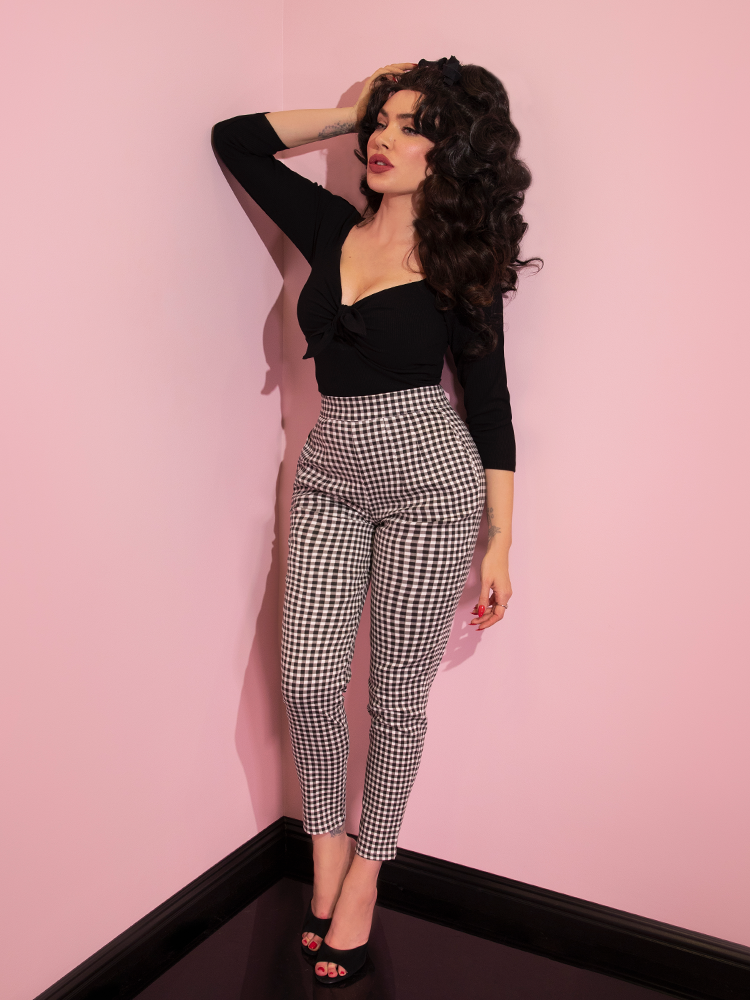
Popularized by icons like Audrey Hepburn, cigarette pants are high-waisted, slim-fitting trousers that end just above the ankle. They often feature a side or back zipper to keep the front silhouette clean.
Finding a free pattern for these usually involves looking for tapered trousers. The key to success with this pattern is choosing a fabric with a small amount of stretch (2-5% spandex) to allow for movement while maintaining that sharp, narrow leg.
7. 1960s A-Line Shift Dress
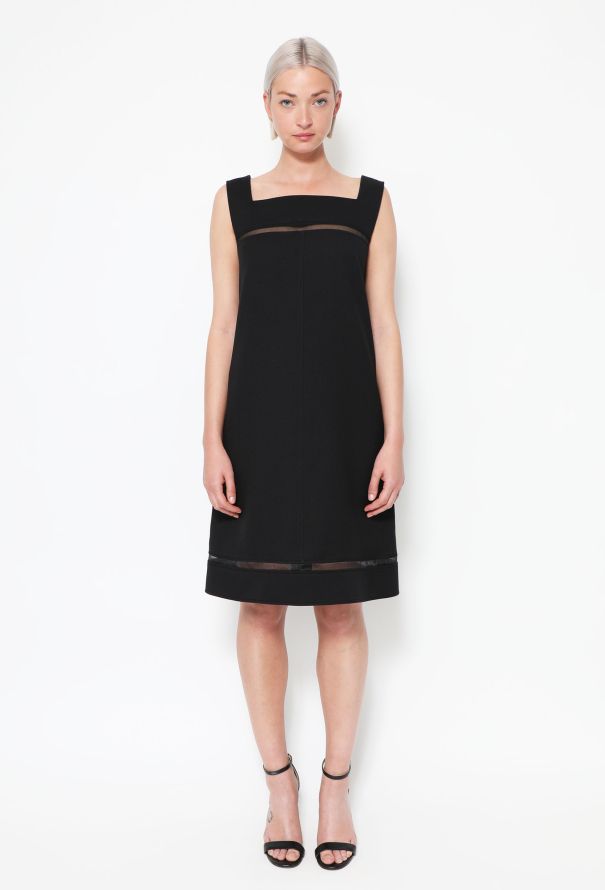
The 1960s brought the Mod movement, and with it, the shift dress. This pattern is characterized by its lack of a defined waist, skimming the body in a slight A shape.
It is incredibly comfortable and easy to sew, often requiring only a front piece, a back piece, and facings. To make it truly 60s, use a bold geometric print or a heavy wool crepe.
This is a great canvas for upcycling vintage bedsheets or tablecloths.
8. 1960s Pillbox Hat
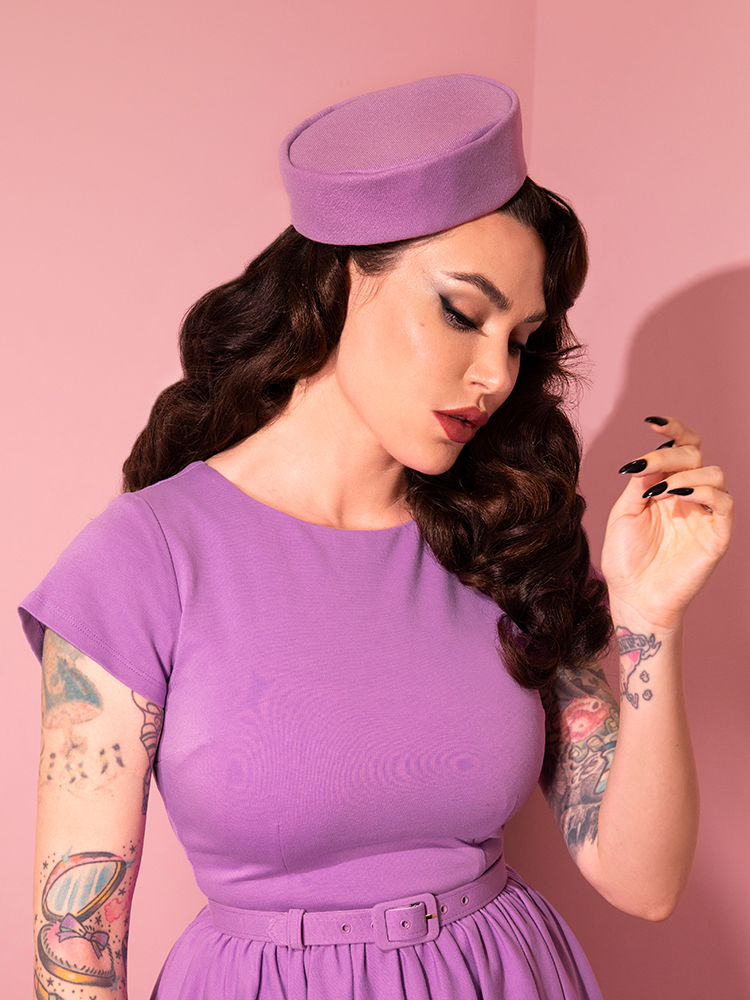
Accessories are just as important as the clothes in vintage styling. The pillbox hat, made famous by Jackie Kennedy, is a structured, brimless hat.
While not a full garment, free patterns for these are widely available in vintage millinery archives. You will need buckram (a stiffened fabric) for the frame and a decorative outer fabric like silk or wool.
It’s a small project that adds a massive amount of authority to your vintage outfit.
9. 1970s Bell Bottom Trousers
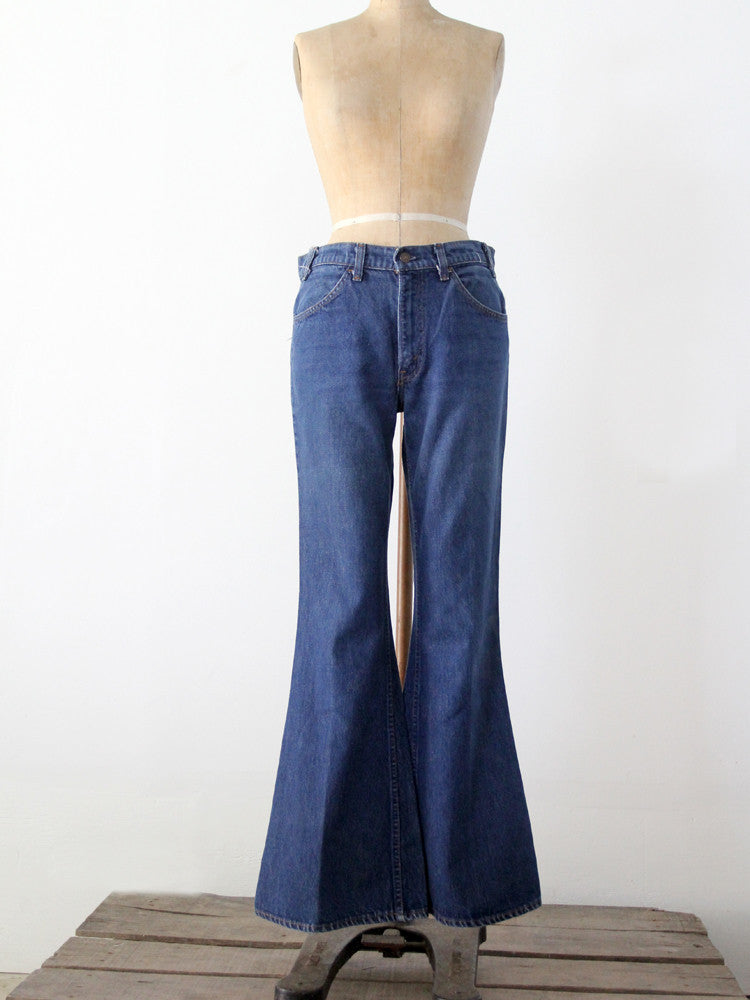
The 70s were all about the flare. Bell bottom patterns feature a tight fit through the thigh that explodes into a wide opening from the knee down. Free patterns for these often lean into the Boho aesthetic.
When sewing these, pay close attention to the grainline of the fabric; if the flare isn’t cut straight, the legs will twist when you walk.
Corduroy or heavy-weight jersey are excellent fabric choices for that authentic disco-era feel.
10. 1970s Wrap Dress
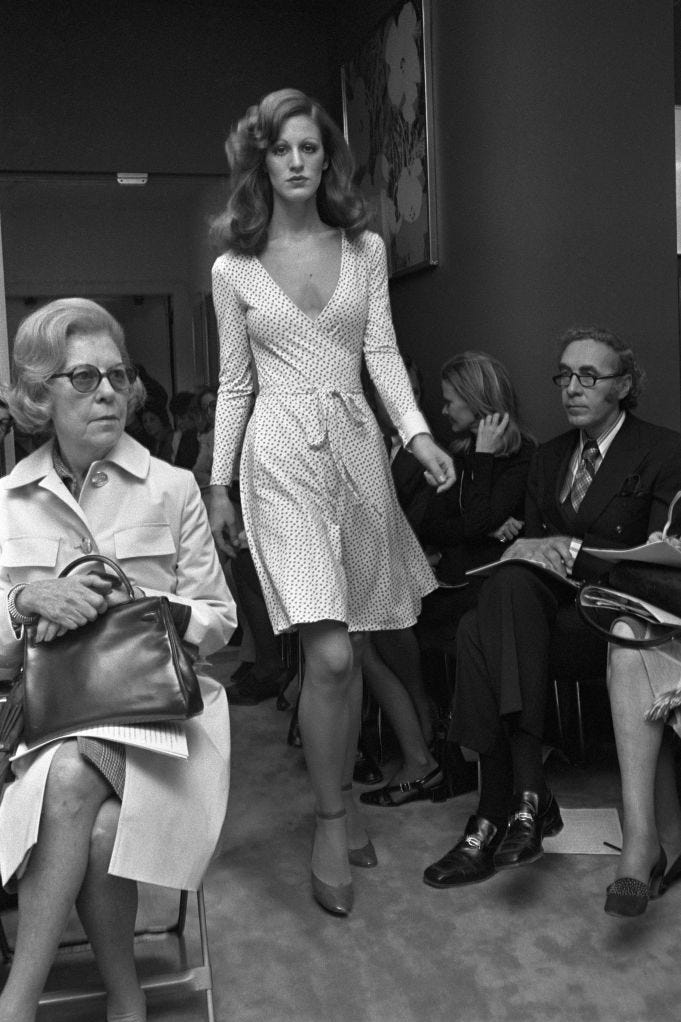
Diane von Furstenberg revolutionized women’s fashion in 1974 with the wrap dress. A free pattern for a wrap dress usually involves a front-closure system that ties at the waist, creating a versatile V neck.
This style is famously flattering for all body types. For the best results, use a jersey knit fabric.
The wrap dress is a one-and-done outfit that transitions perfectly from the office to dinner.
11. 1940s Victory Apron
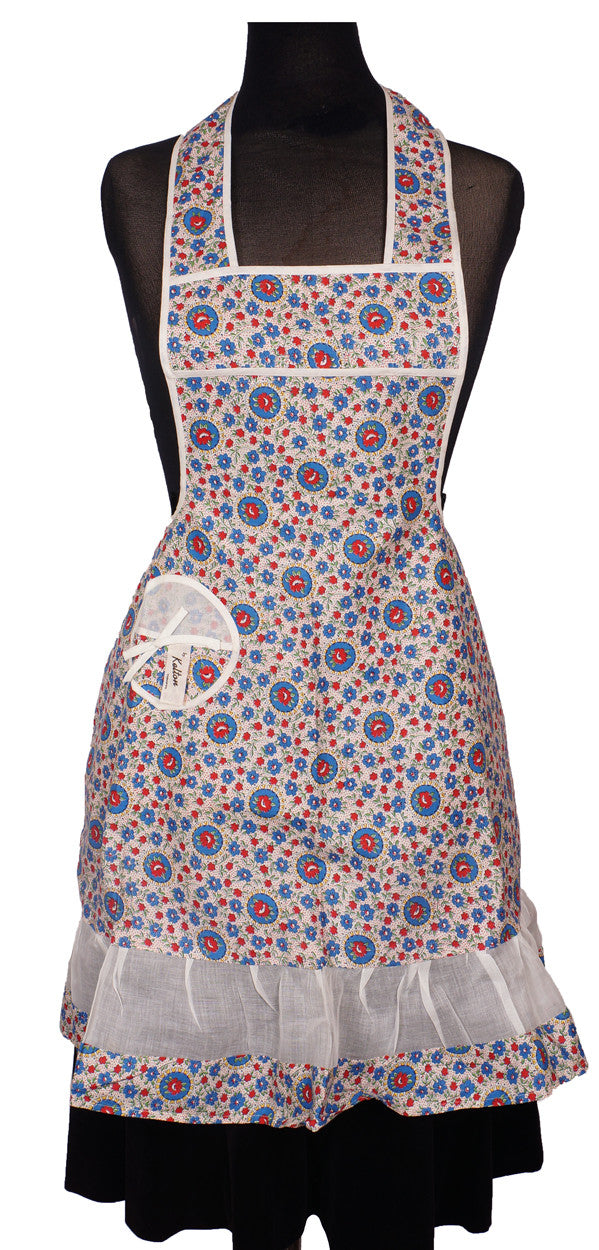
During the 1940s, Victory patterns were released to encourage home sewing and resourcefulness. The Victory Apron is more than just a kitchen accessory; it often features beautiful sweetheart necklines, ruffles, and large utility pockets.
It’s a perfect way to use up scrap fabric or vintage remnants. These patterns are frequently found for free on sites like The Free Pattern Index or Antique Pattern Library.
12. 1950s Tea-Length Party Dress
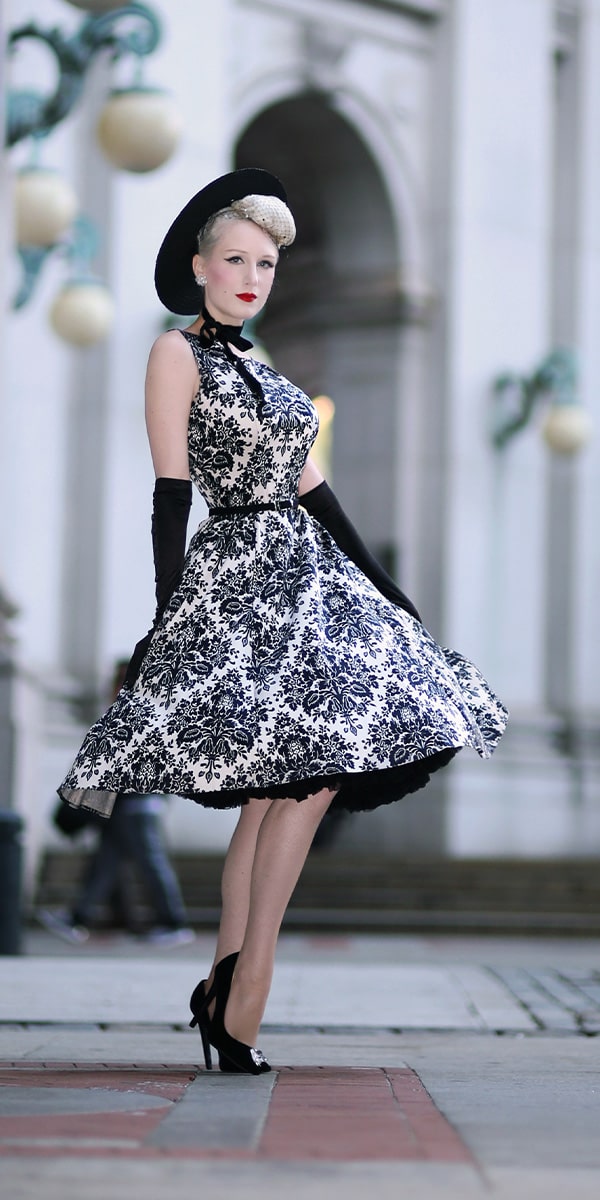
For those looking for a challenge, a 1950s party dress features a fitted bodice and a massive, pleated, or gathered skirt. The tea-length refers to the hem landing mid-calf.
Free patterns for these often require multiple yards of fabric. Look for patterns with boning in the bodice for that structured, mid-century look.
This is the ultimate special occasion DIY project.
13. 1920s Cloche Hat
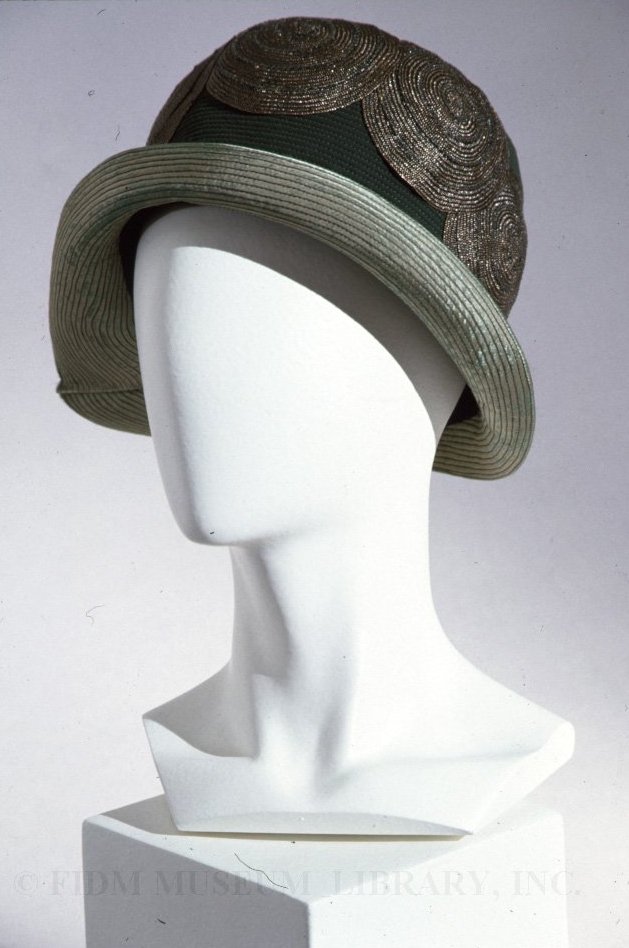
The cloche hat is a bell-shaped hat that was designed to be worn low on the forehead. Free sewing patterns for these usually involve a multi-panel construction to create the rounded crown.
They are best made from felt or heavy wool. Adding a vintage brooch or a silk ribbon can customize the hat to match your 1920s-style coat or dress.
14. 1930s Flutter Sleeve Blouse
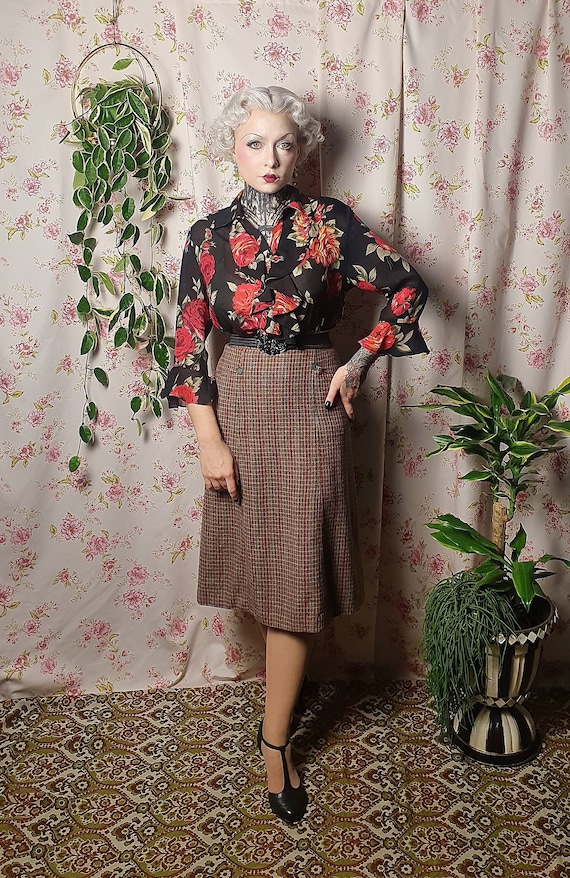
The 1930s loved shoulder details. The flutter sleeve is a wide, loose sleeve that drapes beautifully over the arm.
This pattern is usually paired with a fitted waist and a side-snap closure (buttons were often a luxury). Use lightweight fabrics like chiffon or rayon challis to ensure the sleeves have enough movement.
15. 1960s Peter Pan Collar Top
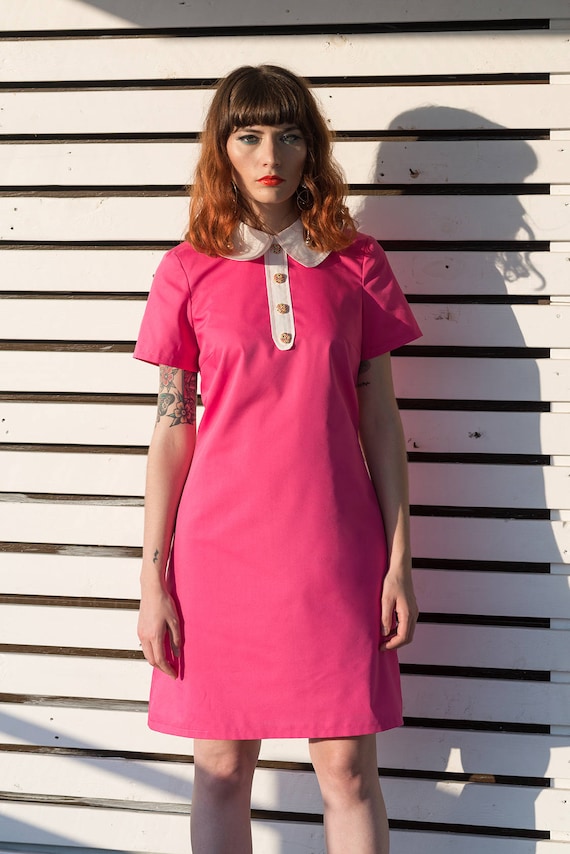
The Peter Pan collar is a flat, rounded collar that gives a youthful, gamine look to any blouse. Many free patterns offer just the collar piece, which you can add to any basic bodice pattern you already own.
This is a classic hack for upcycling a plain modern shirt into something with vintage flair.
16. 1950s High-Waisted Shorts

Often called Pin-up shorts, these feature a very high rise and a short inseam, usually with a side zipper. They are perfect for summer and look great in gingham or nautical-themed cotton.
Free patterns for these are a staple on DIY sewing blogs because they are relatively simple to draft from a basic trouser block.
17. 1940s Bolero Jacket
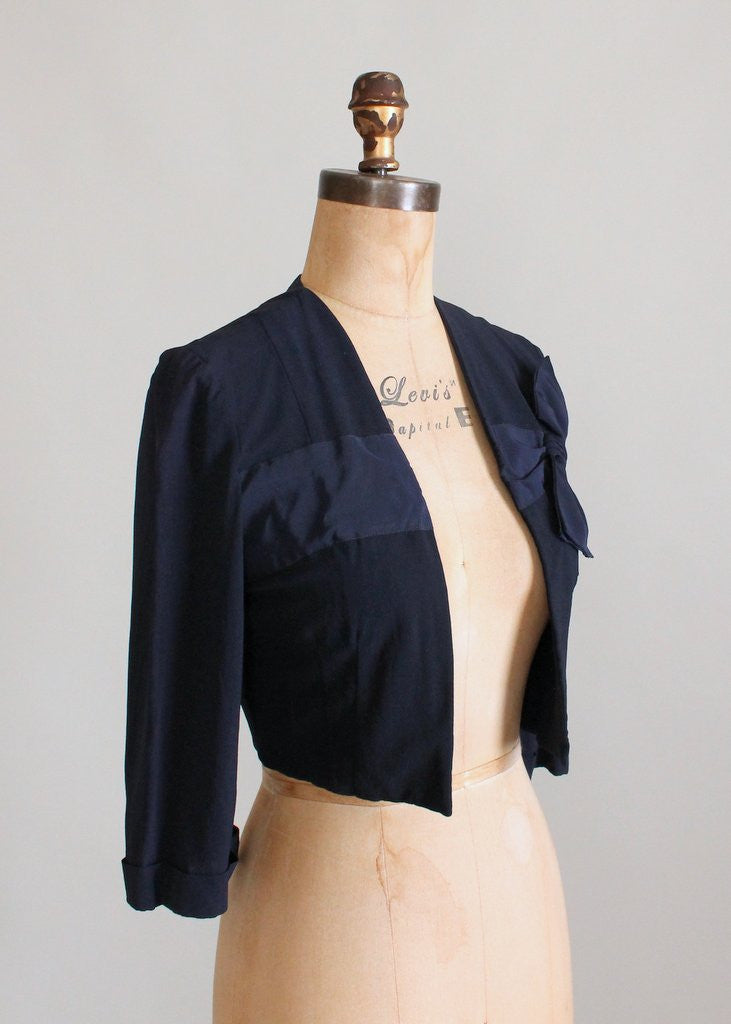
A bolero is a short, shrug-like jacket that ends above the waist. In the 40s, these were often worn over sleeveless dresses to make them more modest or to add warmth.
They are quick to sew and require very little fabric. Look for patterns with rounded front edges for an authentic vintage look.
18. 1970s Maxi Skirt
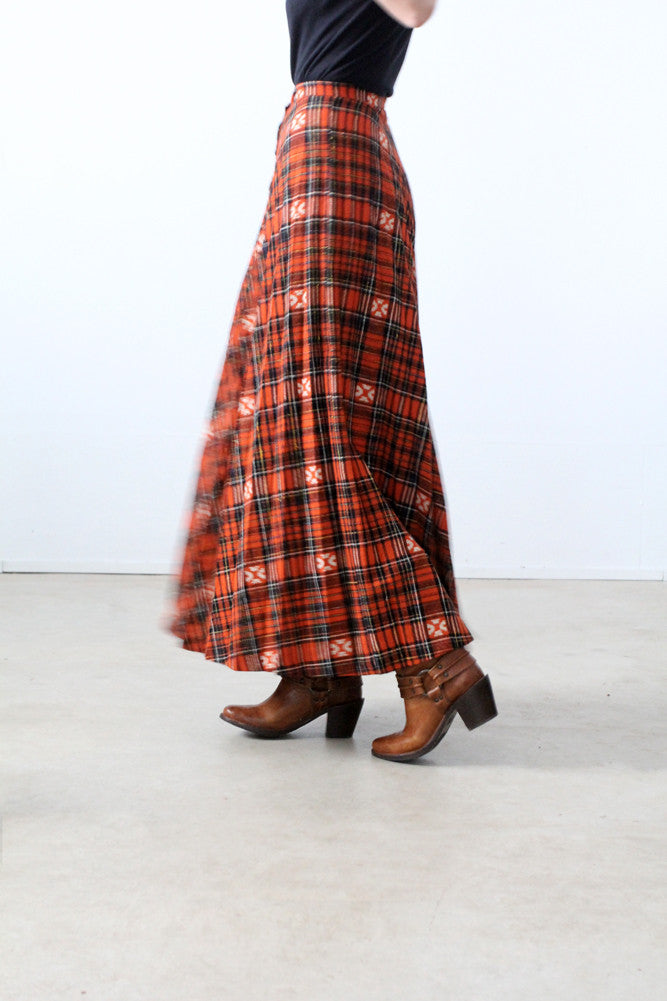
The maxi skirt is a floor-length skirt that can be either A-line or tiered. This pattern is incredibly forgiving and easy to adjust for different heights.
Using a bold, floral Liberty style print will give you an instant 70s prairie vibe. It’s a great project for learning how to insert a centered zipper and a waistband.
19. 1920s Kimono Robe
In the 1920s, orientalism was a major fashion influence. The kimono-style robe was worn as elegant loungewear.
The pattern is constructed from T-shaped panels and is very simple to assemble. Use a satin or silk fabric with fringe along the sleeves for a luxurious, Great Gatsby lounging experience.
20. 1950s Crinoline Petticoat

To get the volume required for 1950s dresses, you need a crinoline. This is a tiered skirt made of stiff nylon netting or tulle.
While you can buy them, sewing your own allows you to customize the poof level. Free tutorials abound for tulle tiered skirts, which serve as the perfect foundation for your vintage wardrobe.
Understanding Vintage Eras: A Quick Reference
When choosing a pattern, it helps to know the characteristics of each decade to ensure your fabric choice matches the silhouette.
How to Grade a Vintage Pattern
One of the biggest hurdles with vintage patterns is that sizing has changed drastically over the decades. A Size 14 in 1950 is roughly equivalent to a modern Size 4 or 6.
If you find a free vintage pattern that is too small, you will need to grade it up.
- Measure Yourself Accurately: Take your bust, waist, and hip measurements while wearing the undergarments you plan to wear with the finished piece.
- Compare to Pattern: Measure the pattern pieces (minus the seam allowances) at the same points.
- The Slash and Spread Method: Draw a vertical line through the center of the pattern piece. Cut along this line and move the pieces apart by the amount needed to reach your measurement (divided by the number of panels).
- True the Lines: Redraw the cutting lines to connect the gaps you created, ensuring the curves remain smooth.
FAQ: Sewing Vintage Patterns
Q: Where can I find these patterns for free?
A: Excellent sources include the Antique Pattern Library, Mood Sewciety, Peppermint Magazine (which has many vintage-style freebies), and the Public Domain Review.
Q: Do vintage patterns include seam allowances?
A: It depends. Most commercial patterns from the 1940s onwards do (usually 5/8 inch), but very old diagram patterns from the 20s or 30s often do not. Always check the instructions before cutting your fabric.
Q: What is the best fabric for a beginner sewing vintage?
A: Start with mid-weight cotton or linen. They are stable, easy to press, and don’t slip under the sewing machine foot like silks or polyesters.
Q: How do I handle vintage instructions?
A: Older patterns assume the sewist has a high level of knowledge. If an instruction says finish seams, it won’t tell you how. You’ll need to decide between pinking shears, a zigzag stitch, or a French seam based on your fabric.
Conclusion
Embracing vintage sewing is a rewarding way to connect with fashion history while creating a one-of-a-kind wardrobe.
By starting with these 20 free patterns, you can practice a variety of techniques—from the bias-cut drape of the 30s to the structured Mod looks of the 60s.
Remember that sewing is a journey; don’t be afraid to make a muslin (a test garment in cheap fabric) before cutting into your precious vintage-style textiles.
With a little patience and a few yards of fabric, you can bring the elegance of the past into your modern life.
Leave a Reply