
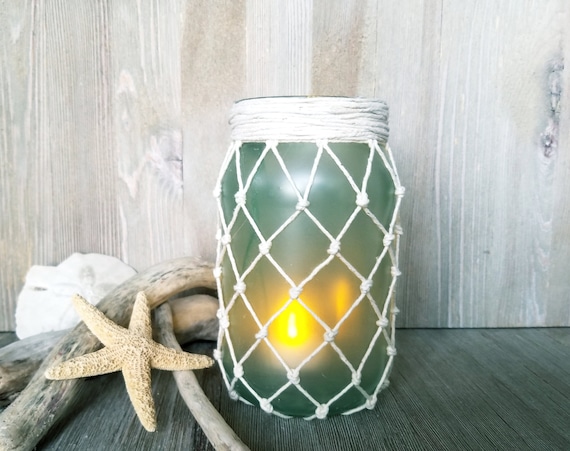
Twine and rope add texture and warmth that instantly ground a room in rustic character. These materials work with existing wood furniture, metal accents, and neutral palettes to create pieces that feel collected rather than decorated. Each project uses simple supplies you can find at hardware stores or craft shops, and the finished results hold up to daily use while staying visually interesting.
Twine Wrapped Mason Jars as Centerpieces
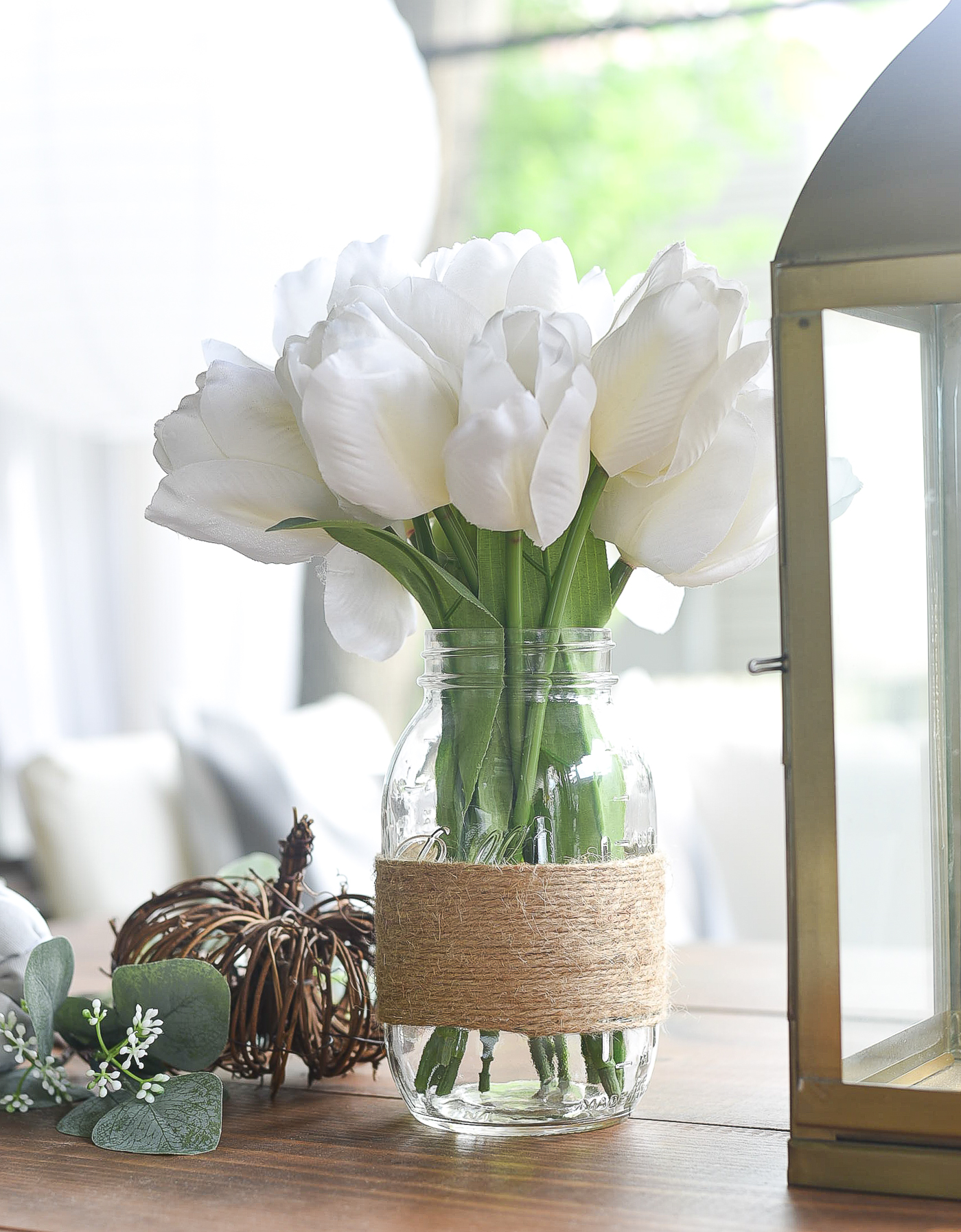
Twine wrapped around glass jars creates a sturdy base that catches light softly while hiding the plain jar surface. The wrapping process lets you control thickness so the finished piece feels substantial rather than flimsy. Place several jars of different heights together on a tray for an instant focal point on dining tables or mantels.
The natural fiber also grips well when you add a second layer of thinner twine in a contrasting color for subtle stripes. You can fill the jars with fresh greenery, dried lavender, or battery candles depending on the season. One practical detail is to apply a thin coat of clear glue before wrapping so the twine stays tight even after repeated handling.
Rope Macrame Wall Hangings
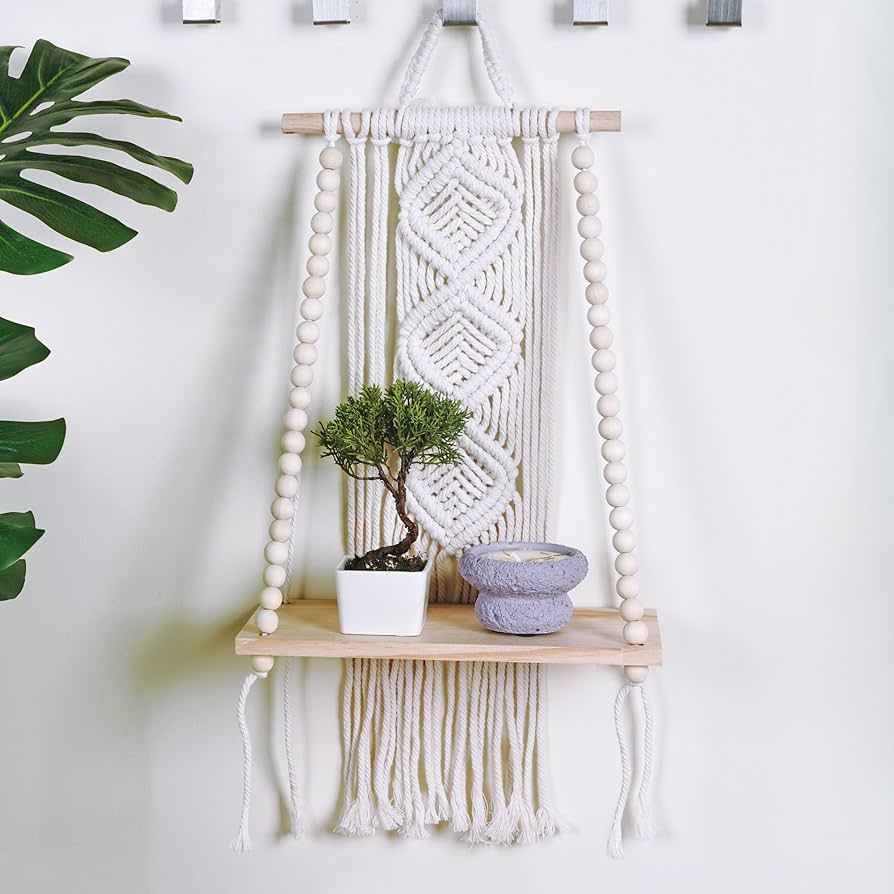
Rope macrame hangings use basic knots to form patterns that soften large wall spaces without overwhelming them. The thickness of the rope determines how bold the finished piece appears, with three-quarter-inch rope giving stronger definition than thinner cord. Hang one large piece above a sofa or group smaller versions in a staggered arrangement along a hallway.
Rope that has been pre-stretched for a day before knotting holds its shape longer once hung. Different knot combinations produce open lace effects or denser geometric blocks, so you can match the hanging to the room’s existing lines. Dust settles on the fibers over time, but a gentle shake or light vacuum with a brush attachment keeps the piece looking fresh.
Twine Framed Mirrors
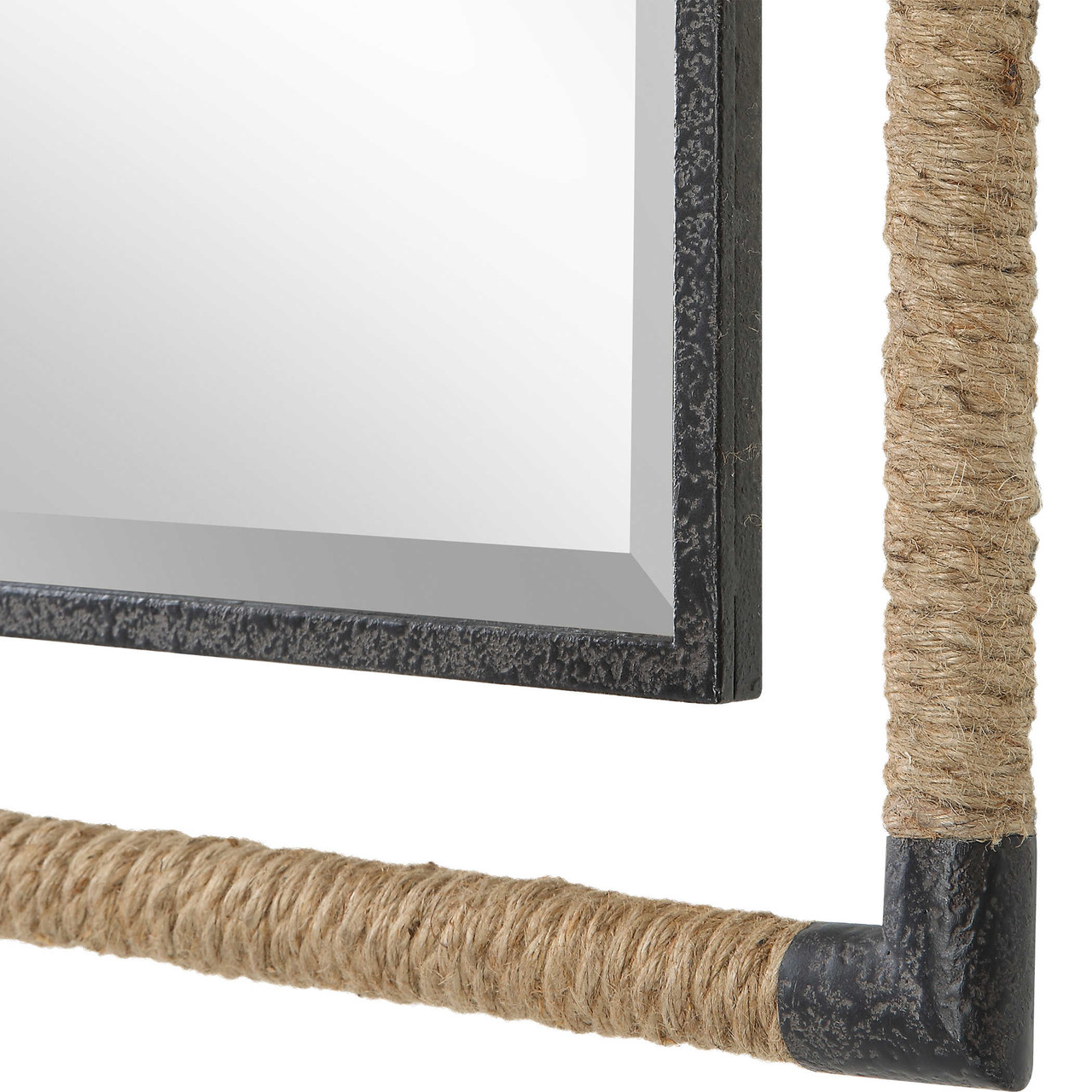
Twine wrapped frames turn ordinary mirrors into textured focal points that reflect more light into darker corners. The wrapping covers the frame evenly when you work in sections, starting from the inside edge and moving outward. Choose a frame with a flat surface so the twine lies smooth without gaps.
You can leave the twine natural or dip the ends in fabric dye for a subtle ombre effect at the corners. The finished mirror works equally well in bathrooms above a sink or in entryways where it catches morning light. Secure the twine ends with a dab of hot glue on the back so they stay hidden from view.
Rope Coasters and Trivets
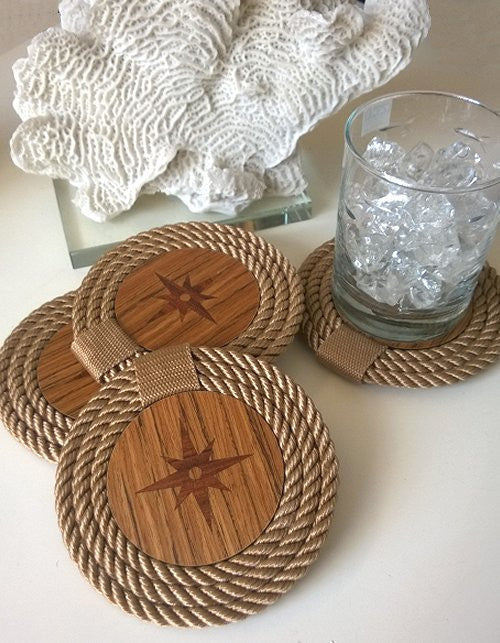
Rope coiled into flat circles or ovals creates heat-resistant surfaces that protect wood tables from hot dishes. The coiling method lets you adjust the final diameter from small drink coasters up to larger trivets for serving platters. Natural rope colors blend with most rustic tables while still showing the coil pattern clearly.
| Rope Type | Best Use | Durability | Color Options |
|---|---|---|---|
| Cotton | Everyday coasters | Moderate, softens with washing | Natural, dyed |
| Jute | Larger trivets | High, stiffens when dry | Natural only |
| Sisal | Outdoor tables | Very high | Natural only |
- • Start with a tight center coil and work outward, gluing each new layer to the previous one
- • Finish the outer edge with a simple whip stitch using matching twine for a clean border
- • Allow full drying time before first use so the shape stays flat
Twine Wrapped Candles
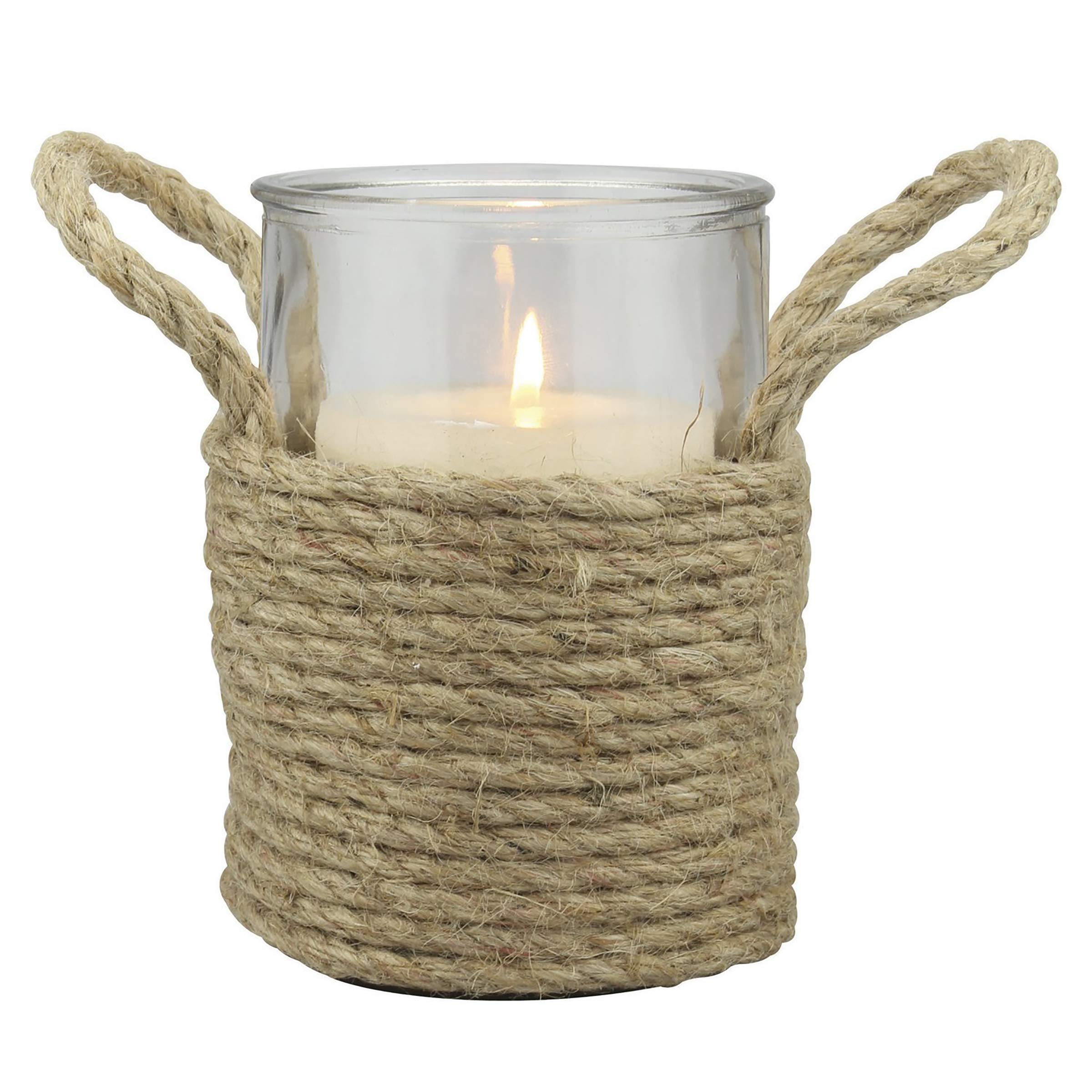
Twine wrapped around pillar candles or glass holders adds grip and visual weight that prevents the candle from looking too delicate. Wrap in a single layer for a lighter effect or build up several layers for stronger texture. The twine also catches wax drips, making cleanup easier than with bare glass.
Place these candles on shelves or side tables where the light plays across the wrapped surface. Keep the flame away from the twine itself by leaving at least an inch of bare candle at the top. This small detail keeps the project safe while still showing off the wrapped detail.
Rope Woven Baskets
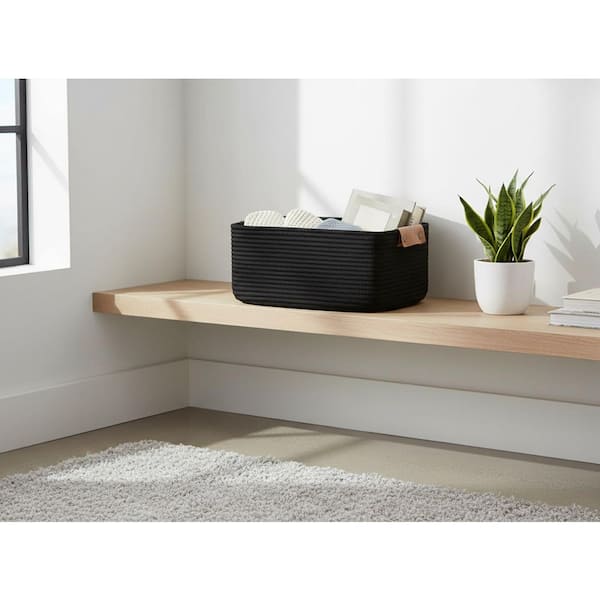
Rope baskets gain structure from tight weaving that holds shape even when filled with blankets or magazines. The weaving pattern shows best with medium-weight rope that bends without kinking. Line the finished basket with fabric if you plan to store items that might snag on the fibers.
These baskets stack neatly when empty and expand to hold bulky items without losing their form. The natural color works in living rooms, bathrooms, or laundry areas. Over time the rope softens slightly with use, which actually improves the basket’s drape around contents.
Twine Curtain Tiebacks
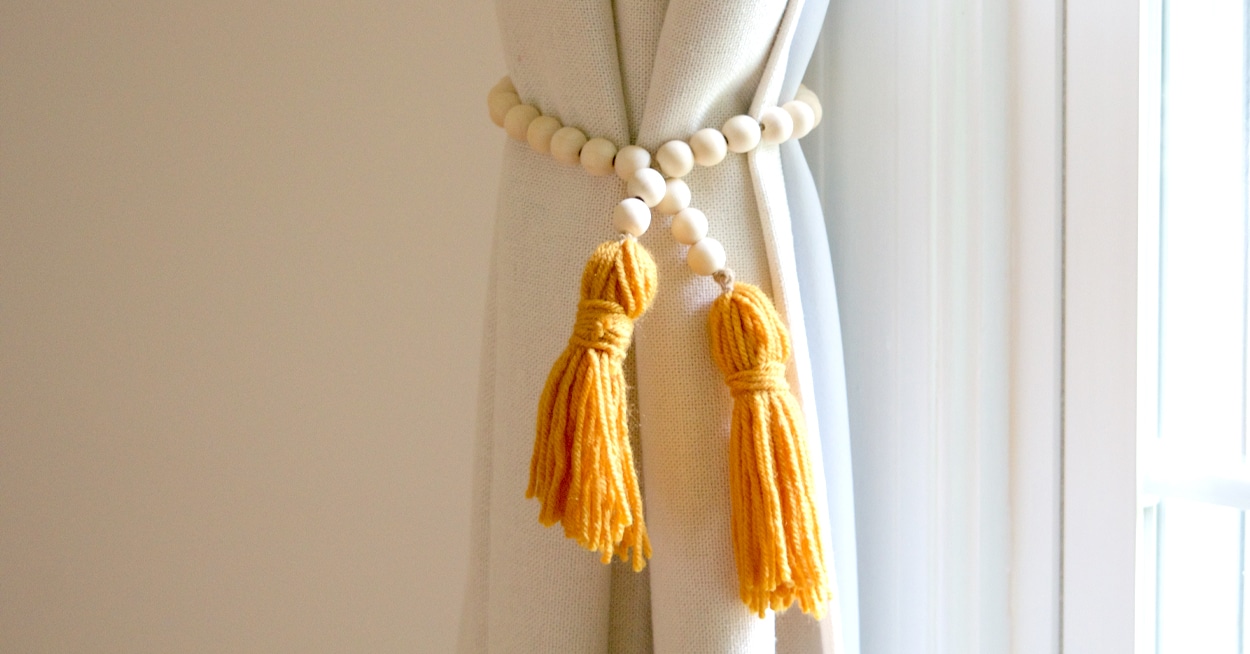
Twine tiebacks keep curtains pulled open during the day while adding a finished detail at the window edge. Form the tieback by braiding several strands together or wrapping a single thick piece around a simple hook. The length adjusts easily so the curtain gathers at the height you prefer.
Install the hooks first, then test the tieback position before cutting the final length. The twine pairs naturally with linen or cotton curtains and looks intentional rather than temporary. One extra step is to add a small wooden bead at each end to keep the braid from unraveling.
Rope Plant Hangers
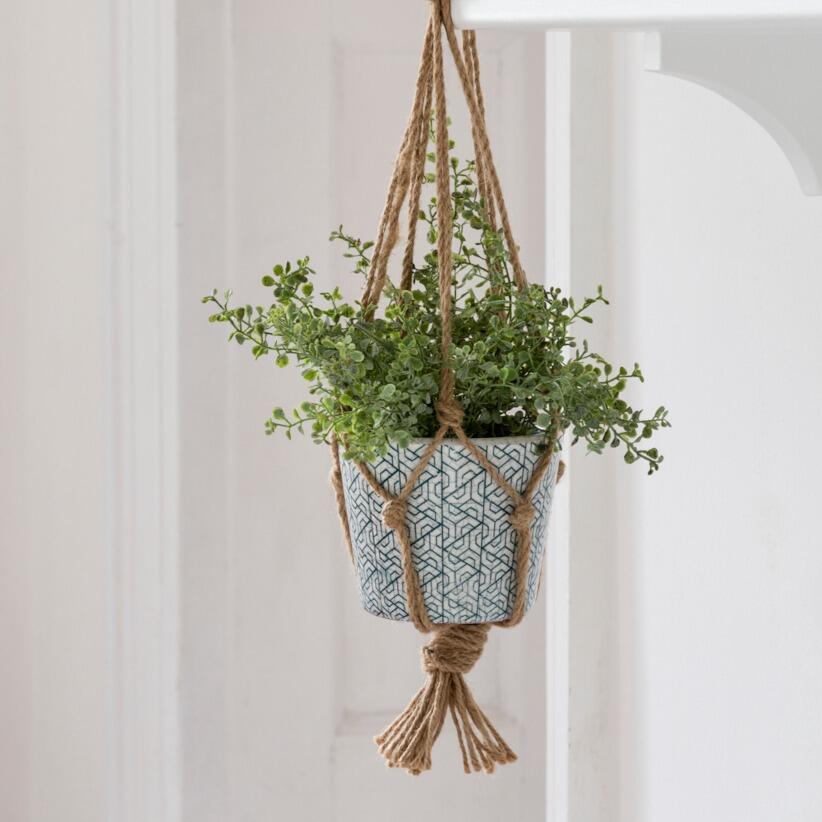
Rope plant hangers distribute weight evenly across four or six strands so the pot stays level. The macrame-style knots create visual interest that draws the eye upward in corners or near windows. Choose rope that matches the pot color for a seamless look or use contrasting rope for more definition.
Hang the finished piece from a ceiling hook rated for the combined weight of pot, soil, and plant. Water carefully to avoid soaking the rope, or place a saucer inside the pot as a barrier. The hanger can be shortened or lengthened by retying the top knot when you change plants.
Twine Jewelry Organizers
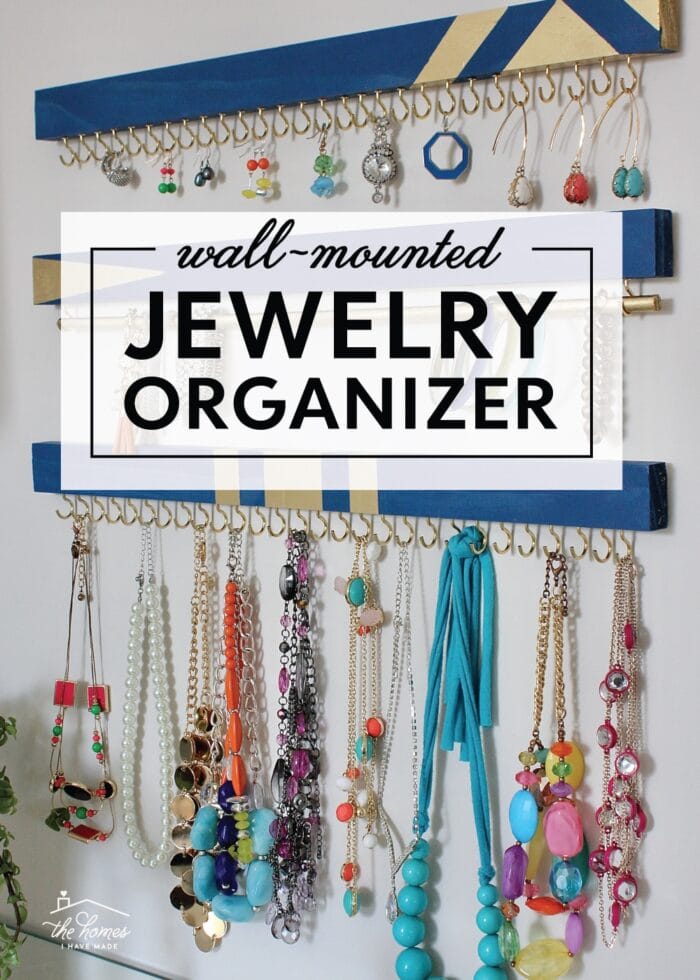
Twine stretched across a wooden board creates rows of loops that hold necklaces without tangling. Space the strands evenly so each piece has room to hang straight. The board itself can be painted or left natural to match other wall pieces in the room.
Add small hooks along the bottom edge for bracelets or earrings. This layout keeps everything visible so you can choose pieces quickly in the morning. The twine stays taut when you secure the ends with screws on the back of the board rather than relying on glue alone.
Rope Door Mats
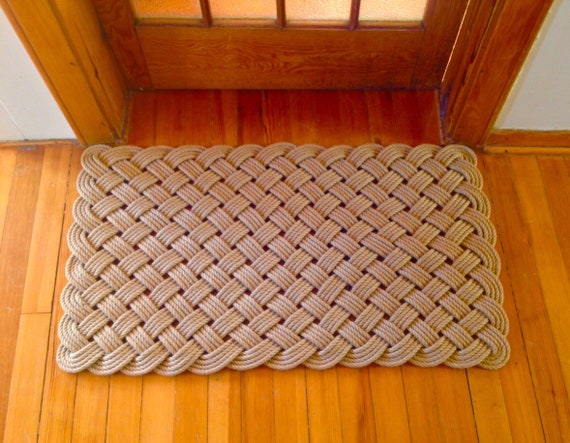
Rope mats trap dirt at the door while adding a substantial texture underfoot. Coil the rope tightly and secure each layer so the mat stays flat even with heavy traffic. The finished size can match standard door dimensions or run longer for a runner effect in hallways.
Place the mat on a rubber backing to prevent slipping on smooth floors. Shake or vacuum regularly to remove loose debris. The rope fibers dry quickly after rain, making the mat practical for covered porches as well as interior entries.
Twine Lampshade Covers
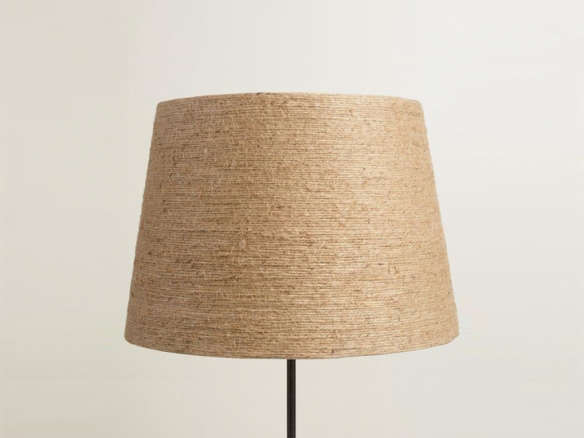
Twine wrapped around an existing lampshade diffuses light into a softer glow while hiding dated fabric. Work in even rows so the light still passes through without dark spots. The wrapping also adds weight that helps the shade sit straighter on the lamp base.
Test the lamp with the new cover before final trimming so you can adjust any areas where light leaks unevenly. The natural twine color warms the light output compared with white shades. Keep the bulb at least two inches away from the twine to maintain safe clearance.
Rope Wrapped Furniture Accents
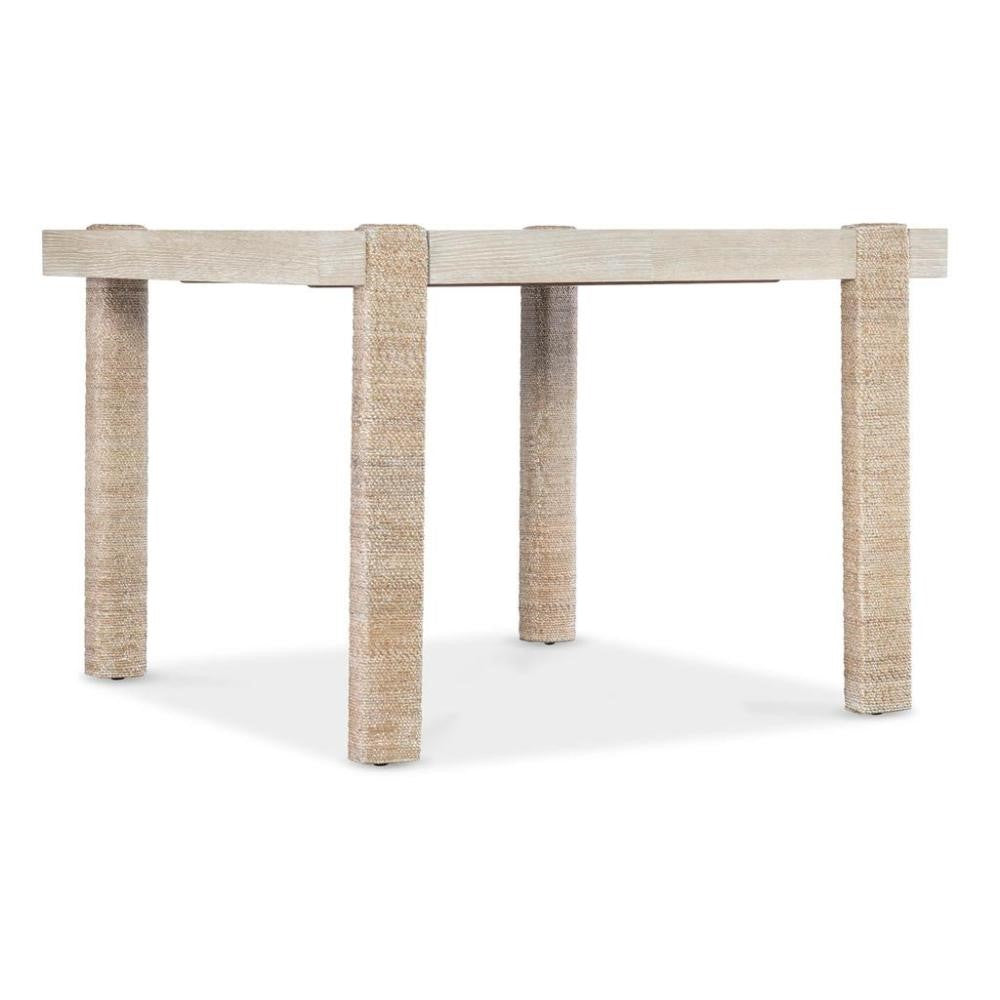
Rope wrapped around table or chair legs adds grip and visual weight that grounds lighter furniture pieces. Wrap from the floor upward in a consistent direction so the pattern reads as intentional. The rope also protects the leg surface from scuffs during daily movement.
Secure the starting and ending points with small nails or upholstery tacks on the underside so the wrapping stays tight. This treatment works on both new and older furniture, giving each piece a unified rustic appearance. The rope can be replaced later if it becomes worn without damaging the underlying wood.
Leave a Reply