

Tin cans from the pantry transform into durable bases for fall decor because their cylindrical shape and metal surface accept paint, hold candles, and support fresh or dried elements without tipping. Each project below uses common household supplies and delivers pieces that fit mantels, tables, and entryways through the season.
Rustic Tin Can Lanterns
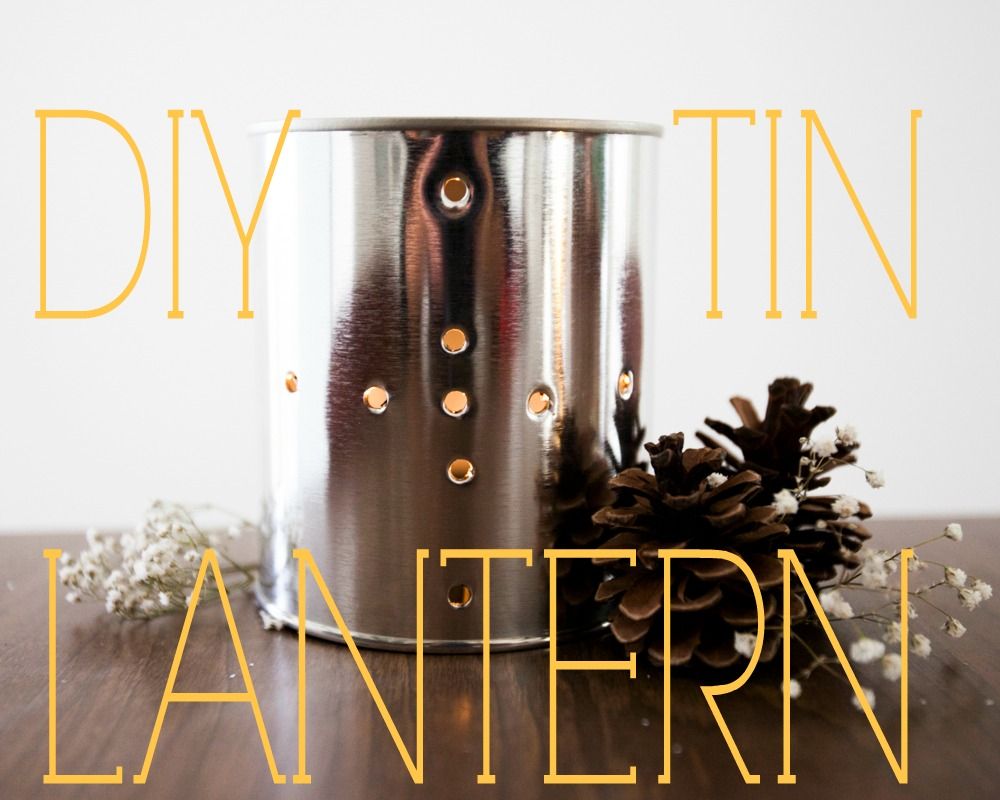
These lanterns cast warm light through punched patterns that echo falling leaves or simple geometric shapes. The metal retains heat from tea lights while the open top allows smoke to escape, making them suitable for covered porches or indoor tabletops.
Place several lanterns of graduated heights along a windowsill to create depth without blocking views. Choose matte black or deep rust finishes so the metal reads as aged rather than new.
Sealing the punched edges with clear spray prevents sharp points from catching fabric when you move the lanterns indoors.
Tin Can Autumn Vases
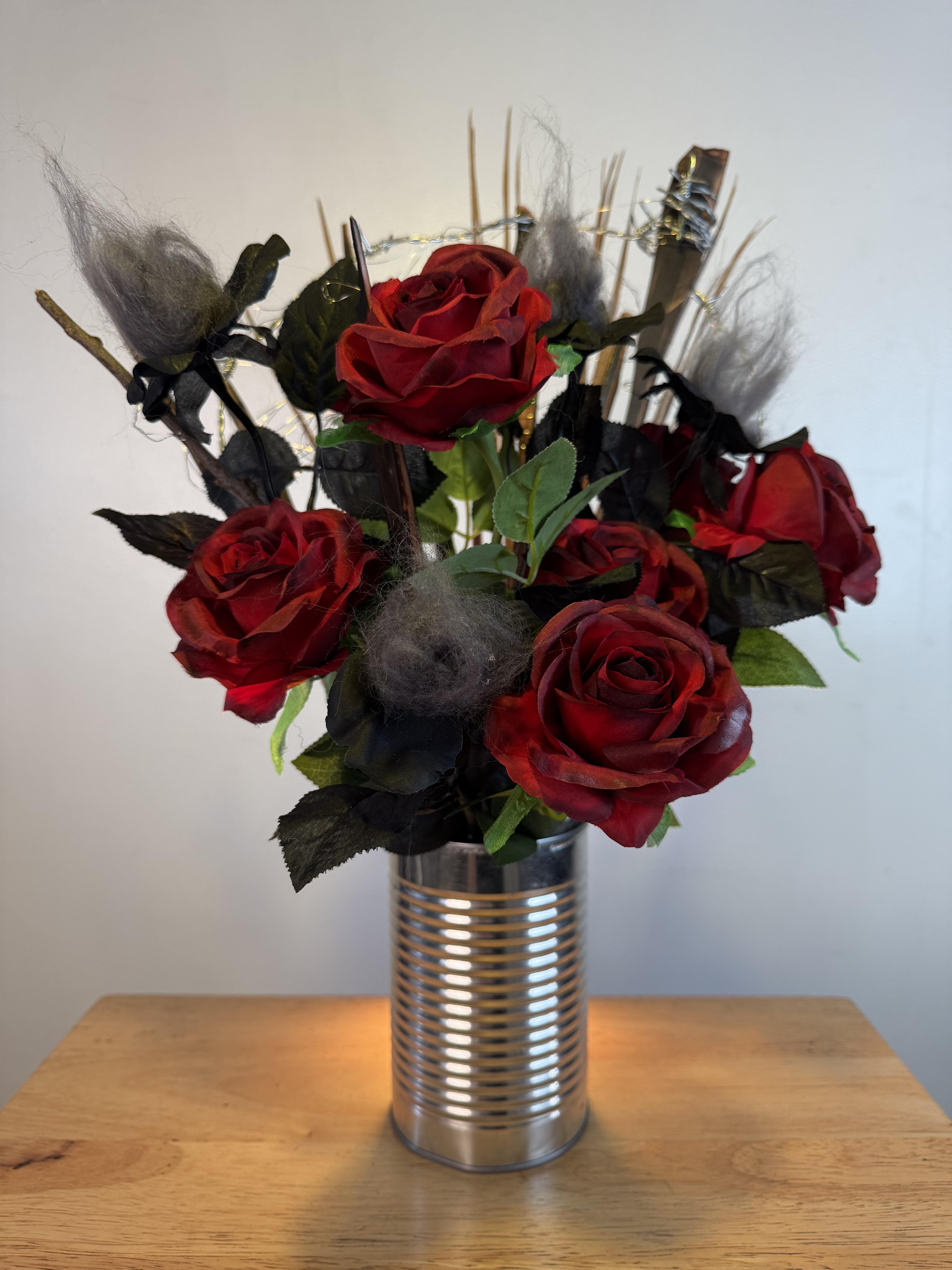
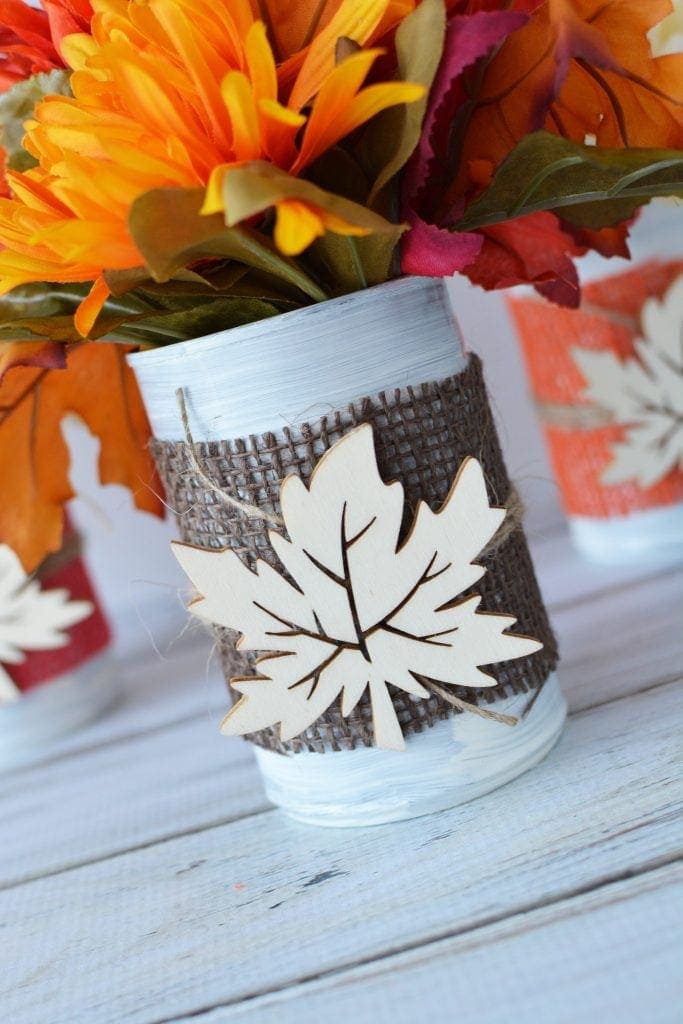
Tall cans hold bundles of wheat, dried hydrangeas, or maple branches without needing additional weight at the base. Their straight sides let you wrap them in burlap, twine, or washi tape that matches your existing textiles.
Group three vases in the center of a dining table and vary the stem heights so the arrangement feels collected rather than uniform. Swap contents weekly as new yard clippings become available.
Painted Tin Can Pumpkins
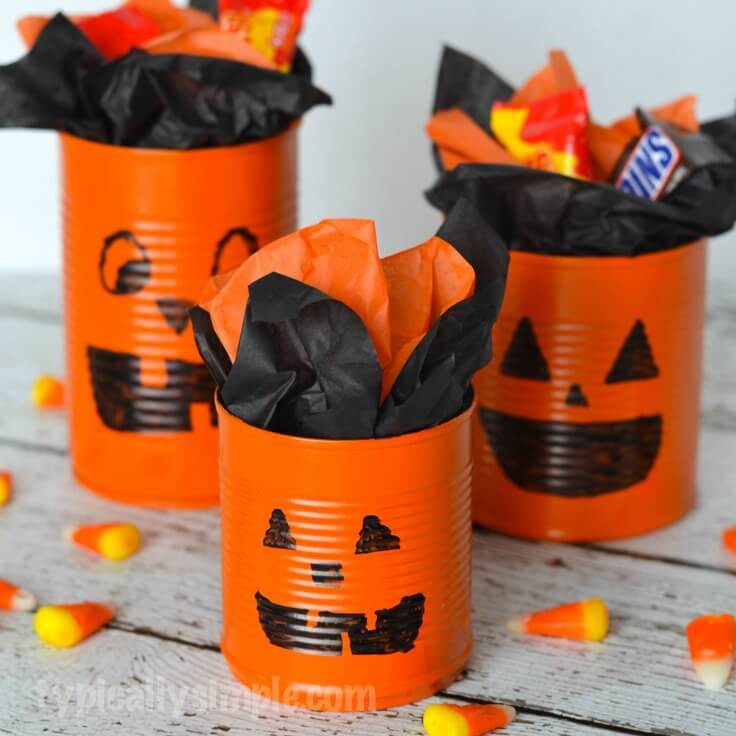
Cans painted orange and topped with a small wood slice or cinnamon stick read as miniature pumpkins once clustered on a tray. The cylindrical form already mimics the rounded body, so only the color and stem detail are needed.
Line a mantel with six or seven finished cans in slightly different orange tones to avoid a manufactured look. Add a light sanding step after painting so the surface feels softly worn.
Tin Can Candle Holders
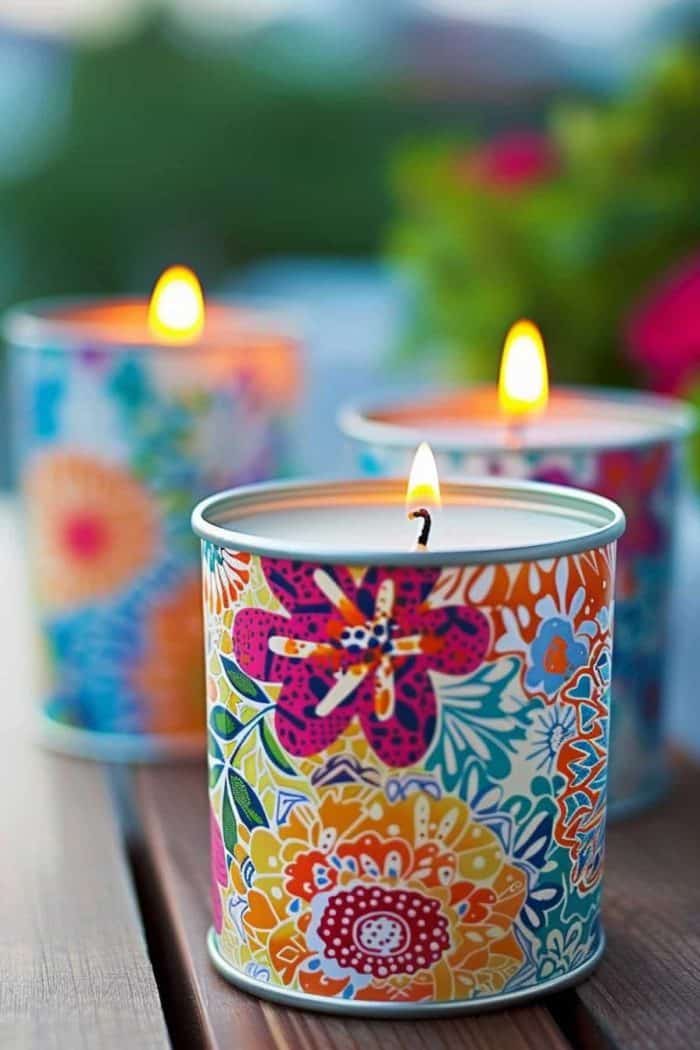
Wider cans accommodate pillar candles while narrower ones suit tapers. A ring of dried cranberries or small pinecones around the base adds seasonal scent and color without glue.
Rotate the holders throughout the room so the same set serves both the dining table and the coffee table on different evenings. Use unscented candles if the room already contains other fragrant elements.
Tin Can Fall Wreaths
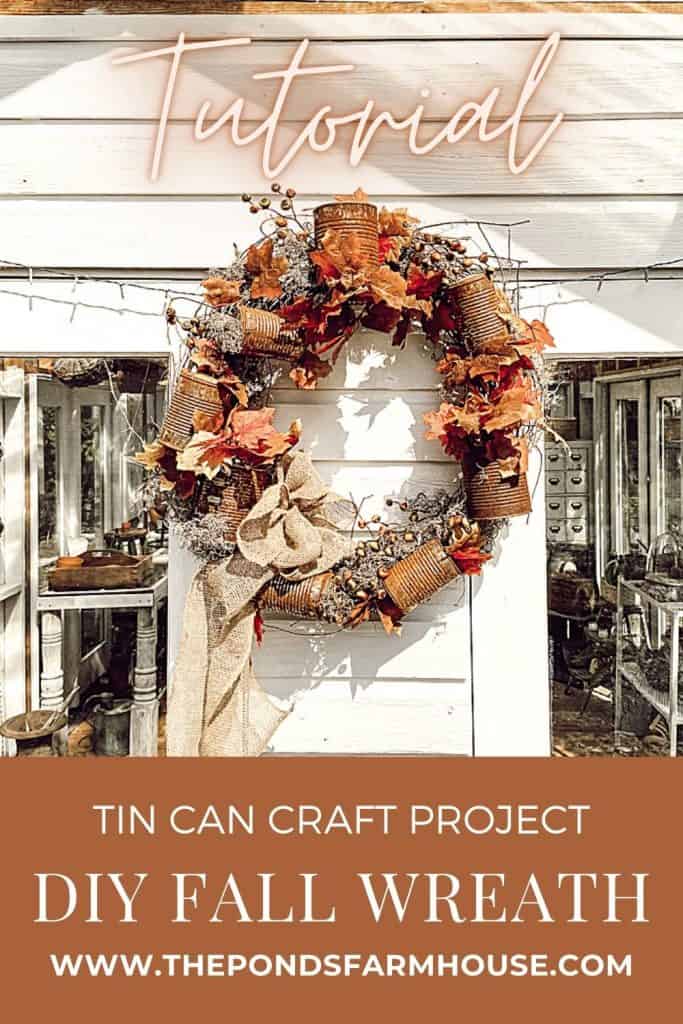
Flatten several cans, cut them into leaf shapes, and wire them together in a circular frame for a lightweight wreath that hangs on doors or cabinets. The metal reflects light differently than traditional grapevine, giving the piece subtle movement.
Hang the wreath where it catches morning sun so the punched or embossed details cast small shadows on the wall behind it. Store flat between seasons to avoid bending the metal leaves.
Tin Can Centerpieces
Multiple cans wired or glued to a wooden tray create a modular centerpiece that can be rearranged as the season progresses. Fill some with candles and others with small potted plants so the arrangement mixes light and living texture.
Choose a tray that matches your existing wood tones so the finished piece blends with furniture rather than sitting on top of it. Keep the overall height under twelve inches so conversation across the table remains easy.
Tin Can Planters with Mums
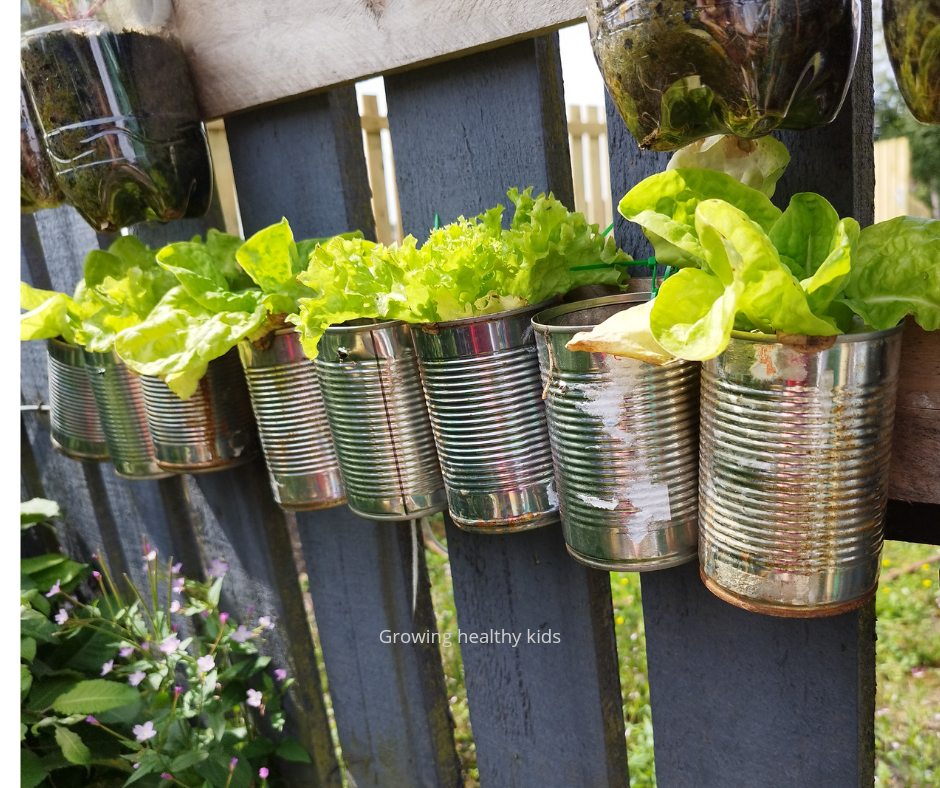
Drain holes punched in the bottom turn cans into temporary planters for hardy mums or pansies that tolerate cooler temperatures. The metal walls retain moisture longer than terracotta, reducing watering frequency during dry fall weeks.
Set three planted cans on a step near the front door where the bright blooms contrast with the changing foliage. Move them inside before the first hard frost if you want to extend their life.
Tin Can Wall Art Panels
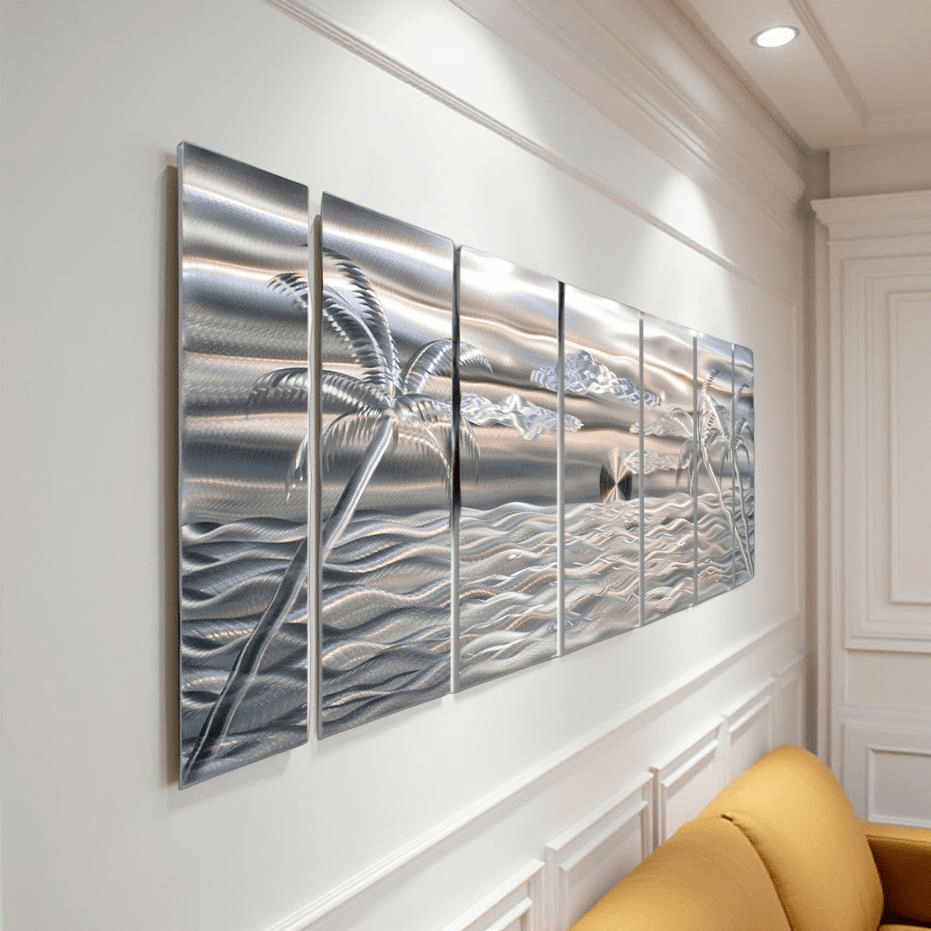
Flattened cans nailed to a board in a grid pattern create reflective wall pieces that catch lamplight in the evening. Paint the metal in muted metallics or leave it natural so the surface echoes other hardware in the room.
Hang the panel above a console table to bounce light into darker corners without adding another lamp. Dust the surface monthly with a dry cloth to maintain the reflective quality.
Tin Can Storage Containers
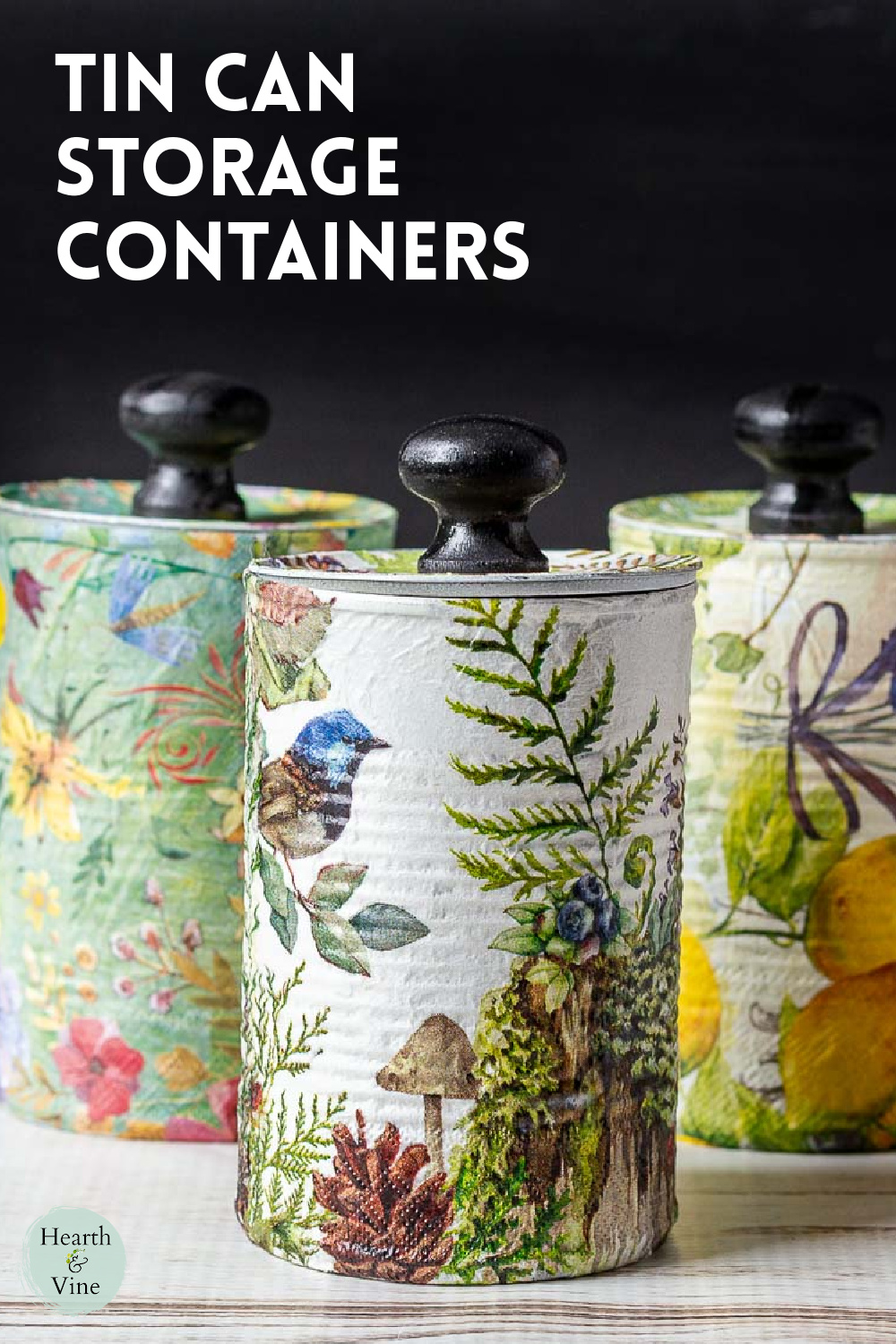
Lidded cans keep matches, spare keys, or small craft supplies organized on open shelves while still looking intentional. Label each lid with chalkboard paint so contents can change without permanent markings.
Stack shorter cans inside taller ones when not in use to save space. The metal construction prevents warping even if the containers sit near a humid window.
Tin Can Bird Feeder Stations
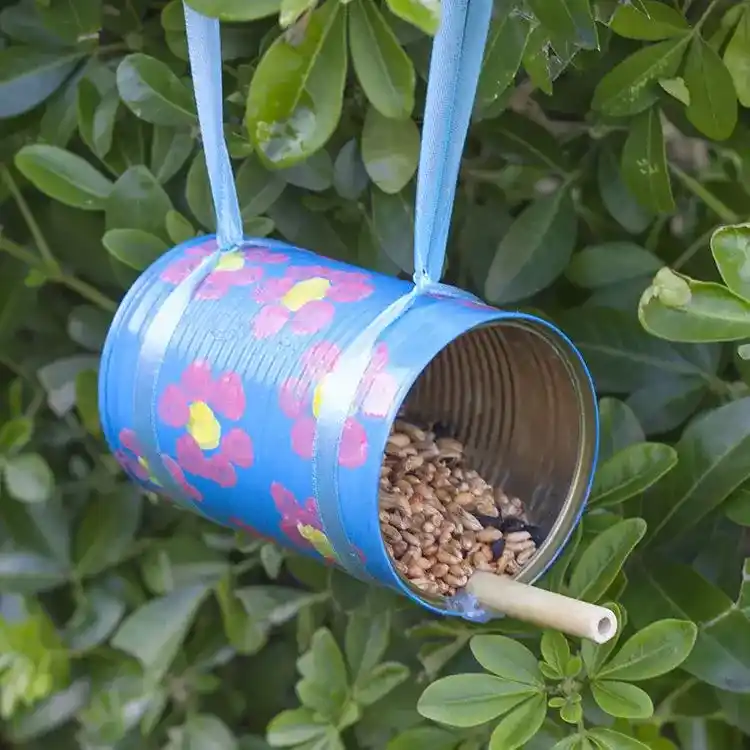
Cans mounted on a wooden post or hung from branches hold seed mixes that attract chickadees and finches through late fall. The open top lets birds perch while the sides protect seed from wind.
Position feeders where you can see them from a window but at least six feet from the house to reduce collisions. Refill weekly so the metal stays clean and free of mold.
Tin Can Scented Diffusers
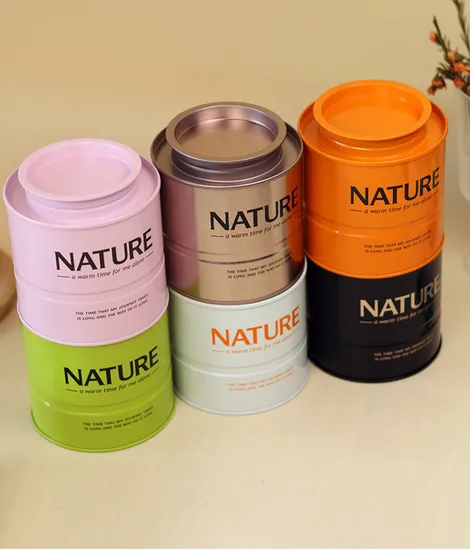
Cans filled with reed diffusers or dried orange slices and cinnamon sticks release subtle fall fragrance without open flames. The metal contains spills better than glass when placed on wooden surfaces.
Refresh the scent every ten days by adding a few drops of essential oil directly onto the reeds. Keep one near the entryway so the aroma greets visitors as they step inside.
Tin Can Mantel Accents
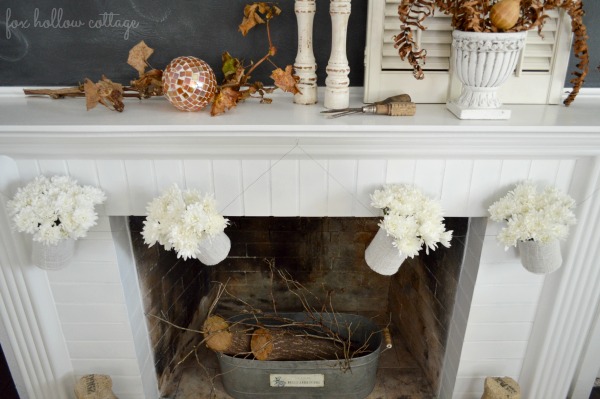
Short cans wrapped in plaid ribbon or left plain serve as risers that lift smaller decor items to different heights along the mantel. Their weight prevents lightweight pieces from shifting when doors open.
Alternate the cans with framed photos or small pumpkins so the eye travels across the entire length rather than stopping at a single focal point. Remove the cans after the holidays and store them nested inside one another.
FAQ
How do I prevent rust when using tin cans outdoors?
Apply two coats of rust-inhibiting primer to the interior and exterior before any paint or decoration. Let each coat cure fully, then finish with an outdoor-rated clear sealer. This extra step keeps the metal intact through several seasons of temperature swings and moisture.
Can I use tin cans for food storage after upcycling them?
Once a can has held paint, glue, or floral foam it should stay out of the kitchen. The porous surfaces trap residues that are difficult to sanitize completely. Reserve upcycled cans for decorative or craft use only.
What size cans work best for most fall projects?
Standard 28-ounce cans offer enough height for vases and lanterns while remaining easy to handle. Smaller 15-ounce cans suit candle holders and small accents. Avoid very large cans unless you have a specific weight or scale requirement, because they become top-heavy once filled.
How long does painted tin can decor typically last?
With proper priming and sealing, pieces remain attractive for three to five years of indoor use. Outdoor items last two seasons before the finish shows wear. Store them in a dry location during summer to extend their lifespan.
These projects prove that simple pantry items can deliver polished seasonal style when you focus on finish and placement. Start with the cans already in your recycling bin and build from there.
Leave a Reply