
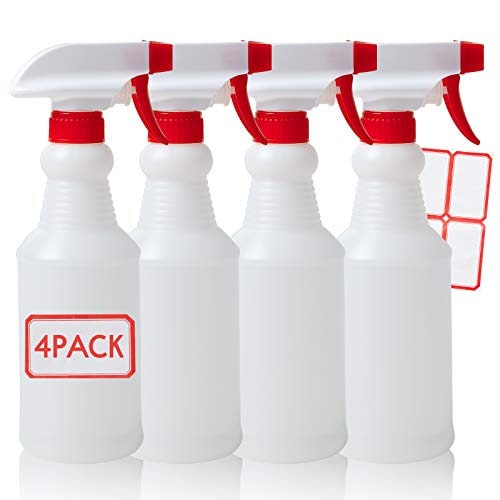
Vinegar handles dozens of cleaning jobs around the house with just one inexpensive bottle. White distilled vinegar cuts through mineral deposits, dissolves soap scum, and neutralizes odors on contact. Keep a spray bottle mixed at a one-to-one ratio with water for most tasks and you will reach for fewer commercial products.
Windows
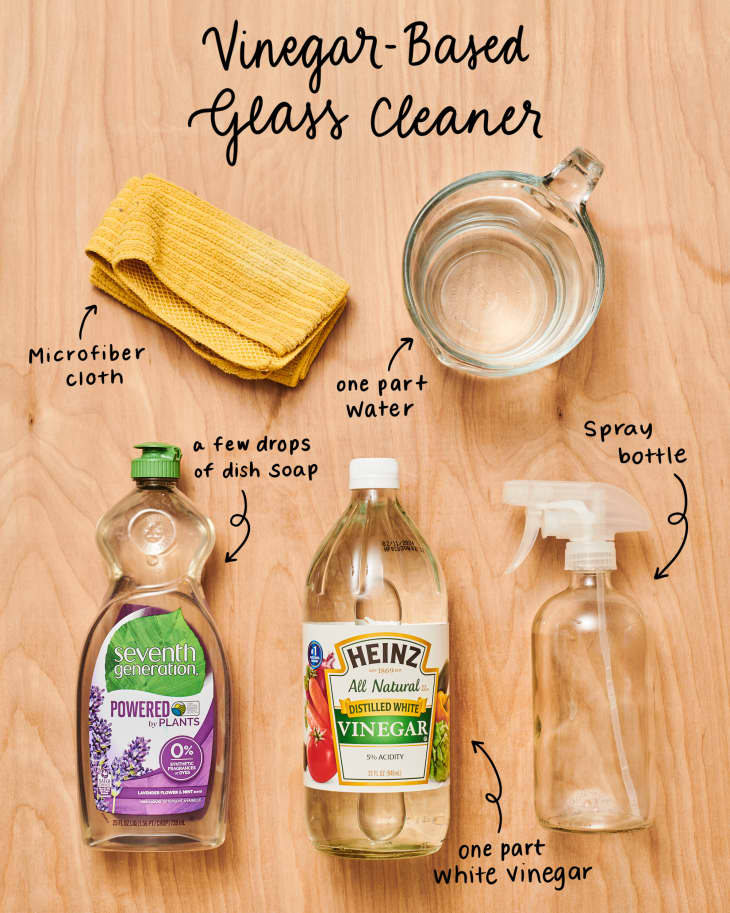
Windows come out streak-free when you spray the vinegar solution directly on the glass and wipe with a microfiber cloth. The acetic acid prevents the hazy residue that commercial glass cleaners often leave behind. Work on overcast days so the solution does not dry too quickly and create new streaks.
You can also dip crumpled newspaper into the vinegar mix for a lint-free finish that many professional window cleaners still prefer. Pay extra attention to the corners where dust tends to collect. Rinse the cloth frequently in clean water to avoid redistributing dirt.
Coffee Makers

Vinegar removes scale from internal heating elements that detergent never reaches.
Run a full cycle with equal parts vinegar and water, then follow with two plain-water cycles to clear any remaining taste. This process restores proper flow rate and keeps the machine from overheating.
How often should I run vinegar through my coffee maker?
Most manufacturers recommend descaling every three months in hard-water areas or twice a year elsewhere. Mark the calendar so the task does not get forgotten. If you notice slower brewing or white flakes in the carafe, run the cycle sooner rather than later.
Toilets
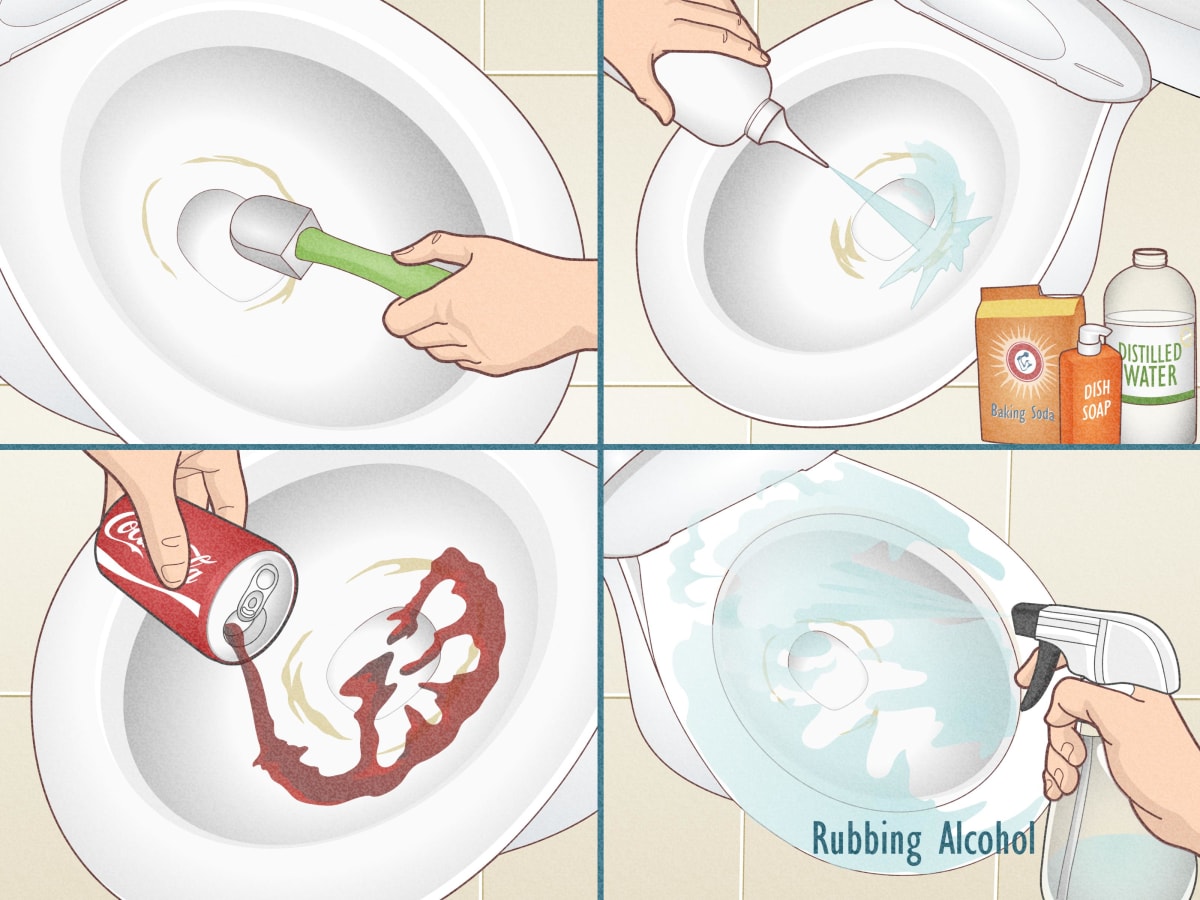
Pour one cup of undiluted vinegar around the rim and let it sit for at least fifteen minutes before scrubbing. The acid breaks down limescale rings that form just below the water line. A toilet brush with stiff bristles finishes the job quickly.
For extra odor control, leave a small open bowl of vinegar on the tank overnight. The same solution works on the seat hinges and exterior surfaces without damaging chrome or porcelain.
Microwaves
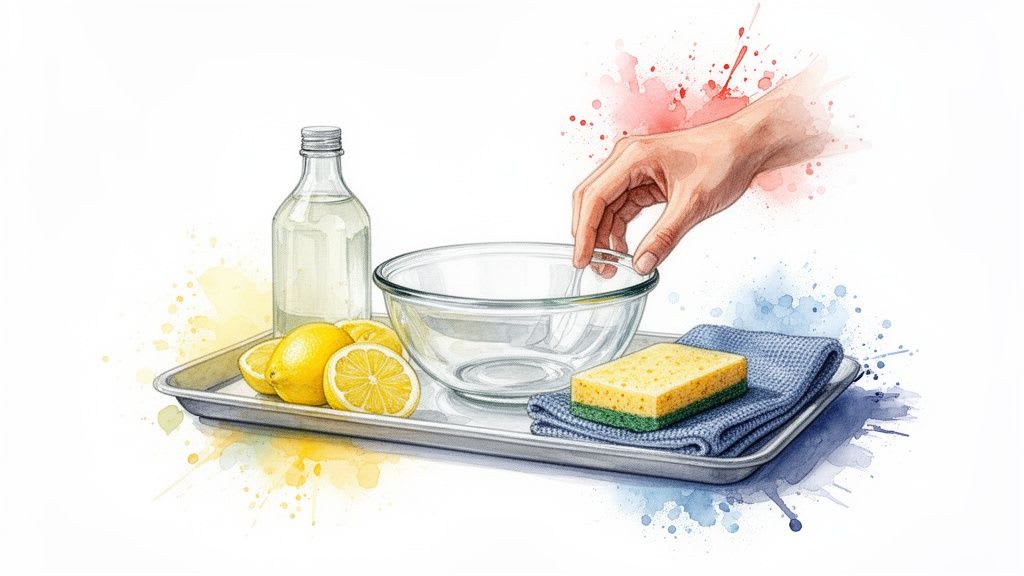
Place a microwave-safe bowl filled with one cup of water and a quarter cup of vinegar inside the unit. Heat on high for three minutes so steam loosens baked-on splatters. Wipe the interior with a damp cloth once the door opens safely.
How do I clean a heavily soiled microwave with vinegar?
Increase the vinegar ratio to half water and half vinegar for stubborn messes, then repeat the steam cycle. The extra acidity softens caramelized food without scraping. Finish by wiping the turntable and door seals.
Hardwood Floors
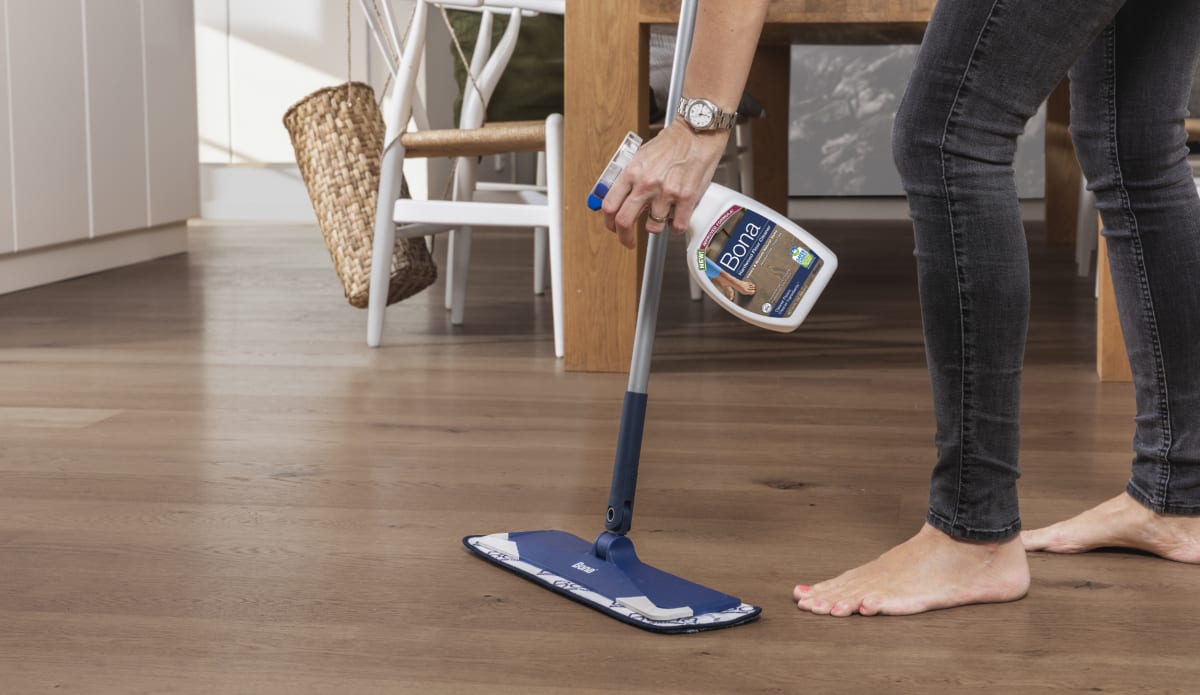
A light vinegar solution restores shine to sealed hardwood without the sticky film that soap-based cleaners leave. Mix one-half cup vinegar with one gallon of warm water and use a barely damp mop. Work in the direction of the grain and change the water often.
Never pour the solution directly onto the floor. Test first in an inconspicuous corner to confirm the finish tolerates the mild acid. Avoid this method on waxed or unsealed wood.
| Cleaner Type | Residue Risk | Odor Level | Cost per Use | Best For |
|---|---|---|---|---|
| Vinegar solution | Very low | Low | Under $0.10 | Sealed hardwood |
| Commercial floor soap | Medium | Medium | $0.25 | Everyday traffic areas |
| Steam mop only | None | None | Electricity | Light dust |
Laundry
Add one-half cup of vinegar to the rinse cycle to soften fabrics and remove detergent buildup. The same addition lifts pet odors from towels and workout clothes. White vinegar also helps set colors so darks stay dark longer.
Use it in place of fabric softener when washing baby items or sensitive skin clothing. The acid does not leave a fragrance that might irritate.
Wooden Cutting Boards
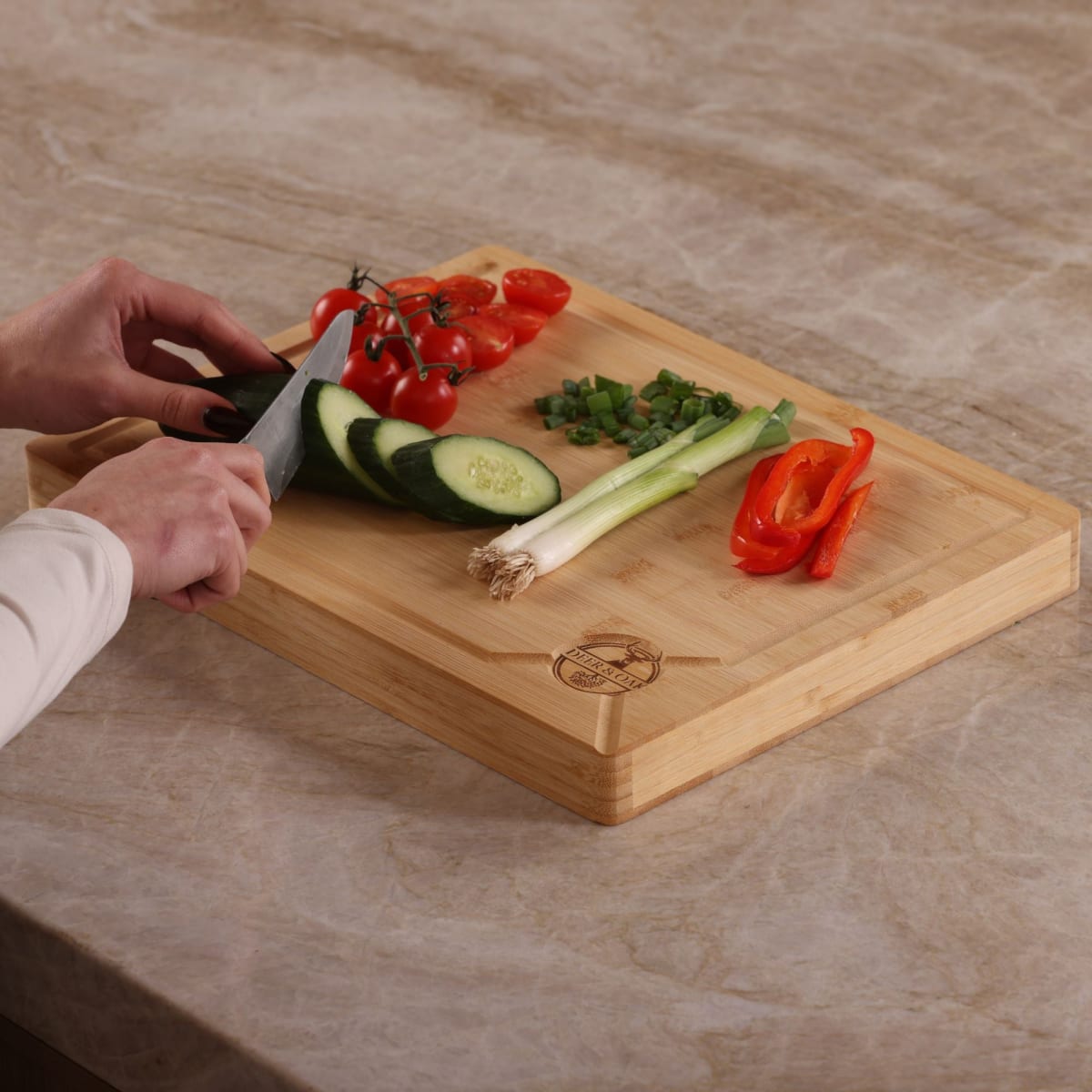
Spray the board with the standard vinegar solution after each use and let it air-dry upright. The acidity kills surface bacteria while the wood retains its natural oils. Rub a thin coat of mineral oil afterward to prevent cracking.
Avoid soaking the board or placing it in the dishwasher. Deep grooves benefit from an occasional scrub with coarse salt followed by the vinegar rinse.
Shower Heads
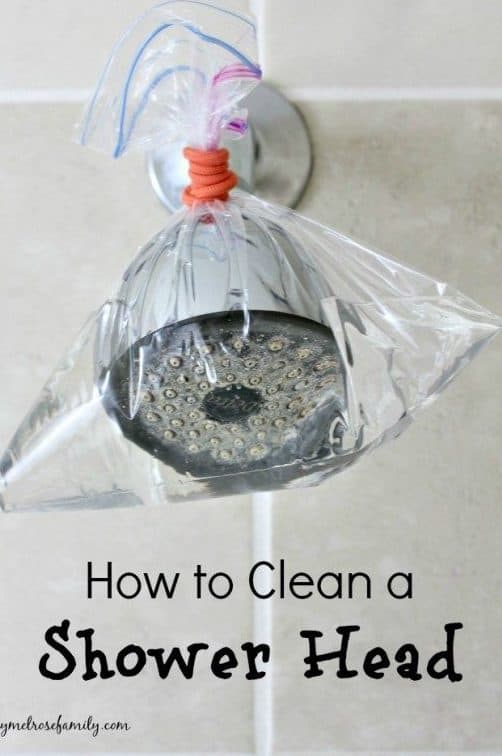
Fill a plastic bag with vinegar, secure it around the shower head with a rubber band, and leave it overnight. The next morning, remove the bag and run hot water to flush loosened minerals. Flow returns to full strength without disassembling the fixture.
How can I prevent future buildup on my shower head?
Wipe the head dry after each shower and run a quick vinegar spray once a week. Installing a simple inline filter also reduces incoming minerals. Both steps extend the time between deep cleanings.
Dishwashers
Pour two cups of vinegar into the bottom of an empty dishwasher and run a full hot cycle. The solution dissolves soap scum and hard-water spots from the interior walls and spray arms. Place a small cup of vinegar on the top rack during the same cycle for extra deodorizing.
Repeat monthly in hard-water regions. The clean cycle also freshens the drain hose and filter area.
Kitchen Sinks
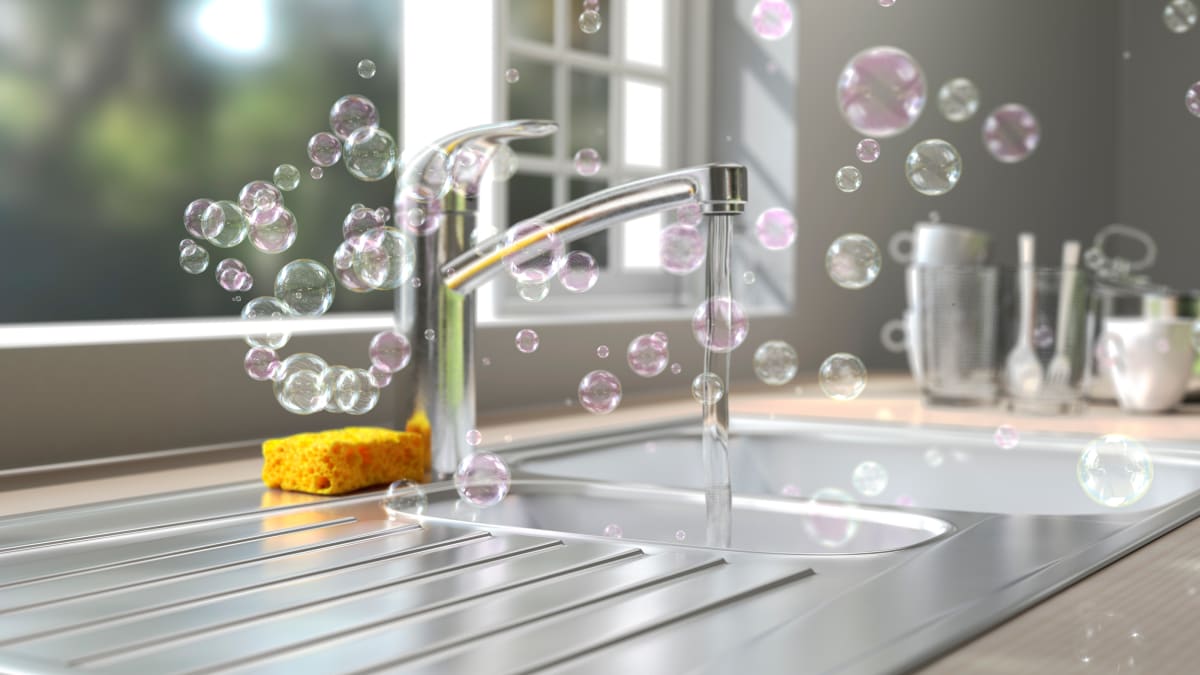
Sprinkle baking soda over the sink surface, then spray vinegar to create a foaming action that lifts grease. Scrub with a non-scratch pad and rinse thoroughly. The combination restores stainless steel shine and clears minor drain odors at the same time.
- Stainless steel sinks respond well to the baking-soda-and-vinegar paste.
- Porcelain sinks benefit from the same mix but require gentler scrubbing.
- Composite sinks tolerate the vinegar solution alone without additional abrasives.
A quick vinegar rinse after washing dishes prevents the dull film that builds up from hard water.
FAQ
How much vinegar should I use when cleaning a washing machine?
Add two cups of vinegar to an empty hot cycle once a month. Run an extra rinse if your machine has that option. This amount dissolves detergent residue without damaging seals or hoses.
Can I mix vinegar with bleach for stronger cleaning power?
Never combine the two. The mixture releases toxic chlorine gas. Use them on separate days if both are needed in the same area.
Does vinegar damage granite countertops?
The mild acid can etch polished granite over time. Use it only on sealed stone and wipe it off within a few minutes. Test a small area first.
Will vinegar remove pet urine odors from carpet?
Blot the spot first, then apply a one-to-one vinegar-and-water solution. Let it sit ten minutes before blotting again and allowing the area to air-dry. The acid neutralizes the ammonia component of the odor.
Vinegar earns its place under the sink because it handles so many jobs with one simple ingredient. Stock a couple of bottles and you will reach for fewer specialty cleaners while keeping surfaces fresh.
Leave a Reply