
Paracord, or parachute cord, has evolved from a military-grade survival tool into one of the most versatile materials in the DIY crafting world.
Known for its incredible tensile strength (the standard 550 cord can hold 550 pounds), durability, and resistance to rot and UV rays, it is the ultimate medium for both functional gear and stylish home decor.
Whether you are looking to organize your outdoor equipment or add a rugged, industrial touch to your living space, paracord offers endless possibilities through various knots, weaves, and braids.
1 The Classic Cobra Stitch Survival Bracelet
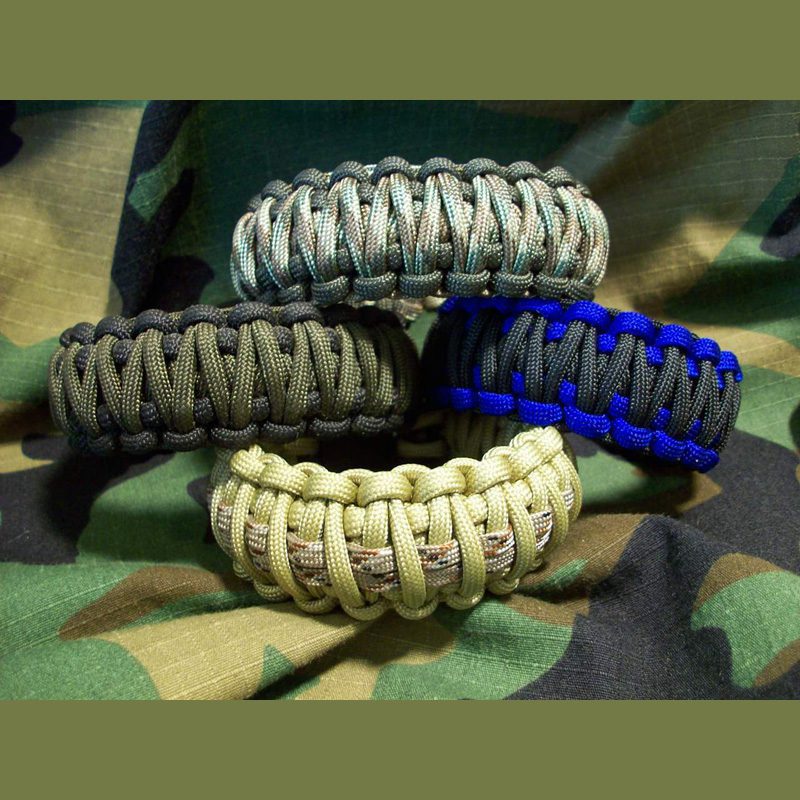
The survival bracelet is the gateway project for most paracord enthusiasts. It uses the Cobra Stitch (or Solomon Bar), which allows you to store several feet of cord on your wrist for emergencies.
How to make it:
You will need about 8-10 feet of paracord and a plastic side-release buckle. Loop the cord through the buckle ends to set your wrist size, then perform alternating square knots (cobra stitches) over the center strands until you reach the other end.
Singe the edges with a lighter to prevent fraying.
2 Heavy-Duty Braided Dog Leash
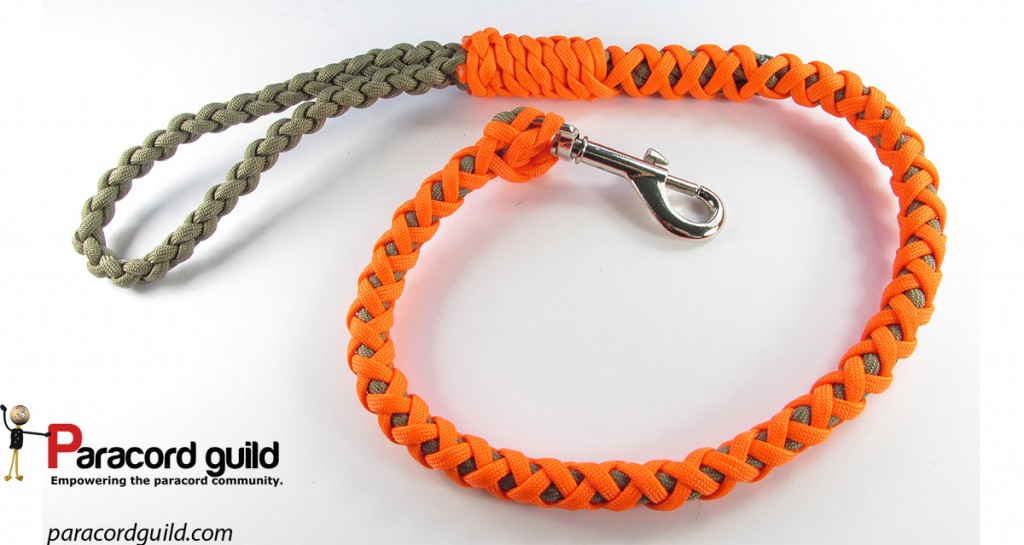
Commercial leashes often snap or fray, but a paracord leash is nearly indestructible. Using a four-strand round braid provides a comfortable grip and a slight “give” that absorbs shock if your dog lunges.
Materials:
40-60 feet of paracord (two colors look best) and a heavy-duty bolt snap hook.
Pro Tip:
Use a Crown Knot at the handle transition to ensure the leash doesn’t unravel under pressure.
3 Bohemian Style Paracord Plant Hanger
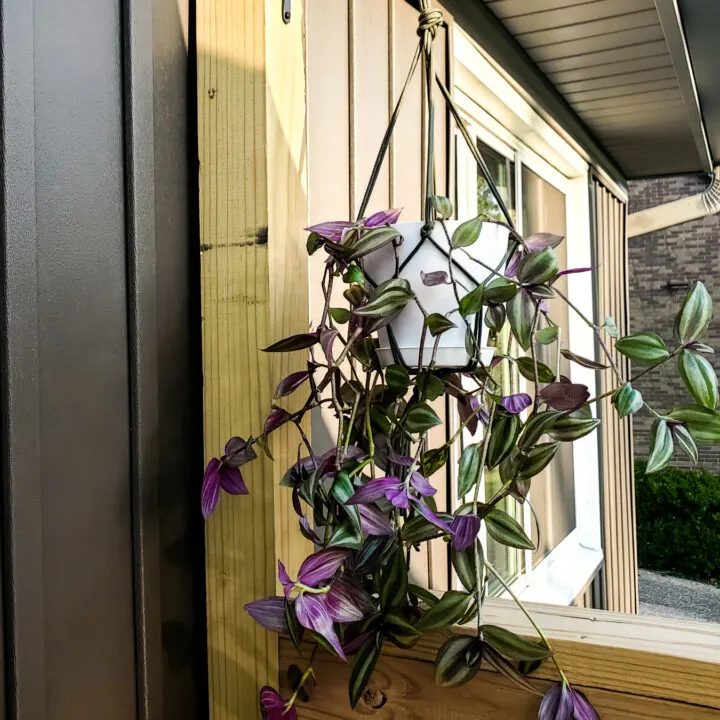
While macrame usually uses cotton rope, paracord is superior for outdoor plants because it won’t rot when exposed to water or humidity.
You can create intricate patterns using the same knots used in traditional macrame.
Technique:
Use a series of square knots and half-hitch knots to create the basket. This project is perfect for adding a pop of neon or earthy tones to your patio or sunroom.
4 Self-Defense Monkey’s Fist Keychain
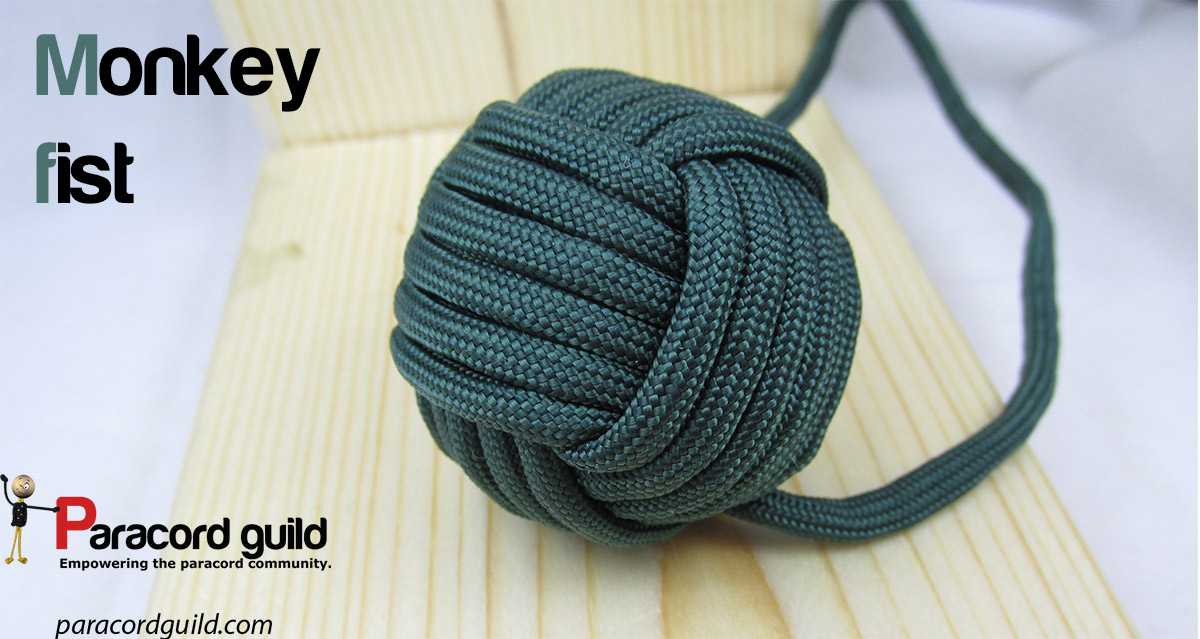
Originally used by sailors to weight the end of a rope, the Monkey’s Fist is now a popular keychain.
It involves wrapping cord around a core (like a steel ball bearing or a large marble) to create a weighted sphere.
Safety Note:
While decorative, these are often classified as tools for self-defense. Ensure you follow local regulations regarding weighted keychains.
5 Rugged Paracord Belt
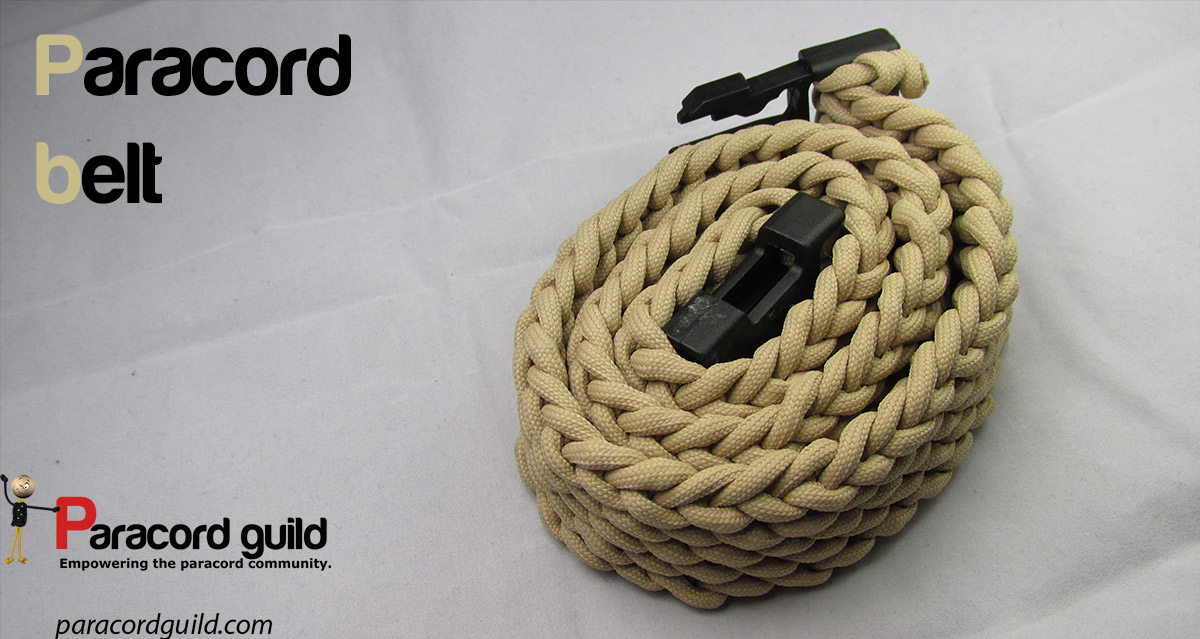
A paracord belt is a functional masterpiece. If you ever find yourself in a survival situation, you can unravel your belt to gain 50-100 feet of usable cord.
The Weave:
The Double Cobra or Slatt’s Rescue Braid are the best choices here. They produce a wide, flat surface that fits comfortably through standard belt loops.
You can use a traditional metal buckle or a tactical friction buckle.
6 Tactical Knife Handle Wrap
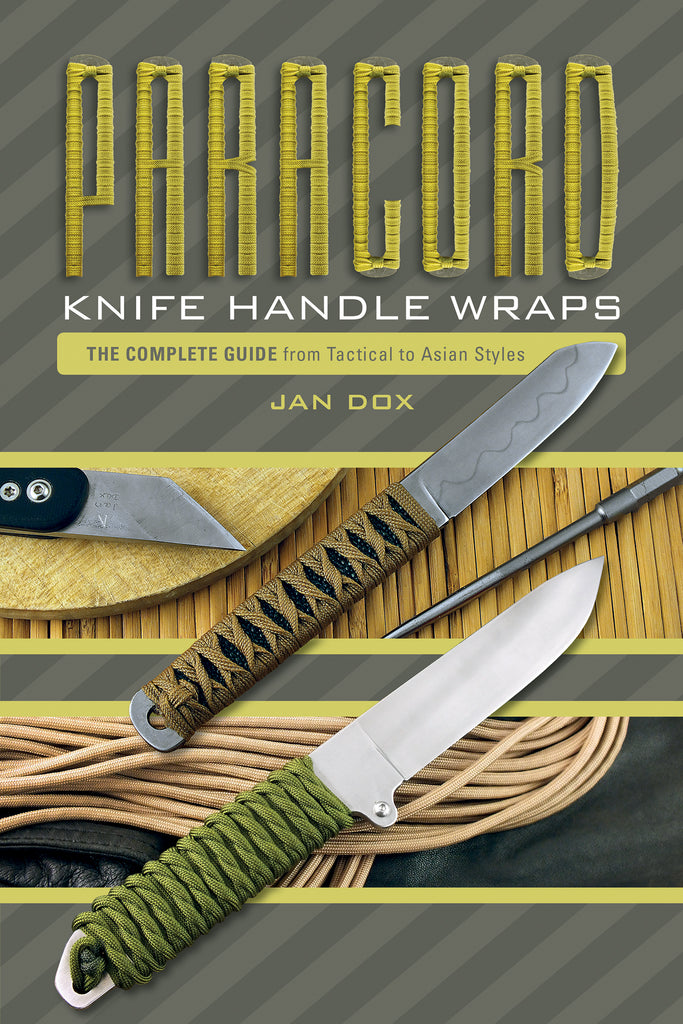
If you have a skeleton-handled knife or an old tool with a worn-out grip, a paracord wrap provides excellent ergonomics and a non-slip surface.
Method:
The Strider wrap is the most common, involving a series of interlocking loops that tighten as you pull.
This not only improves the grip but also ensures you always have cordage attached to your primary tool.
7 Minimalist Paracord Coasters
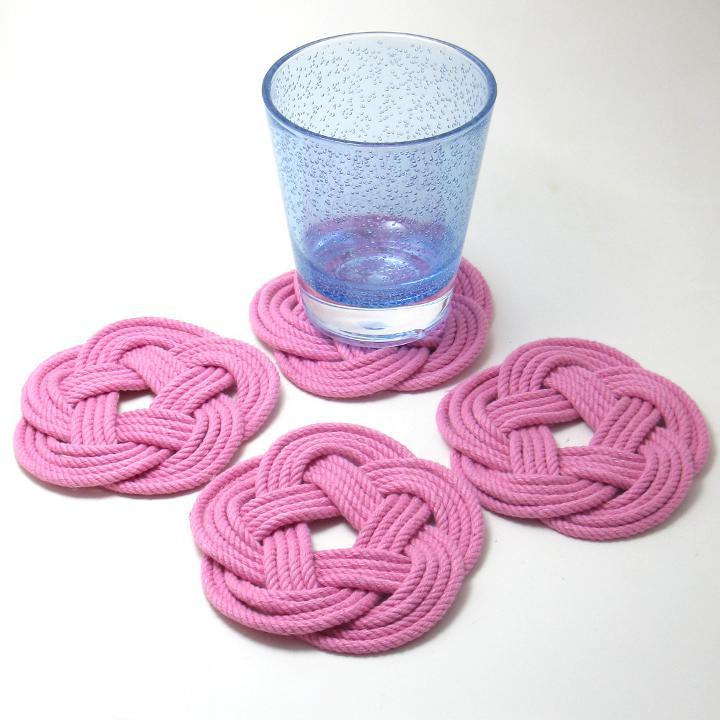
Protect your wooden surfaces with a nautical-themed coaster. By coiling paracord and sewing it together with a needle and thread (or using a hot glue gun for a quicker version), you create a durable, washable coaster.
Design Idea:
Use Camo patterned cord for a rustic cabin feel, or solid white for a clean, coastal look.
8 Adjustable Water Bottle Sling
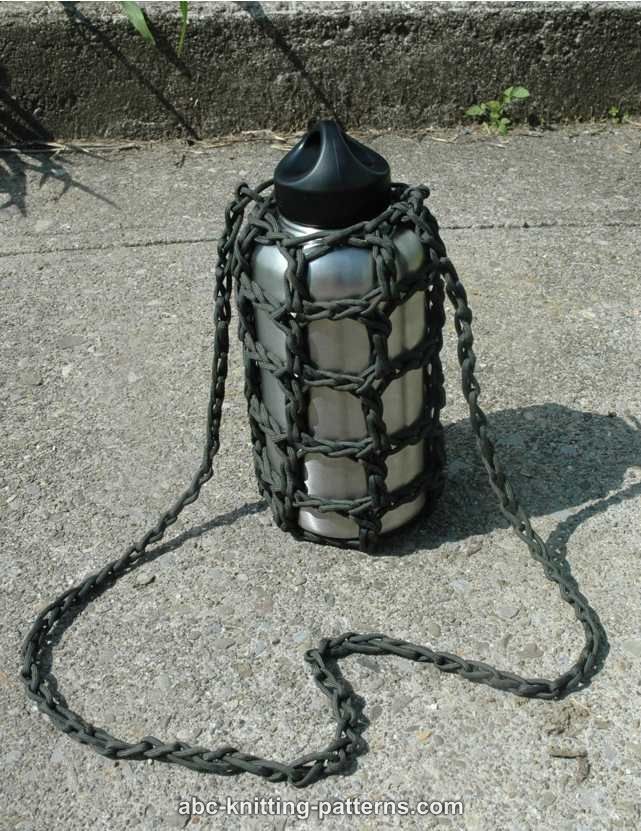
Tired of carrying your water bottle by hand during hikes? A paracord net carrier allows you to sling your bottle over your shoulder.
Construction:
Start with a circular base using a Jug Hitch and build upward with a series of netting knots.
This project is highly customizable to fit any bottle size, from a standard 16oz to a large 64oz growler.
9 Quick-Release Camera Wrist Strap
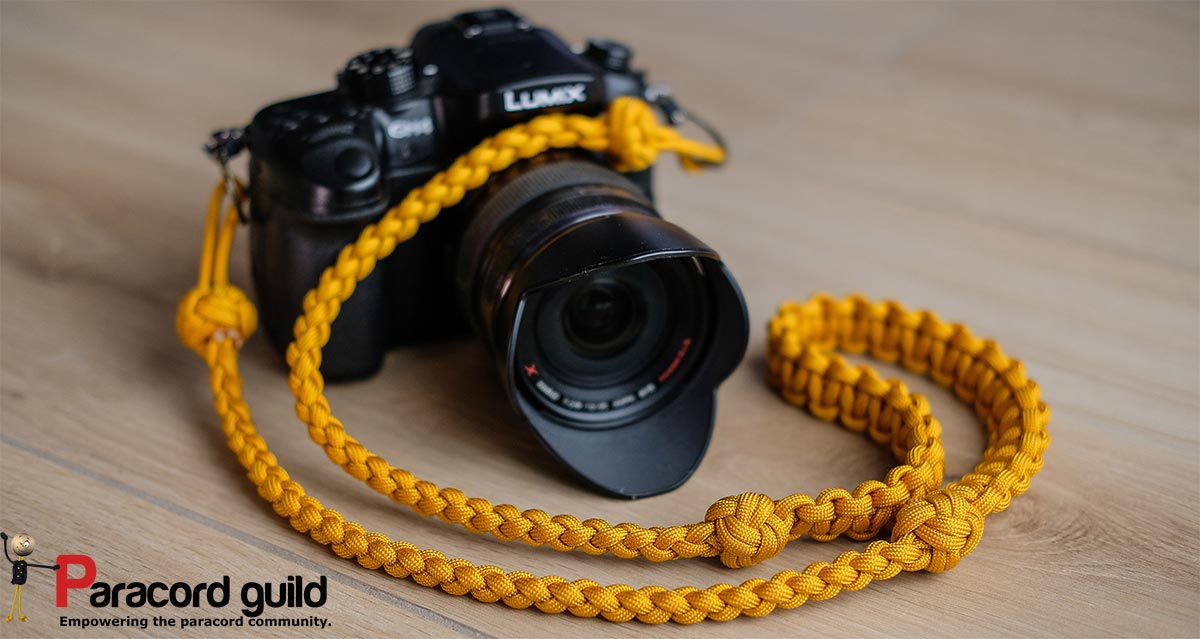
Heavy DSLR cameras need secure straps. A paracord wrist strap ensures that even if the camera slips from your hand, it won’t hit the ground.
Style:
Use a Snake Knot for a rounded, flexible feel that doesn’t irritate the skin.
Attach it to your camera’s lug using a small split ring or a quick-release clip.
10 Durable Paracord Doormat
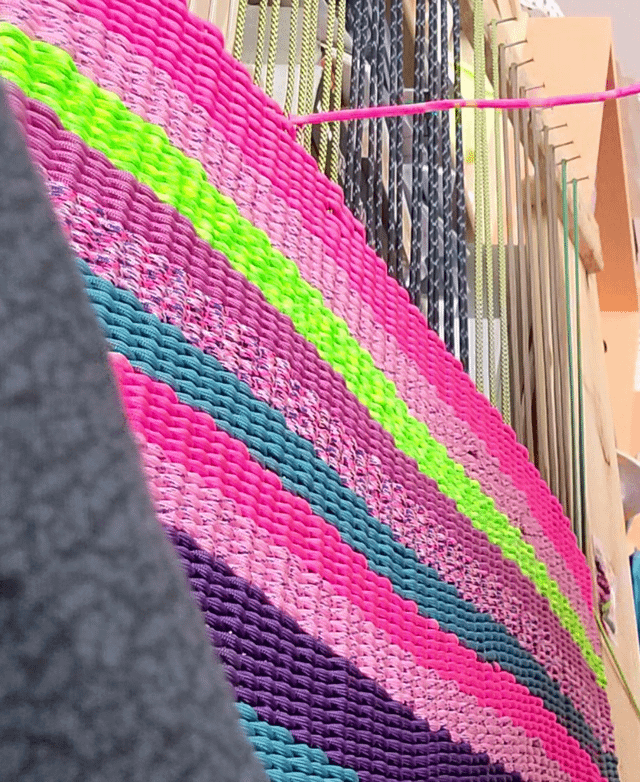
This is a high-volume project that requires several hundred feet of cord, but the result is a doormat that will last a lifetime.
Using a Turk’s Head knot or a flat woven mat pattern, you can create a textured surface that scrapes dirt off shoes effectively.
Maintenance:
Unlike coconut fiber mats, a paracord mat can be hosed down and dried in the sun in minutes.
11 Custom Watch Band
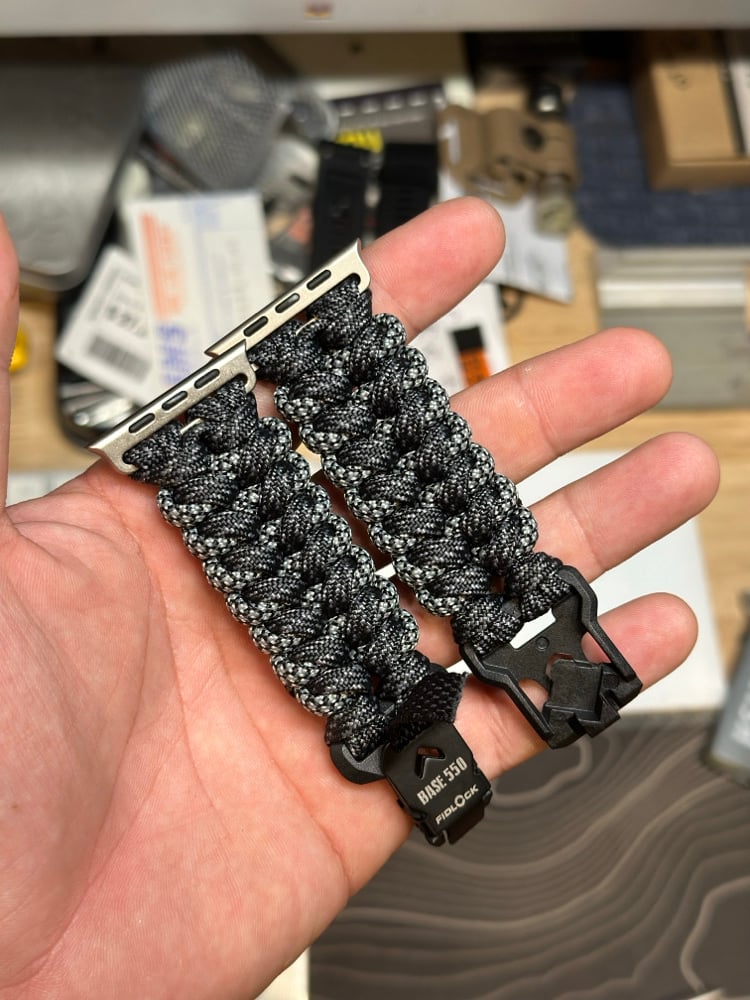
Replace a boring plastic watch strap with a custom-woven paracord band. This is particularly popular for smartwatches and rugged outdoor watches.
Tip:
Use a Trilobite weave for a wider, more substantial look that balances the size of modern watch faces.
12 Paracord Drawstring Backpack
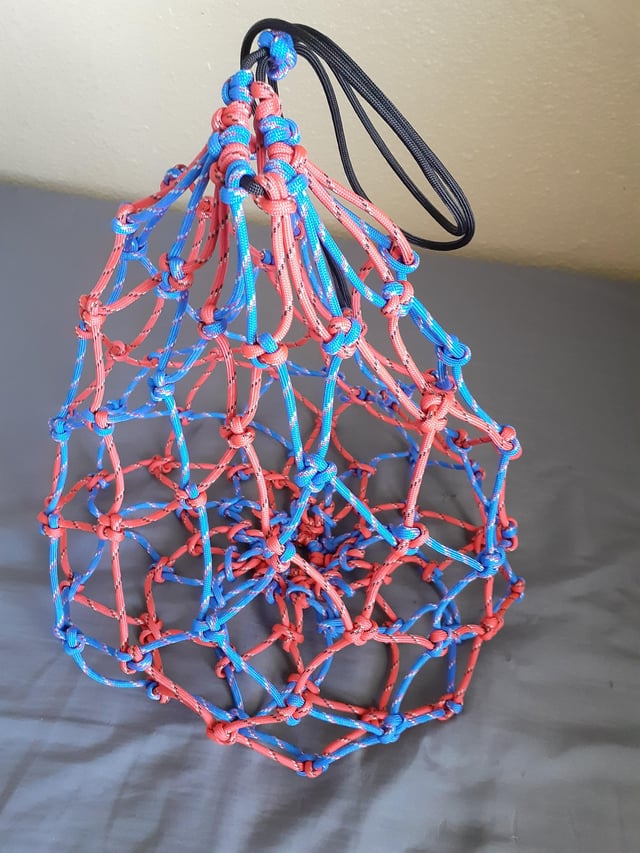
By weaving a flat net and attaching it to a solid base, you can create a lightweight, breathable drawstring bag.
This is perfect for carrying gym clothes or wet swimsuits, as the air circulation prevents odors.
13 Ergonomic Axe Handle Protector
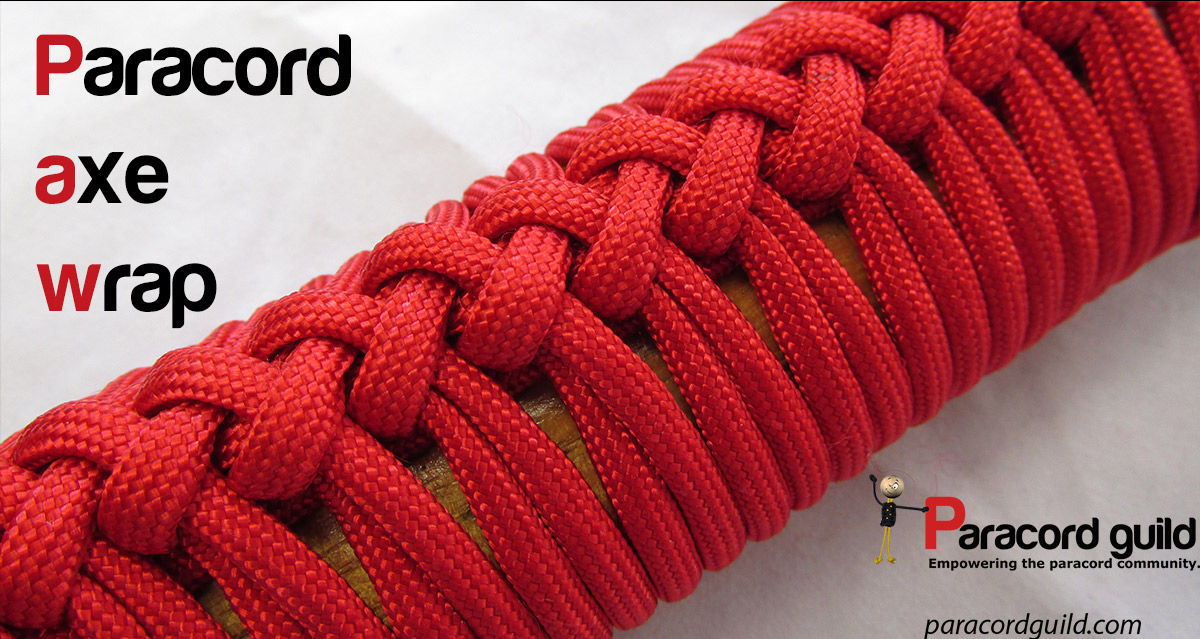
Protect the neck of your axe from “overstrike” damage by wrapping it in paracord. This absorbs the shock when you miss a log and hit the handle instead.
Use a tight Common Whipping technique to ensure the cord doesn’t slide during use.
14 Colorful Paracord Lanyards
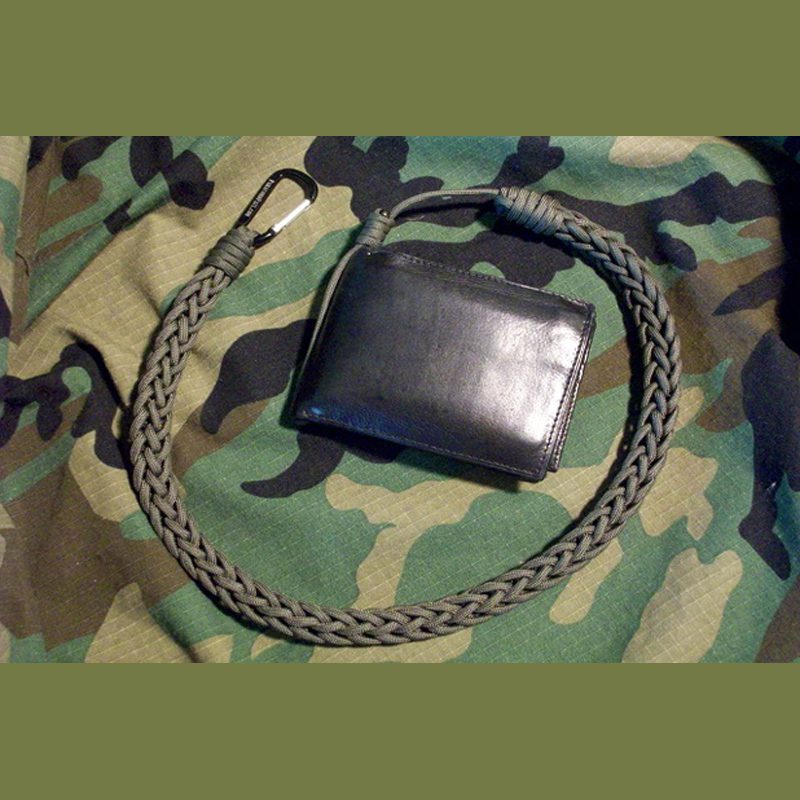
Lanyards are essential for holding ID badges, whistles, or keys. A Box Knot or Crown Braid creates a sturdy, square-shaped lanyard that is much more durable than the cheap polyester versions found in stores.
15 Outdoor Hammock
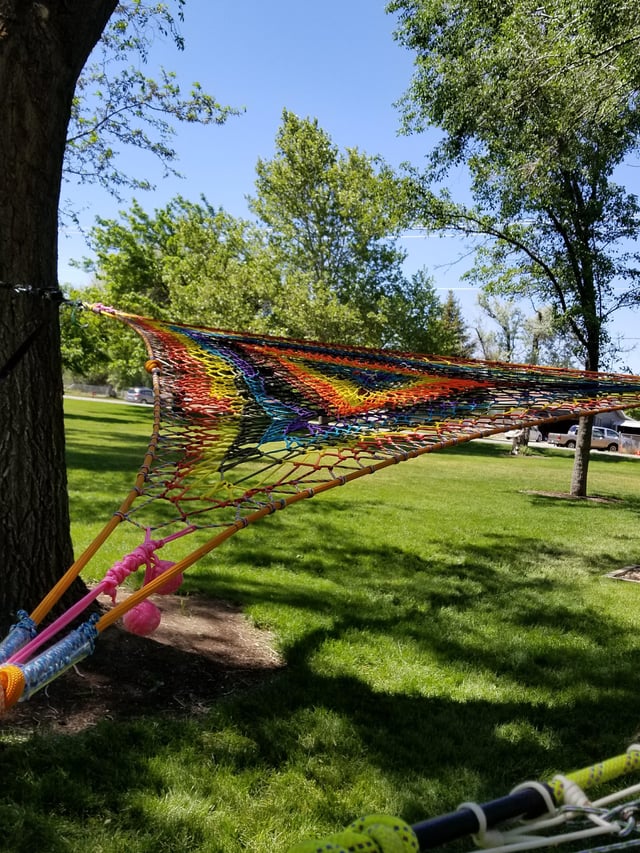
While this requires a significant investment of time and cord (upwards of 500-1000 feet), a DIY paracord hammock is a feat of engineering.
Using a basic netting knot, you can create a comfortable, breathable bed for your backyard or camping trips.
16 Decorative Light Pull Cord
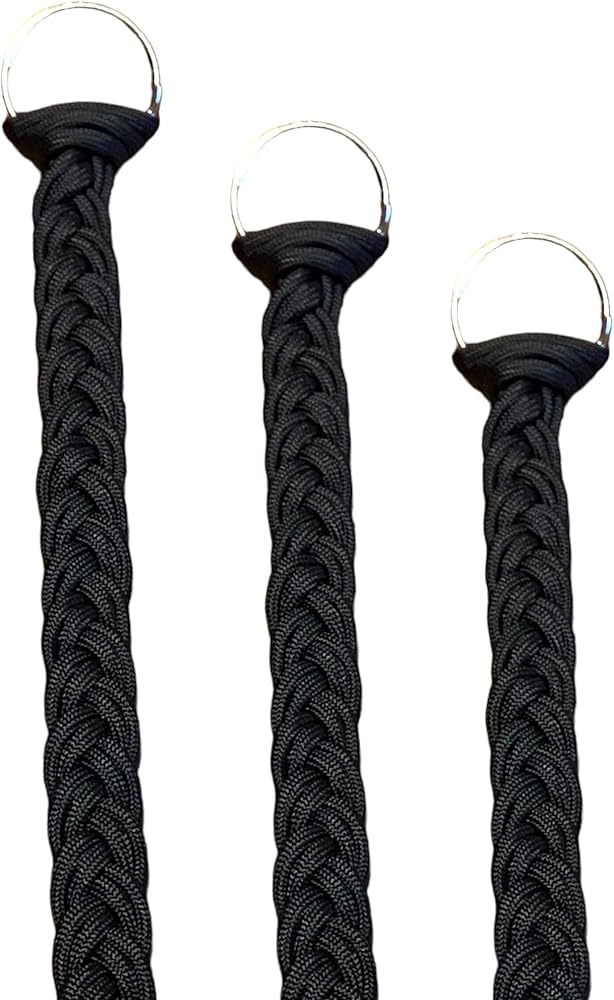
In many homes, ceiling fans or closet lights use thin, fragile chains. Replacing these with a weighted paracord pull—using a Wall Knot or Monkey’s Fist—makes them easier to grab and much harder to break.
17 Pet Collar with Reflective Cord
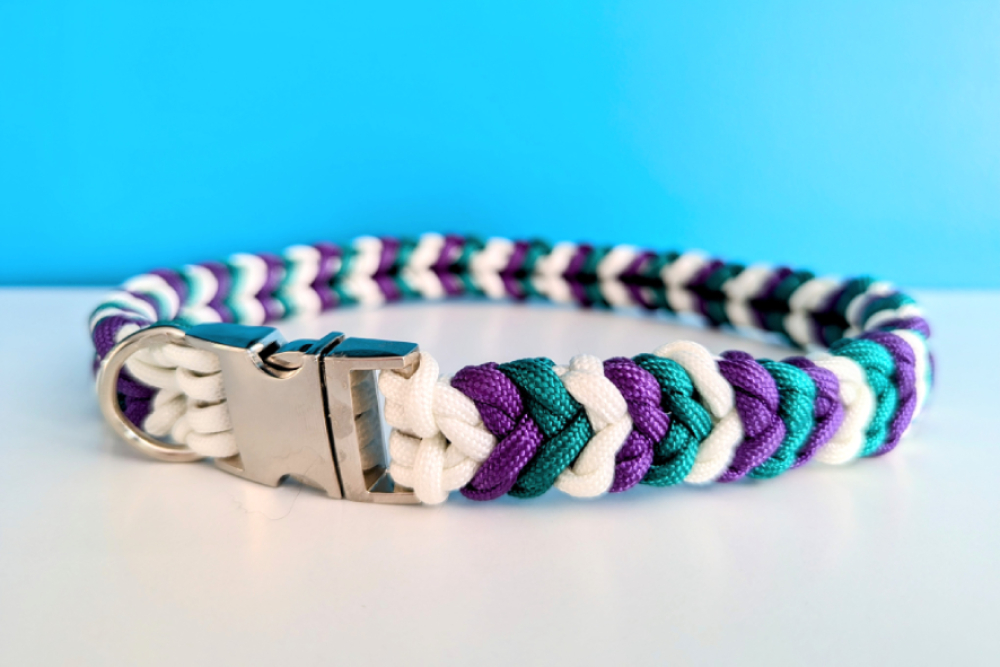
Safety meets style. By using reflective paracord, you ensure your pet is visible at night.
The King Cobra weave is wide and comfortable, preventing the collar from digging into your dog’s neck.
18 Paracord Eyeglasses Strap
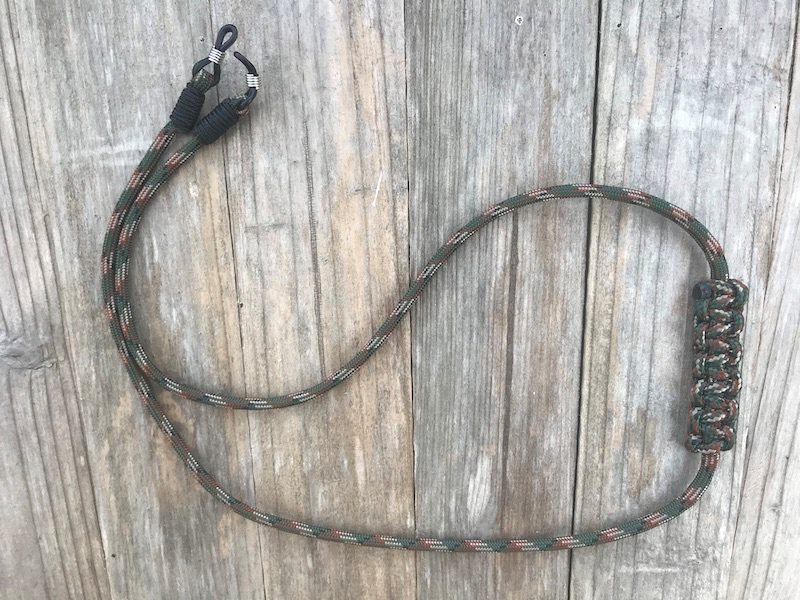
Never lose your sunglasses in the water again. Use a thin Micro-cord or Nano-cord version of paracord to create a lightweight strap.
Use adjustable Fisherman’s Knots to ensure they stay tight on the frames.
19 Zipper Pull Extensions
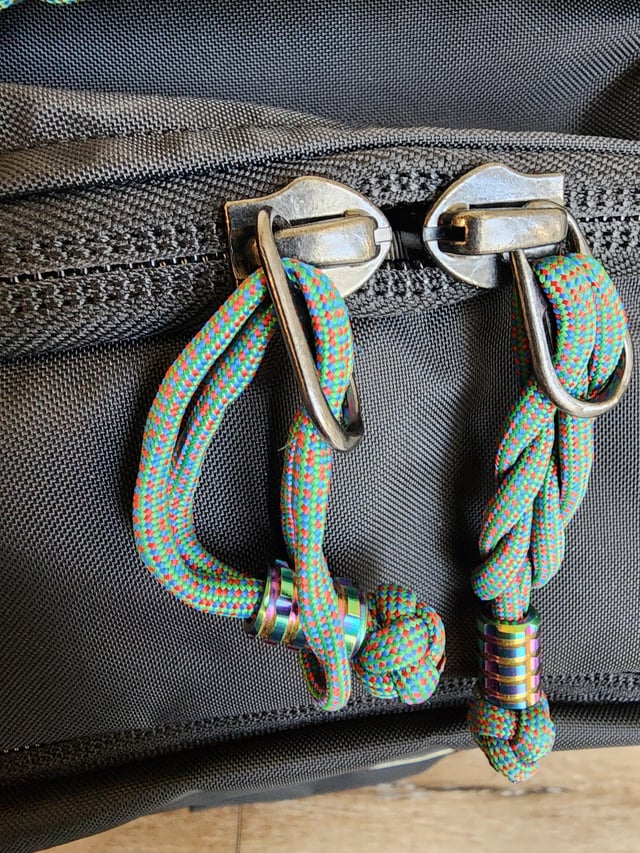
Standard zippers on jackets and backpacks can be difficult to use with gloves. Adding a small 2-inch paracord loop with a Diamond Knot at the end provides a much-needed grip extension.
20 Laptop or Tablet Sleeve
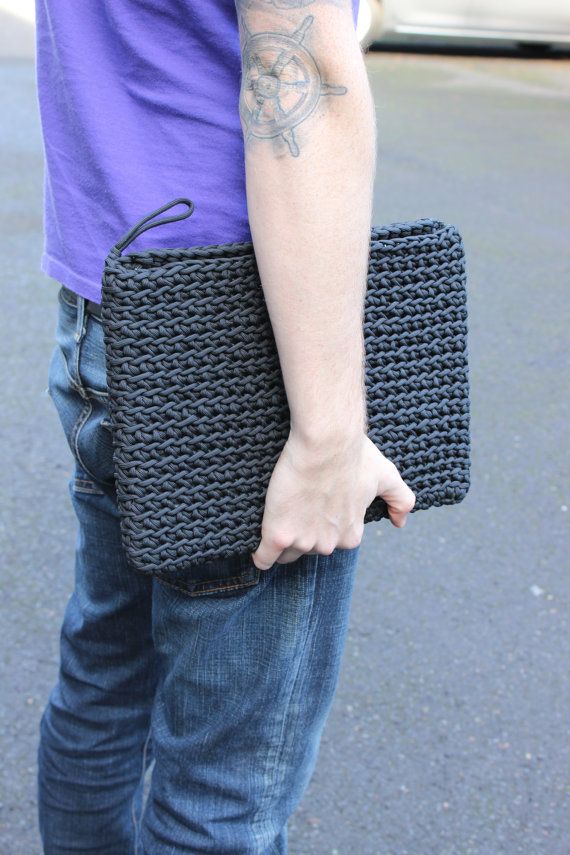
Using a Flat Weave, you can create a cushioned, impact-resistant sleeve for your electronics.
The natural gaps in the weave allow for heat dissipation, keeping your device cool.
21 Paracord Dreamcatcher
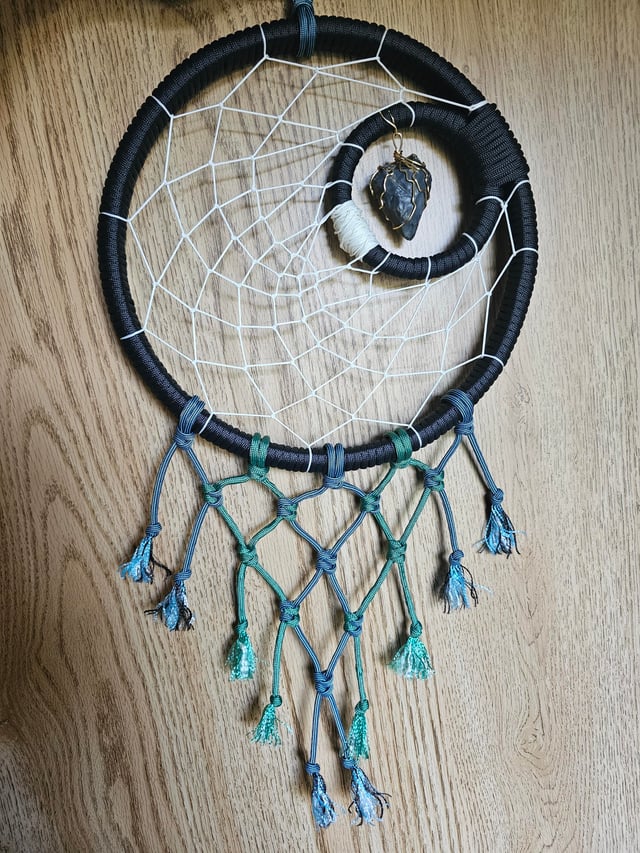
For a modern take on a classic craft, use a metal hoop and weave the inner web with colorful paracord.
Add wooden beads and feathers to the hanging ends for a rustic, boho-chic wall hanging.
22 Fishing Net or Crab Trap
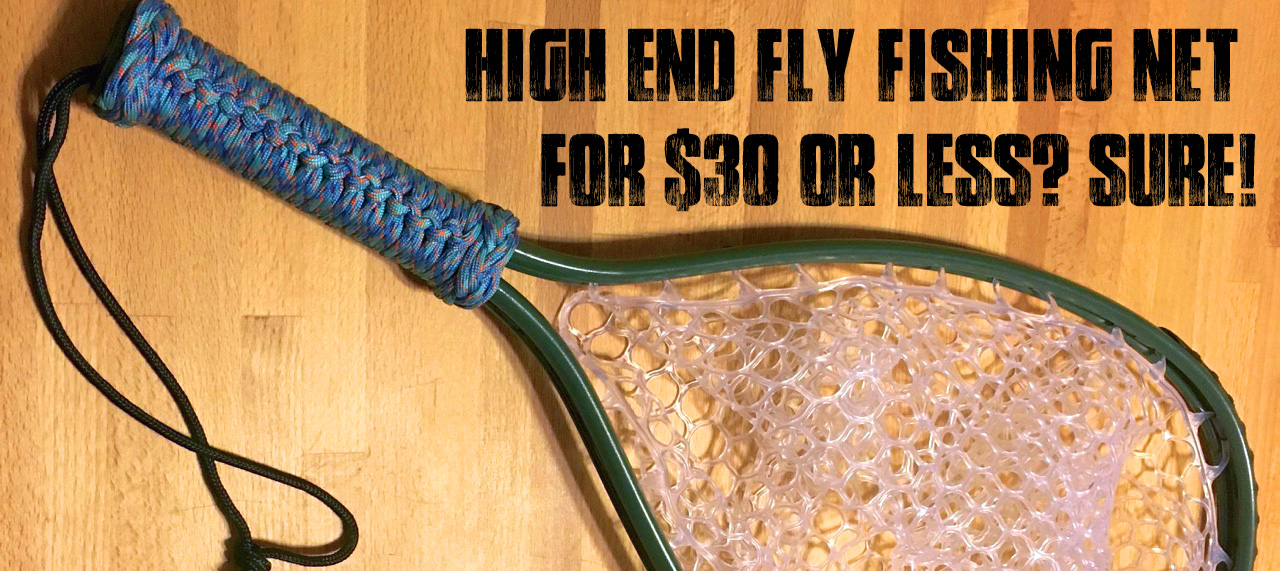
Because paracord is resistant to salt water and rot, it is the perfect material for DIY fishing gear.
Learning the Sheet Bend knot allows you to create a mesh of any size for catching bait or larger fish.
23 Hair Accessories (Headbands)

A simple Cobra or Ladder weave can be attached to an elastic hair tie to create a rugged, sporty headband that stays in place during high-intensity workouts.
24 Tent Guy Lines and Tensioners
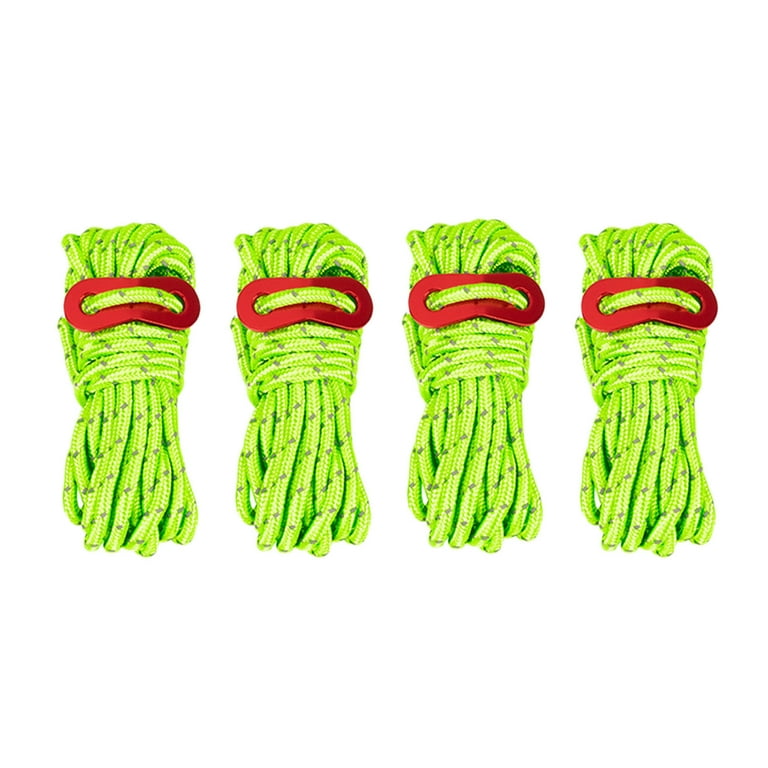
Upgrade your camping gear by replacing cheap nylon tent lines with high-visibility paracord.
You can even weave Taut-Line Hitches directly into the cord to create adjustable tensioners that won’t slip in the wind.
25 Industrial Drawer Pulls
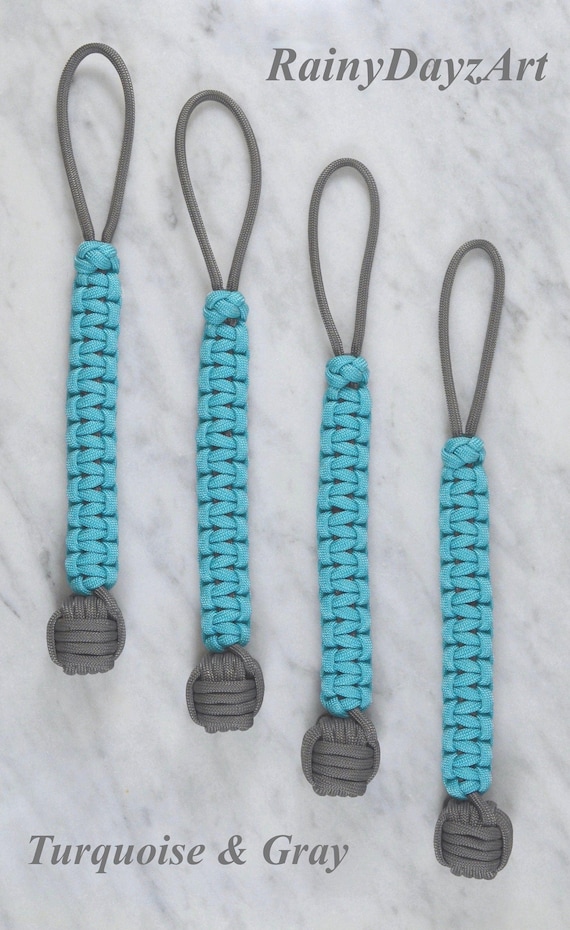
Give your furniture an upcycled, industrial look. Remove old metal handles and replace them with thick loops of paracord secured with heavy-duty bolts and washers.
This looks particularly striking on workshop cabinets or kids’ bedroom dressers.
Comparison of Paracord Types for DIY Projects
| Type | Tensile Strength | Best Used For |
|---|---|---|
| Nano Cord | 36 lbs | Jewelry, fishing line, small repairs |
| Micro Cord | 100 lbs | Wind chimes, lanyards, jewelry |
| Type I (95 Cord) | 95 lbs | Lightweight crafts, zipper pulls |
| Type III (550 Cord) | 550 lbs | Most popular: Bracelets, leashes, belts |
| Para-Max | 1,000+ lbs | Hammocks, towing, heavy-duty gear |
FAQ: Frequently Asked Questions
What is the best way to cut paracord?
The best way is to use a sharp pair of scissors or a hot knife. Immediately after cutting, use a lighter to melt the ends.
This “cauterizes” the inner strands to the outer sheath, preventing the cord from unraveling.
How do I calculate how much cord I need for a project?
A general rule of thumb for weaves like the Cobra Stitch is one foot of cord for every inch of the finished product.
However, wider or more complex weaves may require more. Always add an extra foot to your calculation to account for the finishing knots.
Can paracord be washed?
Yes. Paracord is synthetic (usually nylon or polyester) and can be washed. For small items like bracelets, place them in a mesh laundry bag and wash on a cold cycle.
For larger items like rugs, hose them down with mild soap and air dry. Note that some colors may bleed slightly during the first wash.
Is all paracord the same?
No. Genuine Mil-Spec (Military Specification) paracord has seven to nine inner strands, each made of three twisted yarns.
Commercial grade paracord may have fewer inner strands or use lower-quality fibers. For survival gear, always look for Mil-Spec 550 cord.
Conclusion
Paracord crafting is a unique blend of ancient knot-tying traditions and modern material science. From the simple elegance of a cobra-stitch bracelet to the complex structural integrity of a hand-woven hammock, these projects offer both aesthetic appeal and practical utility.
By mastering a few basic knots—the square knot, the half-hitch, and the round braid—you can unlock a world of upcycling and home decor possibilities.
Start with a small project like a keychain to get a feel for the tension, and soon you’ll be creating high-authority gear that is built to last a lifetime.
Leave a Reply