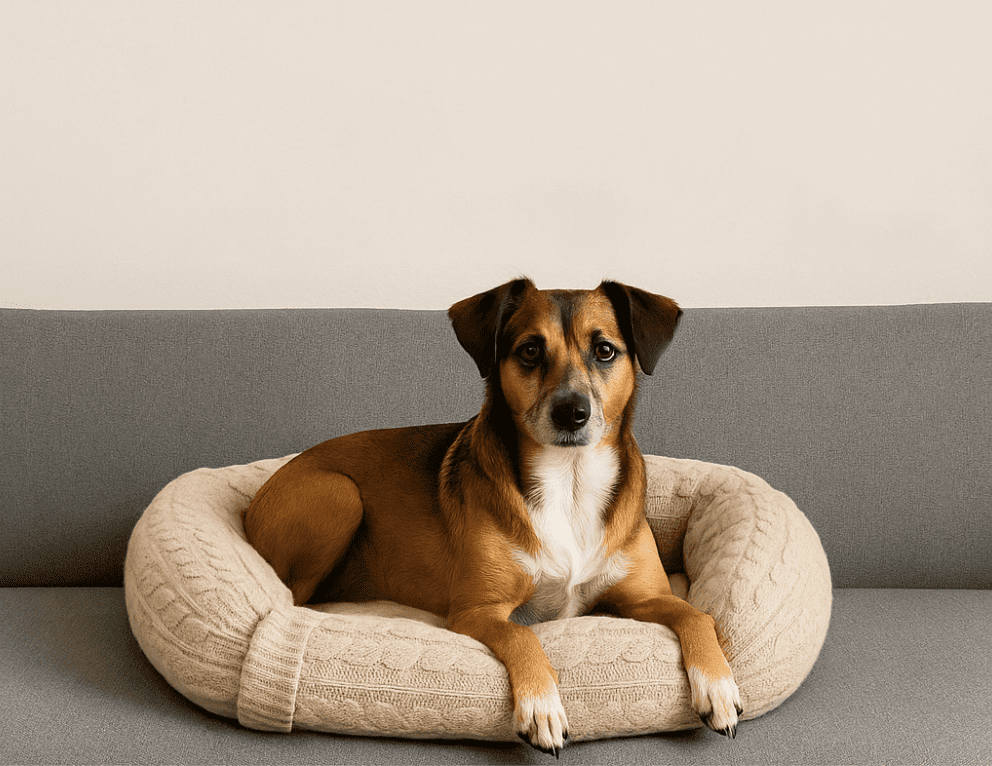
Old sweaters offer thick, textured fabric that works well for fall projects because the knit structure traps warmth and resists wear. Focus on pieces with interesting patterns or solid colors that match your existing textiles, then cut and reassemble them into items that layer easily into daily routines.
Sweater Throw Blankets
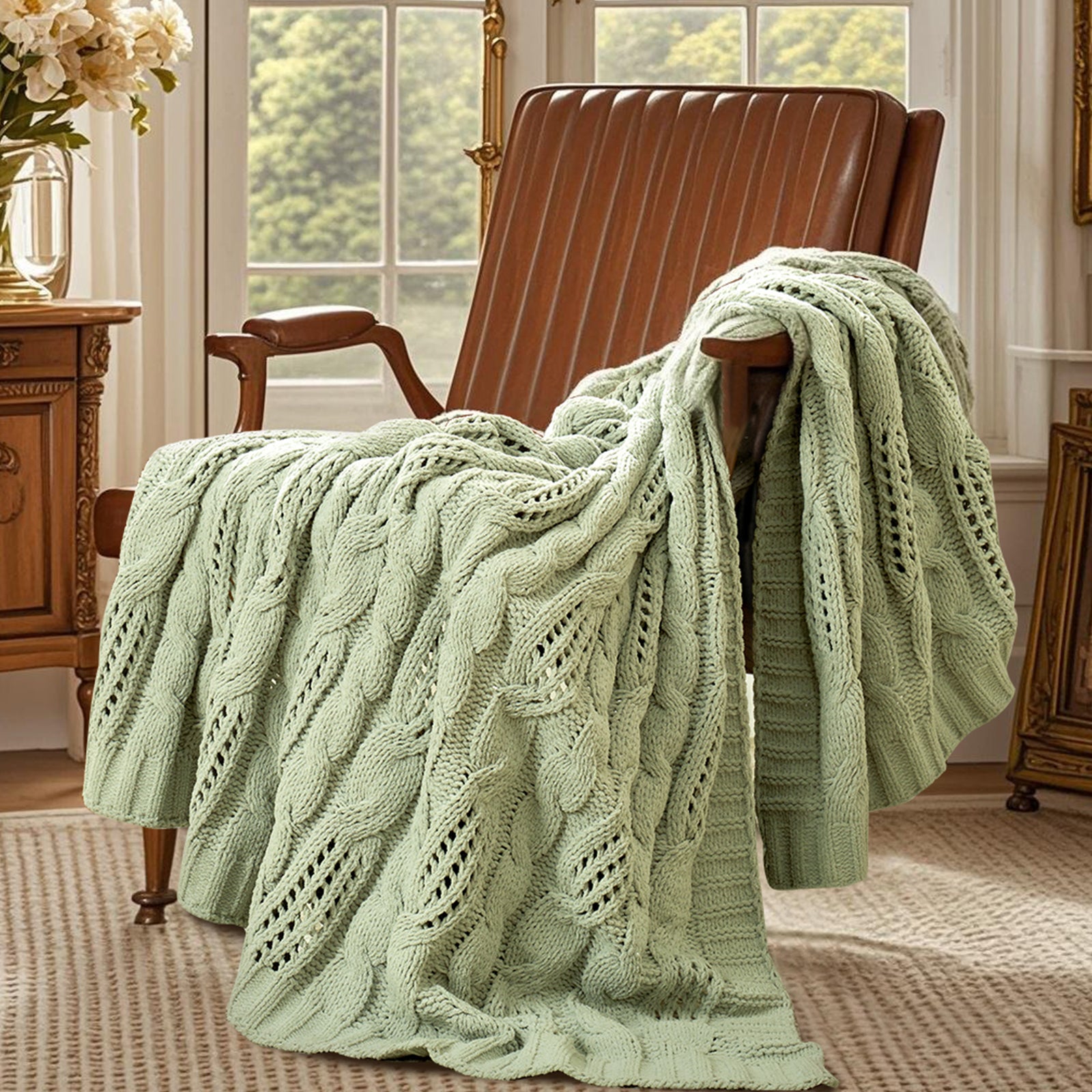
Large sweaters combine into oversized throws that add weight and texture to a sofa or bed. Select three or four adult-sized sweaters in complementary tones, cut off the sleeves and seams, then stitch the panels together along the edges with a wide zigzag stitch to keep the knit from unraveling. The finished blanket measures roughly the size of a twin bed and drapes naturally over furniture without slipping.
Position the blanket at the foot of a bed so the pattern faces upward, or fold it across an ottoman for quick access during cooler evenings. Because the original sweaters already contain stretch, the throw conforms to body shapes better than rigid woven fabrics. Wash finished throws on gentle cycles and lay flat to dry to preserve the original hand feel.
Knitted Pillow Covers
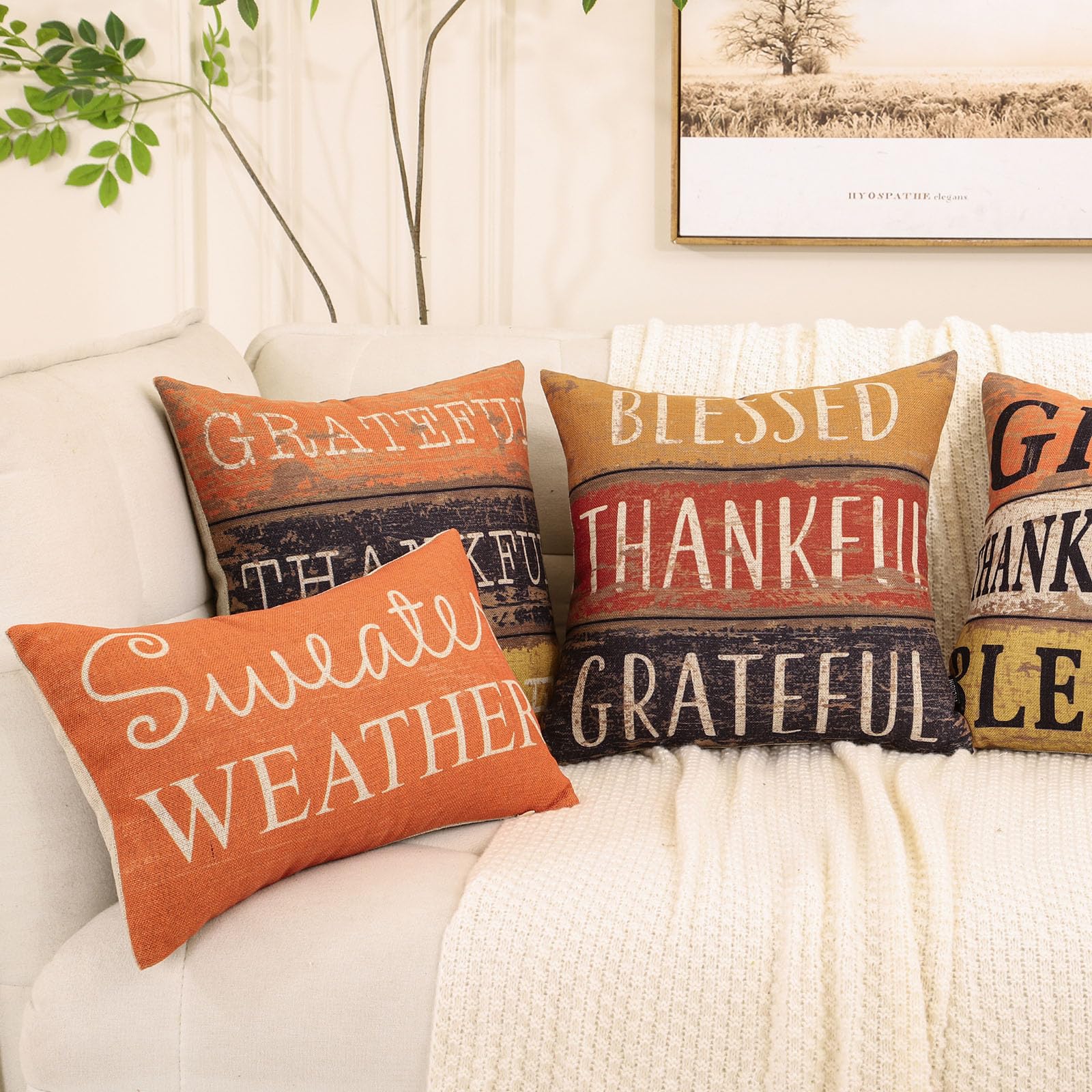
Sweater sleeves and bodies turn into envelope-style pillow covers that fit standard 18-inch inserts. Cut two rectangles slightly larger than the pillow form, sew three sides together, then add button closures or a simple overlap on the fourth side. The knit texture creates a soft, inviting surface that pairs with leather or linen pillows already in the room.
Non-obvious insight: Sweater knits compress slightly under pressure, so the cover stays snug without visible gaps even after repeated use.
Rotate covers seasonally by keeping a few neutral versions on hand and swapping in bolder patterns when the weather shifts. Avoid overstuffing the insert so the seams do not strain the original sweater stitches.
Cozy Mittens
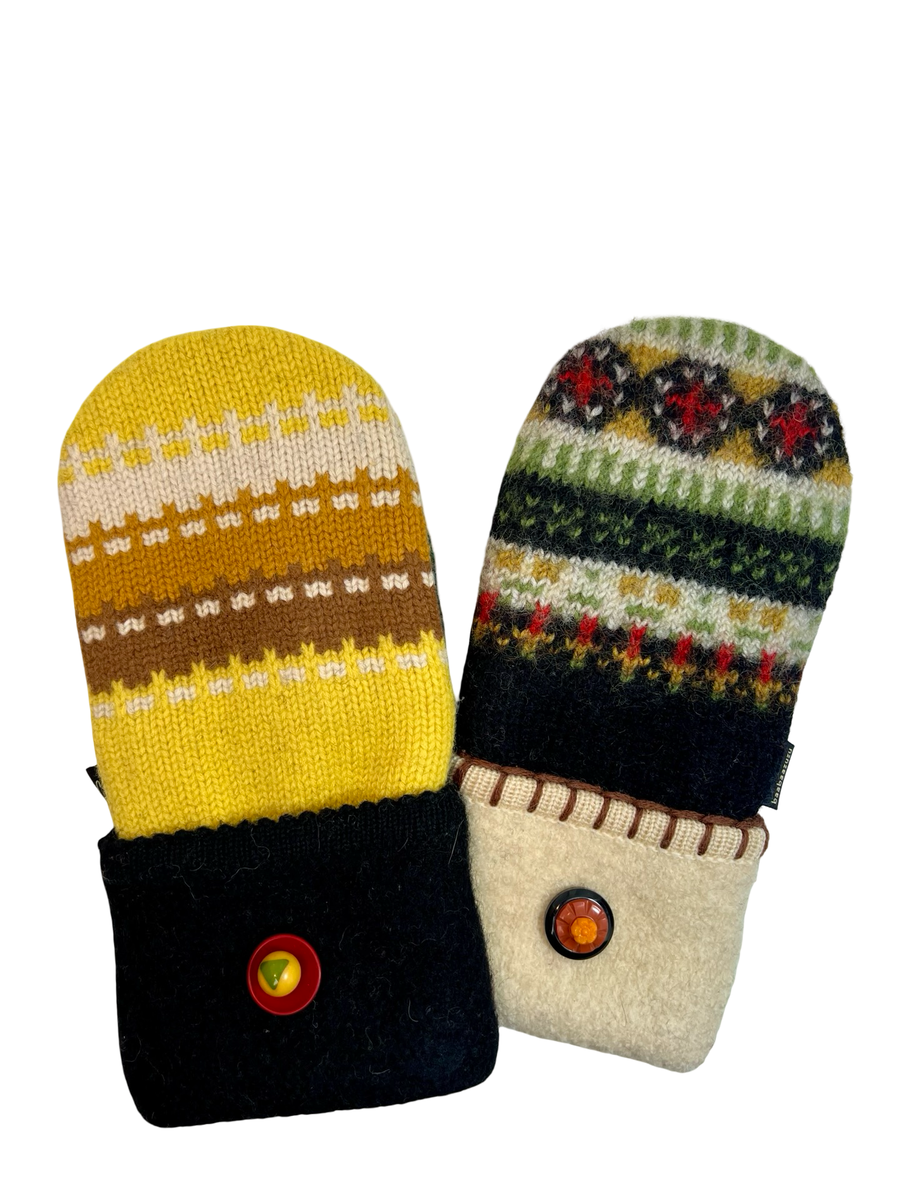
Adult sweaters supply enough fabric for two pairs of lined mittens when the cuffs become the wristbands. Trace a mitten shape from an existing pair, cut four layers from the sweater body, and sew with right sides together before turning and adding a simple lining from an old T-shirt. The double layer blocks wind while the original ribbing at the cuff keeps cold air out.
Wear these mittens for short outdoor tasks such as carrying firewood or walking the dog. Because each pair uses only a small section of sweater, one garment yields multiple gifts or spares for different family members. Store extras in a basket by the door so they remain easy to grab.
Warm Scarves
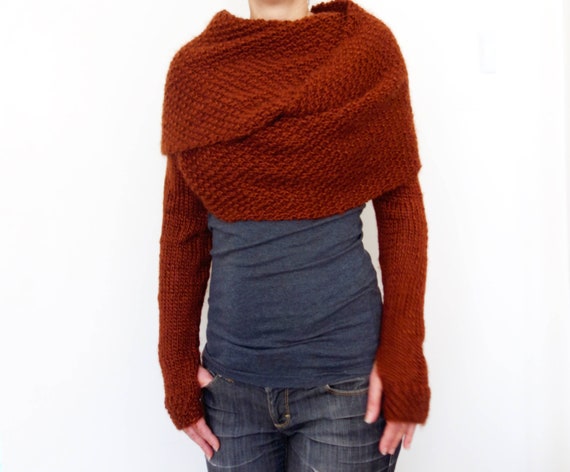
The long rectangular panels from sweater fronts make instant scarves once the side seams are opened. Trim to desired width, finish the raw edges with a rolled hem or decorative stitch, and add fringe from leftover yarn if the original sweater had any. The finished length reaches 60 inches, enough to wrap twice around the neck.
Drape one scarf over coat hooks in the entryway as both storage and seasonal display. Different sweater weights produce scarves suited to early fall versus deeper winter, so keep a lightweight version for layering under jackets and a heavier one for standalone wear.
Fall Beanies
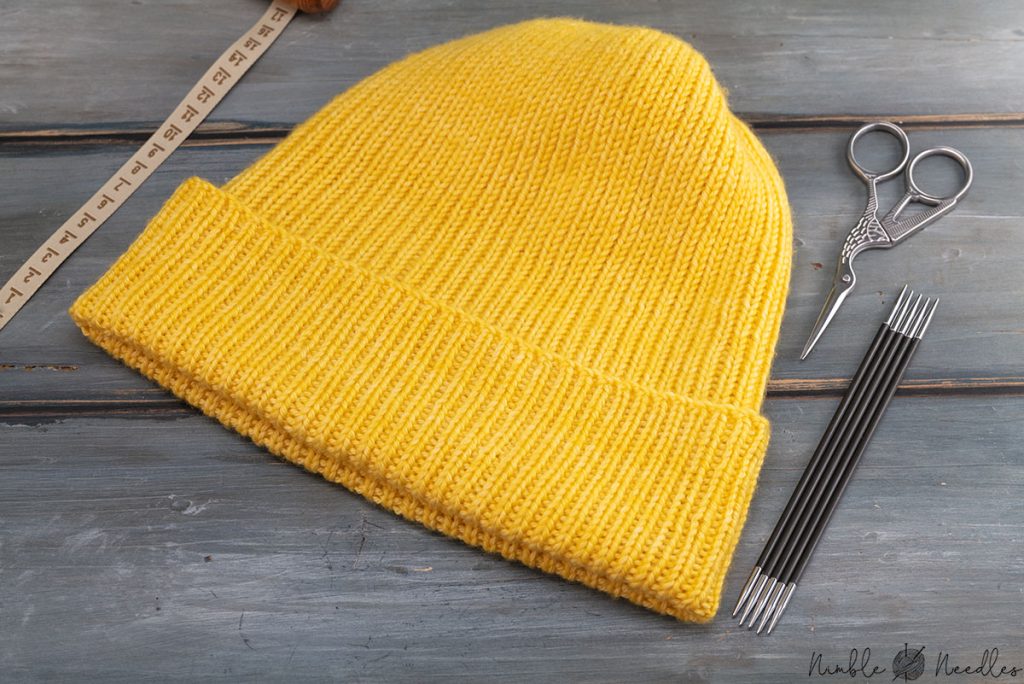
Sweater sleeves cut and gathered at the crown produce fitted beanies that sit comfortably under hoods. Measure around the head, cut a tube from the sleeve, sew the top closed with a running stitch, and pull tight to create the gathered top. The existing cuff rolls naturally into a brim that stays in place without additional elastic.
Non-obvious insight: Sleeve fabric already contains vertical stretch, so the finished hat expands slightly during wear and returns to shape without sagging.
Keep two beanies in different colors near outerwear so one can match a coat while the other coordinates with scarves.
Leg Warmers
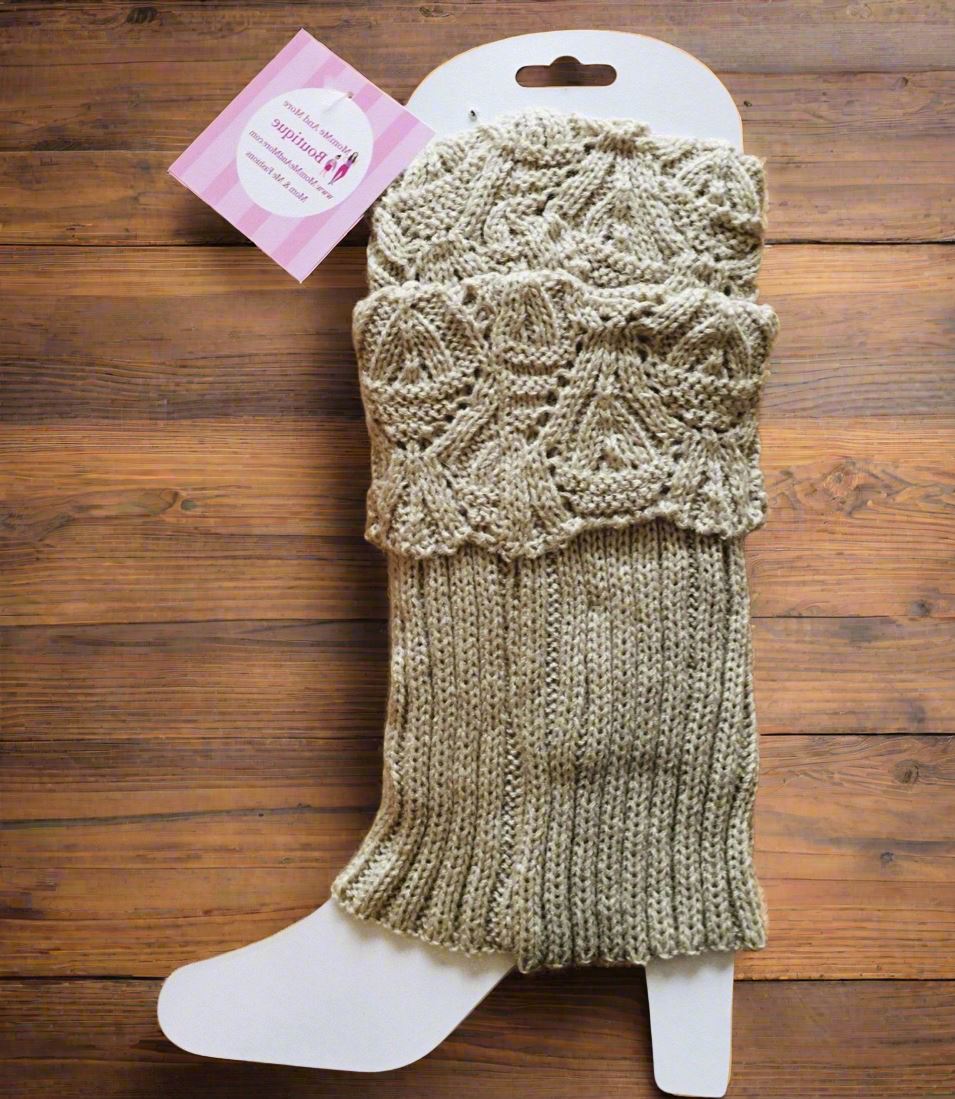
The lower half of sweater legs becomes leg warmers once the foot section is removed and the cut edge is hemmed. Sew a simple seam if the original leg is too narrow, or leave it open for an adjustable fit over boots. The ribbed cuff sits at the ankle and the upper edge reaches mid-calf.
Layer leg warmers over tights or skinny jeans on days when boots alone feel insufficient. Because they slip on and off quickly, they serve as an easy indoor-to-outdoor transition piece. Store them rolled in a drawer so the knit does not stretch out of shape.
Mug Cozies
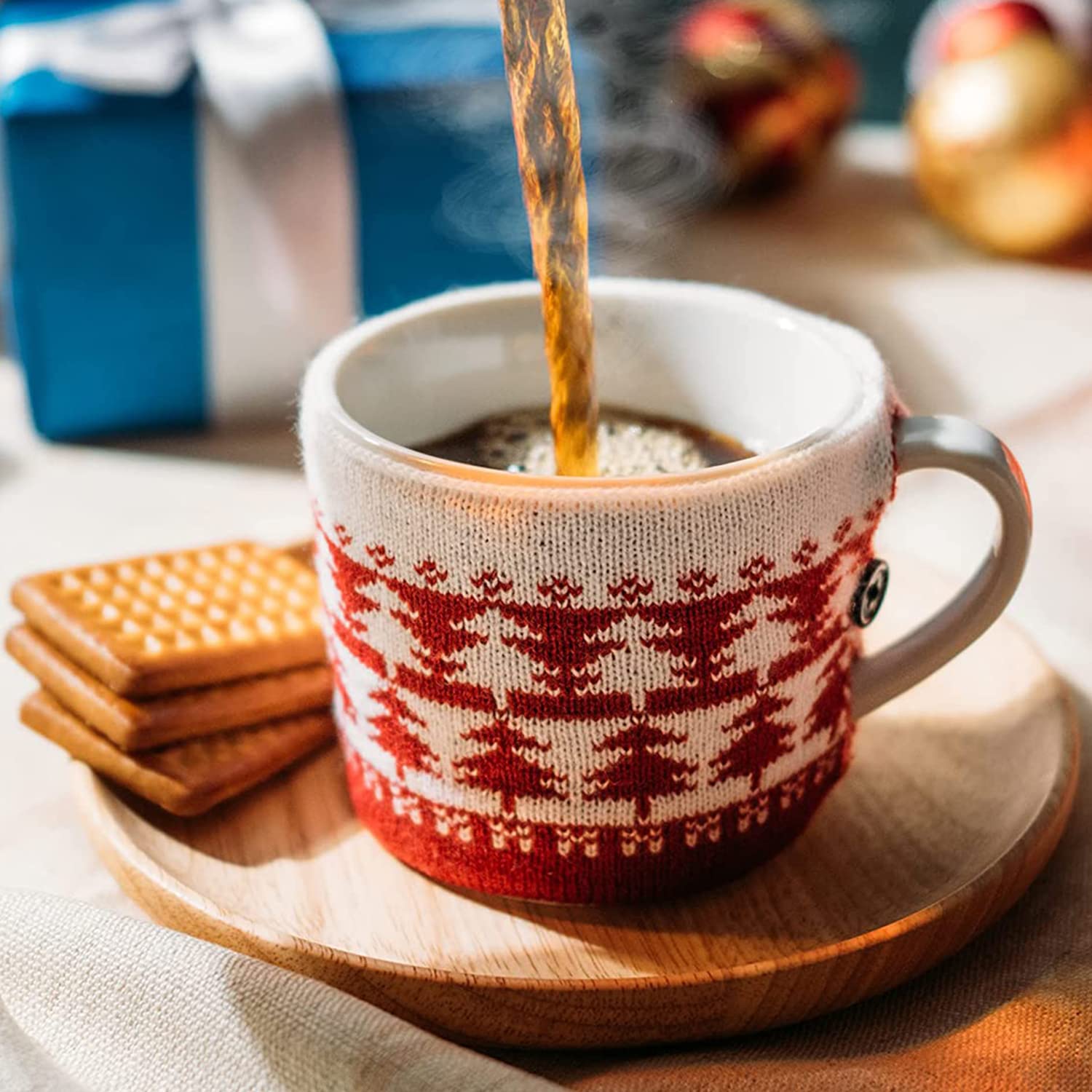
Narrow strips cut from sweater cuffs wrap around standard mugs to keep drinks warmer longer. Measure the circumference of the mug, cut a rectangle one inch taller, and sew the short ends together to form a ring. Add a button or snap for easy removal when washing the mug.
Place several cozies in a kitchen drawer so each household member can claim one. The fabric absorbs condensation and prevents rings on wooden tables. Rotate colors to match changing fall table linens.
Pet Sweaters
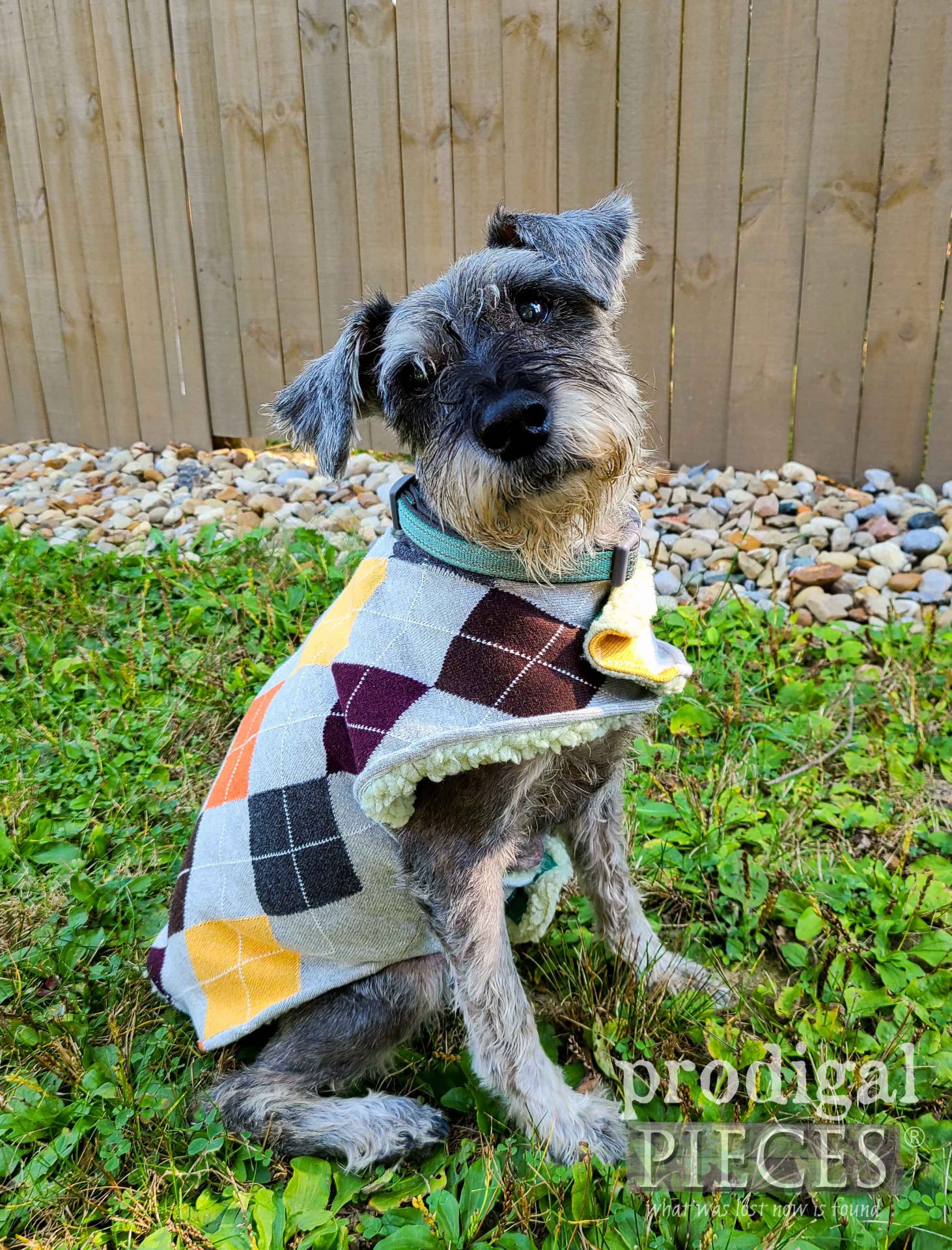
The body of a child-sized sweater fits many medium dogs once the sleeves are shortened into leg openings. Cut armholes in the sides, reinforce the edges, and add a belly strap from the remaining fabric. The knit stretches to accommodate movement while the original neckline becomes the collar.
Measure the pet’s chest and back before cutting to avoid a too-tight fit. These sweaters work best for short outdoor trips rather than all-day wear. Wash on the same cycle as human sweaters so the pet item blends with household laundry.
Sweater Wall Art
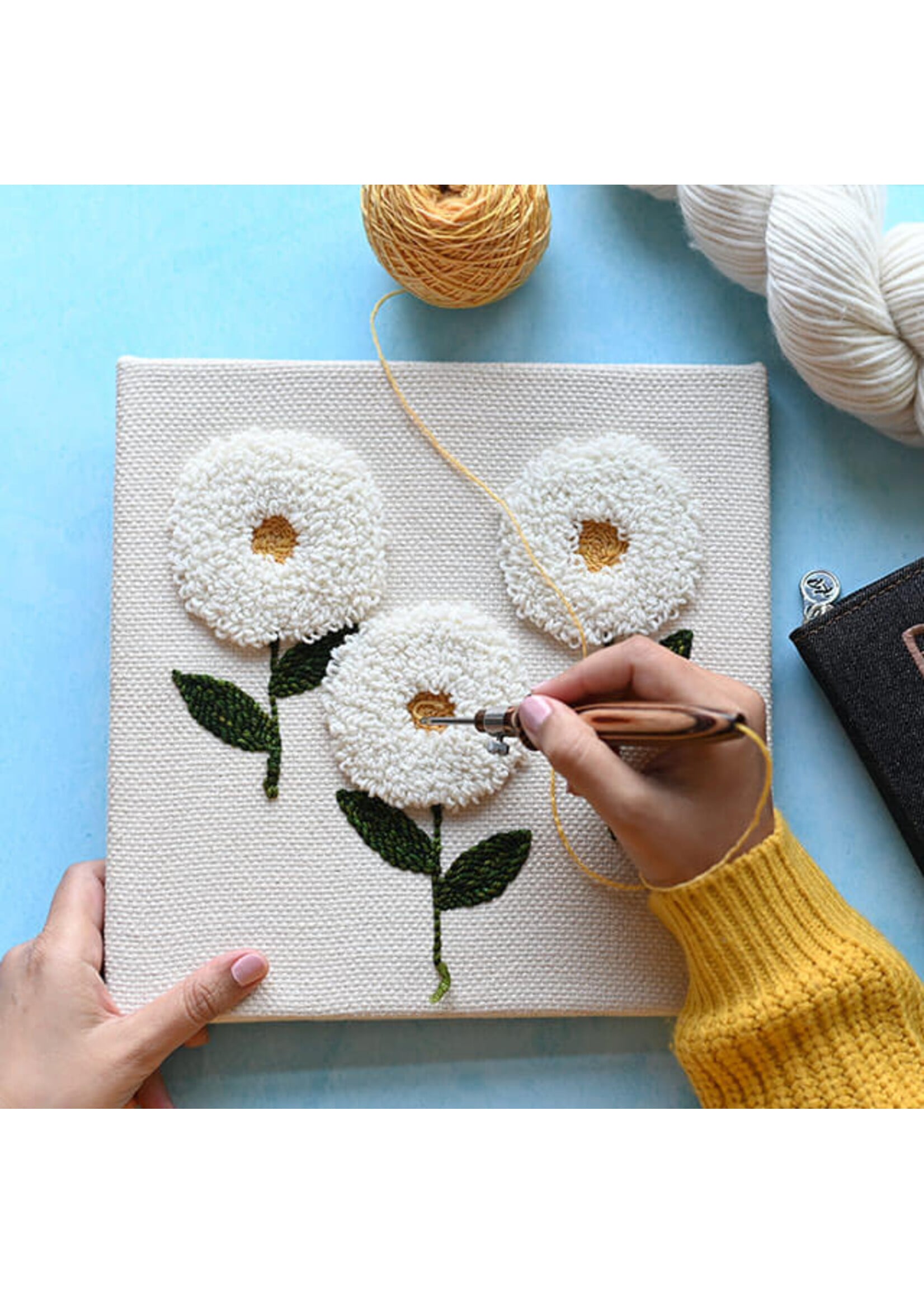
Stretched sections of patterned sweater create textile art that adds warmth to gallery walls. Cut a square or rectangle, pull it taut over an inexpensive canvas or wooden frame, and staple the edges on the back. The raised knit texture catches light differently than flat prints.
Group three or four framed pieces above a reading chair to create a focal point without additional color. Because the fabric already exists in the home, the project uses only the cost of the frames. Dust lightly with a lint roller rather than washing the finished piece.
Basket Liners
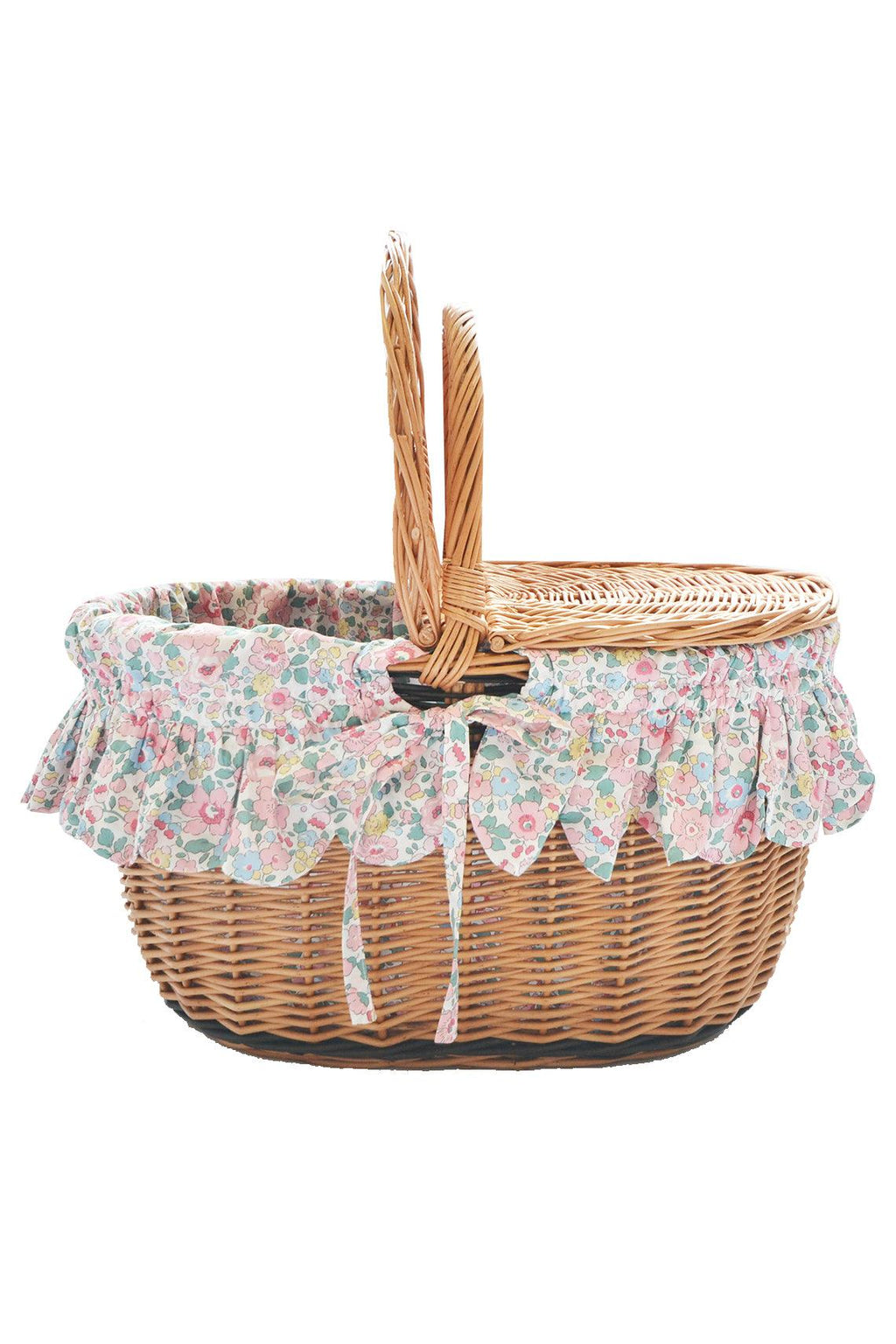
Sweater pieces cut to size and sewn into simple rectangles line woven baskets used for blankets or firewood. Hem the top edge and add ties at the corners so the liner stays in place when the basket is carried. The soft interior protects contents from rough basket walls.
Choose baskets that sit in high-traffic areas so the liner remains visible. Swap liners seasonally by keeping a few pre-made versions in storage. The knit surface also muffles noise when items are dropped into the basket.
House Slippers
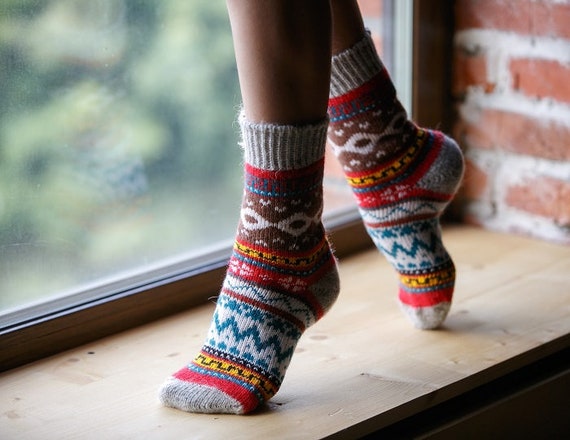
Sweater soles cut from the thickest parts of old cardigans attach to felt or leather bottoms to form indoor slippers. Trace a foot shape, sew the upper to the sole, and add a simple cuff from ribbing. The finished slippers compress underfoot for immediate comfort.
Keep one pair by each bed so cold floors are never a surprise in the morning. Because the fabric breathes less than commercial slippers, these work best for short periods rather than all-day wear. Replace the soles when they wear through rather than discarding the entire pair.
Tote Bags
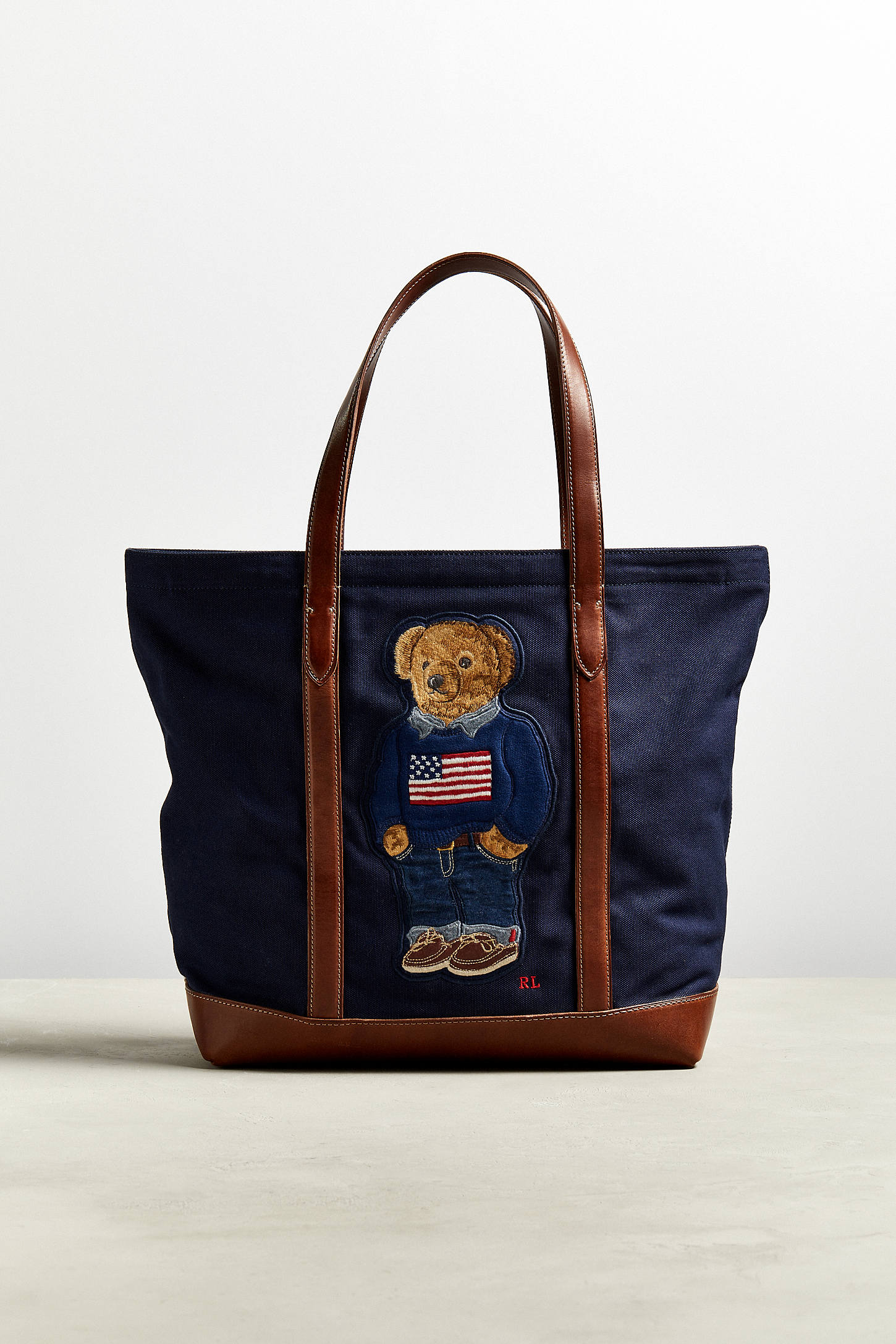
Two sweater fronts sewn together with reinforced seams create sturdy totes for library books or market produce. Cut rectangles, add a lining from an old sheet, and attach webbing or leather straps at the top. The knit structure gives the bag shape without additional interfacing.
Carry the tote on days when a full purse feels unnecessary. The fabric hides dirt better than light canvas and softens with use. Spot clean rather than machine washing to preserve any original embellishments.
Chair Seat Pads
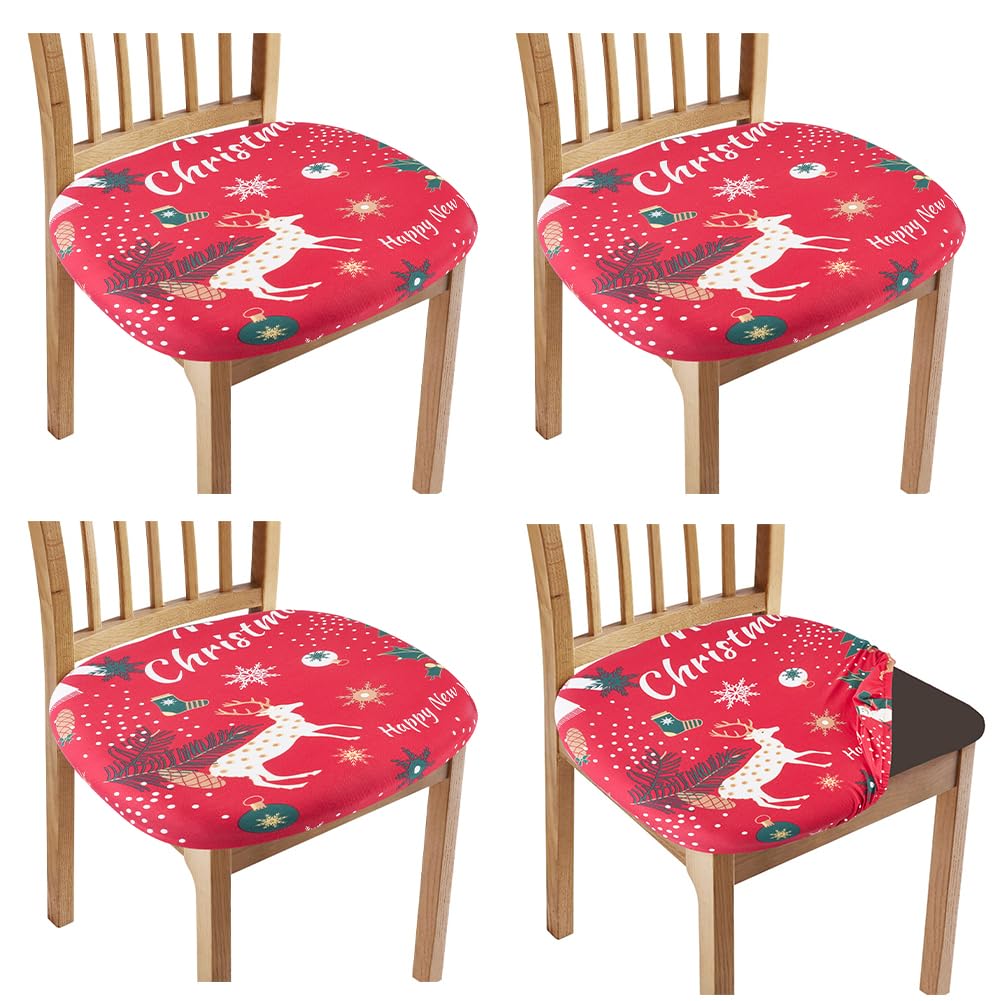
Rectangles cut from multiple sweaters and layered with batting produce cushioned pads that tie onto dining chairs. Sew the layers together, add ties at each corner, and quilt lightly to prevent shifting. The finished pad measures roughly 16 by 16 inches.
Place pads on chairs used for long meals or reading sessions. The extra layer reduces chill from wooden or metal seats during fall evenings. Store extras flat when not needed so they do not compress permanently.
Fingerless Gloves
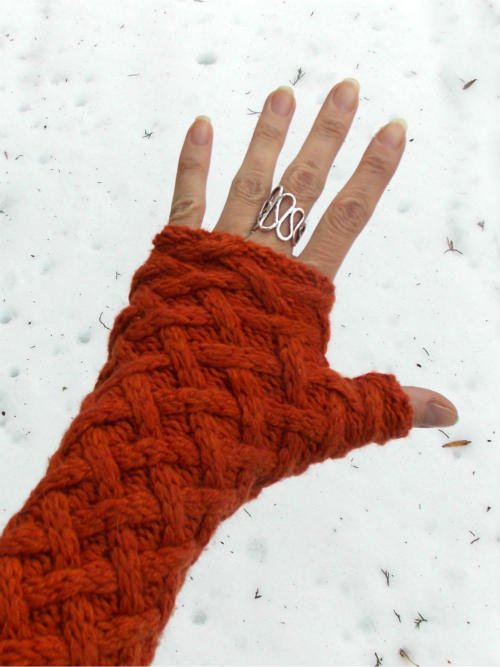
Sleeve cuffs cut short and hemmed at the finger edge become fingerless gloves that leave the fingertips free for phone use. Sew a simple seam along the cut edge and add a thumbhole. The ribbing remains at the wrist for a finished look.
Keep a pair in a coat pocket for quick errands. The partial coverage works well in heated indoor spaces where full mittens feel too warm. Different sleeve widths produce gloves sized for adults or older children from the same garment.
Table Runners
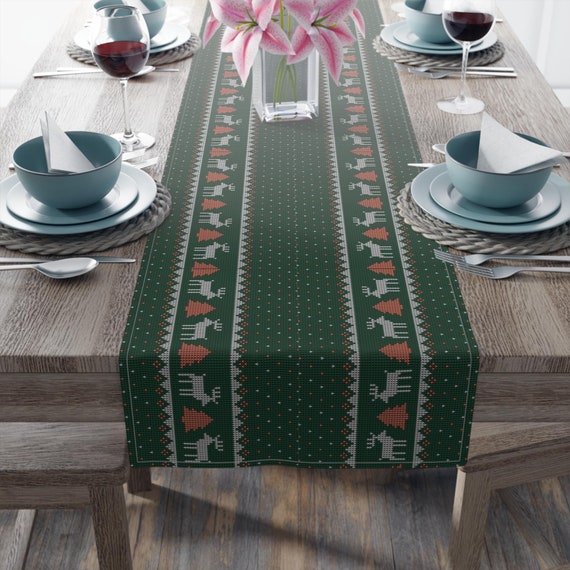
Joined strips from several sweaters form a runner long enough to span a standard dining table. Align the pieces end to end, sew with a wide stitch, and finish both long edges. The textured surface protects wood while adding seasonal color under centerpieces.
Rotate the runner with other textiles so wear distributes evenly. Because the knit lies flat once sewn, it requires no additional backing. Center the runner so equal lengths hang over each end of the table.
FAQ
How do I keep cut sweater edges from unraveling during projects?
Cut edges on knits tend to curl or run, so finish them immediately with a zigzag stitch, serger, or fabric glue along the perimeter. Test the stitch on a scrap first to avoid pulling the original yarn too tight. Working from the inside out also hides any minor irregularities once the piece is turned right side up.
What type of sweater works best for items that need structure?
Sweaters with tighter gauge knits and higher wool content hold shape better than loose, stretchy acrylic pieces. Avoid anything with large holes or thin spots that will weaken after cutting. Heavier cardigans often supply the most usable fabric per garment.
Can I machine wash finished upcycled sweater items?
Most finished projects tolerate gentle cycles when placed inside a mesh laundry bag, but always check the original sweater care label first. Lay items flat to dry rather than using heat, which can shrink or felt the wool unexpectedly. Spot cleaning extends the time between full washes.
How much fabric does one adult sweater typically yield?
A standard adult sweater provides roughly one square yard of usable fabric once sleeves and seams are removed. Larger or oversized styles give extra material for multiple small projects, while fitted sweaters work best for single larger items such as throws or bags.
One finished sweater project often leads to another because the fabric already matches the colors already in your home.
Leave a Reply