
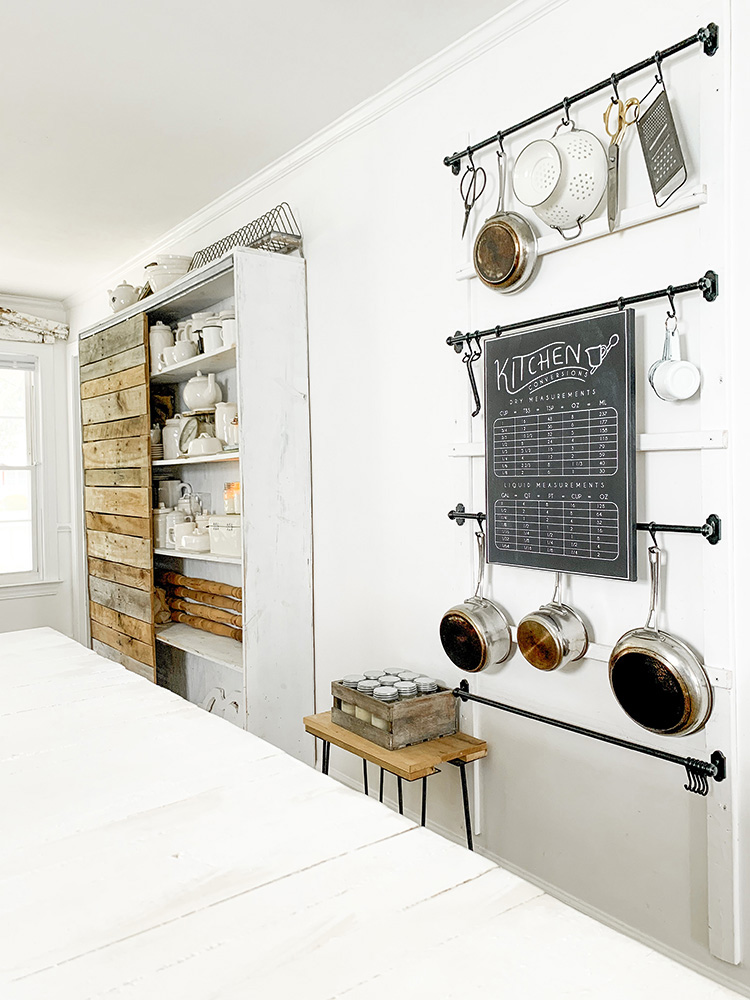
Small kitchens gain immediate breathing room when every inch gets reassessed for hidden capacity. These ten targeted storage approaches focus on vertical surfaces, cabinet interiors, and overlooked gaps to keep counters clear without major renovations.
Over-the-Door Pantry Organizers
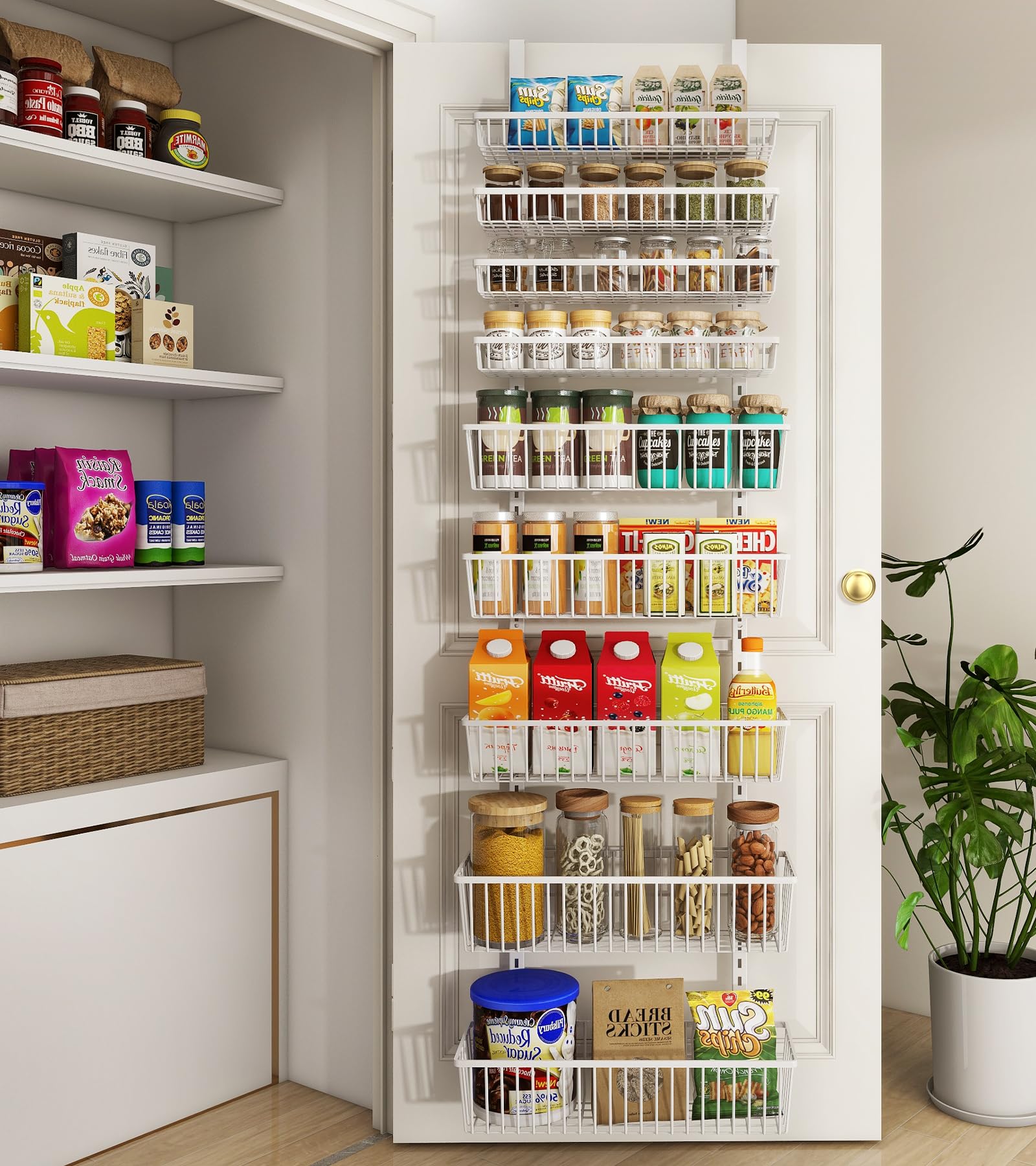
Door-mounted units turn the back of a pantry or cabinet door into rows of pockets sized for cans, spices, and small appliances. The fabric or metal construction slides over standard hinges in minutes and keeps frequently used items visible at a glance. Home cooks report retrieving ingredients faster because nothing hides behind larger boxes on deep shelves.
Placement works best on doors that swing into low-traffic zones so the added depth never blocks walkways. Choose slim profiles under two inches when the door must close fully against the frame. Regular dusting of the pockets prevents flour or coffee grounds from accumulating in the seams.
Under-Cabinet Stemware Racks
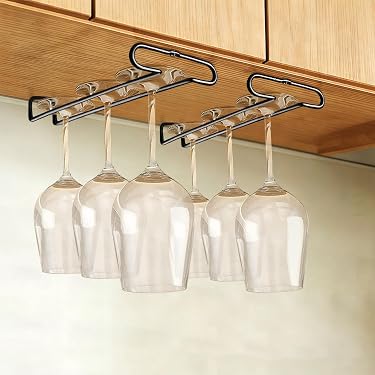
Horizontal racks screwed beneath upper cabinets free shelf space while displaying glasses safely by their stems. The metal or wood bars hold six to twelve pieces depending on width and keep delicate rims from touching. This layout also improves airflow around the glassware so moisture evaporates quickly after hand-washing.
The hidden benefit is that these racks also protect items from dust that normally settles on open shelves. Install them at least twelve inches above the counter so taller pitchers can still slide underneath. Test screw placement against the cabinet floor thickness first to avoid drilling through the surface.
Magnetic Knife Strips on Walls
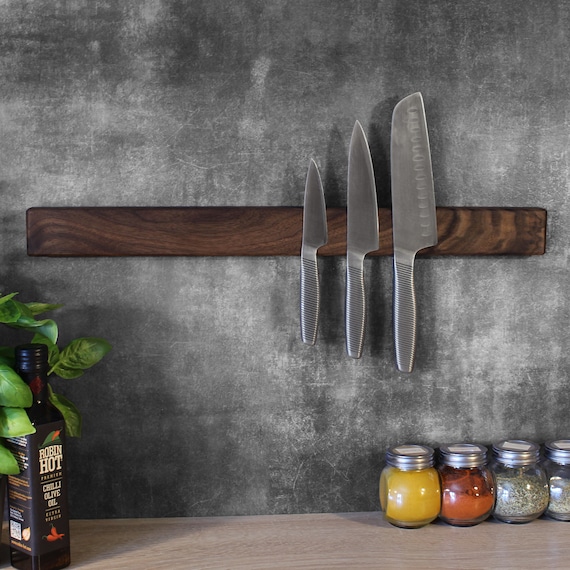
A slim magnetic strip mounted at eye level keeps knives accessible yet off the counter and out of crowded drawers. The strong neodymium magnets grip blades firmly even when the strip is installed on drywall with proper anchors. Chefs often position the strip above the prep area so tools stay within arm reach during cooking.
Wipe the strip weekly with a damp cloth to remove grease film that can weaken the magnetic hold over time. Avoid placing the strip near the stove where heat might affect certain magnet coatings. Children’s reach should be considered before final placement.
Stackable Clear Bins in Pantries
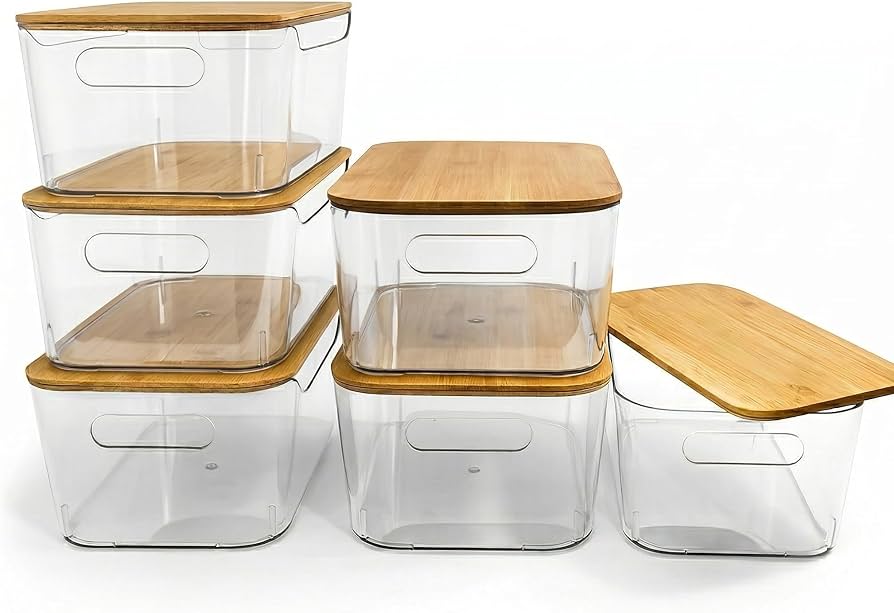
Clear, lidded bins let dry goods stay visible while stacking multiple layers on a single shelf. Uniform sizing creates stable towers that prevent tipping when one bin is pulled forward. Labels on the front edge make inventory checks simple without opening every container.
Rotate older stock to the front each time new items are added to reduce waste. Select bins with tight-sealing lids if the pantry sits near a humid window or stove. Square shapes maximize floor space inside the cabinet compared with round versions.
Vertical Lid Organizers
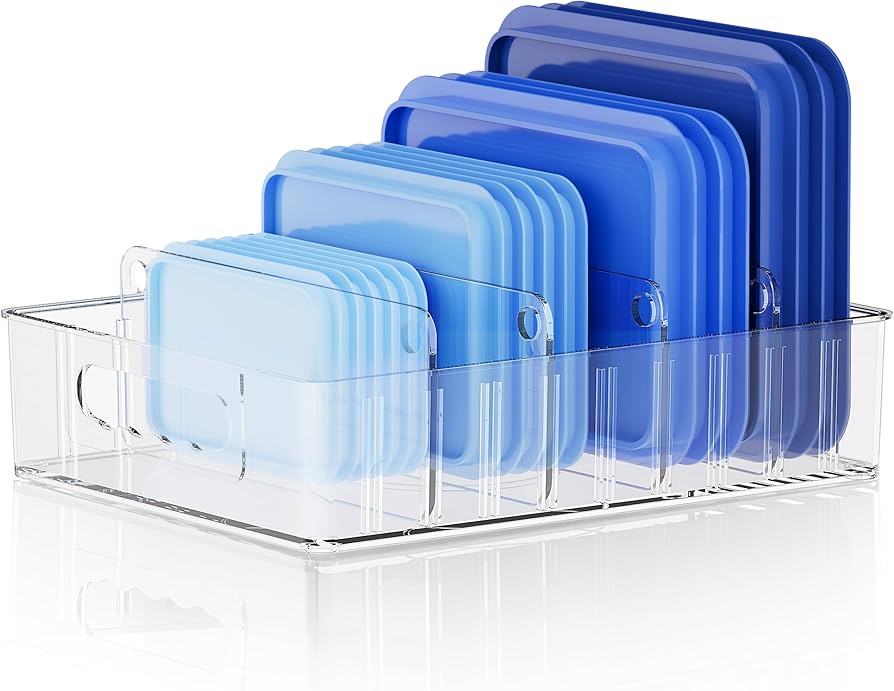
A narrow rack standing inside a base cabinet holds pot lids upright like files so each one slides out independently. The wire or acrylic construction fits between existing shelves without requiring new holes. Lids no longer nest awkwardly inside pots, freeing drawer space for other utensils.
Measure the cabinet depth before purchase because some racks extend farther than standard shelves allow. Place the rack against the side wall to leave the center open for larger stockpots. Plastic versions resist rust if occasional spills reach the cabinet floor.
Pegboard Wall Systems
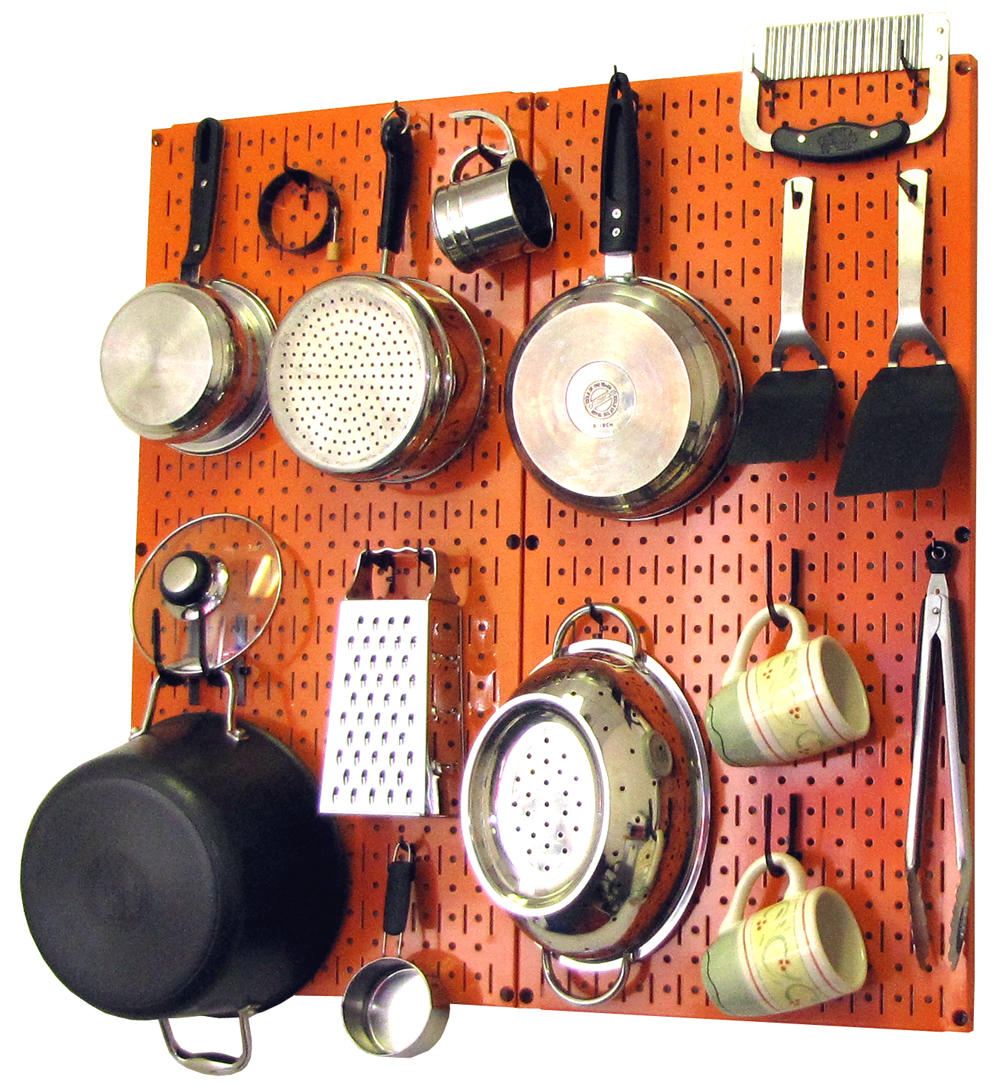
A painted pegboard panel turns blank wall space into adjustable storage for measuring cups, towels, and lightweight pans. Hooks and small shelves rearrange easily as needs change throughout the year. The grid pattern keeps everything visible and encourages putting items back in the same spot.
- Choose 1/4-inch tempered hardboard for durability under daily weight
- Paint the board the same color as surrounding walls to keep the look integrated
- Add a narrow trim frame around the edges for a finished appearance
Position the panel at least four inches from the nearest countertop edge so hanging items do not interfere with food prep. Check that anchors reach studs when the board will hold cast-iron pans.
Corner Shelf Units
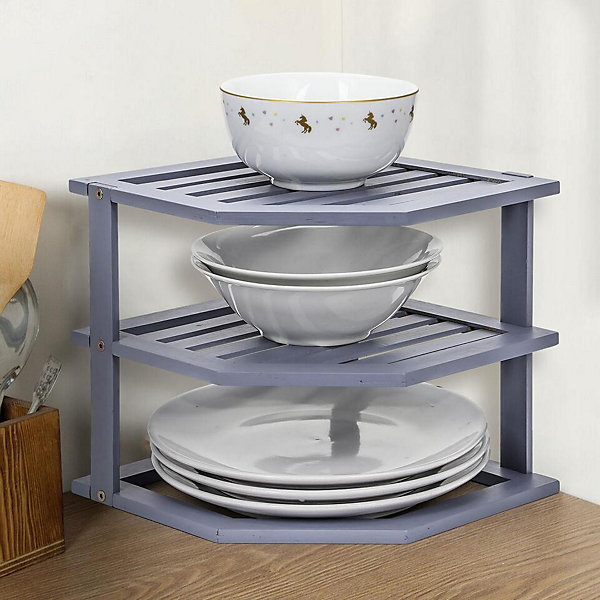
Triangular or curved corner shelves nestle into wasted ninety-degree spaces above counters or inside cabinets. Two or three tiers hold stacked bowls or small appliances without protruding into the main work triangle. The open design prevents dark corners from becoming forgotten clutter zones.
Secure the unit to adjacent walls with small brackets if the shelves will carry heavy ceramic dishes. Rounded front edges reduce accidental bumps when moving through tight galley kitchens. Light-colored finishes reflect available light and keep the corner from feeling cramped.
Drawer Divider Inserts
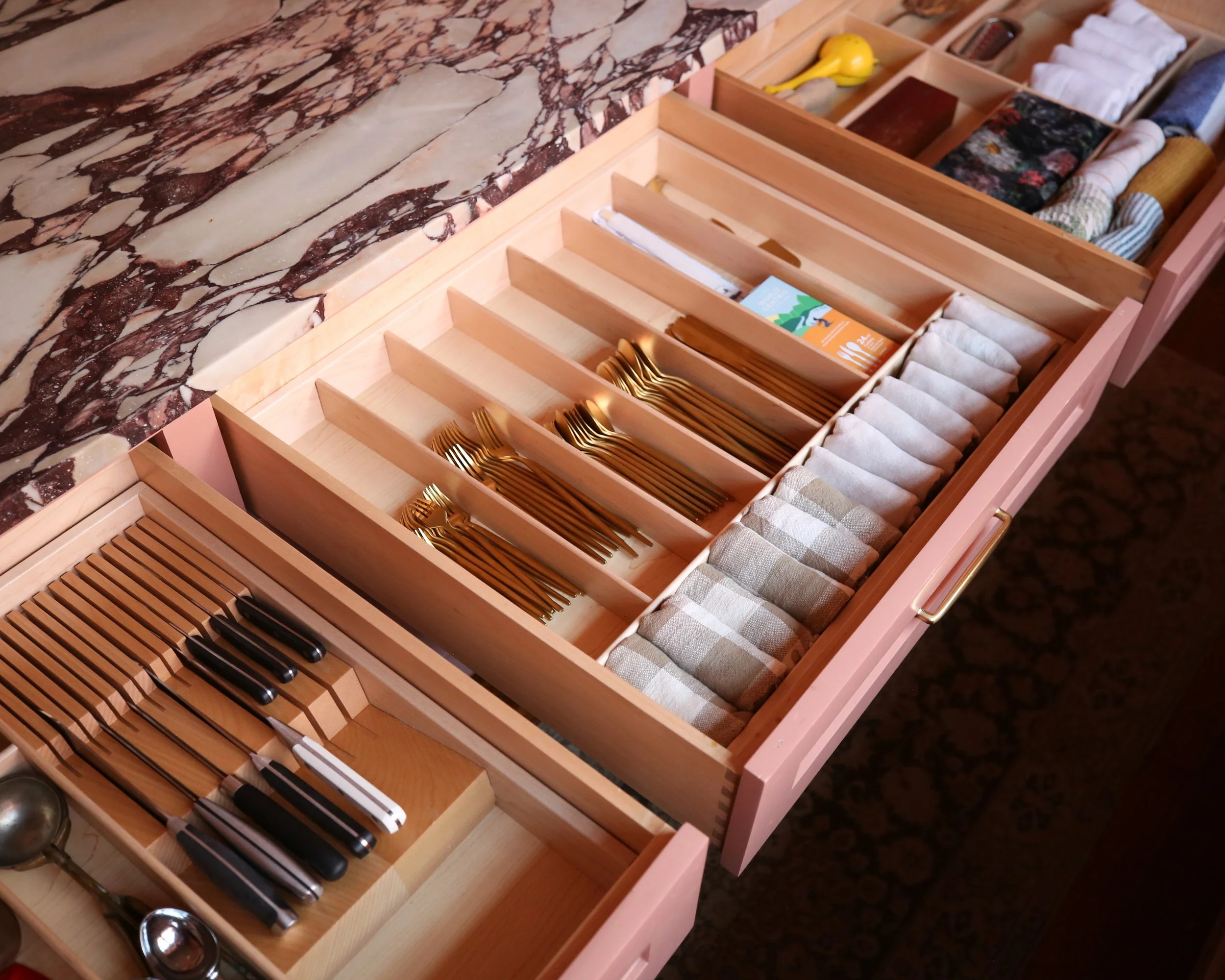
Adjustable dividers section off deep drawers so spatulas, whisks, and peelers occupy separate lanes. The bamboo or plastic strips expand to fit most drawer widths and lift out for quick cleaning. Items stay sorted even after the drawer is slammed shut during busy meal prep.
Pull-Out Spice Rack Shelves
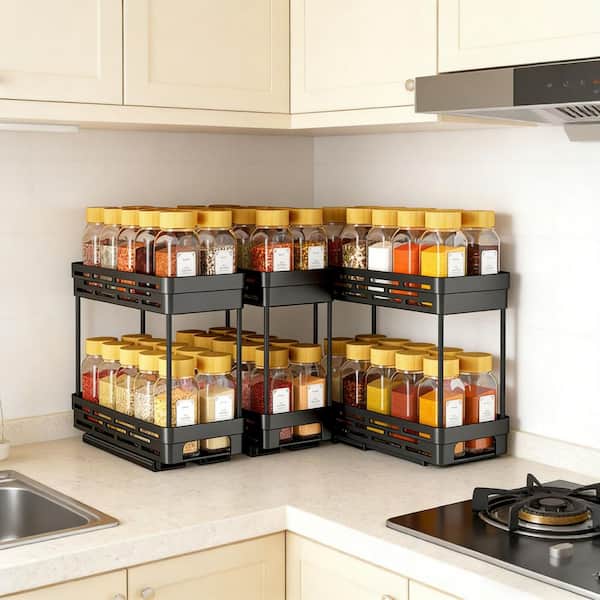
Narrow rolling shelves mounted on cabinet sides bring every jar forward in one motion. The two-tier design doubles capacity inside a standard upper cabinet while keeping labels readable. Home cooks avoid duplicate purchases because nothing hides behind the front row.
Tension Rod Dividers for Under-Sink Areas
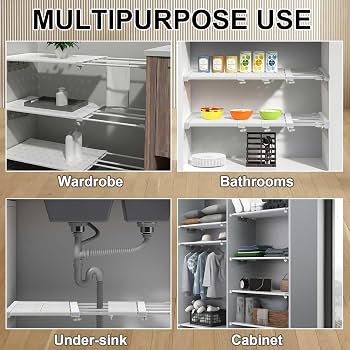
A spring-loaded rod stretched between cabinet walls creates an instant shelf for spray bottles and sponges. The rod sits high enough to clear the sink trap yet low enough to keep supplies from tipping. No drilling is required, so renters can remove the setup without leaving marks.
FAQ
How do I keep an over-the-door organizer from swinging when the door opens?
Secure the bottom corners with small adhesive hooks attached to the door face so the organizer stays flat against the surface. Check the hook weight rating matches the filled organizer. Re-tighten the top bracket after the first week of use as fabric stretches slightly.
What weight limit should I observe on a magnetic knife strip?
Most residential strips safely hold up to eight pounds when mounted into studs. Test the grip with one knife first and add weight gradually. Replace the strip if any magnet begins to separate from its backing.
Can stackable bins be used in cabinets that receive direct sunlight?
Clear bins can yellow over time in strong sunlight, so choose tinted or opaque versions for south-facing windows. Keep lids fully seated to limit dust entry. Rotate the stack every few months so no single bin stays at the top indefinitely.
How often should pegboard hooks be checked for loosening?
Inspect hooks monthly and push them back into the board if vibration from nearby appliances has shifted them. Replace any hook that shows metal fatigue. Wipe the board surface before rehanging items to maintain a clean grip.
A small kitchen feels twice as functional once these storage layers work together. Start with the two or three hacks that match your most frequent frustrations and expand from there.
Leave a Reply