Crochet squares, often referred to as granny squares, are the versatile building blocks of the crochet world.
Whether you are a beginner looking to master the basics or an experienced crafter seeking a portable project, crochet squares offer an endless array of design possibilities.
By mastering a few simple patterns, you can create heirloom-quality blankets, throws, and baby blankets that are both functional and artistic.
The beauty of these squares lies in their modular nature; you can work on them one at a time, making them the perfect on-the-go craft.
Essential Supplies for Crochet Squares
Before diving into the patterns, ensure you have the right tools.
While crochet is flexible, using the correct hook size for your yarn weight is crucial for achieving the right drape in a blanket.
| Tool | Recommended Type | Purpose |
|---|---|---|
| Yarn | Worsted Weight (Level 4) or DK (Level 3) | Best for beginners; easy to see stitches. |
| Crochet Hook | 4.0mm (G) or 5.0mm (H) | Standard sizes for most blanket yarns. |
| Tapestry Needle | Blunt-tipped, large eye | For weaving in ends and joining squares. |
| Scissors | Sharp embroidery scissors | For clean yarn cuts. |
| Stitch Markers | Locking plastic markers | To mark the beginning of rounds or corners. |
1. The Classic Granny Square
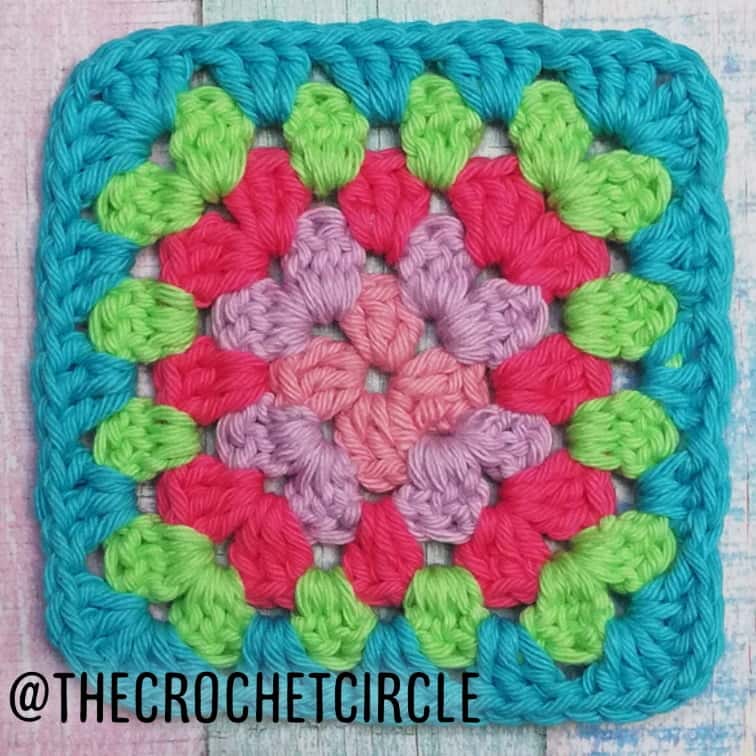
The Classic Granny Square is the foundation of crochet.
It is worked in rounds using granny clusters—groups of three double crochets (dc) worked into the same space.
This pattern is iconic for its holy or lacy appearance and is the ultimate scrap-buster project.
To start, create a magic ring or chain 4 and join with a slip stitch.
In the first round, you will work 3-dc clusters separated by chain-2 spaces for the corners.
As you move to the second and third rounds, you simply work clusters into the chain spaces of the previous row.
This pattern is incredibly forgiving and grows quickly, making it a favorite for large Afghan blankets.
2. Solid Granny Square (No Gaps)
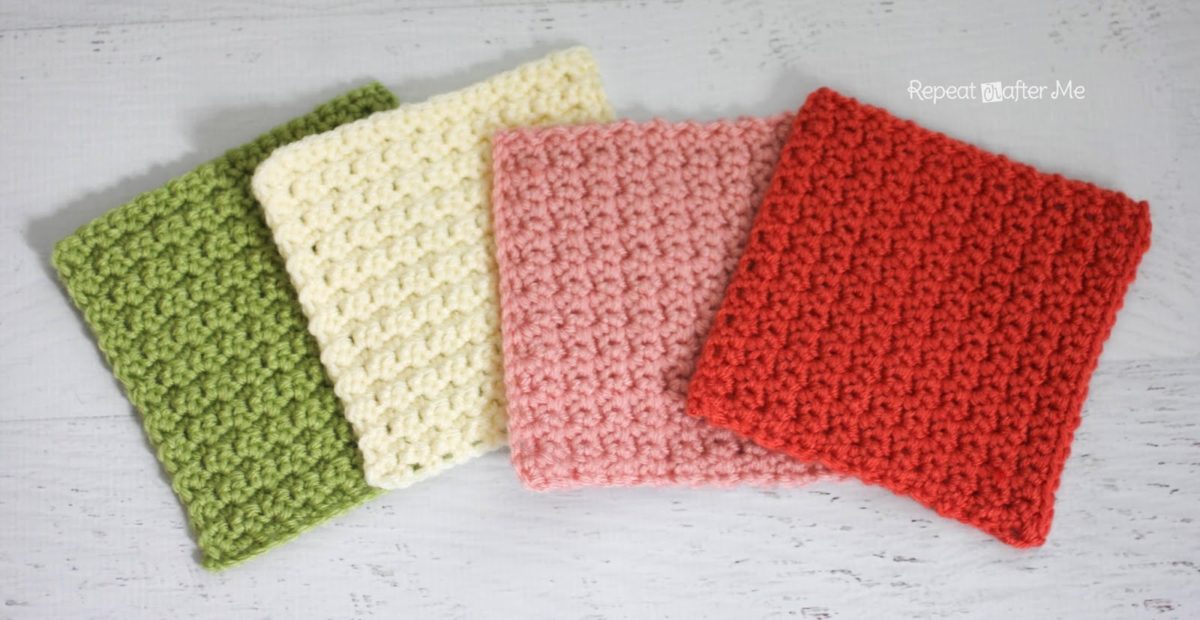
If you prefer a warmer, denser blanket without the traditional holes, the Solid Granny Square is the perfect alternative.
Instead of clusters and chain spaces along the sides, you work a double crochet into every stitch of the previous round.
The key to keeping this square flat is the corner formula: typically 2 dc, ch 2, 2 dc all in the same corner space.
This ensures the square expands evenly without curling.
Solid squares are excellent for modern, minimalist home decor and provide a great canvas for showing off variegated or self-striping yarns.
3. Sunburst (Sunflower) Square
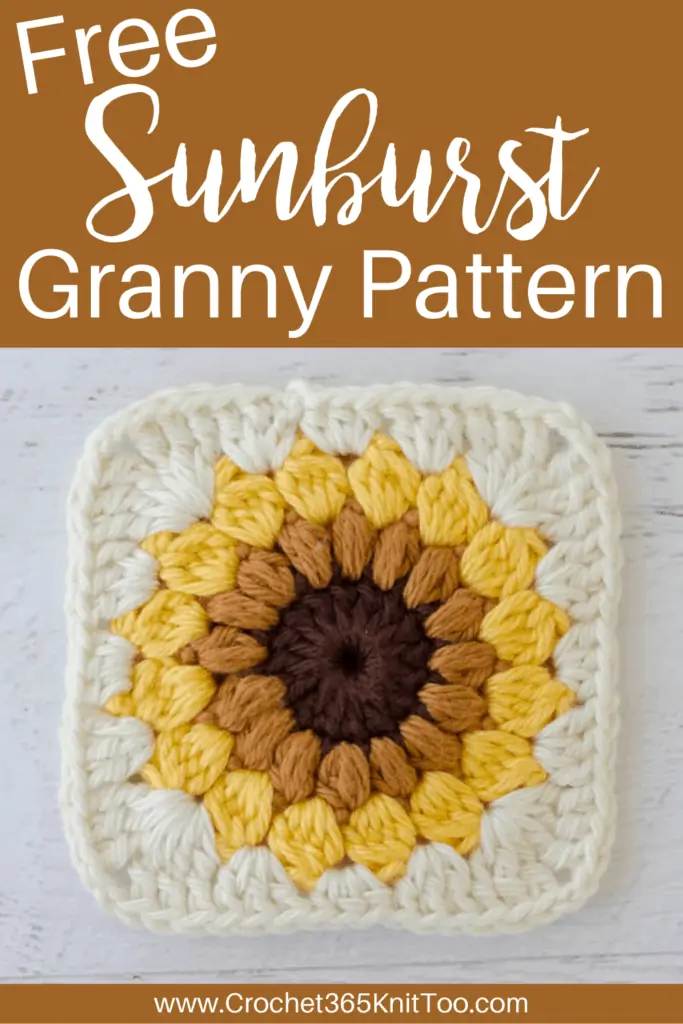
The Sunburst Square is a stunning, textured pattern that mimics the look of a blooming flower.
It typically uses three different stitches to create depth: puff stitches, popcorn stitches, and clusters.
The center starts as a circle (the sun), and by the fourth round, you transition the circle into a square by using stitches of varying heights (treble crochets for the corners and double crochets for the sides).
These squares are particularly popular for cottagecore aesthetic blankets when worked in yellows, browns, and creams.
4. Circle to Square Motif
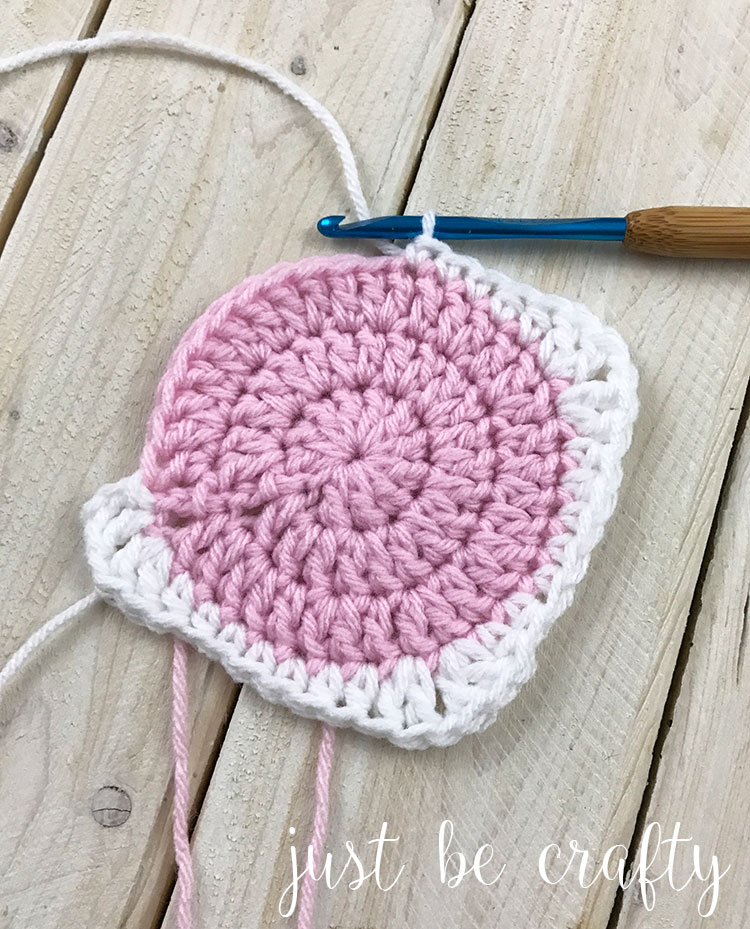
This pattern is a masterclass in geometry.
You begin by crocheting a flat circle for three or four rounds.
To turn it into a square, you use the height compensation technique.
This involves using tall stitches like treble or double-treble crochets in the corners and shorter stitches like half-double or single crochets in the middle of the sides.
This style is perfect for those who find traditional squares too boxy.
It creates a beautiful visual contrast when joined, as the circular centers pop against the linear grid of the finished blanket.
5. Waffle Stitch Square
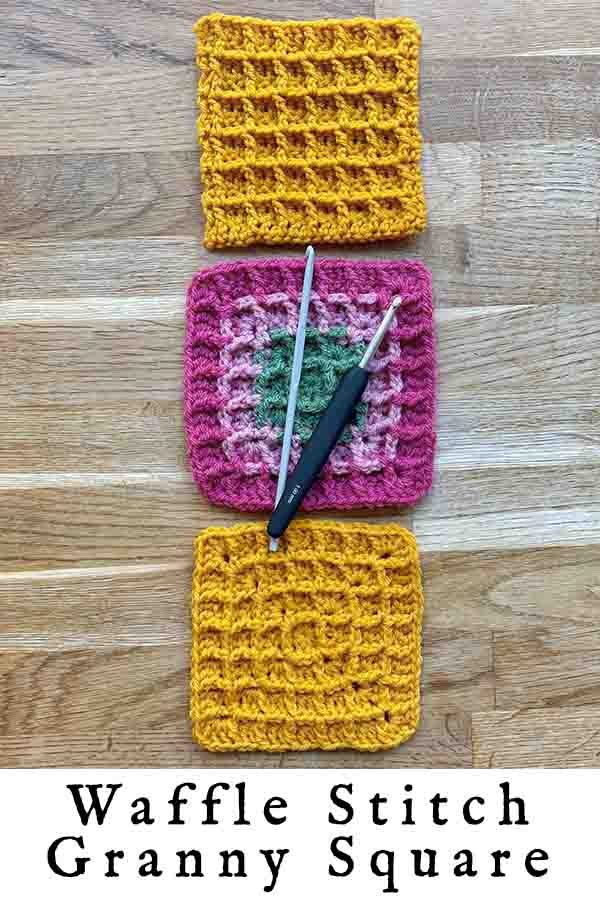
The Waffle Stitch is beloved for its deep, squishy texture.
It uses a combination of standard double crochets and front-post double crochets (FPDC) to create a grid of raised ridges that look exactly like a breakfast waffle.
While usually worked in rows, adapting the waffle stitch into a square involves working from the center out.
The resulting fabric is thick and incredibly warm, making it the top choice for heavy winter throws.
Because of the post stitches, this pattern is a yarn eater, so ensure you have extra skeins on hand.
6. Popcorn Stitch Square
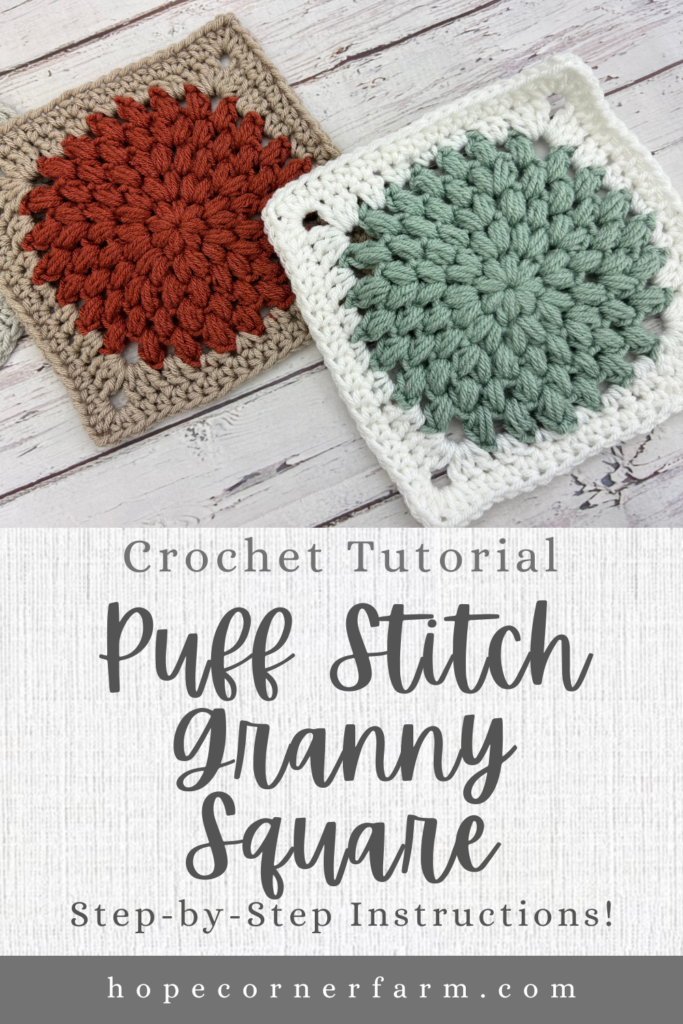
For those who love 3D texture, the Popcorn Stitch Square is a must-try.
A popcorn is created by working 5 double crochets into one stitch, then joining the first and last dc to pull the stitches into a rounded pop.
You can place a single popcorn in the center of a square or create an entire grid of them.
These squares provide a tactile experience, which is wonderful for baby blankets or sensory throws.
They look best in solid colors where the shadows can highlight the raised texture.
7. Log Cabin Crochet Square
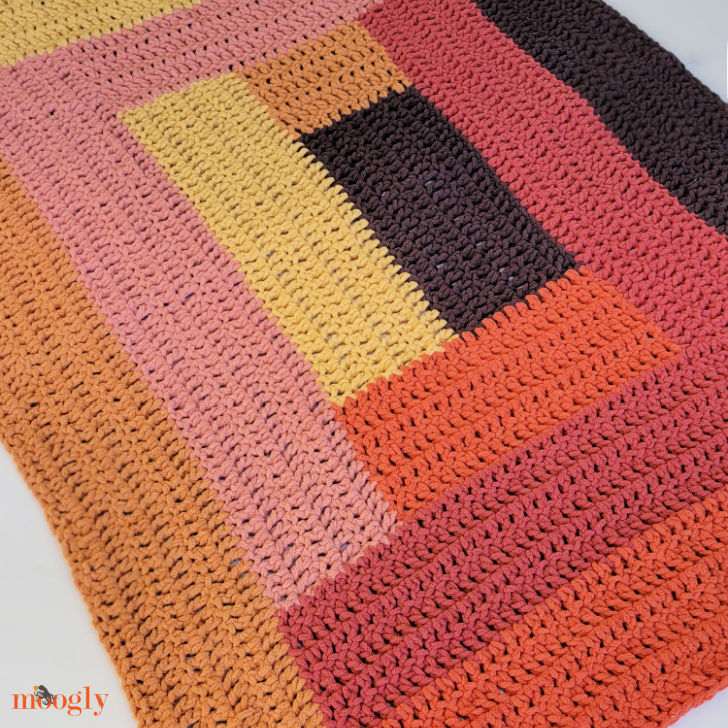
Inspired by the traditional quilting pattern, the Log Cabin Square is worked by adding planks of color to the sides of a central square.
You start with a small square and then crochet along one edge, then turn and crochet along the next edge, building outward.
This is a fantastic way to use up leftover yarn of different colors.
Since you are working in rows rather than rounds for the outer sections, it creates a unique, asymmetrical look that feels very modern and architectural.
8. Mitered Square
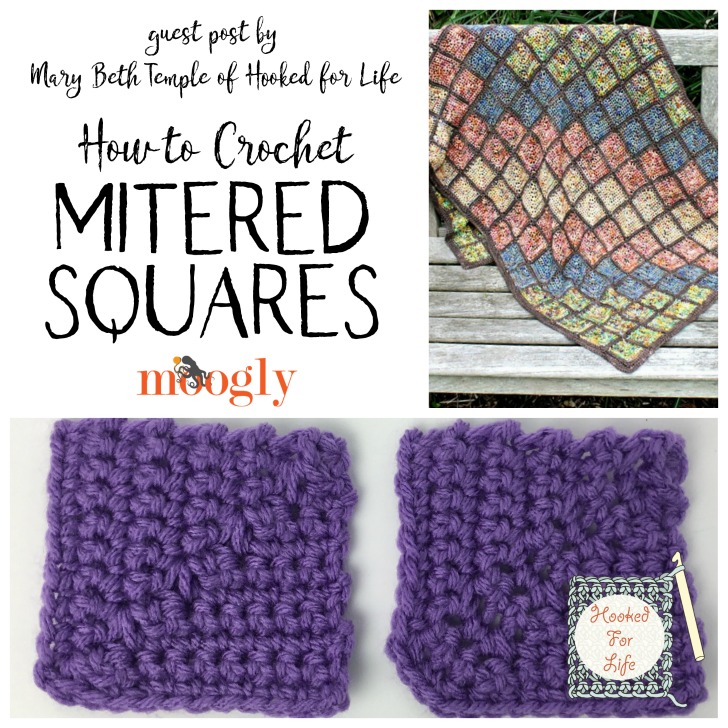
The Mitered Square is worked from one corner outward, creating a diagonal miter line down the center.
You start with a small L-shape or a foundation chain and decrease (or increase) in the center of every row.
The result is a square with stripes that meet at a 45-degree angle.
When you join these squares, you can rotate them to create diamond patterns, zig-zags, or chevrons across your blanket.
It’s a clever way to play with visual direction.
9. Flower Power Square
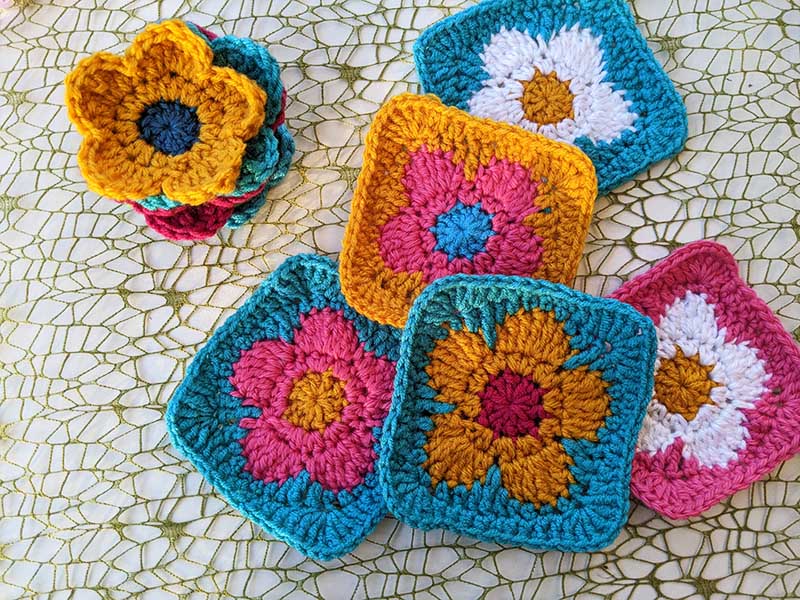
Unlike the Sunburst, the Flower Power square usually features a distinct, 3D flower (like a daisy or rose) that sits on top of a flat square base.
You crochet the flower first and then square it off by working into the back loops of the petals.
This pattern is a staple for boho-style decor.
Using a bright color for the petals and a neutral cream or white for the square border makes the floral design stand out vividly.
10. Moss Stitch (Linen Stitch) Square
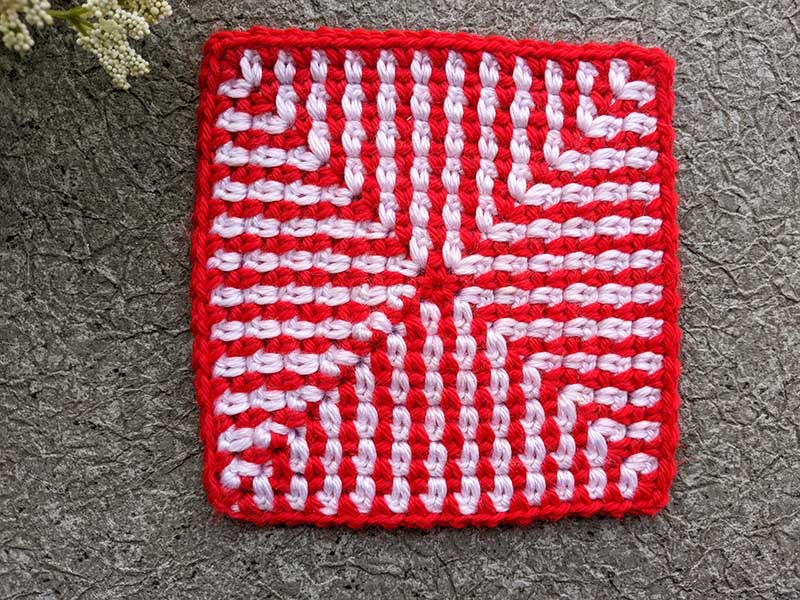
The Moss Stitch is one of the simplest yet most elegant textures in crochet.
It consists of a simple sc, ch 1, skip 1 sequence.
When worked in the round to form a square, it creates a woven, fabric-like appearance that is less holey than a granny square but more flexible than a solid square.
It is an excellent pattern for beginners because it only uses the single crochet stitch.
The Moss Stitch square is also reversible, meaning your blanket will look just as good on the back as it does on the front.
11. Corner-to-Corner (C2C) Square
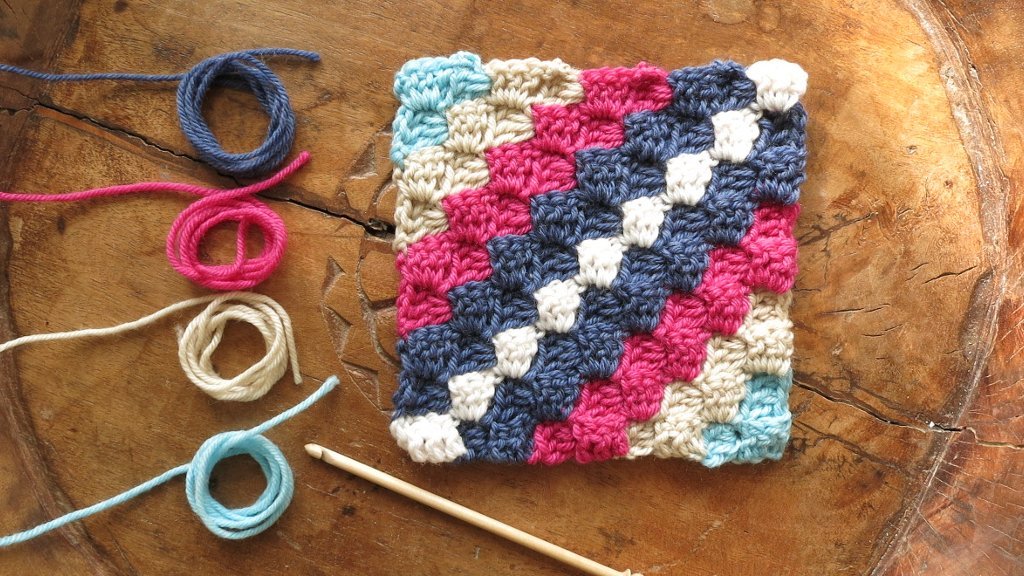
C2C is a technique where you work diagonally from one corner to the opposite corner.
It creates a tiled texture that looks like little steps.
While often used for large graphgans (blankets with pictures), you can make individual C2C squares and join them.
The advantage of C2C is its speed.
Once you get the rhythm of the increase and decrease rows, you can fly through these squares.
They are also very sturdy and hold their shape well over time.
12. Victorian Lattice Square
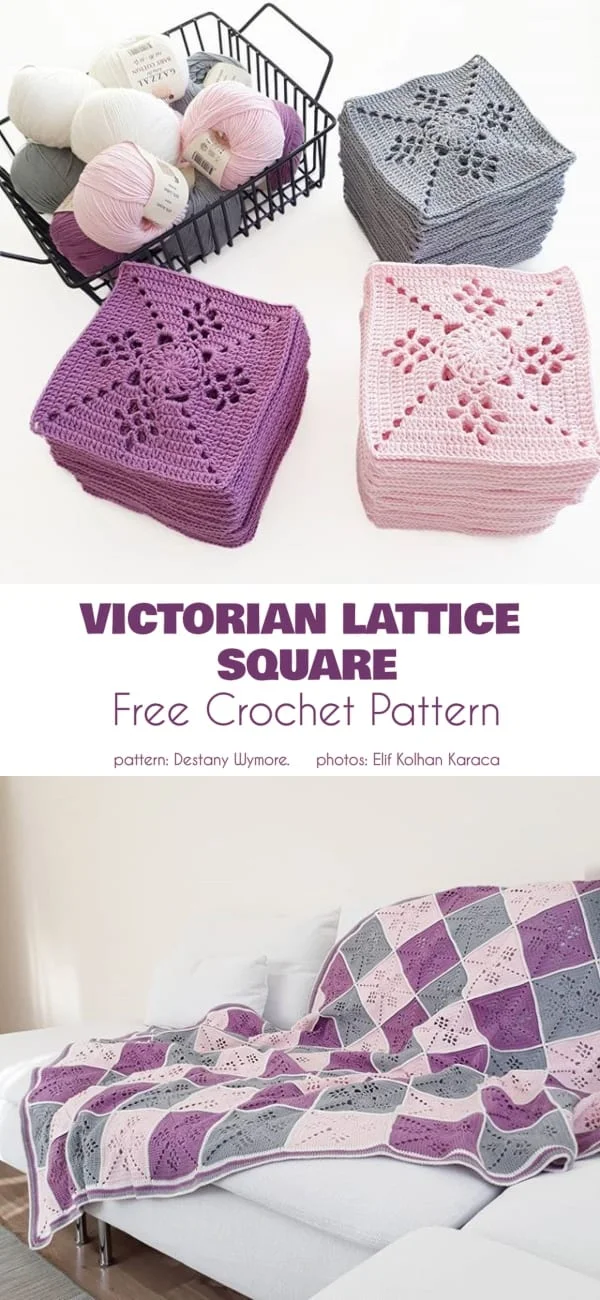
For a more sophisticated, vintage look, the Victorian Lattice square uses intricate chains and picots to create a lace-like effect.
This pattern is typically more open, meaning it’s better suited for decorative lightweight throws rather than heavy winter blankets.
Because of the intricate nature of the lattice, this square benefits greatly from blocking (wetting the finished square and pinning it to shape) to ensure all the lace details are visible and crisp.
13. Textured Basketweave Square
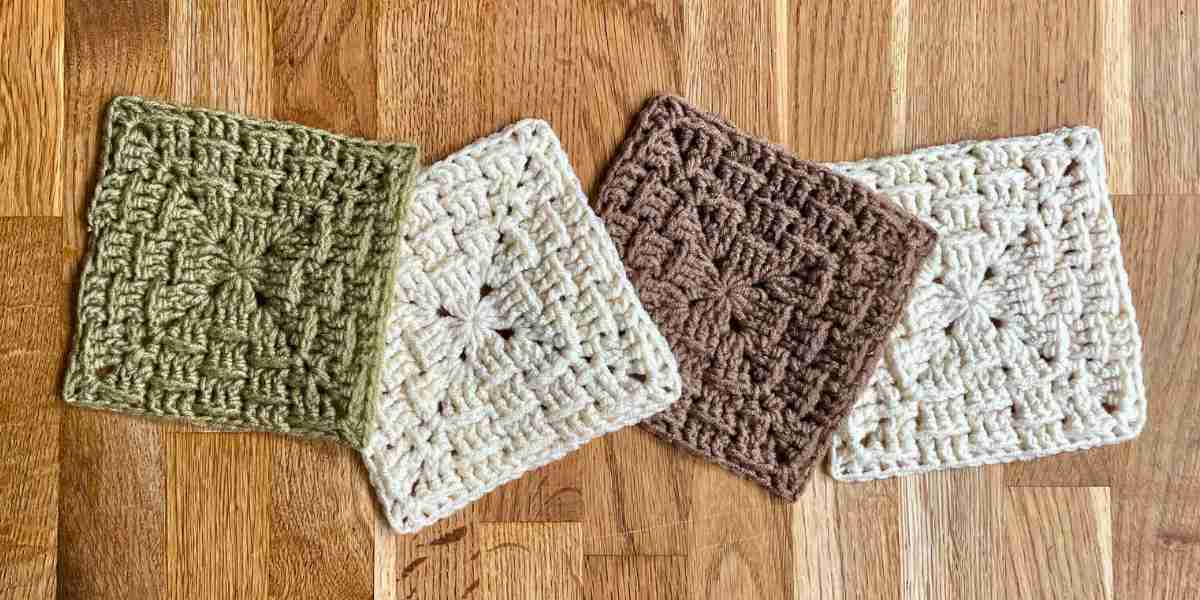
The Basketweave square uses alternating blocks of front-post and back-post double crochets to mimic the look of a woven basket.
This creates a very thick, durable fabric with significant weight.
When used in a blanket, these squares provide a sophisticated, high-end look that resembles expensive knitwear.
It is best to use a solid, light-colored yarn for this pattern so the light can catch the alternating over-under texture of the stitches.
14. African Flower Square
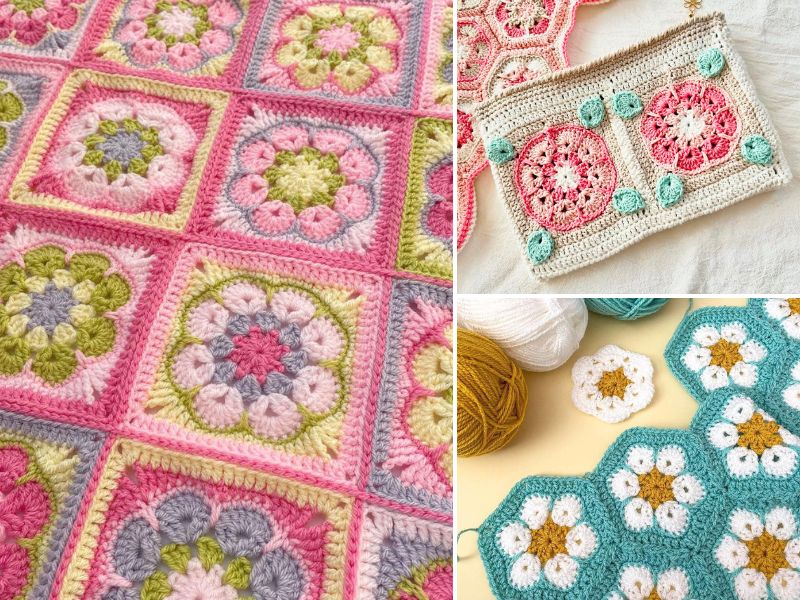
The African Flower is a famous crochet motif characterized by its eight-petaled floral center.
It is usually worked in at least three colors: one for the center, one for the petals, and one for the outline.
While the motif is naturally hexagonal, it can easily be converted into a square by adding extra stitches to the valleys between the petals.
This pattern is a favorite for those who enjoy colorwork and want to create a blanket with a global, artisanal feel.
15. Heart Motif Square
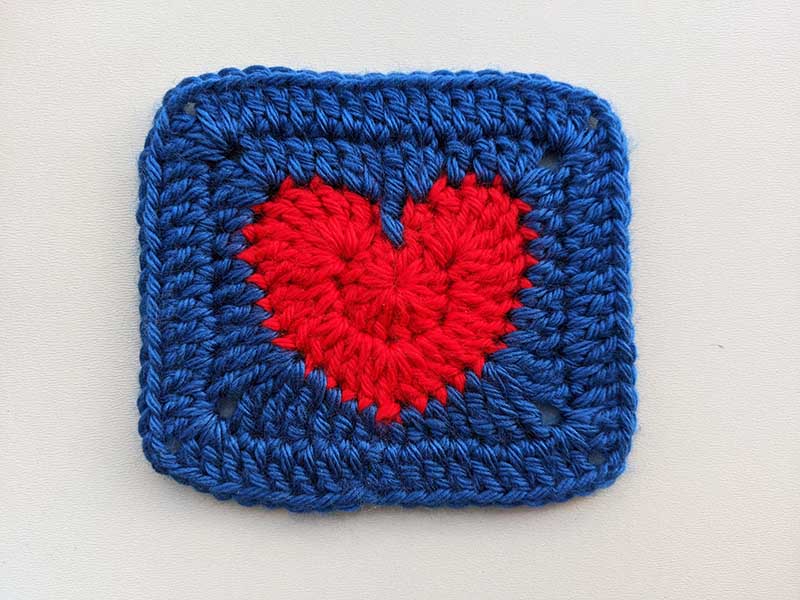
Perfect for baby blankets or Valentine’s gifts, the Heart Motif square features a heart shape in the center.
This can be achieved through tapestry crochet (carrying two colors of yarn) or by crocheting a separate heart and appliqueing it onto a solid square.
A more advanced version involves using bobble stitches to outline the shape of a heart within a solid dc square.
Regardless of the method, these squares add a sentimental, handmade touch to any project.
How to Join Your Squares
Once you have crocheted your desired number of squares, you need to connect them.
The method you choose will change the look of the finished blanket.
- ● Mattress Stitch: Use a tapestry needle to sew the squares together. This creates an invisible seam that lies completely flat.
- ● Slip Stitch Join: Use your crochet hook to slip stitch the edges together. This creates a raised ridge on the back (or front, if you like the look) and is very secure.
- ● Join-As-You-Go (JAYG): This is an advanced technique where you join the current square to the previous one during the final round of crochet. This eliminates the need for sewing at the end!
Finishing Touches: The Border
A blanket isn’t finished until it has a border.
For square-based blankets, a simple border of 2-3 rounds of single crochet or the Moss Stitch provides a clean, modern edge.
If you want something more ornate, try a Shell Stitch border or a Picot edge to add a feminine, decorative flair.
Frequently Asked Questions
How many squares do I need for a full-size blanket?
It depends on the size of your squares. For a standard 6-inch square, you will need approximately 100 squares (10×10) for a 60″ x 60″ throw blanket. For a baby blanket, 30-42 squares are usually sufficient.
What is the best yarn for crochet blankets?
Acrylic yarn is the most popular choice because it is affordable, durable, and machine washable. Cotton is great for lightweight summer throws, while wool blends offer maximum warmth.
Do I need to block my squares?
While not strictly necessary, blocking is highly recommended. It ensures all your squares are exactly the same size, which makes joining them much easier and results in a professional-looking finish.
Conclusion
Crochet squares are the ultimate slow fashion DIY project.
From the airy, vintage feel of the Classic Granny Square to the dense, modern texture of the Waffle Stitch, there is a pattern for every style and skill level.
By focusing on one square at a time, you can build a masterpiece that will bring warmth and beauty to your home for years to come.
Grab your hook, pick a pattern from this list, and start your journey toward creating the perfect crochet blanket today!
Leave a Reply