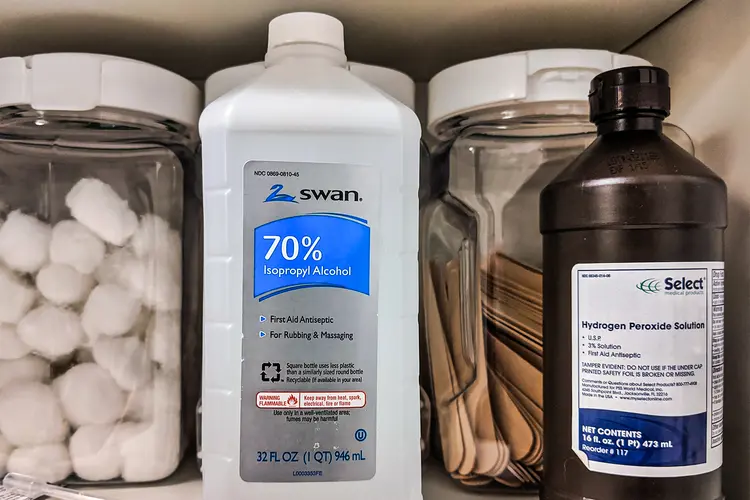
Rubbing alcohol serves as a versatile household staple that handles cleaning, disinfecting, and stain treatment tasks across multiple rooms. Its quick evaporation and antimicrobial properties make it effective for both daily maintenance and targeted fixes without leaving residue. Stock a few bottles in different concentrations to match the job at hand.
Sparkling Window and Mirror Solutions
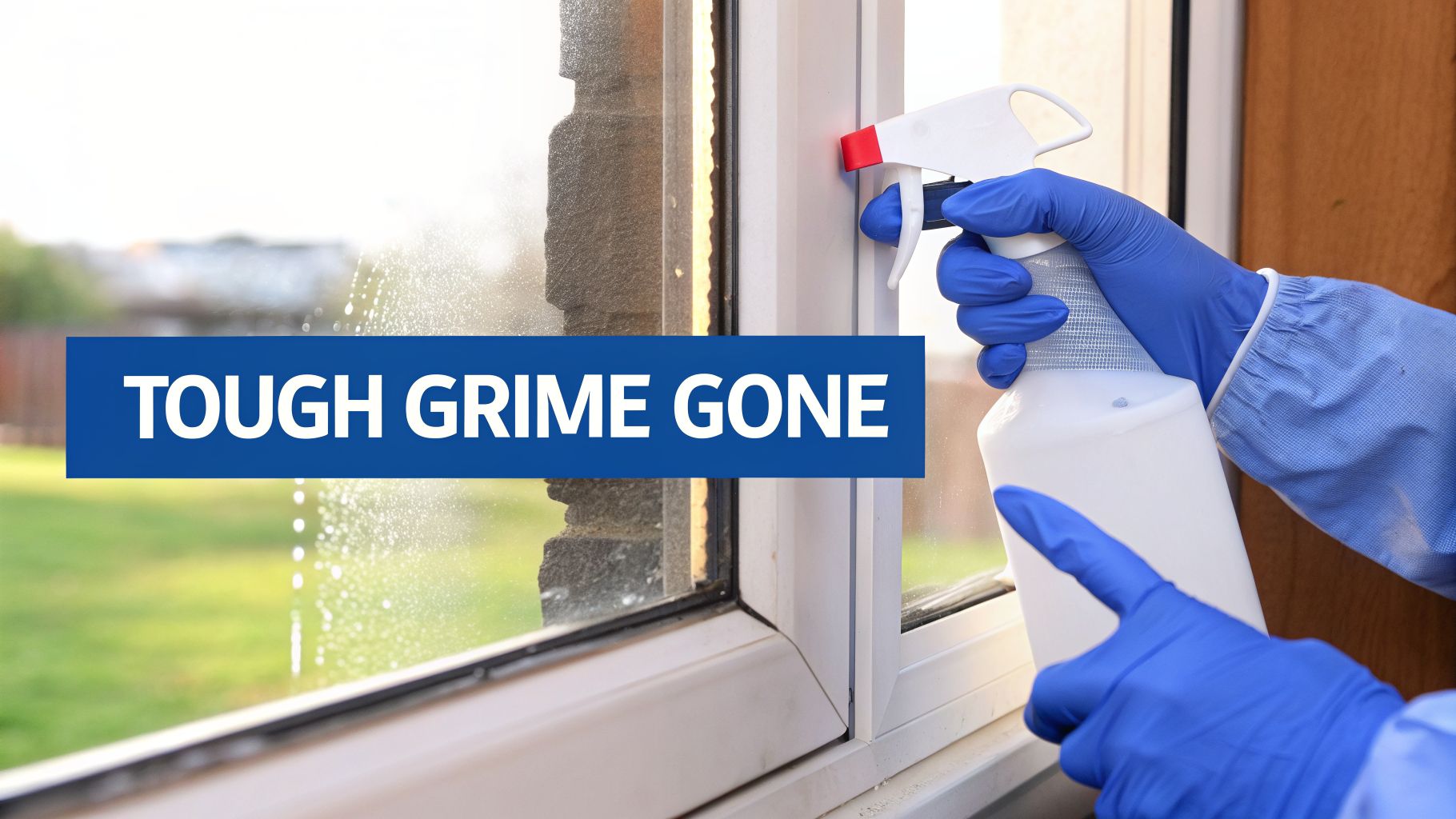
Rubbing alcohol cuts through film and streaks on glass faster than many commercial sprays. Mix one part alcohol with two parts water in a spray bottle, then wipe with a microfiber cloth for a clear finish that resists new smudges. This approach works especially well on bathroom mirrors exposed to steam and toothpaste splatter.
Apply the solution in a well-ventilated area to avoid inhaling concentrated fumes. Test on a small corner first when working with tinted or coated glass to confirm no clouding occurs. Reapply every few weeks in high-traffic areas to maintain the streak-free surface.
Kitchen Counter Disinfection Mixes

Rubbing alcohol evaporates quickly on laminate and sealed stone, reducing moisture that can warp surfaces. Combine equal parts alcohol and water with a drop of dish soap for a daily wipe-down that targets bacteria without harsh chemical scents. Focus on edges around sinks and appliances where spills collect.
Allow the mixture to sit for thirty seconds before wiping to give it time to break down grease. Avoid using it on unsealed wood or natural stone that may absorb the liquid and discolor. Keep a dedicated bottle under the sink for quick resets between meal prep sessions.
Permanent Marker Erasers on Surfaces
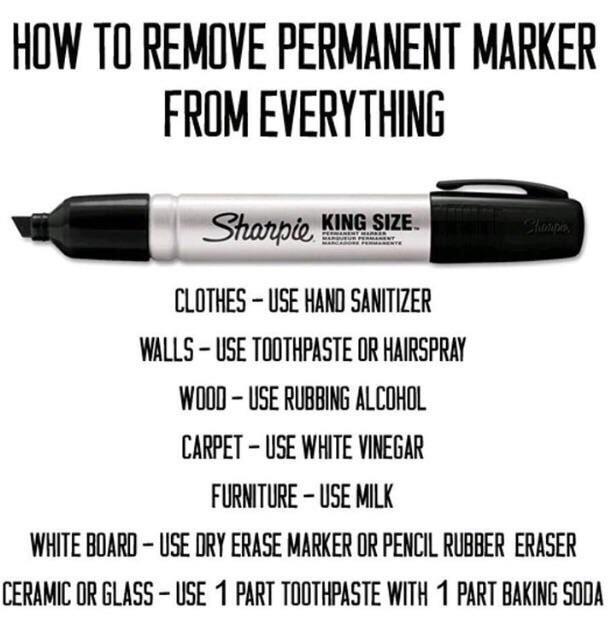
Rubbing alcohol dissolves the oils in permanent ink, lifting marks from painted walls, whiteboards, and plastic storage bins. Dab a cotton pad lightly with undiluted alcohol and blot rather than rub to prevent spreading the pigment. Multiple passes with fresh pads usually clear the area completely.
Work from the outside of the mark inward to contain any bleeding. This method succeeds on most non-porous surfaces but may lighten certain fabrics or unfinished wood. Keep a small container of cotton rounds nearby for immediate response to accidental drawings.
Electronics Wipe Essentials
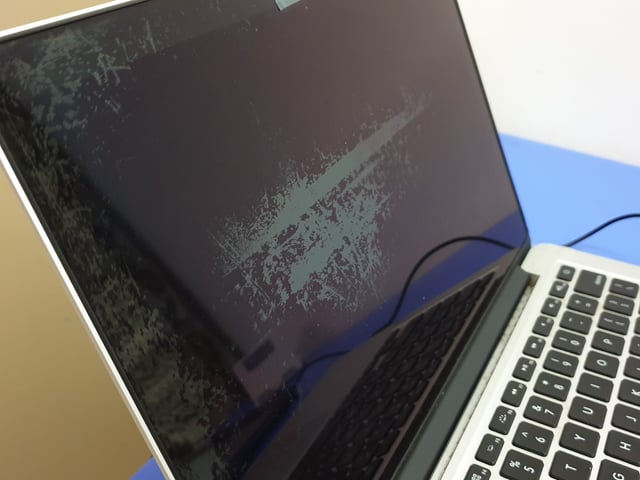
Rubbing alcohol removes fingerprints and oils from phone screens, remote controls, and keyboard keys without streaking. Use a 70 percent solution on a microfiber cloth that is only slightly damp, never dripping. Power off devices first and avoid ports or speaker grilles where liquid could seep inside.
Alcohol concentration above 90 percent can damage certain screen coatings over repeated use.
Rotate cloths frequently so you always wipe with a clean section. This habit prevents transferring dirt back onto the device during longer cleaning sessions.
Laundry Freshener Boosters
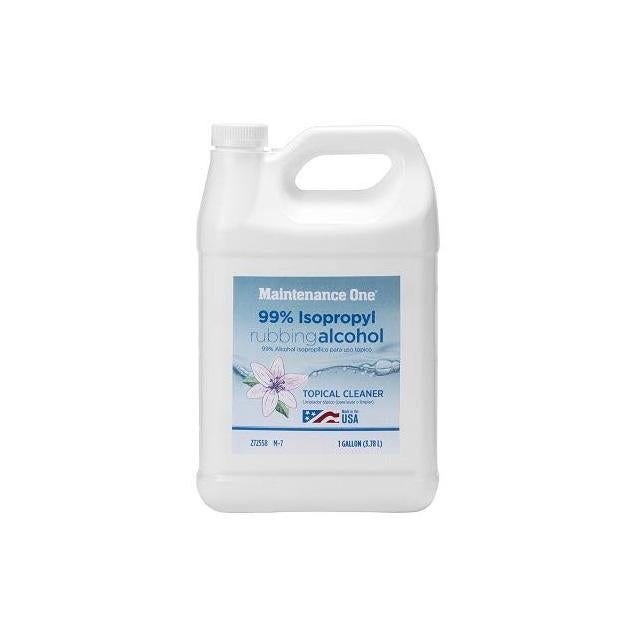
Rubbing alcohol neutralizes odors trapped in towels and gym clothes by breaking down bacteria that cause mildew smells. Add one cup to the rinse cycle along with regular detergent for items that have sat damp too long. The alcohol evaporates completely during drying, leaving no trace.
This addition also helps set colors on new dark garments by removing excess dye. Limit use to one cup per load to avoid over-diluting the wash water. Store a measuring cup near the washer for consistent results each time.
Jewelry Tarnish Removers
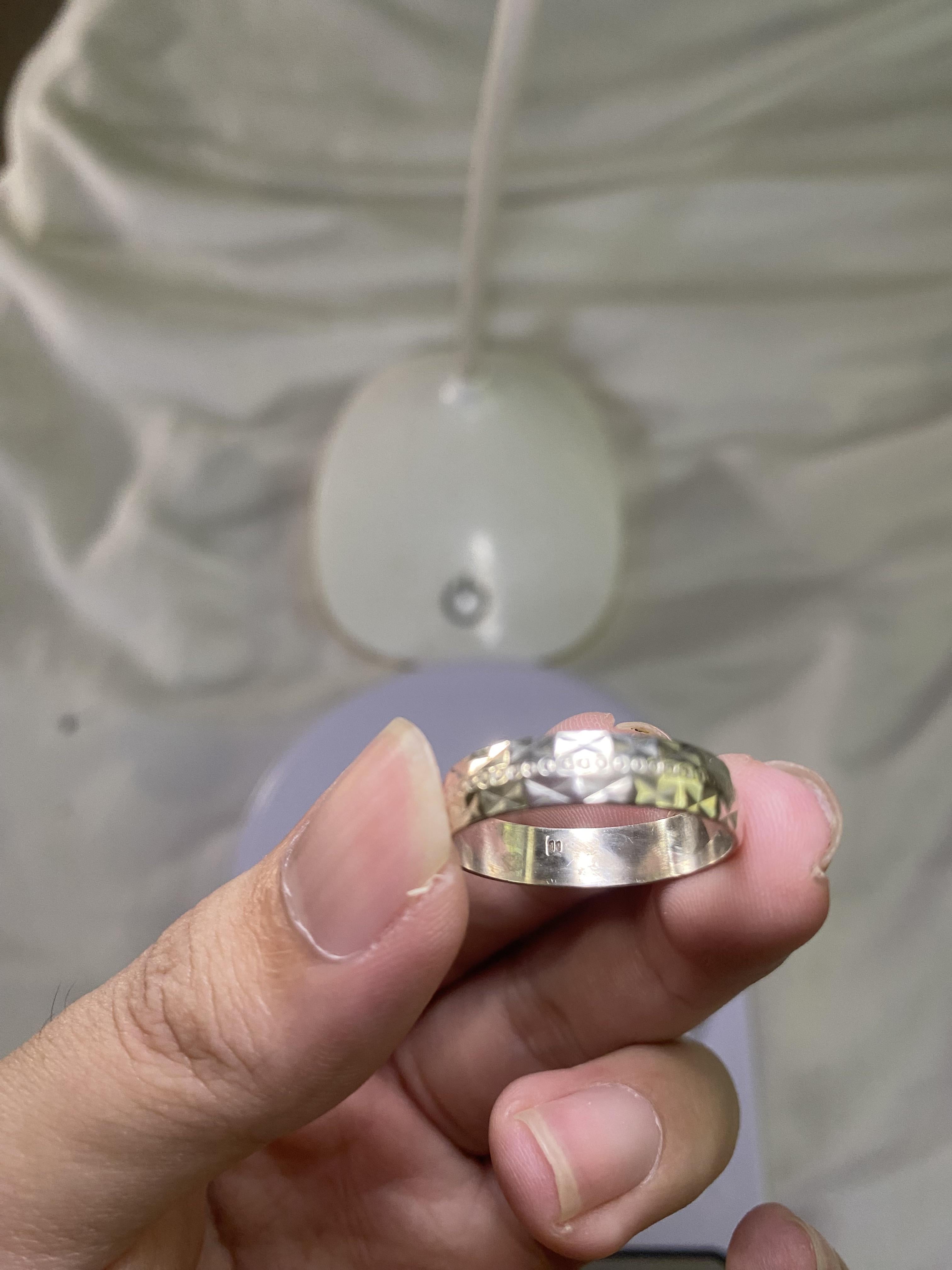
Rubbing alcohol lifts tarnish from silver chains and rings when applied with a soft cloth. Soak pieces briefly in a shallow dish of alcohol, then buff dry to restore shine without scratching. This works on costume jewelry as well, provided stones are not glued in place.
Alcohol can loosen certain adhesives on older pieces, so inspect settings before soaking.
Rinse with plain water afterward if the jewelry will touch skin directly. Repeat monthly for pieces worn daily to slow future oxidation.
Makeup Brush Sanitizers
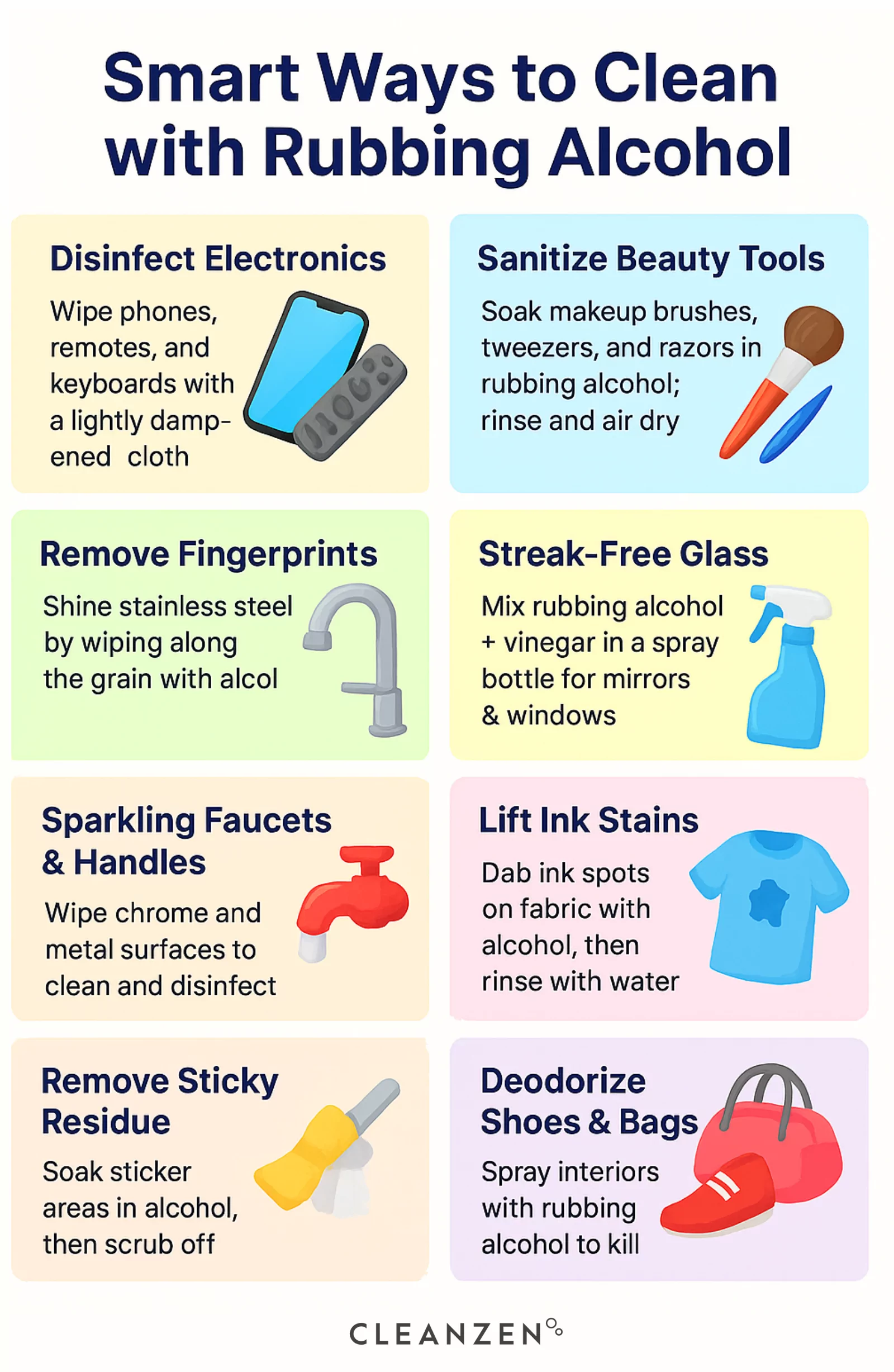
Rubbing alcohol kills bacteria that build up on makeup brushes between deep cleans. Fill a small cup with alcohol and swish bristles for ten seconds, then lay flat to air-dry on a towel. This quick step extends the time between full soap washes.
Squeeze excess liquid from the bristles before drying to maintain their shape. Perform this between uses of cream products that harbor more bacteria than powders. Replace brushes once bristles begin to fray regardless of cleaning frequency.
Shoe Odor Eliminators
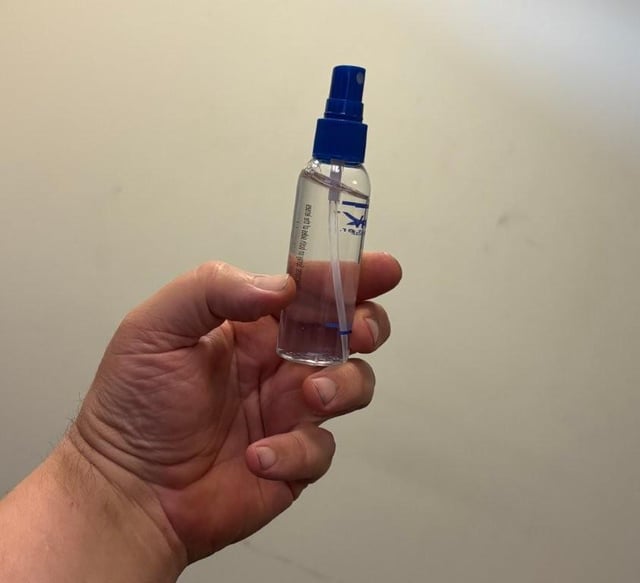
Rubbing alcohol sprayed inside shoes reduces odor-causing microbes on insoles and linings. Apply a light mist, then let the shoes air out overnight in a shaded spot. The alcohol evaporates without leaving moisture that could promote mold.
Rotate pairs daily so each has time to dry fully. This treatment pairs well with cedar shoe trees that absorb remaining dampness. Use it on canvas sneakers and leather boots alike, testing a hidden area first on dyed materials.
Plant Pest Control Sprays
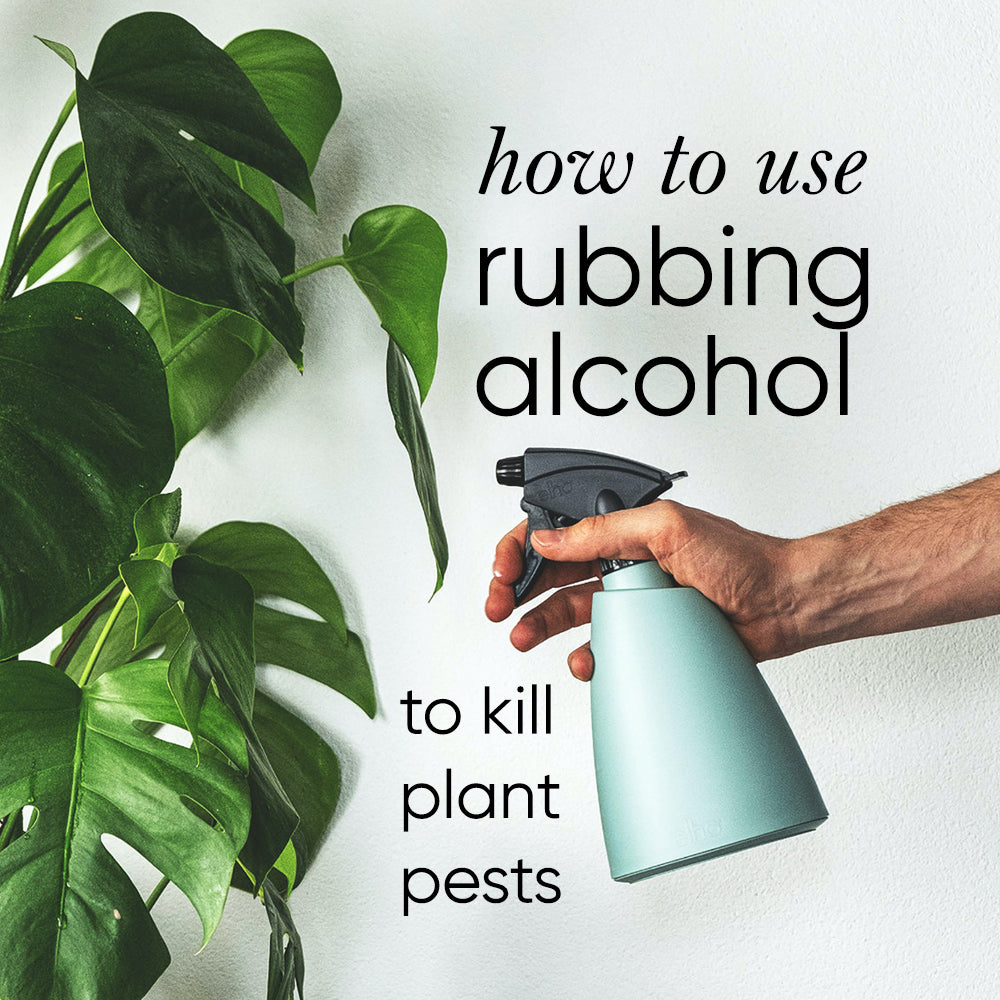
Rubbing alcohol diluted with water treats mealybugs and scale on houseplants by dissolving their protective coating. Mix one part alcohol with three parts water in a spray bottle and target affected leaves directly. Wipe leaves afterward with a damp cloth to remove dead insects.
Apply in the morning so foliage dries before evening to prevent leaf burn. Repeat every few days until no new pests appear. Keep the spray away from delicate new growth that may be more sensitive to the solution.
Quick Reference Comparison of Dilution Strengths
| Use Case | Recommended Strength | Notes on Application |
|---|---|---|
| Glass cleaning | 50% | Mix with water for streak-free results |
| Electronics | 70% | Damp cloth only, no direct spraying |
| Jewelry soak | 91% | Short contact time, rinse after |
| Plant pest spray | 25% | Test on one leaf first |
| Laundry odor boost | Full strength cup | Add to rinse cycle |
FAQ
How long does rubbing alcohol stay effective after opening a bottle?
Rubbing alcohol maintains its disinfecting strength for roughly two years when stored in a cool, dark cabinet with the cap tightly sealed. Exposure to air and light gradually reduces potency, so date the bottle when first opened and replace it once the time passes. Always check for cloudiness or unusual odor before use on surfaces or fabrics.
Can rubbing alcohol damage colored fabrics during stain treatment?
Some synthetic dyes and prints may lighten when exposed to full-strength alcohol, so test a hidden seam first and dilute if needed. Blot rather than scrub to limit spread, and rinse the area with cool water immediately after treatment. Dark or heavily saturated colors benefit from this cautious approach.
Is it safe to mix rubbing alcohol with vinegar for cleaning?
Combining the two creates an effective degreaser, but the mixture should be used promptly because the components can react over time and reduce effectiveness. Apply to non-porous surfaces only and avoid combining with bleach or ammonia in any form. Ventilation remains important whenever either product is in use.
What concentration works best for most household tasks?
Seventy percent alcohol balances disinfecting power with slower evaporation, making it suitable for the widest range of surfaces and fabrics. Higher percentages evaporate too quickly for thorough cleaning, while lower ones may leave moisture behind. Keep both 70 and 91 percent bottles on hand for flexibility.
Rubbing alcohol turns routine chores into faster, more reliable tasks when kept within reach of each room.
Leave a Reply