
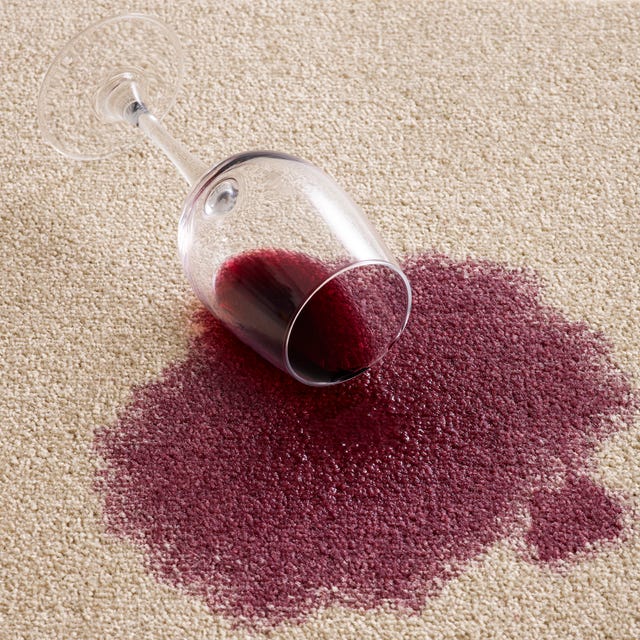
Red wine on your carpet feels like a small emergency — and honestly, it kind of is. The faster you act, the better your chances of lifting it completely.
I’ve dealt with more than a few Merlot mishaps over the years (two kids, one white-ish area rug, you do the math), and I’ve learned that the right technique in the first ten minutes can mean the difference between a clean carpet and a permanent reminder of that dinner party. Below are seven proven methods, starting with the most time-sensitive and moving through DIY solutions and a commercial backup that’s saved me more than once.
Blot and Flush With Cold Water Immediately
This is your first move — and the one that matters most. Grab a clean white cloth (paper towels work in a pinch, but a cotton dish towel or microfiber cloth gives you better absorbency) and press it firmly onto the stain.
Don’t wipe, don’t scrub, don’t swirl — just press down, let it wick up the wine, then lift and reposition to a clean section of cloth. Repeat until the cloth stops picking up color.
Then pour a small amount of cold water directly onto the stain to dilute what’s left, and blot again.
Cold water is critical here. Hot water opens up the carpet fibers and lets the pigment set deeper, which is the opposite of what you want. If you only do one thing on this list, make it this one — it’ll do more for you than any product applied an hour later.
Cover the Stain With Salt
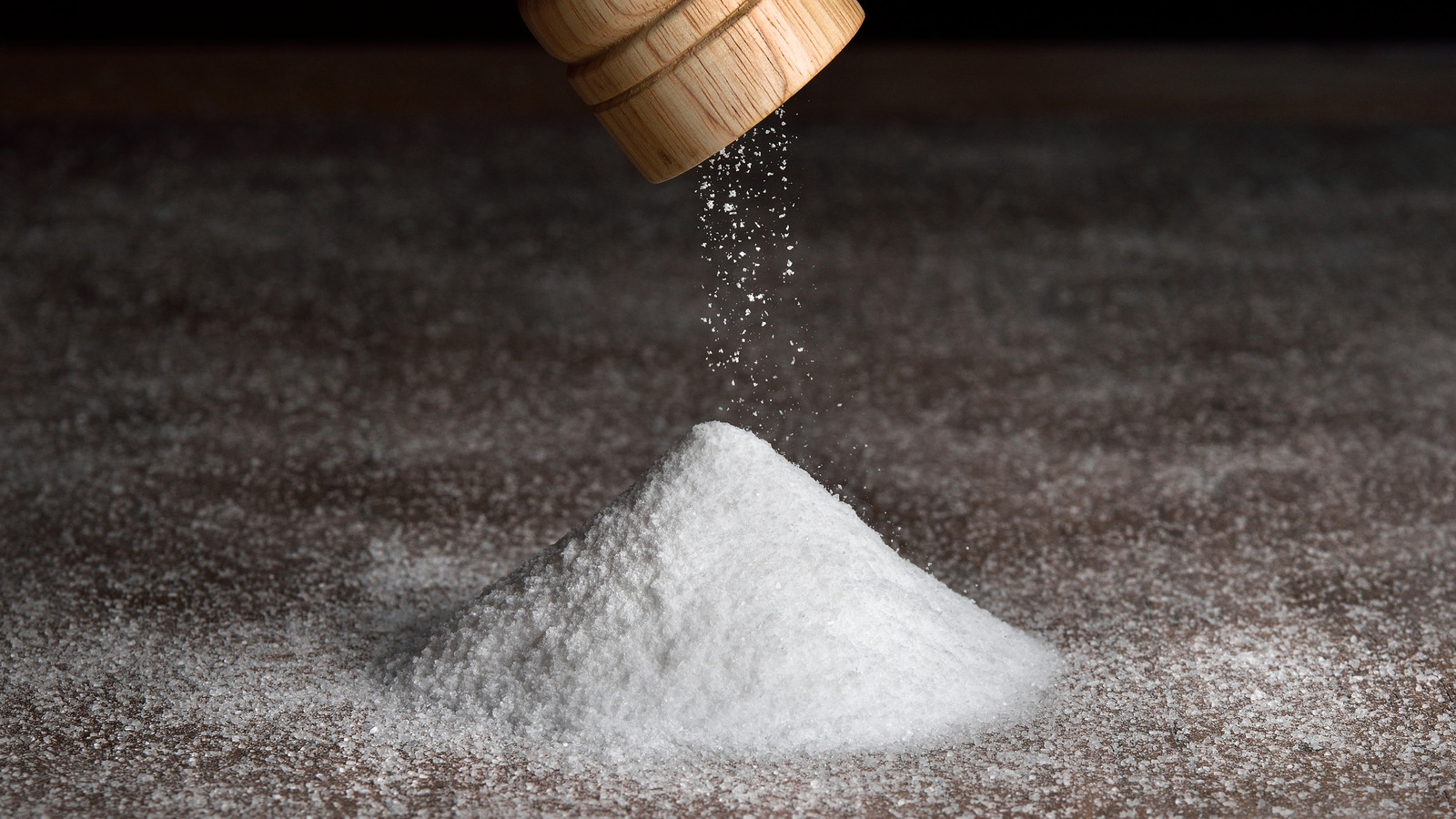
If you’ve blotted up the excess but the stain is still clearly visible, grab your salt shaker — or better yet, the box from the pantry. Pour a generous mound of table salt directly onto the damp stain.
Don’t be shy; you want a thick, even layer that fully covers the discolored area. The salt works by drawing moisture (and the pigment dissolved in it) up out of the carpet fibers through absorption.
Leave it for at least 15 to 20 minutes — longer is fine, even a couple of hours if you can. You’ll see the salt turn pink or purple as it pulls the wine up.
Once it looks saturated, vacuum it up thoroughly. This method works best when the stain is still fresh and damp; dry salt on a dry stain won’t do much.
It’s a great “set it and forget it” step while you gather your other supplies.
Pour Club Soda on the Stain
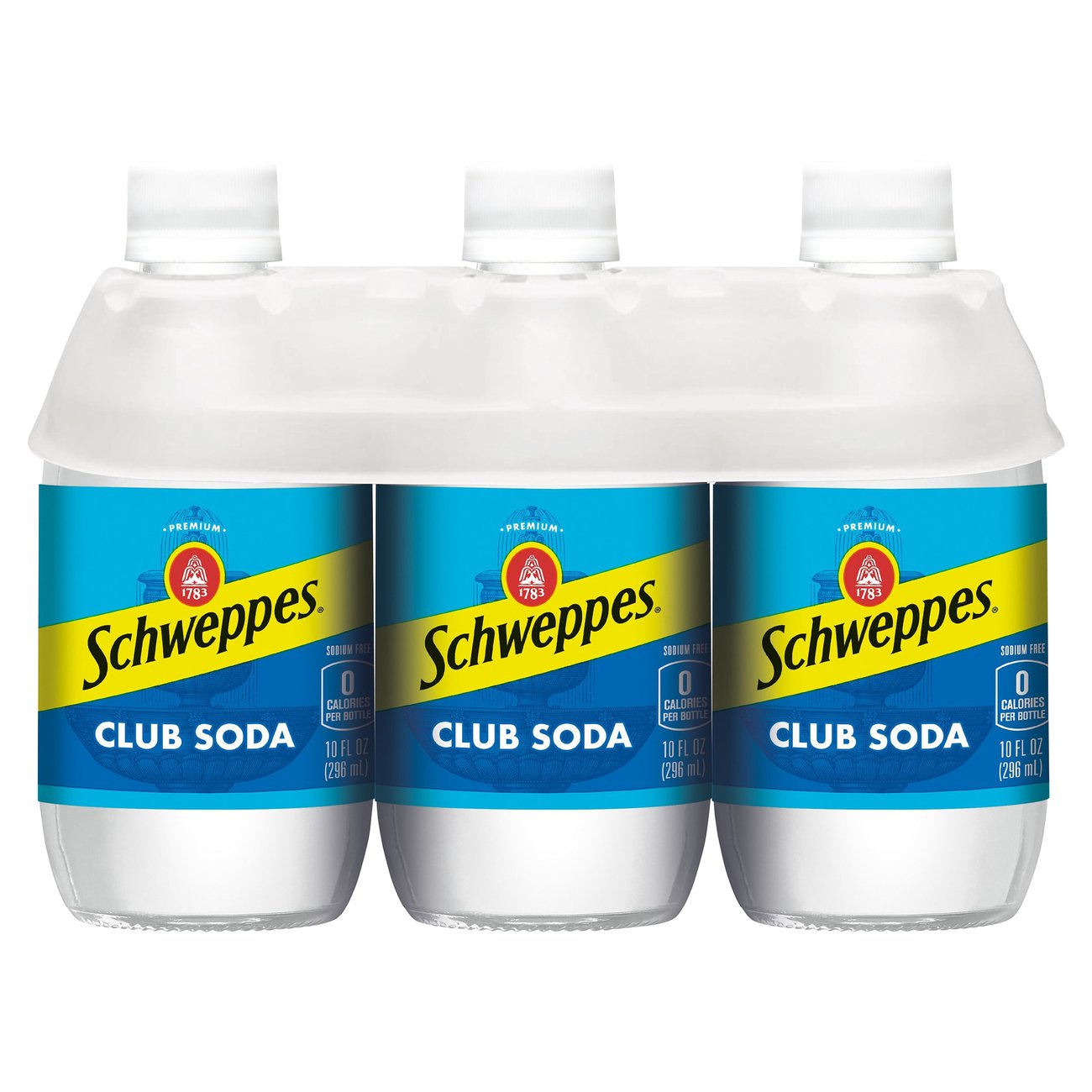
This is the classic dinner-party rescue for a reason. Club soda’s carbonation helps lift pigment out of carpet fibers, and the mild acidity is enough to break the bond between the wine and the carpet without damaging the dye in most synthetic or wool carpets. Pour it directly onto the stain — enough to saturate the area — and let it fizz for a minute or two.
Then blot with a clean cloth, working from the outside of the stain inward to avoid spreading it. You can repeat the pour-and-blot cycle two or three times.
Club soda works best as an immediate-response treatment, ideally within the first few minutes. If the stain has already started to dry, you’ll want to move on to one of the stronger solutions below.
Also, skip the flavored or sweetened seltzers — you’ll just trade a wine stain for a sticky spot.
Apply Dish Soap and Hydrogen Peroxide
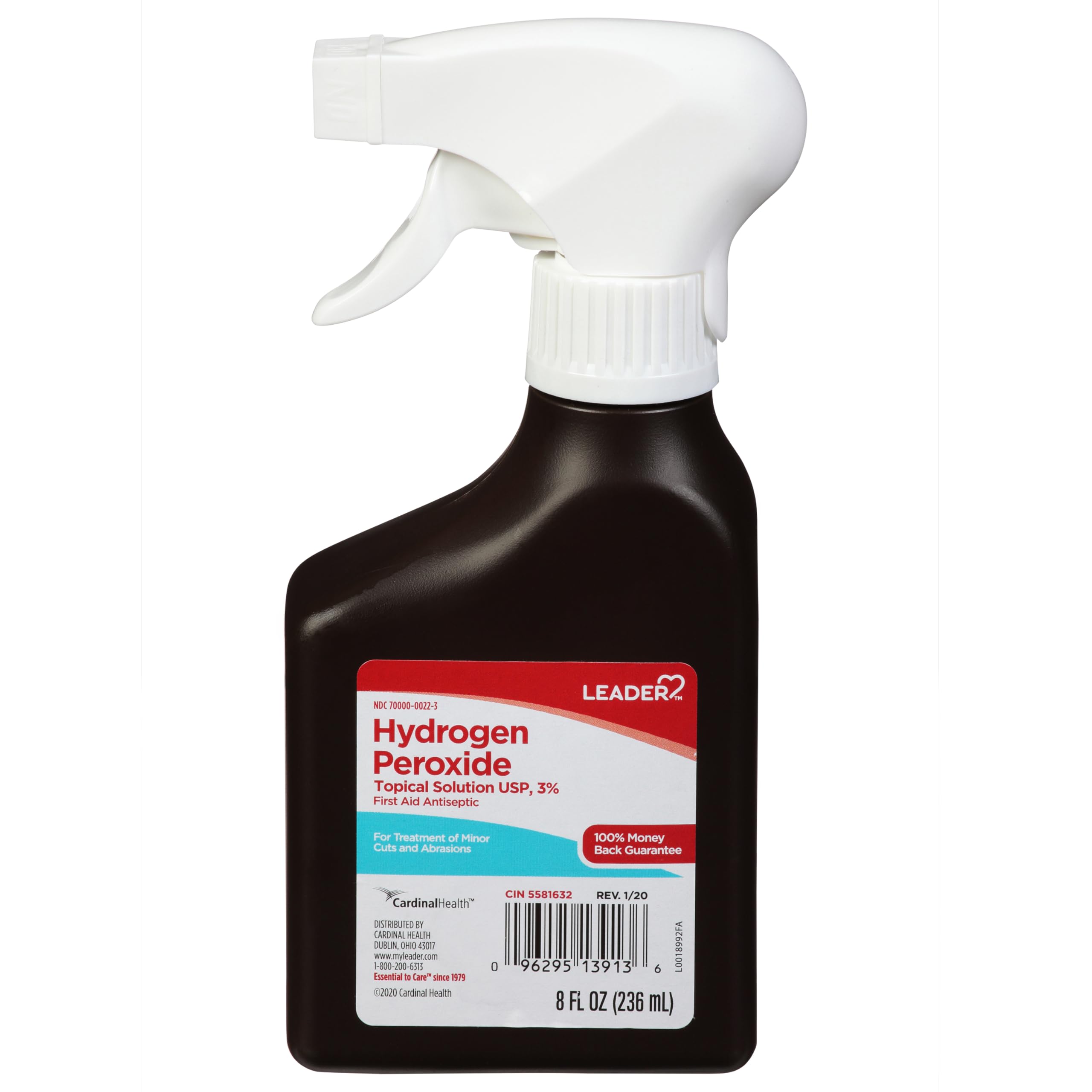
This is the combination I reach for most often on set-in stains, and it’s the one that’s pulled out some genuine miracles on my carpet. Mix one tablespoon of clear liquid dish soap (Dawn works great) with two tablespoons of 3% hydrogen peroxide.
Apply the solution directly to the stain using a clean cloth or spray bottle, and let it sit for 15 to 30 minutes. The dish soap breaks down the wine’s pigments while the peroxide gently oxidizes the remaining color.
Blot and dab — again, no rubbing — and repeat if needed.
A couple of cautions worth knowing: hydrogen peroxide can lighten darker carpet colors, so always test this on a hidden spot first (inside a closet, under the couch). It’s safest on light-colored or white carpets.
Also, don’t let it sit for hours; 30 minutes is plenty. If your carpet is a deep burgundy or navy, skip this one entirely and go with the dish soap and vinegar method instead.
Try White Vinegar and Dish Soap
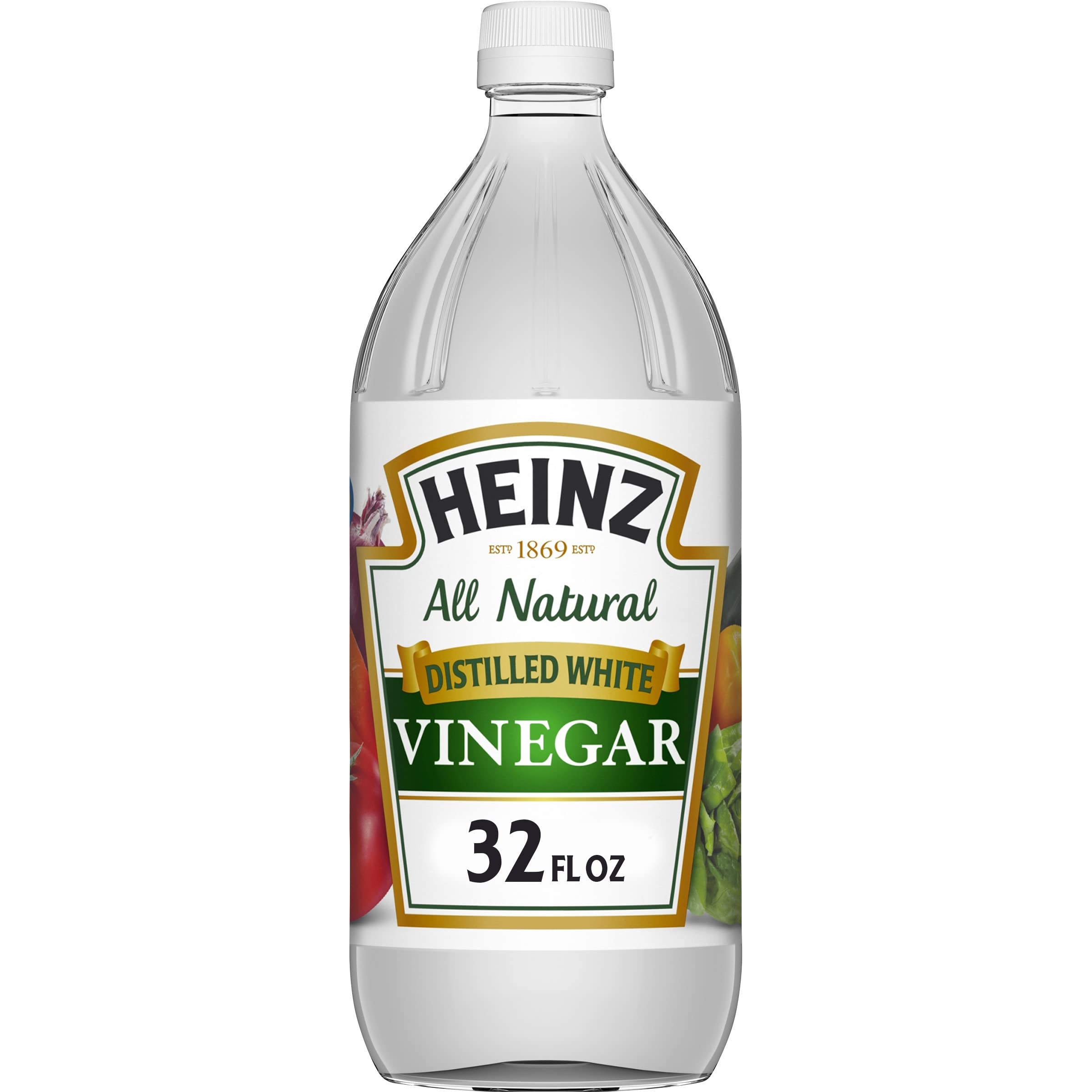
If you’re nervous about hydrogen peroxide on your carpet — and on darker fibers, that caution is warranted — white vinegar is a gentler alternative that still does real work. Mix one tablespoon of white distilled vinegar with one tablespoon of clear dish soap and two cups of warm (not hot) water. Apply with a cloth or spray bottle, working the solution into the stain with gentle dabs.
Let it sit for 10 to 15 minutes, then blot with a dry cloth. The vinegar’s acidity helps dissolve the tannins in red wine — the same compounds that make it stain so stubbornly in the first place — while the soap lifts them away from the fiber. Rinse the area with a little cold water afterward and blot dry to prevent any lingering vinegar smell (it fades quickly, but rinsing speeds that up).
Make a Baking Soda Cleaning Paste
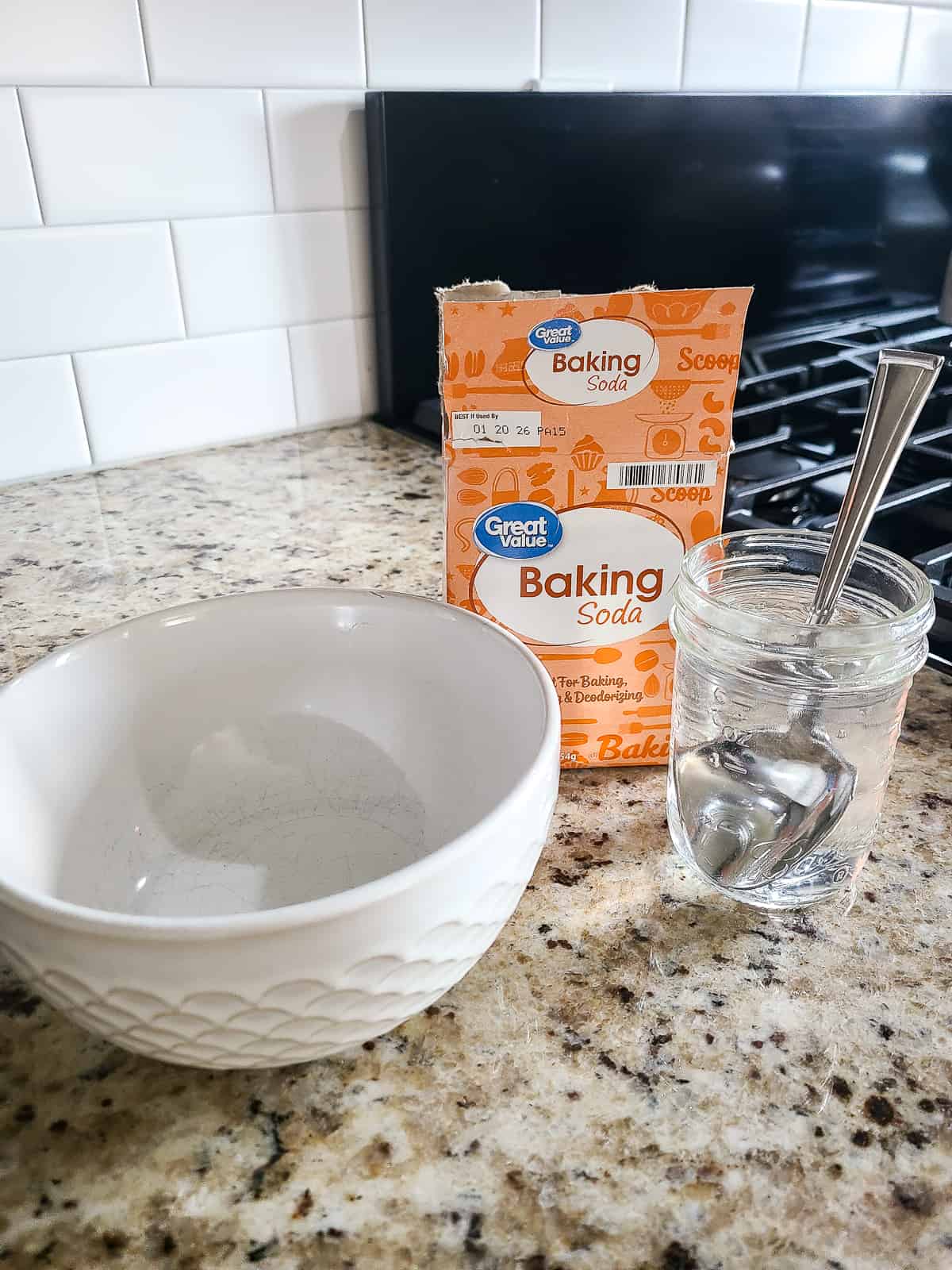
Baking soda is excellent at pulling out remaining discoloration after you’ve already treated a stain with a wet method. Mix three parts baking soda with one part water to form a thick paste — it should be the consistency of toothpaste. Spread it over the stain in an even layer, extending just past the edges of the discolored area.
Let it dry completely, which usually takes a few hours or overnight. As it dries, it pulls moisture and pigment up out of the carpet backing and traps them in the powder.
Once it’s fully dry and chalky, vacuum it up thoroughly. You might need to go over the spot two or three times with the vacuum to get all the powder out of the fibers.
This method is slow, but it’s one of the safest options for every carpet type and color, and it’s particularly good for stains that have had time to set.
Spray a Commercial Wine Stain Remover
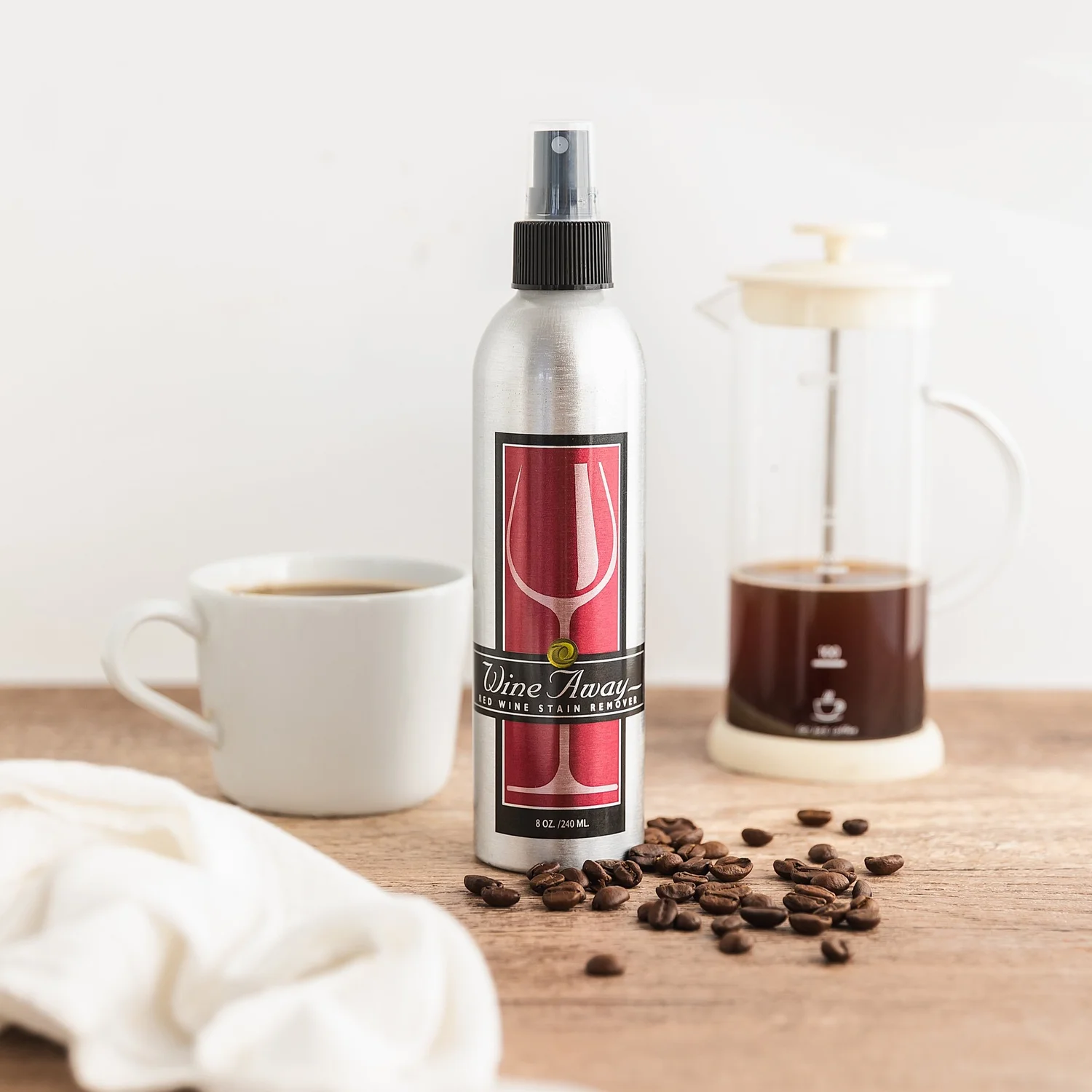
If you’ve tried the DIY methods and there’s still a faint shadow — or if you just want a dedicated product that was engineered for exactly this problem — a commercial wine stain remover is worth keeping under the sink. Products like Wine Away, Folex Instant Carpet Spot Remover, or Resolve Carpet Spot & Stain Remover are all effective options that I’ve personally used. Wine Away in particular was designed specifically for red wine and works remarkably well on fresh and semi-set stains.
Spray it generously on the stain, let it sit for the time listed on the bottle (usually 3 to 5 minutes), then blot with a clean cloth. Most of these products don’t require rinsing, which makes them convenient for quick cleanups.
They’re especially useful if you’re dealing with a large stain or one that’s already started to dry before you caught it. A bottle runs about $8 to $12 and lasts through many stains — a worthwhile investment if you’re someone who enjoys red wine in rooms with carpet.
FAQ
Does white wine remove red wine stains from carpet?
It can help dilute a fresh red wine stain in a pinch — the alcohol and acidity in white wine can break up the pigment temporarily. But it’s not a reliable fix on its own, and you’re essentially adding more liquid to your carpet. You’ll get much better results with cold water, club soda, or any of the methods above.
Can you get dried red wine stains out of carpet?
Yes, but it takes more effort. Start by re-wetting the stain with cold water to loosen the dried pigment, then apply the dish soap and hydrogen peroxide mixture or a commercial stain remover.
You may need to repeat the treatment two or three times. Baking soda paste left overnight can also pull out residual discoloration.
A stain that’s been there for days or longer may not come out completely, but it can usually be faded significantly.
Will hydrogen peroxide bleach my carpet?
It can, especially on darker or naturally dyed fibers. Standard 3% hydrogen peroxide is mild enough for most light-colored synthetic carpets (nylon, polyester), but it can lighten wool, silk, or deep-colored carpets. Always test on an inconspicuous area first — inside a closet or under furniture — and wait 24 hours to check for color change before treating a visible stain.
How long should you leave salt on a red wine stain?
At least 15 to 20 minutes, though leaving it for an hour or two gives the salt more time to absorb the wine. If the stain was very saturated, you can layer on a fresh mound of salt after the first application and let it sit longer. Vacuum up the salt thoroughly once it looks saturated or has turned a dark pinkish-purple.
Red wine stains feel dramatic, but they’re genuinely one of the more treatable carpet messes — as long as you move fast and avoid the two biggest mistakes: using hot water and rubbing aggressively. Blot, dilute, treat, and you’ll almost always win. Keep a bottle of hydrogen peroxide, a box of salt, and a can of club soda in your pantry, and you’ll be ready for the next glass that doesn’t quite make it to the table.
Leave a Reply