
You’ve just set down a glass of ice water on your favorite coffee table, and an hour later, there it is: a pale, cloudy ring staring back at you. Water rings on wood furniture happen to everyone, and they’re one of those household annoyances that feel worse than they actually are.
The good news is that most white water rings — the cloudy, milky kind — are trapped in the top layer of finish, not deep in the wood itself, which means they’re often fixable with things you already have at home. Dark rings, where moisture has penetrated into the wood grain, are tougher but not always hopeless.
Below are ten methods to try, starting with the simplest and working up to the more involved options.
Use a Hair Dryer or Clothes Iron
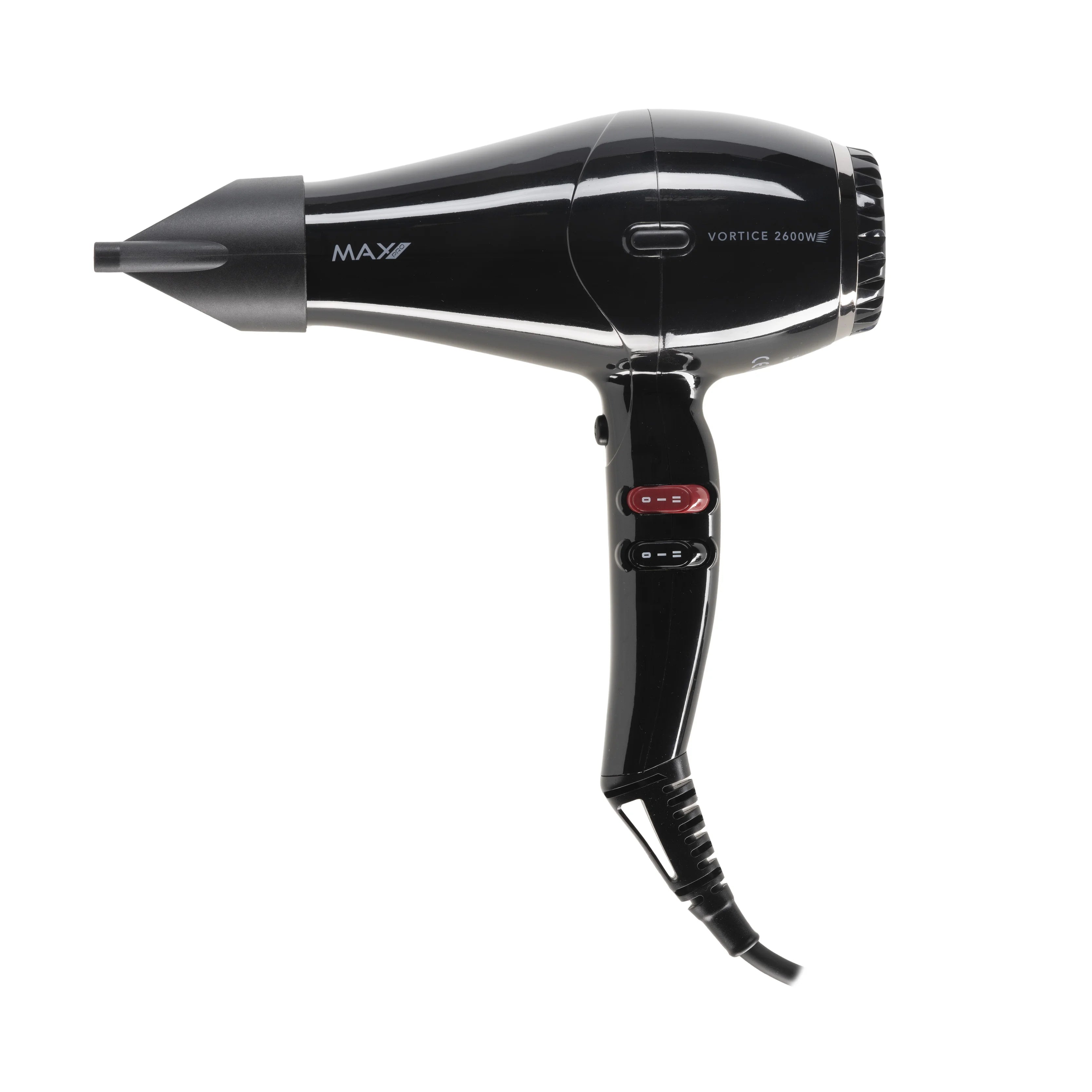
Heat is your first line of defense, and it’s the method I reach for before anything else because it requires no cleanup and takes about five minutes. The principle is simple: warmth draws the trapped moisture out of the finish, allowing it to evaporate. A hair dryer set to medium or a clothes iron on its lowest, no-steam setting both work.
For a hair dryer, hold it about six inches from the ring and move it back and forth — don’t park it in one spot, or you risk damaging the finish with concentrated heat. You should see the ring start to fade within a minute or two.
With a clothes iron, lay a clean cotton cloth or a couple of paper towels over the ring first, then rest the iron on top and glide it gently. Check every fifteen seconds or so.
The ring can vanish surprisingly fast. The main thing to watch for: if your furniture has a wax finish or a delicate veneer, go easy.
Too much heat can soften wax or bubble veneer, so keep the iron moving and the temperature low.
Spread on Mayonnaise
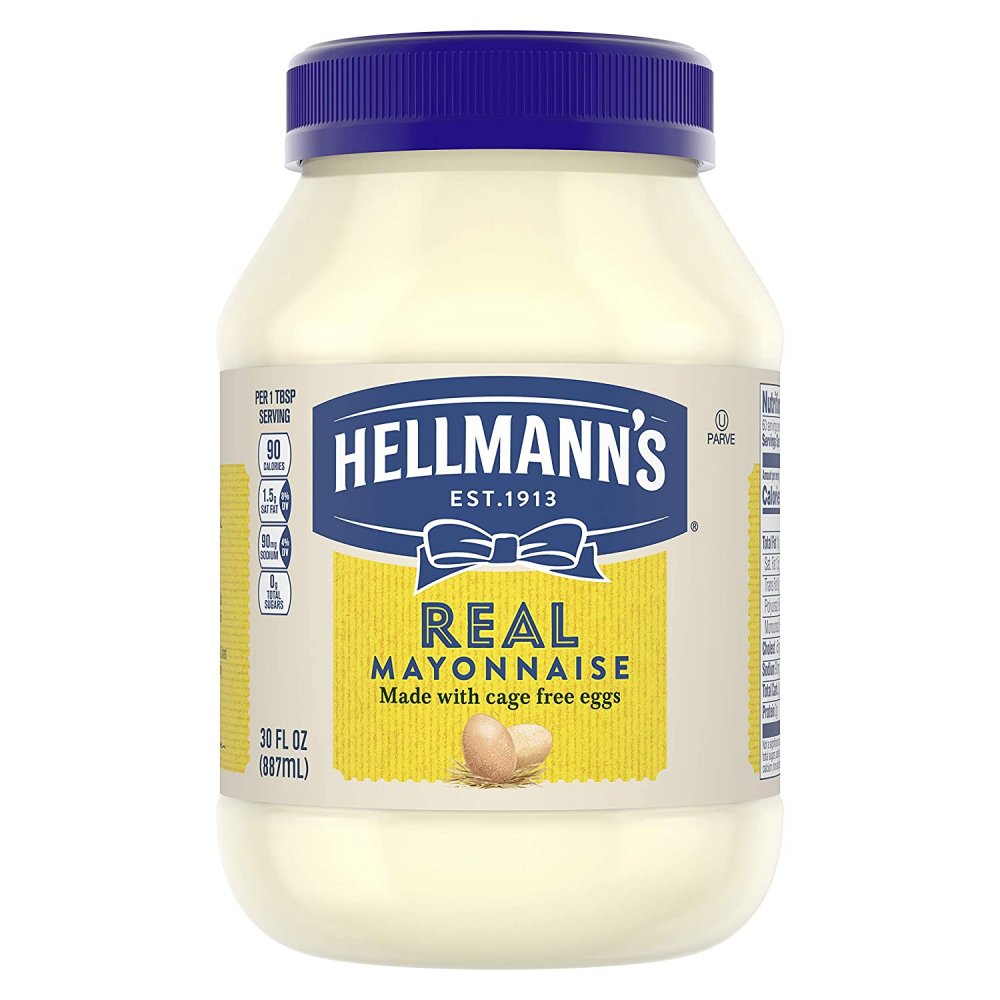
This one sounds ridiculous, but I’ve used it more than once and it genuinely works on lighter white rings. Mayonnaise is essentially oil, egg, and vinegar — the oil penetrates the cloudy finish and replaces the trapped moisture, while the mild acidity of the vinegar helps break down the residue. Leave a generous dollop directly on the ring and let it sit for at least an hour, though overnight is better for stubborn marks.
Wipe it away with a soft cloth, then buff the area clean. If a faint ghost of the ring remains, repeat the process.
The only real caution: don’t use this on unfinished or raw wood, because the oil will soak in and leave its own stain. This works because there’s a film of finish for the oil to sit on top of and interact with.
Also, use real full-fat mayo — light or Miracle Whip won’t have the same oil content.
Apply Non-Gel White Toothpaste
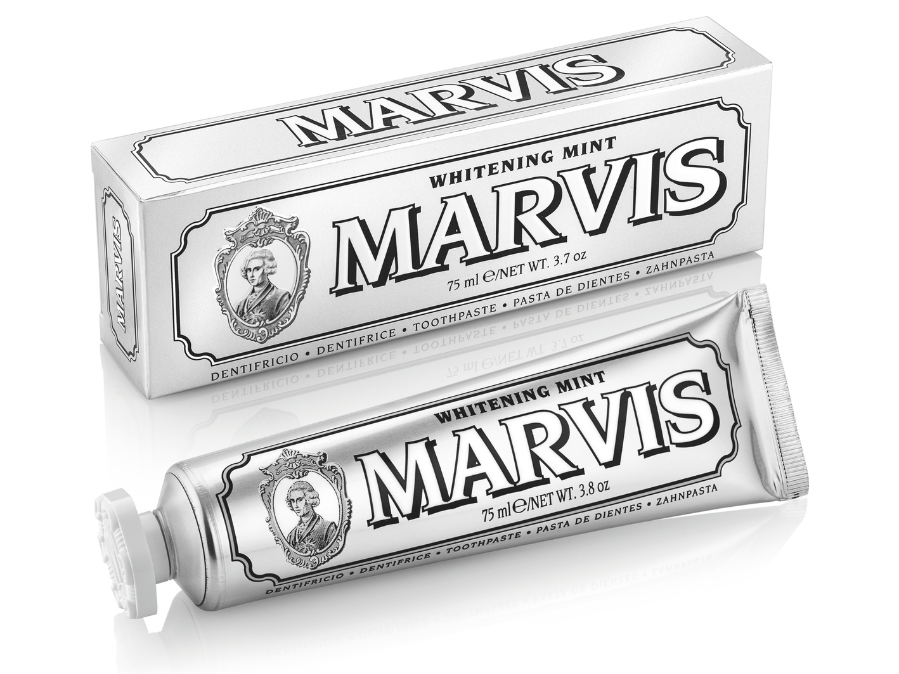
White, non-gel toothpaste contains mild abrasives — the same ones that polish your teeth — and those abrasives can gently buff out the cloudy film trapped in a water ring. Squeeze a small amount directly onto the mark and rub it in with a soft cloth, moving in the direction of the wood grain. Circular motions on a grain line will create tiny scratches you’ll notice later.
Work it for about thirty seconds, then wipe clean and check your progress. This method is quick, but it’s also one where restraint matters.
If you press too hard or use a gel toothpaste (which has no abrasives), you’ll either scratch the finish or accomplish nothing. I keep a tube of plain Colgate in my cleaning kit for exactly this kind of small job.
If the toothpaste dries while you’re working, spritz a tiny bit of water on it — you want it slightly moist, not chalky.
Let Petroleum Jelly Soak Overnight
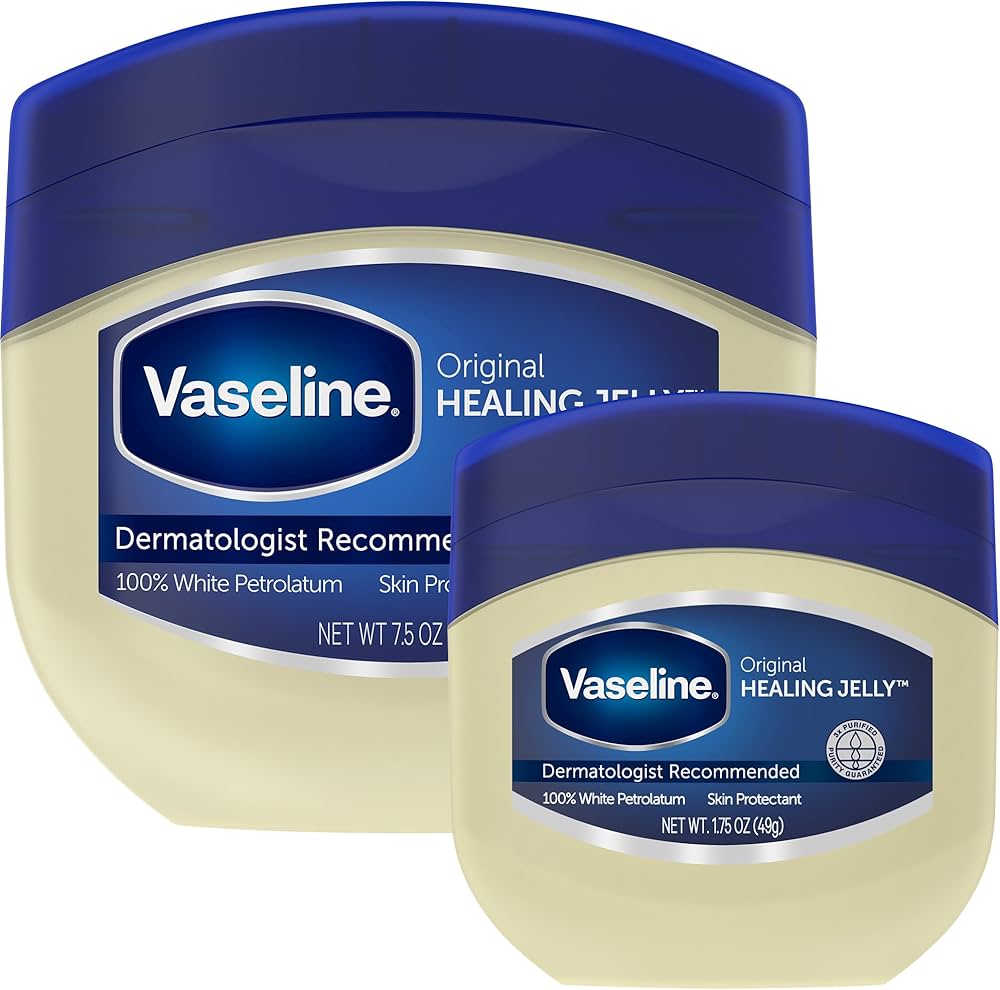
Vaseline works on the same principle as mayonnaise — oil penetrating the hazy finish — but it’s pure petroleum, no extras, and it can sit for much longer without making a mess. Smear a thick layer over the ring, cover it loosely with a piece of plastic wrap to keep it from drying out, and leave it alone for at least eight hours. I’ve left it for a full 24 hours on a particularly stubborn ring on a mid-century side table, and it came back nearly invisible.
When you wipe it off, buff the area with a clean microfiber cloth. The finish might look slightly dull where the Vaseline sat, but a quick pass with furniture polish fixes that. This method is gentler than toothpaste or steel wool, so it’s a good middle-ground attempt before escalating to anything abrasive.
Make a Baking Soda Paste
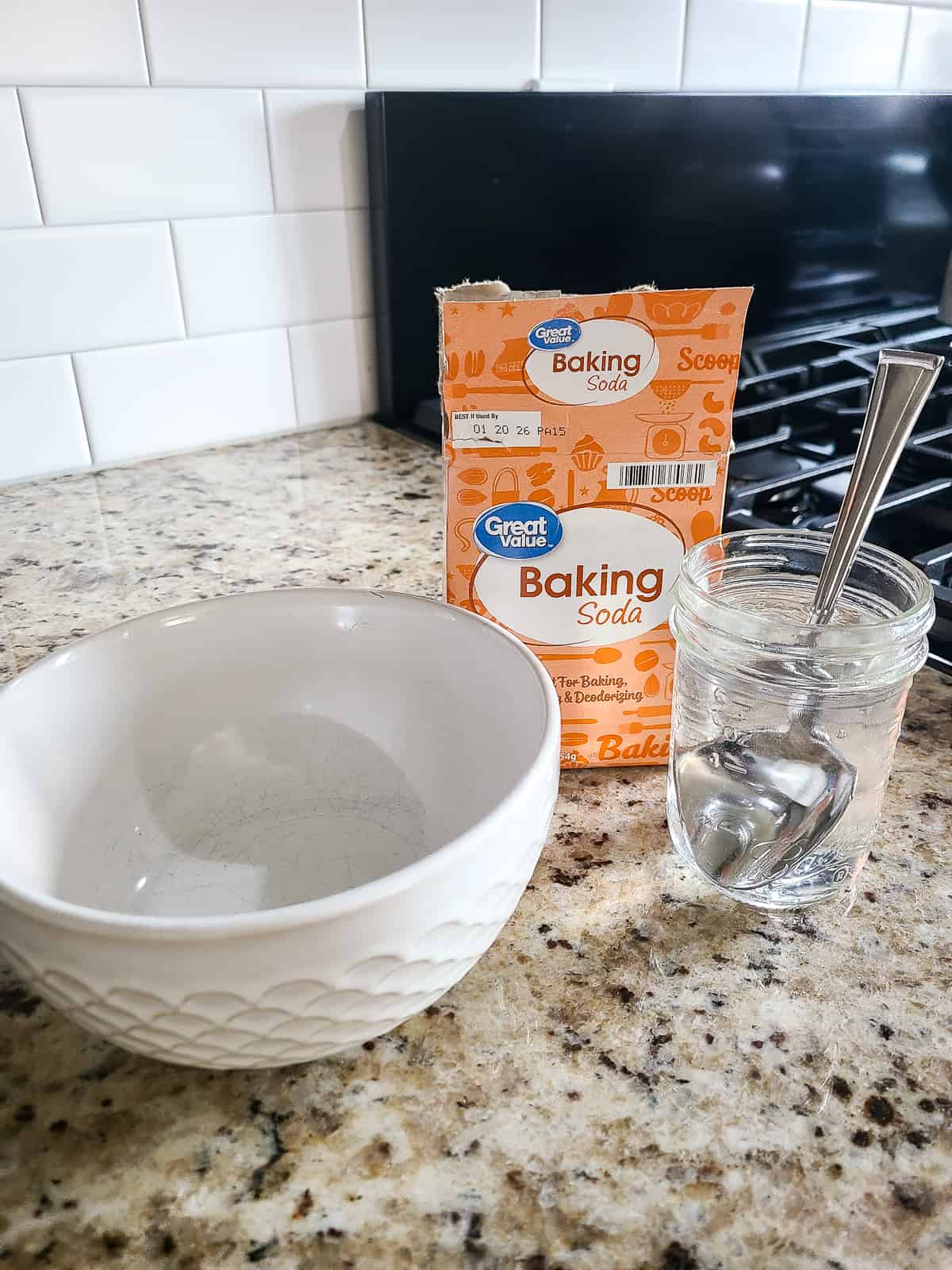
Mix baking soda with just enough water to form a thick paste — roughly a 2:1 ratio of baking soda to water — and spread it over the ring with a soft cloth, rubbing gently along the grain. Baking soda is a mild abrasive, finer than toothpaste, so it can polish away the haze without cutting into the finish as aggressively.
Let the paste sit for about five to ten minutes, then buff it off and inspect. If the ring has lightened but not disappeared, do a second application.
Rinse the area with a damp cloth afterward and dry immediately — you don’t want to replace a water ring with a baking soda ring. This works best on polyurethane and lacquer finishes, which are hard enough to tolerate the light abrasion.
On shellac or thin varnish, skip this one and try the Vaseline or mayo method instead.
Try Olive Oil and Salt

Combine a tablespoon of olive oil with enough fine salt to make a loose paste — you want the salt suspended in the oil, not clumped. Rub the mixture over the ring with a soft cloth, using light pressure and following the grain. The oil moisturizes and fills the hazy finish while the salt grains act as a gentle exfoliant.
Buff for about a minute, then wipe away the residue with a clean section of cloth. This is another one where you need to be careful on softer finishes — the salt is fine, but if you bear down, it can leave micro-scratches.
I like this method for dining tables that already have a slightly worn, well-used patina, where a perfect finish isn’t the goal. If the ring improves but doesn’t fully vanish, follow up with the Vaseline overnight treatment.
Dab White Vinegar and Olive Oil
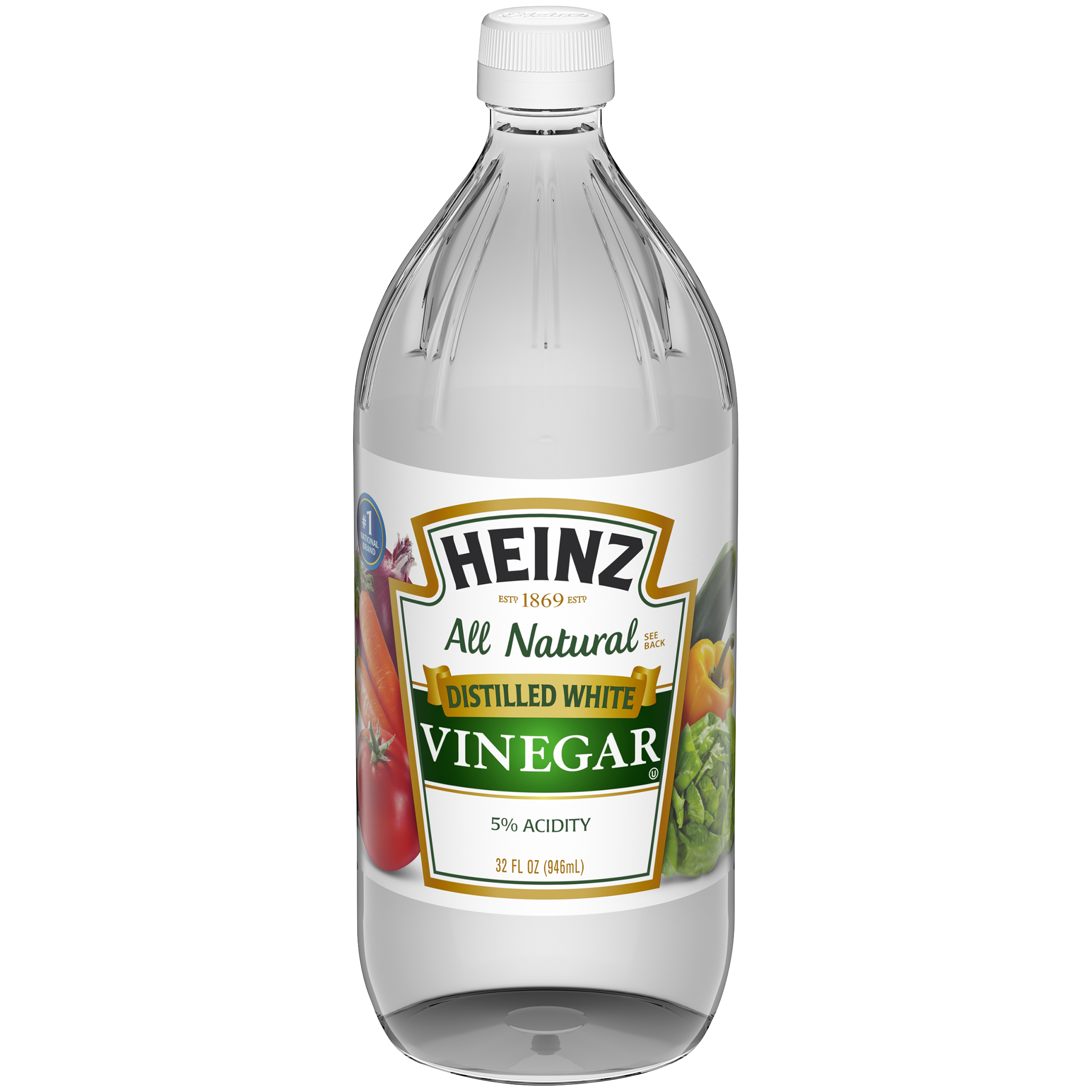
Mix equal parts white vinegar and olive oil — a tablespoon of each is plenty for one ring. The vinegar’s mild acidity helps dissolve the mineral deposits and cloudy residue left by hard water, while the oil restores moisture to the finish and leaves a protective sheen. Dip a soft cloth into the mixture, wring out the excess, and rub it over the ring following the wood grain.
Let it sit for about a minute, then buff off with a dry cloth. This method is particularly effective on rings left by sweating glasses in summer, which tend to be lighter and more surface-level.
Afterward, the area might feel slightly oily — that’s normal. A quick wipe with a dry cloth and it’ll settle down.
Avoid using apple cider vinegar here; its color and higher acidity can interact differently with some finishes.
Buff with Super-Fine (#0000) Steel Wool
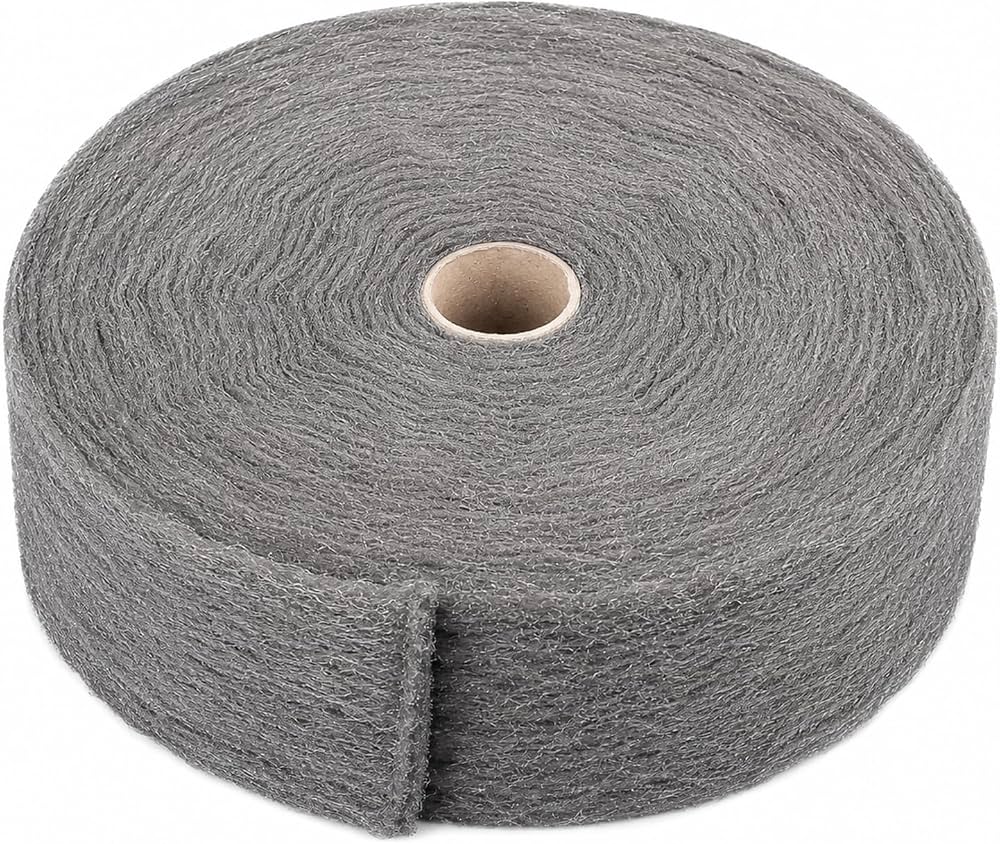
When gentler methods haven’t fully done the job, #0000 steel wool — that’s “quadruple-aught,” the finest grade available — can physically buff the haze out of the finish. This is the method I save for white rings that have been sitting for weeks or months and have really settled in. Buy it at any hardware store; it comes in small pads and costs a few dollars.
Rub gently along the grain, not across it, with very light pressure. You’re not sanding — you’re polishing.
After a few passes, the cloudy area should start to clear. When it does, stop.
Follow up immediately with a thin coat of furniture wax or polish to seal the newly exposed finish. The risk here is obvious: push too hard or use a coarser grade, and you’ll cut through the finish entirely.
Always buy #0000, never #00 or anything lower, and test on a hidden spot first — the underside of a table leaf or the back of a leg — to make sure your finish can handle it.
Apply Furniture Polish
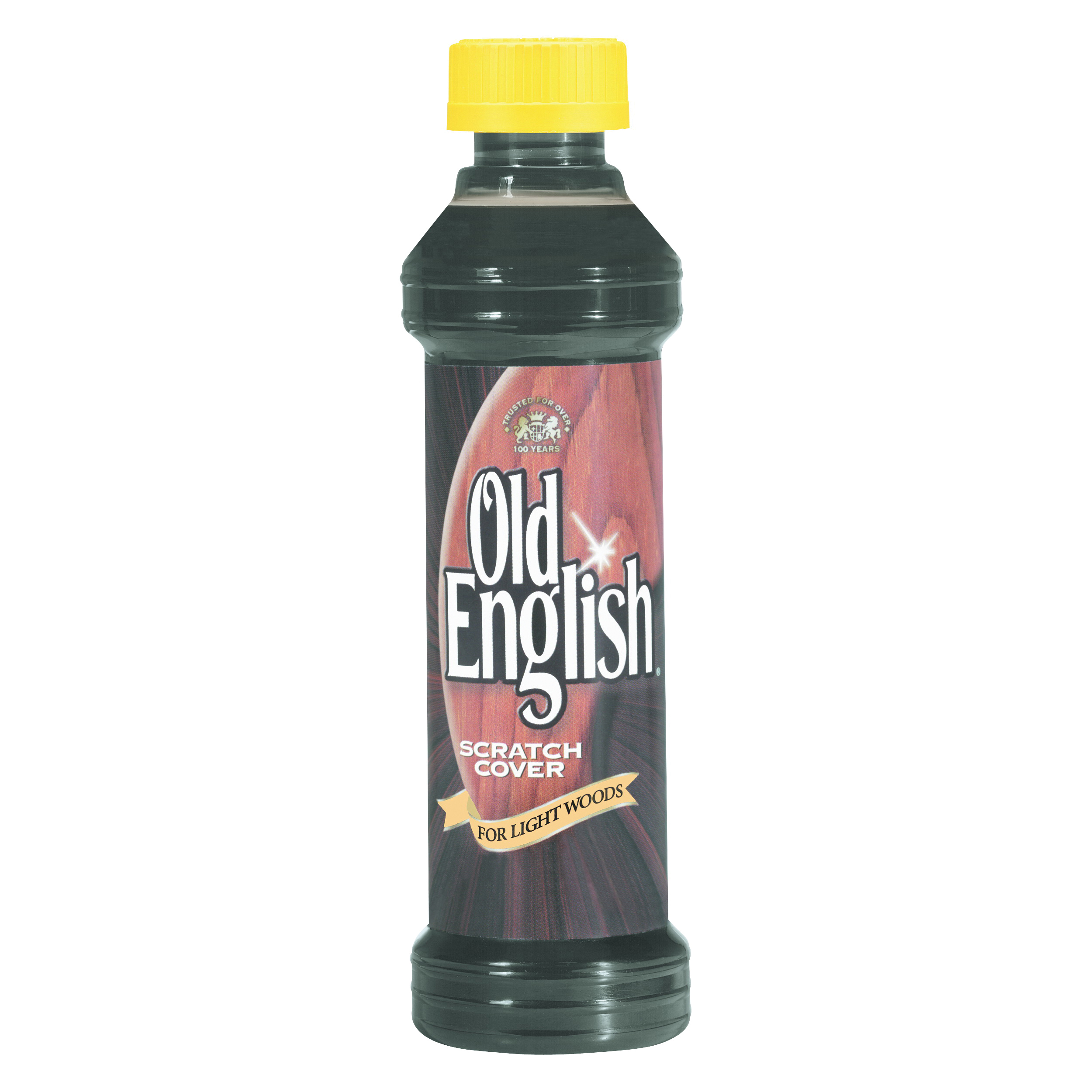
Sometimes a water ring is light enough that a good-quality furniture polish alone will do the trick. Products like Howard Feed-N-Wax or Old English contain oils and mild solvents that can penetrate a thin layer of haze and restore clarity. Apply a small amount to a soft cloth, rub it into the ring along the grain, and let it sit for a few minutes before buffing off.
This works best on fresh rings — the kind you notice within a day or two — and on furniture that’s already well-maintained with regular polishing. If the ring has been there for weeks, polish alone probably won’t cut it, but it’s worth trying as a first step before anything more aggressive. It’s also a great finishing step after using any of the methods above; a coat of polish evens out the sheen and blends the treated area with the surrounding surface.
Finish with Car Wax
This is less of a ring-removal trick and more of a final-protection step, though I’ve had light marks disappear with car wax alone. Products like Meguiar’s or Turtle Wax are designed to fill micro-scratches and create a hard, protective shell — exactly what a vulnerable wood finish needs after you’ve just removed a water ring.
Apply a thin layer with a soft cloth, let it haze over (usually five minutes), then buff to a shine. One coat is usually enough for a table that gets regular use; two coats if the piece lives near a window or in a humid room.
The wax layer also makes future water rings easier to prevent, because moisture beads on the surface rather than soaking in. Just know that wax can build up over time and eventually dull the finish if you never strip it — once a year, clean the surface with a damp cloth and a drop of mild dish soap before re-waxing.
Frequently Asked Questions
Are water rings permanent on wood furniture?
White water rings — the cloudy, milky kind — are almost never permanent. They’re caused by moisture trapped in the top layer of finish, and the methods above draw that moisture out or buff away the haze. Dark rings, where water has soaked through the finish and into the wood grain itself, are harder to fix and may require sanding and refinishing, but even they can often be lightened significantly.
What’s the difference between white rings and dark rings?
White rings mean moisture is stuck in the finish itself — the wood underneath is probably fine. Dark rings mean the water has penetrated past the finish and into the wood, sometimes causing mildew or discoloration in the grain.
White rings are much easier to fix with household methods. Dark rings often need professional refinishing, though the overnight Vaseline treatment can sometimes pull enough moisture out to make a noticeable difference.
Can I prevent water rings from forming in the first place?
Coasters. Seriously — that’s the single biggest thing you can do.
Beyond that, a coat of car wax or a good furniture wax every few months creates a barrier that keeps moisture from reaching the finish. For dining tables, a tempered glass top is the nuclear option, but it works.
Will these methods strip or damage my furniture’s finish?
The gentler methods — heat, mayonnaise, Vaseline, and olive oil — carry very little risk on finished wood. Toothpaste, baking soda, and steel wool are abrasives, so they can dull or thin the finish if you’re too aggressive. Always test on a hidden area first, use the least aggressive method that works, and stop as soon as the ring disappears.
Once you’ve got the ring out, give the whole surface a quick wipe with furniture polish to even out the sheen. Prevention going forward is simple: coasters, a regular waxing routine, and wiping up condensation rings as soon as you spot them. A fresh ring is always easier to fix than one that’s been sitting for a month.
Leave a Reply