
You know that moment when you pull your favorite white shirt from the closet and notice those stubborn yellow marks creeping across the underarms? Or you catch a glimpse of white deodorant streaks caked into the fabric of a dark tee?
These stains are frustratingly common, but they’re also fixable — and you probably already have everything you need in your kitchen or bathroom cabinet. Here are the methods that actually work, tested over years of rescuing shirts I wasn’t ready to retire.
1. White Vinegar Soak
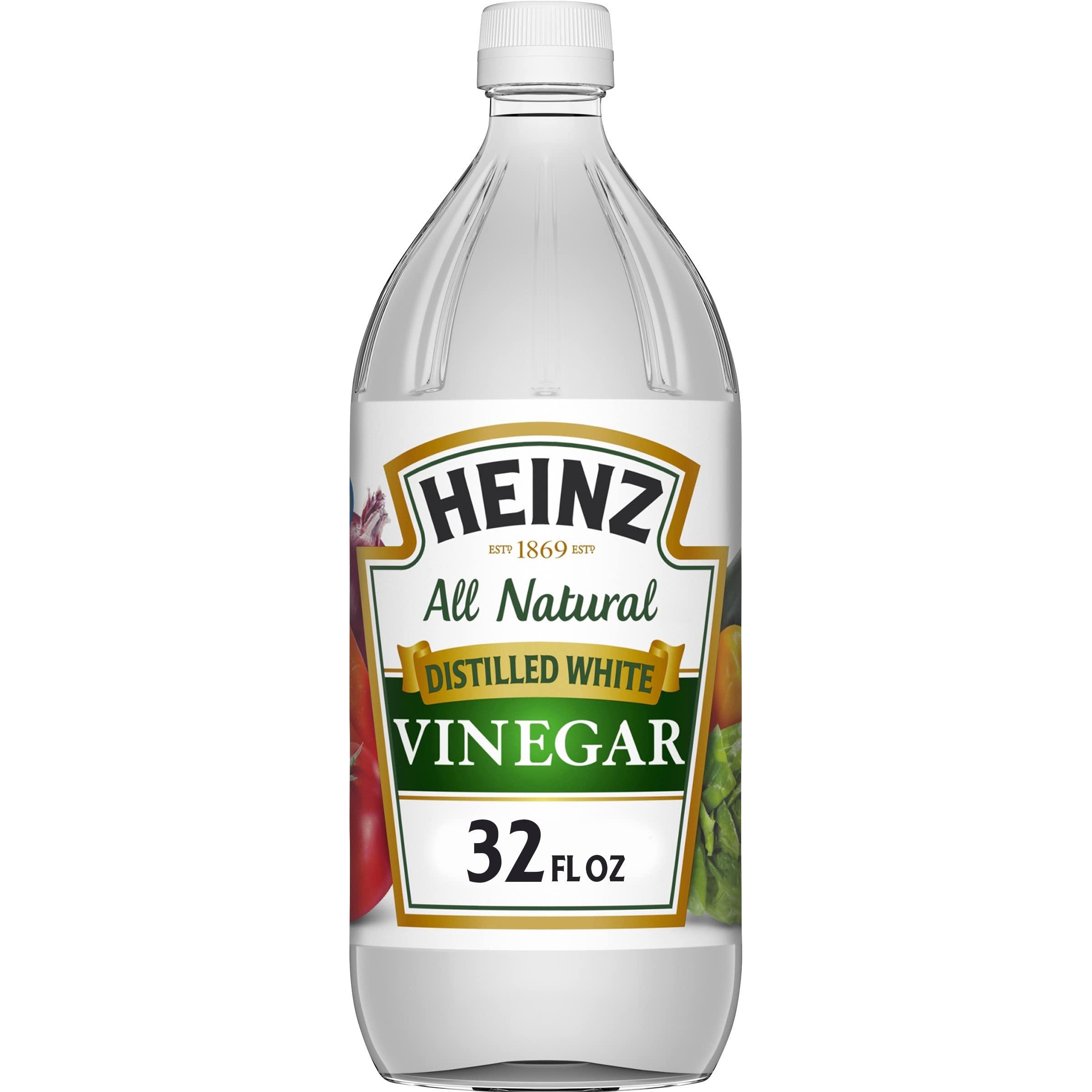
White vinegar is my first move against sweat stains because it’s cheap, gentle on most fabrics, and genuinely effective at breaking down the proteins and salts in perspiration. Mix one part white vinegar with two parts cool water in a basin or bucket, then submerge the stained area completely and let it soak for 30 minutes to an hour. After soaking, gently work the fabric with your fingers or a soft-bristled brush before tossing it in the wash on a normal cycle.
One thing to watch: don’t use vinegar on silk or acetate — the acid can damage these fibers. And always use cool or lukewarm water, never hot, since heat can set protein-based stains like sweat permanently.
2. Baking Soda and Hydrogen Peroxide Paste
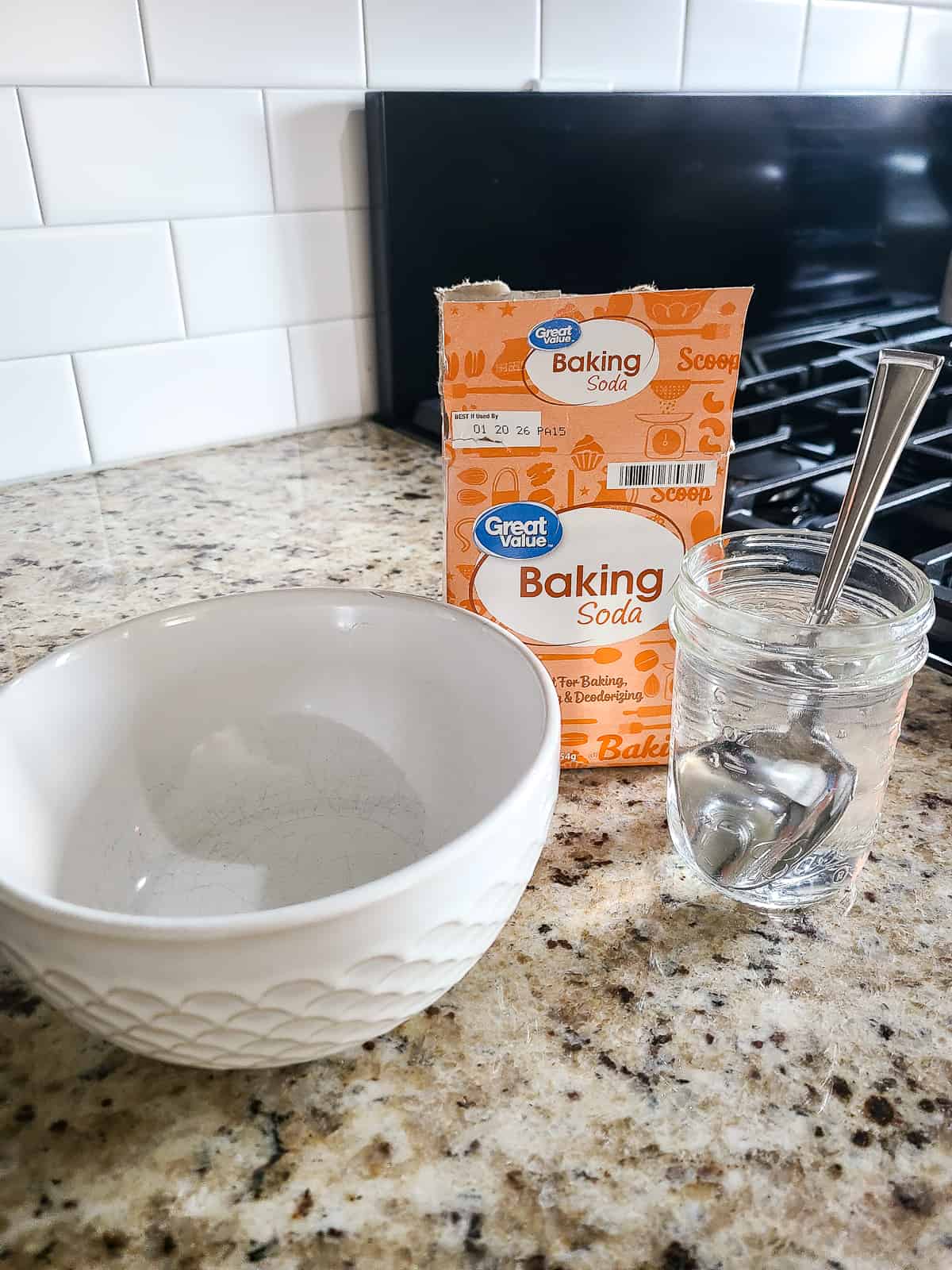
This is the heavy-duty combo I reach for when stains have been sitting for a while. Baking soda is a mild abrasive that lifts discoloration, while hydrogen peroxide acts as a gentle bleaching agent.
Mix three parts baking soda with one part hydrogen peroxide (the standard 3% kind from the drugstore) into a thick paste. Spread it directly onto the stain, working it into the fibers with an old toothbrush, and let it sit for at least 45 minutes — up to two hours for really set-in marks.
You can also add a small squirt of dish soap to the mix if the stain has a greasy deodorant component. Just be aware that hydrogen peroxide can lighten darker fabrics, so test on a hidden seam first if the shirt isn’t white or light-colored.
3. Dish Soap Treatment
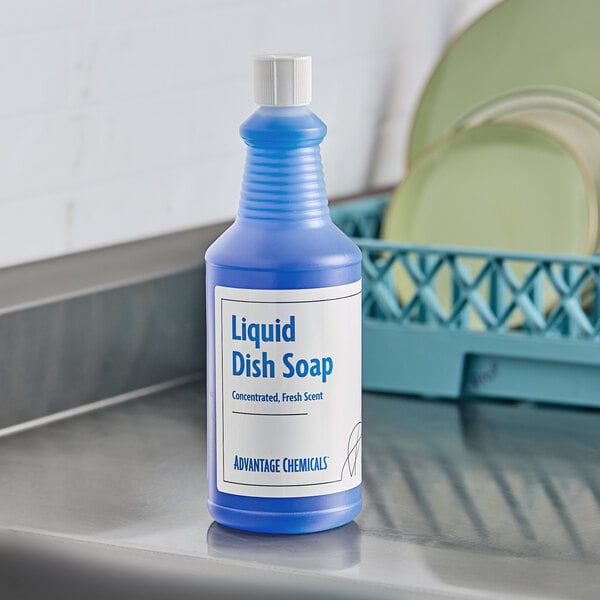
Sometimes the simplest solution is the right one. Liquid dish soap — Dawn is my go-to — cuts through the waxy, oily residue that antiperspirants and deodorants leave behind in fabric.
Apply a few drops directly to the stain, rub it in gently with your fingers, and let it sit for 15 to 20 minutes. Then launder as usual.
This works especially well on fresh stains or those white streak marks that deodorant leaves on dark clothing. It’s not going to tackle deep yellow discoloration on its own, but as a first response or combined with one of the other methods here, it’s surprisingly effective. Just don’t use it on dry-clean-only garments — the surfactants can damage certain finishes.
4. Aspirin Soak
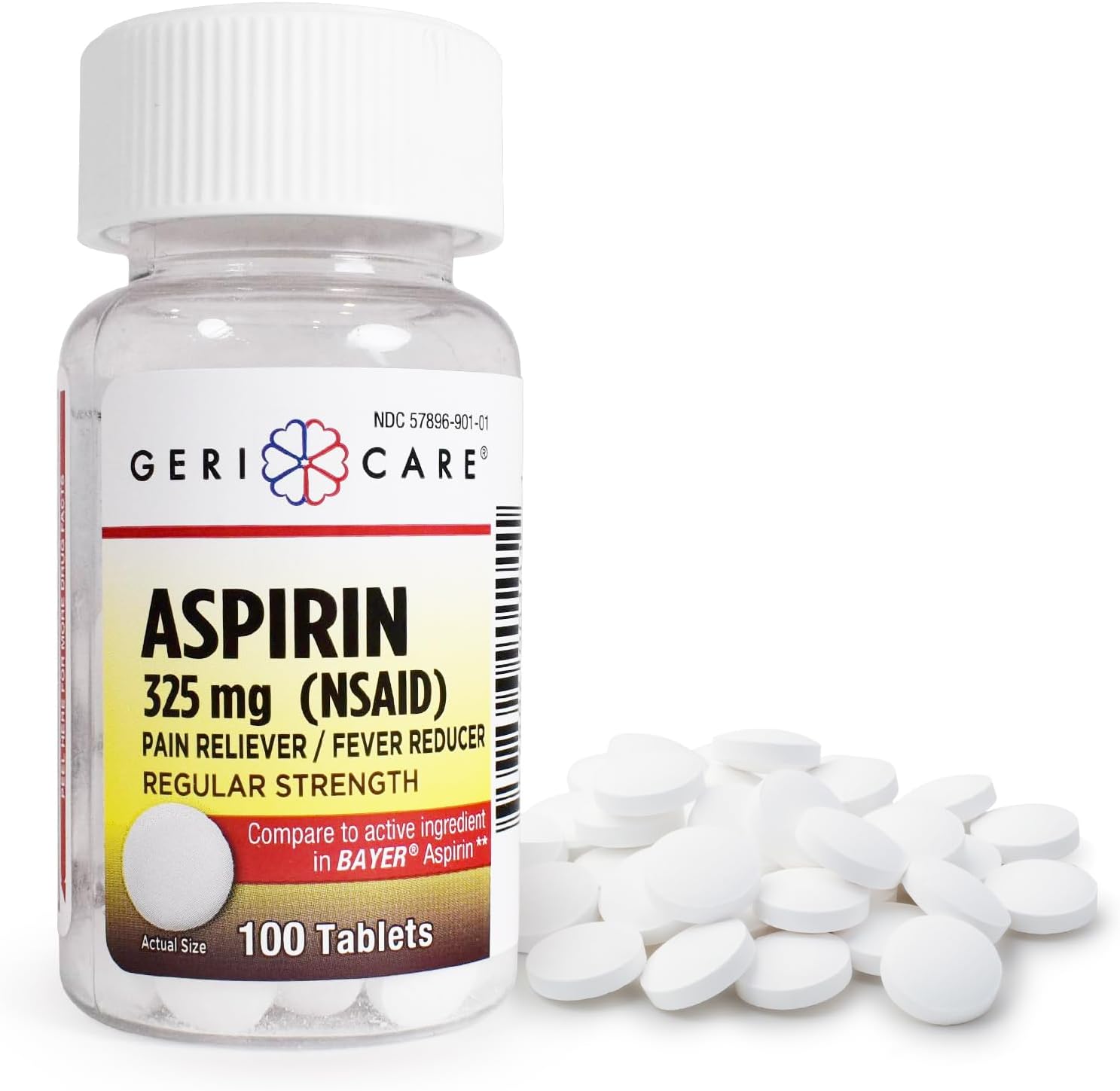
This one surprises people, but aspirin works because it contains acetylsalicylic acid, which breaks down the compounds in sweat that cause yellowing. Crush five or six uncoated aspirin tablets and dissolve them in a basin of warm water.
Drop the stained shirt in and let it soak for at least two hours — overnight is even better. Then wash normally.
Make sure you’re using plain, uncoated aspirin — not the enteric-coated or gel-cap kind, which won’t dissolve properly. This method is particularly good for older, set-in stains that have survived multiple wash cycles already.
5. Lemon Juice and Sunlight
The natural bleaching power of citric acid combined with UV light makes this a surprisingly effective stain fighter. Squeeze fresh lemon juice directly onto the stain (bottled lemon juice works too, but fresh is stronger), then lay the shirt out in direct sunlight for one to two hours. The combination of the acid and the sun’s rays will fade the discoloration noticeably.
This approach is best reserved for white or very light-colored shirts, since lemon juice can bleach dye out of colored fabrics. Rinse the shirt thoroughly after sunning it, then wash as usual. I’ve used this method on stubborn collar sweat stains with great results — just keep an eye on it so the fabric doesn’t over-bleach.
6. Rubbing Alcohol for Deodorant Buildup
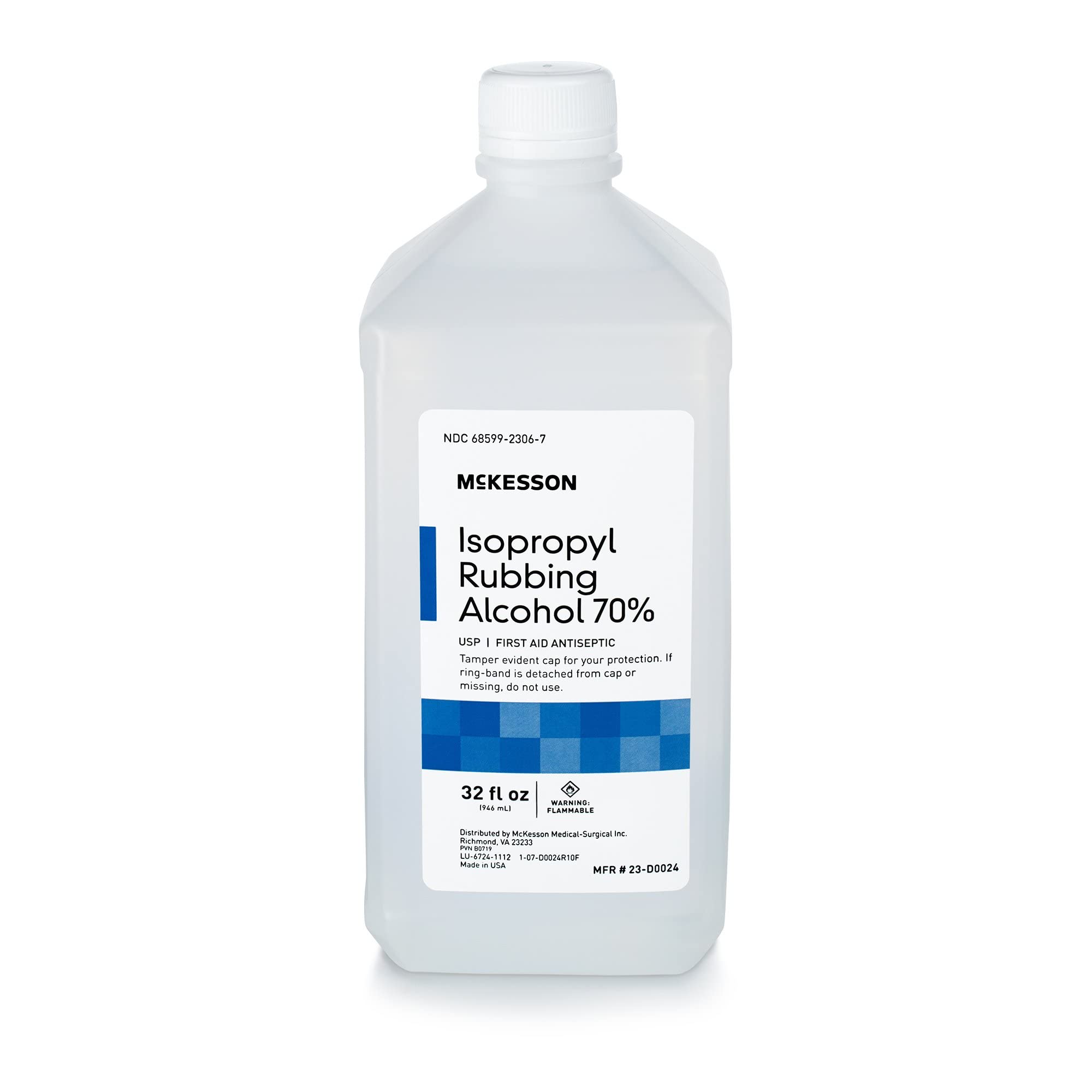
If your main problem isn’t yellowing but rather that stiff, waxy buildup from antiperspirant — the stuff that makes the underarm fabric feel crunchy or look chalky — rubbing alcohol is your best friend. Dampen a cotton ball or clean cloth with isopropyl alcohol (70% works fine) and dab it onto the affected area. The alcohol dissolves the aluminum compounds in antiperspirant that water alone can’t touch.
Let it sit for 10 minutes, then use a clean cloth to blot and lift the residue. You may need to repeat this a couple of times for heavy buildup.
Follow up with a regular wash cycle. This is also the quickest fix for visible white deodorant streaks on dark clothing when you’re in a rush — just dab and go.
7. Oxygen Bleach Soak
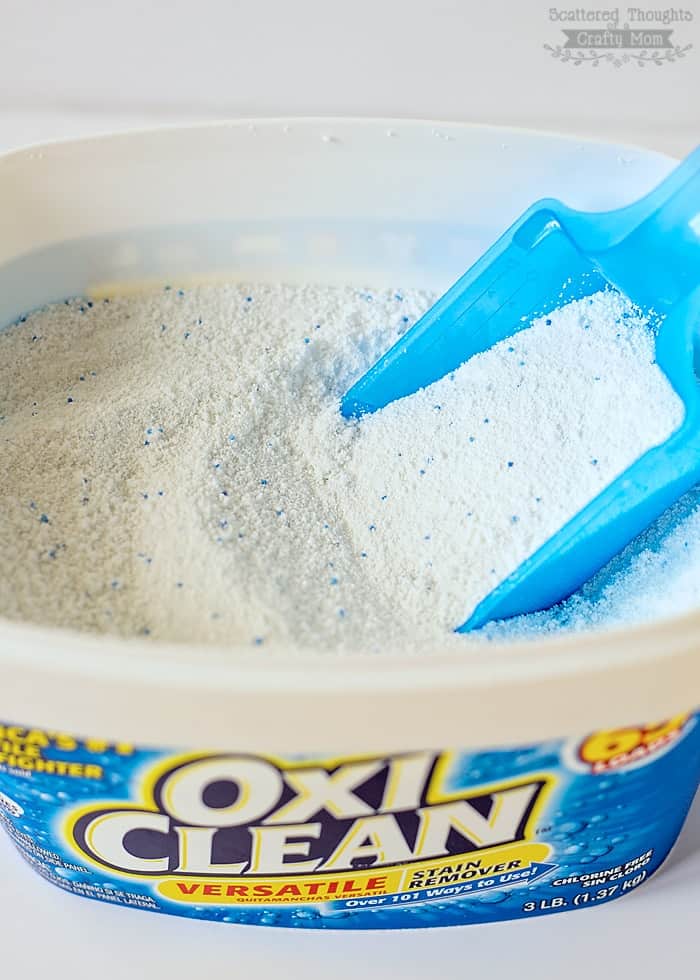
When nothing else has worked and you’re dealing with serious, long-term staining, an oxygen-based bleach like OxiClean Versatile Stain Remover is the nuclear option — but a safe one for most colors. Dissolve a generous scoop in the hottest water the garment’s care label allows, then soak the shirt for one to six hours. The sodium percarbonate in oxygen bleach releases hydrogen peroxide when dissolved, which penetrates deep into fibers to lift discoloration without the harshness of chlorine bleach.
This method saved a stack of my husband’s white undershirts that I’d honestly given up on. The key is patience — a longer soak does more work than a bigger dose. Avoid using oxygen bleach on wool, silk, or anything with metal fasteners, and always check the garment’s care label first.
8. How to Prevent Sweat and Deodorant Stains
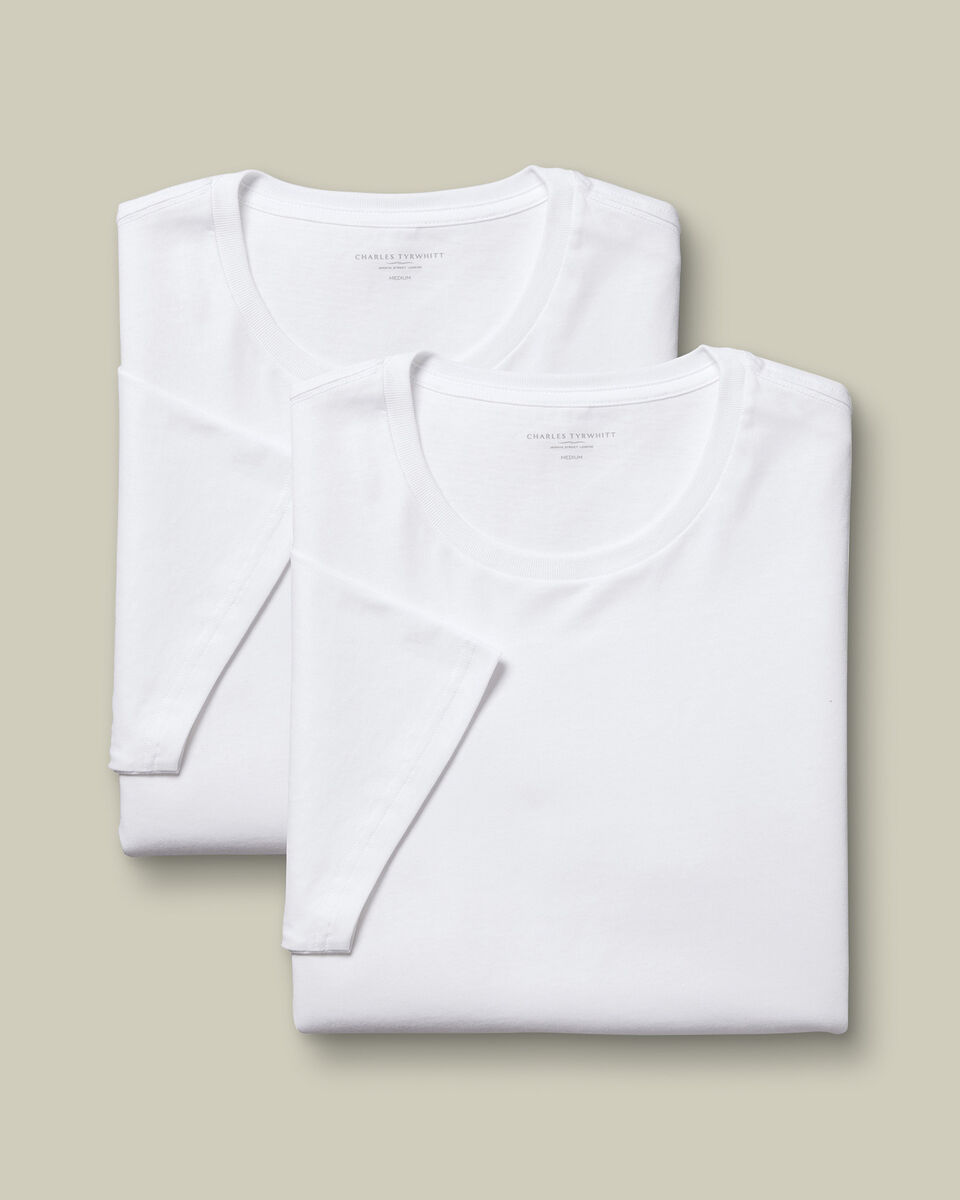
The easiest stain to deal with is the one that never forms. A few habits make a real difference over time.
Always let your deodorant or antiperspirant dry completely before putting your shirt on — even 60 seconds of air-drying helps. Switch to a clear gel or invisible solid formula if white marks are your main complaint.
Wearing a thin undershirt creates a barrier that takes the damage instead of your outer layer.
On the laundry side, don’t let sweaty shirts sit in the hamper for days — the longer sweat sits, the harder it bonds to fabric. Wash workout clothes and hot-weather shirts as soon as possible, and skip the fabric softener on athletic wear, which can trap odor-causing bacteria. A tablespoon of white vinegar added to the rinse cycle helps keep buildup at bay over time.
Frequently Asked Questions
Can you remove sweat stains after drying?
Yes, though it takes more effort than treating fresh stains. The heat from the dryer can set the proteins in sweat, making them harder to lift. Your best bet is the baking soda and hydrogen peroxide paste or an oxygen bleach soak — both can break down set-in stains that have survived a dryer cycle, though you may need to repeat the treatment.
Does vinegar remove deodorant stains from black shirts?
Vinegar works well on the white, chalky residue that deodorant leaves on dark fabric. Mix equal parts white vinegar and water, apply to the stain, and let it sit for 15 minutes before washing. It won’t bleach or fade black fabric the way hydrogen peroxide or lemon juice might, making it one of the safest options for dark clothing.
How do you get deodorant buildup out of fabric?
Rubbing alcohol is the most effective method for dissolving the waxy aluminum compounds in antiperspirant that cause buildup. Apply it with a cotton ball, let it sit for 10 minutes, then blot away the residue. For heavy buildup, follow up with a dish soap treatment before washing.
Can baking soda damage clothes?
Baking soda is safe for most fabrics, but its mild abrasiveness means you should avoid scrubbing vigorously on delicate materials like silk or fine knits. It can also leave a white residue if you use too much without rinsing thoroughly — just make sure to dissolve it fully or wash the garment completely after treatment.
Every shirt has a shelf life, but yellow armpit stains shouldn’t be what ends it. These methods have brought back garments I was ready to throw away, and most of them use things you already have at home. Start with the gentlest approach that matches your stain situation, and work up from there — your closet will thank you.
Leave a Reply