
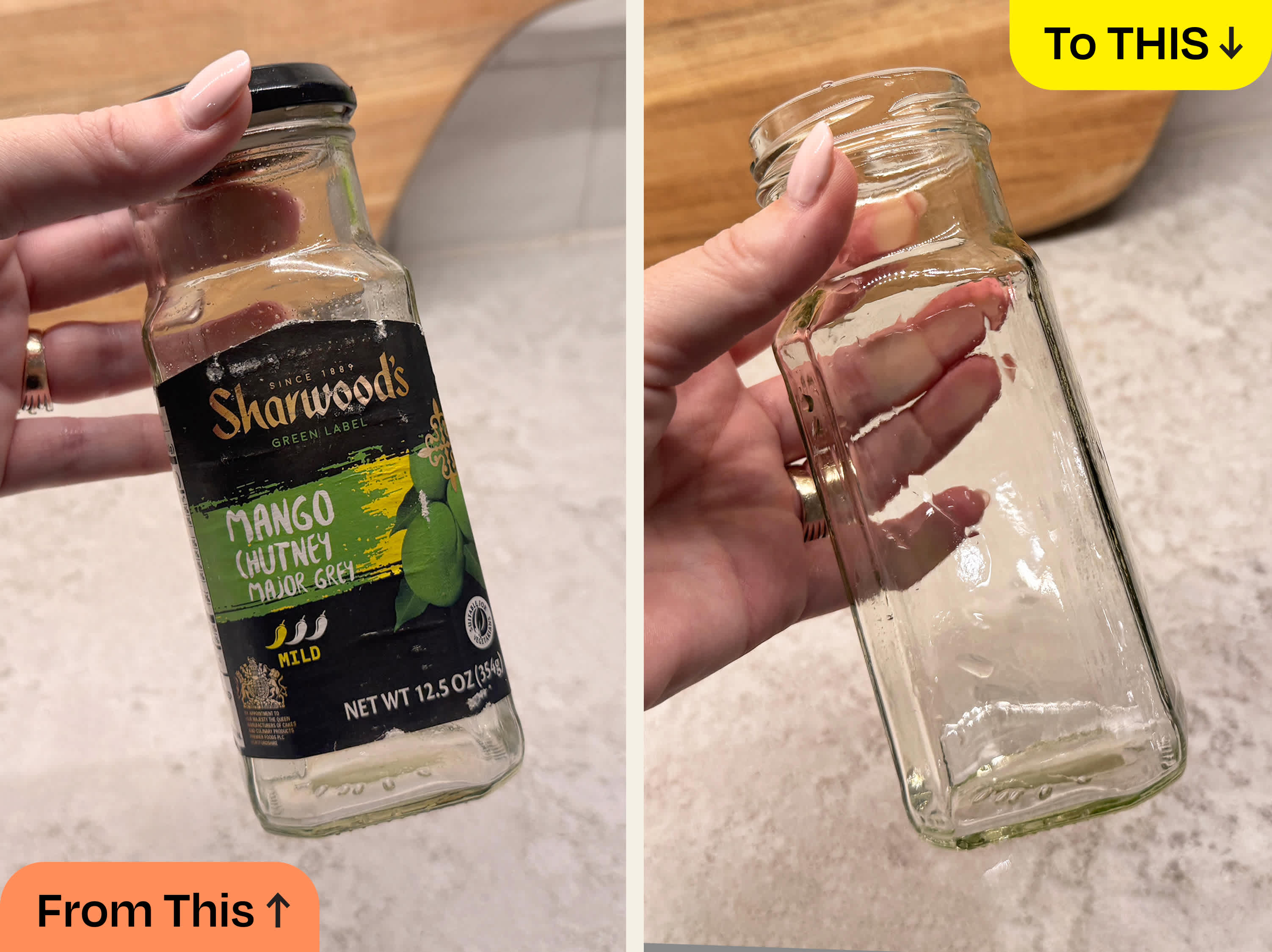
You’ve peeled the price tag off a thrift-store glass vase, pulled a cartoon sticker off a plastic storage bin, or scraped a shipping label off a wooden crate — and now there’s a gummy, dirt-attracting mess left behind. Regular soap and water barely make a dent, and scratching at it with your fingernail only gets you so far.
I’ve dealt with this more times than I can count, from repurposing Mason jars to prepping furniture for paint, and these ten methods are the ones that have actually held up over the years. You probably already have most of these supplies in your kitchen or bathroom cabinet right now.
1. Cooking Oil
This is the first thing I reach for because it’s gentle, non-toxic, and works on all three surfaces without any risk of damage. Cooking oil dissolves sticker adhesive by breaking down the bonds in the glue — the same principle behind why oil removes gum from hair.
Pour or rub a generous amount of any cooking oil — olive, vegetable, canola, or coconut — directly onto the residue. Let it sit for 10 to 15 minutes so it has time to penetrate.
Then scrape gently with a plastic scraper, old credit card, or even your fingernail, and wipe everything away with a paper towel. On glass, you can go to town without worrying about damage.
On wood, this method is actually beneficial: the oil conditions the surface instead of harming it. Just wipe it down thoroughly afterward so there’s no lingering slickness.
For plastic, it works reliably but you’ll want to follow up with dish soap to cut the oily film it leaves behind. The main limitation is that cooking oil needs time to work — it won’t dissolve thick, industrial-strength adhesive on contact the way a commercial solvent will.
2. Rubbing Alcohol
Isopropyl alcohol from the first-aid aisle (70% or 91%) cuts through gummy sticker adhesive fast and evaporates completely clean, leaving no residue behind. It’s my go-to when oil would be too messy — like when I’m cleaning up a glass picture frame or a plastic appliance panel and don’t want to deal with an oily film afterward.
Saturate a cotton ball or folded paper towel with alcohol and press it onto the sticky area for about 30 seconds. Then scrub in small circles — the residue should start balling up and pulling away from the surface.
On glass, this is foolproof; I’ve never had alcohol cause any issue on any type of glass. On plastic, proceed with a quick test in an inconspicuous area first.
Some softer plastics can cloud or discolor, particularly with the 91% concentration — 70% is the safer bet if you’re unsure. On finished or sealed wood, skip this one: rubbing alcohol can dissolve protective coatings and leave a dull, stripped patch.
Unfinished wood handles it fine, though — just let it dry completely after wiping.
3. White Vinegar
Distilled white vinegar is mildly acidic, which is just enough to soften most sticker adhesives without being harsh on household surfaces. It’s completely non-toxic, cheap, and something you can hand to your kids to help with — I’ve had mine cleaning labels off jam jars this way since they were old enough to hold a cloth.
Warm the vinegar for about 15 seconds in the microwave before using it; the heat makes a noticeable difference in how quickly it penetrates the glue. Pour or spray it directly on the residue, let it soak for five minutes, then wipe and scrape.
On glass, you can let it sit longer if the adhesive is particularly stubborn — even 15 or 20 minutes won’t hurt anything. For wood surfaces, use it more sparingly and wipe the area dry immediately: prolonged moisture can raise the grain or leave water marks on a finished piece.
On plastic, white vinegar is generally safe for hard plastics, but avoid using it on anything with a painted-on design or printed label, since the acid can fade those colors over time.
4. Hair Dryer (Heat Method)
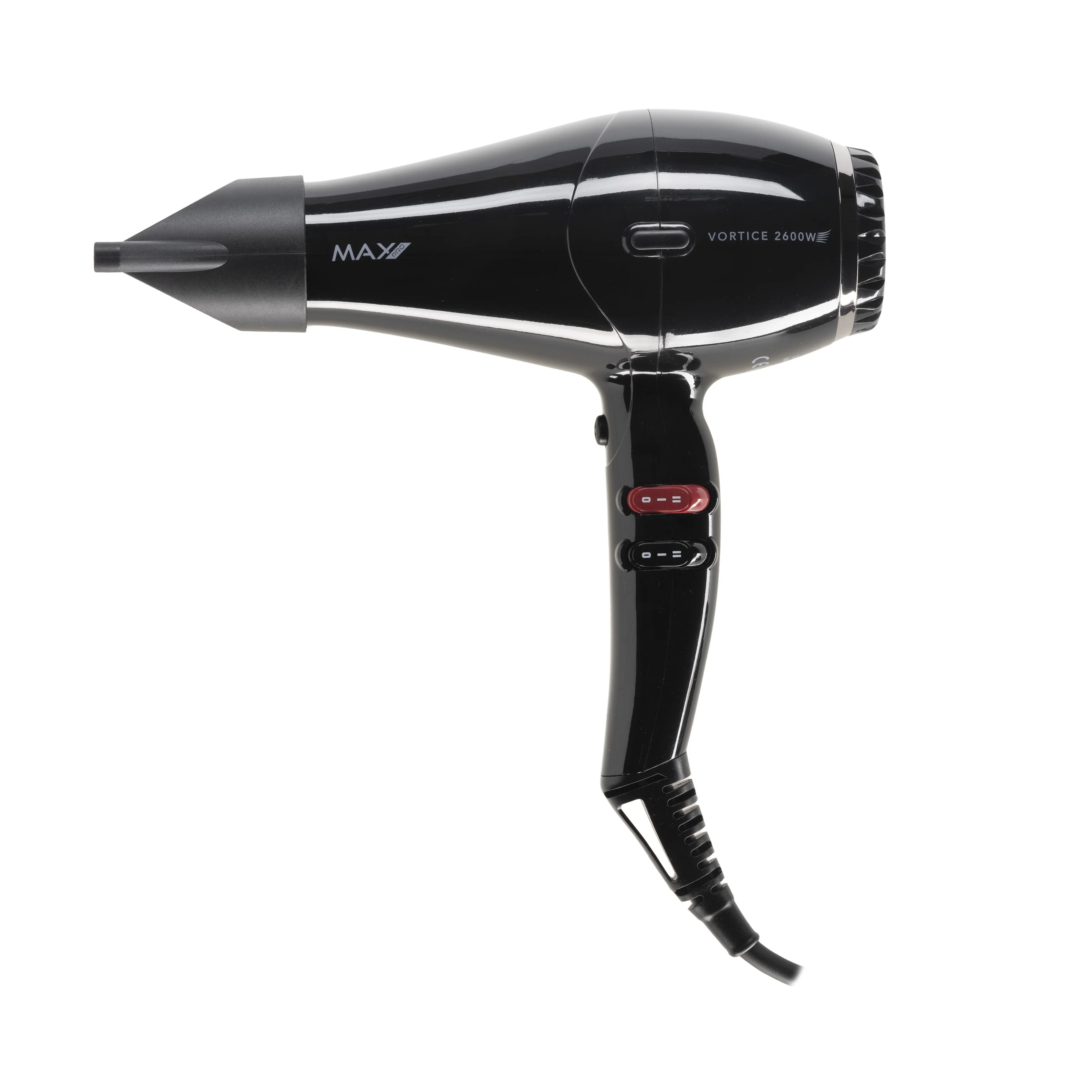
Heat softens sticker adhesive, turning hard, crusty residue into something pliable and easy to wipe away. A standard hair dryer is the perfect tool for this, and it’s become my first move whenever I’m facing a large label — like on a glass candle jar or a shipping sticker on a wooden furniture piece. No chemicals, no mess, and you’re done in about two minutes.
Set the dryer to medium or high heat and hold it a few inches from the surface, moving it back and forth over the residue for 60 to 90 seconds. The adhesive will go from hard to soft and tacky.
That’s your cue to immediately scrape it with a plastic card or wipe it away with a microfiber cloth. On glass, you can use full heat without any concern.
For plastic, keep the dryer moving and don’t linger in one spot — concentrated heat can warp or deform thin plastic. This technique works beautifully on wood too, especially for removing large labels from furniture or shelving, though you’ll usually want to follow up with an oil wipe to get the last traces of stickiness.
Does heat damage wood finishes?
A hair dryer on medium held a few inches away won’t hurt most sealed or lacquered surfaces during a quick 60-to-90-second pass. If the finish starts to feel soft or tacky, back off and let it cool.
The risk comes from holding a high-heat dryer stationary in one spot for too long. Unfinished wood handles heat with no issues at all.
5. Goo Gone
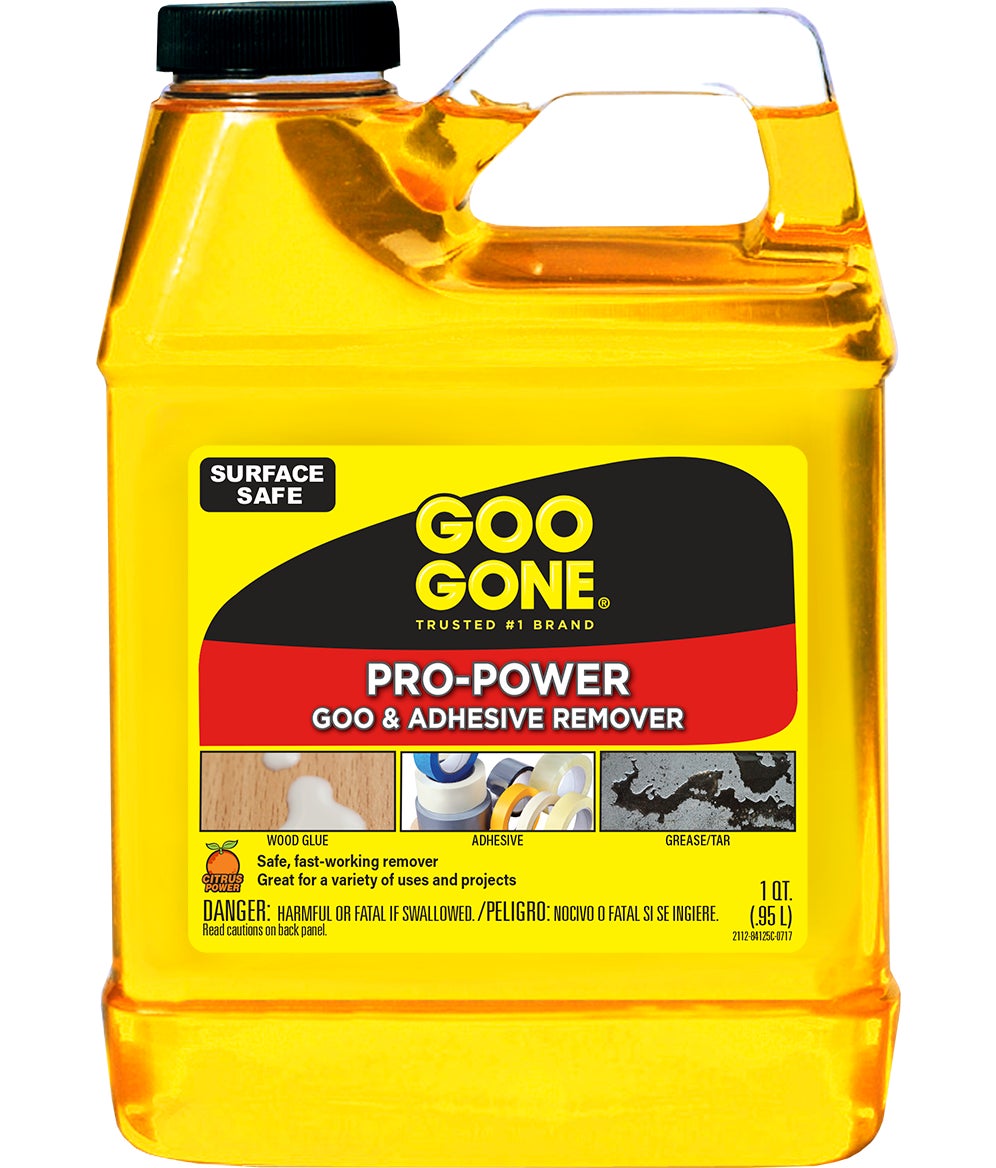
Goo Gone is the commercial adhesive remover that professional cleaners and resale-shop owners swear by, and it’s been around for decades for a reason. It’s specifically formulated to dissolve sticker glue while being safe on most household surfaces. If you deal with sticker residue regularly — from flipping thrift-store finds, shipping packages, or kids’ crafts — a bottle is worth the five or six dollars.
Apply it directly to the residue and let it sit for one to three minutes per the label directions, then wipe away with a clean cloth. On glass, it’s essentially foolproof.
On plastic, it’s safe for most types, but don’t let it sit on soft or thin plastics for more than a couple of minutes — wipe it off promptly. For sealed and finished wood, it works well; just follow up with a damp cloth to remove the oily residue it leaves behind.
It does have a strong citrus smell, so crack a window or work in a ventilated area. If you’re cleaning a glass jar you plan to use for food storage, wash it thoroughly with dish soap and hot water afterward.
6. Peanut Butter
This one always gets a skeptical look, but it genuinely works — and it’s a great trick when you’re out of everything else. Peanut butter removes sticker residue for the same reason cooking oil does: the natural oils break down adhesive. The advantage is that peanut butter is thick enough to cling to a surface without dripping, which means it stays in contact with the residue longer, even on vertical surfaces.
Spread a generous layer of creamy peanut butter (creamy works better than chunky here) over the sticky spot and let it sit for 15 to 30 minutes. The oils need that time to penetrate and dissolve the glue.
Then scrape with a plastic card and wipe — the residue should come off in clumps. This works well on glass and hard plastics.
On wood, it’s safe for finished surfaces, but you need to wipe away every trace of peanut butter afterward since the oils can soak into raw wood and leave a stain mark. The obvious downside is that it’s messy, and you’ll need to wash the surface with soap and water once you’re through.
But if there’s a jar open in the pantry and a sticky situation in front of you, it absolutely delivers.
7. Baking Soda Paste
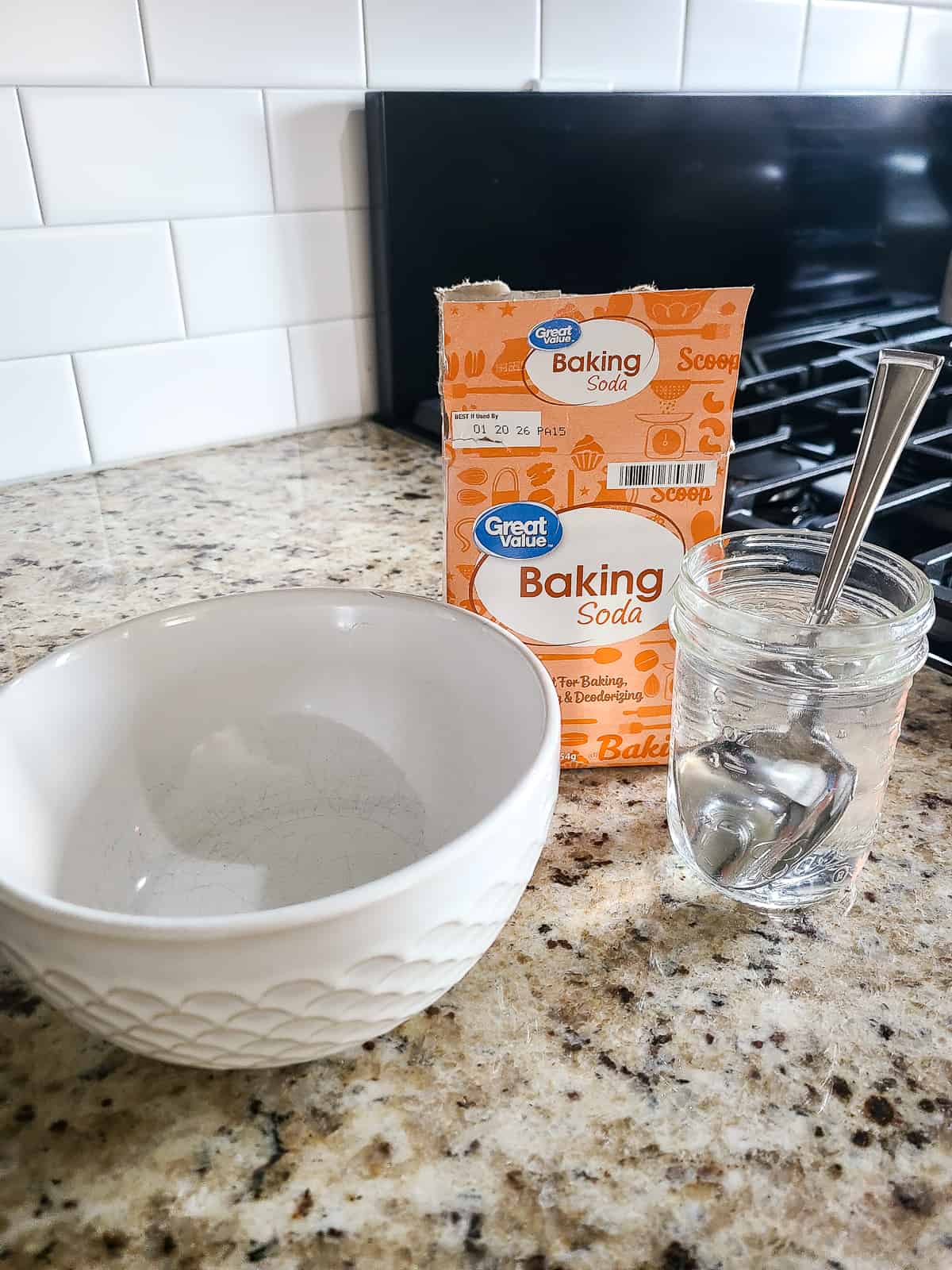
Baking soda provides gentle abrasion that can scrub away sticker residue without scratching glass or most hard plastics. Mixed into a paste, it gives you just enough texture to break through adhesive while being soft enough to leave the underlying surface alone.
Combine two parts baking soda with one part water to make a thick paste — or use coconut oil instead of water for extra adhesive-dissolving power. Spread the paste over the residue and let it sit for about 10 minutes, then scrub with a damp cloth or a soft-bristled toothbrush using small circular motions.
On glass, this is one of my favorite methods: zero scratching issues, and the paste gets into textured or frosted glass surfaces that a flat cloth can’t reach. On hard plastics like storage containers and bins, it works great, but skip it on anything with a high-gloss or easily scuffed finish, since even gentle abrasives can leave micro-scratches on soft surfaces.
For wood, this isn’t the method I’d pick — baking soda can dull or scratch a wood finish, so oil, heat, or vinegar are all better bets for wooden surfaces.
8. WD-40
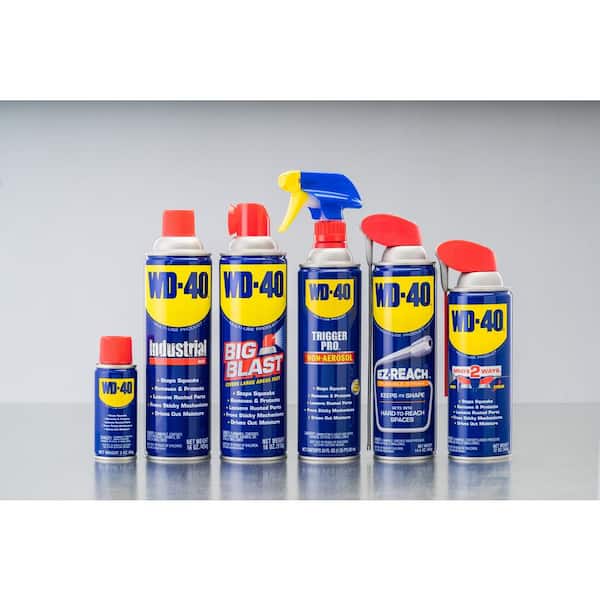
WD-40 was designed to loosen stuck things, and sticker residue falls squarely in its wheelhouse. I keep a can in the garage and have used it on everything from glass jars with old canning labels to plastic outdoor furniture with sun-baked price stickers. It’s especially good on residue that’s been sitting for months and has bonded hard to the surface.
Spray it directly on the sticky area and let it soak for two to three minutes. Wipe with a clean cloth — the residue should slide off.
If there are traces left, reapply and gently scrape with a plastic card. On glass, it’s completely safe and highly effective.
On plastic, test a small hidden spot first; WD-40 is fine on most hard plastics but can occasionally interact with very soft or thin materials. For finished wood, use it carefully — it can leave an oily mark, so wipe the area clean with a damp cloth immediately afterward and dry it thoroughly.
Avoid WD-40 on unfinished or raw wood, since the petroleum-based formula can soak into the grain and discolor it.
9. Nail Polish Remover (Acetone)
Acetone-based nail polish remover is the heaviest hitter on this list — it dissolves sticker adhesive almost on contact. I save this one for stubborn situations where gentler methods have failed, or for industrial-strength labels on glass items that just won’t quit.
Apply a small amount to a cotton ball and dab it onto the residue. Let it work for about 30 seconds, then wipe clean.
On glass, acetone is perfectly safe — it won’t scratch, etch, or cloud the surface. This is really where it shines, and it’s my go-to when I’m prepping glass jars or bottles for a project.
On plastic, extreme caution is warranted: acetone will cloud, crack, or even melt many types of soft and thin plastics. Test in a hidden spot and only use it on hard, durable plastics if you decide to use it at all.
On finished wood, avoid it completely — it strips finishes down to bare wood almost instantly. If you’re working with unfinished wood and you’re comfortable with the possibility of slight discoloration, it can work, but oil or heat are much safer choices.
10. Dish Soap and Warm Water
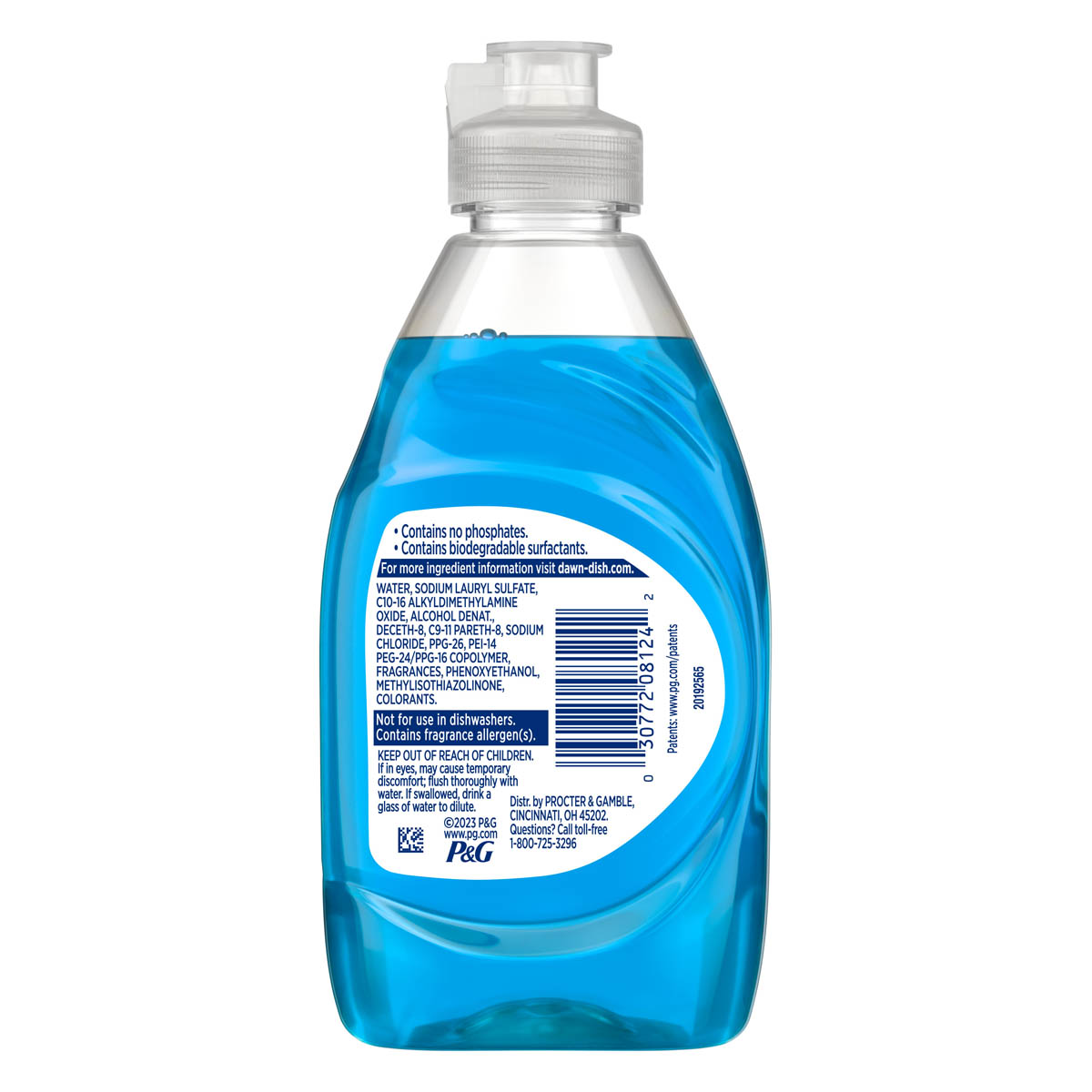
Sometimes the simplest solution is the one you skip right past. For fresh sticker residue — the kind where you just peeled a label off in the last few minutes — warm soapy water is often all you need. It won’t touch old, hardened adhesive, but for new sticky spots, it’s the gentlest option available and safe on every surface in your house.
Fill a bowl with warm water and add a generous squirt of a grease-cutting dish soap like Dawn. Dip a cloth in the soapy water and lay it over the residue for five to ten minutes.
The warmth softens the adhesive while the soap breaks down its grip. Then wipe and scrub gently until it’s gone.
On glass and all types of plastic, this is a perfect first move with zero risk. On sealed wood, it works as long as you wring the cloth out well so you’re not soaking the surface — then dry the area immediately afterward.
Beyond being a standalone method, dish soap is also the ideal follow-up after oil, WD-40, or Goo Gone, cutting through the film those products leave behind. It’s the unsung hero of the whole process.
Frequently Asked Questions
What removes sticker residue from plastic without damaging it?
Start with cooking oil or warm soapy water — both are safe on virtually all plastics. If that doesn’t work, 70% isopropyl alcohol is the next step for most hard plastics. Avoid acetone-based nail polish remover on plastic, as it can cloud or crack the surface.
Does vinegar remove sticker residue?
Yes, warm white vinegar softens most sticker adhesives effectively. Heat it for about 15 seconds in the microwave, apply it to the residue, let it sit for five minutes, then wipe and scrape. It works best on glass and is generally safe on hard plastics, though you should avoid letting it pool on finished wood.
How do you remove sticker residue from wood without damaging the finish?
Your safest bets for finished wood are cooking oil or a hair dryer. Both work without stripping or dulling the protective coating.
Let oil sit for 10 to 15 minutes, then wipe clean. With a hair dryer, keep it moving on medium heat for about 90 seconds, then scrape while the adhesive is still warm and soft.
Does WD-40 remove sticker residue?
Yes — WD-40 is highly effective on sticker residue, especially old or stubborn adhesive. Spray it on, let it soak for two to three minutes, and wipe away.
It’s completely safe on glass and most hard plastics. On finished wood, follow up with a damp cloth to remove any oily film.
Sticker residue is one of those problems where the right approach matters more than elbow grease. My usual routine is to grab whatever’s closest — cooking oil, dish soap, or a hair dryer — and escalate only if the residue won’t budge.
Glass is forgiving: you can use almost any method without worry. For plastic and wood, start gentle, test in a hidden spot, and work your way up to stronger solvents only if you need to.
Save this for the next time you’re staring down a stubborn label on a secondhand find.
Leave a Reply