
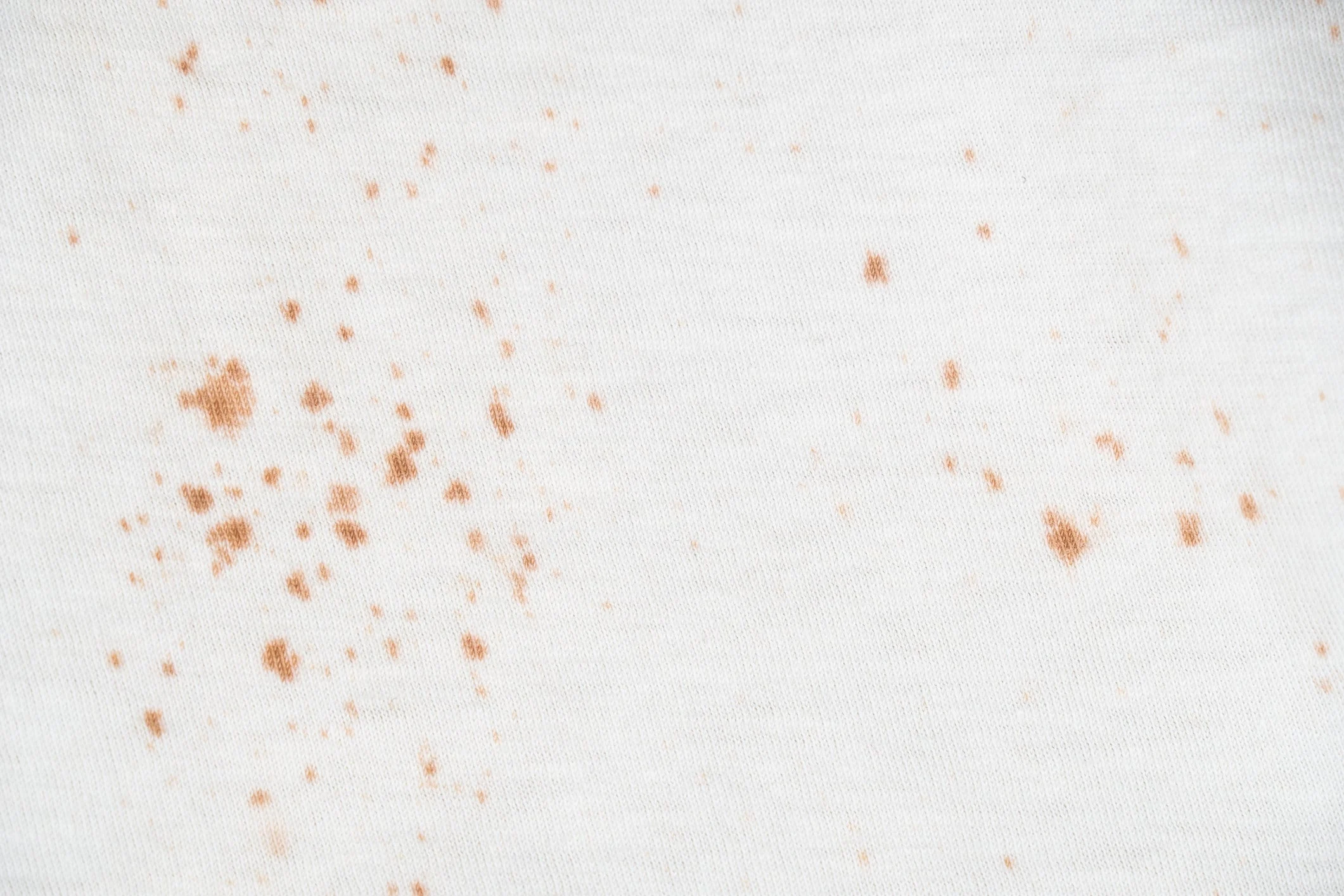
You know that moment when you pull your favorite white shirt from the laundry only to find it’s now decorated with orange-brown splotches? Rust stains from a forgotten bobby pin, a leaky can, or old metal snaps can feel permanent.
But I’ve saved more than a few pieces from the donate pile using these reliable methods. The key is acting fast and knowing which technique to reach for first.
Here are five ways I’ve successfully banished rust from fabric, from store-bought powerhouses to simple pantry solutions.
Method 1: The Commercial Rust Remover Powerhouse
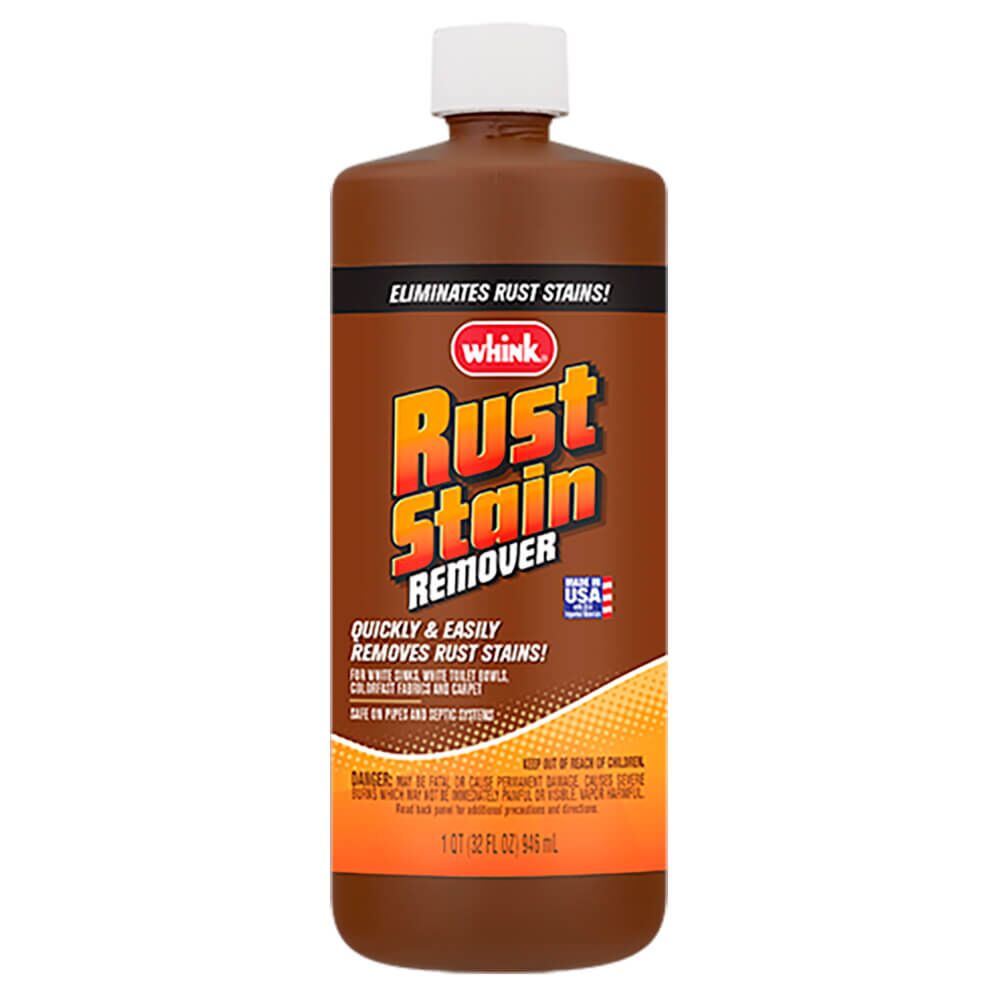
For stubborn, set-in stains or delicate fabrics you’re nervous about, I always recommend a dedicated rust remover like Whink or Iron Out. These products contain acids (like hydrofluoric or oxalic acid) specifically formulated to dissolve iron oxide without most of the guesswork. They’re my go-to for white cottons, linens, and polyester blends that can handle a potent treatment.
Simply place the stained area on a towel, apply the remover directly to the stain, and let it sit for 1-5 minutes (check the bottle—times vary). You’ll often see the stain vanish before your eyes.
Rinse thoroughly with cool water and launder as usual. A major caution: these are strong chemicals.
Always work in a well-ventilated area, wear gloves, and never mix them with other cleaners. Spot-test in a hidden seam first, and never use on wool, silk, or leather.
Method 2: The Classic White Vinegar Soak
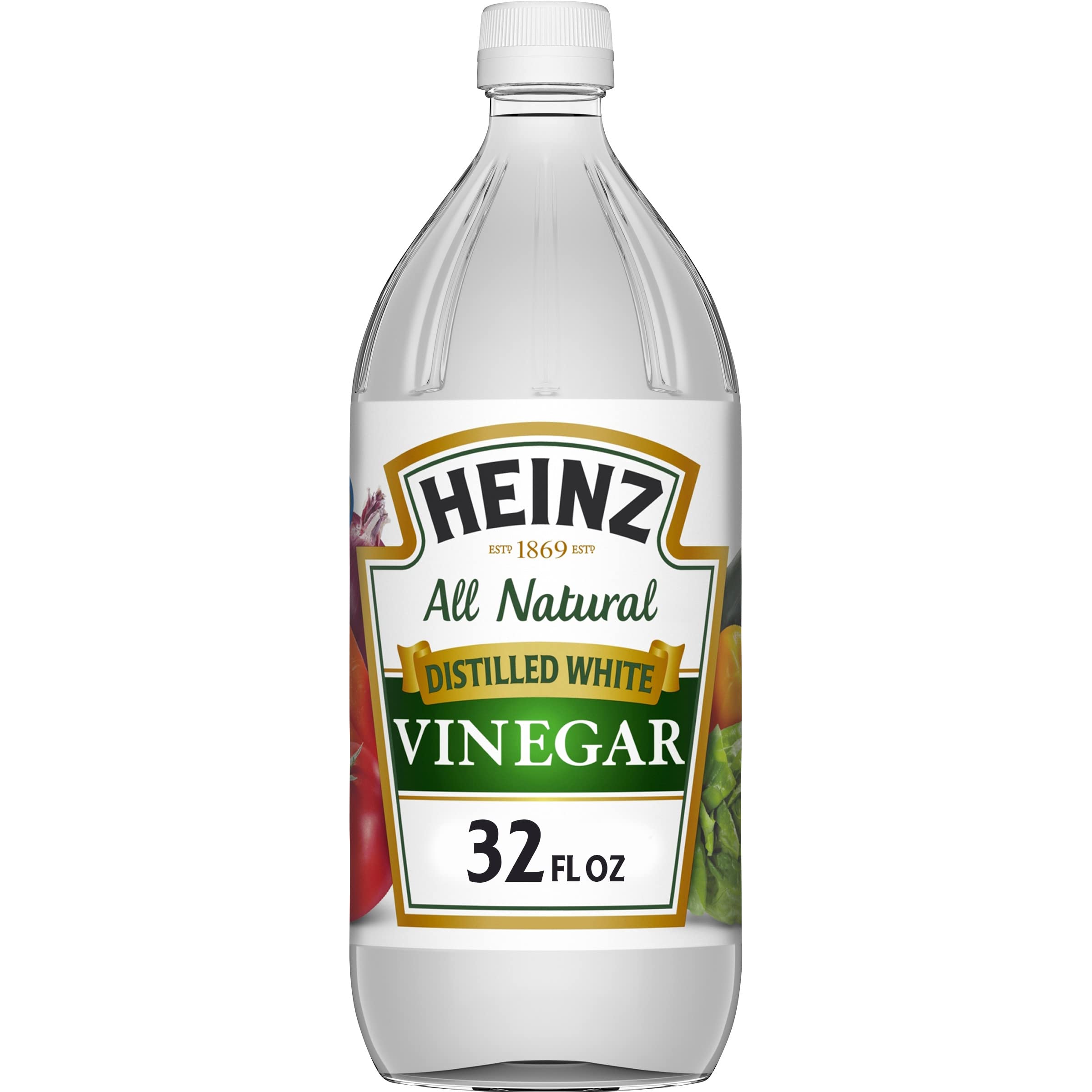
If you prefer a gentler, pantry-based approach, plain white vinegar is a remarkably effective rust fighter. The acetic acid in vinegar reacts with the rust (iron oxide) and helps dissolve it. This method works wonderfully on sturdy cottons and linens, and it’s safe for most colors.
Lay the garment flat and saturate the stain completely with undiluted white vinegar. Let it soak for at least 30 minutes—a few hours is better for tough stains.
After soaking, sprinkle a little table salt over the area for extra gentle abrasion, then scrub gently with an old soft toothbrush. Rinse with cool water and launder.
For a larger stain, you can also mix a solution of 1 cup vinegar to a gallon of water and soak the entire garment for an hour before washing.
Method 3: The Lemon Juice and Salt Sun Trick
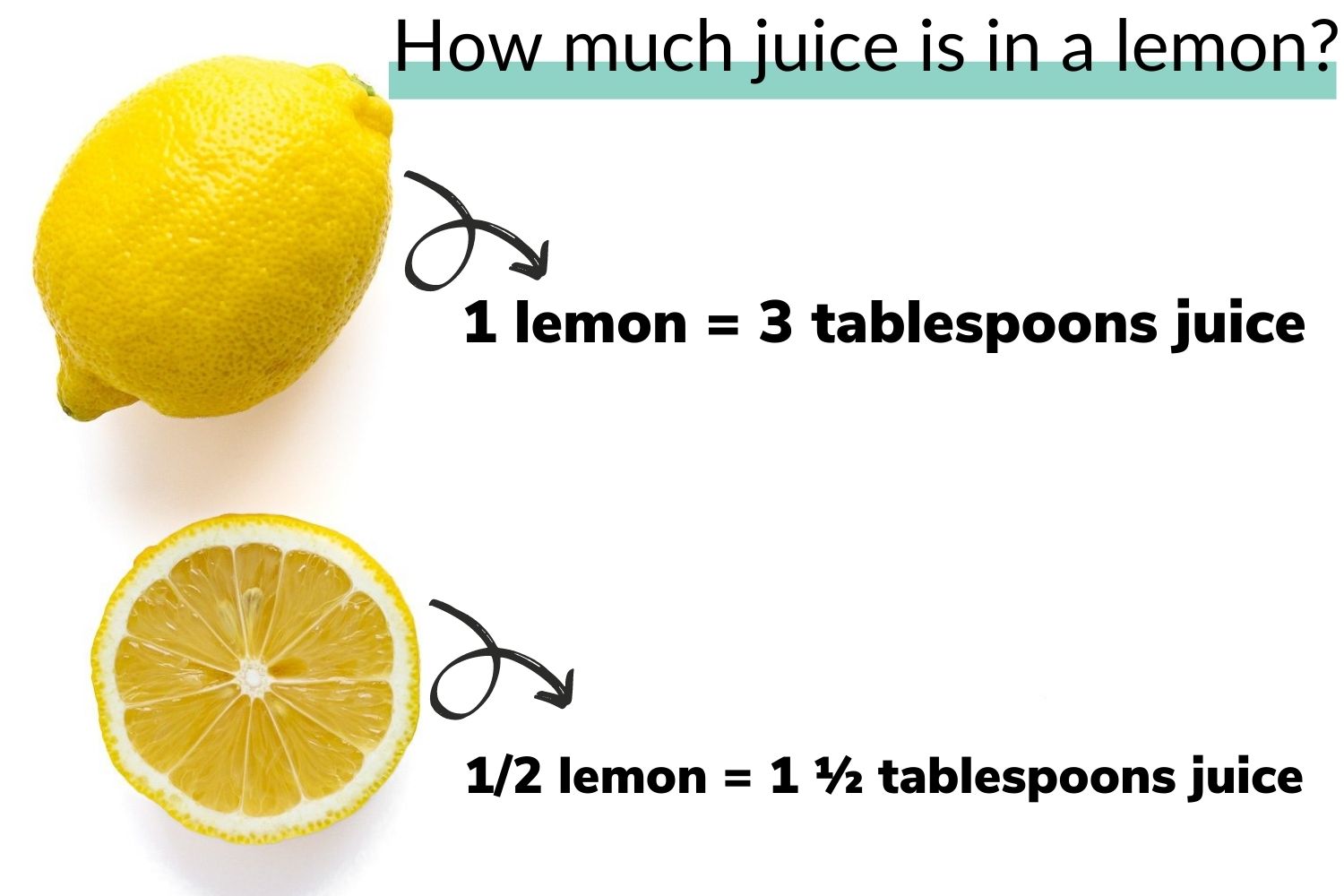
This old-school method uses citric acid and sunlight, a double whammy that’s especially great for light-colored cotton. I’ve found it most effective on fresh stains. You’ll need fresh lemon juice (the bottled kind works in a pinch, but fresh is more potent) and some coarse salt.
Make a paste of lemon juice and salt to cover the stain. Lay the garment flat in direct sunlight—the UV light will boost the bleaching effect of the acid.
Let it sit for 30 minutes to a few hours, reapplying lemon juice if it dries out. The salt provides a bit of scrubbing power.
Once the stain has faded, rinse the garment thoroughly and wash it immediately. Pro tip: This can have a mild bleaching effect, so it’s best reserved for whites or very light colors you’re confident about.
Method 4: The Cream of Tartar Paste
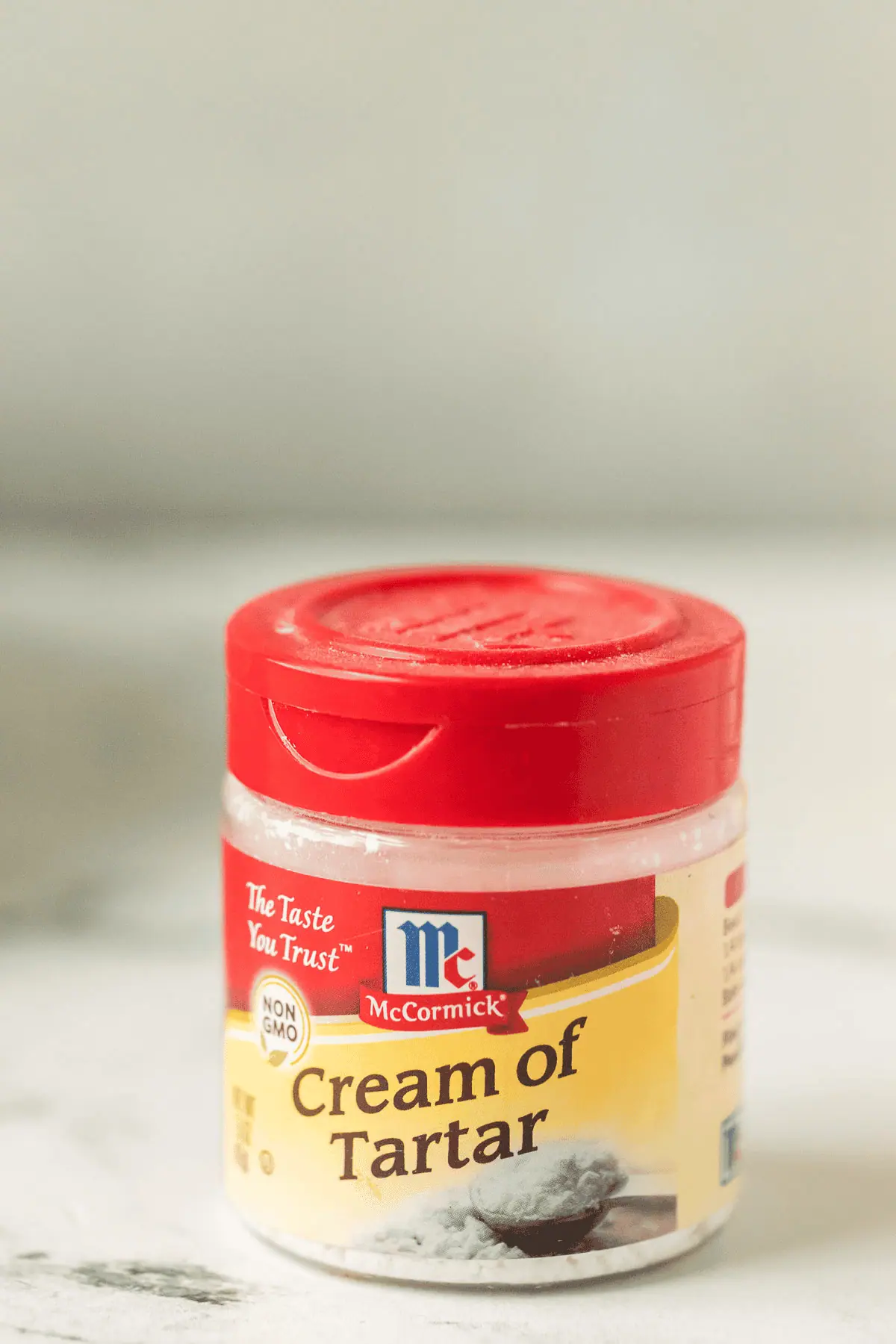
Here’s a great trick for colored fabrics where you’re hesitant to use acids or chlorine. Cream of tartar (potassium bitartrate) is a mild, food-safe acid that can work magic on rust stains when combined with heat.
Mix a thick paste of cream of tartar and a little water—aim for toothpaste consistency. Smear it generously over the stain, covering it completely.
Now, take a damp cloth and place it over the paste. Press a hot iron (no steam) onto the damp cloth for about 15-20 seconds.
The steam helps activate the paste and drive it into the fibers. Let it cool, then brush off the dried paste and rinse.
Often, the stain comes right with it. For tougher spots, repeat the process before laundering.
Method 5: The Baking Soda and Dish Soap Scrub
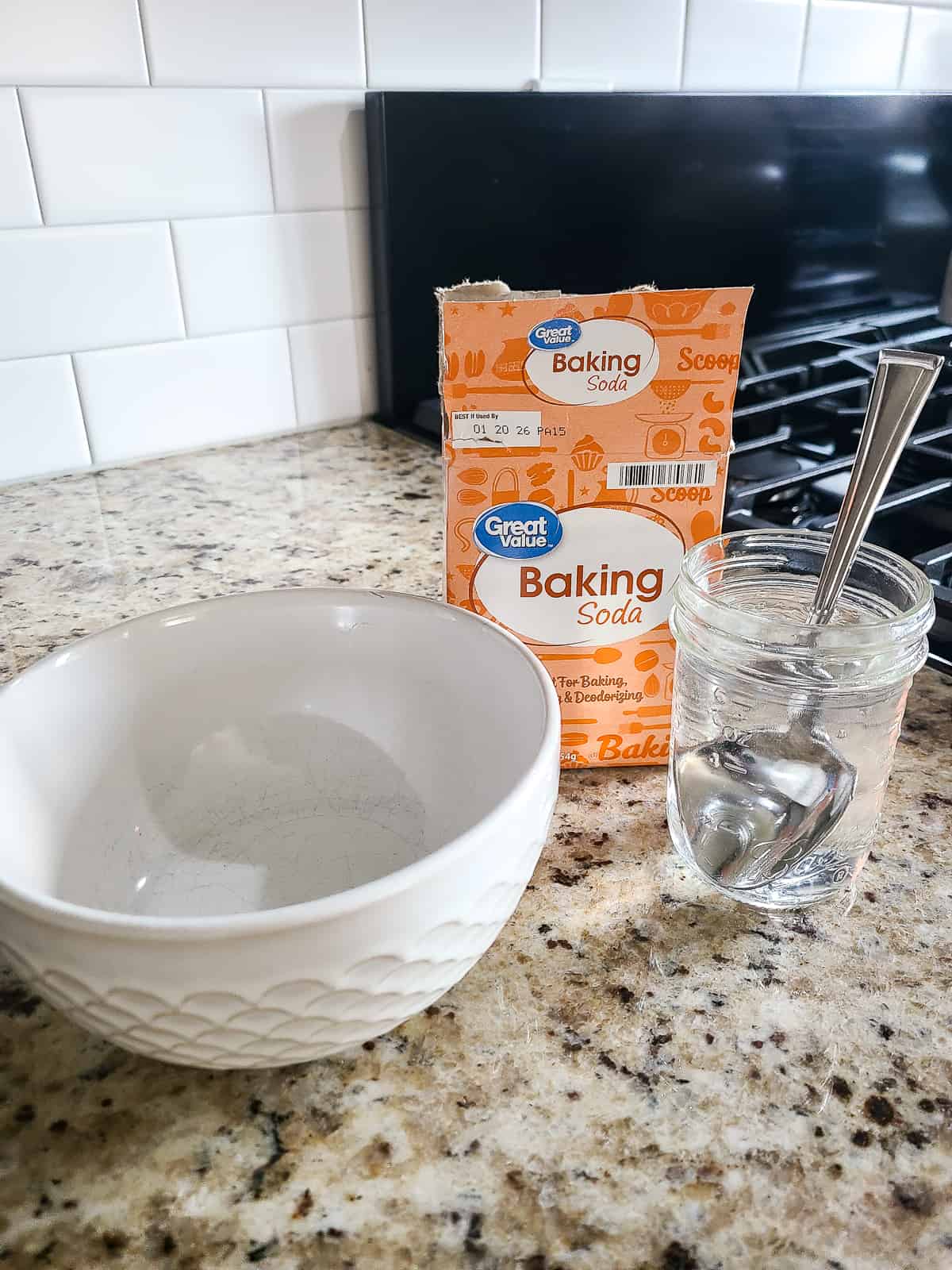
For a light, fresh rust stain, a simple abrasive paste can do the job. Baking soda is a mild alkali and a gentle abrasive, while dish soap helps lift the stain from the fibers. This is my quick-fix method for small marks.
Make a paste with baking soda and a few drops of liquid dish soap. Apply it to the stain and gently work it in with your fingers or a soft-bristled brush (an old toothbrush is perfect).
Let it sit for 10-15 minutes, then rinse with cool water. This method may require a couple of applications but is very safe for most fabrics.
It’s particularly effective on denim or sturdy canvas where a little scrubbing won’t cause damage.
FAQ
Can rust stains be removed from colored fabric?
Yes, but you need to be cautious with strong acids like lemon juice or commercial rust removers, which can lighten colors. For colored items, start with the gentlest methods: the white vinegar soak, the cream of tartar paste, or the baking soda scrub. Always spot-test any method on an inside seam first.
Does rust stain removal work on old, set-in stains?
It can, but it’s harder. For old stains, your best bet is a dedicated commercial rust remover like Whink, following its instructions precisely.
You may need to let it work longer or repeat the application. The vinegar and lemon methods can also work if you extend the soak time to several hours.
Will these methods damage the fabric?
When used correctly, most are safe for durable fabrics like cotton, polyester, and linen. The biggest risks are over-scrubbing (which can wear out fibers) or using strong acids on delicate materials.
Never use these techniques on wool, silk, or leather. Always check the garment’s care label and when in doubt, consult a professional cleaner.
Can I use these methods on upholstery or carpet?
You can, but proceed with extreme caution. The fabric on furniture and carpet is often more delicate and may have special backings or treatments.
Test any method in a completely hidden area first. For valuable items, professional cleaning is usually the safest choice.
Getting rust out of fabric is one of those satisfying little victories in the laundry room. Start with the method that best matches your stain and fabric type, be patient, and you’ll likely rescue that piece you thought was ruined. The most important step is simply trying—these methods have worked for me time and time again.
Leave a Reply