Pet odors from accidents or daily activity settle deep into carpet fibers and padding, but targeted treatments break down the source rather than mask it. These methods focus on common household items and tools that deliver results within hours when applied correctly, helping restore freshness without replacing flooring.
Baking Soda and Vinegar Application
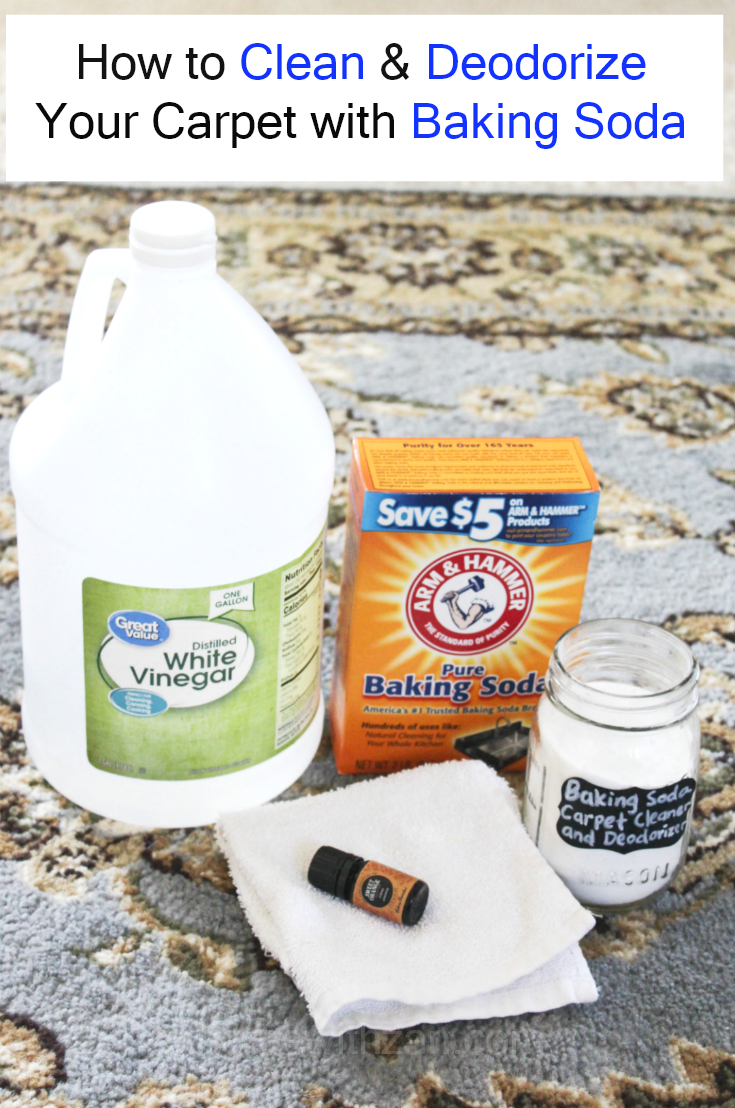
Baking soda absorbs moisture and neutralizes alkaline urine crystals while vinegar breaks down proteins in the stain. Spread a generous layer of baking soda over the affected area, let it sit for several hours, then mist with a vinegar solution to create a foaming reaction that lifts embedded residue. Vacuum thoroughly once dry to remove the powder and any loosened particles.
This approach works best on fresh spots where the odor has not yet bonded to the backing. Reapply in layers if the smell lingers after the first round, and test a small corner first to confirm the carpet dyes stay stable.
Enzymatic Cleaner Treatment
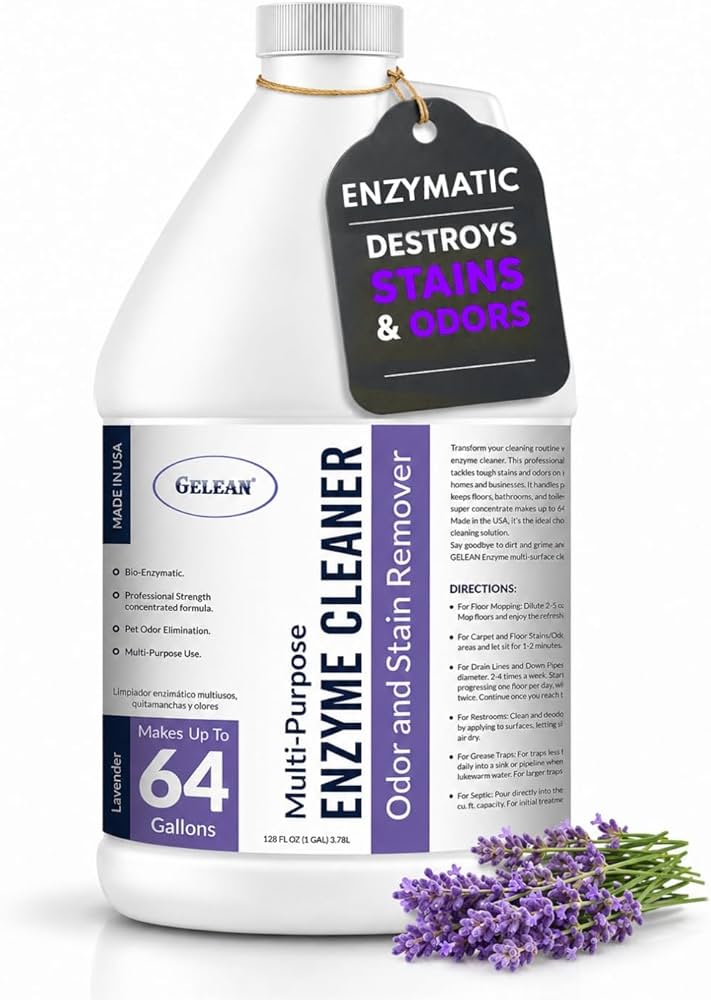
Enzymatic formulas contain live bacteria that consume the organic compounds causing persistent smells. Apply the product directly to the spot, allow it to remain damp for the full dwell time listed on the bottle, then blot away excess without rinsing.
How long does enzymatic cleaner take to remove pet urine smell?
Most products need four to six hours of undisturbed contact before the enzymes fully digest the waste. Avoid walking on the area or using fans that speed drying, because the bacteria require moisture to stay active.
Commercial Pet Odor Sprays
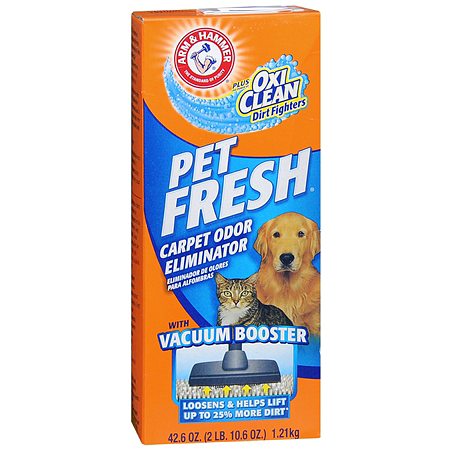
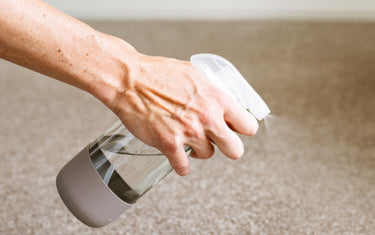
Ready-to-use sprays combine surfactants and odor neutralizers designed for quick application on larger surfaces. Spray evenly across the carpet, work the liquid into the pile with a soft brush, and let it air dry completely before vacuuming.
These products often include color-safe additives that prevent residue rings. Multiple light coats outperform one heavy application when the odor covers a wide zone.
Steam Cleaning with Hot Water Extraction
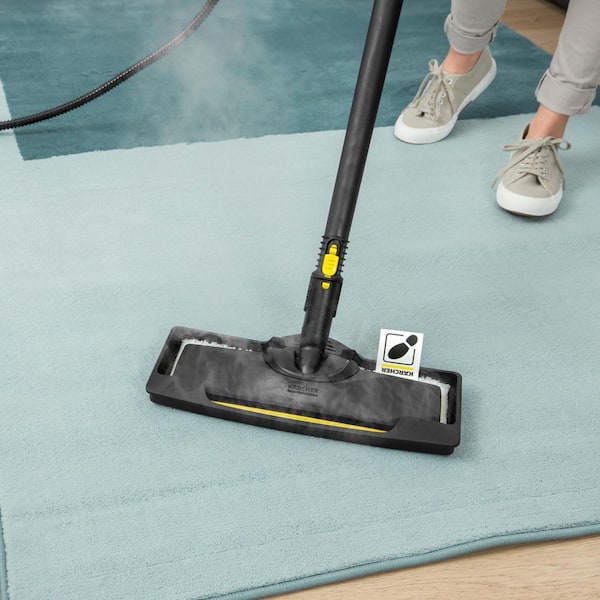
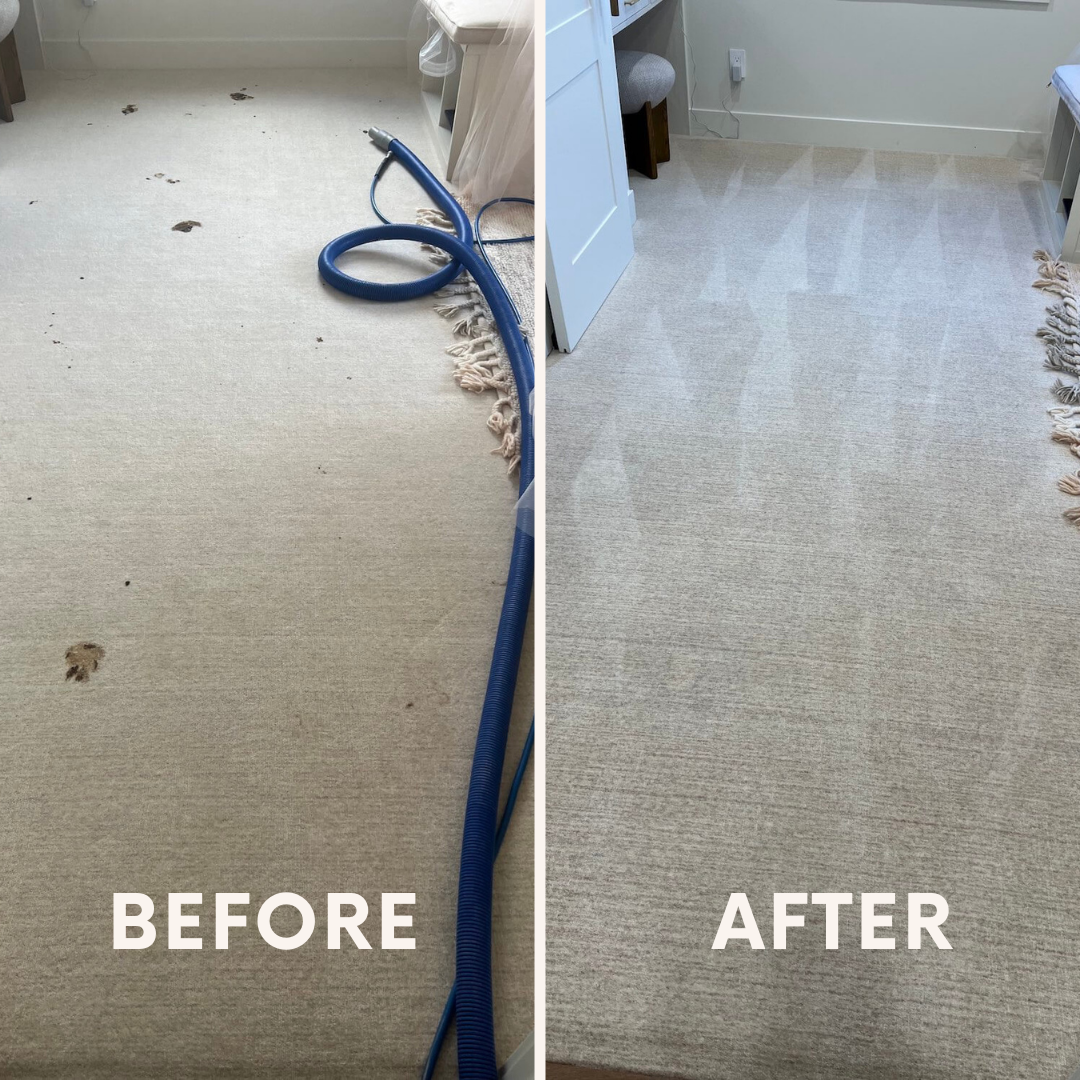
Steam cleaning forces heated water through the fibers and pulls it back out along with dissolved odor particles. Rent a unit that reaches at least 200 degrees Fahrenheit, use a pet-specific cleaning solution, and make two slow passes in opposite directions for full extraction.
Allow the carpet to dry for at least 24 hours afterward so trapped moisture does not create new mildew smells. Empty and rinse the machine tanks immediately after use to prevent bacterial buildup inside the equipment.
Hydrogen Peroxide Solution
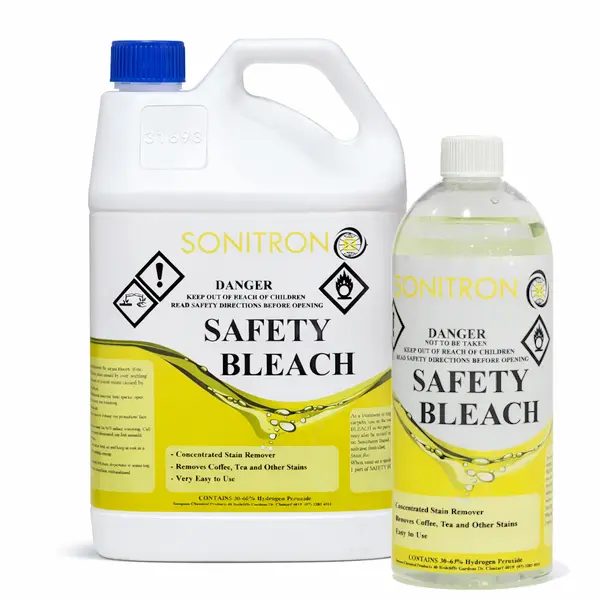
A diluted hydrogen peroxide mix oxidizes organic stains and lifts yellow discoloration left by urine. Combine one part 3 percent peroxide with two parts water, apply sparingly with a spray bottle, and blot repeatedly until the liquid no longer lifts color.
Comparison of Common Removal Methods
White Vinegar Rinse
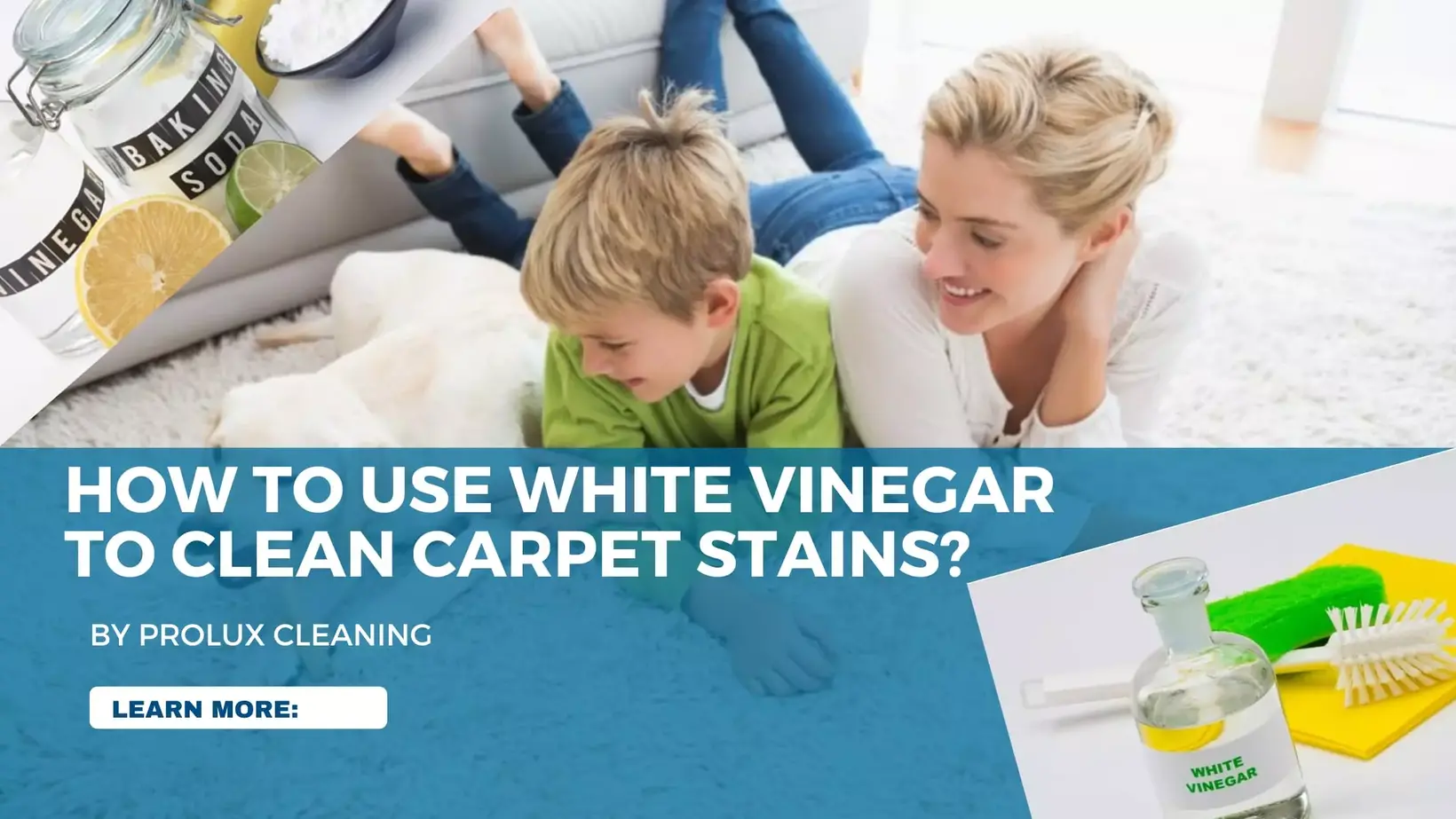
Plain white vinegar diluted in water neutralizes alkaline residues without leaving a strong scent once dry. Mix one cup vinegar with one gallon of warm water, pour over the area, and blot until the liquid runs clear.
Repeat the rinse on heavily soiled sections to ensure the pH balance returns to neutral. This step pairs well after an initial absorbent treatment to finish the job.
Club Soda Blotting Technique
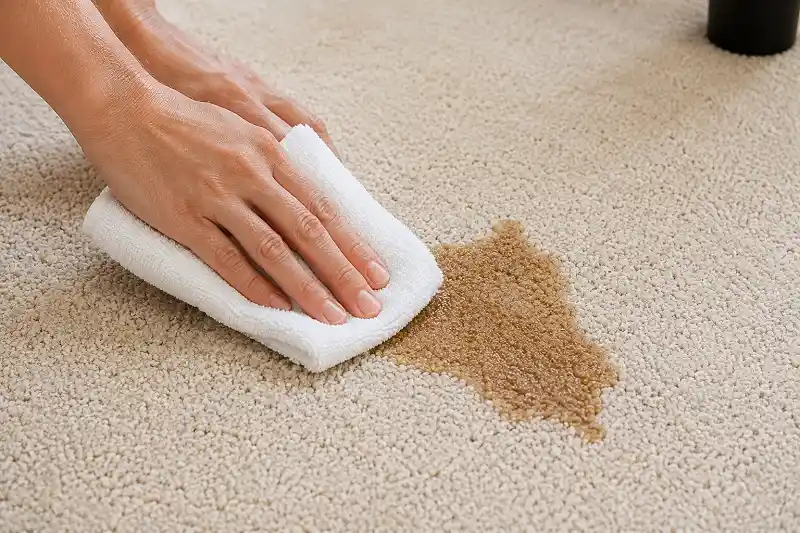
Club soda’s carbonation lifts fresh spills before they set into the backing. Pour a small amount directly on the spot, press with clean towels to draw liquid upward, and repeat until no more transfer occurs.
The method prevents deeper penetration when used within minutes of an accident. Keep extra towels on hand because the fizzing action can spread liquid slightly outward.
Black Light Spot Detection
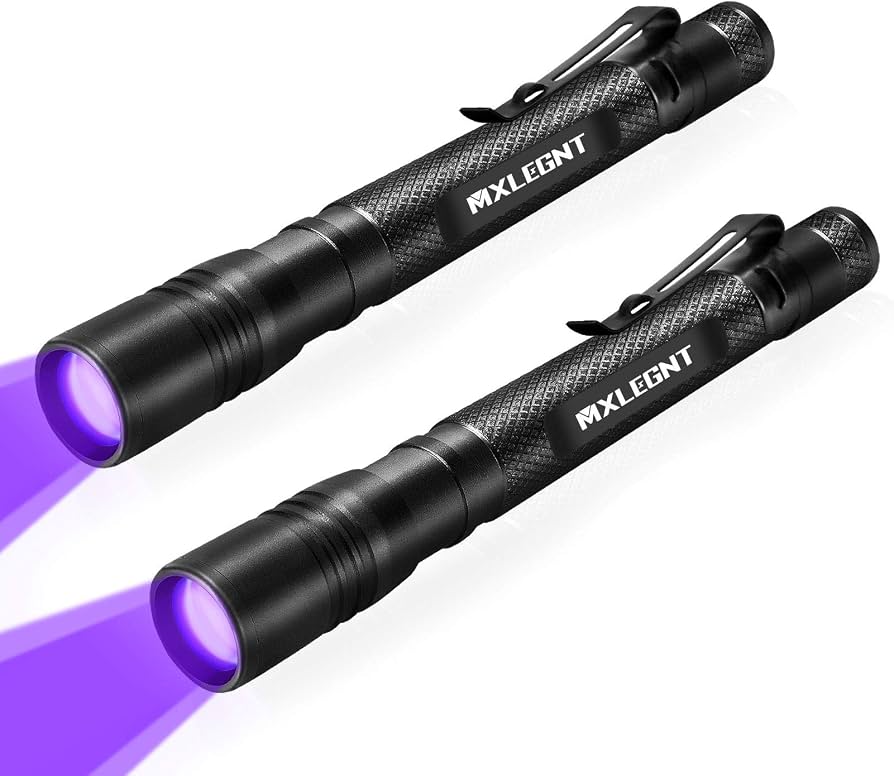
A handheld UV light reveals hidden urine deposits that ordinary inspection misses. Turn off room lights, sweep the beam slowly across the floor, and mark glowing areas with tape before treating each one individually.
This step prevents missed patches that later release odor when humidity rises. Rechargeable lights with 365-nanometer bulbs give the clearest contrast on most carpet colors.
Carpet Shampoo Machine Use
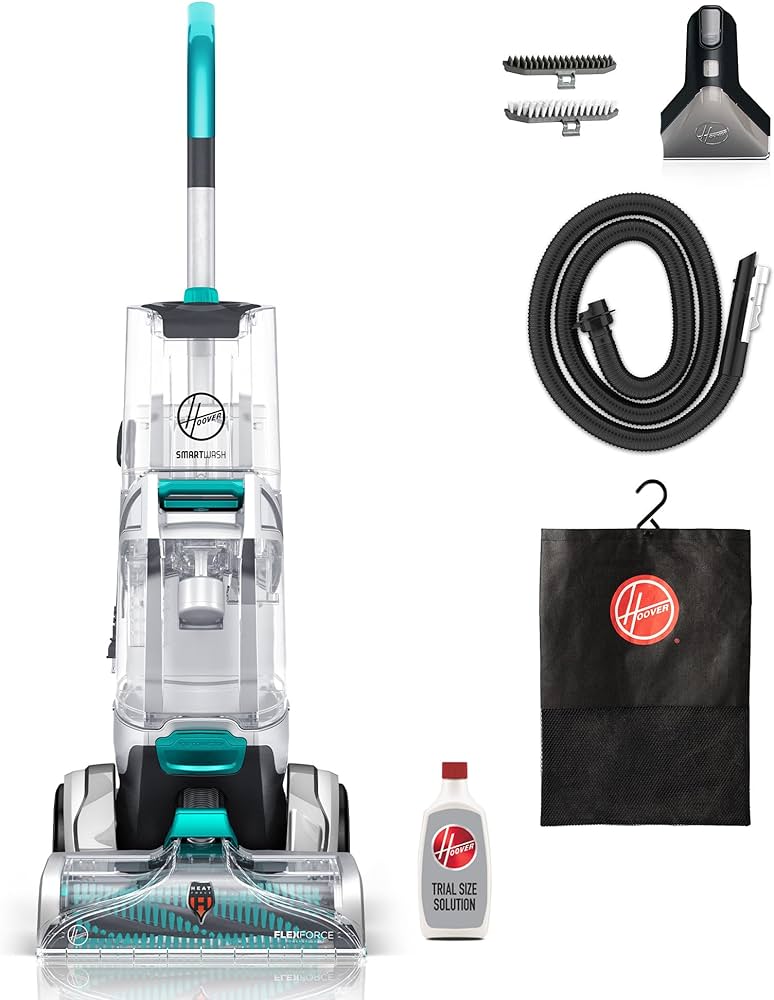
Shampoo machines agitate detergent deep into the pile and extract it along with odor-causing particles. Fill the tank with a pet-formula shampoo, run the machine at a slow pace, and follow with a plain water rinse pass to remove soap residue.
What carpet shampoo works best for pet odors?
Formulas labeled for pet stains contain additional enzymes or oxygen boosters that target proteins better than standard carpet shampoo. Run an extra extraction pass with clean water to avoid leaving behind a sticky film that attracts new dirt.
Professional Hot Water Extraction Service
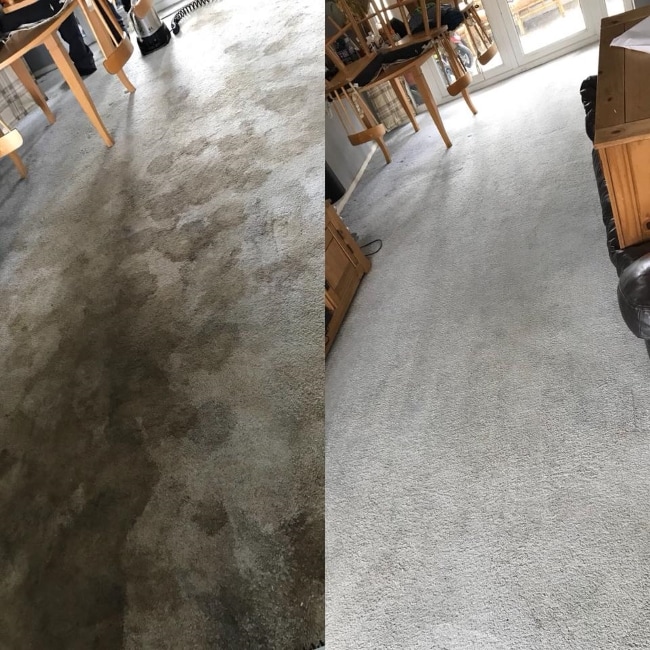
Technicians bring truck-mounted equipment that reaches higher temperatures and suction levels than rental units. Schedule during dry weather so windows can stay open for faster drying and request the pet-odor package that includes pre-treatment.
Essential Oil Diffuser Placement
A diffuser placed near freshly cleaned carpet disperses light citrus or lavender notes that discourage pets from returning to the same spot. Use only pet-safe oils in very low concentrations and keep the unit out of reach so curious animals do not ingest the liquid.
Key Tips to Remember
Enzymatic cleaners lose effectiveness if frozen during storage, so keep bottles in a climate-controlled cabinet rather than the garage.
Black light detection works even on older stains because urine crystals continue to fluoresce for years after the liquid has dried.
- Material options for absorbent powders: plain baking soda, cornstarch blends, or commercial deodorizing granules
- Placement variations: focus on high-traffic paths first, then corners where pets rest, then under furniture edges
- Size choices for treatment zones: treat a 2-foot radius around visible spots to catch hidden seepage
Does steam cleaning remove pet odor permanently?
Steam cleaning extracts most surface and mid-layer residue, yet deep padding sometimes retains trace amounts that resurface during humid months. Follow steam cleaning with an enzymatic spray for lasting results on older accidents.
How often should carpet be treated for recurring pet smells?
Heavy pet households benefit from quarterly deep treatments combined with weekly vacuuming using a HEPA filter. Consistent maintenance prevents odor compounds from building up to noticeable levels again.
Can I use bleach on carpet for pet urine?
Bleach damages most carpet fibers and releases toxic fumes when mixed with urine ammonia, so it is never recommended. Stick to oxygen-based or enzymatic alternatives that preserve color and texture.
Professional cleaning restores carpet performance when home methods no longer produce noticeable improvement. Consistent spot treatment combined with regular extraction keeps odors from returning and extends the life of the flooring.
Leave a Reply