
Musty odors develop when moisture lingers in enclosed spaces and combines with fabric fibers or wood surfaces. Targeted absorption and airflow adjustments clear the scent at its source while preventing recurrence through simple material choices. These methods rely on everyday household items that fit existing storage setups without requiring major renovations.
Baking Soda Placement
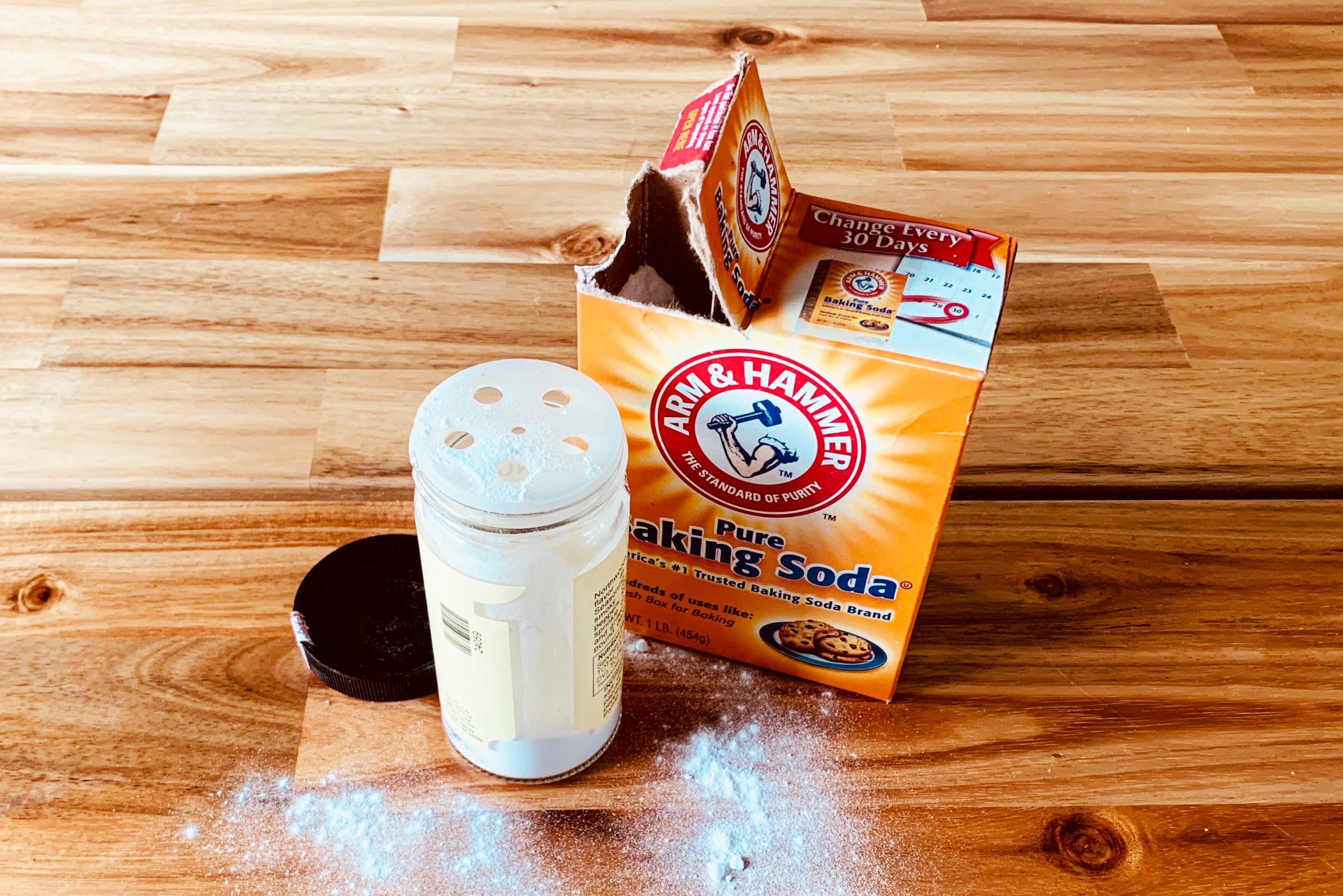
Open boxes of baking soda sit on shelves and absorb ambient moisture that feeds mildew growth. Replace the boxes every thirty days to maintain effectiveness as the powder saturates. Position one container near the floor and another on an upper shelf so air currents carry odors downward into the absorbent.
Users often overlook how baking soda also neutralizes volatile organic compounds released by stored shoes and seasonal clothing. Rotate garments during each replacement cycle to expose all fabric surfaces evenly. This rotation prevents localized odor pockets from reforming in the same spots.
Vinegar Evaporation

Small bowls of white vinegar placed in corners release acetic acid vapors that break down odor molecules on contact. Leave the bowls uncovered for forty-eight hours then discard the liquid and wipe surfaces dry. The mild acidity also discourages mold spores from settling on painted walls or laminate interiors.
Vinegar vapors travel farther than most liquid cleaners, reaching behind hanging rods where sprays cannot reach. Test a hidden corner first because undiluted vinegar may etch certain metal hardware finishes over repeated applications.
Charcoal Filtration
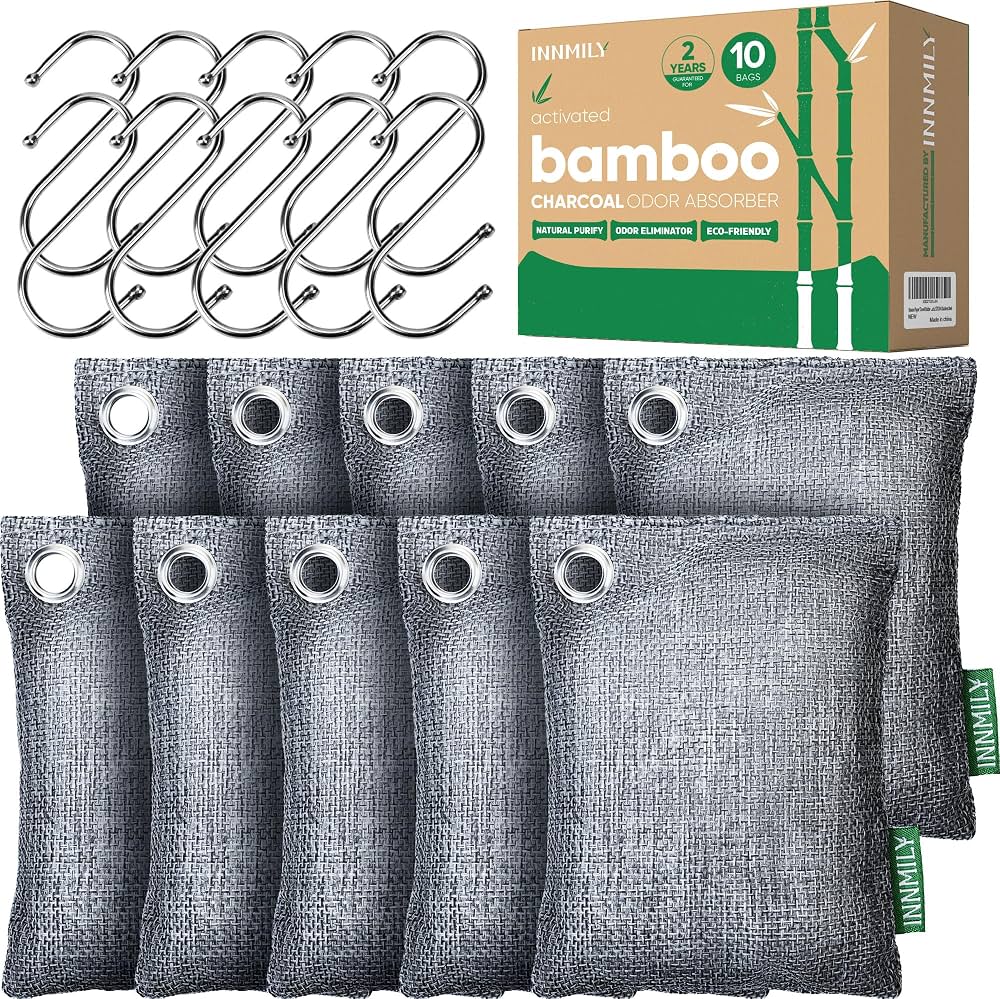
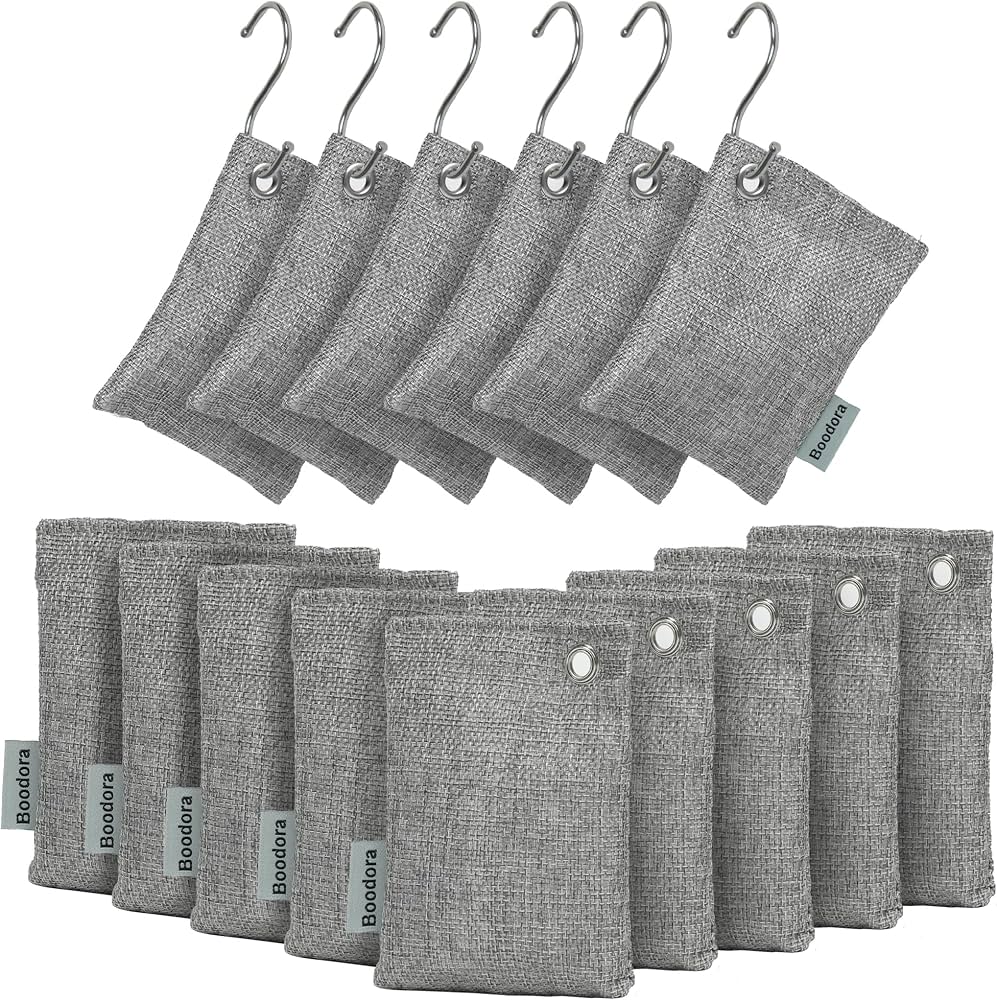
Mesh pouches filled with activated charcoal hang from rods and trap both moisture and smell compounds in their porous structure. Shake the pouches monthly to redistribute granules and extend service life up to six months. Multiple small pouches outperform one large container because they create more surface area within the same volume.
- Place one pouch inside each storage bin holding wool sweaters
- Suspend another near the door to intercept incoming air
- Replace when granules darken noticeably from trapped particles
Coffee Ground Absorption

Dry coffee grounds in open jars pull musty notes through their natural oils while adding a neutral roasted scent. Change the grounds weekly during humid seasons to avoid mold forming on the dampened surface. Position jars away from direct fabric contact so stray grounds do not stain clothing.
Essential Oil Diffusion
Reed diffusers loaded with tea tree or lemon oil disperse antimicrobial compounds that interrupt mildew growth cycles. Refresh the reeds every two weeks by flipping them to maintain consistent vapor release. Keep the diffuser on a stable tray to catch any accidental drips that could mark wood shelving.
How long does essential oil scent last in enclosed spaces?
Reed diffusers maintain noticeable fragrance for ten to fourteen days before the oil level drops enough to require refilling. Stronger oils such as eucalyptus extend that window by two additional days. Always dilute concentrated oils according to label ratios to prevent fabric discoloration.
Cedar Block Placement
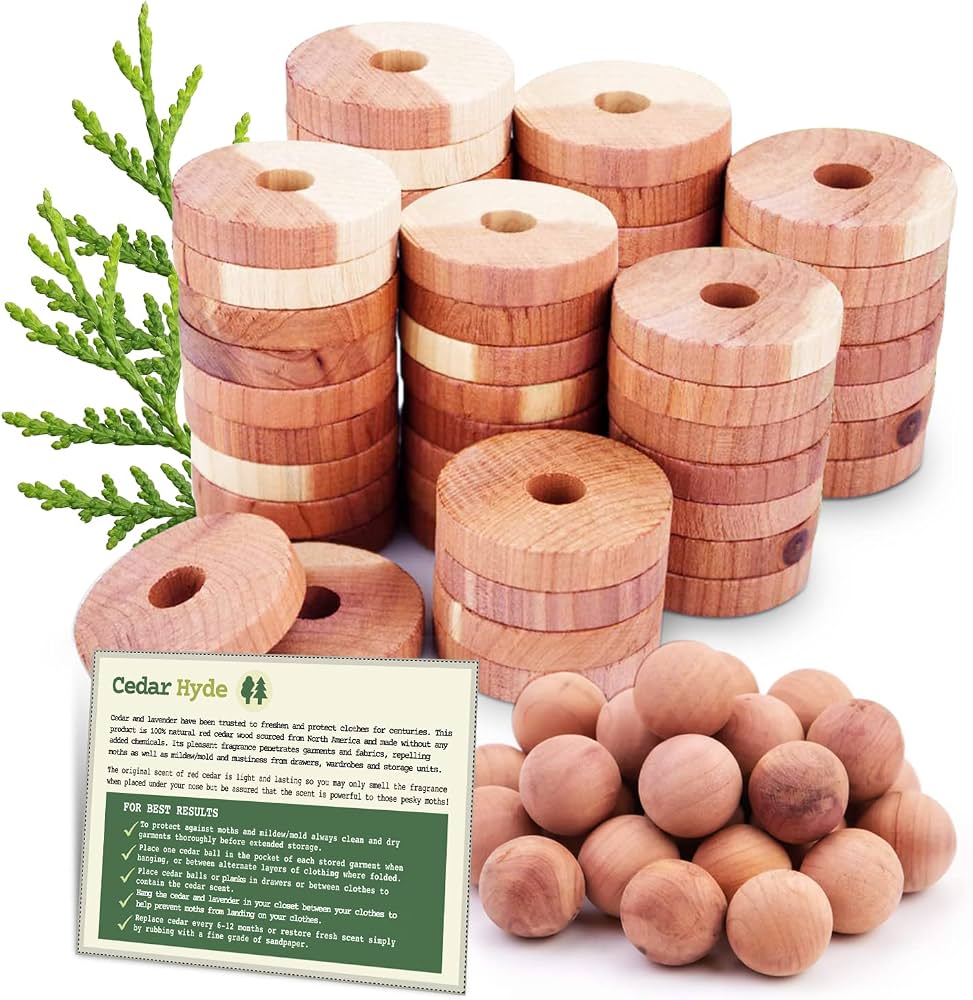
Natural cedar blocks release aromatic oils that repel insects and absorb residual humidity. Sand the surface lightly once a year to expose fresh wood and renew the scent. Arrange blocks in a staggered pattern along the baseboard so air can circulate around each piece.
Dehumidifier Operation

Compact electric dehumidifiers sized for closets pull moisture from the air and collect it in a removable tank. Empty the tank daily during peak humidity periods and clean the intake grille monthly. Set the unit to maintain forty-five percent relative humidity to keep fabrics dry without overdrying leather accessories.
Fresh Air Circulation

Box fans placed in the doorway for two hours each morning exchange stale interior air with outdoor breezes. Position the fan on low speed to avoid scattering dust onto clean garments. Combine this step with open windows elsewhere in the room to create cross-ventilation that reaches the back wall.
What fan speed works best for odor removal without disturbing clothes?
Low or medium settings move sufficient air volume while preventing lightweight fabrics from tangling on hangers. High speeds create unnecessary turbulence that can dislodge stored items. Run the fan during cooler morning hours when outdoor humidity is typically lowest.
Fabric Washing Routines
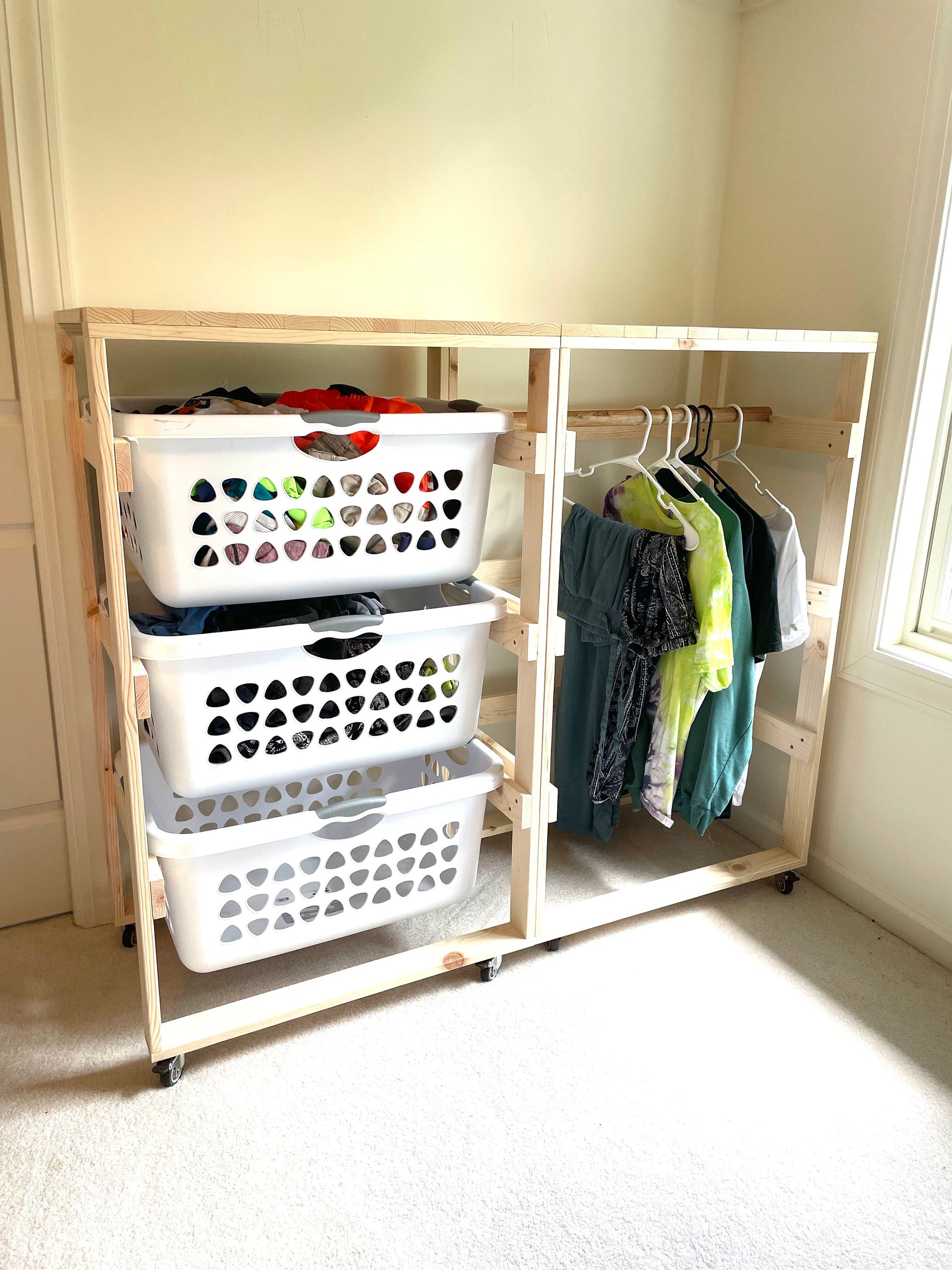
Remove every garment and wash or dry-clean items showing any odor before returning them to shelves. Add half a cup of white vinegar to the rinse cycle to break down embedded mildew residues. Line-dry clothing outdoors when weather permits so sunlight further neutralizes remaining bacteria.
Material Comparison Table

FAQ
How often should I replace absorbers once the smell disappears?
Continue the replacement schedule for at least one additional cycle after odors clear because residual moisture can remain in wall cavities and reappear within weeks. Monitor humidity levels with a small meter to confirm the environment stays below fifty percent. Early removal often leads to quicker recurrence.
Can I combine multiple methods at once?
Layering two absorbers such as charcoal pouches and cedar blocks works well because each targets different odor compounds without chemical interaction. Space them apart so air flows between both materials. Avoid combining vinegar bowls with essential oils because the competing vapors can create an unpleasant mixed scent.
Will painting closet walls stop future musty smells?
Mold-resistant primer followed by satin paint creates a moisture barrier on porous drywall but does not address existing humidity sources. Apply paint only after thorough cleaning and drying of all surfaces. Pair the new finish with continued absorber use for lasting results.
Does sunlight damage certain fabrics during airing?
Direct midday sun can fade dark dyes and weaken elastic fibers in activewear. Limit exposure to early morning or late afternoon light for thirty minutes at a time. Turn garments inside out to protect printed areas while still allowing UV rays to reach interior surfaces.
Consistent use of these absorption and circulation habits keeps closet air fresh across seasons. Small adjustments made on a regular schedule prevent odor buildup before it becomes noticeable again.
Leave a Reply