
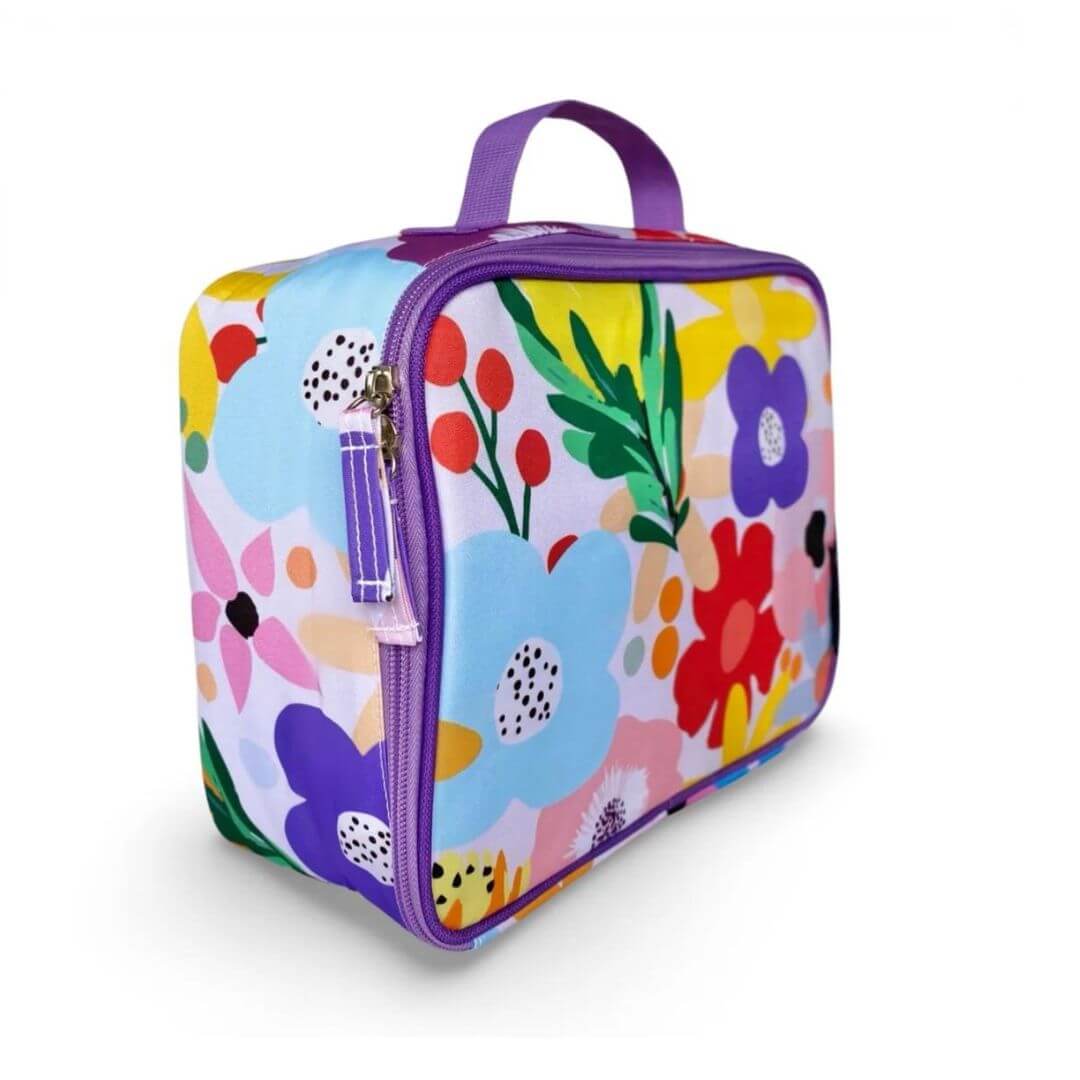
Back-to-school lunches are the best — until you unzip that lunch box at the end of the day and get hit with a wall of stale mystery smell. If you’ve been tossing lunch boxes every few months because the odor won’t budge, these ten methods will save you money and your nose. I’ve tried every single one of these on the mountain of lunch boxes cycling through my own house, and they all work — some faster, some slower, depending on how deep the smell has set in.
1. Baking Soda Overnight
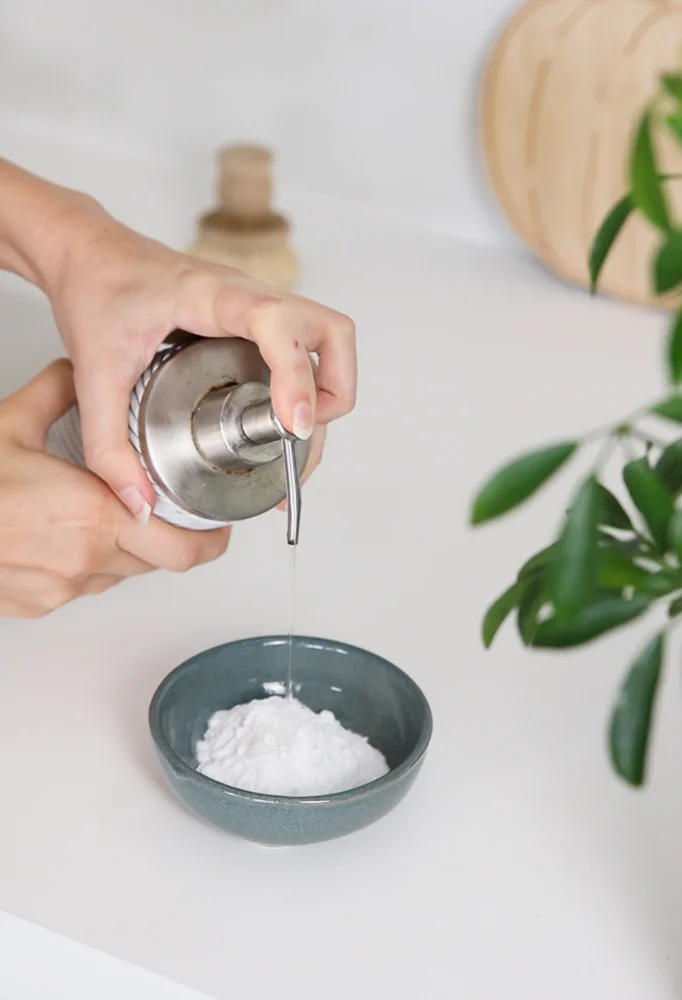
Baking soda is still one of the most reliable odor absorbers in your kitchen, and it’s the first thing I reach for when a lunch box gets funky. Pour about ¼ cup into a small open dish (a ramekin or even a cut-down paper cup works fine) and set it inside the empty, closed lunch box.
Let it sit overnight — or up to 24 hours if the smell is truly heinous. The baking soda neutralizes acidic odor compounds instead of just covering them up, which is why it works when a quick wipe-down doesn’t.
In the morning, dump the baking soda, and wipe the interior with a damp cloth to remove any residue. This is especially good for that lingering “old sandwich from Tuesday” smell that seems to survive regular washing. If the lunch box has a lot of corners and seams, you can also sprinkle the baking soda directly inside and shake it around before closing the lid — just know you’ll need to be more thorough with the wipe-down afterward.
2. White Vinegar Spray
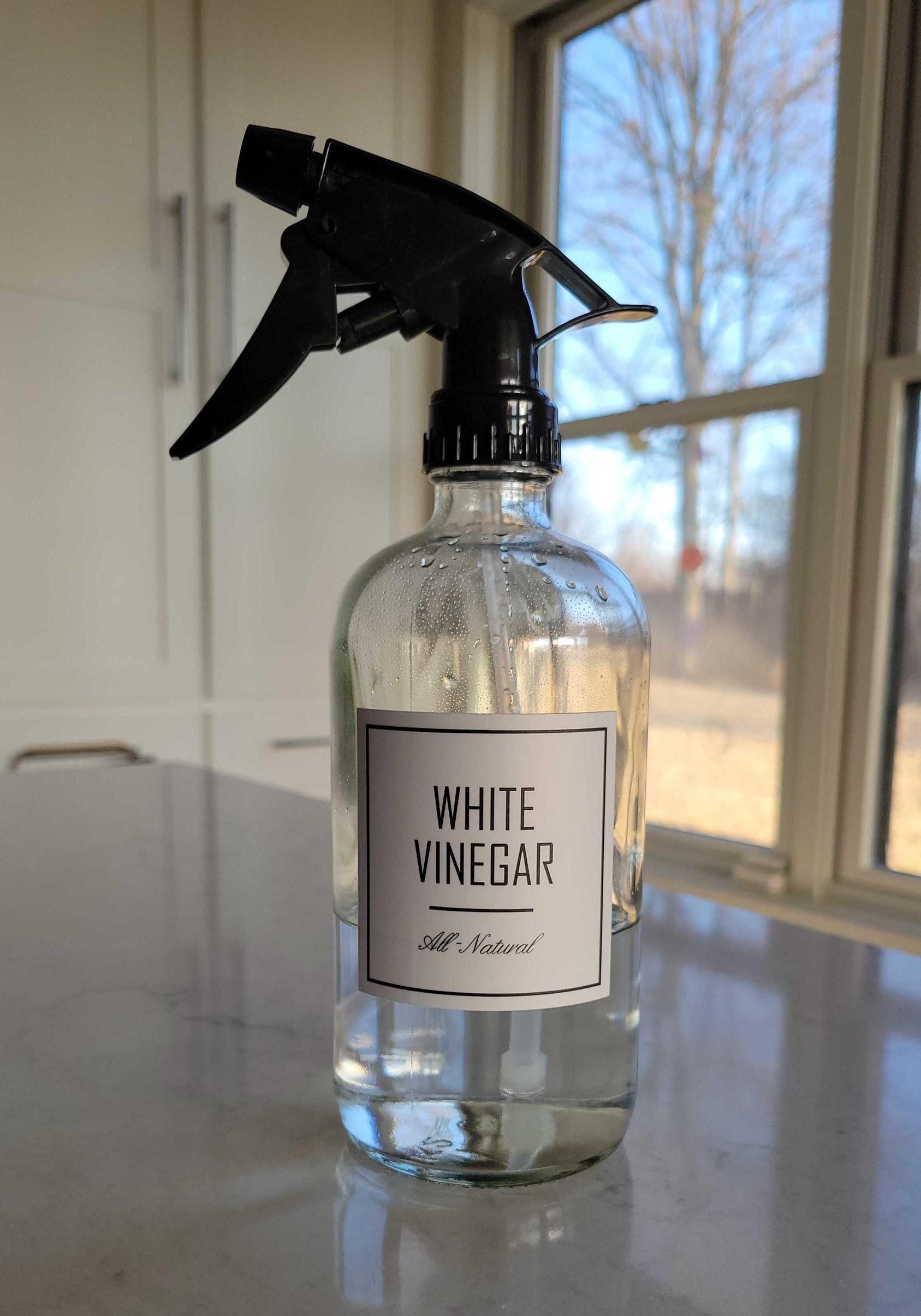
White vinegar is a natural disinfectant and deodorizer that works because the acetic acid breaks down the bacteria actually causing the smell — not just the smell itself. Fill a spray bottle with equal parts white vinegar and water, mist the entire interior of the lunch box, and let it sit for 15 to 20 minutes before wiping clean with a damp cloth. For really stubborn odors, skip the dilution and spray straight vinegar, then wipe thoroughly so tomorrow’s lunch doesn’t taste like a pickle.
This works especially well on insulated lunch bags, where the fabric lining traps odors more aggressively than hard plastic shells. I keep a vinegar spray bottle under the kitchen sink specifically for this. One tip: if the vinegar smell lingers (it usually dissipates within an hour), leave the box open on the counter to air out rather than closing it up right away.
3. Dish Soap Deep Clean
Sometimes the smell is just straight-up food residue that’s been building up in seams, corners, Velcro strips, and zipper tracks for weeks. When that’s the case, nothing beats a proper sink scrub. Fill your sink or a large bowl with warm water and a generous squirt of a grease-cutting dish soap like Dawn, submerge the lunch box or bag, and scrub every surface with a soft brush or an old toothbrush — especially the corners and around any zippers or closures.
Rinse it thoroughly and leave it wide open to air dry completely before putting it back in a backpack or cabinet. This part is critical: a lunch box that goes back into use even slightly damp will smell worse than it did before within 24 hours.
I’ve learned this the hard way. If the box has a plastic interior with textured surfaces, a Magic Eraser works wonders on the residue that builds up in those tiny grooves.
4. Sunlight Airing
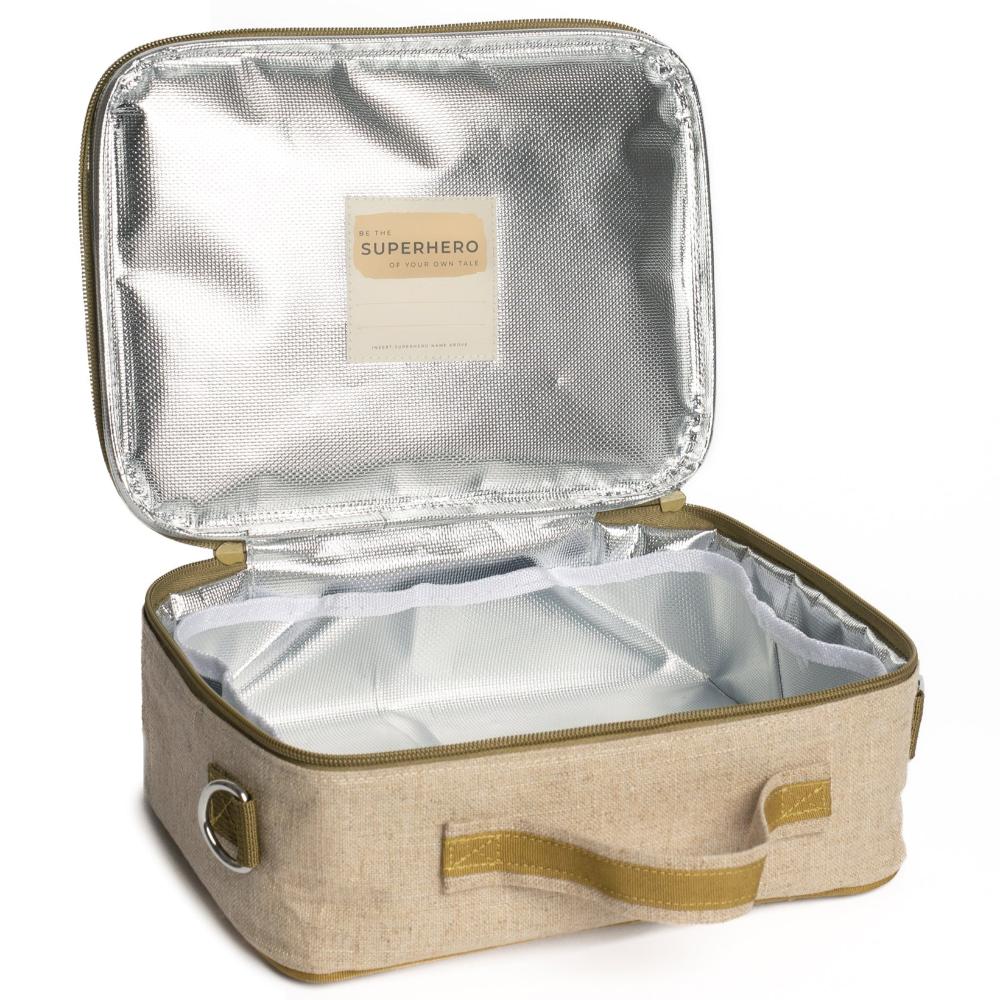
UV rays are a natural disinfectant, and fresh air does more for trapped odors than most people realize. After cleaning the lunch box with any method on this list, leave it wide open in direct sunlight for several hours — on a patio table, propped open on a sunny windowsill, or hung from a hook outside if you have one. The combination of UV exposure and airflow dries out remaining moisture and kills odor-causing bacteria at the same time.
This works as a standalone fix for mild smells or as the perfect finishing step after a vinegar wipe or soap-and-water wash. Just don’t leave a lunch box baking in the sun for days on end, because prolonged UV exposure can fade printed designs and eventually weaken some plastic hinges and zippers. A few hours is plenty.
5. Newspaper Stuffing

This is one of those old-school tricks your grandma probably knew about, and it genuinely works — particularly for smells that live in the fabric lining of insulated bags. Crumple up several sheets of dry newspaper, stuff them loosely into the empty lunch box, close it up, and leave it alone for 24 to 48 hours. The newspaper absorbs both moisture and odor compounds, the same reason people have been using it for decades to dry out wet shoes and boots.
When you pull the paper out, the smell should be noticeably lighter or gone entirely. Two things to watch out for: make sure the newspaper is actually dry (not soggy pages from the recycling bin), and check that the ink doesn’t transfer to a light-colored interior before stuffing the whole thing in. Test a small spot on the inside seam first if you’re dealing with a white or pastel-lined lunch bag.
6. Lemon Juice
Lemon juice works on the same principle as vinegar — its citric acid cuts through odor-causing bacteria — but it leaves behind a much more kid-friendly scent. Squeeze the juice of one or two fresh lemons into a bowl, dip a clean cloth or paper towel in it, and wipe down the entire interior of the lunch box. Let it sit for about ten minutes, then wipe again with a damp cloth to remove any sticky residue.
For a more passive approach, cut a lemon in half and place it face-up inside the closed lunch box overnight. The natural oils in the peel add extra deodorizing power on top of the juice.
One word of caution: avoid using lemon juice on bare aluminum or uncoated metal interiors, because the acid can cause discoloration or a weird metallic taste. It’s perfectly safe on plastic, stainless steel, and most fabric linings.
7. Freezer Trick
This is the laziest method on the list, and it still works — which is why I love it. After wiping out any visible food residue, place the empty lunch box (unzipped or open) inside your freezer and leave it overnight. Extreme cold kills many of the bacteria responsible for odors, and by morning, the smell should be significantly reduced or completely gone.
This is one of the best options for soft-sided insulated bags that can’t be fully submerged in water. Just remember to let the lunch box come back to room temperature before you zip it shut and pack it.
Closing up a cold lunch box creates condensation inside, and trapped moisture is exactly what causes smells to develop in the first place. I usually pull it out of the freezer before school drop-off and leave it open on the counter while I’m out.
8. Activated Charcoal
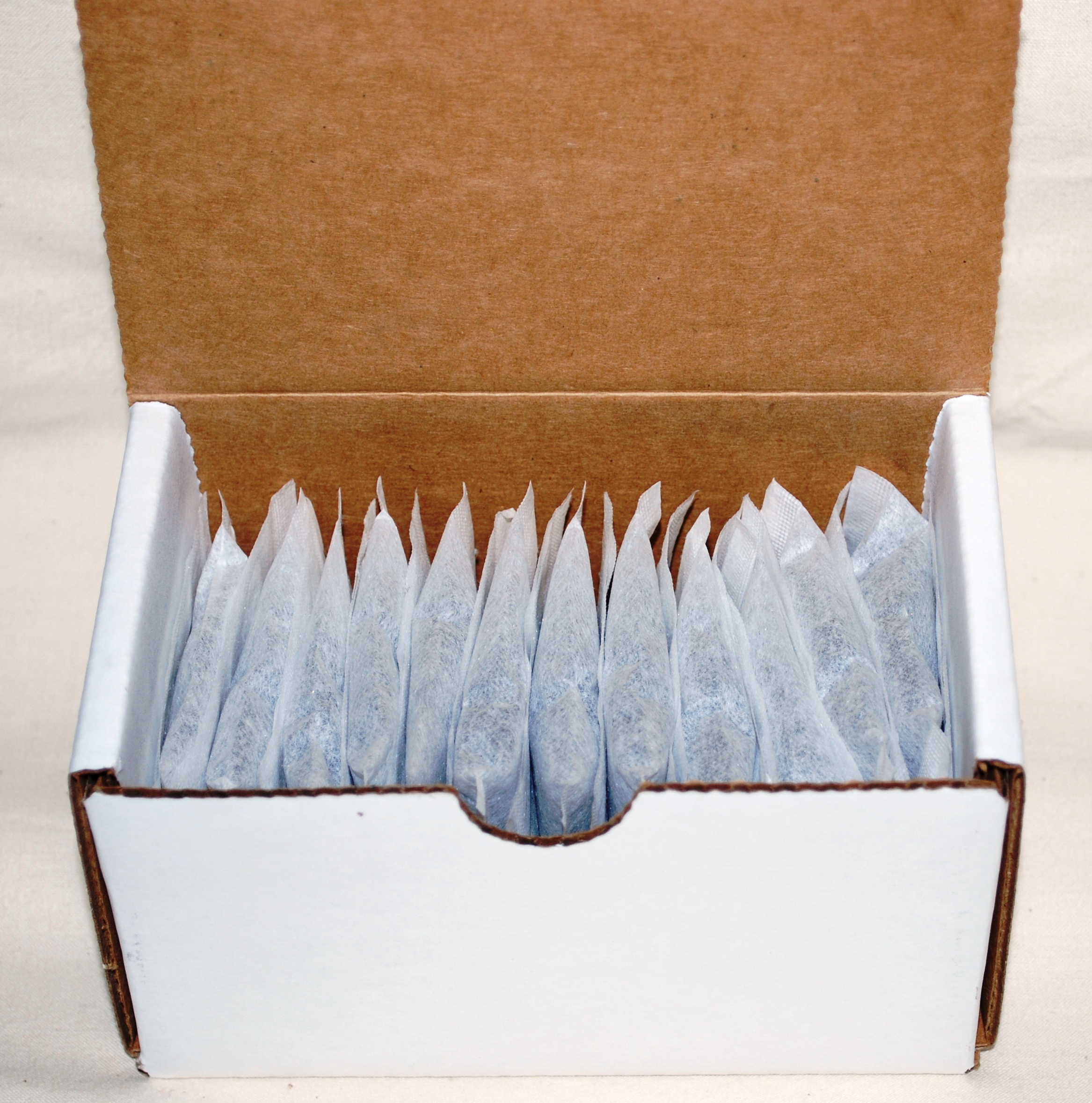
Activated charcoal is one of the most powerful natural odor absorbers available — it’s the same material used in water filters and aquarium systems. You can buy small activated charcoal pouches (the kind marketed for shoe deodorizing or closet freshening works perfectly) and toss one or two inside the empty, closed lunch box for 24 to 48 hours. The charcoal absorbs odors at a molecular level rather than covering them up, which makes it especially useful for those persistent smells that keep coming back after every wash.
The pouches are reusable, too — just set them in direct sunlight for a few hours to “recharge” and they’ll keep working for months. I keep a stash of Moso Natural charcoal bags in the kitchen cabinet specifically for this, along with shoes, gym bags, and the occasional mystery smell in the pantry.
9. Rubbing Alcohol Wipe
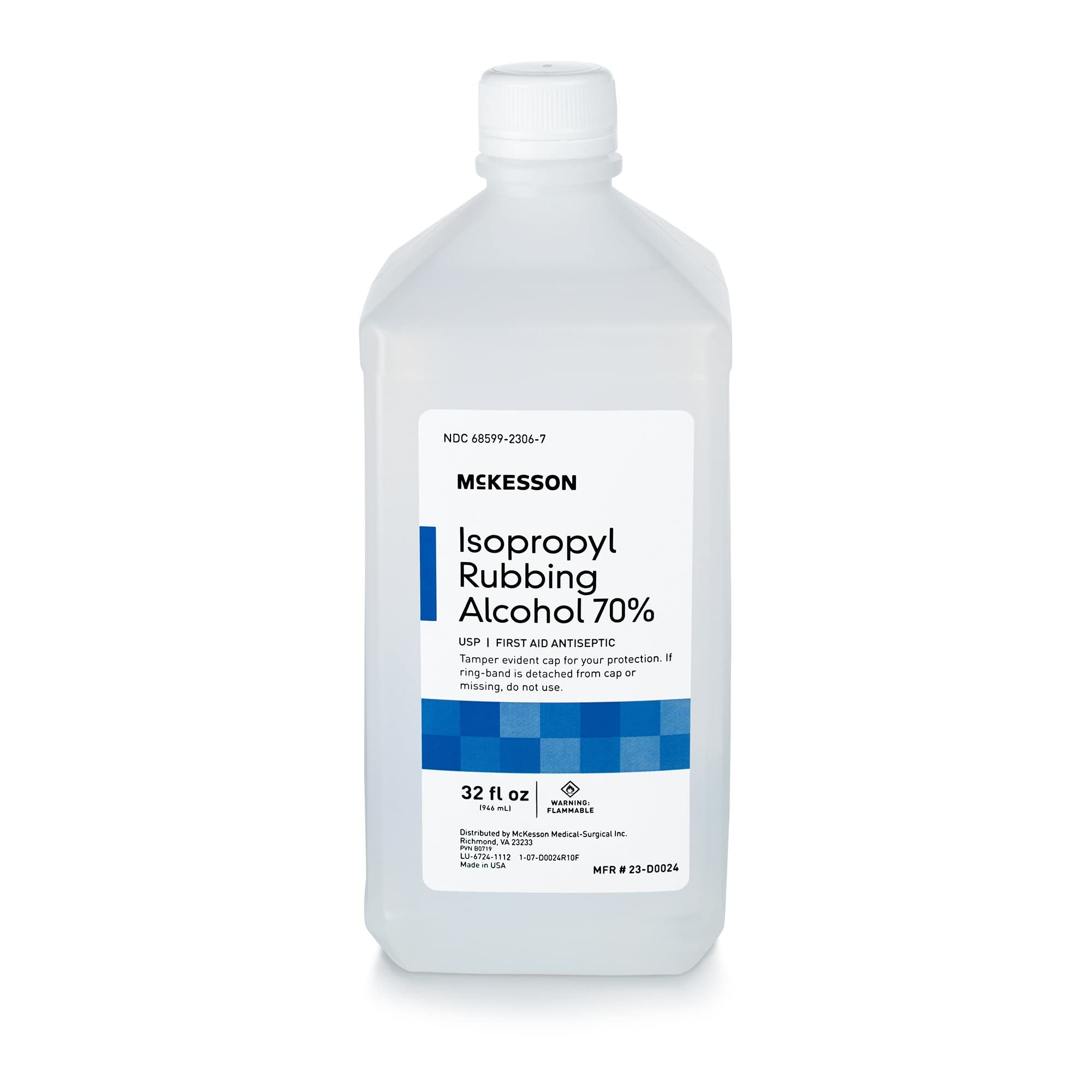
Rubbing alcohol (isopropyl, 70% concentration or higher) kills odor-causing bacteria on contact and evaporates quickly without leaving any residue behind, which makes it one of the best quick-turnaround options when you need the lunch box smelling fresh by morning. Dampen a cloth or cotton pad with rubbing alcohol and wipe down every interior surface, paying close attention to seams, corners, and zipper tracks where gunk accumulates.
The alcohol smell itself dissipates within minutes, and it takes the food odors with it. This is safe on hard plastic and most vinyl interiors, but test a small inconspicuous spot first on fabric-lined lunch bags — rubbing alcohol can occasionally affect dyes or certain coatings. I reach for this method mid-week when the lunch box needs a refresh but I don’t have time for a full sink wash and overnight dry.
10. Replace the Liner or Insert
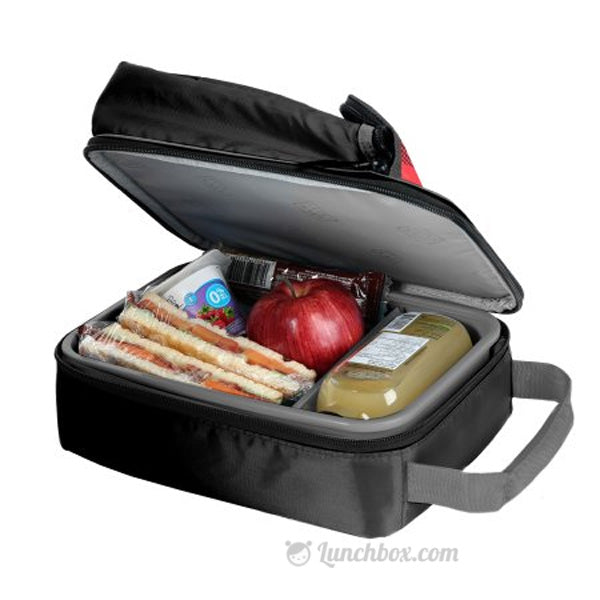
If you’ve tried everything on this list and the smell still comes back within a day or two, the odor has probably embedded itself permanently in the lining material — especially in soft-sided insulated bags where the foam insulation and fabric trap oils and bacteria over time. At that point, it’s worth checking whether your lunch box has a removable liner or insert you can pull out and replace.
Many brands sell replacement liners separately, and some lunch boxes like PackIt and Bentgo have liners specifically designed to be removed for cleaning or replacement. If yours doesn’t have a removable liner, it might just be time to start fresh with a new lunch box.
Most insulated lunch bags have a functional lifespan of about one school year when they’re used daily without regular deep cleaning. Investing in a lunch box with a removable, washable liner from the start will save you from this cycle next time around.
FAQ
How often should I clean my kid’s lunch box?
Wipe it out with a disinfecting wipe or damp soapy cloth every single day when your kid gets home from school. Deep clean it — with vinegar, baking soda, or a full soap-and-water scrub — at least once a week during the school year. Daily wipe-downs prevent most odor buildup before it starts.
Can I put a lunch box in the washing machine?
Some soft-sided lunch bags can handle a gentle cycle, but always check the care tag first. Hard-shell lunch boxes, anything with metal frames, and freezable bags like PackIt should never go in the washer. When in doubt, hand-wash — it takes five extra minutes and you won’t ruin the insulation or hardware.
Why does my lunch box still smell after washing it?
Odors usually persist because bacteria have embedded themselves in the foam insulation, fabric lining, or tiny scratches in plastic that soap can’t fully reach. Try a deeper treatment like a baking soda overnight soak, the freezer trick, or activated charcoal, and make absolutely sure the box is completely dry before you close it up.
What type of lunch box is least likely to hold odors?
Hard-sided plastic or stainless steel lunch boxes are much easier to keep odor-free than soft-sided insulated bags because they don’t have porous foam or fabric linings that trap moisture and bacteria. If smell is a constant battle in your house, switching to a stainless steel bento-style box with removable silicone seals is your best long-term fix.
A clean lunch box makes for a happier kid — and a parent who doesn’t dread the daily unzip-and-hope moment. The real key is pairing daily wipe-downs with one of the weekly deep-clean methods above, and never, ever closing up a lunch box that isn’t bone dry. A few minutes of prevention keeps the smells from ever getting a foothold, and you won’t be replacing lunch boxes mid-semester.
Leave a Reply