
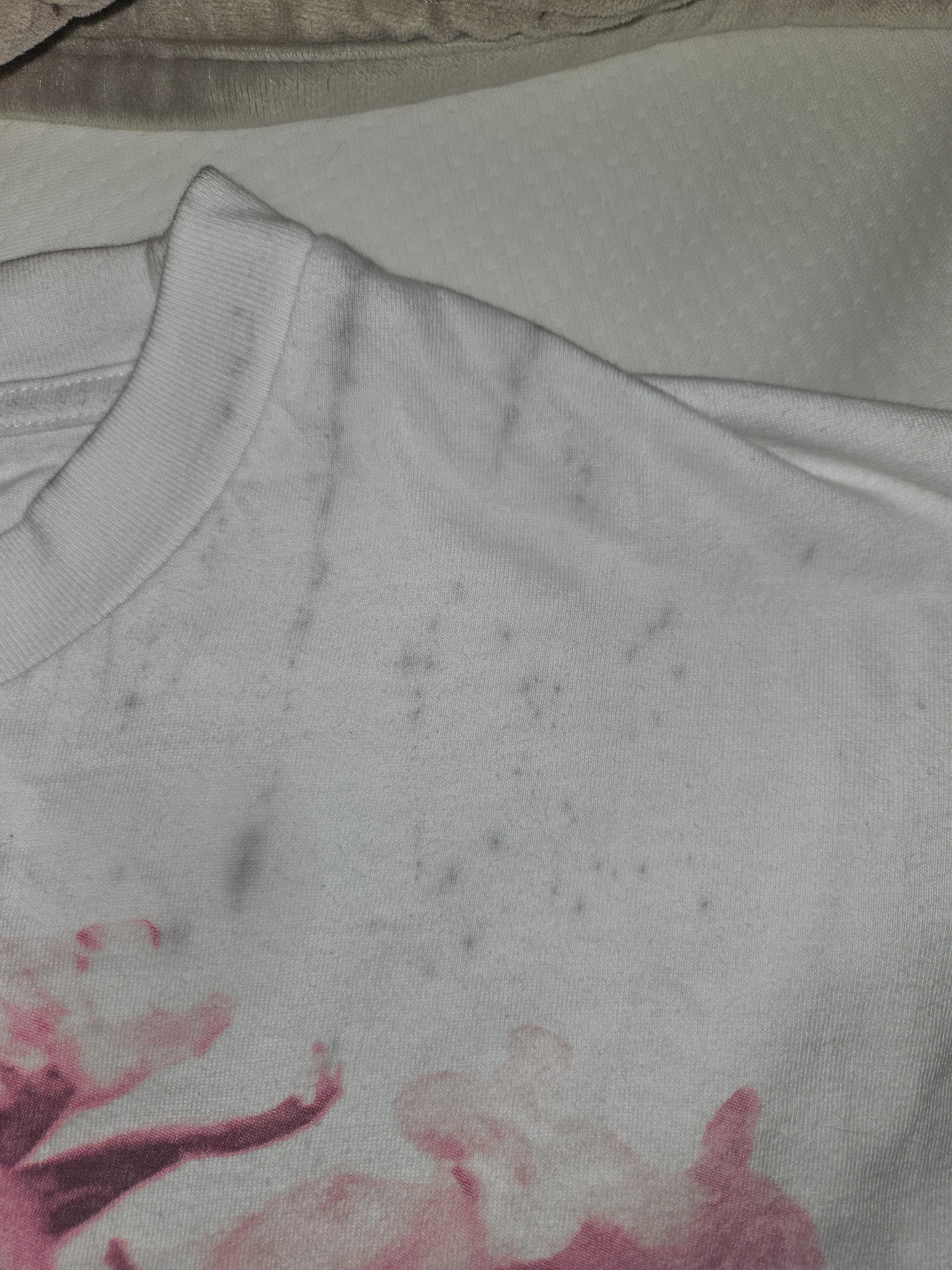
We’ve all been there—that moment of dread when you pull your favorite shirt from the laundry or your kid’s pen explodes, leaving a stubborn, spreading ink stain. Before you resign it to the rag bin, take a deep breath.
Most ink stains, even from “permanent” markers, are not a death sentence for your fabric. The key is acting quickly and using the right solvent for the ink type.
With a few common household items and some patience, you can rescue your clothes. Here are seven methods I’ve personally tested and trust to get ink out.
1. The Rubbing Alcohol Method
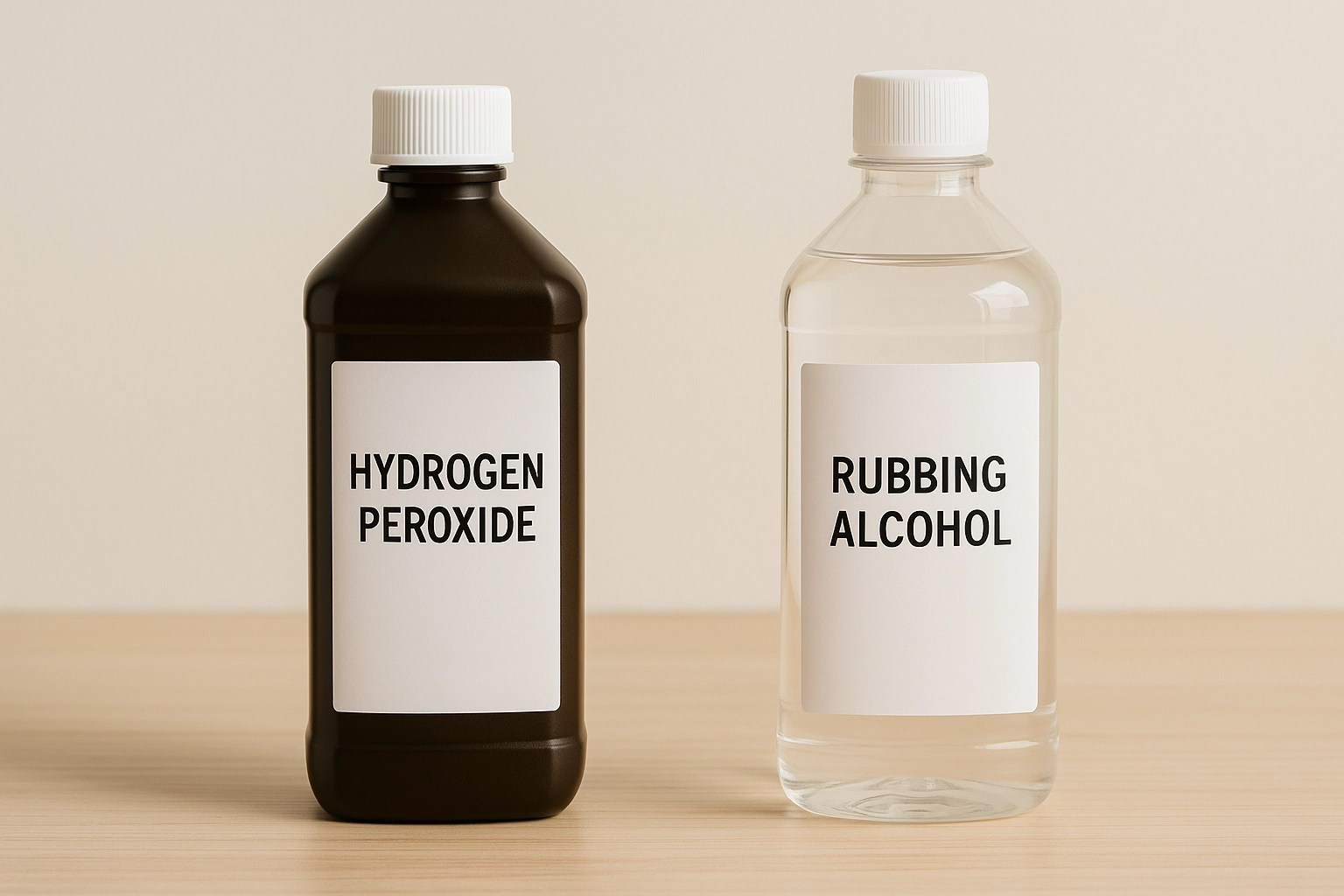
This is my first-line defense for most ballpoint and gel pen inks. Rubbing alcohol (isopropyl alcohol) is a fantastic solvent that breaks down the oil-based components of ink.
The trick is to work from the outside of the stain inward to prevent spreading. Place a clean white towel or paper towel under the stain to absorb the ink as it lifts.
Dab (don’t rub!) the stain with a cotton ball or cloth soaked in 70% or 90% rubbing alcohol. You’ll see the ink start to transfer to your cloth almost immediately.
Keep dabbing with fresh sections of the cloth until no more ink comes up. Rinse thoroughly with cold water, then launder as usual.
I’ve saved countless work shirts with this method. Always check for colorfastness on a hidden seam first, as alcohol can sometimes affect dyes.
2. The Hand Sanitizer Trick
If you’re out of rubbing alcohol but have a bottle of hand sanitizer in your bag, you’re in luck. Most hand sanitizers are primarily alcohol-based (often 60-70% ethanol or isopropanol), making them an effective, convenient alternative. The gel consistency also helps it stay on the stain longer than a liquid would, giving it more time to work.
Apply a generous dollop of sanitizer directly onto the ink stain. Let it sit for about five minutes to penetrate the fibers.
Then, gently work it in with your fingers or a soft-bristled brush (an old toothbrush works well). Blot the area with a clean paper towel to lift the dissolved ink.
Repeat until the stain is gone, then rinse and wash. This method has saved me in a pinch more than once during travel or at work.
3. The Hairspray Hold-Out
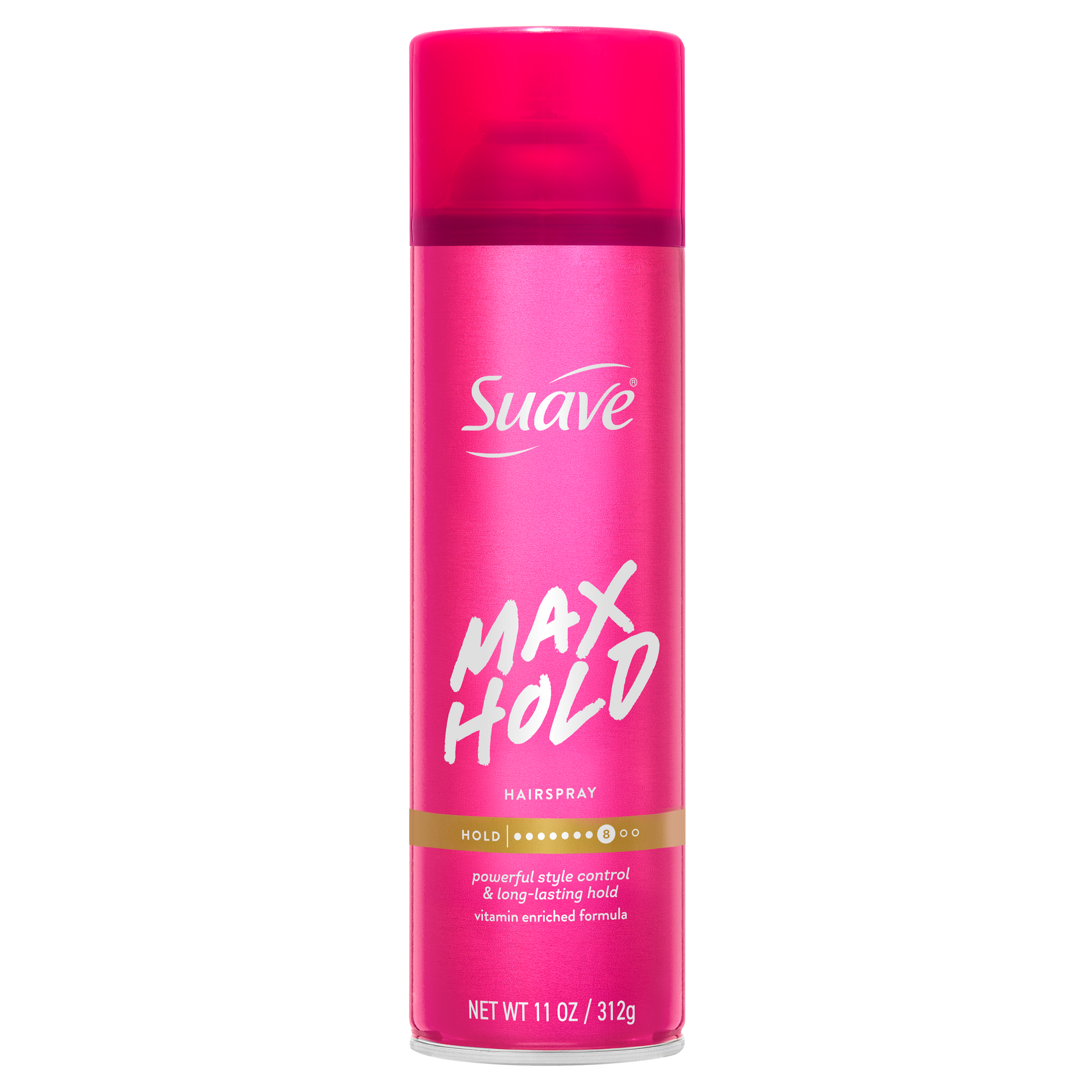
Old-school hairspray—especially the aerosol kind with a high alcohol content—was a go-to stain fighter for years. While modern formulas have changed, many still contain enough alcohol or other solvents to work.
You’re looking for an aerosol hairspray that lists alcohol (alcohol denat., SD alcohol, isopropyl alcohol) as one of the first ingredients. Avoid gels or mousse.
Lay the stained fabric on a towel and generously spray the stain until it’s saturated. Let it sit for 2-3 minutes.
Then, using a clean cloth, blot aggressively. You should see the ink transferring.
Rinse the fabric under cool running water to flush out the loosened ink and the sticky hairspray residue, then launder. Important: Don’t use this on delicate fabrics like acetate or triacetate, as the solvents can damage them.
4. The Vinegar and Cornstarch Paste
For a more natural, non-alcohol approach, this paste can be surprisingly effective, especially on fresh stains. White vinegar acts as a mild solvent, while cornstarch helps absorb the ink as it breaks down. This combination is gentle enough for most washable fabrics but always spot-test first.
Mix equal parts white vinegar and cornstarch to form a thick paste. Apply it directly to the stain, covering it completely.
Let the paste dry completely—this could take an hour or two. As it dries, it will wick the ink out of the fabric.
Once dry, brush off the paste and check the stain. You can repeat the process if needed before laundering.
It’s not always as fast as alcohol, but it’s a great option for colored garments where you’re worried about fading.
5. The Whole Milk Soak

This might sound odd, but the fats and proteins in whole milk can actually help lift certain ink stains, especially from felt-tip pens and markers. The milk works as a gentle solvent and conditioning agent, which can be a good choice for more delicate fabrics you’re hesitant to use harsh chemicals on.
Submerge the stained portion of the garment in a bowl of whole milk, ensuring it’s fully covered. Let it soak overnight, or for at least 8-12 hours.
The ink should begin to dissolve into the milk. After soaking, remove the clothing and check the progress.
You can then gently dab any remaining stain with a cloth before washing it normally with detergent. It’s a slow process, but it’s one of the gentlest methods out there.
6. The Dish Soap Power Wash
Don’t underestimate the degreasing power of your kitchen dish soap (like Dawn). This method is particularly good for oily ballpoint ink and can be used as a follow-up to other solvents to remove any remaining traces and oily residue.
After treating a stain with alcohol or another solvent (or even on its own for a fresh, small mark), apply a few drops of liquid dish soap directly to the stain. Gently work it into the fibers with your fingers or a soft brush.
Let it sit for 5-10 minutes, then rinse thoroughly under warm running water, rubbing the fabric together gently. This step helps emulsify any remaining ink particles and wash them away before you put the item in the machine.
7. The Commercial Stain Remover
When all else fails, or when you’re dealing with a very old or set stain, a commercial ink stain remover designed for laundry is your heavy artillery. Products like Amodex Ink & Stain Remover are specifically formulated to tackle tough inks, including permanent marker and printer ink. They’re often more concentrated and effective than household hacks.
Follow the instructions on the product bottle precisely. Typically, you’ll apply it directly to the stain, let it dwell for the recommended time (which can be several minutes), and then gently work it in before laundering.
For set stains, you might need to repeat the process. These products are worth the investment if you frequently deal with ink or have a prized garment to save.
FAQ
How do you get old ink stains out of clothes that have been dried?
Old, set stains are tougher but not impossible. Start by placing the stain over a bowl and saturating it with rubbing alcohol or a dedicated ink remover like Amodex.
Let it soak for 15-30 minutes, then gently scrub with a soft brush. You may need to repeat this process several times before washing.
Never put the item in the dryer until the stain is completely gone, as heat sets it permanently.
Can I use acetone (nail polish remover) on ink stains?
Acetone is a powerful solvent that will dissolve many inks, but it’s risky. It can melt synthetic fabrics like acetate, triacetate, and modacrylic, and can strip the finish from others.
If you try it, use 100% acetone, test it on a hidden seam first, and work in a well-ventilated area. For most home stain-fighting, rubbing alcohol is a much safer choice.
Does ink stain removal work on colored clothes?
Yes, but you must be cautious. Always perform a colorfastness test by dabbing a small amount of the solvent (alcohol, hairspray, etc.) on an inside seam or hem with a white cloth.
If color transfers, do not use that method. For colored garments, start with the gentlest options like the milk soak or dish soap, and consider a commercial product that’s safe for colors.
Will these methods work on printer ink or tattoo ink?
Printer ink (especially from inkjet cartridges) is often more stubborn and may require multiple treatments with a dedicated product like Amodex. Tattoo ink is a different challenge entirely, as it’s designed to be permanent and is embedded in skin, not fabric. These methods are not intended for tattoo removal on skin.
Ink stains feel dramatic, but they’re usually one of the most fixable laundry problems you’ll encounter. The secret is patience and persistence—gently lifting the ink rather than rubbing it deeper.
Start with the method that matches what you have on hand, and don’t be afraid to try more than one. Your favorite clothes are worth the extra ten minutes of effort.
Leave a Reply