
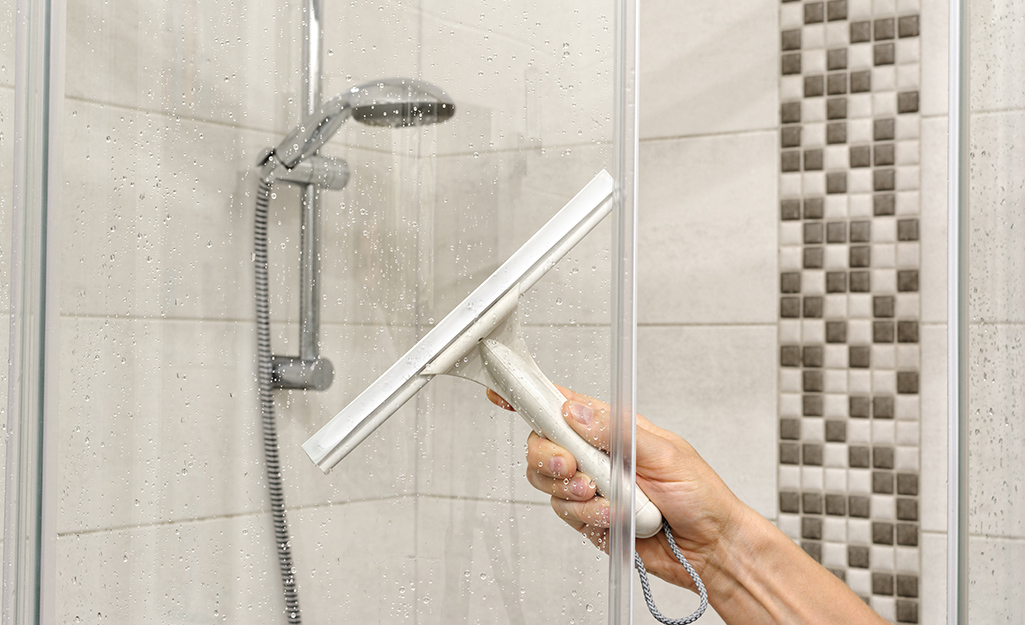
Hard water stains on glass form when minerals like calcium and magnesium dry onto surfaces after water evaporates. These deposits create cloudy marks that resist regular cleaning but respond well to targeted acidic or mildly abrasive treatments. Choosing the right approach depends on the glass type, stain age, and available supplies.
White Vinegar Soak
White vinegar cuts through mineral buildup because its acetic acid dissolves calcium deposits on contact. Apply it full strength to glass shower doors or windows and let it sit for at least fifteen minutes before wiping. Repeat the process on stubborn areas rather than scrubbing immediately to avoid surface scratches.
Rinse thoroughly with warm water afterward to remove any vinegar odor and leftover residue. This method works on both flat panes and curved glassware without leaving streaks when followed by a microfiber cloth. Test a small corner first on tinted or coated glass to confirm no reaction occurs.
Baking Soda Paste
Baking soda provides gentle abrasion that lifts mineral layers without harsh chemicals. Mix three parts baking soda with one part water into a spreadable paste and apply it directly to affected glass. Allow the paste to dry completely before buffing it away in circular motions.
This approach suits vertical surfaces like mirrors where liquid soaks might drip. Combine it with a second pass of vinegar for extra fizzing action that breaks down deeper deposits. Avoid steel wool pads that can leave permanent marks on glass.
Lemon Juice Application

Fresh lemon juice supplies natural citric acid that targets the same minerals as commercial removers. Cut a lemon in half and rub the cut side across the stained glass, squeezing to release more juice as needed. Let the juice sit for ten minutes, then wipe clean with a damp cloth.
The citrus scent leaves glass smelling fresh compared with vinegar alone. Use bottled lemon juice when fresh fruit is unavailable, though it may require slightly longer dwell time. Discard any leftover lemon halves after use to prevent mold growth on surfaces.
Salt and Dish Soap Scrub
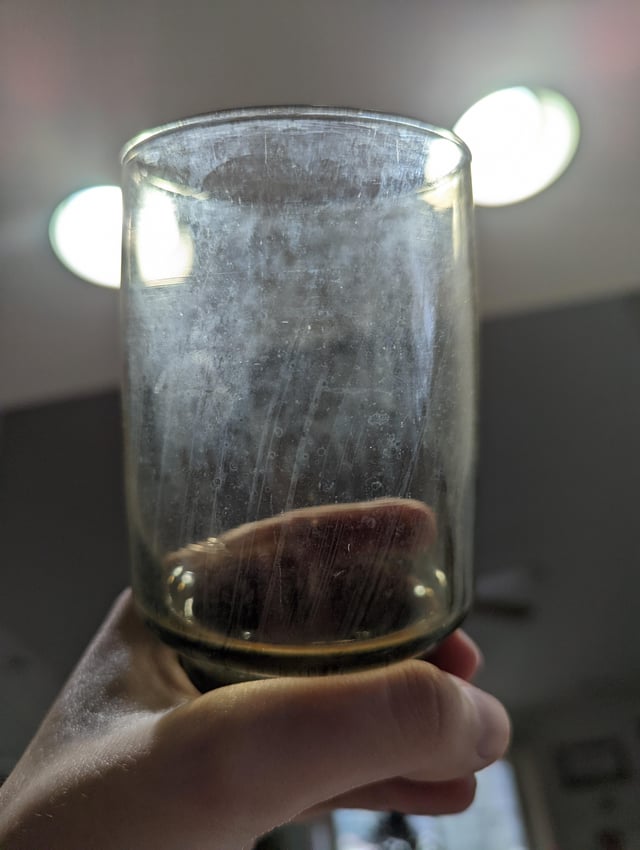
Coarse salt adds texture that helps dish soap reach into etched mineral spots. Sprinkle salt over a soapy sponge and work it across the glass in firm but even strokes. Rinse immediately to prevent salt crystals from scratching during drying.
This combination excels on cookware and drinking glasses where food residue mixes with hard water marks. Change the sponge frequently to avoid redistributing loosened minerals.
| Method | Best For | Dwell Time | Risk Level |
|---|---|---|---|
| Vinegar Soak | Shower doors | 15+ minutes | Low |
| Baking Soda Paste | Vertical mirrors | Until dry | Low |
| Lemon Juice | Drinking glasses | 10 minutes | Low |
| Salt Scrub | Cookware | Immediate rinse | Medium |
White Toothpaste Polish
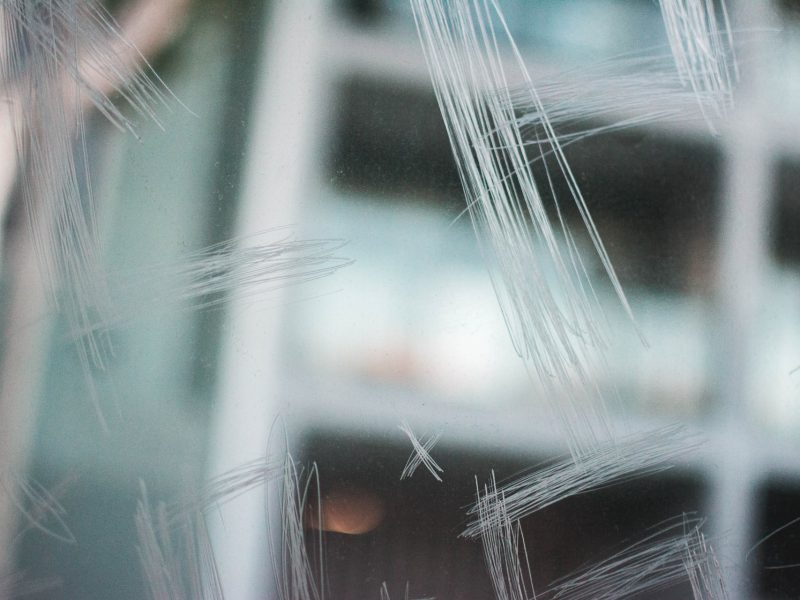
Non-gel white toothpaste contains mild abrasives that polish away light surface deposits. Apply a thin layer to the glass with a soft cloth and rub for two minutes. Wipe away the paste with a clean, damp microfiber towel for a streak-free finish.
Keep this option for small items like vases or tabletops where precision matters. Gel formulas lack the necessary grit and should be avoided.
Borax Paste Treatment
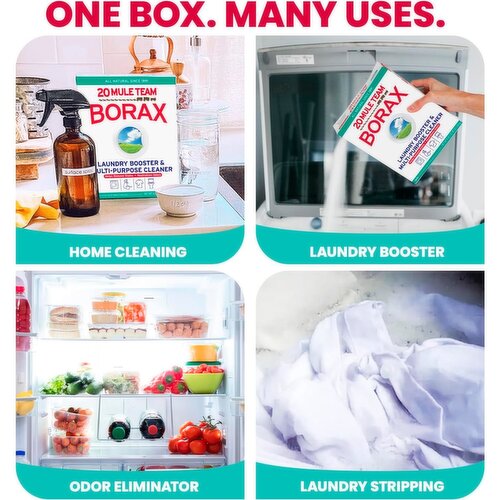
Borax breaks down mineral scale through its alkaline properties and works well on older, set-in stains. Create a paste with borax and water, spread it over the glass, and leave it for twenty minutes. Scrub lightly with a nylon brush before rinsing.
Store borax away from children and pets during use. This method also deodorizes glass surfaces as a secondary benefit.
CLR Cleaner Application
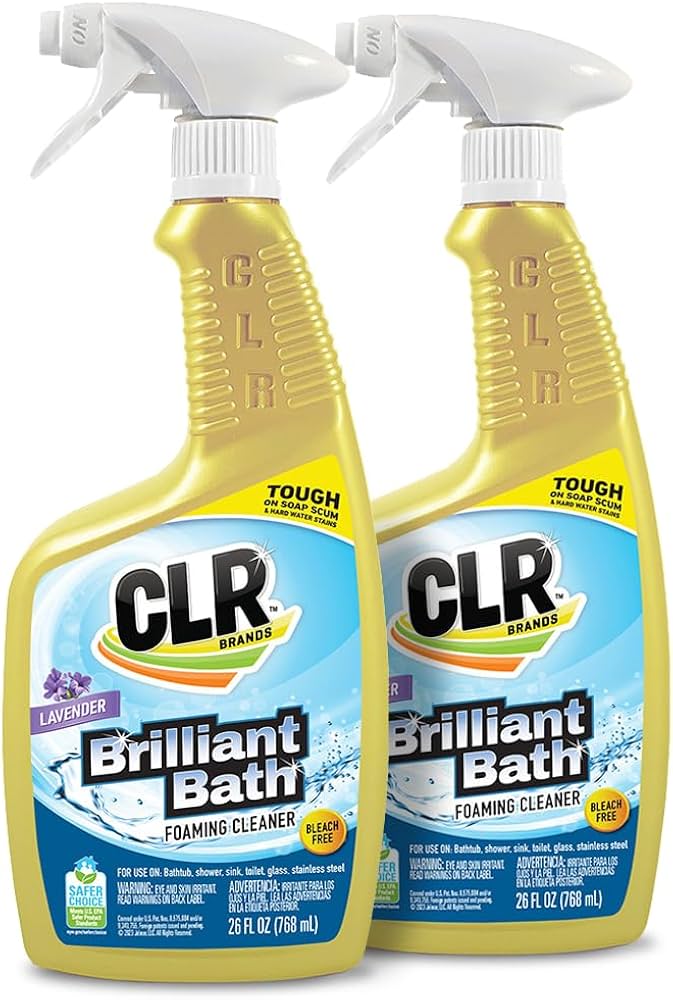
Commercial CLR targets calcium, lime, and rust in one formula designed specifically for hard water. Dilute according to label instructions and apply with a sponge to avoid overspray on surrounding surfaces. Rinse multiple times to ensure no chemical film remains.
Wear gloves during application because the product contains stronger acids than household vinegar. Reserve this option for heavy buildup where gentler methods fall short.
Magic Eraser Wipe
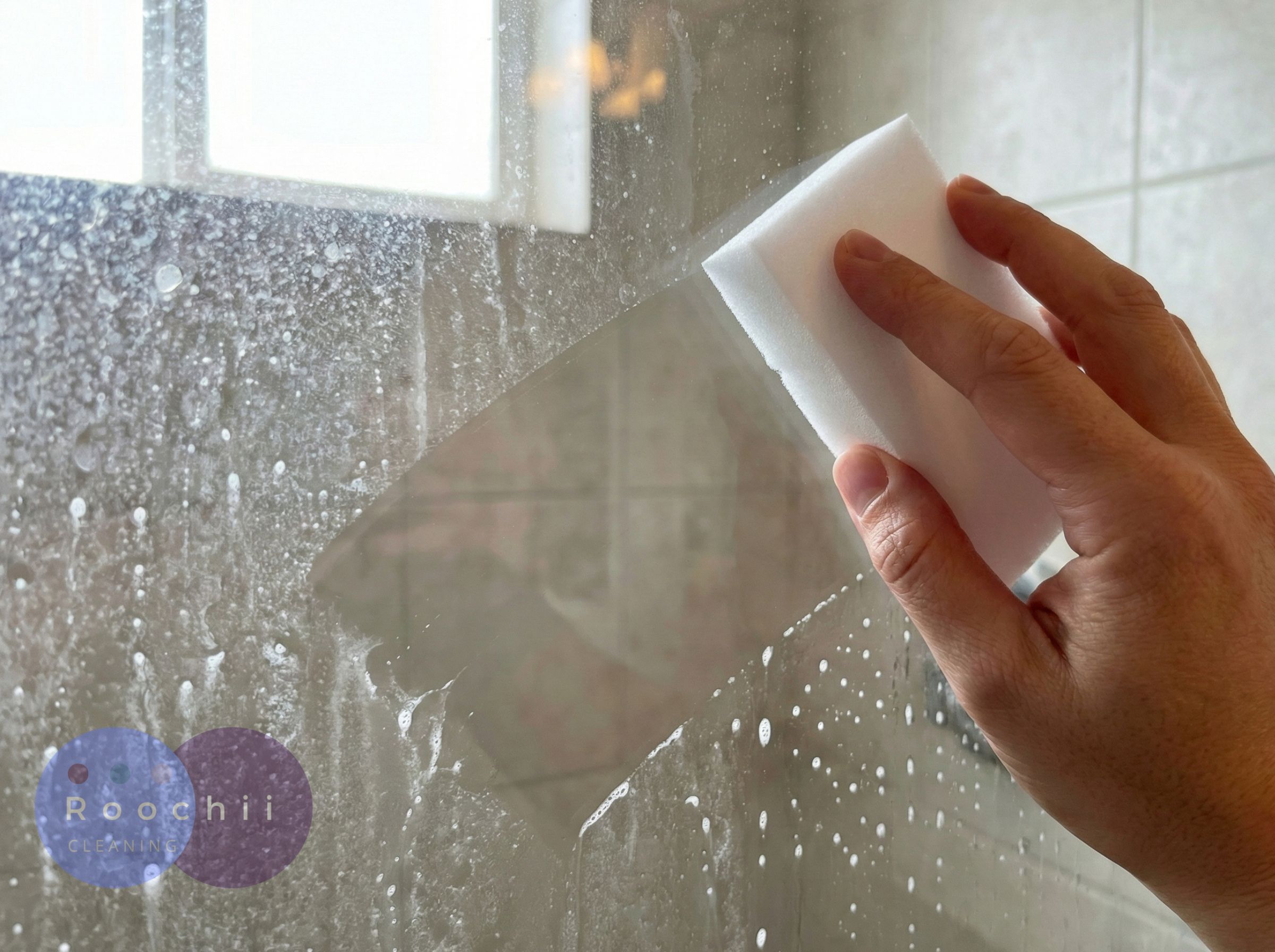
Melamine foam erasers lift mineral deposits through micro-abrasion when used damp. Wet the eraser, squeeze out excess water, and glide it across the glass in straight lines. Replace the eraser once it darkens from collected minerals.
This tool works quickly on flat glass but can wear down faster on textured surfaces. Follow with a vinegar rinse to remove any foam residue.
Ammonia Solution
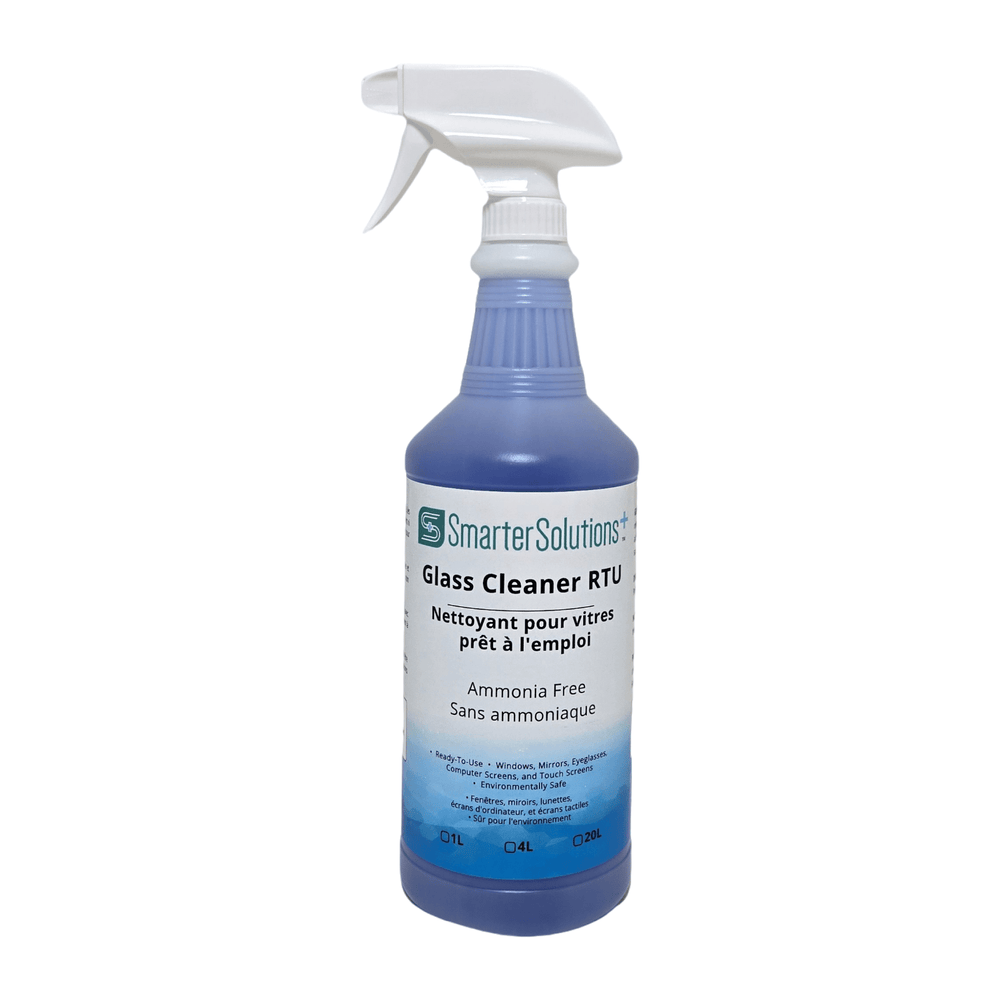
Diluted ammonia cuts grease that sometimes traps mineral particles on glass. Mix one part ammonia with three parts water in a spray bottle and mist the surface lightly. Wipe immediately with a lint-free cloth and ventilate the area well.
Never combine ammonia with bleach or vinegar in the same cleaning session. This method restores clarity to older windows that have accumulated both hard water and atmospheric grime.
FAQ
How long should vinegar sit on hard water stains on glass? White vinegar needs at least fifteen minutes of contact time to dissolve calcium deposits, though heavy stains may require thirty minutes or a second application. Always rinse thoroughly afterward to prevent any acidic residue from affecting the glass over time. Proper dwell time ensures the minerals loosen enough for easy removal without excessive scrubbing.
Can baking soda scratch glass when removing hard water stains? Baking soda is soft enough that it will not scratch glass when mixed into a paste and applied with a soft cloth or sponge. The key is to let the paste dry and then buff gently rather than using aggressive pressure. Switching to a nylon brush only on very stubborn spots keeps the surface safe.
Is CLR safe for all types of glass? CLR works on most uncoated glass but can damage certain tinted, etched, or specialty coatings if left on too long. Always check the product label and test a small inconspicuous area first. Multiple rinses after use prevent any chemical film from forming on the surface.
Consistent use of these methods keeps glass surfaces clear and prevents new mineral layers from forming quickly. Rotate between two or three favorite approaches based on what you already have on hand.
Leave a Reply