
Grease stains settle into fabric fibers quickly and require an absorbent or solvent step before any wash cycle. The ten methods below each target oil breakdown with common household items or targeted products, and each works on cotton, denim, and most synthetics when applied promptly.
Dish Soap Pretreatment
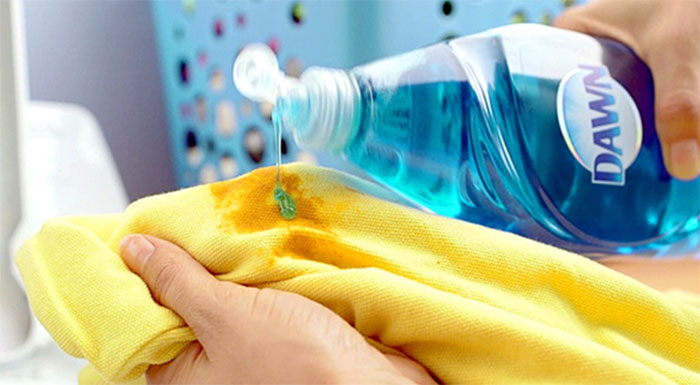
Dish soap cuts through kitchen grease because its surfactants lift oil molecules away from threads. Apply a few drops directly to the mark, work it in with your fingertips for a minute, and let it sit ten minutes before rinsing with warm water. This initial pass prevents the stain from setting deeper during the full wash.
Repeat the soap step if any shadow remains after the first rinse. Test colored fabrics in an inconspicuous spot first to confirm the detergent does not lift dye. Hot water follows only after the oil has been emulsified.
Does dish soap work on old grease stains?
Old marks need extra dwell time and sometimes a second round of soap. Soak the treated area in a basin of warm water mixed with another squirt of dish soap for thirty minutes, then launder as usual. Persistent shadows may need an additional absorbent powder after the soap stage.
Baking Soda and Water Paste
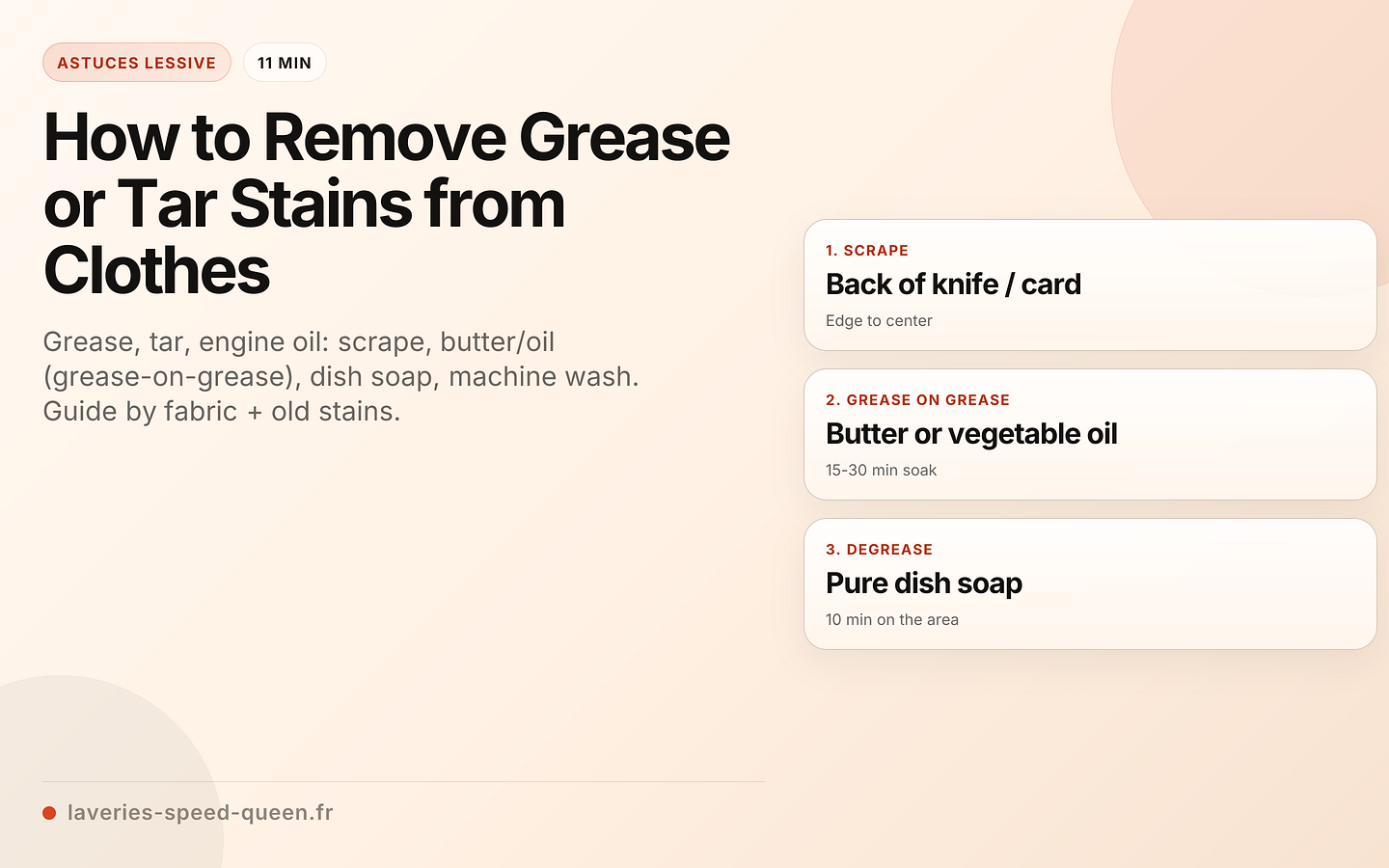
Baking soda draws residual oil out of fibers while its mild alkalinity helps break down fatty acids. Mix three parts baking soda with one part water into a spreadable paste, cover the stain completely, and allow it to dry to a crust. Brush the dried powder away and inspect the fabric before washing.
The paste works especially well on thicker materials like canvas or denim where liquid treatments might not penetrate. Avoid scrubbing too aggressively on delicate knits to prevent pilling. A second application can be layered if the first crust pulls only part of the stain.
White Vinegar Soak
White vinegar dissolves grease through its acetic acid content and leaves no residue once rinsed. Fill a basin with one part vinegar to two parts warm water, submerge the garment for twenty minutes, then rinse thoroughly. The solution also neutralizes any lingering odors from cooking oils.
This method pairs well with a follow-up wash using regular detergent. Dark fabrics benefit from a quick colorfastness check on a seam before full immersion. Vinegar works on both fresh splatters and set-in marks from repeated wear.
Cornstarch Powder Application
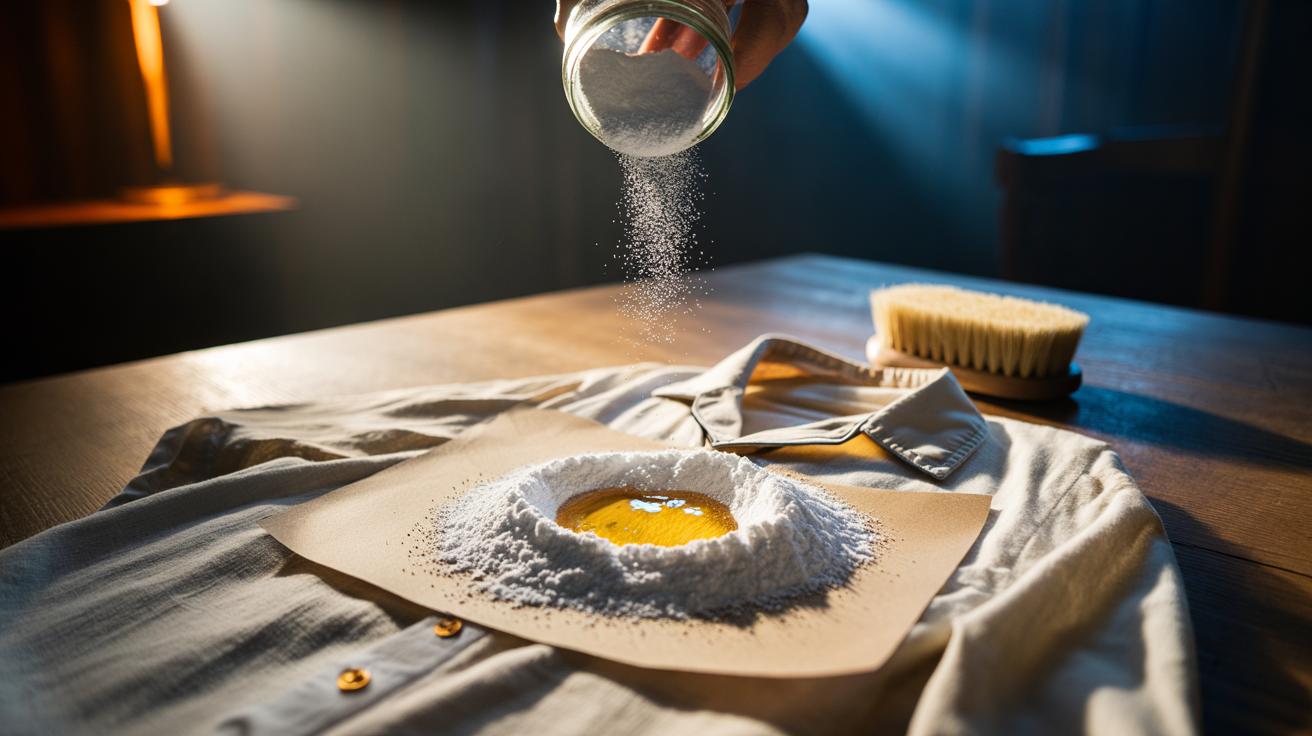
Cornstarch absorbs fresh oil before it bonds permanently with the cloth. Generously cover the mark with cornstarch, press it lightly into the fibers, and wait fifteen minutes for the powder to turn translucent as it pulls the grease upward. Shake or vacuum the powder off and repeat if needed.
This dry approach suits silk blends or wool where liquids could cause water rings. Keep a small brush handy to remove every trace of powder before laundering. The method also serves as a first response when no other supplies are nearby.
Rubbing Alcohol Dab
Isopropyl alcohol breaks down oily residues on contact and evaporates without leaving moisture behind. Dampen a cotton pad with rubbing alcohol and blot from the outer edge of the stain inward, switching pads as they pick up color. Continue until no more oil transfers to the pad.
The technique works on upholstery-weight fabrics as well as clothing. Always test alcohol on a hidden area because it can affect some synthetic dyes. Finish with a standard wash to clear any remaining film.
Lemon Juice and Salt Scrub
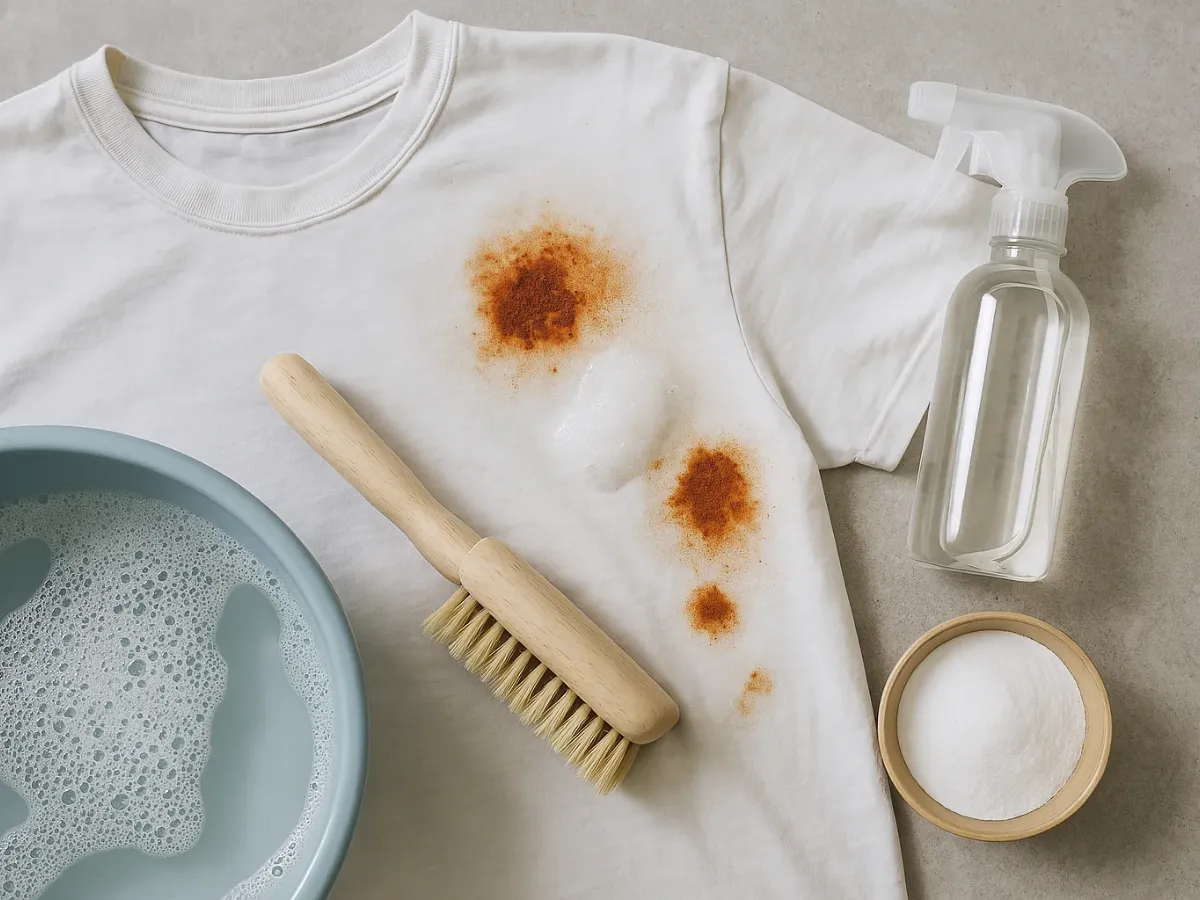
Lemon juice supplies citric acid that cuts grease while salt provides gentle abrasion to lift particles. Squeeze fresh lemon over the mark, sprinkle salt on top, and gently rub the mixture in circular motions for thirty seconds. Let it rest five minutes, then rinse with cool water.
Sunlight after treatment can brighten any remaining yellow tones from the lemon. Skip this combination on silk or dark colors prone to fading. The scrub suits cotton t-shirts and table linens especially well.
Talcum Powder Blotting
Talcum powder acts as a fine absorbent that wicks oil from tight weaves. Shake a thick layer over the stain, cover with a paper towel, and press down firmly for several minutes. Lift the towel and brush away the powder to reveal reduced discoloration.
This option works in a pinch when liquid treatments are unavailable. Multiple applications may be required for heavy motor oil marks. Finish with a normal laundry cycle to remove any powdery residue.
Shampoo Lather
Shampoo formulated for oily hair contains the same surfactants found in dish soap. Work a dime-sized amount into the stained area until a light lather forms, then rinse with warm water. The method excels on hair-product stains that combine grease with styling residues.
Rinse thoroughly to avoid dulling the fabric after drying. This approach is gentle enough for most everyday knits and blends. A clarifying shampoo yields the strongest degreasing effect.
WD-40 Spray
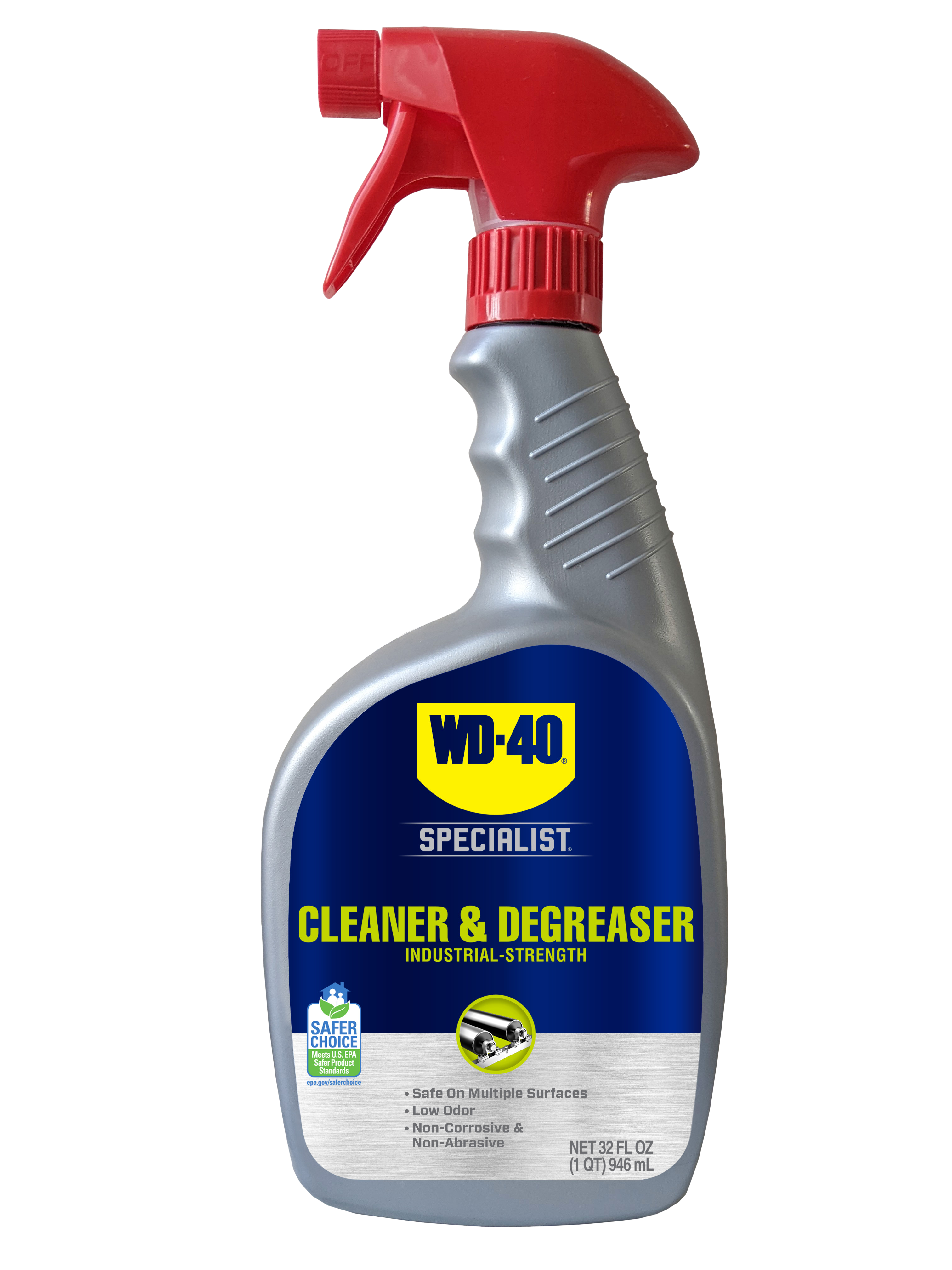
WD-40 penetrates and displaces grease that has already bonded to fibers. Spray a light mist onto the mark from six inches away, wait two minutes, then blot with a clean cloth. Follow immediately with dish soap to emulsify the loosened oil.
The solvent evaporates quickly, reducing the chance of new rings. Use this method outdoors or in a well-ventilated space. It is particularly effective on work clothes exposed to automotive grease.
Commercial Stain Stick
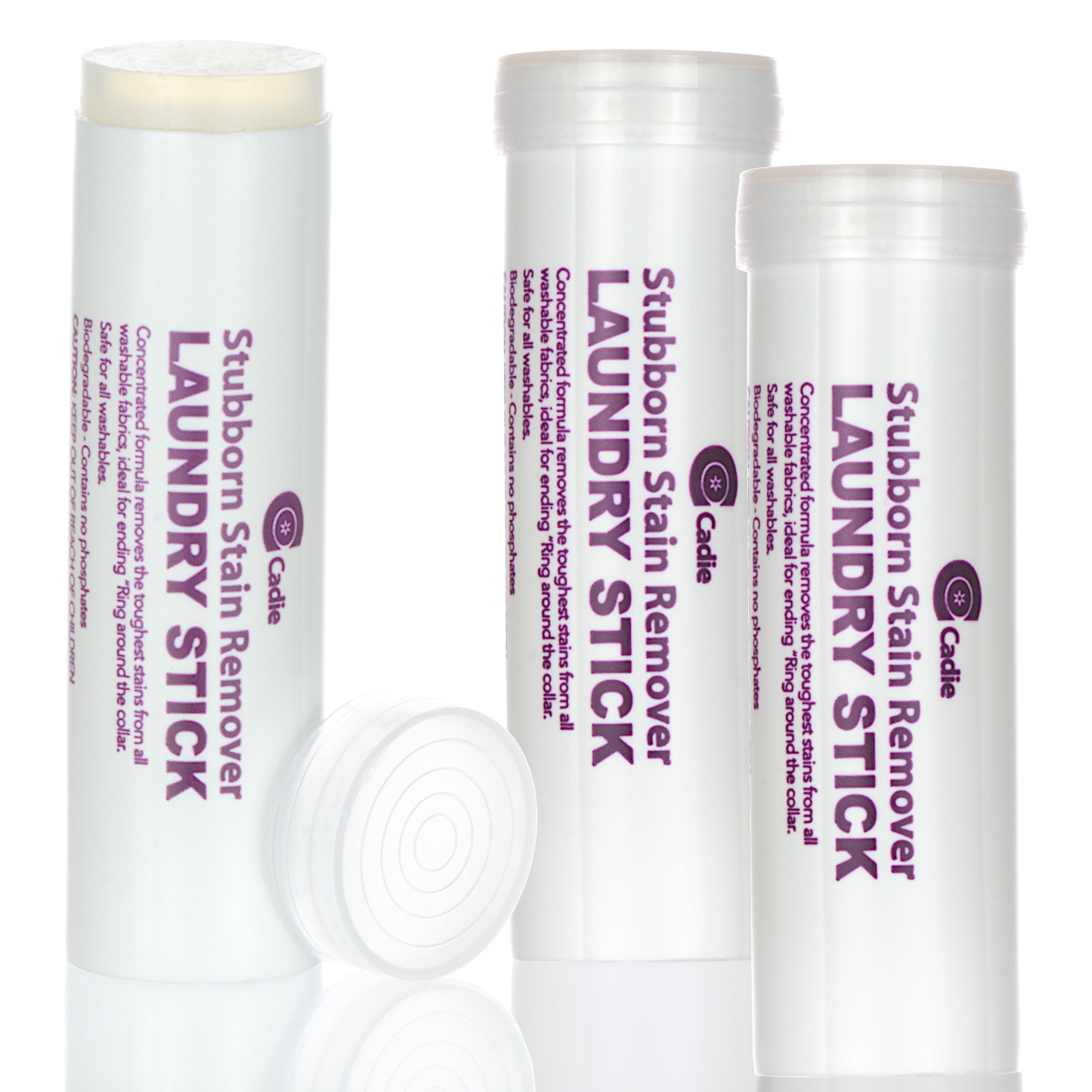
Pre-formulated stain sticks combine enzymes and surfactants designed specifically for lipid-based marks. Rub the stick directly across the stain in even strokes, allow it to penetrate for five minutes, and launder as directed on the garment care label. Many formulas remain effective even after the stain has dried.
Keep one in a travel bag for on-the-go treatment. Choose oxygen-based sticks for color-safe performance on bright garments. Reapply before packing the item if the stain is especially heavy.
| Method | Best For | Fabric Caution | Time to Results |
|---|---|---|---|
| Dish Soap | Fresh kitchen grease | Test dark colors | 10–15 minutes |
| Baking Soda Paste | Thick fabrics | Avoid delicate knits | 20–30 minutes |
| White Vinegar | Odor removal needed | Check colorfastness | 20 minutes |
| Cornstarch | Quick dry response | None | 15 minutes |
| Rubbing Alcohol | Small targeted spots | Test synthetics | 5 minutes |
The enzyme action in commercial sticks continues working inside the washing machine, often clearing faint shadows that household items miss.
A single overlooked edge of the stain can reappear after drying, so always inspect the full perimeter before moving the garment to the dryer.
- Fresh grease responds fastest to absorbents like cornstarch or talcum powder.
- Set-in marks benefit from solvent steps such as alcohol or WD-40 before detergent.
- Colored fabrics require a preliminary test on an inside seam with any liquid treatment.
FAQ
How long should I let dish soap sit on a grease stain before washing?
Dish soap needs at least ten minutes to emulsify the oil, but thirty minutes produces better results on older marks. After the dwell time, rinse the area under warm running water and check progress before the full machine cycle. If any shadow remains, repeat the soap application rather than moving straight to drying.
Can white vinegar damage colored clothing during stain removal?
White vinegar rarely affects most dyes when diluted, yet it is wise to test a diluted solution on an inner seam first. Dark or bright garments may show slight fading only after repeated exposure, so limit vinegar soaks to occasional use on those items. Always rinse thoroughly to remove any acidic residue.
Does rubbing alcohol work on synthetic fabrics?
Rubbing alcohol lifts grease from polyester and nylon blends effectively, but it can dull or streak certain performance finishes. Spot-test a hidden area and use a light hand with the cotton pad to avoid oversaturating the fibers. Follow with a cool-water rinse and air drying if the fabric label permits.
What should I do if the grease stain returns after washing?
The return usually means residual oil remained in the fibers and heat set it during drying. Retreat the area with dish soap or a solvent step, then wash again in the hottest water the fabric allows before attempting the dryer once more.
A consistent pretreatment habit keeps everyday grease marks from becoming permanent fixtures in your wardrobe.
Leave a Reply