So you’ve discovered a rainbow mural on your living room wall that you definitely didn’t commission. Before you start worrying about repainting, take a deep breath.
Crayon wax is surprisingly easy to remove from most painted walls if you use the right technique—and the key is starting gently and working up. Here are the best methods I’ve used to erase those waxy masterpieces without damaging the paint.
Baking Soda Paste
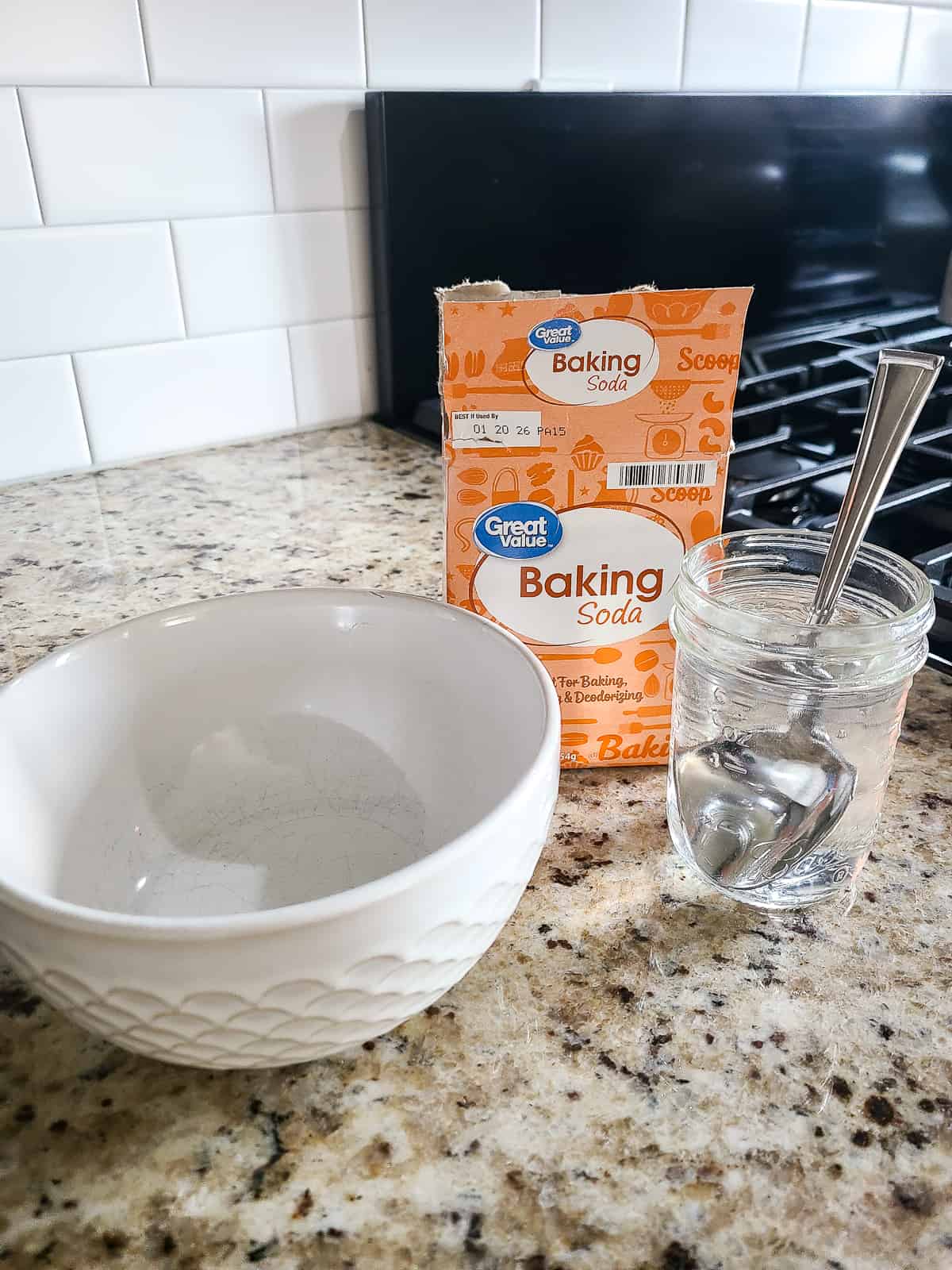
This is my go-to first attempt because it’s gentle and almost always works. The mild abrasive action of baking soda lifts the wax without scratching most paint finishes. Make a simple paste with a few tablespoons of baking soda and just enough water to form a thick, spreadable consistency—think toothpaste.
Apply the paste directly to the crayon marks with a soft cloth or your fingers. Using small circular motions, gently rub the paste into the crayon.
You’ll feel the wax start to break down and mix into the paste. Wipe the area clean with a damp cloth, then dry it with a clean towel.
Check your work; a second light application might be needed for very thick marks.
White Vinegar Solution
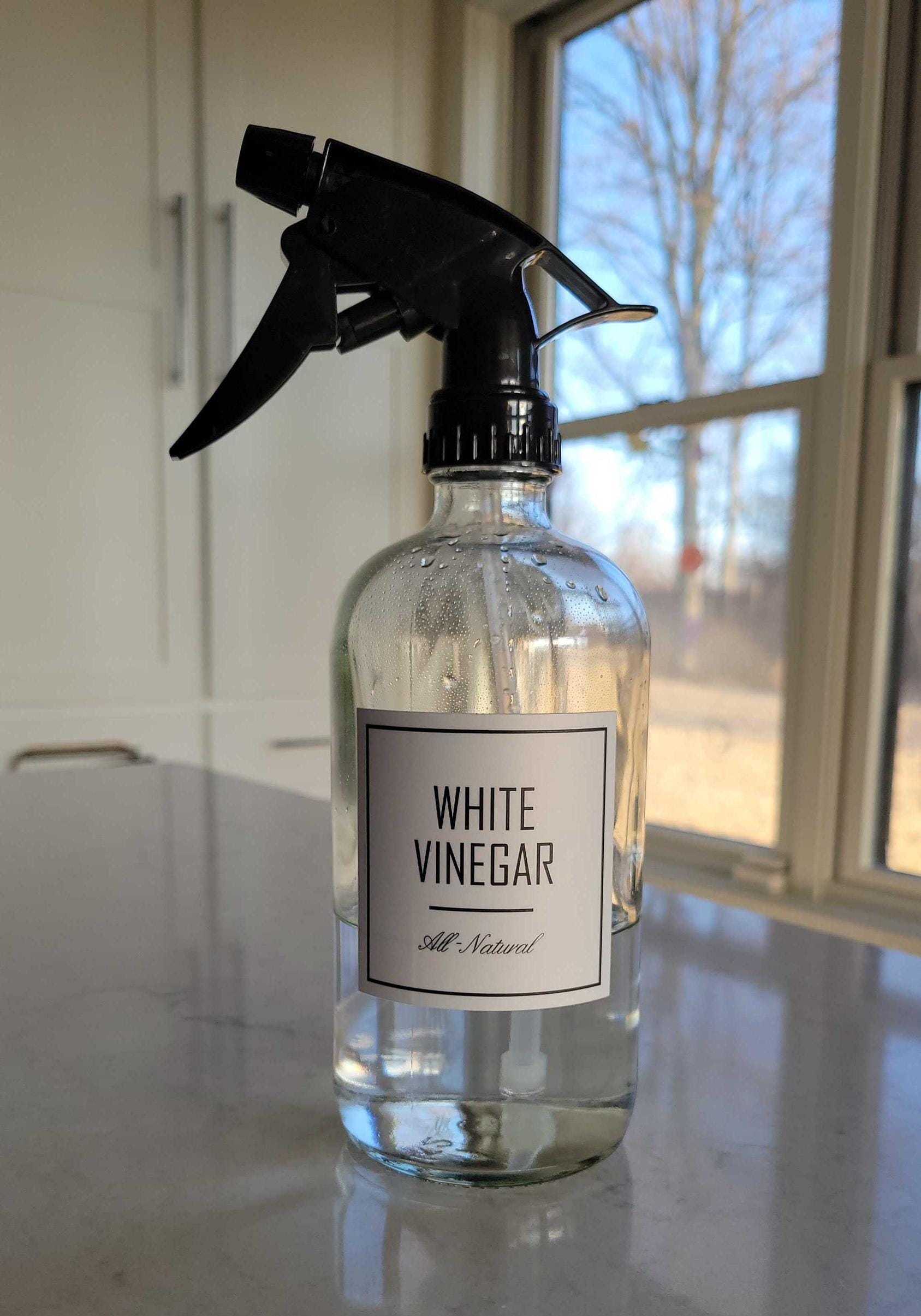
For lighter marks or if the baking soda leaves a faint shadow, white vinegar is a great follow-up. The acetic acid helps dissolve the waxy pigment. Mix a solution of one part white vinegar to two parts warm water in a spray bottle or bowl.
Lightly spray the solution onto the crayon marks or dip a cloth in it, wringing it out so it’s damp, not dripping. Wipe the marks gently in straight lines following the direction of the wall texture.
The crayon should transfer to your cloth. Be sure to wipe the area with a clean, damp cloth afterward to remove any vinegar residue, which could affect paint over time if left.
Mayonnaise or Cooking Oil
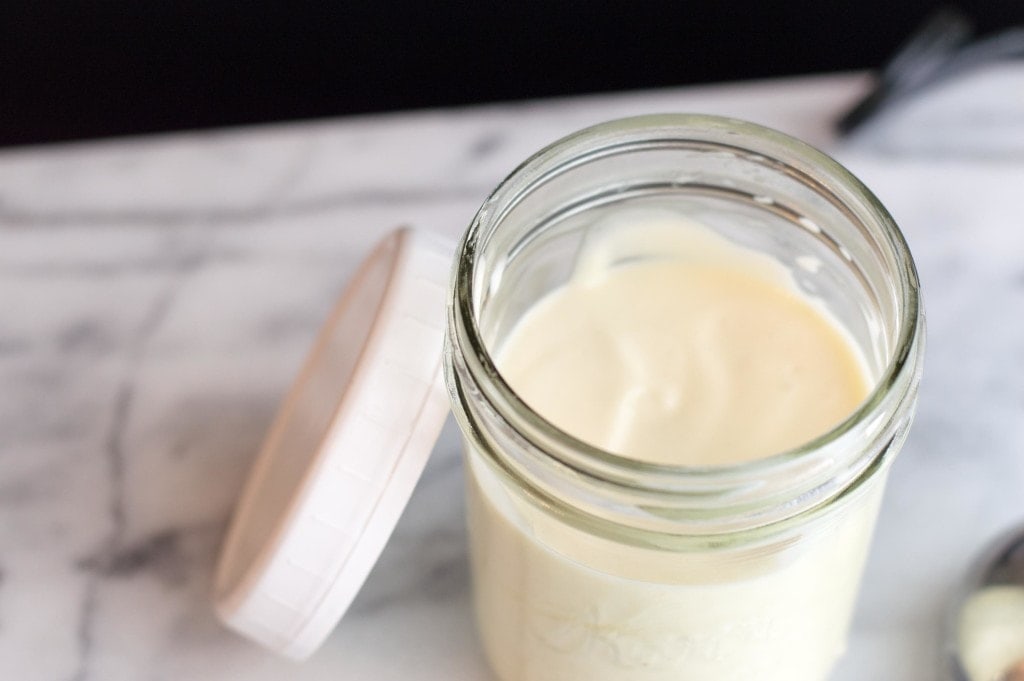
It sounds odd, but the oils in mayonnaise or basic cooking oil (like vegetable or canola) are fantastic at breaking down crayon wax. This method is especially good for larger, waxy blobs. Apply a small dab of mayo or a few drops of oil directly onto the crayon.
Let it sit for about 10-15 minutes to penetrate the wax. Then, using a soft cloth, rub the area in small circles.
The crayon will emulsify and wipe away. Crucially, you must then clean the oily residue from the wall.
Use a mild solution of dish soap and warm water on a cloth to wash the spot, then dry it. Skipping this step can leave a grease stain.
Magic Eraser (Melamine Foam)
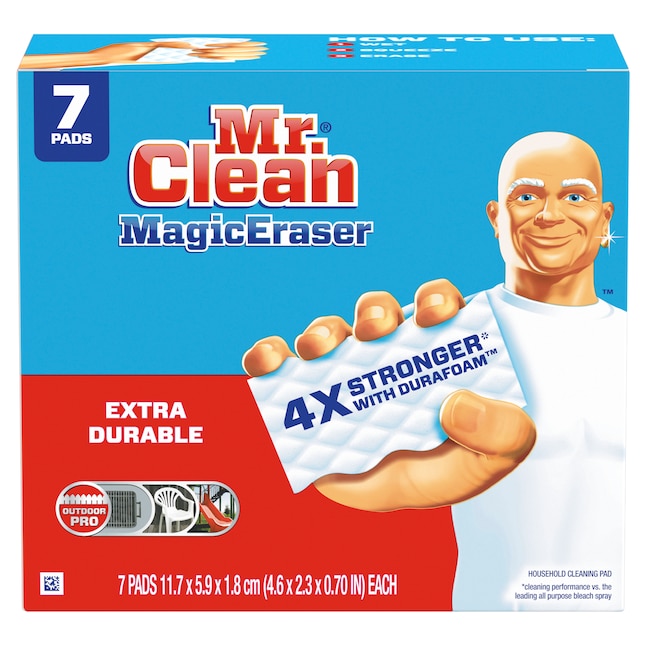
This is a popular solution for a reason—it works incredibly well on crayon. Melamine foam is a micro-abrasive that gently scrubs away the crayon pigment from the surface of the paint. Buy a genuine Mr. Clean Magic Eraser or a generic melamine sponge.
Always dampen the sponge first and squeeze out excess water. Test it on an inconspicuous area of your wall to ensure it doesn’t dull the paint finish (it rarely does on modern latex paints, but good to check).
Gently rub the crayon marks with the damp sponge using light, even pressure. The marks will disappear with a few strokes.
Rinse the wall with a clean, damp cloth when done to remove any foam residue.
Toothpaste (Non-Gel)
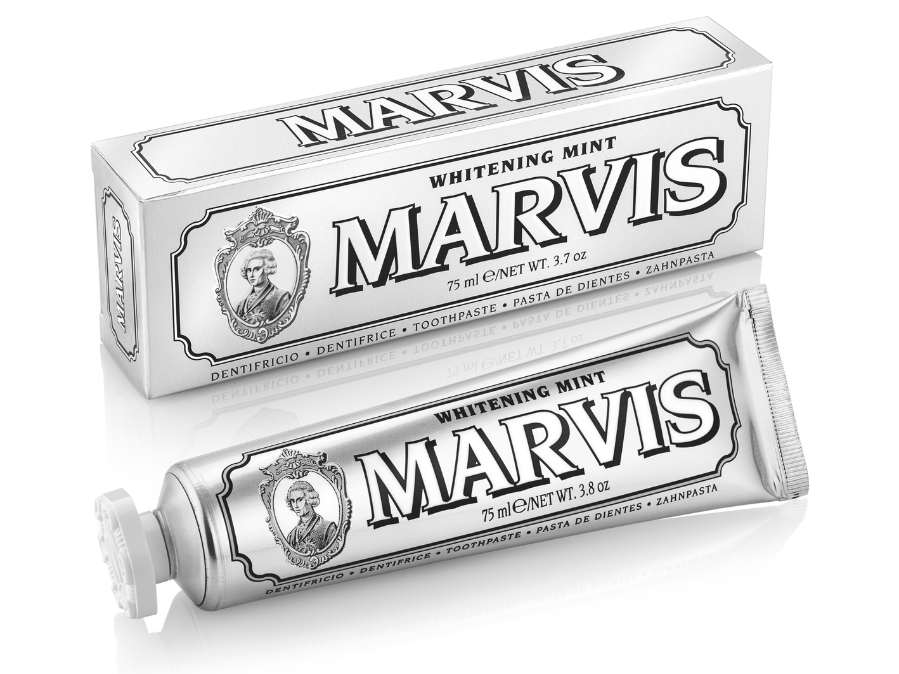
A plain white, non-gel toothpaste works similarly to baking soda paste but is a bit more convenient if it’s already in your bathroom. The mild abrasives and cleaning agents in toothpaste are formulated to scrub surfaces without scratching. Squeeze a small amount directly onto the crayon mark.
Use a soft, damp cloth to rub the toothpaste into the mark using gentle circles. Wipe away the paste and crayon residue with a clean, damp section of the cloth.
As with any method, dry the area with a towel to prevent water spotting. Avoid using whitening or gritty toothpastes, as these can be too abrasive for painted walls.
Dish Soap and Baking Soda
For stubborn crayon that’s been on the wall a while, combining the degreasing power of dish soap with the abrasion of baking soda creates a potent paste. Squirt a generous line of liquid dish soap (like Dawn) into a bowl and add baking soda until you get a thick, paste-like consistency.
Apply this to the crayon and let it sit for 5-10 minutes. Then, using a soft-bristled toothbrush or a non-scratch scrub sponge, work the paste into the mark with gentle, circular motions.
The dish soap helps break down the wax binder while the baking soda scrubs. Wipe everything away with a damp cloth and rinse the spot.
Heat Method (Iron or Hair Dryer)
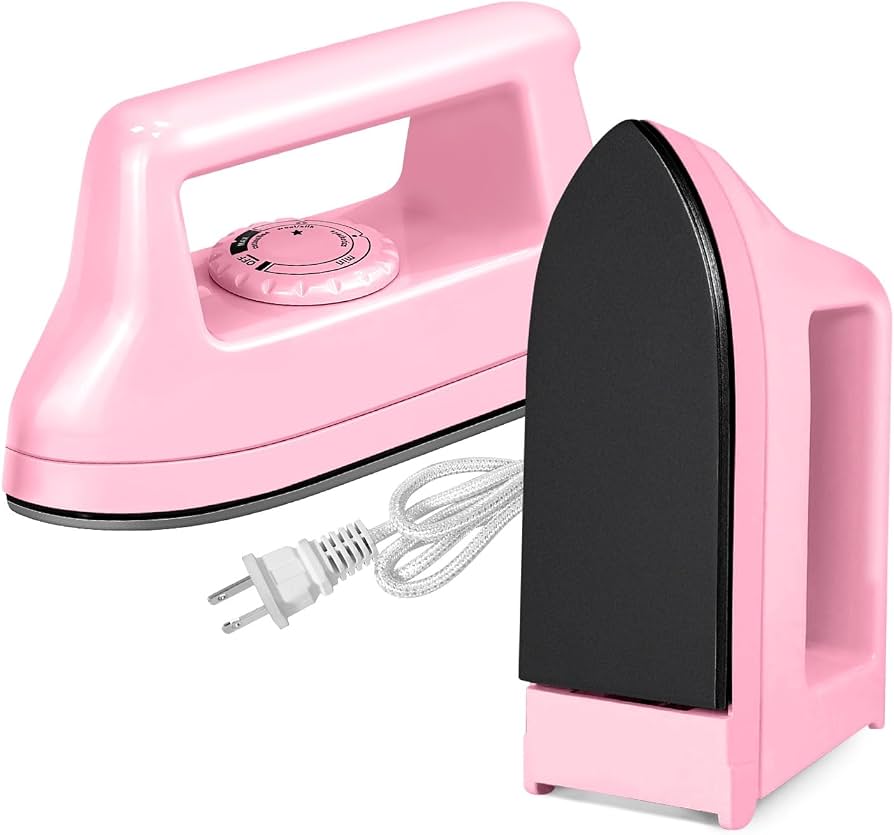
This method is perfect for very thick, layered crayon marks. Heat re-melts the wax, making it easier to absorb.
Set your iron to a low heat setting with no steam. Place a plain white paper towel or an old cotton t-shirt over the crayon mark.
Gently press the warm iron onto the fabric covering the crayon for just a few seconds. Lift to check—the wax should have melted and transferred onto the paper towel.
Move the towel to a clean spot and repeat until the crayon is gone. You can also use a hair dryer on its high setting to warm the crayon, then immediately wipe the softened wax with a cloth.
Commercial Wall Cleaner
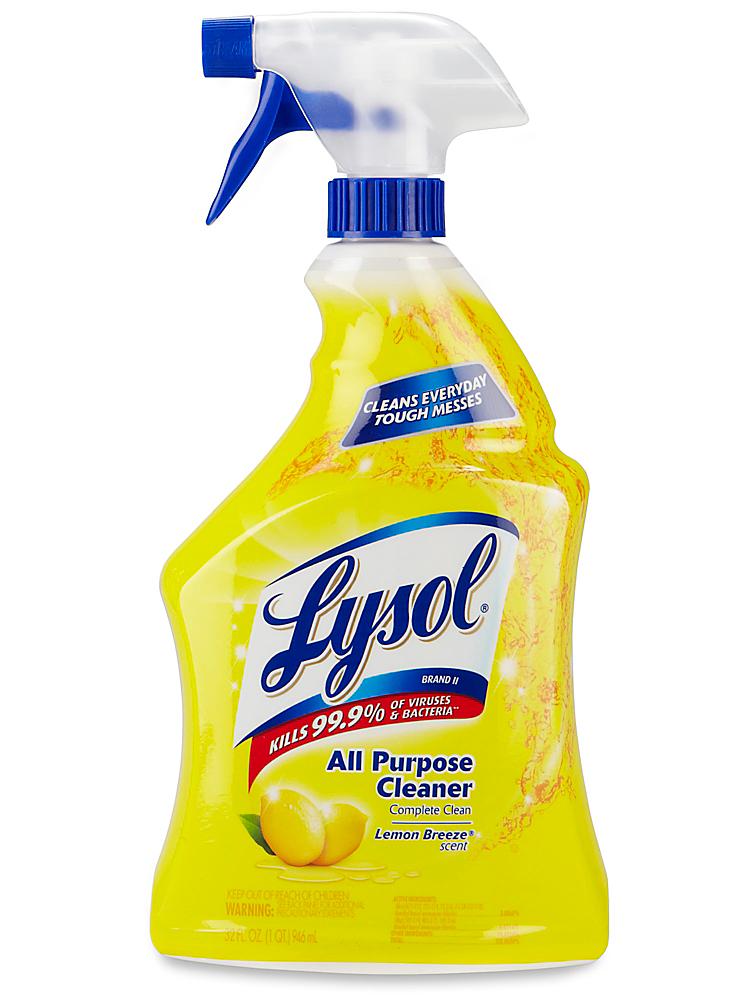
If you’d rather use a product designed for the job, there are excellent all-purpose wall cleaners that work on crayon. Products like Krud Kutter, Simple Green All-Purpose Cleaner, or even a Mr. Clean Clean Freak spray are formulated to tackle stains on painted surfaces without damage.
Always read the product label first. Spray the cleaner onto a clean cloth first, rather than directly on the wall, to avoid over-saturating one spot.
Gently wipe the crayon marks following the product’s instructions. Most require you to wipe the area with a clean, damp cloth afterward to remove any cleaner residue.
This is a reliable, no-guesswork option.
Rubbing Alcohol
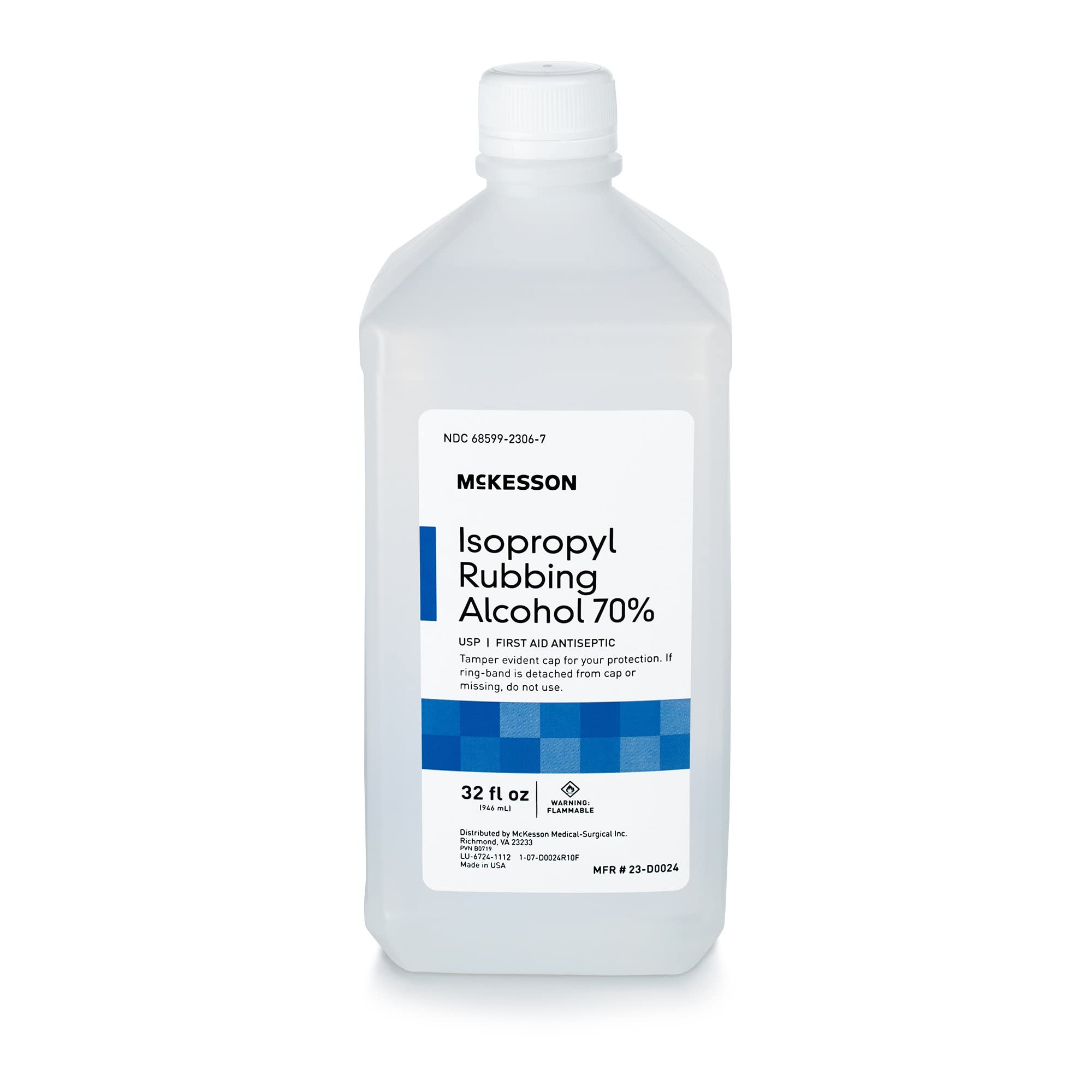
For crayon on semi-gloss or gloss paint finishes, which are more resilient to cleaners, rubbing alcohol can be very effective. It’s a solvent that dissolves the waxy pigments. Dampen a cotton ball or the corner of a clean white cloth with 70% isopropyl alcohol.
Test it first on a hidden spot. Gently dab (don’t rub aggressively) at the crayon mark.
The color should lift onto the cotton ball immediately. Work in small sections and use a fresh part of the cloth to avoid smearing.
Wipe the area with a damp cloth afterward to remove any alcohol, which can dry out paint if left to sit.
Hair Spray
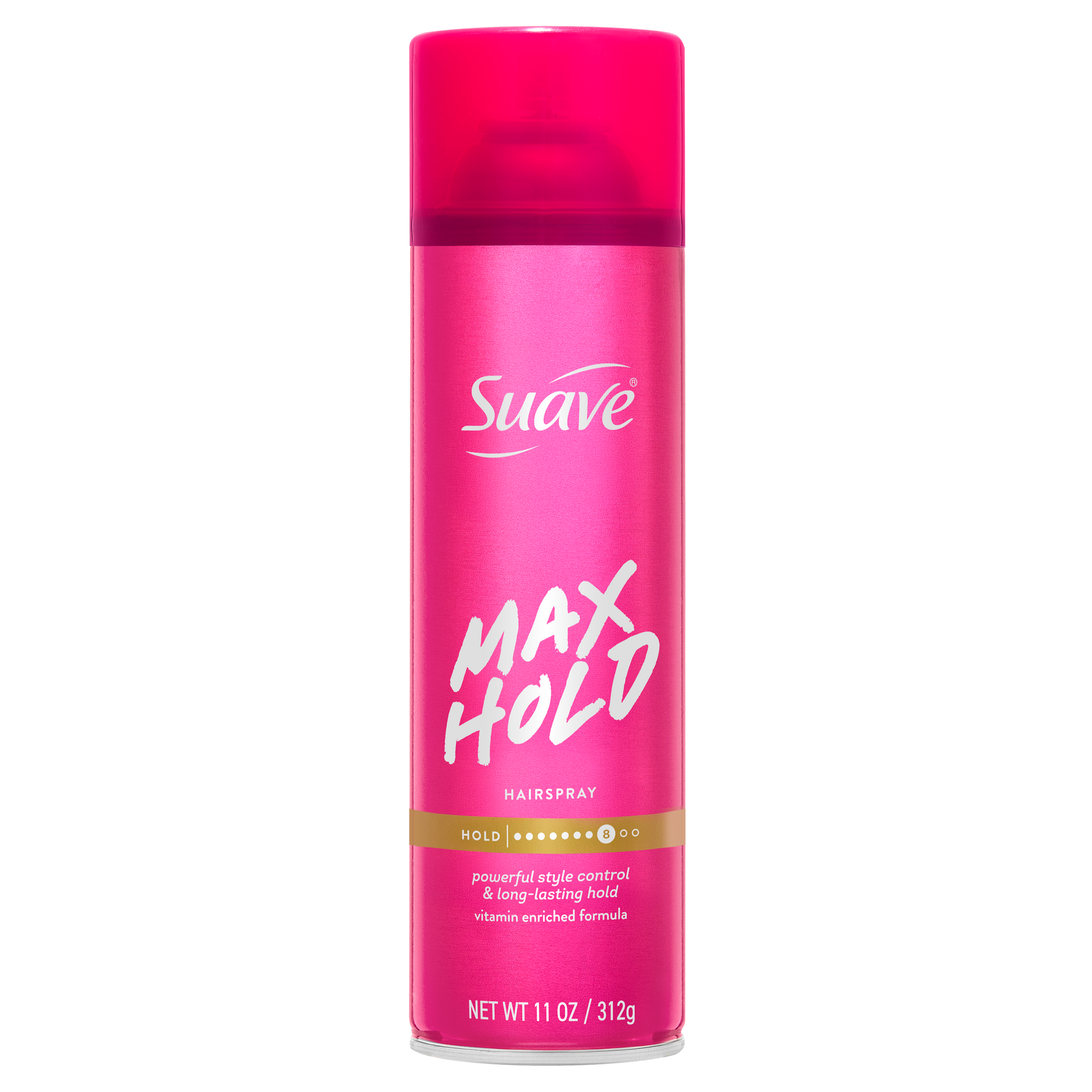
This is a classic old-school trick that actually works. The alcohol and solvents in hair spray break down crayon wax.
Choose a cheap, non-oily hairspray. Spray a small amount directly onto the crayon mark.
Let it sit for just a minute or two, then wipe the area with a damp cloth. The crayon should wipe away.
Because hairspray can leave its own sticky residue, it’s critical that you thoroughly clean the spot afterward with a mild soap and water solution, then dry it. This method is best for small marks.
Commercial Crayon Remover
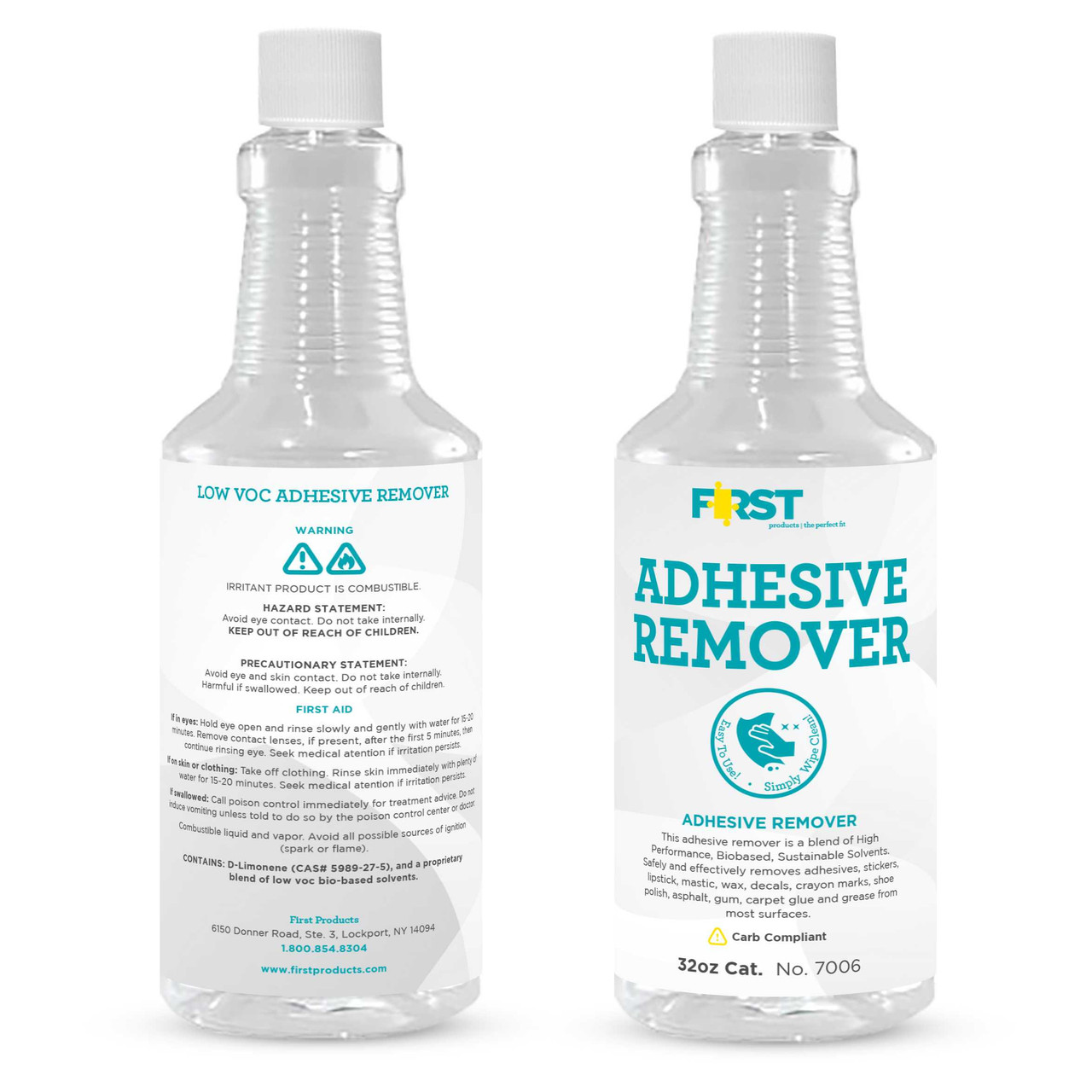
For the toughest jobs or delicate surfaces, there are products specifically designed to remove crayon. Brands like Lift Off or Goo Gone have crayon and wax removal formulas. These are strong solvents, so they must be used with care.
Apply the product according to the package directions—this usually means applying it to a cloth first. Test it on a hidden area of the wall to ensure it doesn’t affect the paint’s sheen or color.
Work in a well-ventilated room. These products are powerful and usually require no scrubbing, just a gentle wipe, but proper cleanup as directed is essential.
Preventing Future Crayon Art

Once your walls are clean, the best strategy is prevention. Create a dedicated art space for your little Picasso that’s more appealing than the walls. A large roll of butcher paper taped to the wall, a standing easel with a paper pad, or even a designated “wall” of chalkboard paint can channel that creativity productively.
Washable crayons are also a lifesaver—they’re designed to come off most surfaces with just soap and water. Letting your kids know where it’s okay to draw and praising their “gallery” can redirect their artistic energy. Keeping crayons stored out of easy reach in the living areas can also help curb the impulse.
Frequently Asked Questions
Will these methods remove crayon from any paint finish?
Most methods are safe for flat, eggshell, and satin latex paints, which are common interior finishes. Gloss, semi-gloss, and enamel paints are more durable and can handle slightly stronger cleaners like rubbing alcohol. Always test any method in an inconspicuous spot first.
What if the crayon stain is still visible after cleaning?
If a faint shadow remains, it might be pigment stain on the paint’s surface. A second application of the cleaning method, or stepping up to a slightly stronger option (like moving from baking soda to a Magic Eraser), often takes care of it. For deep stains on flat paint, you may need to spot-prime and repaint that small area.
Can I use these methods on textured walls?
Yes, but be more gentle. Avoid aggressive scrubbing that could damage the texture.
The heat method, liquid solutions like vinegar or dish soap, and commercial cleaners are good choices. For paste-based methods, apply with a soft cloth and use gentle dabbing and circular motions rather than hard scrubbing.
Is it safe to use these methods near children and pets?
When using any chemical, even natural ones like vinegar, ensure good ventilation. Keep children and pets out of the room until you’ve wiped down the area with a clean, damp cloth to remove any residue. For the safest approach, baking soda paste or the heat method are great choices.
Every parent has faced this at some point. The good news is that with the right approach, those crayon marks are almost always temporary. Start with the gentlest method, work patiently, and you’ll have your walls looking like a gallery of your choice once more.
Leave a Reply