
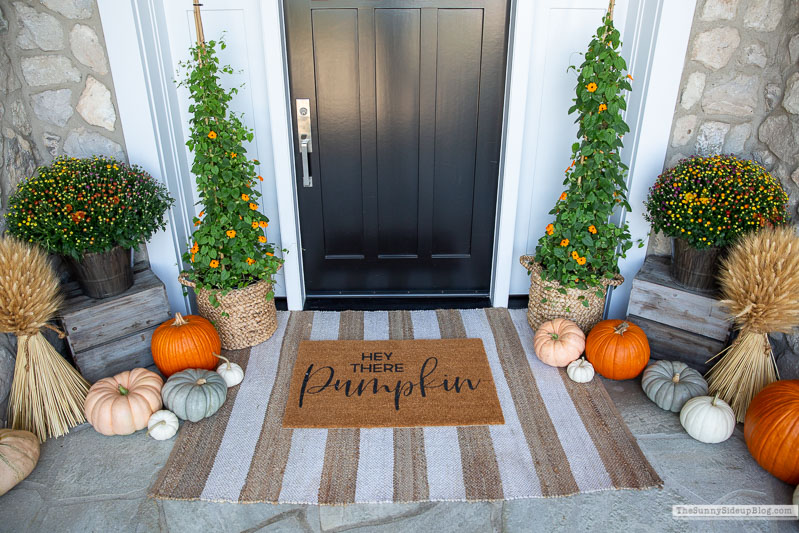
Pumpkins create versatile focal points that shift easily between porch setups and interior rooms when you select the right scale and finish for each location. These ideas focus on finished arrangements that photograph well and hold up through the season with minimal daily adjustments.
Carved Pumpkin Lanterns
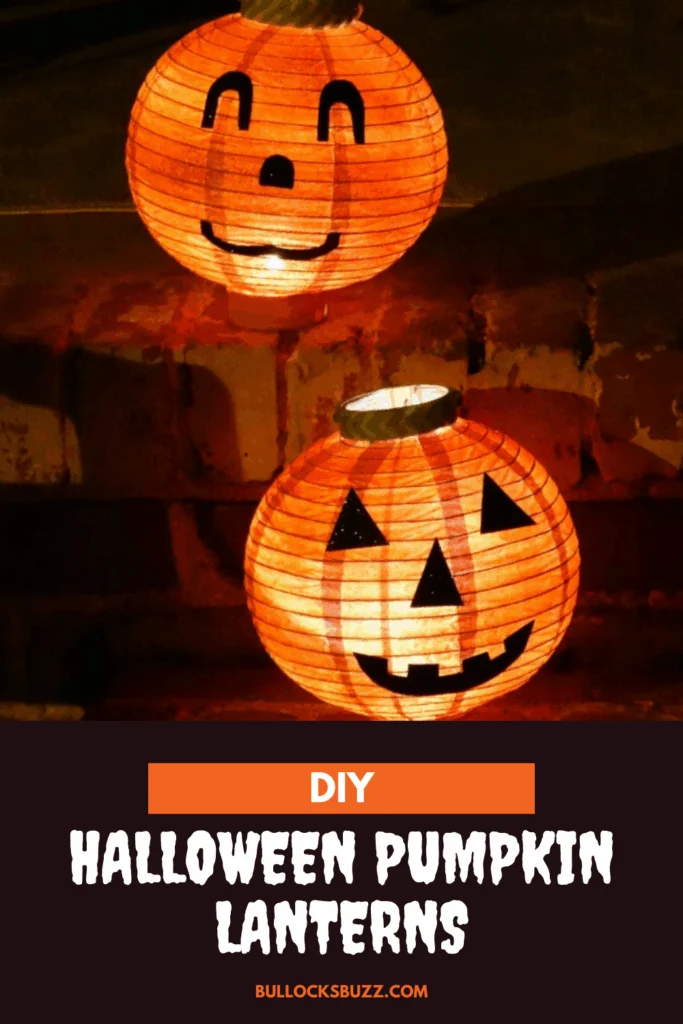
Carved pumpkins provide both structure and light when grouped along porch railings or entry steps. Their open patterns allow a warm glow to spill across surfaces after dark while the solid shells protect the interior from early moisture. Placement matters more than intricate designs because simple shapes read clearly from the street and resist wind better than delicate cutouts.
Varying the carving depth creates different light effects without extra tools. Shallow cuts produce soft halos while deeper removals create sharp beams that highlight nearby plants. A common mistake involves cutting too close to the stem which weakens the lid and shortens overall display time.
Choosing slightly unripe green pumpkins can double the lifespan of your outdoor displays.
Painted Pumpkin Centerpieces
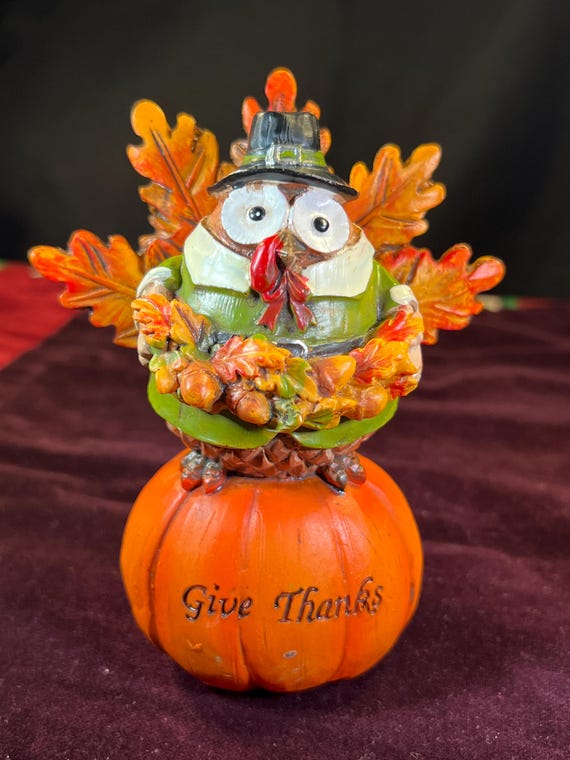
Painted pumpkins serve as durable centerpieces that coordinate with existing table linens and dinnerware. The solid color surface hides minor bruises that appear during transport and allows you to match specific room palettes without relying on natural orange tones. Multiple sizes in one arrangement add height variation that keeps the eye moving across the table.
Several paint finishes change the final mood. Matte chalk paint gives a soft farmhouse feel while metallic sprays reflect candlelight at evening gatherings. Consider these material options for different surfaces:
- Acrylic craft paint for indoor matte coverage
- Exterior latex for porch humidity resistance
- Spray primer plus topcoat when working with foam pumpkins
Stacked Pumpkin Displays
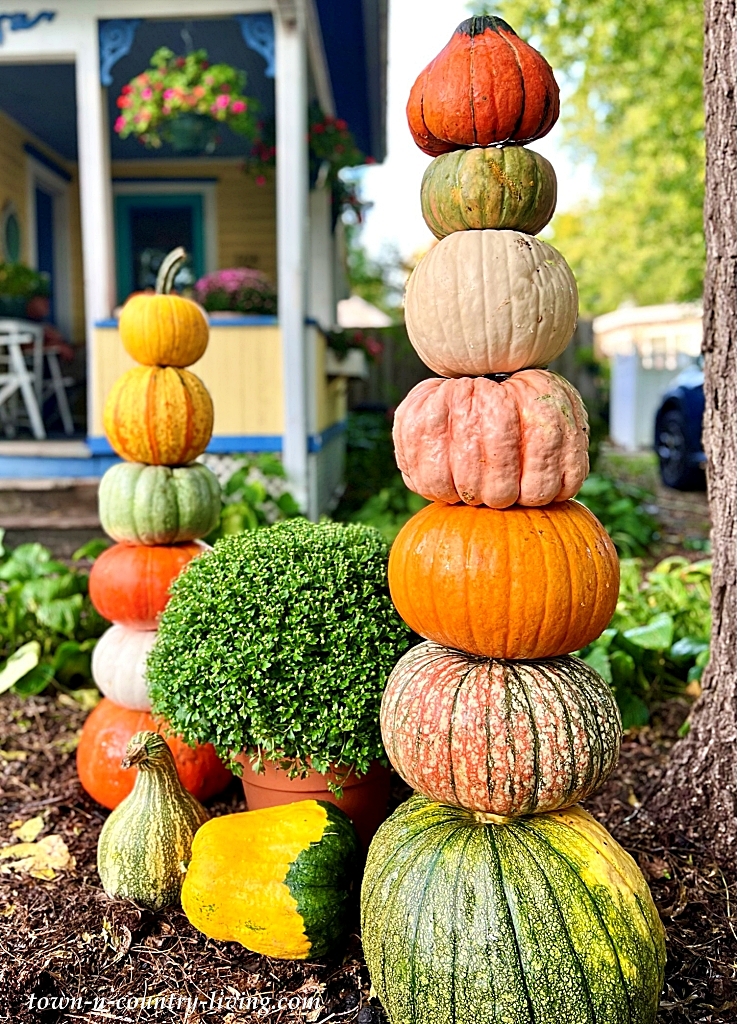
Stacked pumpkins build vertical interest on porches where floor space stays limited. The tapered shape of most varieties creates natural stability when larger specimens sit at the base. Securing each layer with wooden skewers prevents shifting during gusty fall weather.
| Pumpkin Size | Base Diameter | Recommended Stack Height | Stability Notes |
|---|---|---|---|
| Extra large | 12-14 inches | 3 pumpkins | Needs flat surface |
| Large | 9-11 inches | 4 pumpkins | Add dowel through center |
| Medium | 6-8 inches | 5 pumpkins | Best for tabletops |
Mini Pumpkin Accents
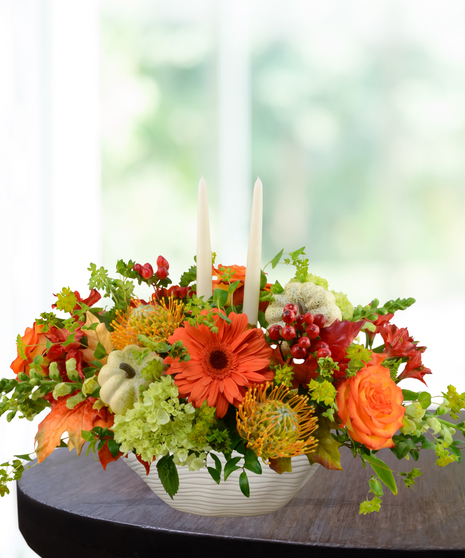
Mini pumpkins fill bowls and trays where larger fruit would overwhelm the space. Their small scale lets you scatter them across mantels or bookshelves without crowding other objects. Grouping them in odd numbers prevents the arrangement from looking too symmetrical.
Pumpkin Wreaths for Doors
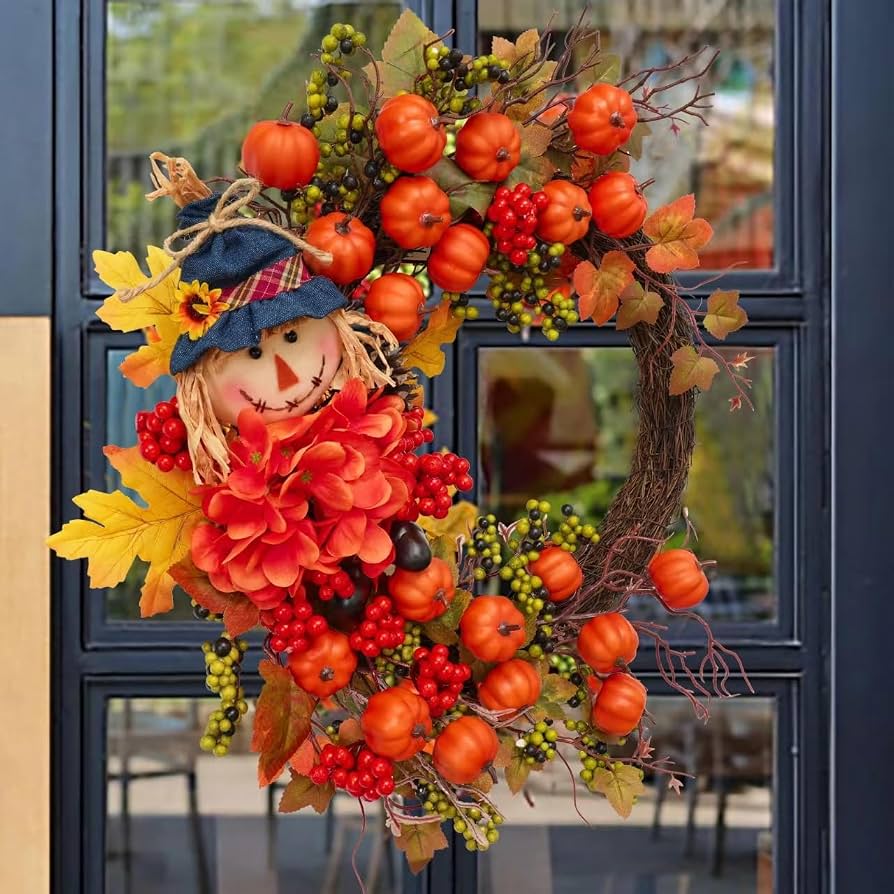
Pumpkin wreaths shift the usual evergreen form into a seasonal statement that greets visitors at eye level. Attaching small pumpkins to a grapevine base keeps weight manageable while allowing air circulation that reduces mold risk. Rotate the wreath every few days so one side does not face direct sun constantly.
Illuminated Pumpkin Arrangements
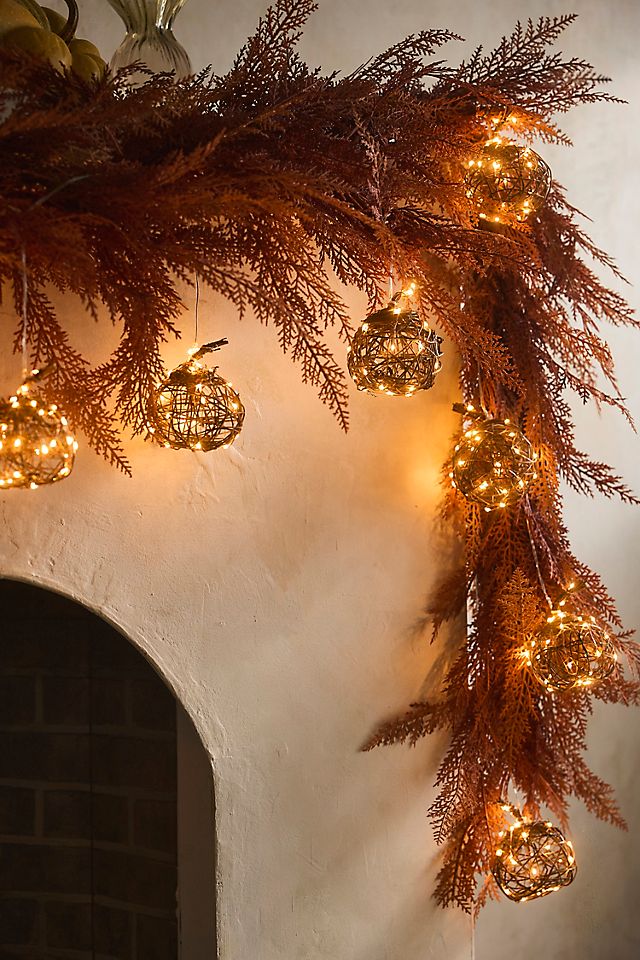
Battery-operated lights tucked inside hollowed pumpkins extend usable hours after sunset. The contained glow highlights texture on nearby foliage without requiring outdoor electrical outlets. Choose cool white bulbs for modern contrast or warm tones to echo traditional candlelight.
Rustic Wooden Crate Pumpkins

Wooden crates contain pumpkins neatly on uneven porch surfaces and add another layer of texture. The open slats allow air movement that helps prevent early softening. Line the bottom with landscape fabric when using crates directly on painted floors to avoid moisture rings.
Fabric Covered Pumpkins
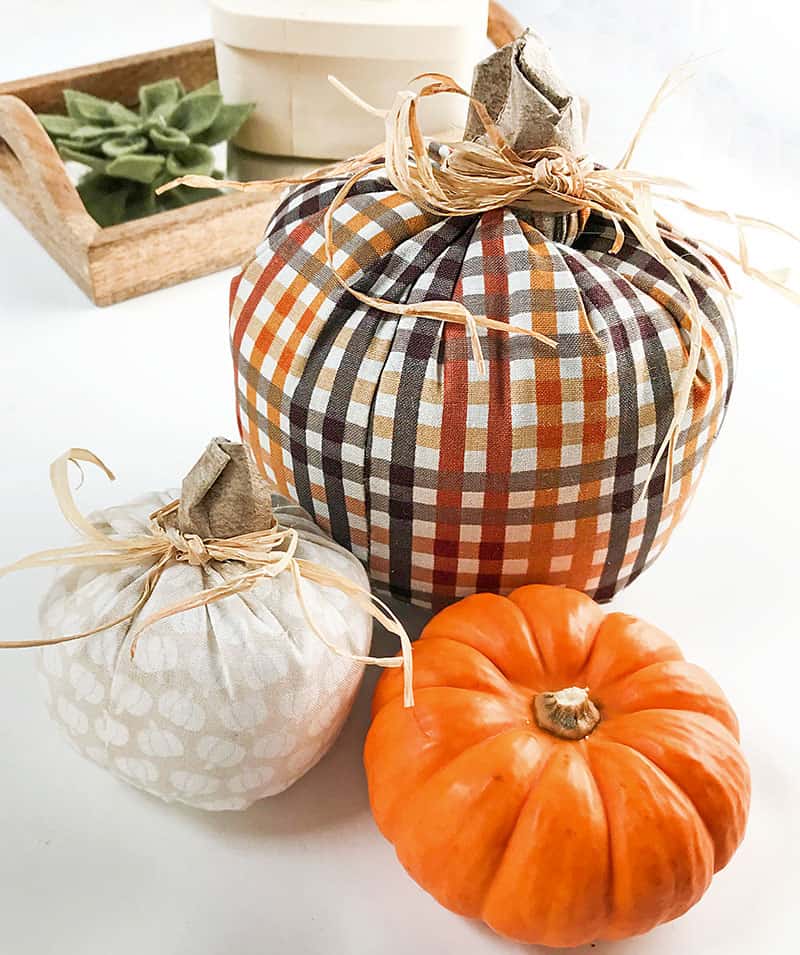
Fabric scraps transform basic pumpkins into coordinated accents that match curtains or upholstery. Stretch material taut and secure with hot glue at the base so seams stay hidden. This approach works especially well with foam forms that will not release moisture into the cloth.
Metallic Finish Pumpkins
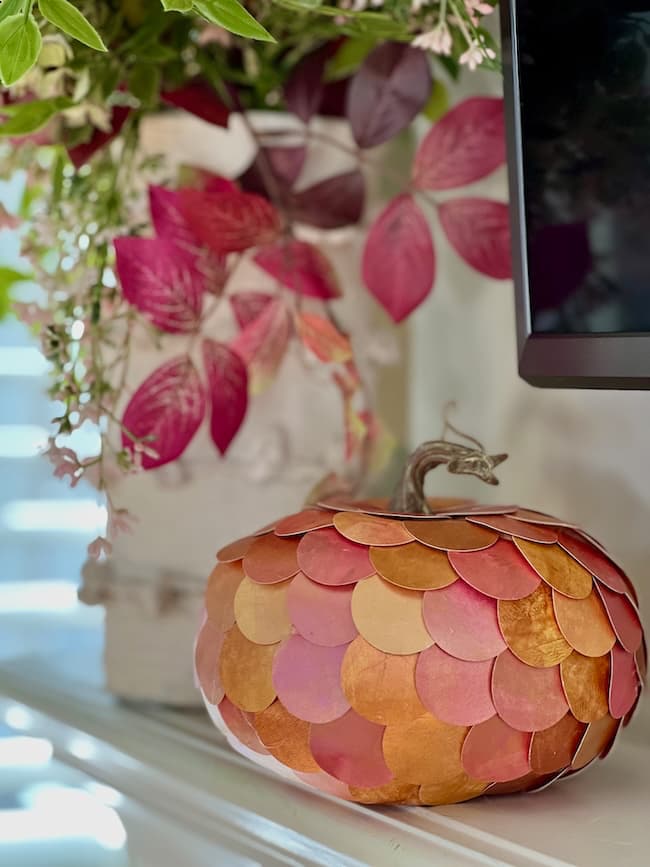
Metallic pumpkins catch low autumn light and add subtle sparkle to neutral rooms. Apply thin layers rather than one heavy coat to preserve the natural ridges that give pumpkins their character. These finishes photograph especially well against dark backgrounds.
Pumpkin Topiaries
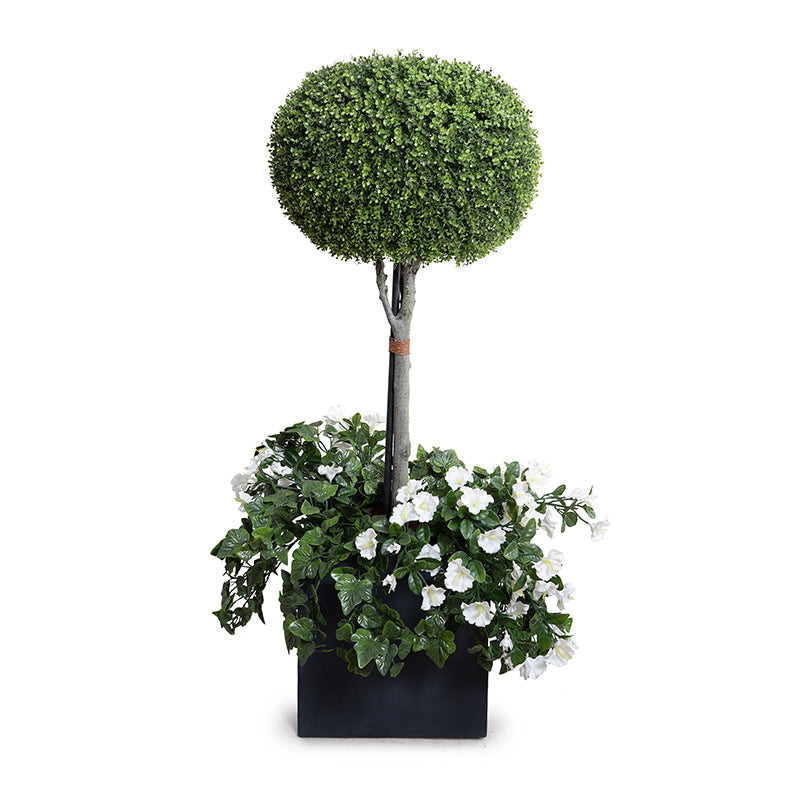
Pumpkin topiaries lift the fruit off the ground and create formal silhouettes beside doorways. A sturdy dowel through the center and a weighted pot at the base keep the structure upright through wind and rain. Trim any foliage around the base so the focus stays on the stacked pumpkins.
Hanging Pumpkin Ornaments
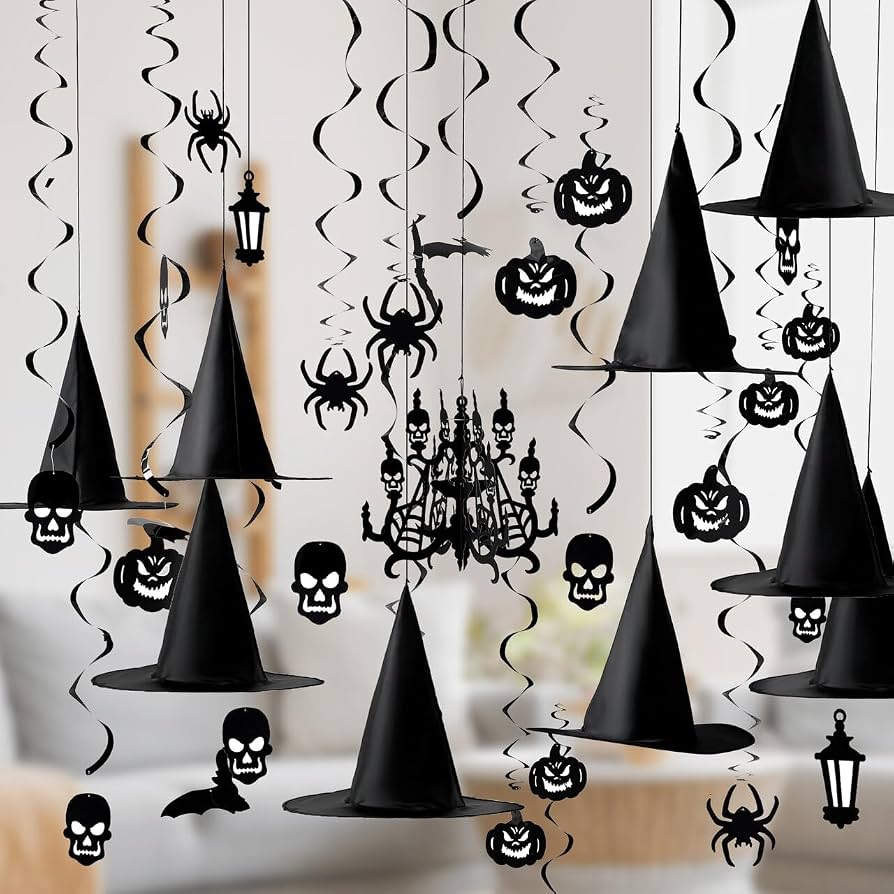
Hanging pumpkins use vertical space above seating areas where floor arrangements would block pathways. Strong jute or wire wrapped around the stem distributes weight evenly. Keep clusters at varying heights so the grouping feels organic rather than rigid.
Pumpkin Mantel Decor
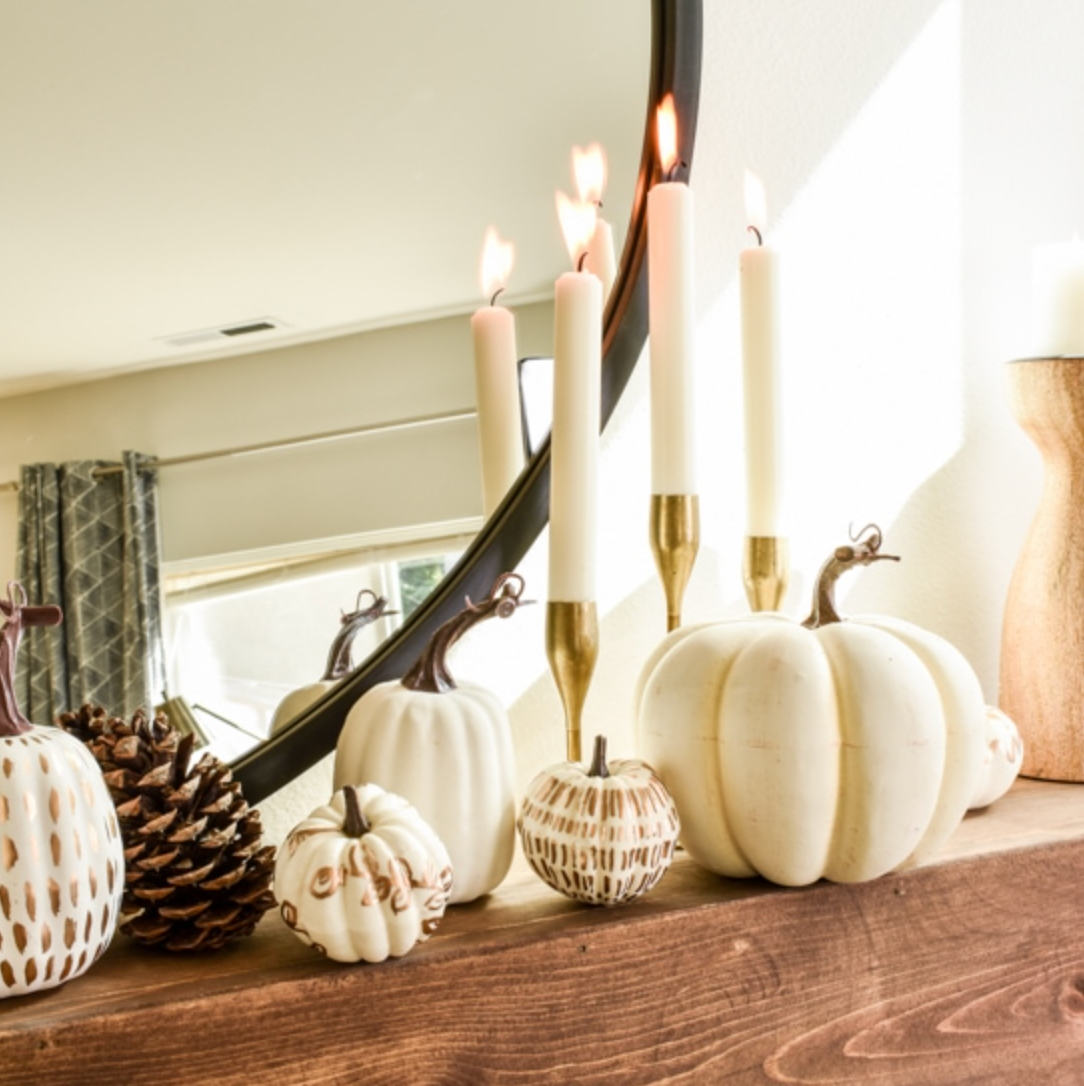
Pumpkins arranged along a mantel create a horizontal line that balances taller items like mirrors or artwork above. Mix heights and finishes so the display does not flatten into one solid mass. Leave breathing room between pieces so each pumpkin remains visible from across the room.
Porch Step Pumpkin Clusters
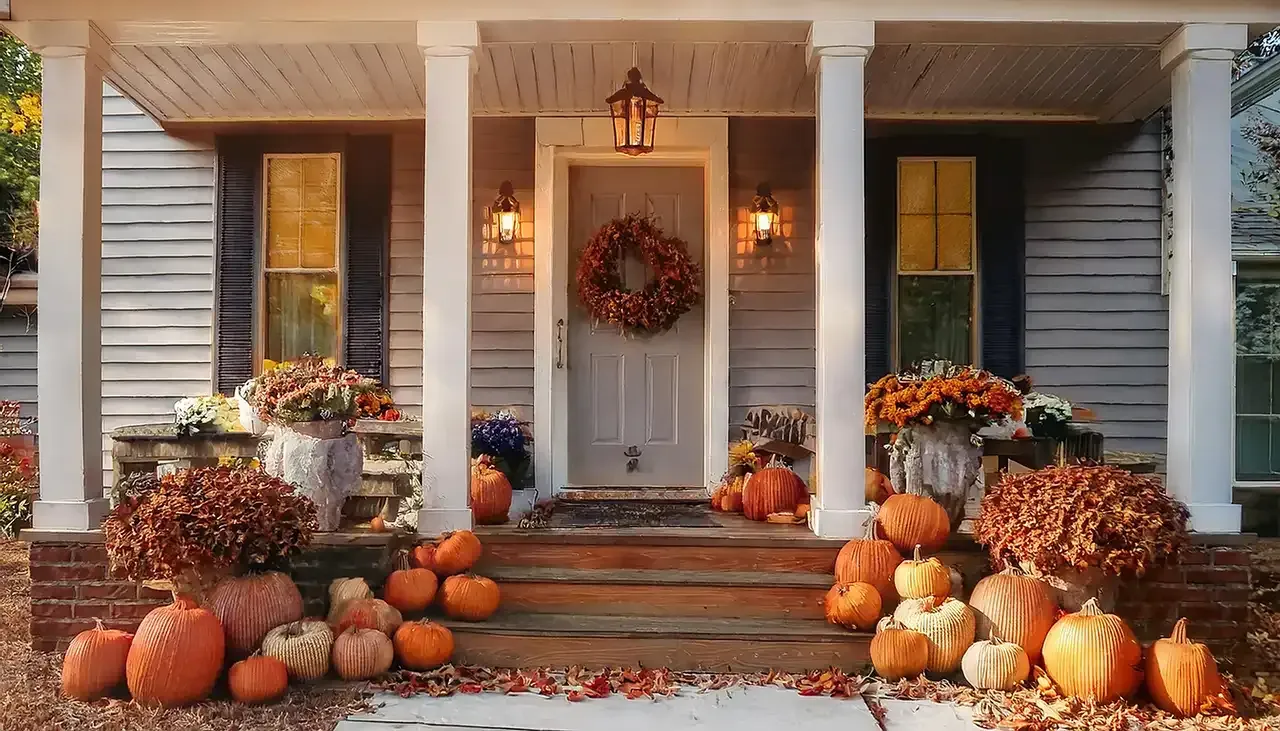
Groupings of three to five pumpkins on each step guide guests safely toward the entrance after dark.
Place the largest specimens at the bottom and step down in size as you rise to maintain visual balance. This layout also keeps weight distributed evenly across older wooden steps.
How do carved pumpkins hold up in changing porch temperatures?
Temperature swings cause rapid expansion and contraction inside carved shells. Move lanterns into sheltered corners during heavy frost warnings and avoid direct heater vents that dry the flesh too quickly. Checking moisture levels every other day prevents early collapse.
Pumpkin Planter Fillers
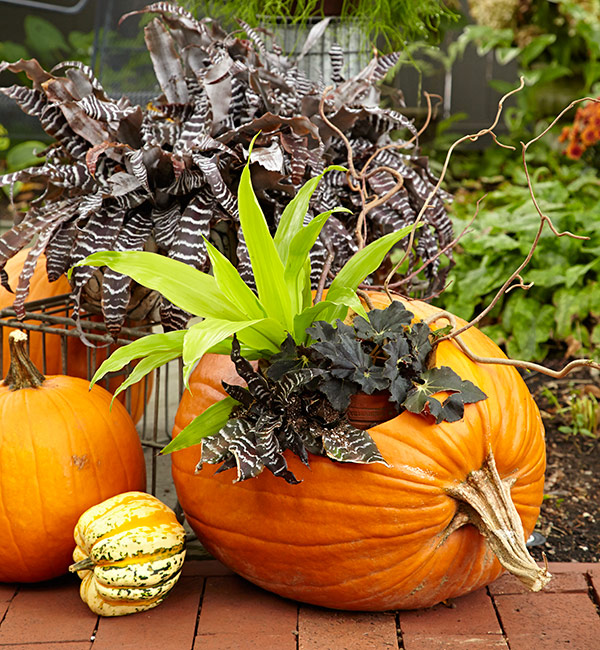
Pumpkins tucked into existing planters refresh summer containers without new purchases. The rounded shapes contrast nicely with upright grasses or trailing vines already in place. Choose varieties with thick stems so they sit securely among the soil and do not roll when bumped.
Pumpkin Garland Swags
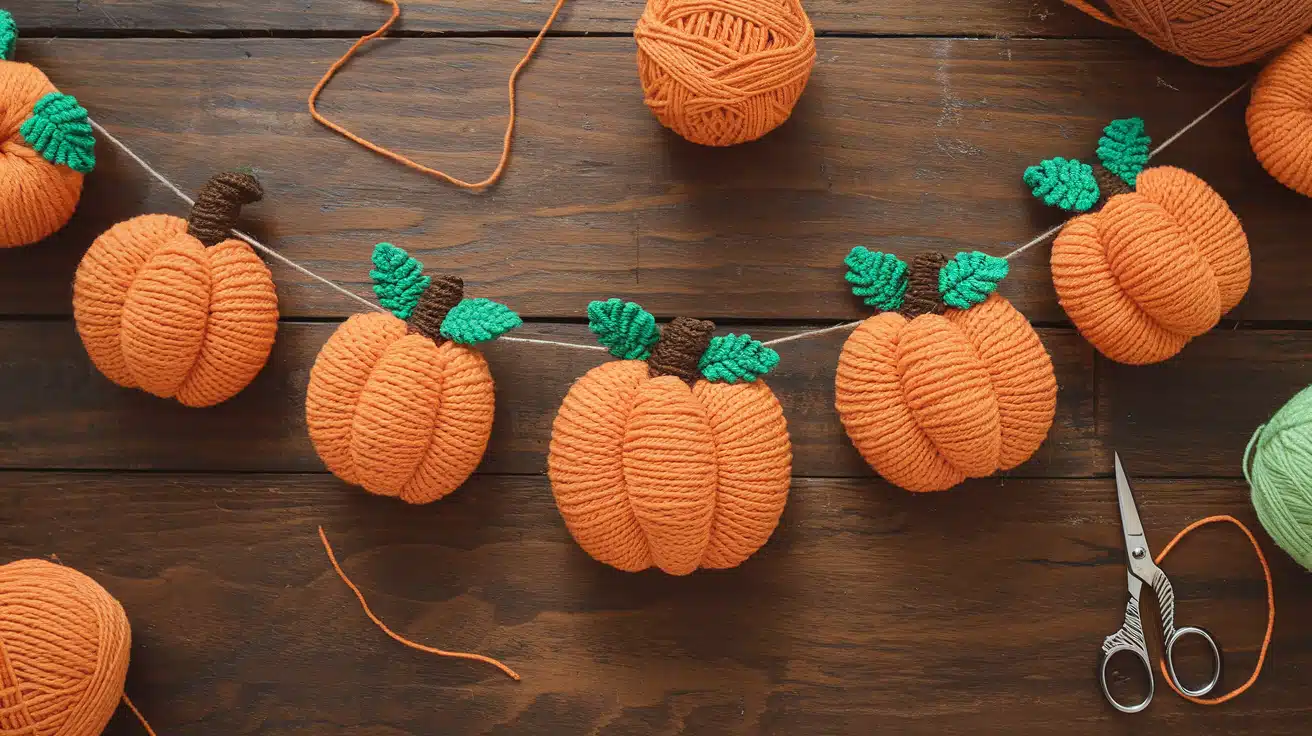
Pumpkin garlands drape across railings and fence lines to extend the theme horizontally. Thread small pumpkins onto sturdy rope with knots between each fruit to maintain spacing. This format works equally well indoors over windows or along stair banisters.
FAQ
How long do carved pumpkins typically last on a covered porch?
Carved pumpkins on covered porches usually remain presentable for five to seven days when temperatures stay below seventy degrees. Daily misting of the cut surfaces and removal of the lid during daylight hours reduces mold growth. Bringing them inside each night adds several extra days of display time.
What size pumpkins work best for indoor mantel displays?
Medium pumpkins between six and nine inches across fit most mantel depths without crowding candles or picture frames. Their weight stays manageable when rearranging and they leave room for smaller accents between larger pieces. Extra-large varieties tend to dominate the entire surface and block heat from fireplaces.
Can I reuse the same pumpkins for multiple seasons?
Foam pumpkins accept new paint layers each year and store compactly in bins when not in use. Natural pumpkins cannot be saved once they begin to soften but their seeds can start next year’s garden patch. Store any intact natural specimens in a cool dry location and inspect weekly for soft spots.
How do I prevent squirrels from damaging porch pumpkins?
Spraying pumpkins with a diluted hot sauce solution creates a taste deterrent that washes away with rain. Placing a few mothballs inside nearby planters adds another layer of scent protection without harming the animals. Checking the display each morning allows quick removal of any nibbled fruit before damage spreads.
The right pumpkin placement turns an ordinary fall setup into a cohesive scene that feels intentional from every angle.
Leave a Reply