

Pumpkin carving night is one of those fall traditions that’s messy in the best way — until you look down and see your hands glowing orange, or you notice the countertop has a permanent reminder of all that scraping and scooping. The culprit is beta-carotene, the same pigment that gives carrots and sweet potatoes their color, and it clings to skin and porous surfaces stubbornly.
The good news is you probably have everything you need to fight it right in your kitchen or bathroom. Here are nine methods that actually work, ranked roughly from gentlest to most heavy-duty.
1. Dish Soap and Warm Water
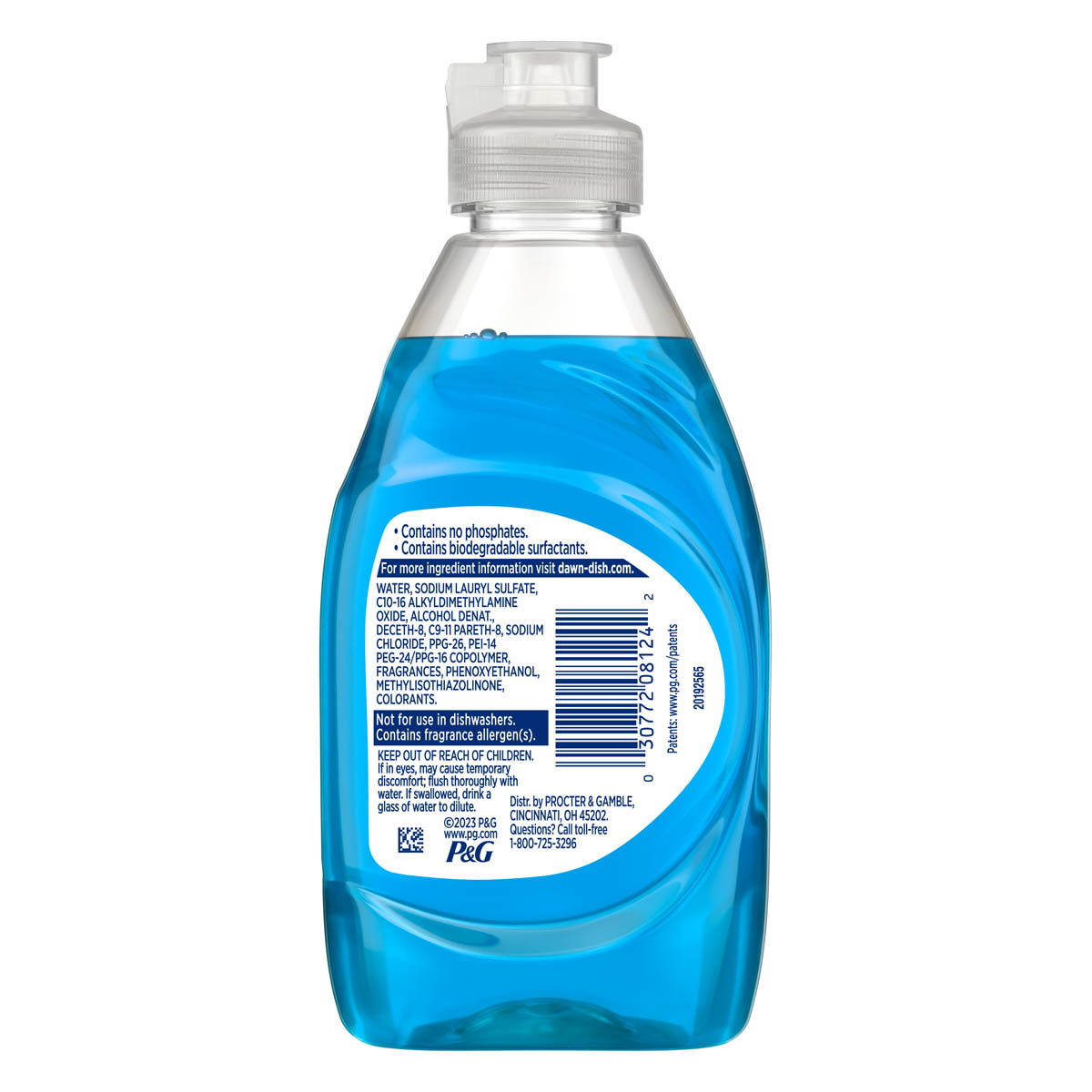
Start here every time. A generous squirt of dish soap — Dawn Ultra is my go-to because it cuts grease and pigment better than most — worked into wet hands with warm water will lift fresh pumpkin stains that haven’t had time to set.
Lather for at least 30 seconds, paying attention to your cuticles and the creases between your fingers where the orange loves to settle. Rinse and repeat if needed.
On countertops, the same dish soap works well on laminate, sealed stone, and solid-surface materials. Wet a soft cloth with warm soapy water, lay it over the stained area for a few minutes to soften the residue, then wipe clean. If the stain is still there, don’t panic — move on to one of the stronger methods below.
2. Baking Soda Paste
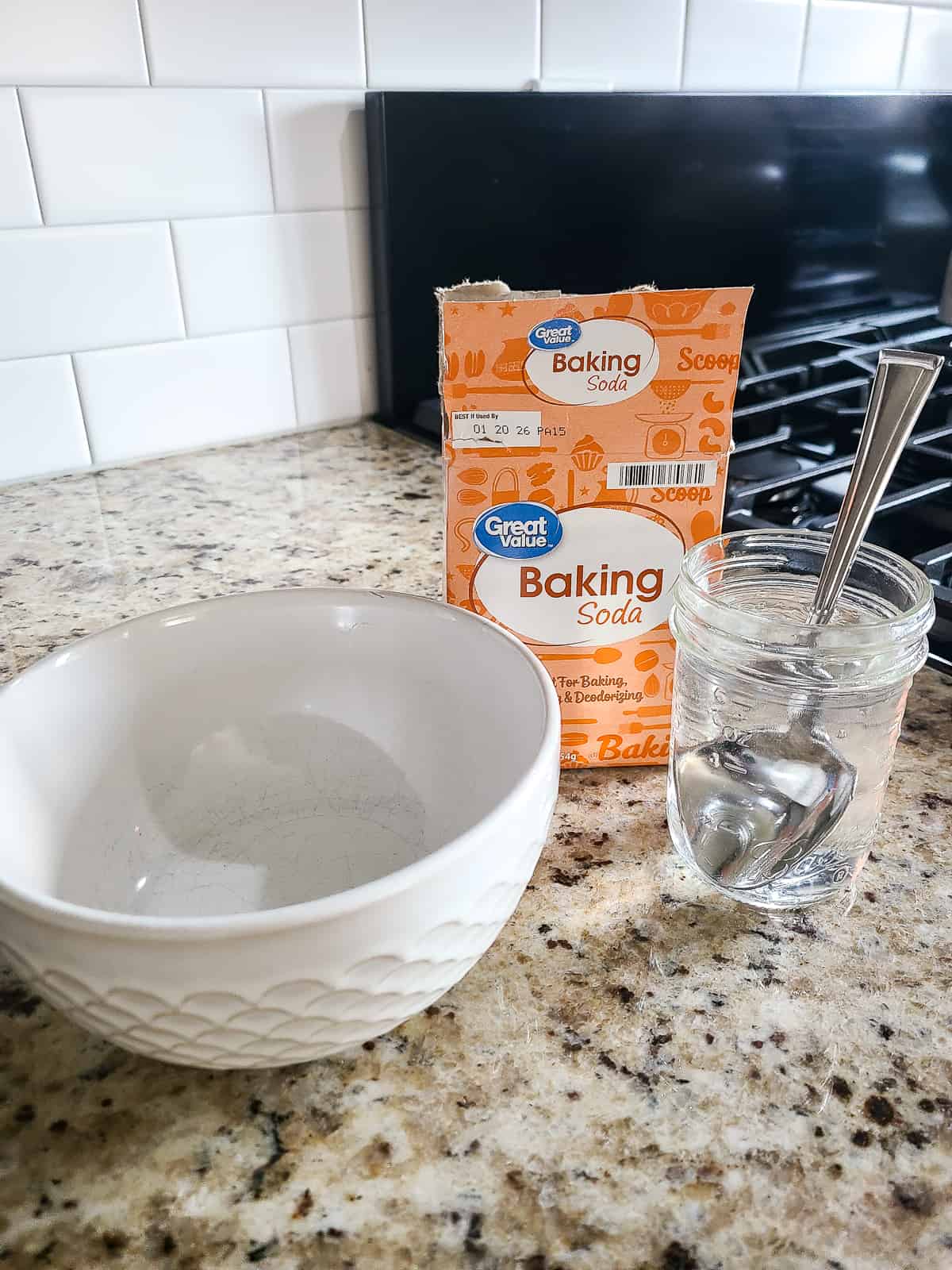
Baking soda is a mild abrasive that’s gentle enough for skin but tough enough to scrub away pigment. Mix three parts baking soda with one part water until you have a thick paste.
Rub it onto stained hands using small circular motions — you’ll feel the slight grittiness working without any harsh chemical sting. Rinse with warm water and moisturize afterward, since baking soda can be a little drying.
For countertops, spread the paste over the stain and let it sit for five to ten minutes before scrubbing with a soft cloth or non-scratch sponge. This works beautifully on laminate, tile, and quartz. On natural stone like marble or granite, test a small hidden area first — baking soda’s alkalinity can dull some sealers if left on too long.
3. Lemon Juice
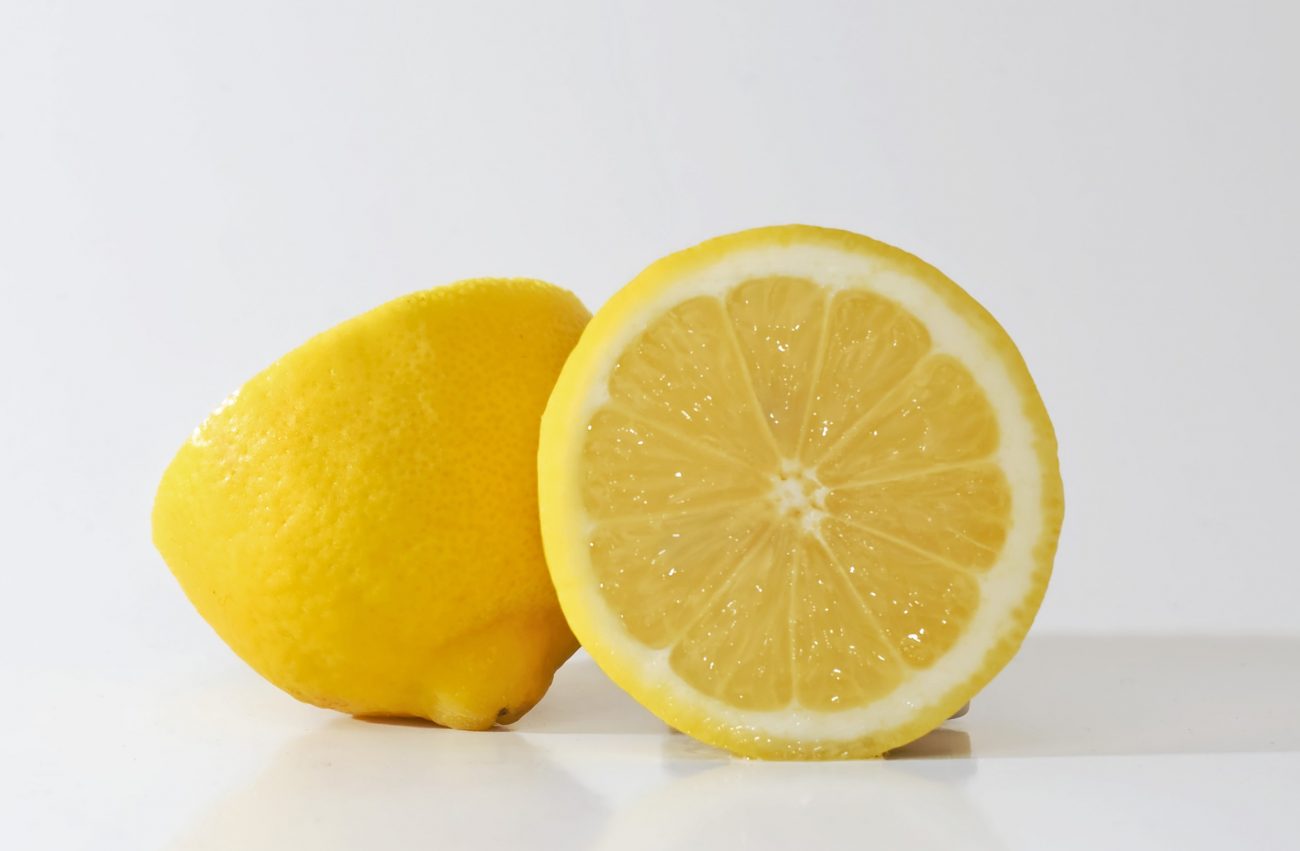
The citric acid in lemon juice acts as a natural bleaching agent on carotenoid stains. Cut a lemon in half and rub it directly on your orange-stained hands, squeezing gently to release the juice as you go.
Let it sit for a minute or two, then scrub and rinse. Your hands will smell fantastic, but if you have any small cuts or hangnails, expect a brief sting.
On countertops, pour or squeeze fresh lemon juice directly onto the stain and let it sit for five minutes before wiping away. This is especially effective on lighter surfaces. Avoid using lemon on marble or unsealed natural stone — the acid can etch the surface and cause more damage than the pumpkin stain ever would.
4. White Vinegar Spray
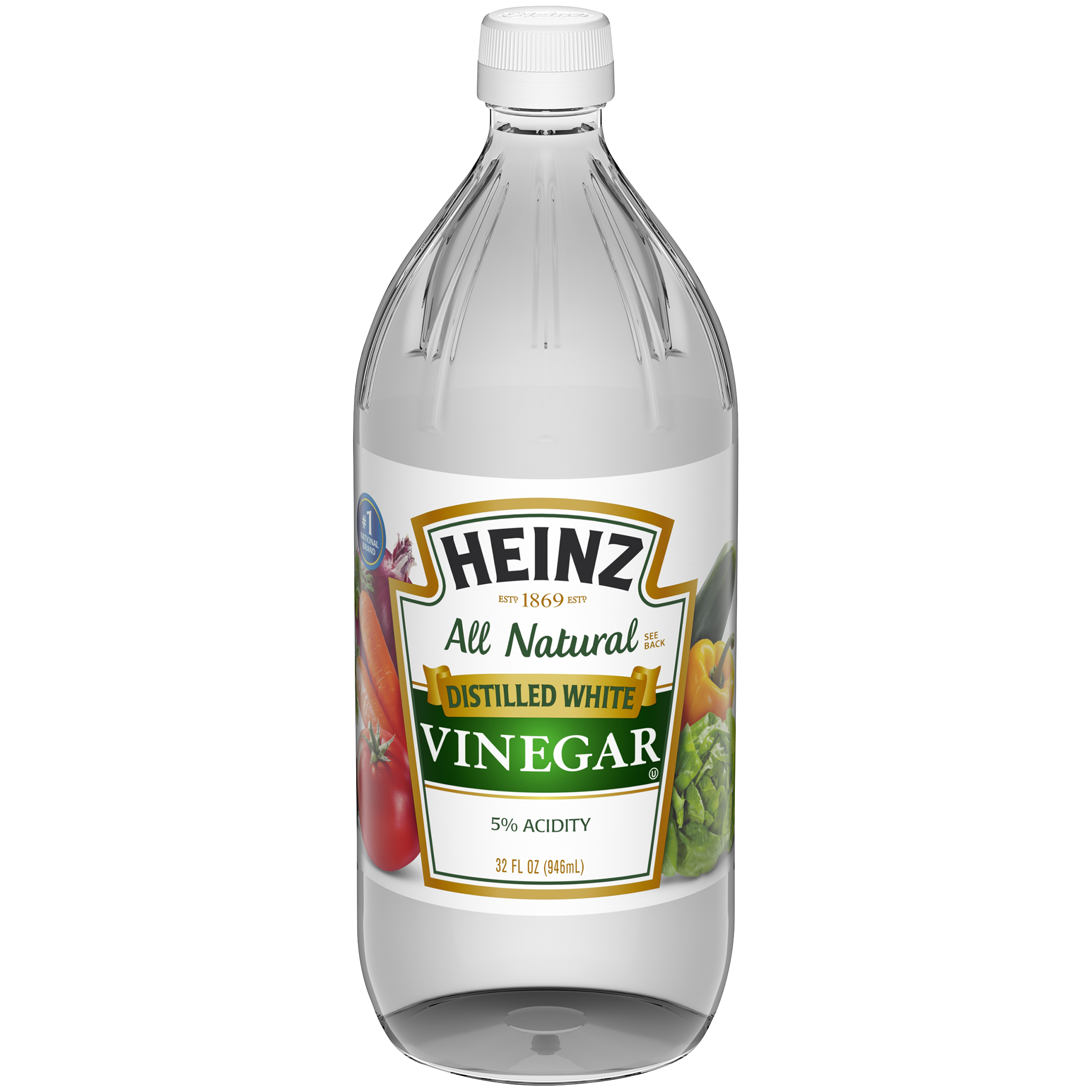
White vinegar works on the same acidic principle as lemon juice, but it’s easier to spray across a larger area and you probably already have a bottle under the sink. Pour undiluted white vinegar into a spray bottle, spritz the stained countertop, and let it sit for three to five minutes.
Wipe clean with a damp cloth, and the orange should come right up. For hands, soak a paper towel or washcloth in vinegar and press it against the stain for a couple of minutes before washing with soap and water.
One heads-up: vinegar has a strong smell that lingers. Open a window or turn on your range hood while you’re working. The scent dissipates within an hour, but it’s noticeable in the moment.
5. Oil and Sugar Hand Scrub
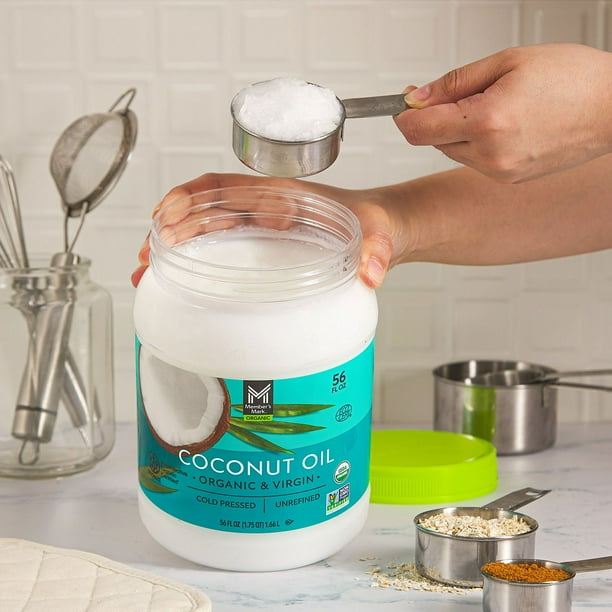
This one’s my personal favorite for hands because it’s effective and leaves your skin feeling soft instead of stripped. The oil dissolves the beta-carotene pigment (carotenoids are fat-soluble, which is the whole reason they stain in the first place), and the sugar granules provide physical exfoliation to slough off the discolored top layer of skin. Mix equal parts oil and granulated sugar, rub the paste over your hands for a minute or two, then wash off with dish soap and warm water.
Your options for oils and exfoliants:
- ✦Coconut oil + white sugar — smells great, solid at room temperature so you get a thicker scrub
- ✦Olive oil + brown sugar — softer granules, better for sensitive skin
- ✦Vegetable oil + fine salt — more abrasive, good for really stubborn stains
This method is hands-only. Oil on a countertop, especially natural stone, can leave its own stain, so stick to the other methods for surfaces.
6. Rubbing Alcohol or Hand Sanitizer
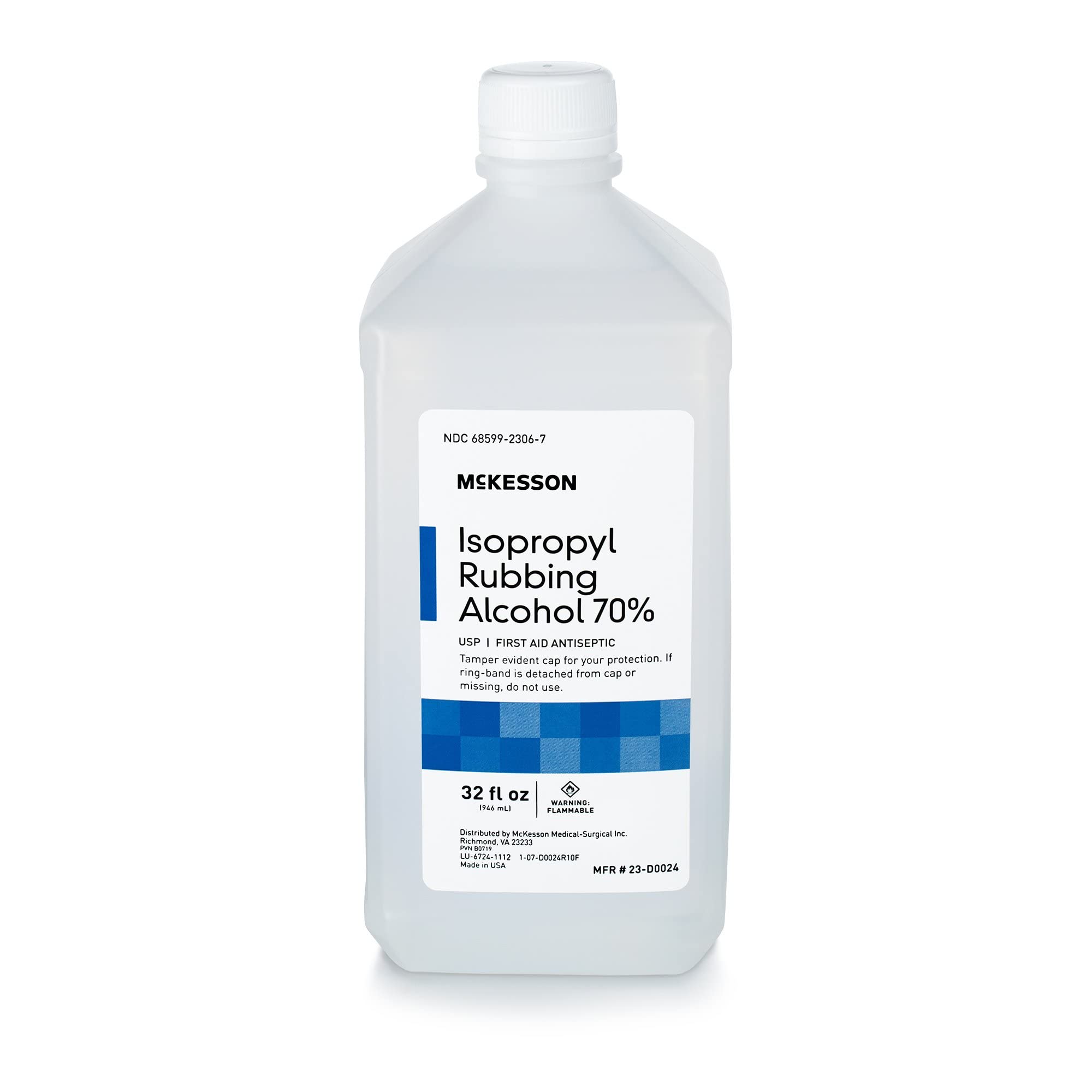
Rubbing alcohol (isopropyl, 70% or 91%) is a solvent that breaks down the pigment quickly. Pour a little onto a cotton ball or paper towel and rub it over stained skin.
You’ll see the orange transfer to the cotton almost immediately. Follow up with soap and water and a good moisturizer, since alcohol dries out skin fast.
Gel hand sanitizer works in a pinch too — the alcohol content does the same job, and you likely have some in your bag or car. Squeeze a generous amount onto your palms, rub it around like you’re sanitizing, and let it sit for 30 seconds before rinsing.
On countertops, dab rubbing alcohol onto the stain with a cloth and wipe clean. It’s safe for most hard surfaces including laminate, tile, and stainless steel, but avoid it on painted or lacquered surfaces where it could strip the finish.
Will rubbing alcohol damage my granite countertop?
At 70% concentration, rubbing alcohol is generally safe for sealed granite when wiped on and rinsed off promptly. Don’t let it pool or sit for extended periods, and avoid using it as a daily cleaner. If your granite seal is wearing thin, stick with dish soap and water instead.
7. Non-Gel Toothpaste
The mild abrasives in white (non-gel) toothpaste work similarly to baking soda paste, but the toothpaste has a thicker consistency that clings to skin better. Squeeze a pea-sized amount onto your palm, add a few drops of water, and rub your hands together like you’re washing them — focus on the orange-est areas.
The silica particles in the toothpaste gently polish away the stained skin cells. Rinse thoroughly.
This is strictly a hands trick. Toothpaste can scratch or dull sensitive countertop surfaces, so keep it off your counters.
8. Magic Eraser for Countertops
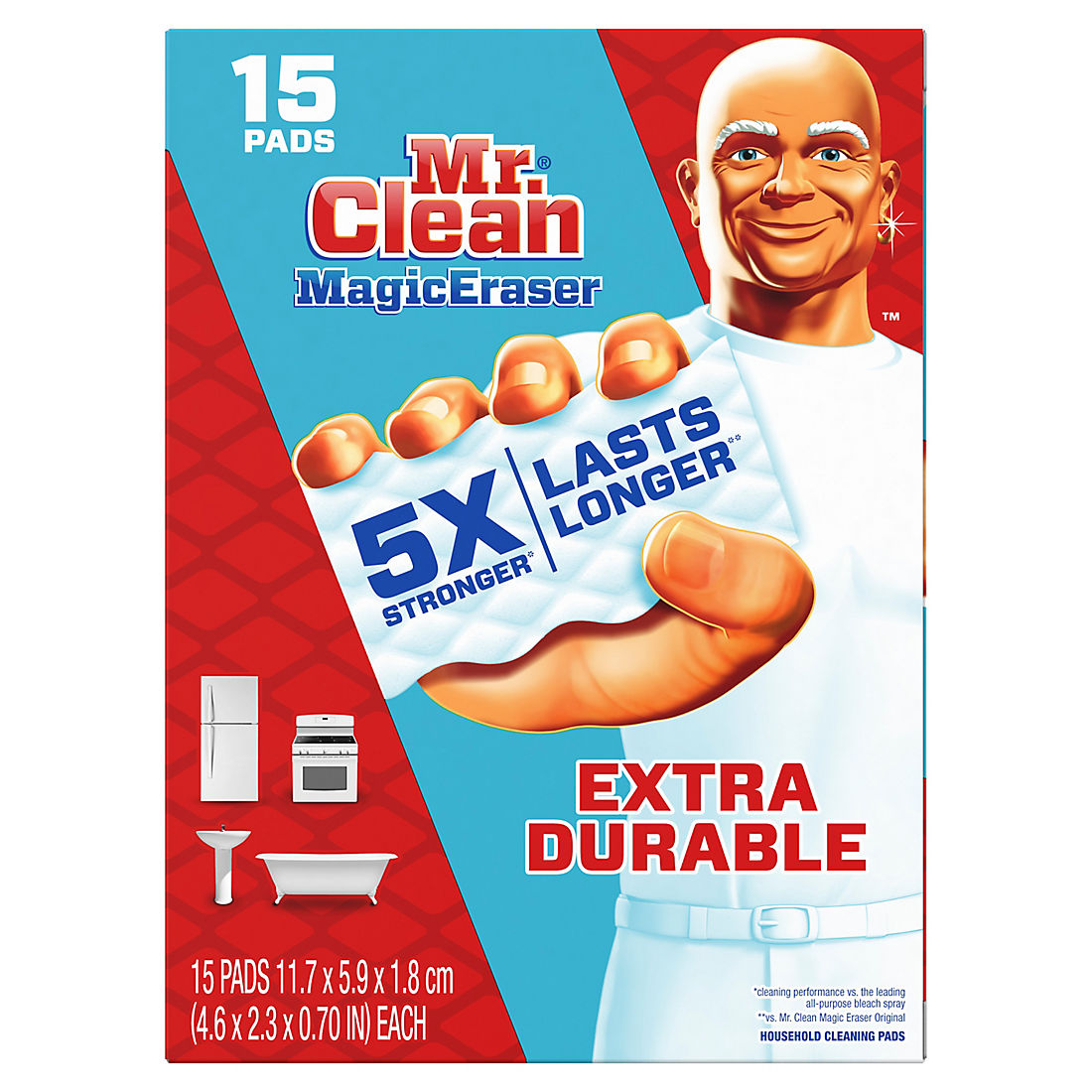
Mr. Clean Magic Eraser — the white melamine foam sponge — is surprisingly effective on pumpkin stains, especially on smooth, non-porous countertops like laminate, Corian, or solid-surface materials. Wet the sponge, squeeze out the excess water, and gently scrub the stained area in small circles. The micro-abrasive foam lifts the pigment without any chemicals at all.
A couple of cautions: Magic Erasers are more abrasive than they feel. On glossy or polished surfaces, they can leave a dull spot if you scrub too aggressively.
Test on an inconspicuous corner first, use light pressure, and don’t rely on them for natural stone, stainless steel, or anything with a high-gloss finish. The sponge also wears down as you use it — have a second one handy if the stain covers a large area.
9. Bleach-Based Cleaner for Stubborn Countertop Stains
When nothing else touches the stain — usually because it’s been sitting overnight or longer — a bleach-based cleaner is your nuclear option. This only applies to non-porous, light-colored countertops like white laminate, solid surface, or tile. Never use bleach on natural stone, wood butcher block, or dark-colored surfaces where it can discolor or damage the finish.
Spray the bleach cleaner directly onto the stain, let it sit for two to three minutes, then wipe clean with a damp cloth. Rinse the area thoroughly afterward to remove any residue, which can irritate skin and dull finishes over time. Open a window for ventilation.
Your product options:
- ✦Clorox Clean-Up spray — convenient spray nozzle, strong concentration
- ✦Diluted liquid bleach (1 tablespoon per quart of water) — cheaper, works just as well
- ✦Bleach-based wipes — easiest for small spots, no dripping
FAQ
Do pumpkin stains on hands go away on their own?
They do, eventually. Beta-carotene fades as your skin naturally exfoliates over two to three days. Washing your hands frequently speeds things up, but if you want them gone immediately — say, you have work the next morning — the oil scrub or baking soda paste will get you there fastest.
Can pumpkin stains permanently damage countertops?
On most sealed, non-porous surfaces like laminate, quartz, and solid surface, no. Even stubborn stains will come out with the right cleaner and a little patience.
On porous or unsealed surfaces like marble, concrete, or butcher block, pumpkin pulp can seep in and leave a lasting mark if it’s not cleaned promptly. Wipe up pumpkin messes as soon as you spot them.
How do you get pumpkin stains out of clothes?
Rinse the stain under cold water as soon as possible, then apply a pre-treat stain remover like OxiClean MaxForce or Shout directly to the spot. Let it sit for fifteen minutes, then launder in the warmest water the fabric allows. Check that the stain is completely gone before putting the item in the dryer — heat sets stains permanently.
Is it safe to use vinegar on quartz countertops?
Yes, but sparingly. Quartz is engineered with resin binders that can be dulled by repeated exposure to strong acids.
A one-time vinegar spray to remove a pumpkin stain is fine — just wipe it off within five minutes and rinse with water. Don’t make vinegar your everyday quartz cleaner.
Fall is pumpkin season, and a little orange on your hands is practically a badge of honor. But between these nine methods, you’ve got options for every surface and every level of staining — from a quick soap-and-water wash to a full bleach treatment for that stain you forgot about three days ago. Keep a lemon and a box of baking soda within reach this October, and you’ll be ready for whatever your pumpkin throws at you.
Leave a Reply