
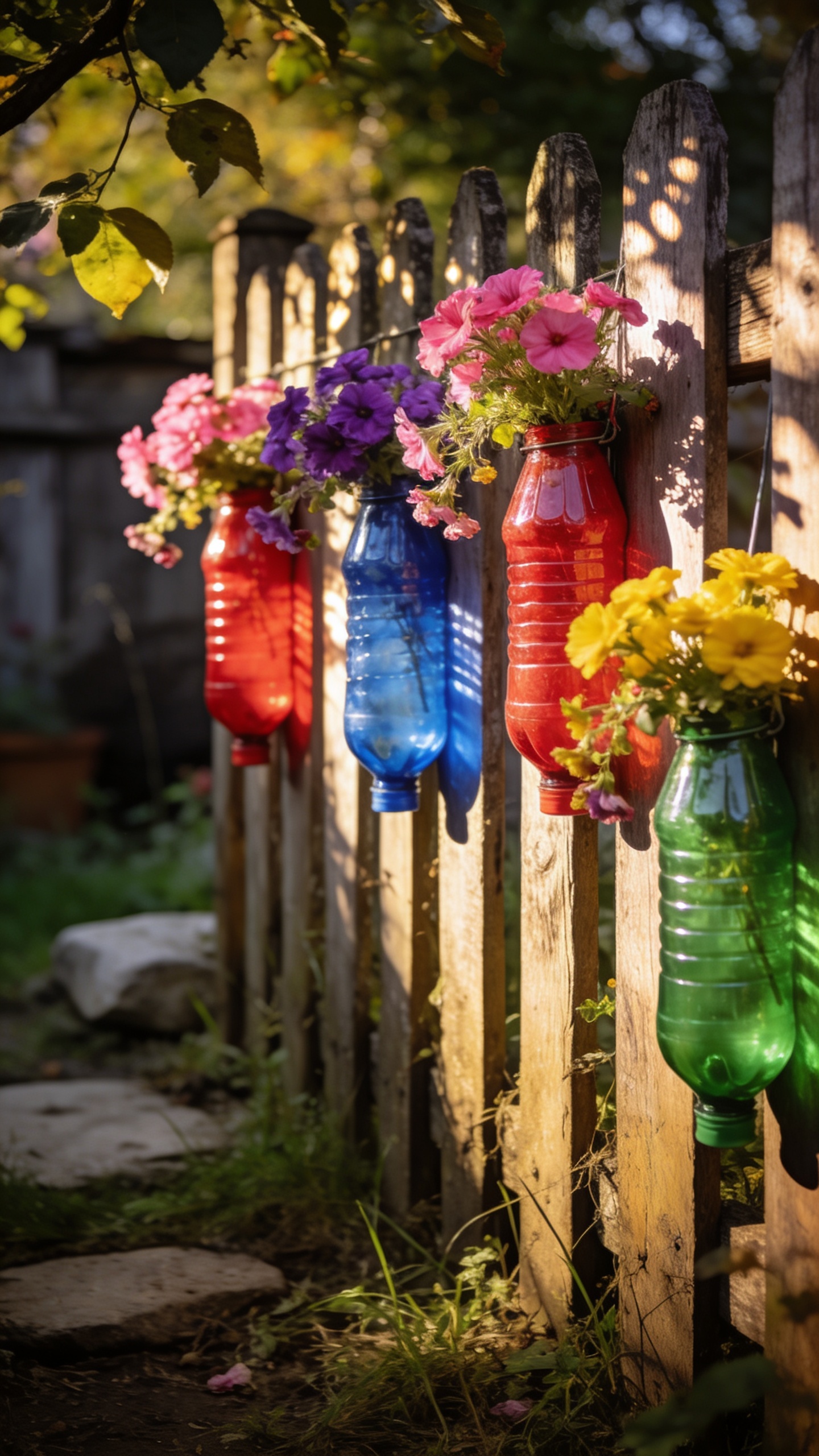
Plastic bottle planters let you reuse everyday containers to grow flowers, herbs, and vegetables in tight garden corners or on small balconies. They adapt easily to vertical walls, railings, and tabletops while keeping costs low and drainage simple.
Vertical Wall-Mounted Bottle Rows
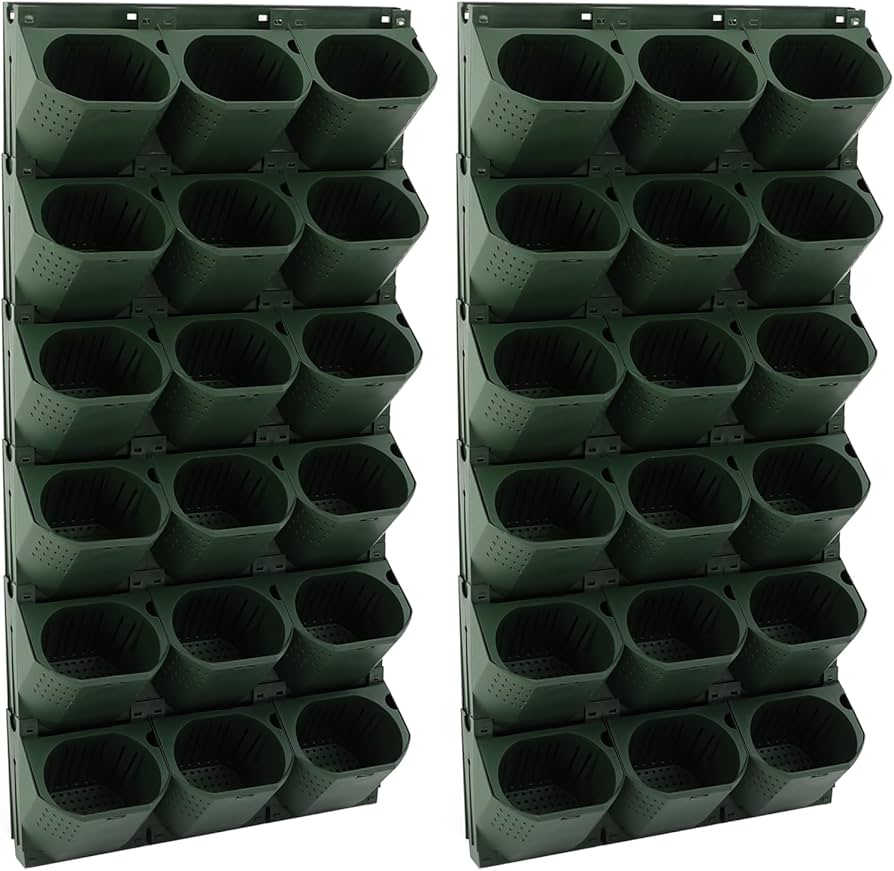
These run along fences or exterior walls in neat horizontal lines. The bottles sit side by side so roots have room to spread while the wall itself stays protected.
A quick comparison shows they take up almost no floor space compared with traditional pots.
Styling note: Match bottle colors to your wall paint for a clean built-in look, or leave them clear to show soil layers.
Hanging Bottle Planters
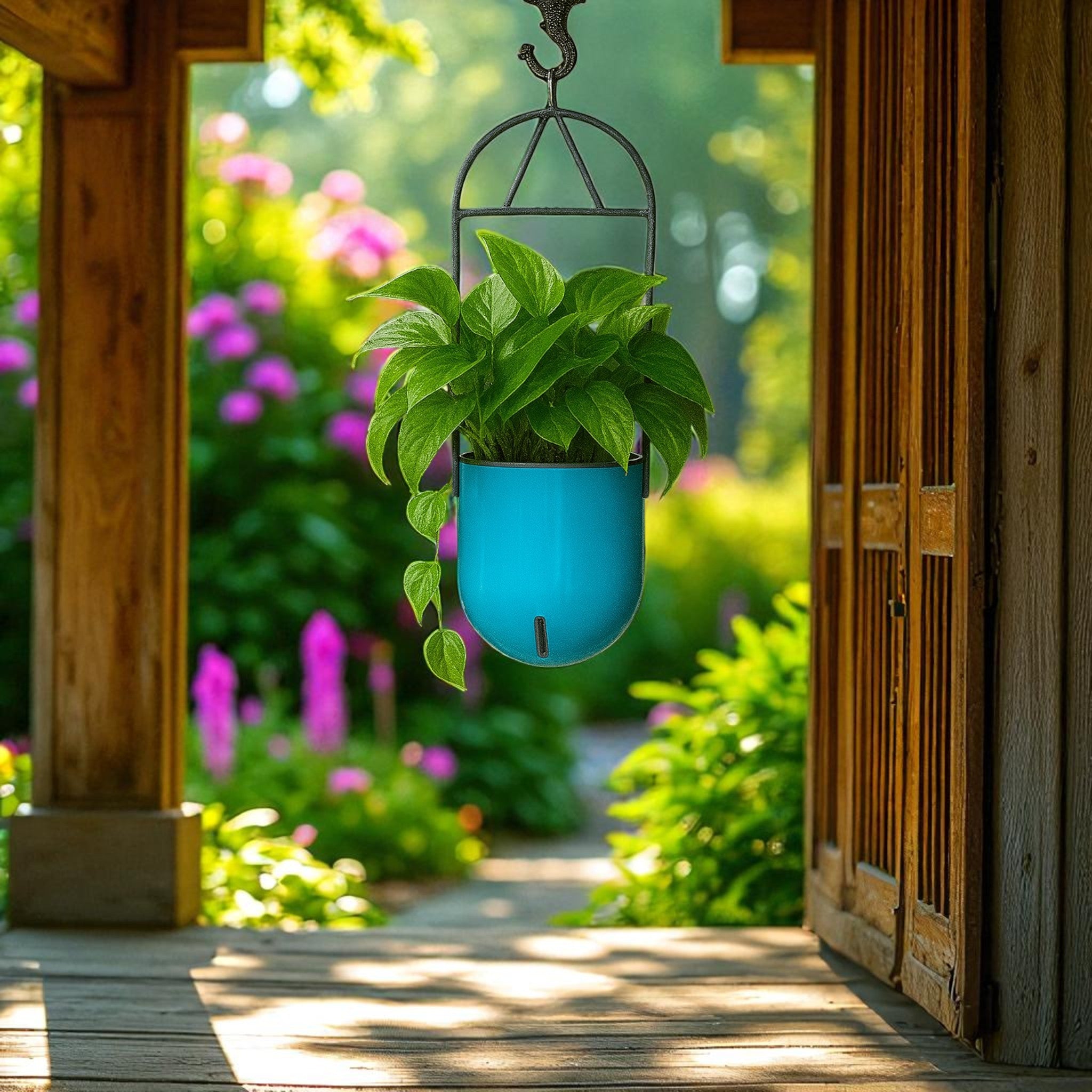
Suspended from balcony ceilings or pergola beams, these swing gently and free up every surface below. Choose shorter bottles for herbs that need frequent picking and taller ones for trailing vines. They work especially well where cats or children might knock over ground-level pots.
Self-Watering Bottle Planters
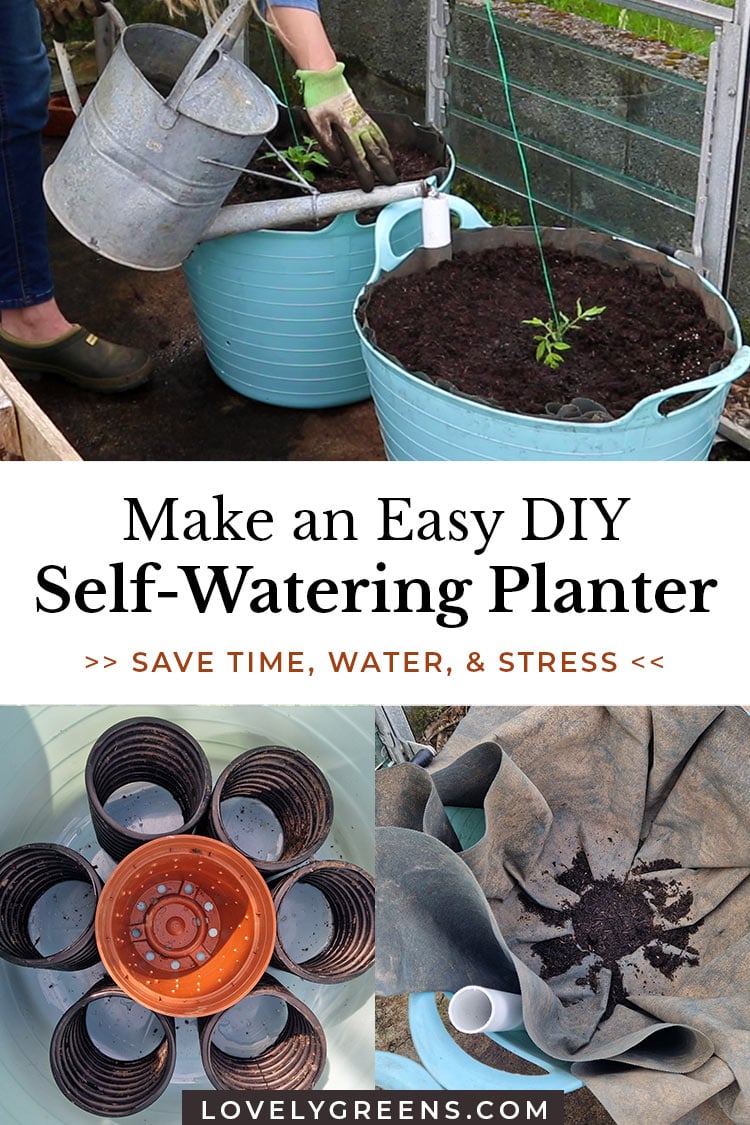
A reservoir at the base keeps soil moist longer, which suits busy schedules or hot balconies. The design reduces daily watering checks without fancy equipment. Many gardeners pair these with moisture-loving plants like ferns or leafy greens.
Tiered Bottle Planter Stands
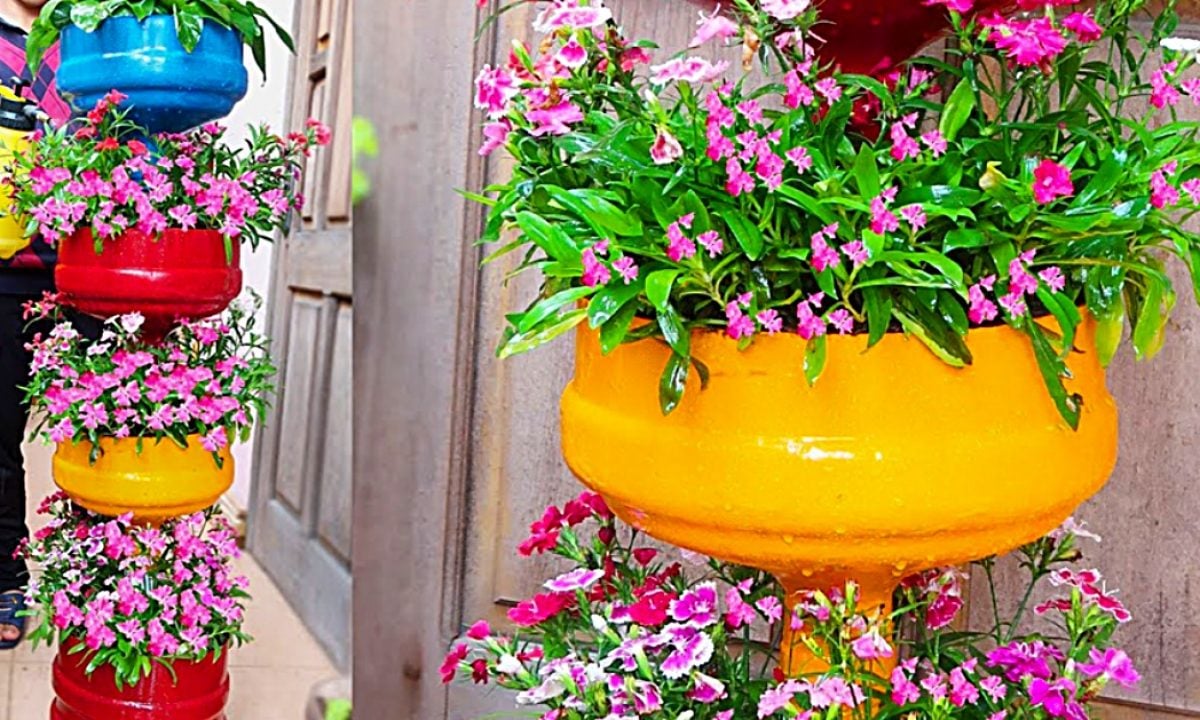
Stacked levels create height without permanent shelving. The top tier catches the most sun while lower levels stay cooler for shade-tolerant plants. A small table or crate underneath turns the whole tower into a focal point.
Painted and Stenciled Bottle Pots
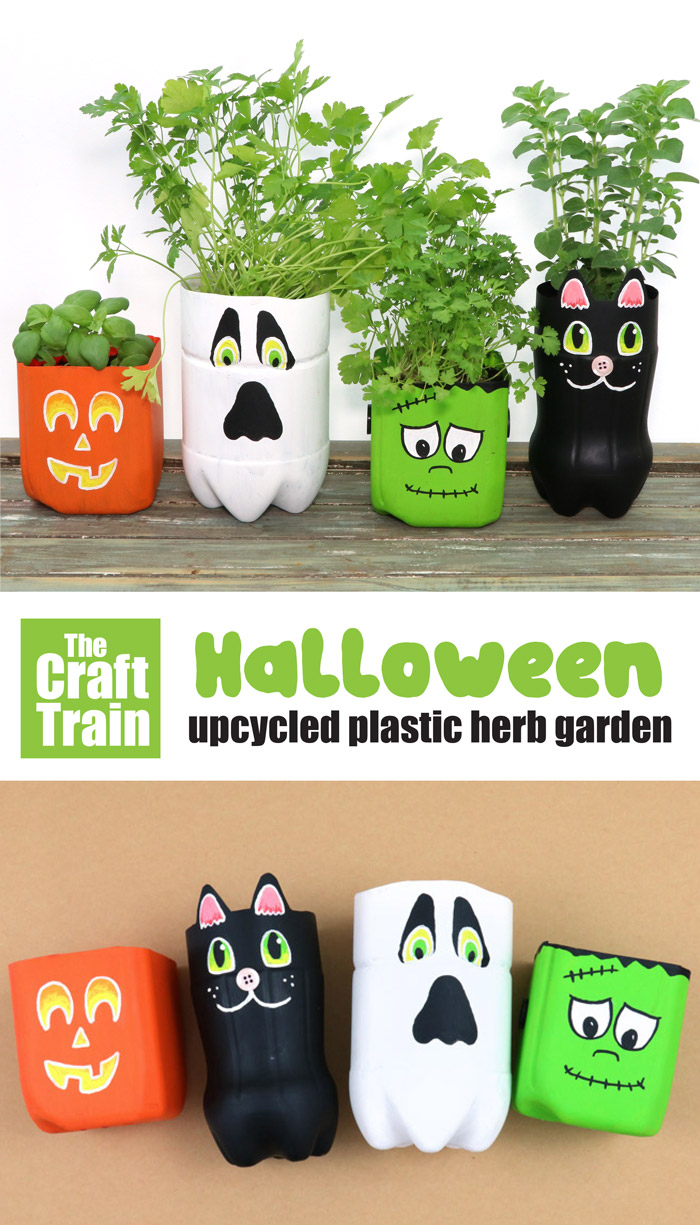
A coat of outdoor paint transforms plain bottles into coordinated accents that match cushions or railings. Stencils add patterns that read clearly from a distance. Keep one or two bottles unpainted so the original plastic shows through for contrast.
Succulent Bottle Gardens
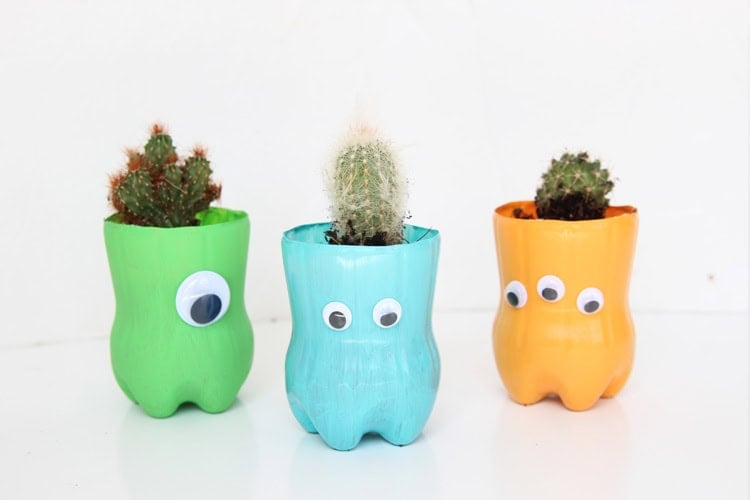
Small openings work perfectly for rosette succulents that dislike wet roots. The narrow necks limit soil volume, so excess water drains fast. Group several bottles together on a tray to create a miniature desert display.
Herb Bottle Planters on Windowsills
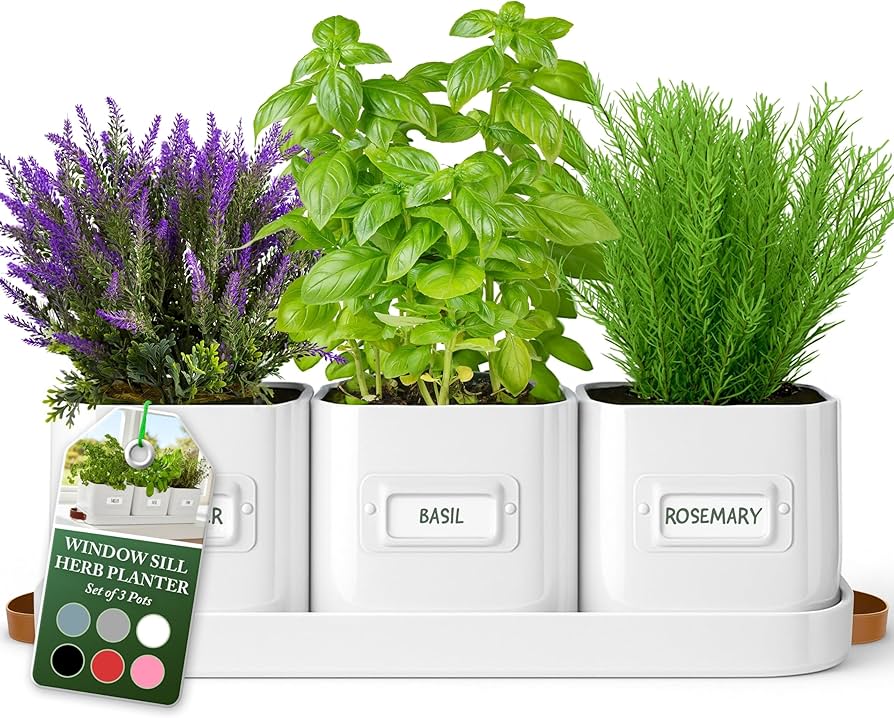
Narrow bottles line up along the ledge without blocking light. Basil, chives, and mint stay within arm’s reach for cooking. Rotate the bottles every few days so each plant receives even sun.
Fence-Attached Bottle Rows
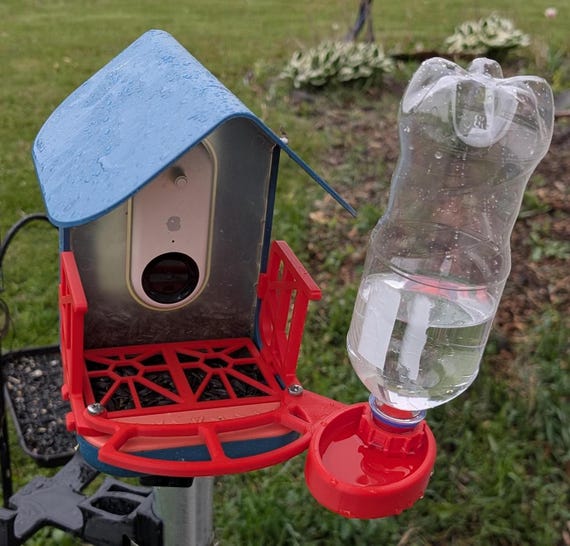
Wired or screwed directly onto wooden or chain-link fences, these turn boundary lines into productive growing space. The fence provides built-in support so heavier vegetables like cherry tomatoes can climb without extra trellises.
Upside-Down Bottle Planters
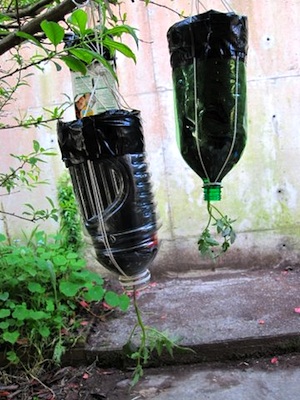
Flipped bottles with plants emerging from the neck create an unexpected silhouette. The inverted shape improves airflow around leaves and keeps soil from splashing during heavy rain. These suit compact balconies where every inch of headroom matters.
Bottle Planter Towers
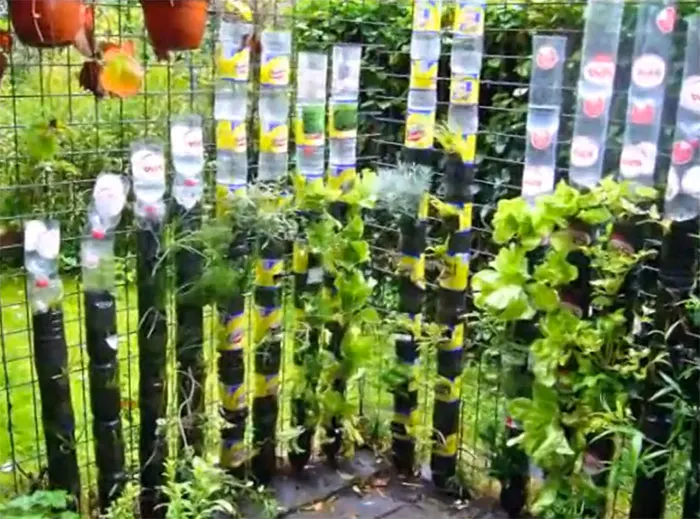
Multiple bottles stacked inside a simple frame form a living column. The structure channels water from top to bottom, so one watering session reaches every level. Many gardeners use these for strawberries or compact lettuces.
Recycled Bottle Balcony Rail Planters
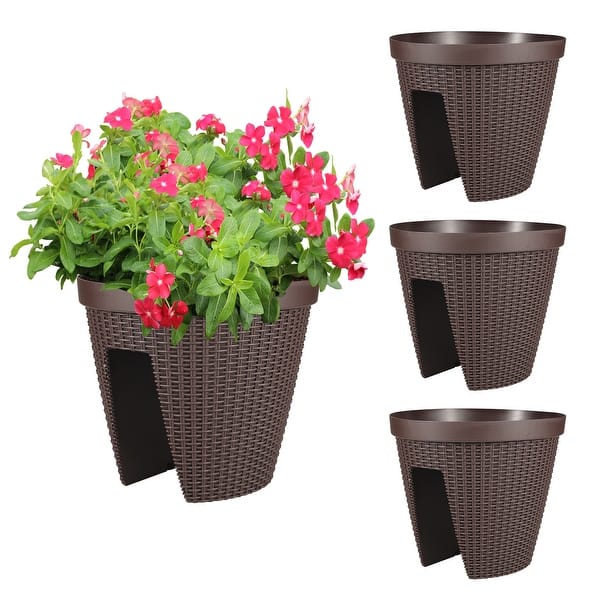
Bottles clipped or tied along the railing edge stay stable even on windy days. The height keeps plants away from curious pets while still catching good light. Clear bottles let you monitor root health without lifting anything.
Colorful Bottle Planter Clusters
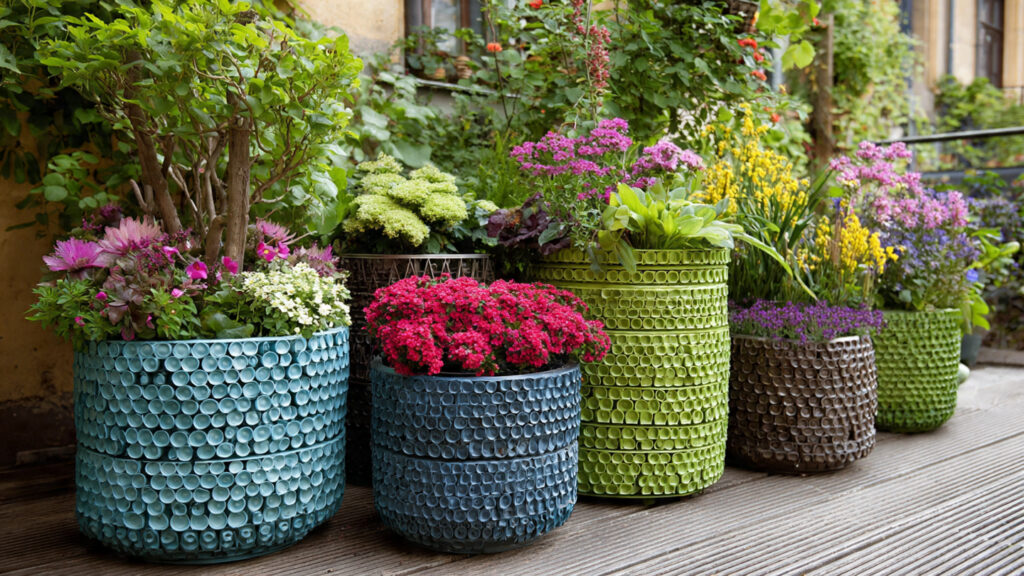
Grouped in odd numbers on the floor or low table, these create instant color blocks. Mix bottle sizes within the cluster so the arrangement feels natural rather than rigid. Bright annuals planted in each bottle keep the look seasonal and changeable.
Mini Greenhouse from Bottles
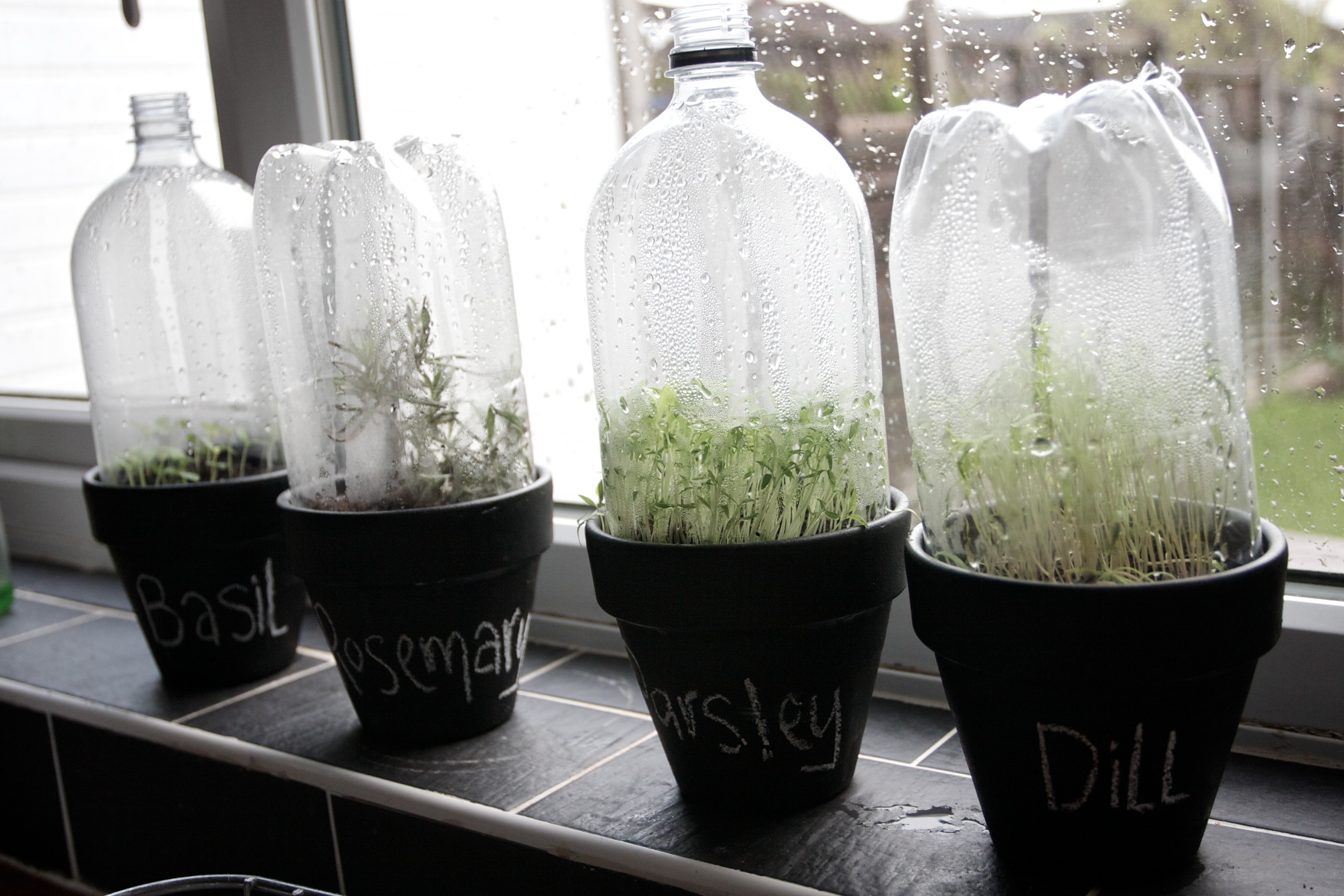
Cut and reassembled bottles form small domes that trap warmth for seedlings. The transparent plastic lets light through while shielding young plants from late frosts. Move the domes aside once temperatures rise.
Bottle Planters with Built-In Drainage
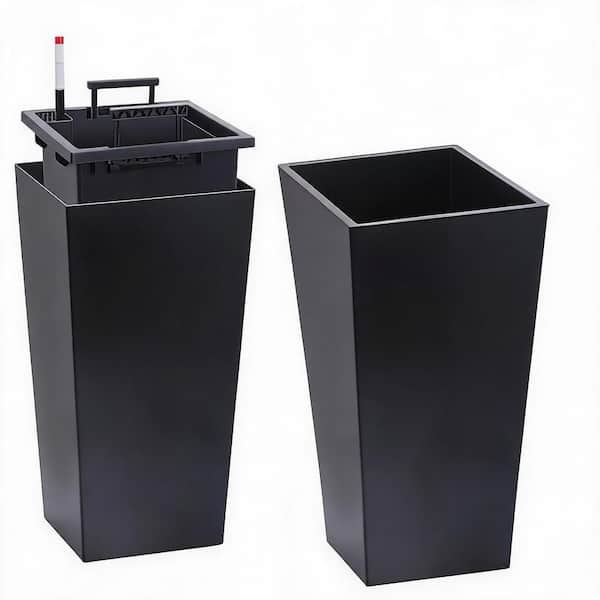
Small holes drilled near the base prevent root rot in rainy climates. The same feature works indoors when bottles sit on saucers. Choose coarser potting mixes that drain quickly to match the container size.
Themed Bottle Planter Arrangements
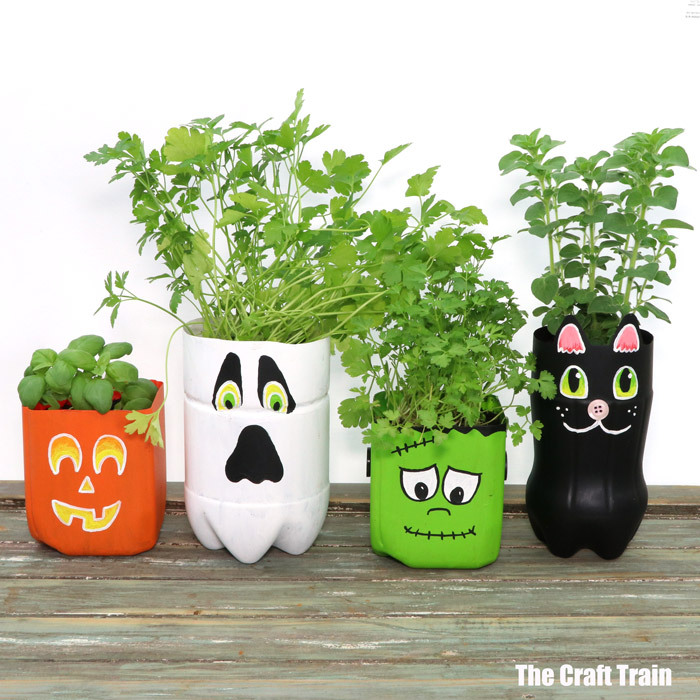
A single color palette or plant family ties scattered bottles into one story. All-white blooms in matching painted bottles feel calm, while a salsa garden of tomatoes, peppers, and cilantro feels purposeful. Rearrange the group as plants mature or seasons shift.
FAQ
How long do plastic bottle planters last outdoors?
Most food-grade bottles hold up for two to three seasons before UV light makes them brittle. Painting the exterior adds extra protection.
Which plants grow best in these containers?
Compact varieties with shallow roots—herbs, lettuces, pansies, and succulents—adapt fastest. Larger vegetables need the biggest bottles and frequent feeding.
Do I need to clean the bottles first?
A quick rinse removes residue. Avoid harsh soaps that might linger in the soil.
Can these planters sit directly on wooden decks?
Add a waterproof tray or saucer underneath to prevent moisture rings. Raising them on small blocks improves airflow.
Are plastic bottle planters safe for edible plants?
Use bottles that once held water or juice. Avoid containers that held chemicals or strong cleaners.
Plastic bottle planters turn everyday waste into growing space that fits almost anywhere. Start with one or two setups this weekend and watch how quickly your garden or balcony fills with green.
Leave a Reply