
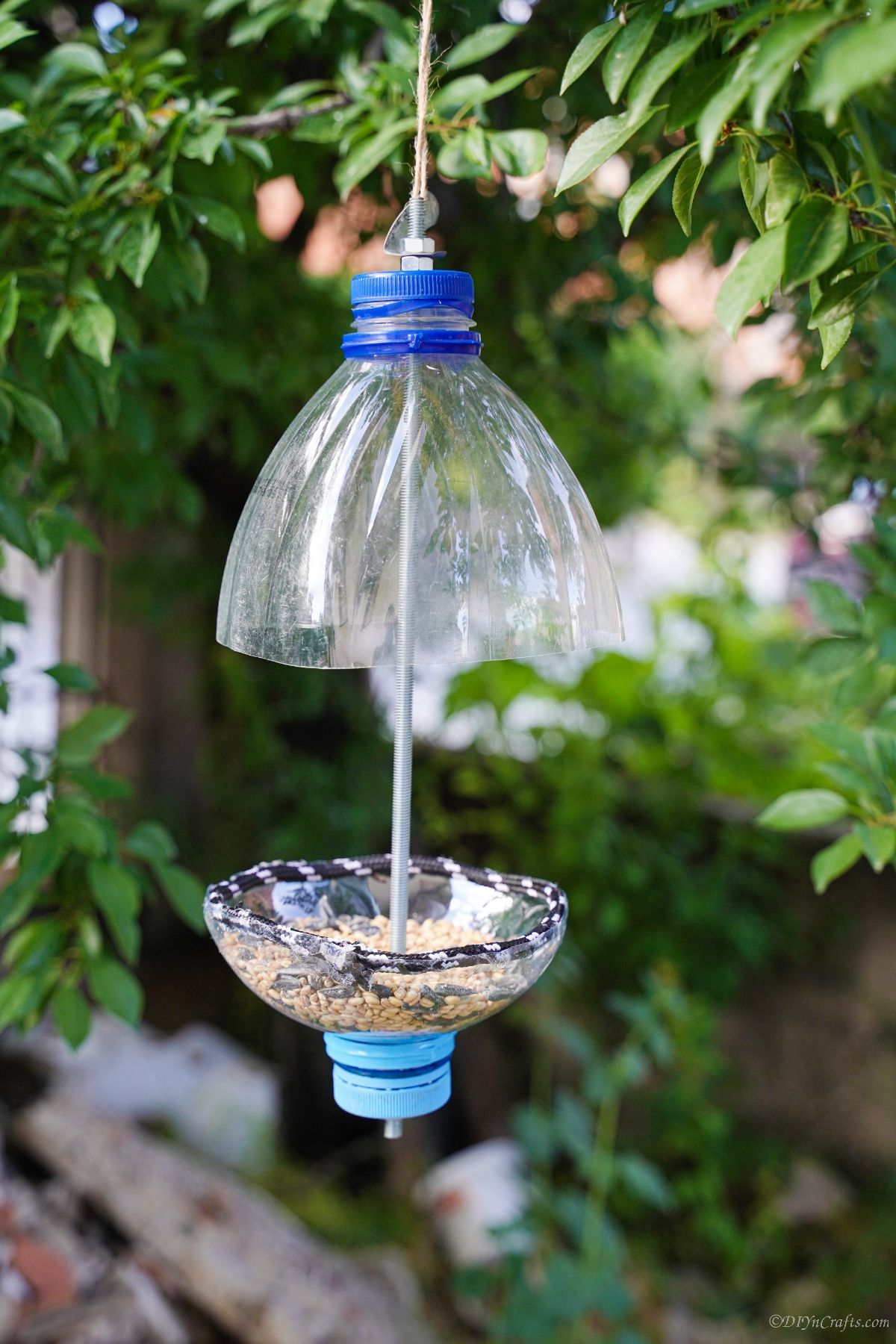
Plastic bottle bird feeders turn everyday recyclables into reliable garden feeding stations that draw in local songbirds. Each variation uses the bottle’s shape and durability to hold seed while adding perches, covers, or access points that match different bird sizes and garden layouts. These designs keep seed dry, reduce waste, and let you experiment with placement without buying new equipment.
Basic Bottle Feeder with Perches
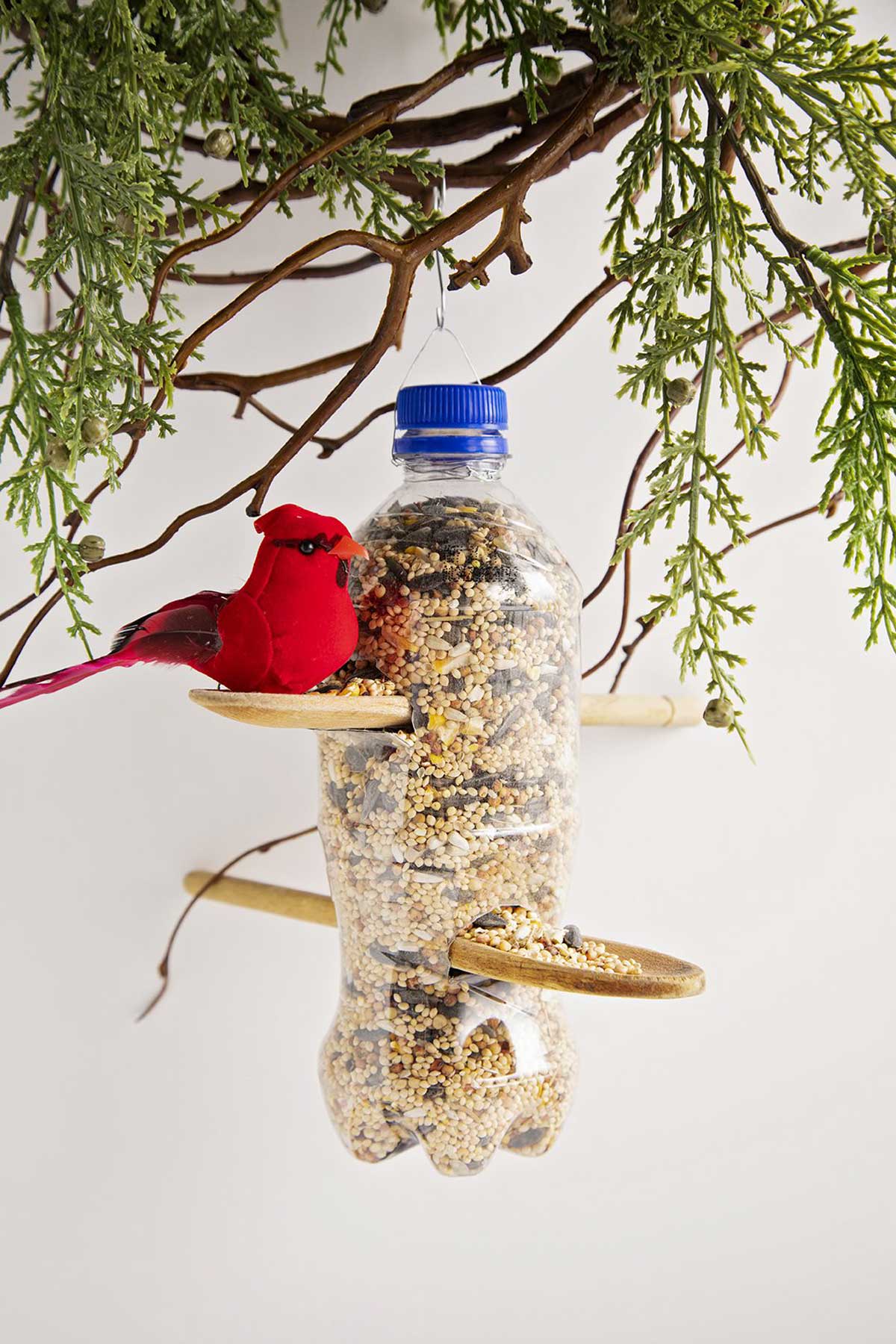
A straightforward single-bottle setup works well for beginners who want quick results. Cut two small holes opposite each other near the base and slide a wooden dowel through to create stable perches. Fill the bottle with a mixed seed blend and hang it from a tree branch or shepherd’s hook so the feeding ports sit at eye level for most small birds.
This version keeps construction minimal while still protecting seed from rain. The dowel gives birds a place to rest instead of clinging directly to the plastic, which reduces fatigue during longer visits. Position the feeder near shrubs so birds have quick cover if a predator appears.
Double Bottle Feeder
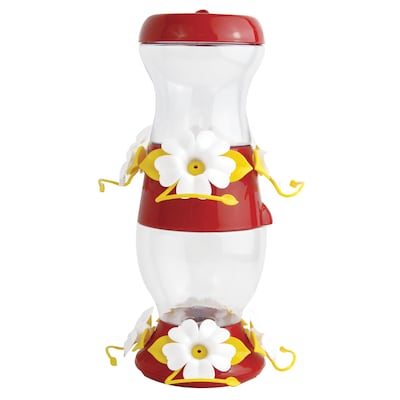
Two bottles joined at the shoulder create extra capacity for high-traffic gardens. One bottle serves as the seed reservoir while the second acts as a covered extension that slows seed flow. Connect them with a short length of PVC pipe or strong zip ties so seed moves between sections without spilling.
The added volume means fewer refills during peak feeding months. Birds can access ports on both bottles at once, which works well when flocks arrive together. Keep the connection point tight to prevent leaks during heavy rain.
Bottle Feeder with Tray Base
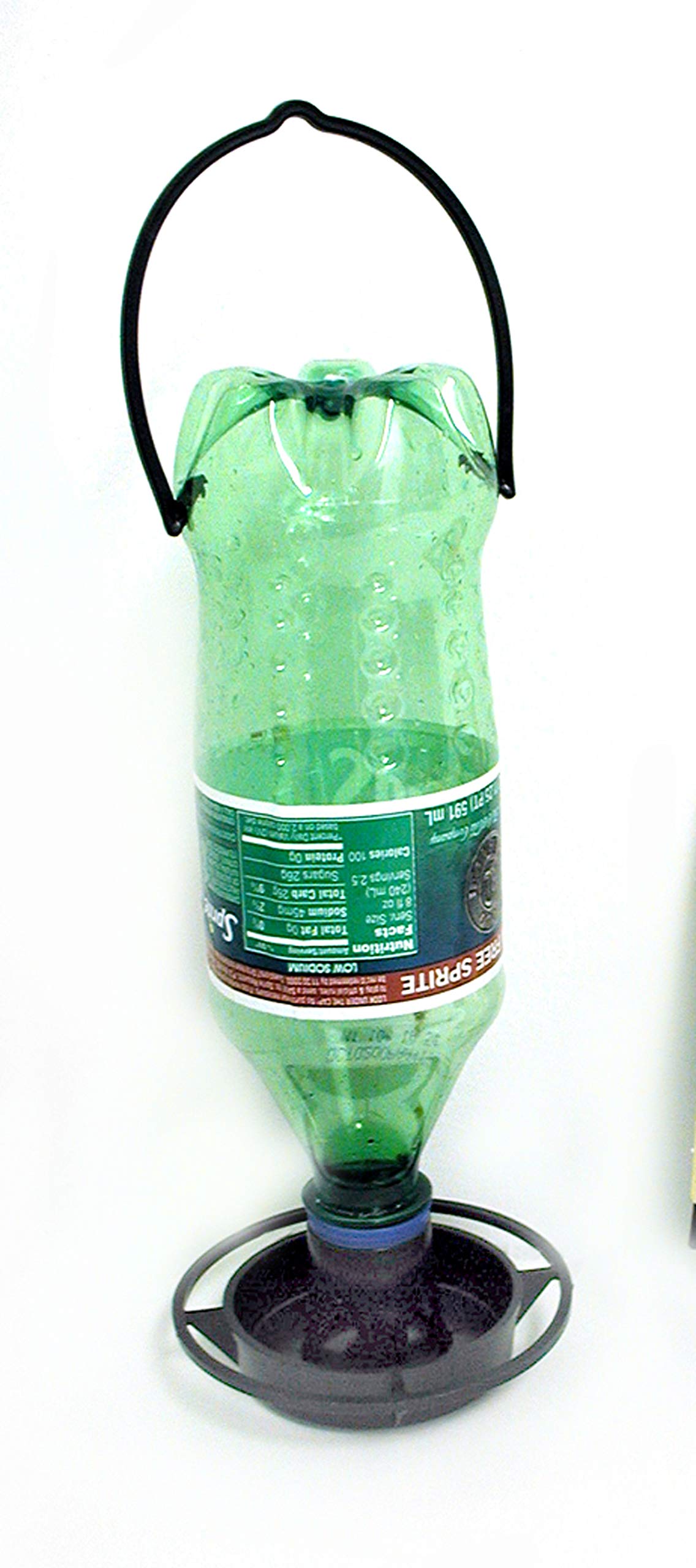
A shallow tray attached beneath the bottle catches fallen seed and gives ground-feeding birds a platform. Use a plastic plant saucer or cut the bottom from a larger bottle to form the tray. Secure it with screws or strong adhesive so it stays level even when full.
The tray reduces seed waste on the ground and keeps the area cleaner. Larger birds that cannot balance on thin perches now have space to feed comfortably. Empty the tray weekly to avoid mold buildup from damp seed.
Hanging Rope Style Feeder
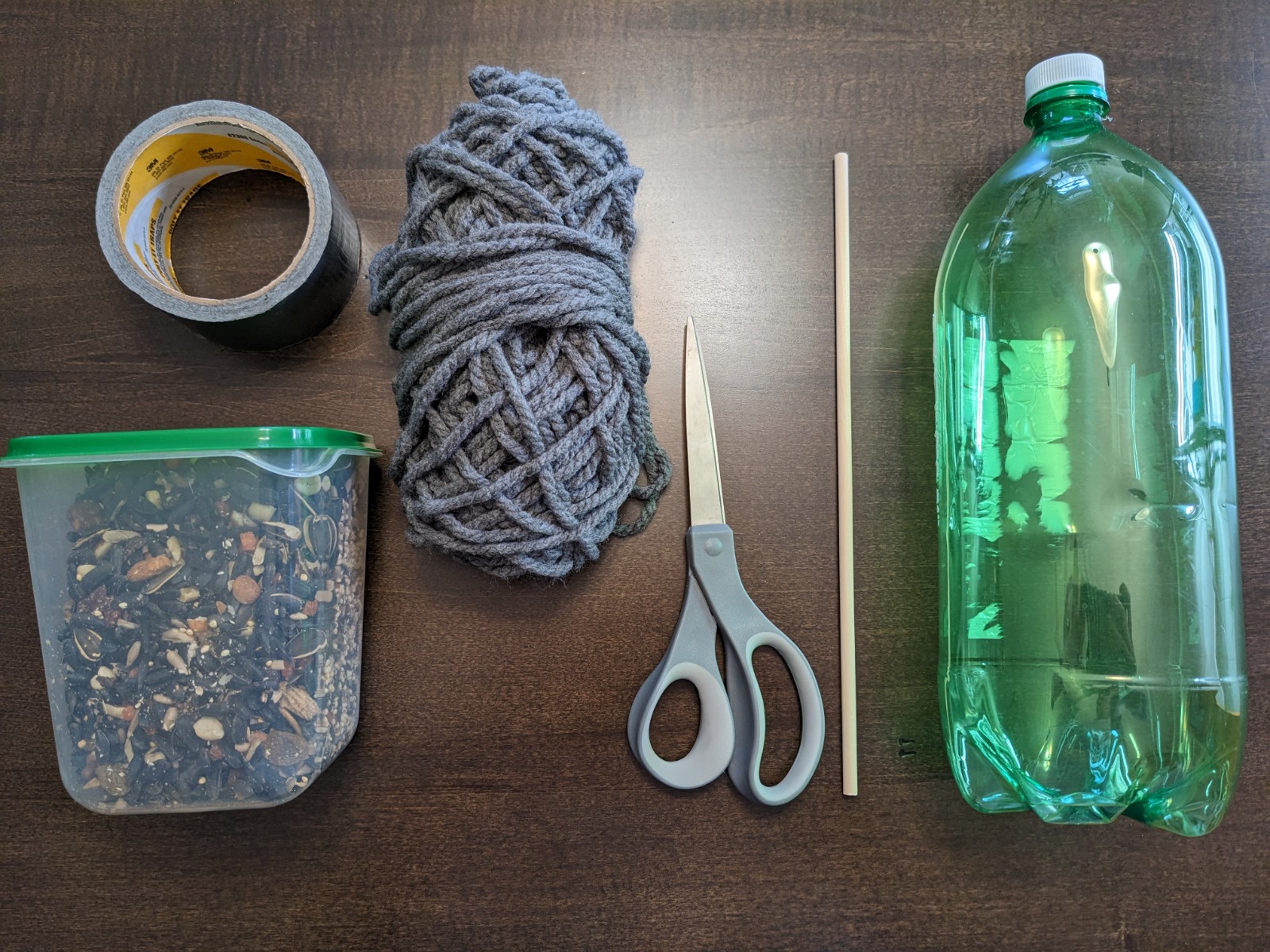
Rope suspension lets the feeder swing gently, which mimics natural branches and appeals to certain finches. Thread sturdy garden twine through holes drilled near the bottle neck and knot it securely above the cap. Adjust the length so the feeder hangs at varying heights across your garden.
This motion can discourage larger, more aggressive birds from dominating the feeder. The rope also allows easy seasonal repositioning when you want to move the feeder closer to new plantings. Check knots monthly because weather can loosen them over time.
Window Suction Cup Feeder
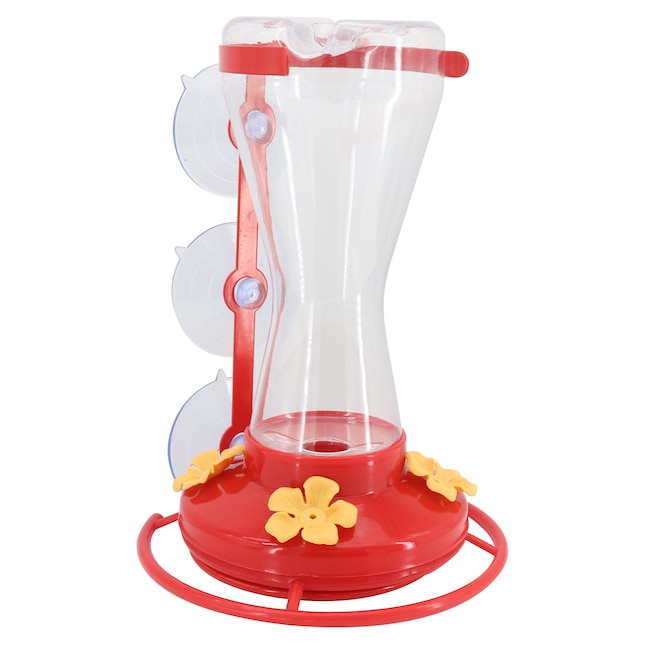
Mounting the bottle directly on glass brings birds close for observation. Attach two or three strong suction cups to the back of the bottle with waterproof adhesive. Press the cups firmly against a clean windowpane and test the hold before adding seed.
Close viewing lets you identify species and monitor health without binoculars. The solid window backing blocks wind from one side, keeping seed in place. Clean the glass regularly so suction remains strong through temperature changes.
Painted Decorative Feeder
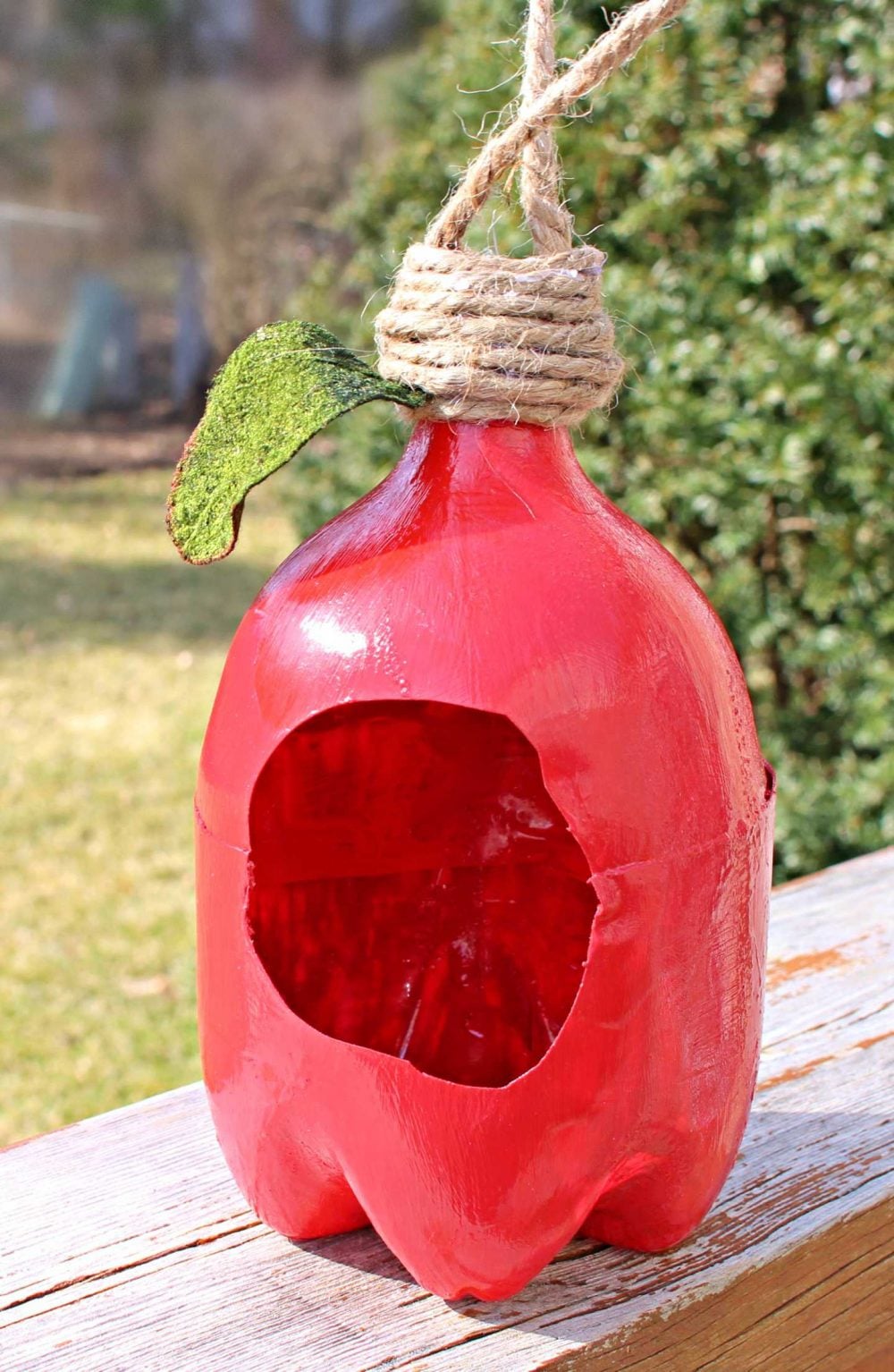
Outdoor acrylic paint turns plain bottles into garden accents that blend with flower beds. Apply two coats of weather-resistant paint in colors that complement nearby foliage, then seal with a clear outdoor varnish. Add simple patterns such as stripes or leaf shapes that do not cover the feeding ports.
Painted surfaces reflect less sunlight, which can keep seed cooler on hot days. The color also helps the feeder disappear visually when viewed from a distance, reducing the chance that shy birds avoid it. Reapply sealant each spring before peak use.
Spoon Perch Feeder
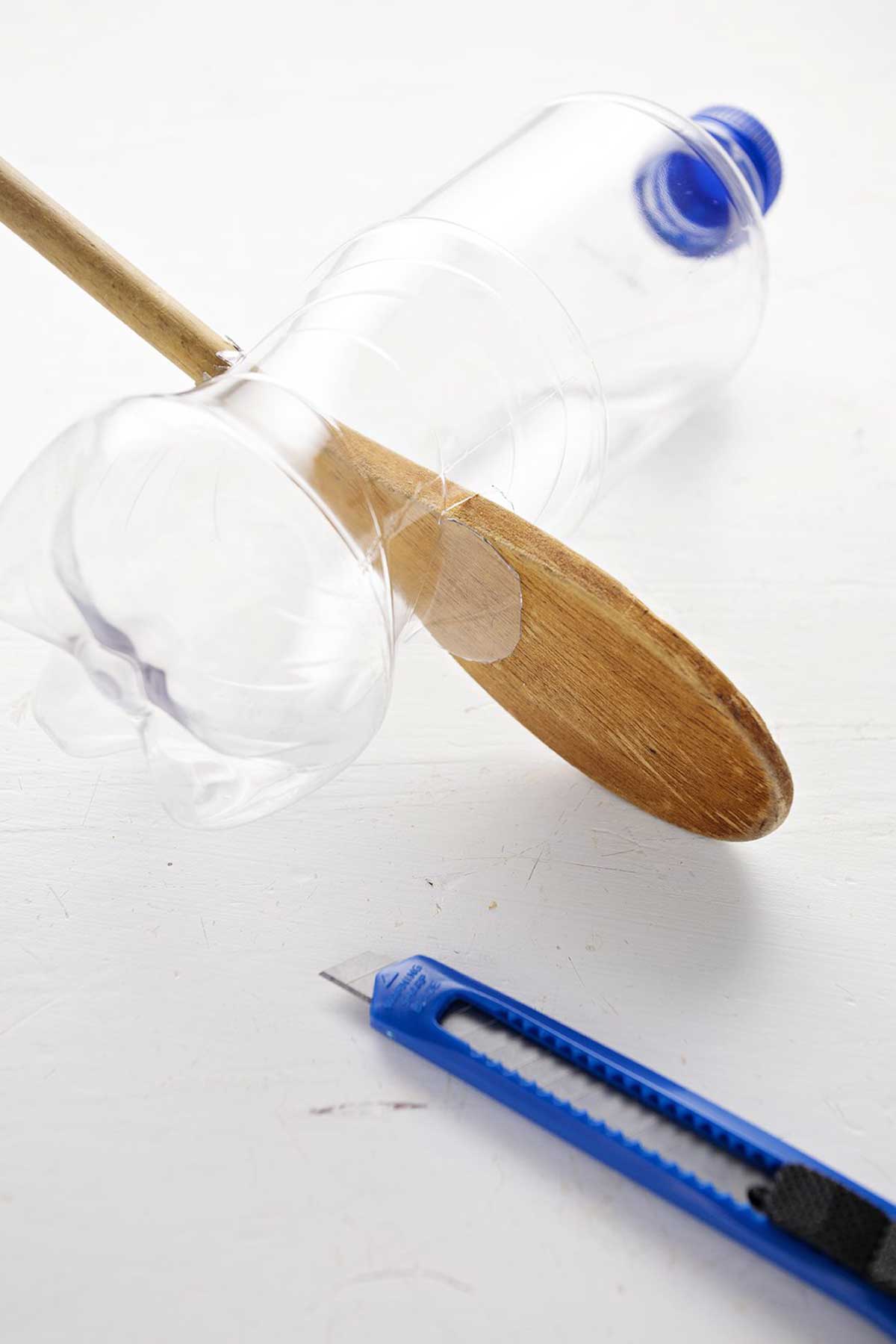
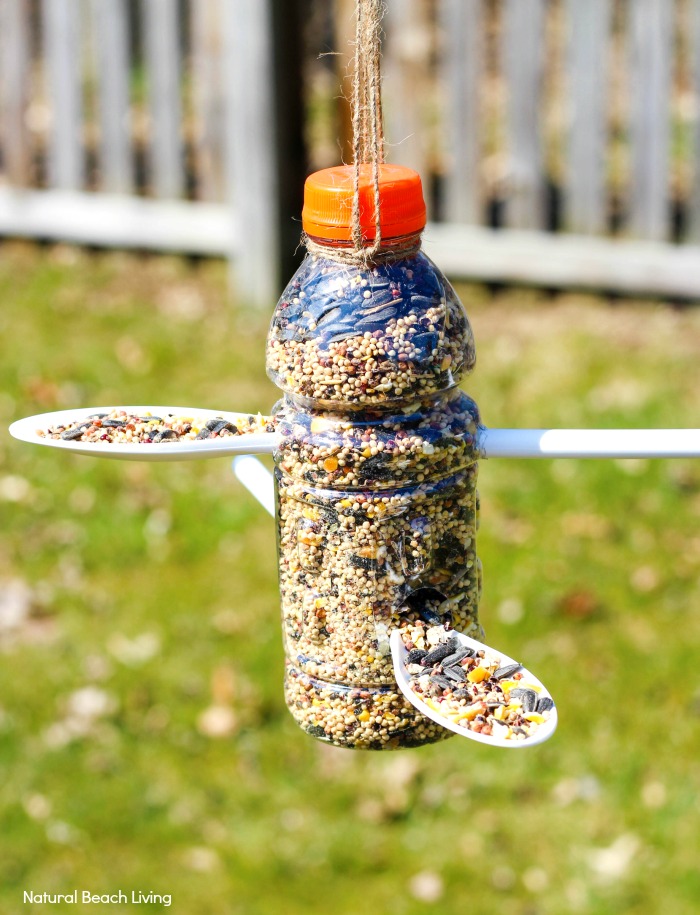
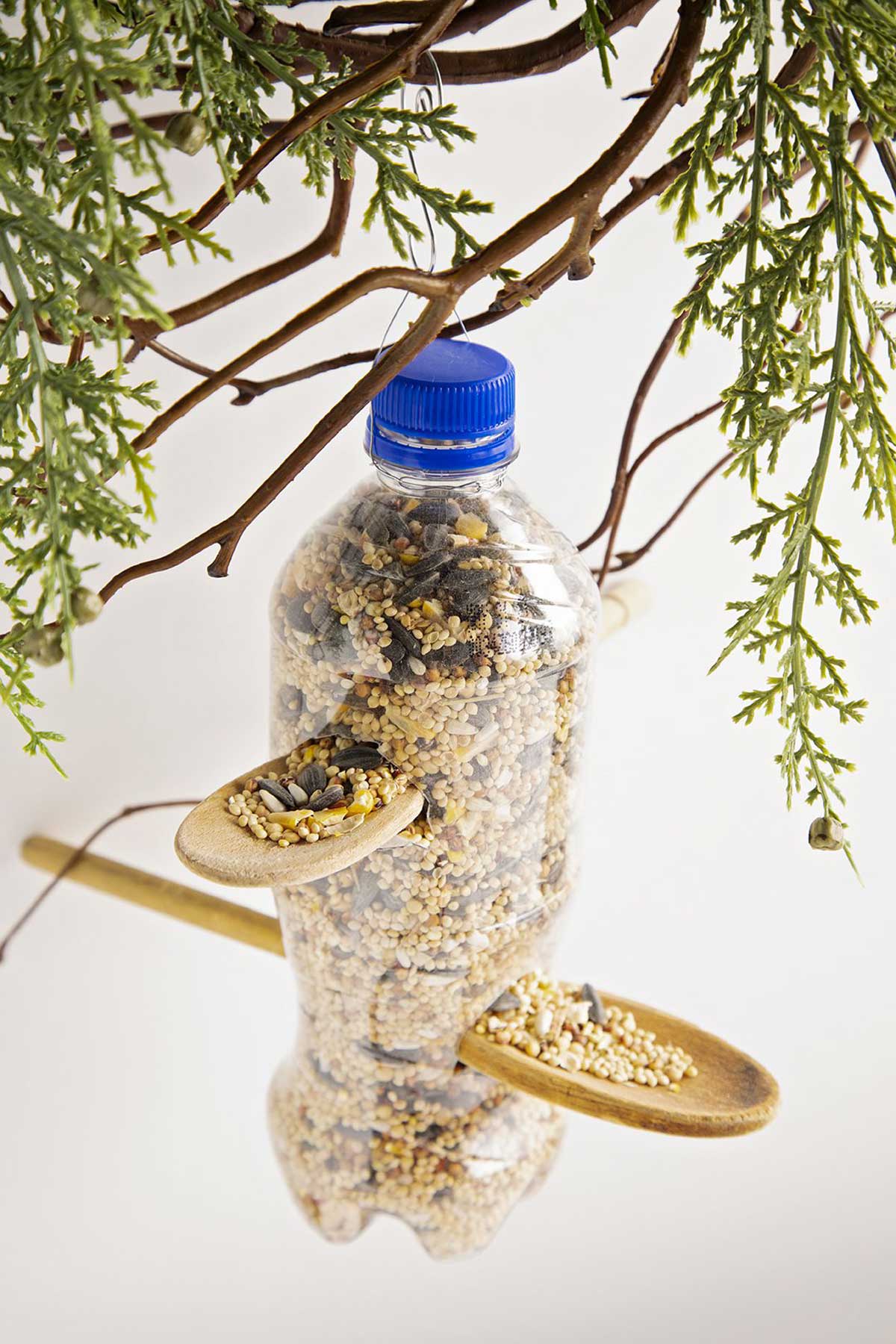
Old wooden spoons inserted through the bottle sides create wide, flat perches that support heavier birds. Drill holes slightly smaller than the spoon handles, push them through, and secure with a dab of silicone. Position spoons at different angles so multiple birds can feed without crowding.
The flat surface gives birds better balance than thin dowels. Spoons also catch a few seeds, creating a small secondary feeding spot. Replace spoons if they crack after repeated exposure to moisture.
Multi-Hole Bottle Feeder
Additional feeding ports spaced around the bottle increase access points for busy periods. Cut four to six small openings at staggered heights and insert short sections of plastic straw or tubing as collars. This prevents seed from spilling while allowing beaks to reach inside easily.
Staggered heights reduce competition because dominant birds cannot guard every port at once. The extra openings also improve airflow inside the bottle, lowering the risk of mold. Rotate the bottle slightly each week so all ports receive even use.
Bottle with Funnel Top
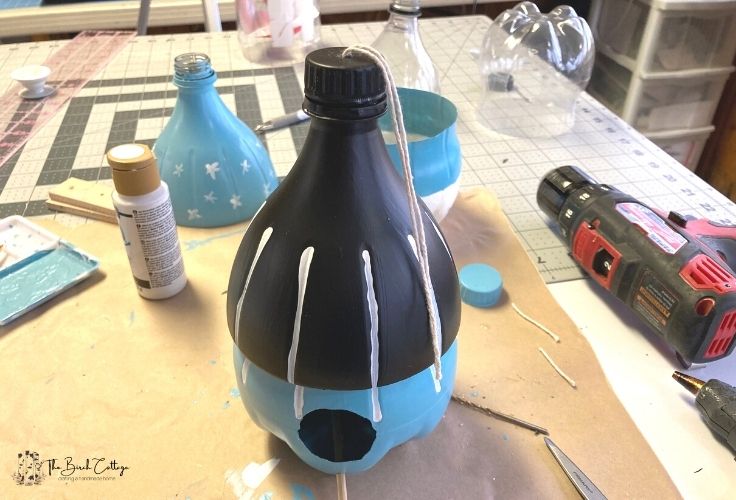
A funnel inserted into the bottle neck speeds refilling and keeps seed flowing smoothly. Choose a small plastic funnel that fits snugly inside the opening and secure it with tape or glue. The wider mouth makes pouring seed faster and reduces spills around the base.
This design works especially well when the feeder hangs high and refilling requires a ladder or step stool. The funnel also acts as a simple rain shield when capped loosely between fills. Choose a funnel color that matches the bottle for a cleaner look.
Recycled Cap Feeder
Bottle caps glued around the lower section form tiny individual feeding cups. Arrange six to eight caps in a ring and attach them with waterproof adhesive. Each cap holds a small amount of seed, which encourages birds to sample different mixes placed in separate caps.
The separate cups let you test which seeds local birds prefer without mixing everything together. Caps also catch drips, keeping the main bottle interior drier. Check adhesive strength after winter because freeze-thaw cycles can weaken bonds.
Themed Holiday Bottle Feeder
Seasonal accents such as small evergreen sprigs or weatherproof ribbons add visual interest during winter months. Attach lightweight decorations above the feeding ports so they do not interfere with bird access. Use only non-toxic materials that will not flake into the seed.
Holiday touches can draw attention from neighbors and encourage community interest in bird feeding. The decorations also mark the feeder location when snow covers branches. Remove any loose pieces before spring to prevent them from becoming litter.
Cluster Bottle Feeder
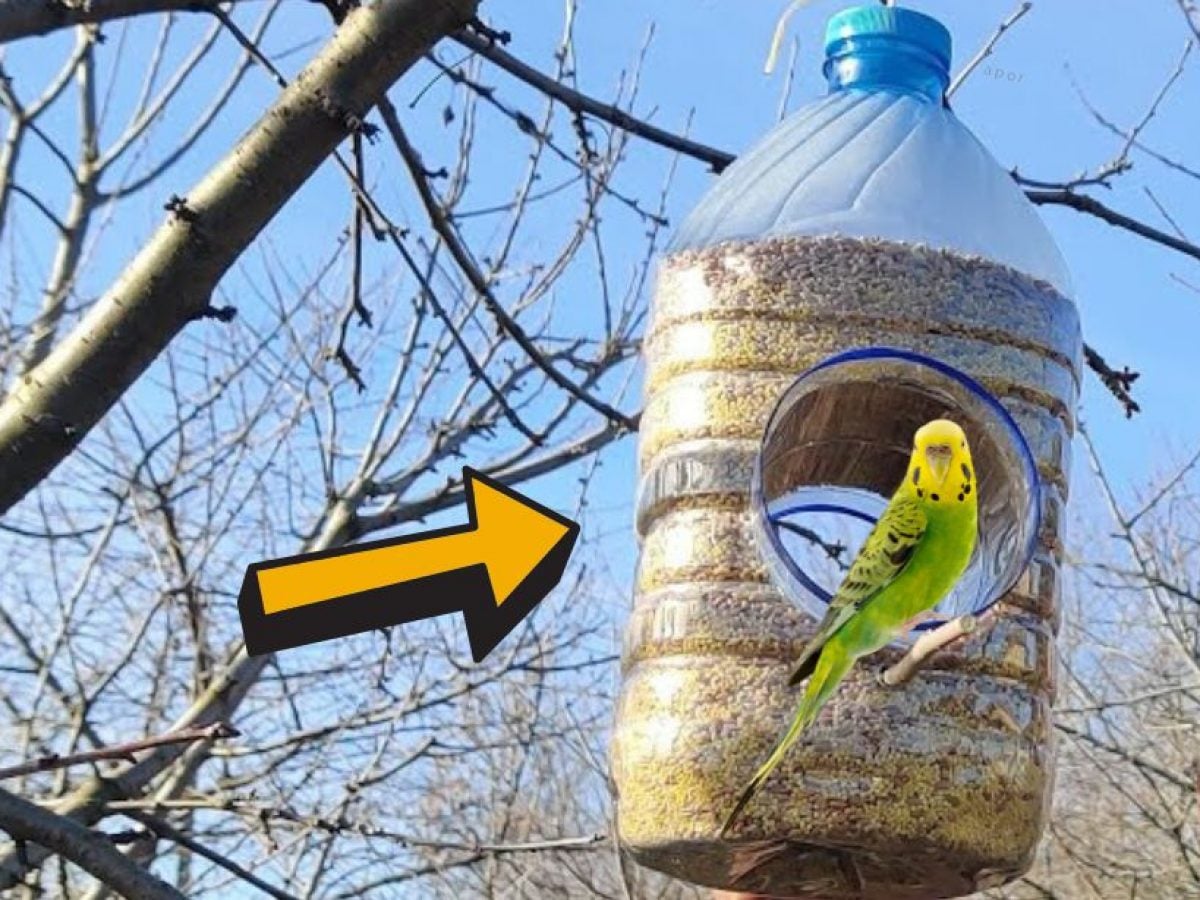
Grouping three or four prepared bottles on a single hanging ring creates a feeding station that serves different bird sizes at once. Vary the port sizes and perch thicknesses across the cluster so chickadees and larger cardinals can feed together. Space the bottles six inches apart to avoid crowding.
A cluster reduces the number of separate hanging points needed in a small garden. Birds quickly learn the layout and move between bottles when one empties. Rotate which bottle you refill first so seed stays fresh in every unit.
Birds often ignore brightly colored perches because they associate vivid plastic with danger rather than food.
Seed stored in clear bottles lasts longer when the feeder sits in partial shade instead of full sun.
Material Options for Perches
- Wooden dowels offer natural texture that many species grip easily.
- Metal spoons provide wider surfaces but conduct cold in winter.
- Plastic straw sections work for temporary setups yet wear faster outdoors.
How does perch width affect which birds visit?
Wider perches support cardinals and jays that need stable footing, while narrow dowels favor lightweight finches and chickadees. Test both widths in the same garden to see which species appear most often. Adjust spacing between perches so larger birds cannot block smaller ones from reaching seed ports.
What seed mixes work best in bottle feeders?
Black oil sunflower and safflower blends flow smoothly through small ports without clogging. Avoid mixes heavy in millet when using narrow openings because the smaller seeds can pack tightly and block flow. Check the bottle interior monthly and remove any sprouted seeds that appear after rain.
How far from the house should I hang the feeder?
Place feeders at least ten feet from windows to reduce collision risk while still allowing clear viewing. This distance also keeps squirrels from leaping directly from ledges onto the bottle. Move the feeder gradually closer if you want daily observation without startling the birds.
FAQ
How often should I clean a plastic bottle bird feeder?
Clean the feeder every two weeks during warm months and monthly in winter. Remove all old seed, wash the interior with a mild vinegar solution, and rinse thoroughly before refilling. This schedule prevents mold and bacteria that can harm visiting birds.
Can I use milk jugs instead of soda bottles?
Milk jugs work when the plastic remains sturdy and the handle provides a natural hanging point. Cut feeding ports lower on the jug so seed does not spill when birds land. Rinse the jug well first because residual milk odor can deter some species.
Why do birds sometimes empty one feeder but ignore another nearby?
Placement, perch height, and seed freshness all influence preference. Move an ignored feeder to a slightly different height or add a new perch type to test whether the change attracts more visitors. Track activity for a week before making further adjustments.
What should I do if squirrels chew through the bottle?
Replace the damaged bottle immediately and add a squirrel baffle above the feeder. Choose thicker plastic bottles for replacements because they resist chewing longer than thin ones. Position the feeder farther from tree trunks to limit squirrel access routes.
The right plastic bottle bird feeder keeps seed accessible through every season while fitting the scale of your garden. Small adjustments in perch style or placement often bring new species within weeks.
Leave a Reply