
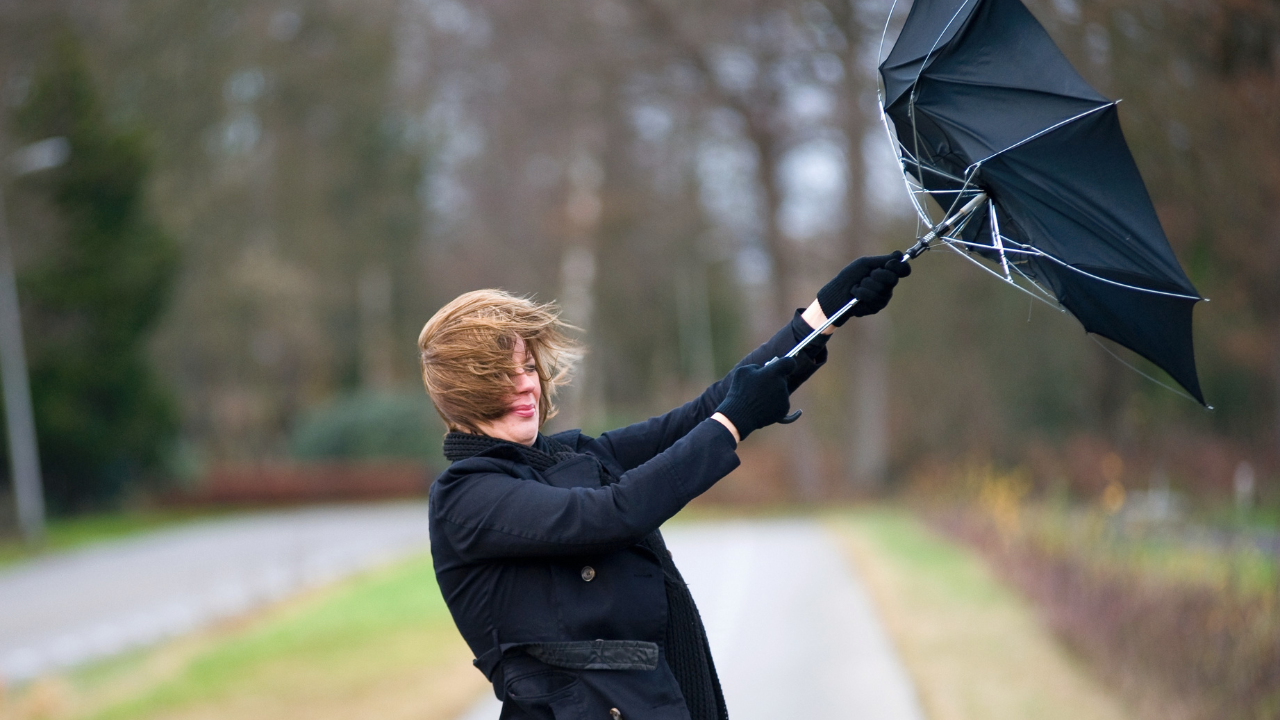
That broken umbrella leaning against your trash can still has a surprising amount of life left — just not as an umbrella. I’ve taken apart enough of them over the years to know that the waterproof canopy fabric, the flexible metal ribs, and even the curved handle each have a second act waiting.
Most of these projects take under an hour with tools you already own. Before you toss it, pick one of these and give that umbrella a new job.
1. Protect Tender Plants from Frost
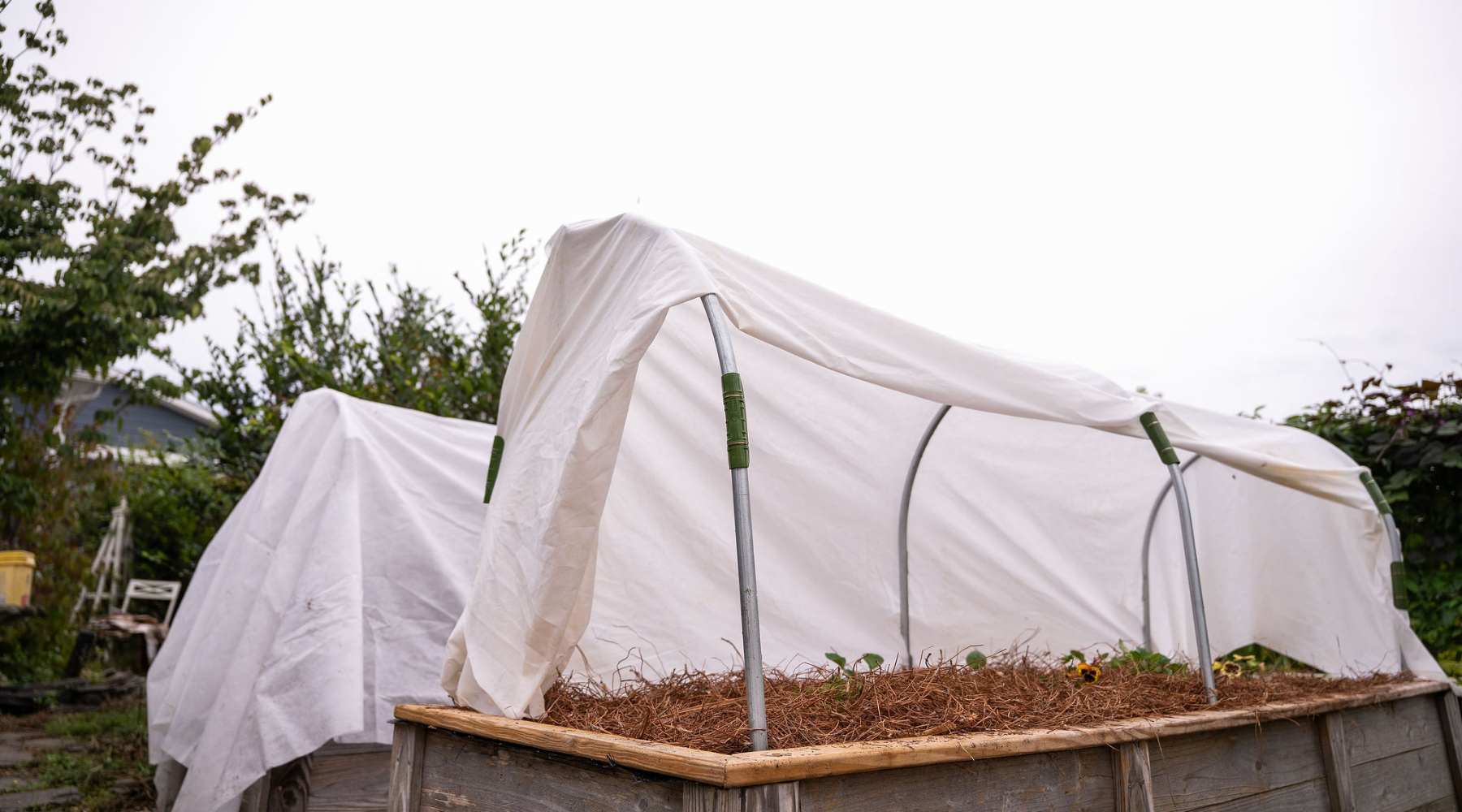
Open the umbrella and set it upside-down over a potted plant or small garden bed when frost threatens. The waterproof canopy traps warmth radiating from the soil while blocking frost from settling on leaves. This works especially well for herbs, seedlings, and tender perennials in containers — anything too small to justify dragging out a full frost blanket.
Pull the umbrella off by mid-morning so the plant gets sunlight and airflow. Prolonged coverage encourages mold and weakens stems. If the canopy fabric has tears, drape it over a tomato cage or wire hoop to create a mini tent that still sheds water away from the root zone.
2. Sew a Waterproof Tote Bag
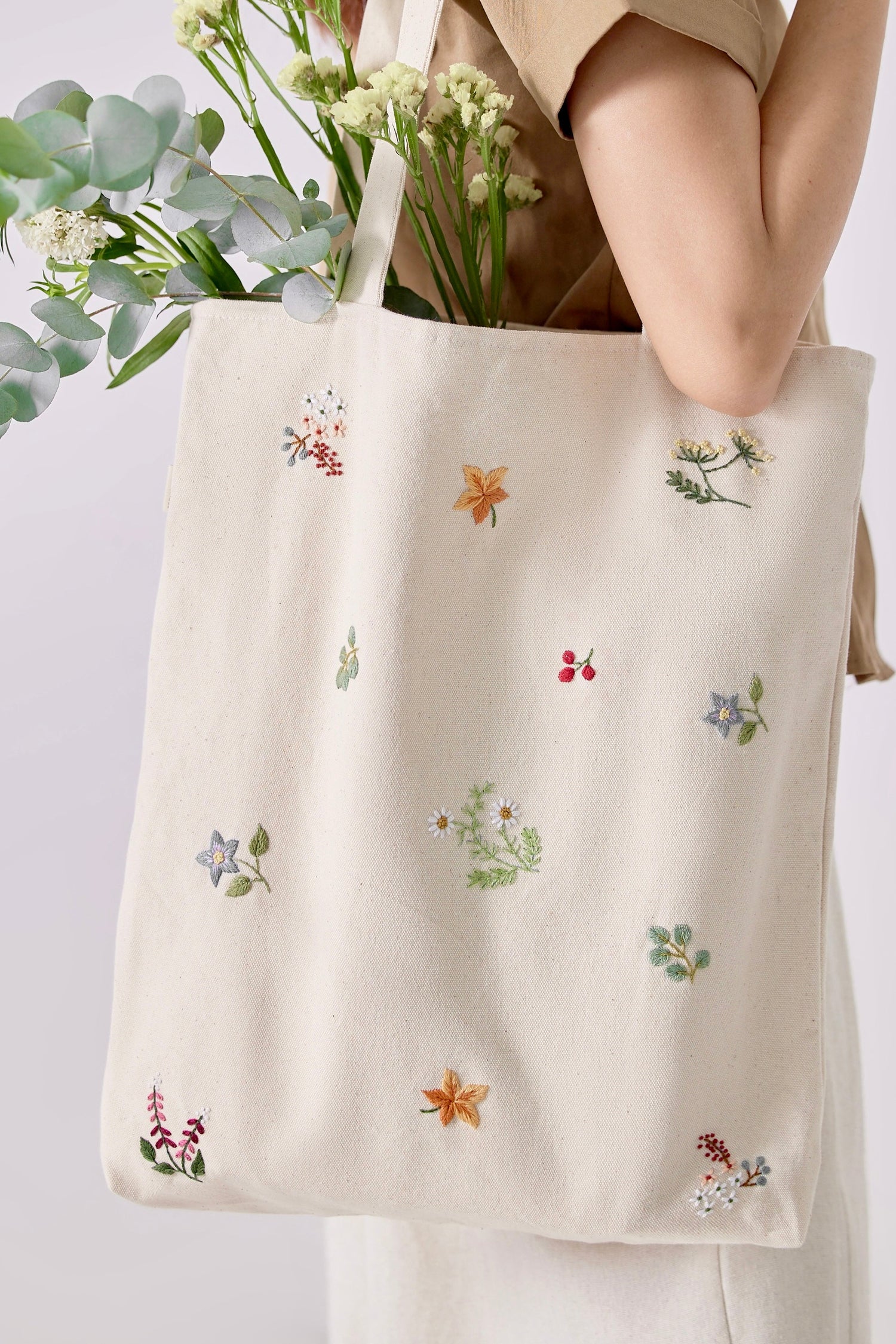
The canopy fabric from a full-size umbrella gives you roughly two square feet of water-resistant material — enough for a compact market tote. Cut the fabric into two rectangular panels, sew them together with a box stitch along the bottom and sides, then attach nylon webbing handles. Use a heavy-duty needle (size 16 or 18 on your sewing machine) since the tightly woven nylon will fight a standard needle and skip stitches.
For extra structure, iron fusible interfacing onto the panels before assembling. If you’d rather skip the machine entirely, fold the fabric into a pouch shape and seal the seams with fabric glue — just let it cure a full 24 hours before loading it up. The finished bag won’t haul a week’s groceries, but it’s perfect for wet swimsuits, farmers’ market produce, or muddy shoes rolling around in your trunk.
3. Build a Wind Chime from the Ribs
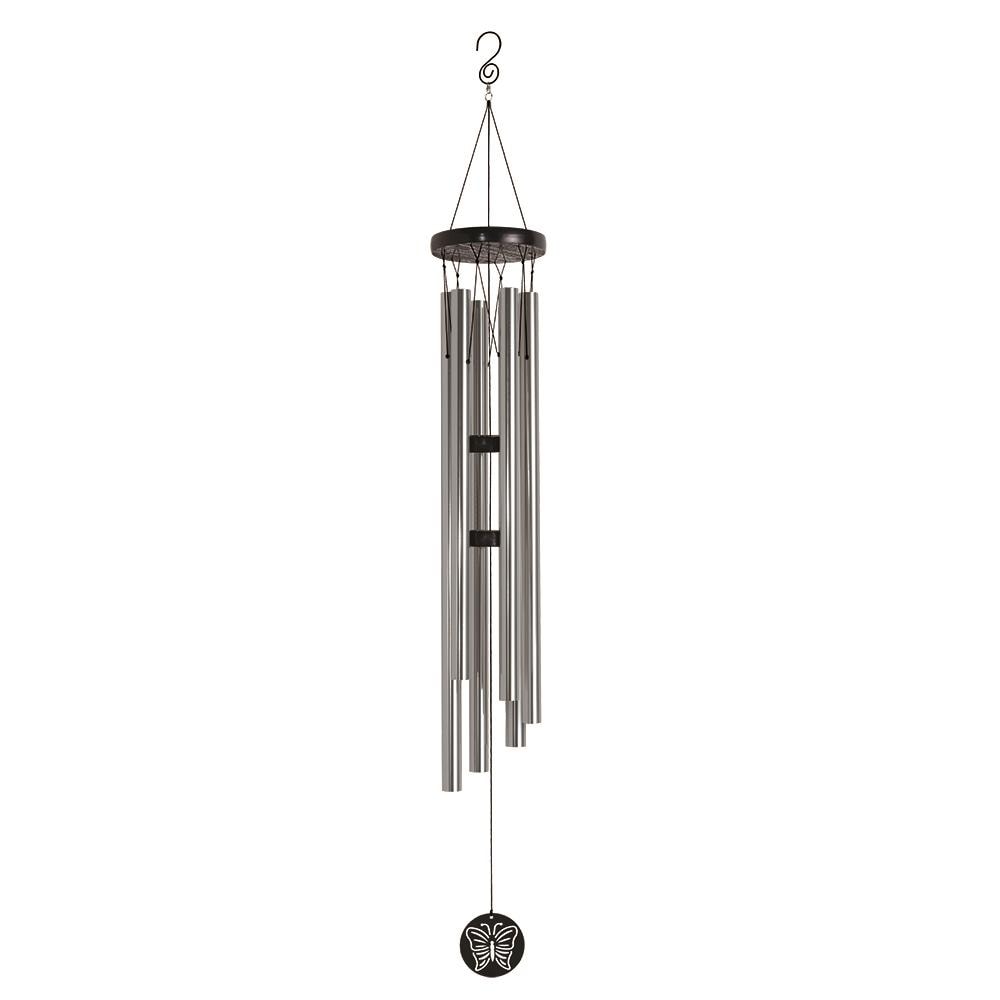
The metal ribs and stretchers inside the umbrella are lightweight aluminum or steel, and they ring with a surprisingly musical clink when they knock together. Strip all the fabric and nylon cord off, then drill a small hole near the top end of each rib. Thread fishing line or thin brass chain through the holes and suspend them from a wooden disc, an embroidery hoop, or a cross-shaped frame you made from two sturdy sticks lashed together.
Vary the rib lengths for different tones. You can also thread on wooden beads, old skeleton keys, or small brass bells between the ribs for extra sound and visual weight.
If the ribs are bare steel and starting to surface-rust, hit them with a coat of Rust-Oleum spray paint in copper or matte black before assembly — it looks intentional and stops the flaking. Hang the finished piece on a porch or from a tree branch where it catches a steady breeze.
4. Shield a Bird Feeder from Rain
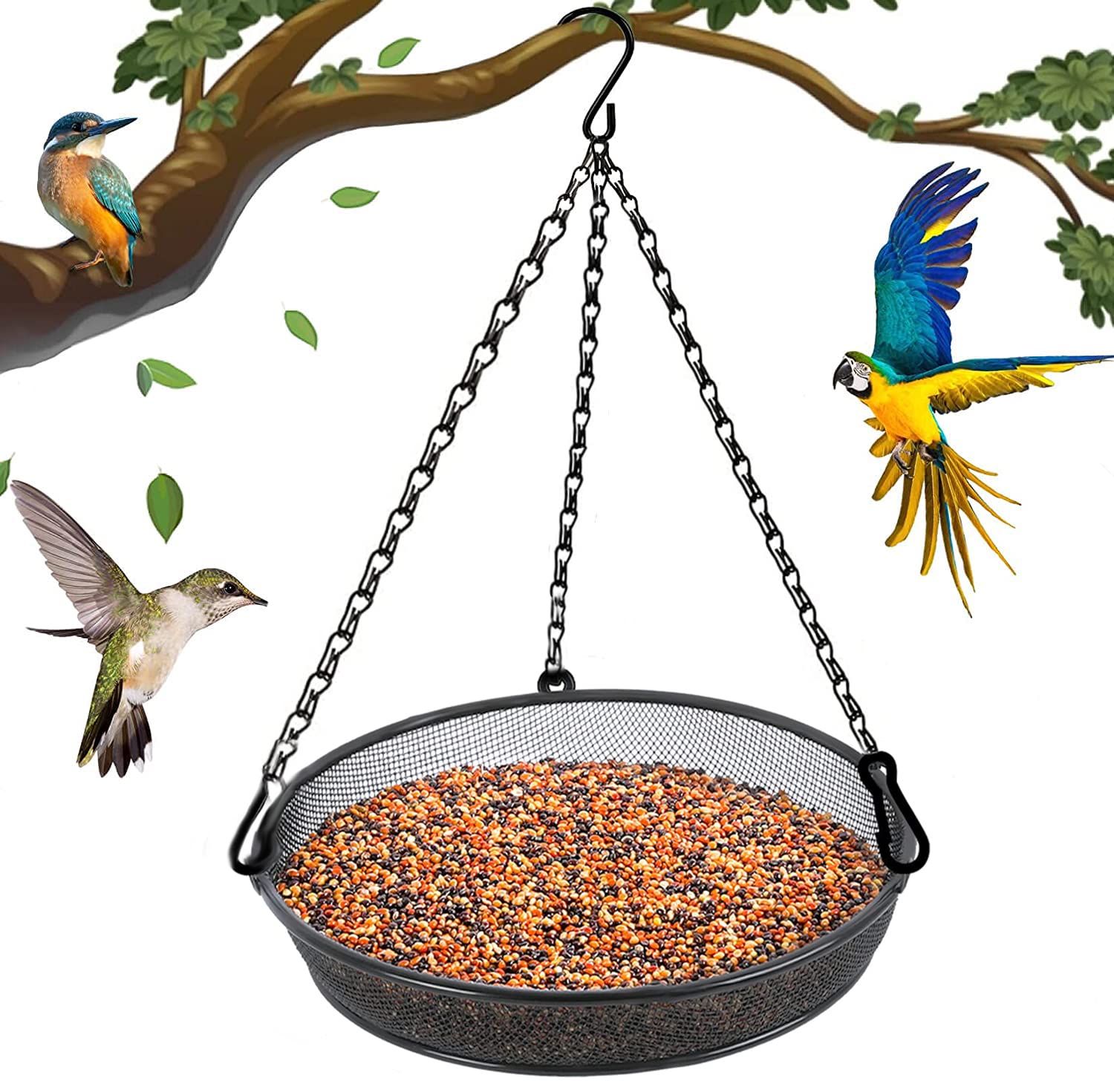
If you hang a bird feeder in an open yard, rain turns the seed into a moldy mess within hours. An inverted broken umbrella fixes this: remove the handle (usually one small screw or a twist-lock), then suspend the open canopy point-up above the feeder using paracord tied through the ferrule opening at the top. The umbrella sheds water away from the seed on all sides.
Set it about 12 to 18 inches above the feeder so birds have room to land comfortably and you can still reach in to refill. This works best with platform or tray feeders — tube feeders have their own built-in ports and don’t benefit as much.
Check the paracord and attachment point once a month. Wet nylon weakens over a season, and you don’t want the whole canopy crashing down during a storm and scattering seed everywhere.
5. Create a Fairy Light Bedroom Canopy
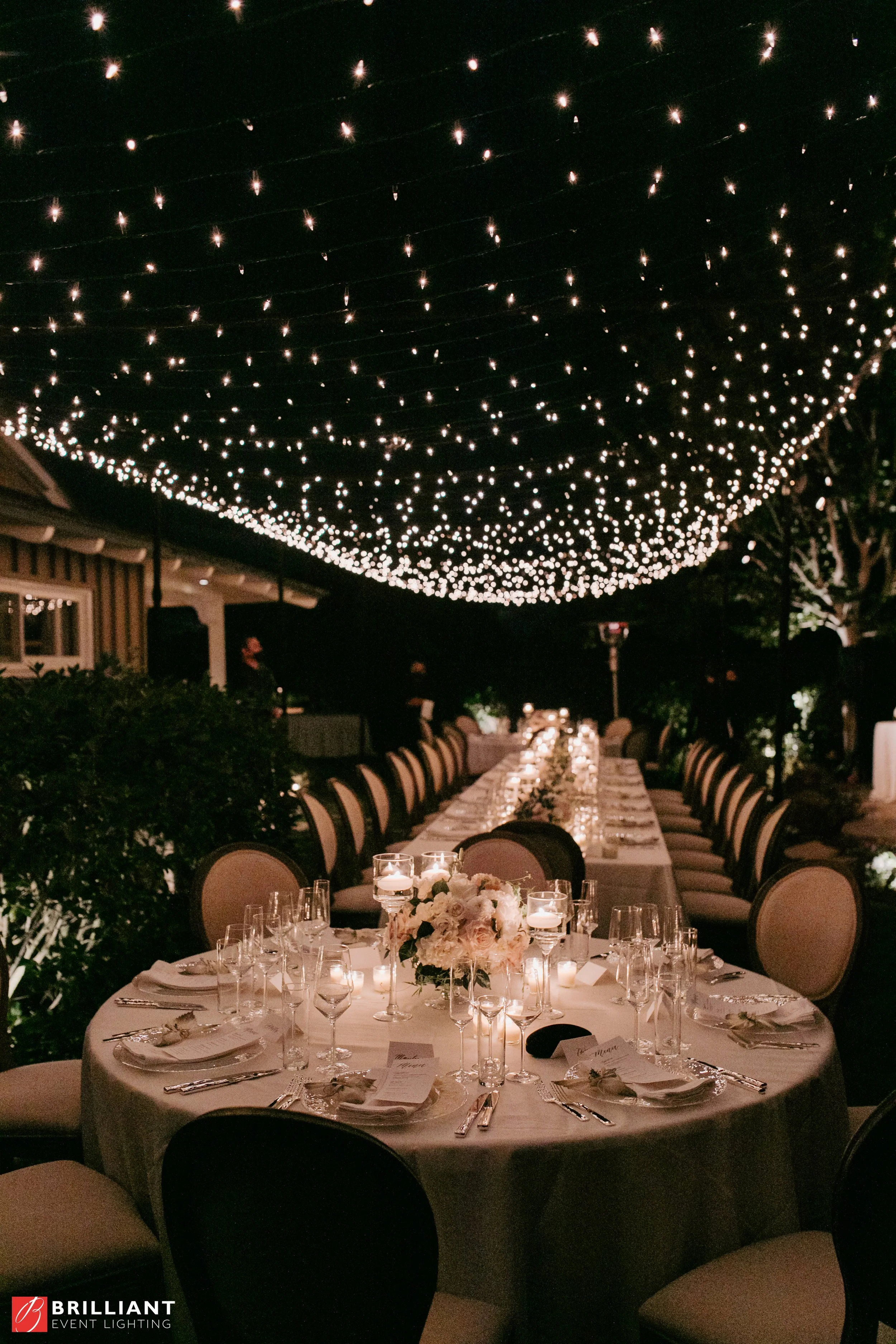
Remove the handle and any sharp tip from the umbrella shaft, then hang the open canopy upside-down from a ceiling hook directly above your bed, a reading chair, or a kid’s play corner. Wrap warm-white LED fairy lights — the copper-wire kind with a small battery pack work best — around each rib, weaving them in and out of the spokes. The result looks like a glowing parasol and gives off enough light for a cozy evening ambiance.
Use adhesive cable clips to keep the wire runs neat and hidden behind the metal ribs. For extra atmosphere, drape a sheer curtain panel or a length of tulle from the outer edge of the canopy so it falls softly around the frame like a traditional bed canopy.
Stick with battery-powered or USB-powered lights — running a mains extension cord up to your ceiling is never worth the risk. A single 20-foot strand of copper-wire LEDs is usually enough to fill the whole frame.
6. Stitch a Dog Rain Jacket

A standard umbrella canopy has enough fabric for a jacket on a dog up to about 25 pounds. Lay the open canopy flat on the floor, cut a neck opening in the center, and shape two curved side panels that drape over the dog’s back and sides. Add a velcro belly strap made from nylon webbing or a repurposed belt, and you’ve got a functional rain layer that actually repels water — because that’s literally what the fabric was designed to do.
Measure your dog from collar to tail base and around the widest part of the chest before you make a single cut. Pin a paper template to the fabric first so you can test the fit without wasting material.
Reinforce the velcro attachment points with a few extra rows of stitching — dogs pull, twist, and shake, and a single seam will pop the first time your pup gives a good shudder. If the umbrella happens to have a fun print, even better.
7. Make a Decorative Lampshade
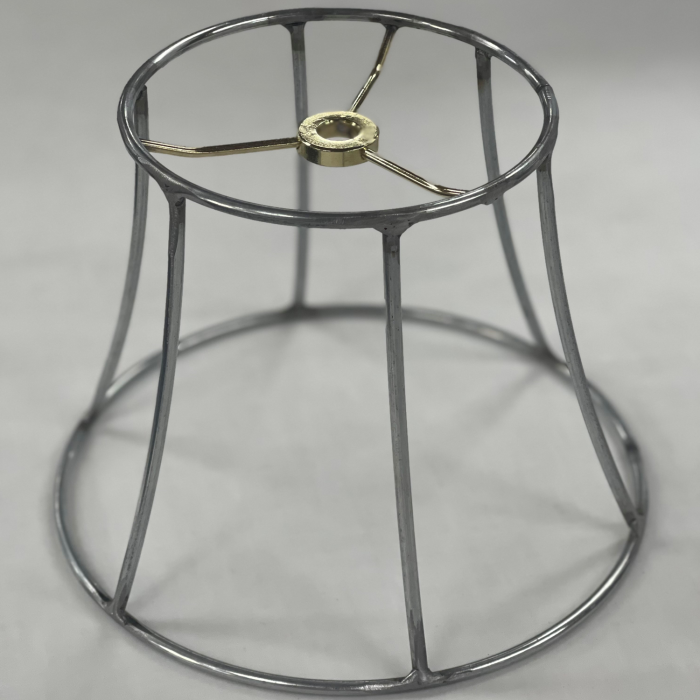
The metal ribs, still connected at the central hub, make an excellent skeleton for a pendant or table lampshade. Strip away all the fabric and stretch the ribs open to the diameter you want.
The hub at the top already has a hole sized for a standard lamp rod or cord, so mounting is usually straightforward. You can leave the ribs bare for an industrial look that casts dramatic shadow lines, or stretch a new fabric — linen, burlap, or even parchment paper — over the frame and secure it with hot glue or small binder clips.
For a bare-rib shade, spray-paint the whole frame first in matte black, brass, or white. For a covered shade, trace each panel separately onto your new fabric, cut with a half-inch seam allowance, and glue each piece between two ribs.
The finished shade fits standard pendant light kits from any hardware store. Just make sure the bulb you use is LED — incandescent bulbs run hot enough to scorch a fabric shade this close to the source.
FAQ
Can you recycle a broken umbrella?
Most curbside programs won’t take umbrellas because the metal, fabric, and plastic components are fused together. Disassemble it first: the metal ribs can go in scrap metal recycling, and the nylon or polyester canopy fabric can be dropped at a textile recycling bin — many H&M and Patagonia stores accept these. The plastic and fiberglass pieces usually go to landfill unless you find a specialized recycler nearby.
What kind of fabric are umbrellas made of?
Most umbrellas use pongee, a tight-weave polyester, or nylon with a polyurethane or silicone waterproof coating. Both are lightweight, water-resistant, and surprisingly tough — which is exactly why they work so well for repurposing projects that need to handle moisture. Higher-end umbrellas sometimes use Teflon-coated fabric, which repels water even more aggressively.
How do you take apart a broken umbrella?
Start by snipping the thread loops that attach the canopy fabric to each rib tip — small scissors or a seam ripper make this quick. Then pull or unscrew the runner (the slider that opens the umbrella) from the shaft.
The ribs typically unhook from the hub with a gentle twist. If the handle is glued on, wrap it in a towel and grip with pliers to twist it free.
The whole disassembly takes about 10 minutes.
Are broken umbrellas worth fixing?
If it’s a quality brand like Blunt, Davek, or Senz, a broken rib or torn canopy is usually repairable for $10–$20 in parts — absolutely worth it for a $50+ umbrella. For a cheap drugstore umbrella, the repair cost and effort almost always exceed what you paid for it. That’s where repurposing makes the most sense: you salvage real value without pretending the umbrella still works as an umbrella.
Next time a storm wreaches your umbrella, bring it inside instead of throwing it out. Between the waterproof fabric, the flexible metal frame, and the curved handle, there’s enough raw material for at least one solid project — probably two. Start with whichever idea matches something you actually need around the house, and go from there.
Leave a Reply