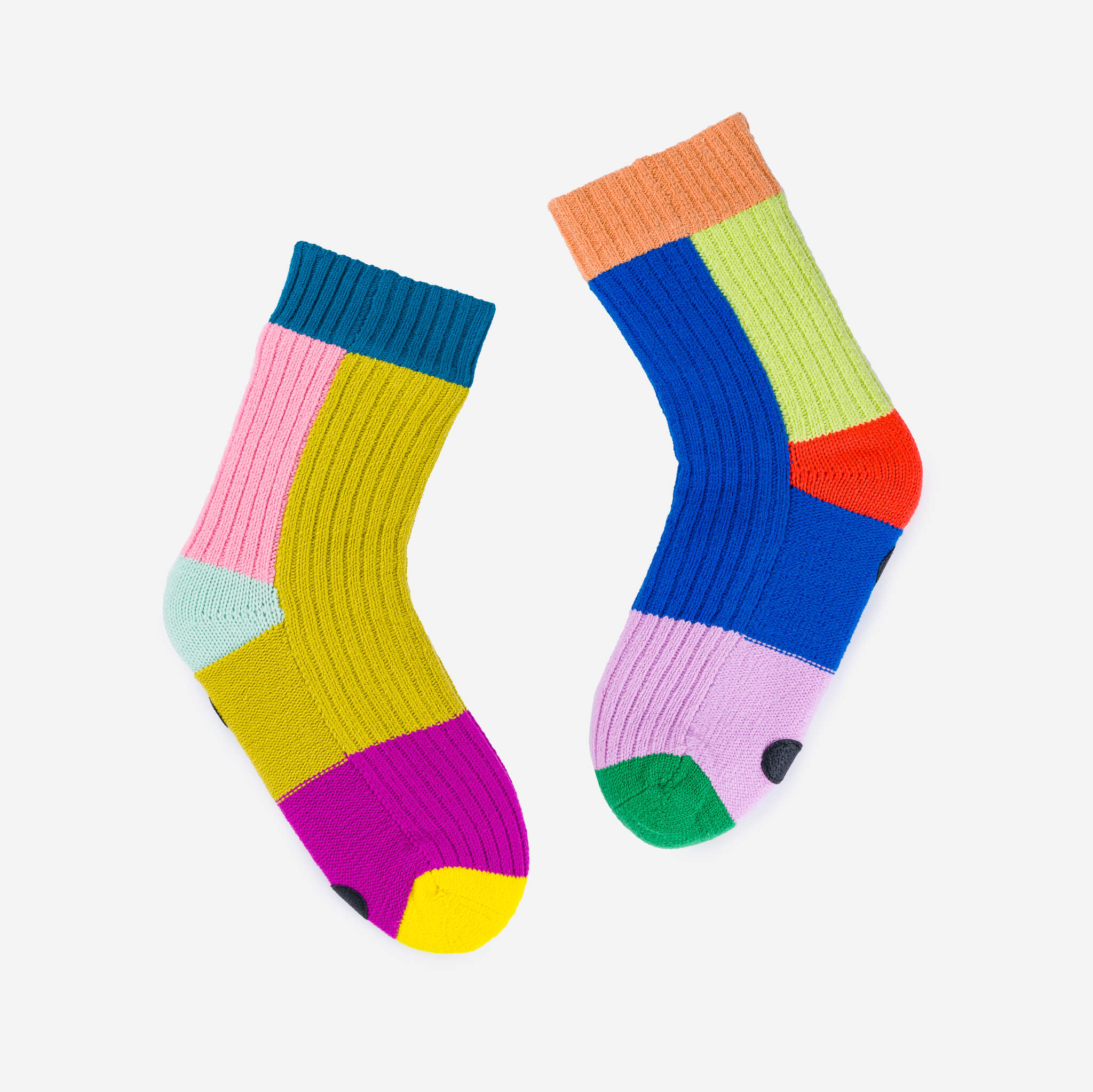
You know that pile. The one sitting in the corner of your dresser drawer — a growing collection of socks whose partners vanished somewhere between the washing machine and the laundry basket.
Before you toss them in the trash, I’ve got good news: those lonely singles are surprisingly useful around the house. I’ve been saving mismatched socks for years, and some of my favorite household shortcuts came from a sock I’d have otherwise thrown away.
Here are nine ways to put them to work.
1. Dusting Mitt
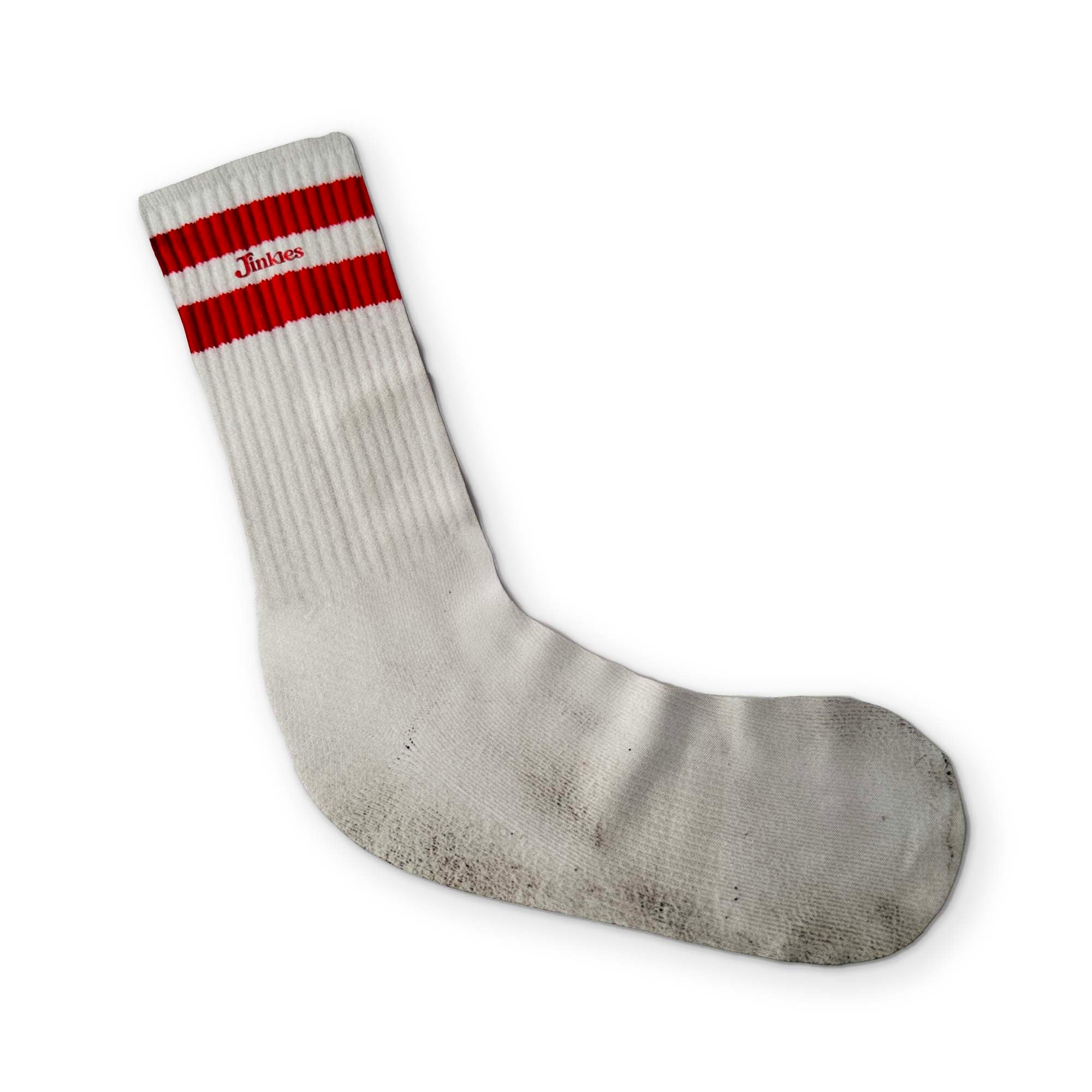
Slip one over your hand and you’ve got the perfect dusting tool — especially for blinds, ceiling fan blades, banisters, and all those awkward spots a regular cloth just can’t grip. I keep a few clean mismatched socks under the kitchen sink specifically for this.
Cotton or cotton-blend socks work best; they grab dust without scratching surfaces. When you’re done, just toss the sock in the wash and it’s ready for next time.
Skip any socks with heavy pilling, though — loose fuzz can leave behind more than it picks up.
2. DIY Door Draft Stopper
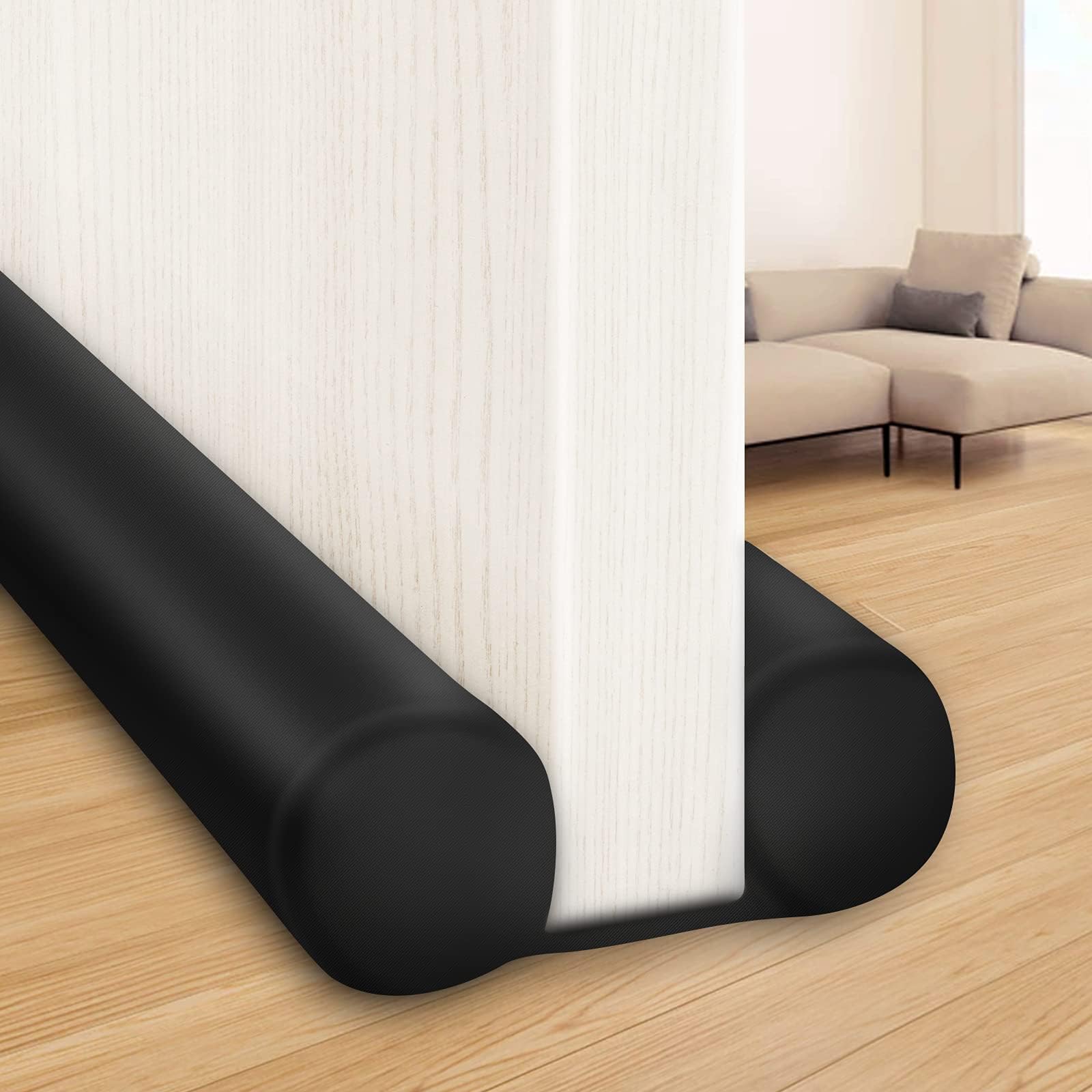
This one saved me real money on my heating bill last winter. Take two or three long crew socks, cut the toes off, and sew or safety-pin them end to end to create a long tube.
Then stuff the tube with rice, dried beans, sand, or even crumpled newspaper — rice and beans give it satisfying weight — and sew the final end shut. Lay it along the bottom of an exterior door or a drafty bedroom door, and you’ll feel the difference immediately.
One thing I learned the hard way: if you use rice or beans, don’t set the stopper anywhere damp, or you’ll end up with a moldy mess. Stick to dry rooms.
3. Rice Heating Pad
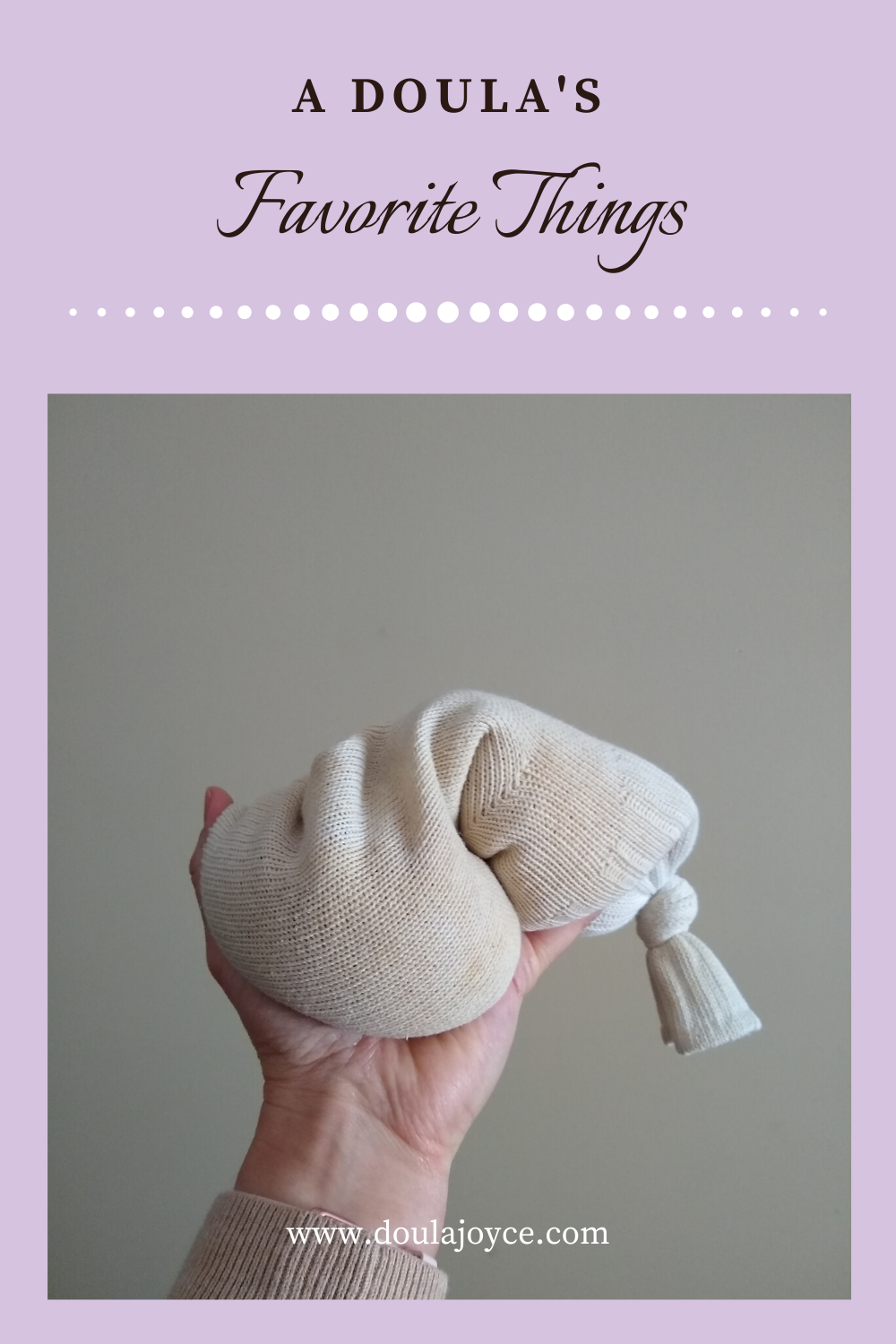
Fill a clean cotton sock with uncooked rice (about two-thirds full), knot or sew the end shut, and microwave it for 60–90 seconds. You’ve got a reusable heating pad that’s perfect for sore muscles, cramps, or just warming up cold feet on a winter night. It stays warm for a surprisingly long time — I usually get 20–30 minutes of gentle heat from mine.
For a cold pack version, skip the microwave and toss the filled sock in the freezer for an hour or two. It molds to your body way better than a rigid ice pack. You can also customize the filling depending on what you have on hand:
- ✦Plain uncooked rice: holds heat well, lightweight
- ✦Dried corn kernels: slightly heavier, retains heat longer
- ✦Dried cherry pits: the European classic — firm, even heat distribution
- ✦Flaxseed: smaller grains conform to body contours
A few drops of lavender essential oil mixed into the rice before filling turns it into an aromatherapy session too. Just make sure the sock is 100% cotton — synthetic fibers can scorch or melt in the microwave.
4. Braided Dog Chew Toy
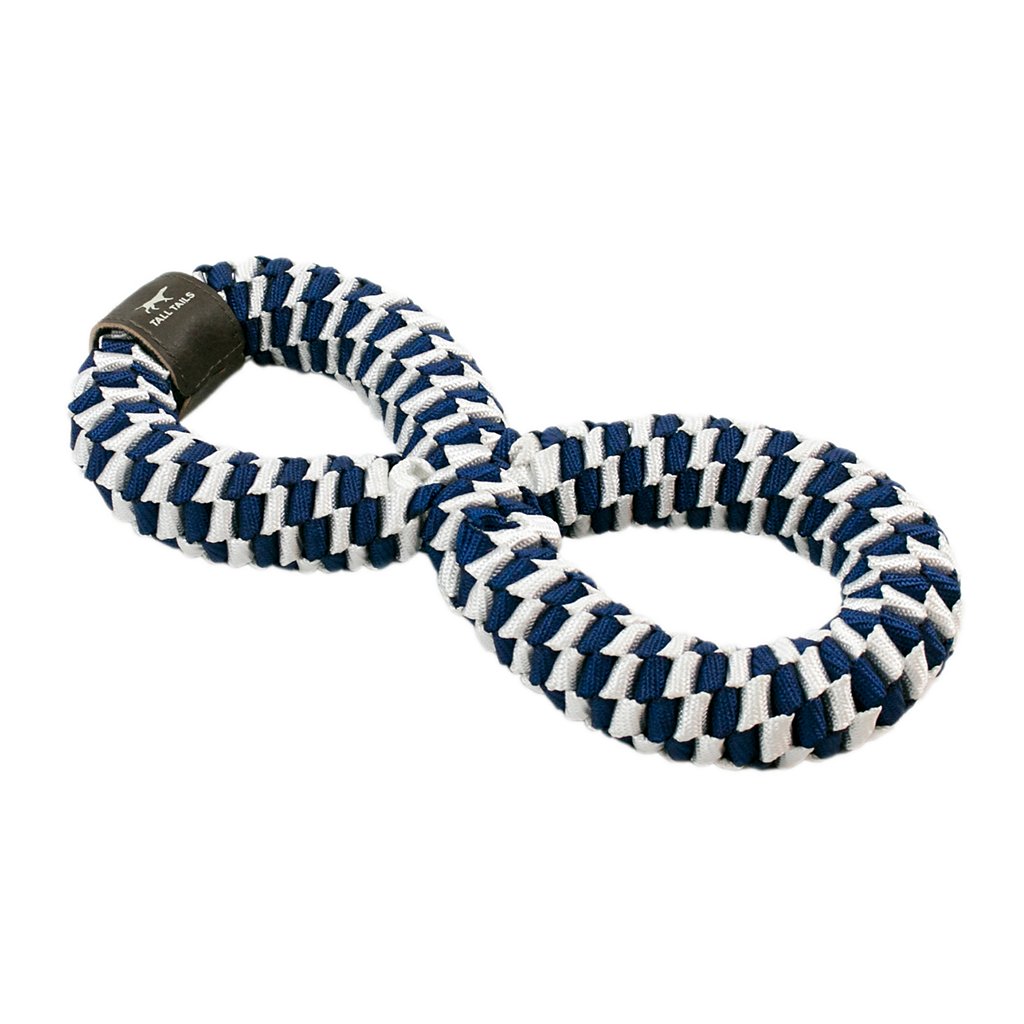
If your dog destroys store-bought toys in a matter of hours, this one’s for me — and you. Cut three long socks into strips lengthwise so you have three long fabric loops.
Stack them, tie one end in a tight knot, then braid them together and knot the other end. The result is a thick, tug-worthy rope toy that costs nothing.
I’ve made a dozen of these for my Lab mix and they hold up better than some of the $12 toys from the pet store.
Just make sure you remove any loose threads before handing it over — you don’t want your dog swallowing fabric fibers. And skip this one for aggressive chewers who tend to rip fabric apart and eat it; for those dogs, a proper rubber Kong is safer.
5. Sock Puppet for Kids
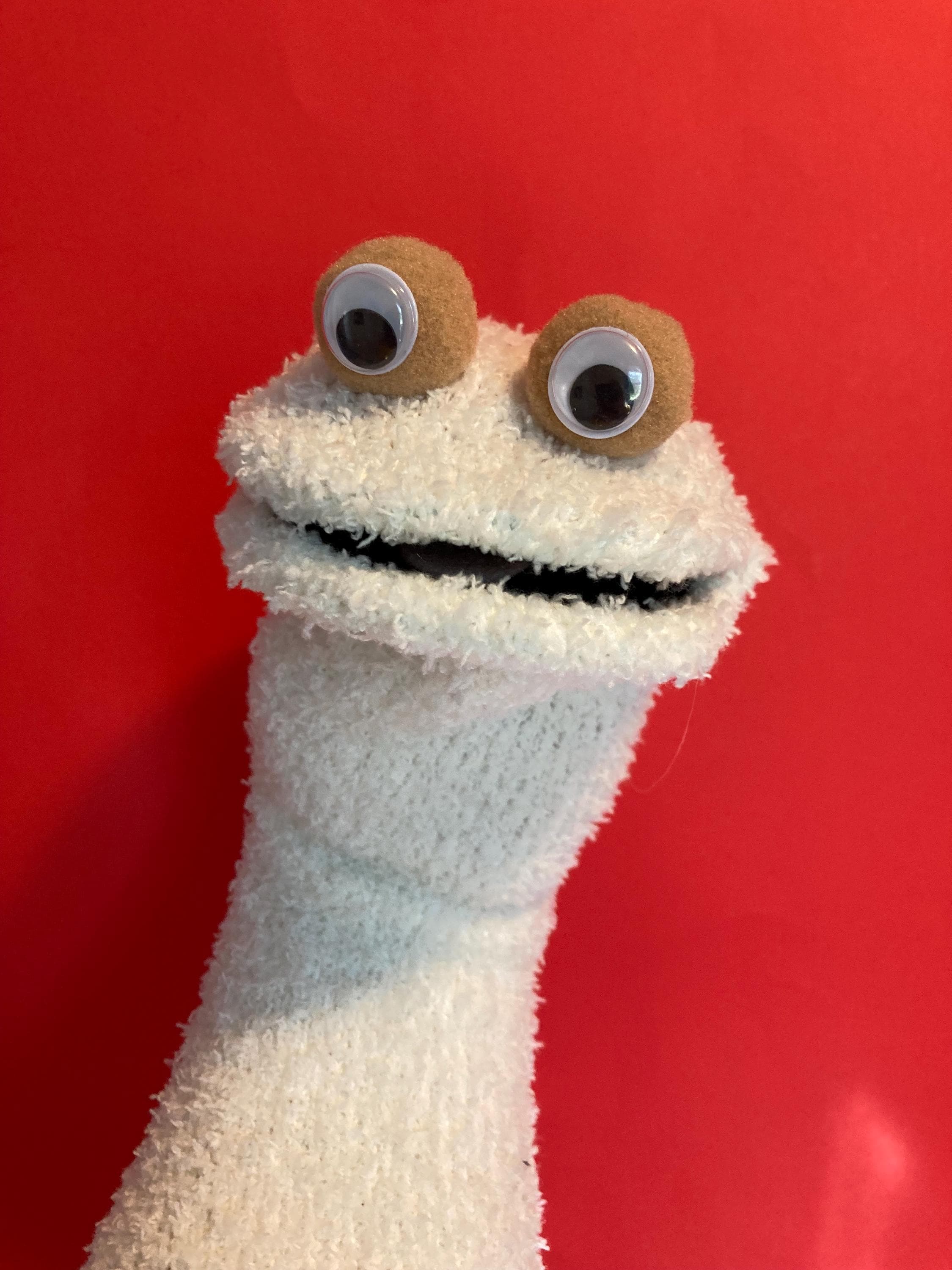
This is rainy-afternoon gold. Slide a sock on your kid’s hand, fold the toe end over to make a mouth, and let them go wild with buttons for eyes, yarn for hair, and fabric scraps for whatever else their imagination demands. A hot glue gun makes assembly faster (for you, not the kids), but white school glue works fine if you don’t mind waiting for it to dry.
I’ve found that adult-sized crew socks work better than kid socks — more room for little hands to work the mouth. And the thicker the sock, the sturdier the puppet. Thin dress socks tend to flop.
6. Shoe Buffing Cloth
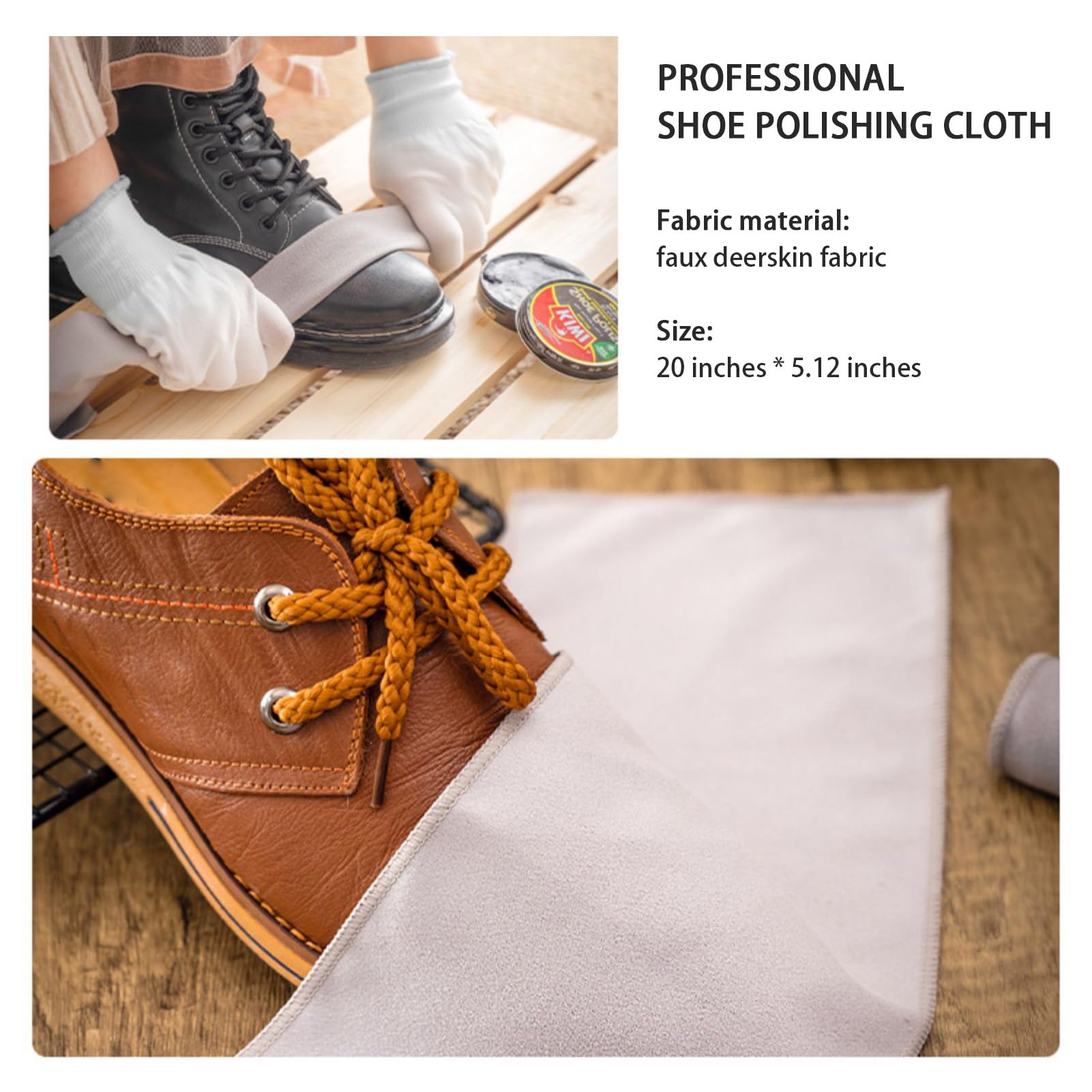
A clean cotton sock is genuinely one of the best shoe-polishing tools I’ve ever used. The fabric conforms to the shape of the shoe, and the terry cloth texture (if it’s a sports sock) gives you just enough abrasion to work polish into leather.
Apply your Kiwi shoe polish or Saphir Renovateur with an old sock, let it sit for a few minutes, then buff with a second clean sock. The result is a shine that rivals anything you’d get from those hotel shoe-shine kits.
Worn-out dress socks also work beautifully as lint rollers for dark clothing — just slip one over your hand and run it over your coat before heading out.
7. Lavender Drawer Sachet
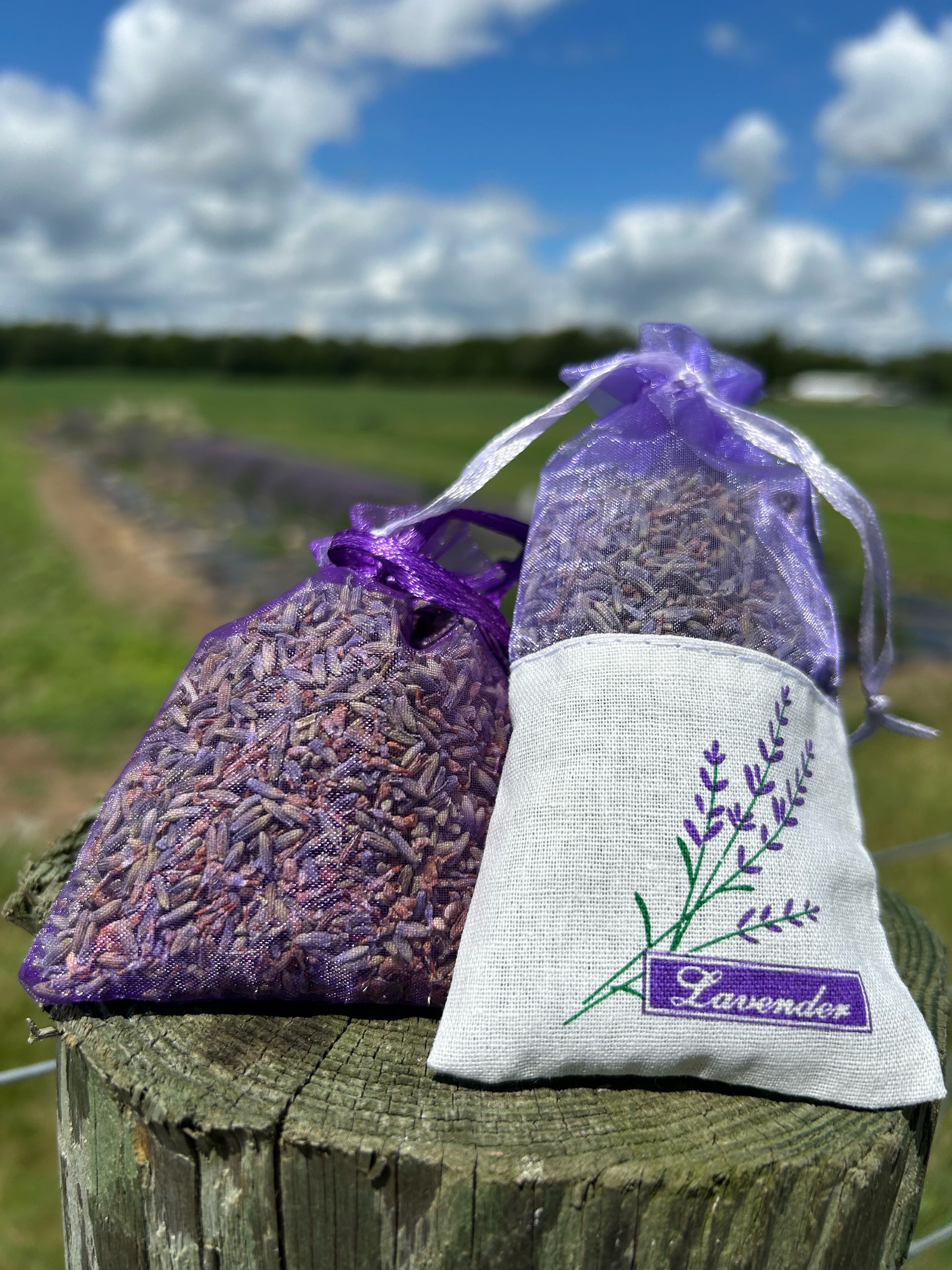
Cut the foot off a sock, fill it with dried lavender buds — or a mix of lavender and cedar shavings if moths are a concern — and tie it shut with a bit of ribbon or twine. Tuck it in your dresser drawers, your closet, or even your gym bag. The lavender scent lasts a few months before fading, at which point you just squeeze the buds to release more fragrance, or empty and refill.
I buy dried lavender in bulk from Mountain Rose Herbs — a one-pound bag makes enough sachets for every drawer in the house. Dried lavender is also a natural moth repellent, so the double duty makes it especially handy for wool sweater storage.
8. Chair Leg Floor Protectors
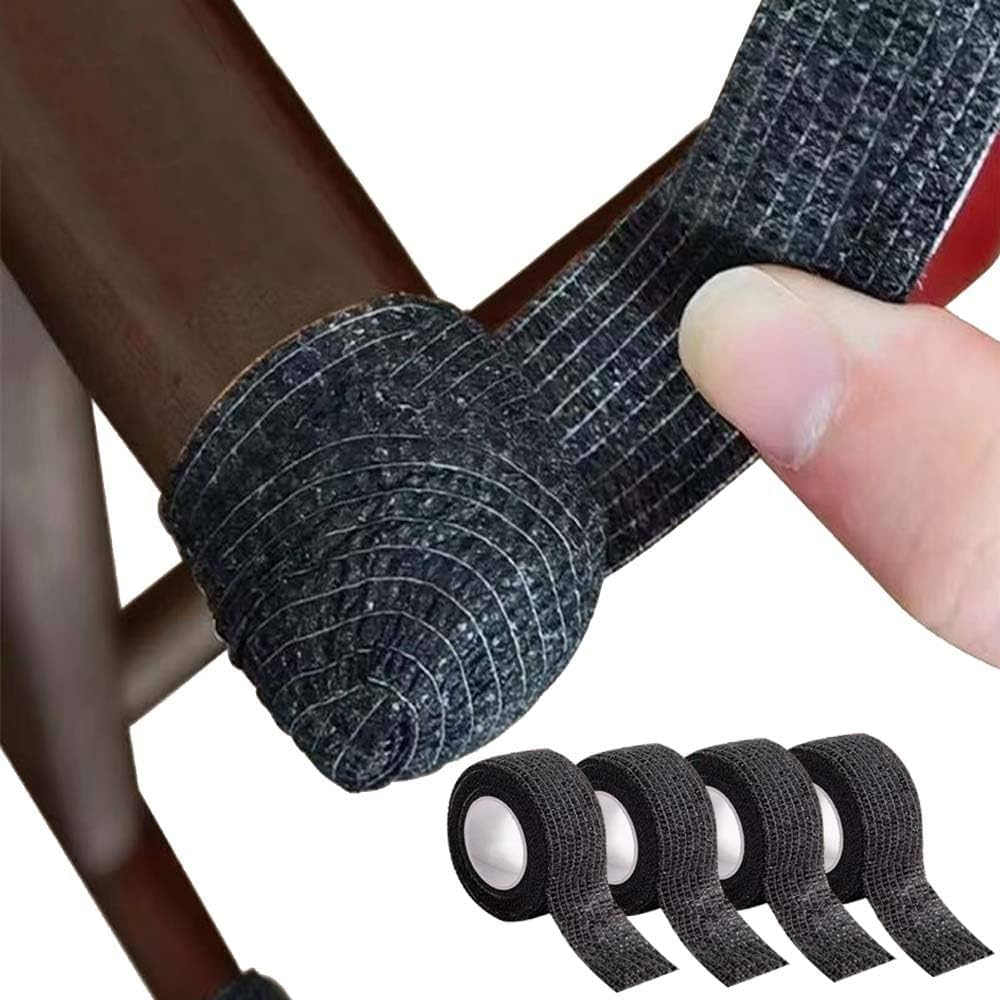
If you’ve got hardwood floors and metal or wooden chair legs, you know the scratch marks I’m talking about. Cut the foot off a sock, slide it over the bottom of the chair leg, and secure it with a rubber band or a quick stitch of upholstery thread.
It looks a little goofy on fancy dining chairs, but for your everyday kitchen or office chairs? It works beautifully and costs nothing.
I tried this on my kitchen chairs three years ago and haven’t had a new scratch since. I replace the socks every six months or so when they wear through. Felt furniture pads from the hardware store cost $8 for a pack and fall off constantly — this is better.
9. DIY Hair Bun Donut
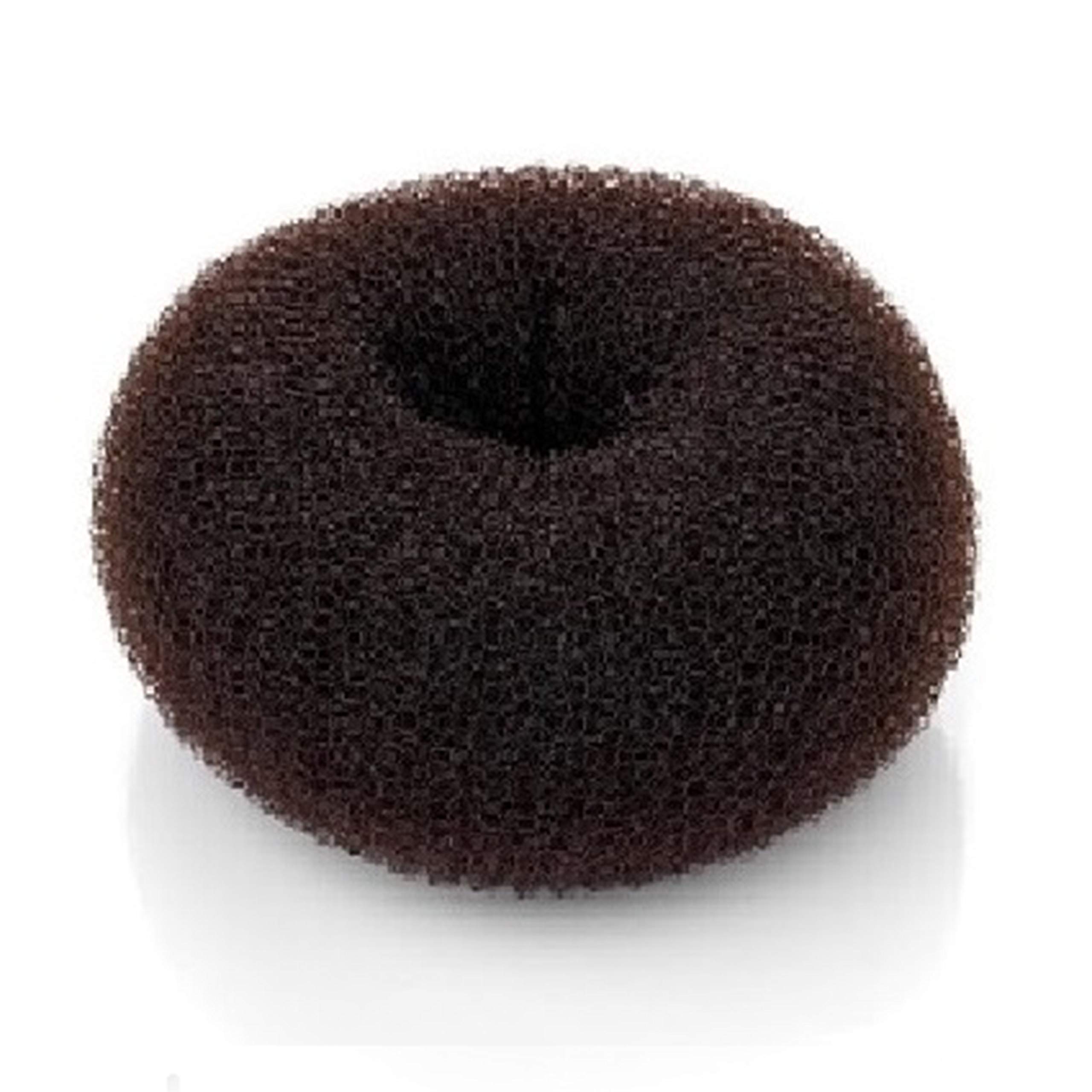
This is the Pinterest classic for a reason — it works. Cut the toe off a long sock, roll the remaining tube into a donut shape, and use it to create a full, voluminous bun.
Pull your hair into a ponytail, slide the sock donut over it, spread your hair evenly around the donut, and pin everything in place with bobby pins. Use a sock that’s close to your hair color so it blends in if any fabric peeps through.
The trick I figured out after a few failed attempts: thicker socks give a more structured bun, while thin dress socks create a softer, more natural look. And if your hair is on the finer side, tease it lightly before wrapping — the extra texture keeps everything from sliding off the donut.
Frequently Asked Questions
Can you recycle old socks?
Most curbside recycling programs don’t accept textiles, including socks. However, many textile recycling programs do — companies like H&M, The North Face, and Smartwool accept old socks and worn-out clothing at their retail stores or by mail.
Nike’s Reuse-A-Shoe program also takes old athletic socks. Search for textile recycling near you before tossing them.
How do you know when socks are too worn out to reuse?
If the fabric has holes, is threadbare, or has lost its elasticity to the point where it won’t stay in place, it’s probably too far gone for wearable reuse — but it’s still great for cleaning, dusting, or stuffing draft stoppers. If the sock smells permanently musty even after washing, or has mildew stains, compost it if it’s 100% cotton, or throw it out.
What’s the best type of mismatched sock for reuse projects?
Cotton and cotton-blend socks are the most versatile — they’re breathable, easy to wash, microwave-safe for rice heating pads, and sturdy enough for braided toys and draft stoppers. Wool socks are great for cold-weather projects like draft stoppers and heating pads. Avoid thin nylon dress socks for most projects; they’re slippery, don’t absorb well, and fall apart quickly.
Is it hygienic to reuse old socks for cleaning or crafts?
As long as you wash them first, absolutely. Toss them in a hot wash cycle with your regular detergent before using them for anything — cleaning, crafting, pet toys, or sachets. For projects that involve skin contact like a heating pad, use socks that were in good condition when retired and don’t show signs of fungal wear.
Every one of those mismatched socks in your drawer has a second life waiting — it just takes a pair of scissors and five minutes to get started. I’ve dusted my ceiling fans with them, kept my floors scratch-free, and microwaved them into cozy heating pads on more cold nights than I can count. Save the singles, skip the trash, and put them to work around the house.
Leave a Reply