
Old pillowcases pile up faster than you’d think. Maybe you upgraded your bedding, or a zipper finally gave out on the duvet cover that matched them.
Either way, you’ve got soft, perfectly good cotton (or linen, or jersey) sitting in a drawer doing nothing. Before you toss them in a donation bin — where frankly, used pillowcases are not high-demand items — think about what that fabric can do around your house.
These aren’t fussy craft projects that require a sewing machine and a weekend. Most of these ideas need scissors at most, and some need nothing but your hands and maybe a rubber band. Each one solves an actual problem you probably already have.
1. DIY Drawstring Bag
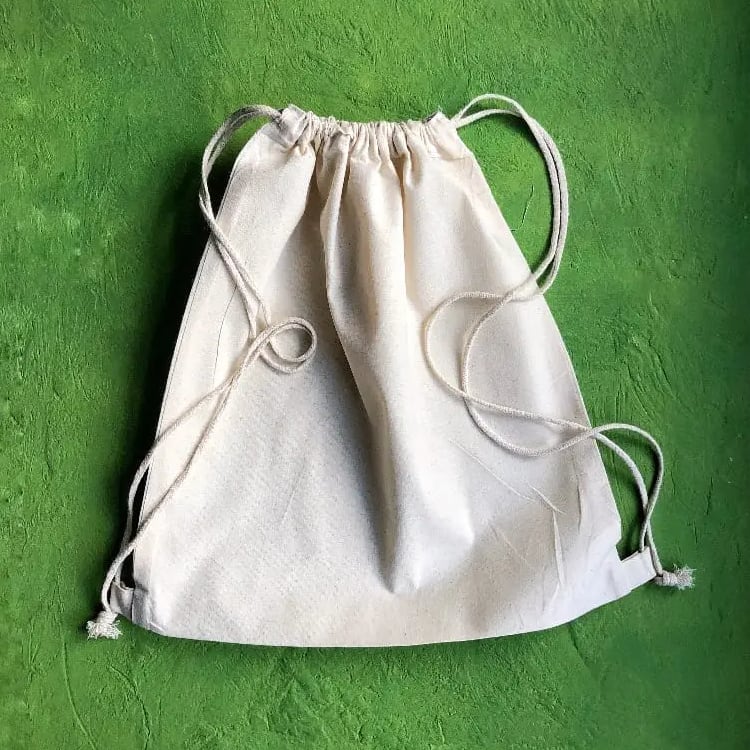
This is the one I come back to again and again. A standard pillowcase is already shaped like a bag — you just need to close one end and add a drawstring.
Fold the open end over about two inches, stitch a channel (or use iron-on hem tape like HeatnBond if you don’t sew), and thread a piece of cord or ribbon through it. You’ve got a drawstring bag that works for shoes in your suitcase, gym clothes, kids’ toys, or anything else that needs containing.
For a no-sew version, cut two small holes along the folded edge and thread the cord through with a safety pin. It won’t win beauty contests, but it works in about four minutes. Use heavier pillowcases for sturdier bags — thin jersey knits stretch out and lose their shape quickly.
2. Reusable Produce Bag
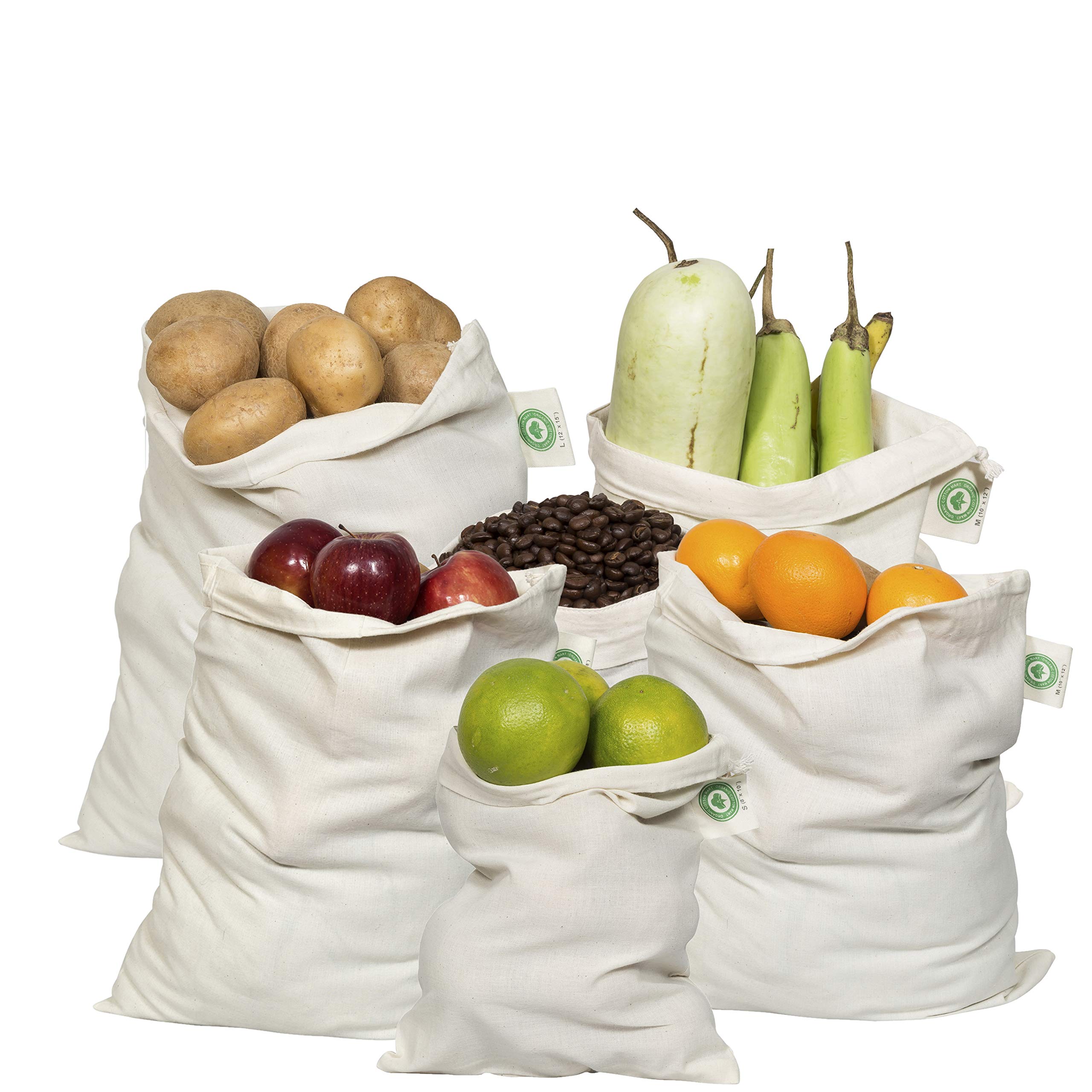
If you’ve been meaning to stop using the flimsy plastic bags at the grocery store, this is about the lowest-effort way in. A cotton pillowcase breathes naturally, which is exactly what most produce needs.
Cut the pillowcase down to whatever size makes sense for your usual haul, fold the raw edge over, and stitch or glue a simple hem. Add a drawstring the same way as above, and you’ve got a washable produce bag that folds flat in your purse or car console.
One thing to know: very light-colored, thin cotton works best here because you can actually see what’s inside. Thick, dark pillowcases make it harder to tell your lemons from your limes at checkout. Toss them in the washing machine on warm after each grocery trip and they’ll last for years.
3. Dust Cover for Stored Clothes
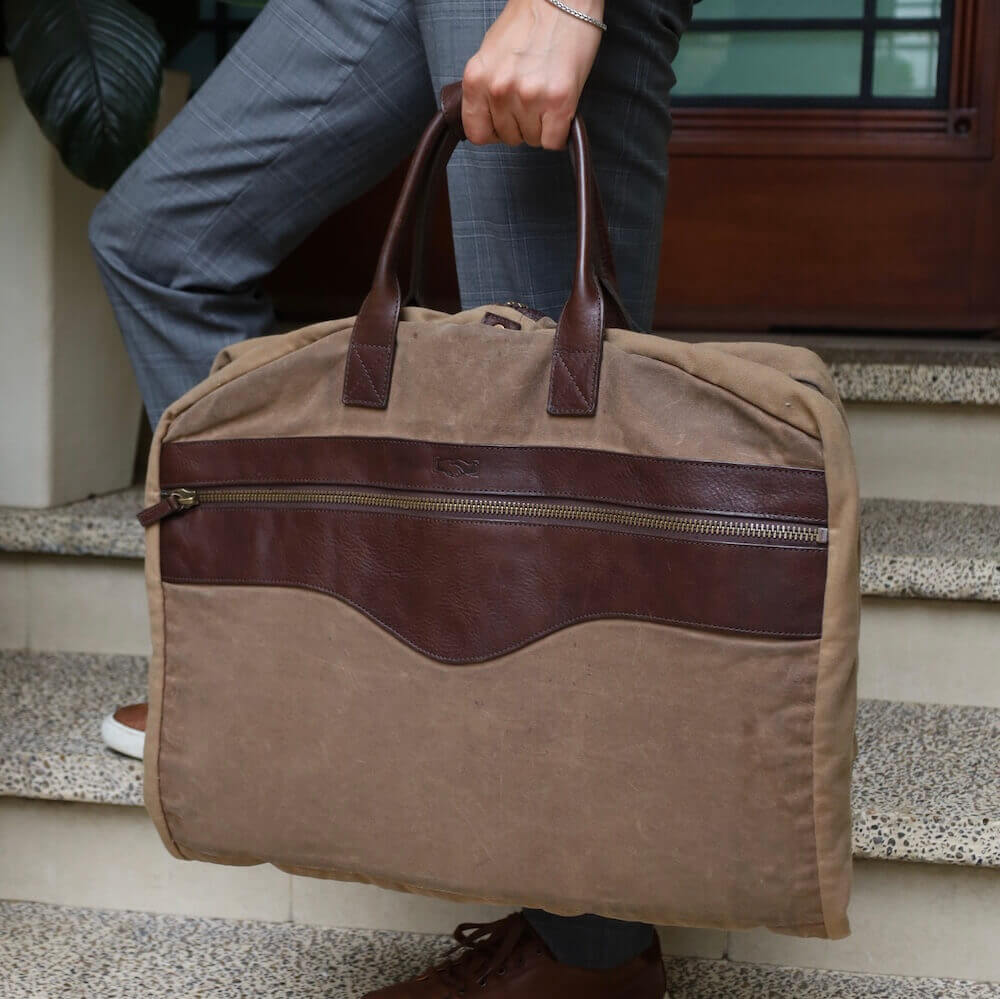
If you store off-season coats, suits, or delicate dresses in a closet, you already know that dust and yellowing are real problems over months of hanging. Commercial garment bags solve this, but a clean pillowcase does the same job for free. Slide it over the hanger so the garment hangs inside, or fold heavier items and wrap them loosely in a pillowcase before placing them in a storage bin.
This works especially well for wool and silk, which are prone to moth damage and dust accumulation. Cotton breathes better than plastic garment bags, which can actually trap moisture and cause mildew on natural fibers. Just make sure the pillowcase is freshly washed and completely dry before you use it — any lingering moisture will defeat the purpose.
4. Furoshiki-Style Gift Wrap
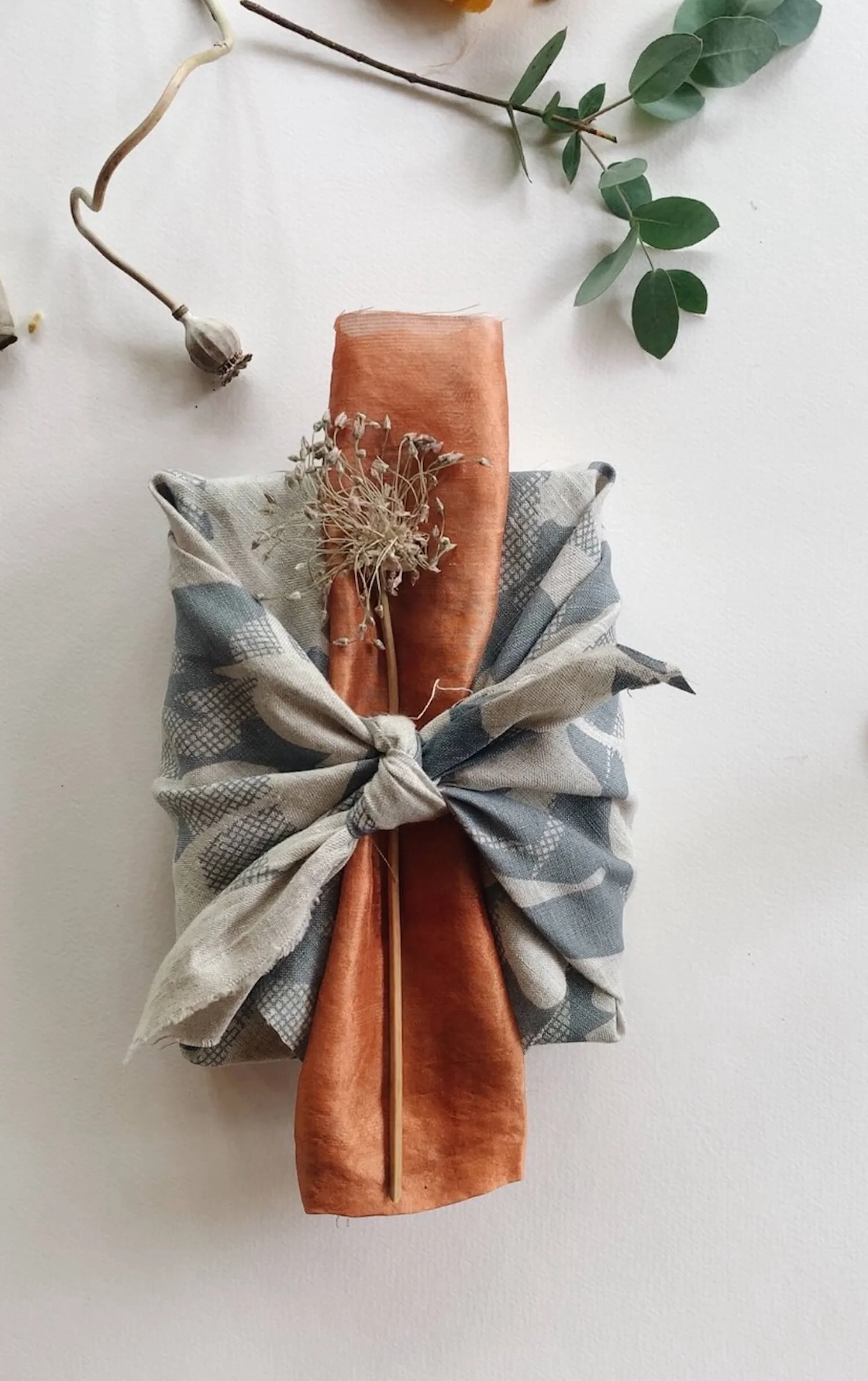
Furoshiki is the Japanese practice of wrapping gifts in fabric, and it’s one of those ideas that looks complicated on video but is genuinely simple once you do it once. A square-ish pillowcase is already close to the right shape — if it’s too rectangular, fold one end under to make it roughly square.
Place your gift in the center, bring two opposite corners together and tie them, then do the same with the other two. Tuck the ends in neatly and you’re done.
The beauty is that the wrap becomes part of the gift itself — your recipient gets the item plus a useful piece of fabric. Larger gifts like wine bottles, books, and box-shaped items work best; irregularly shaped things get floppy and frustrating.
Cotton and linen pillowcases hold a nice crease and knot securely. Silky or satiny ones look gorgeous but tend to slide apart, so pin the knot if you go that route.
5. Microwave Heating Pad
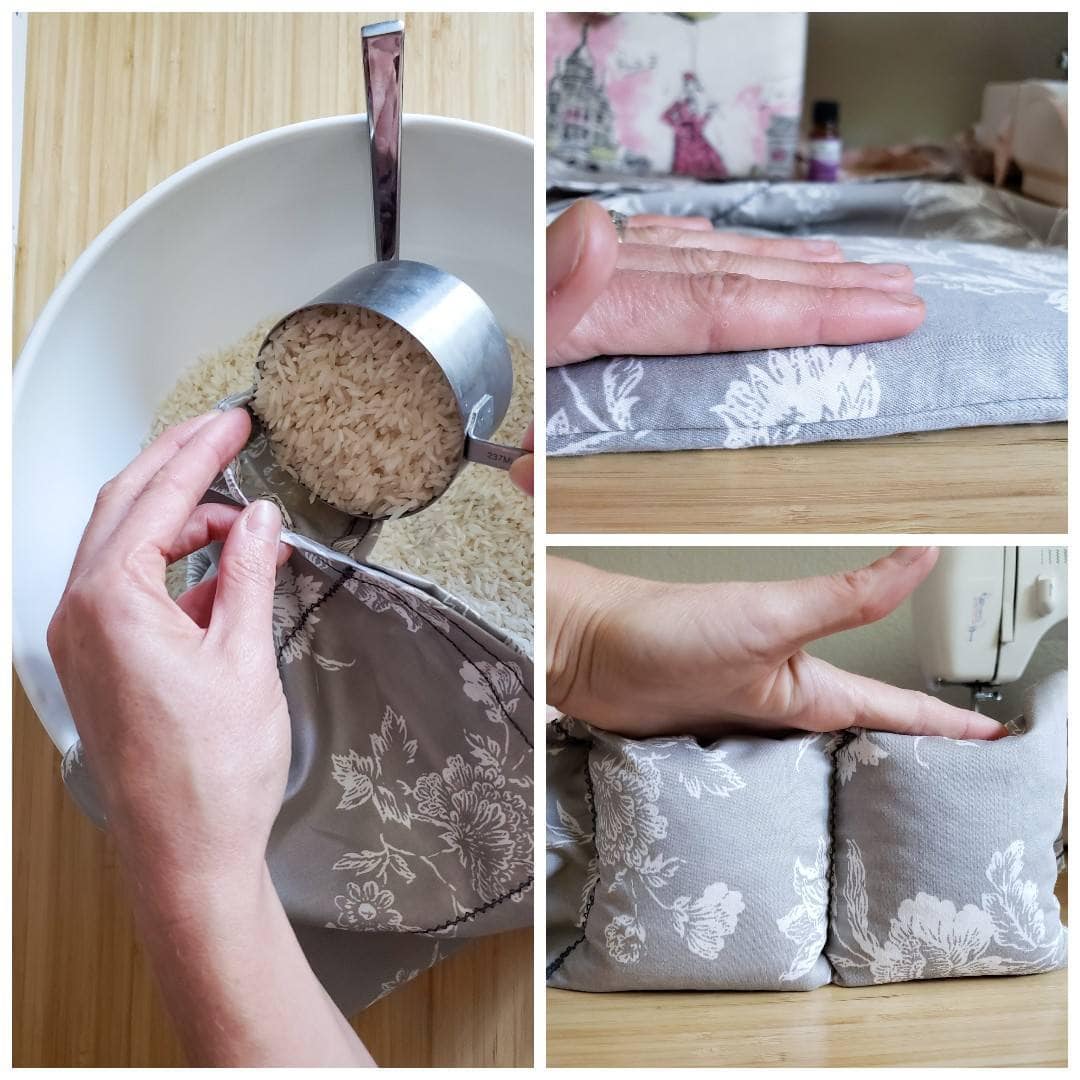
A pillowcase makes an excellent outer sleeve for a microwave heating pad. Fill a smaller inner pouch (an old sock works) with your chosen filling, tuck it inside the pillowcase, and microwave for one to two minutes. The pillowcase acts as an insulating layer so the heat releases slowly and doesn’t burn your skin.
What to fill the inner pouch with:
- ✦White rice — cheap, holds heat well, and has almost no scent
- ✦Flaxseed — retains heat longer than rice but smells slightly nutty when heated
- ✦Dried lavender buds — mix in a tablespoon or two with the rice for a calming scent
- ✦Dried cherry pits — a European favorite; they hold heat exceptionally well but are harder to find
Keep the filling amount modest — about two cups for a pillowcase-sized pad. Overfilling makes it too rigid to drape around your neck or shoulders. And always place a cup of water in the microwave alongside it; the ambient moisture keeps the filling from scorching.
6. No-Sew Tote Bag
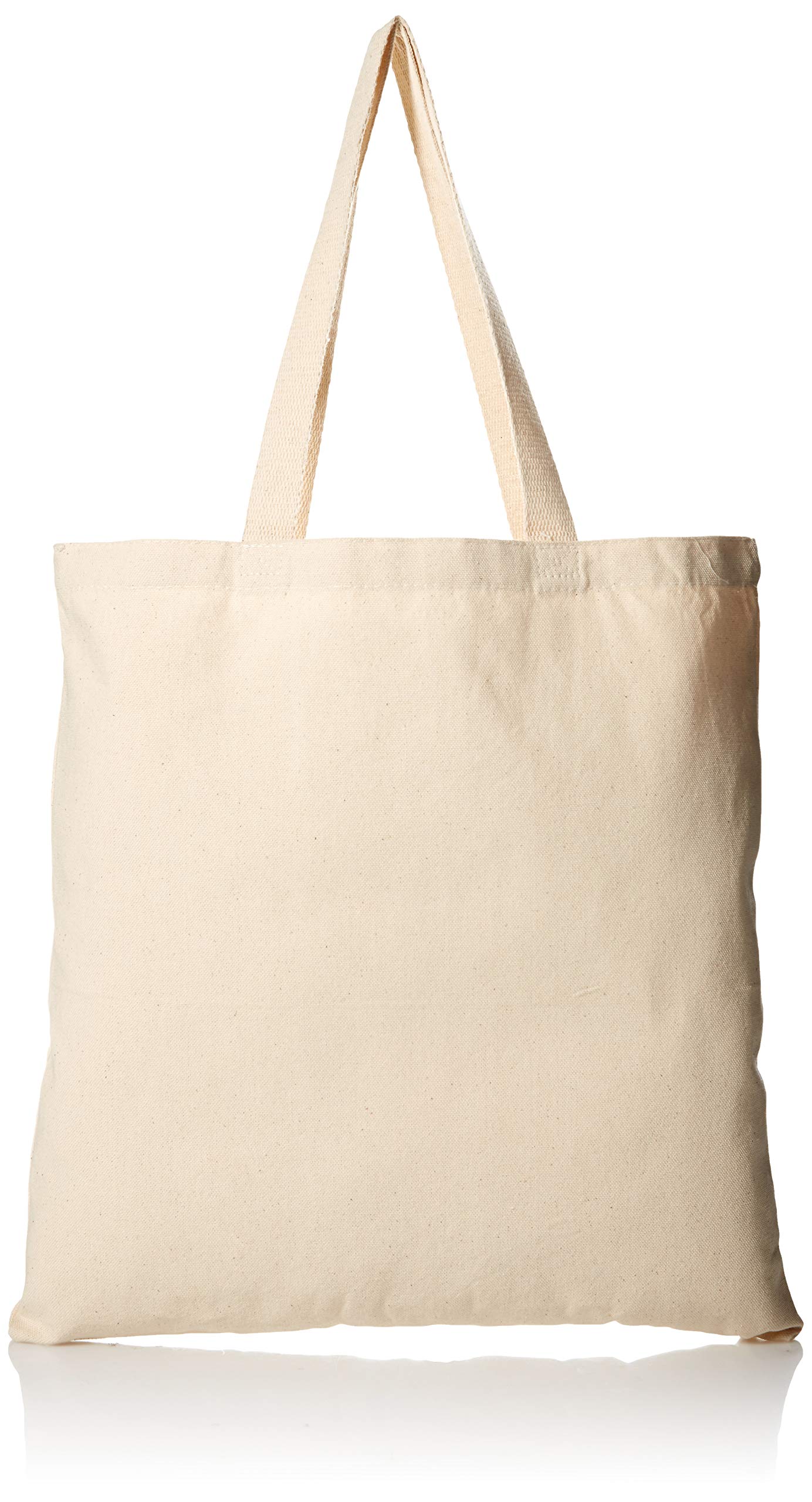
If you need a quick carry-all for farmers’ market runs, library trips, or beach days, a pillowcase becomes a tote in under ten minutes with zero sewing. Fold the pillowcase flat, cut two armhole-style handles near the open end (use a tote you already own as a template if you’re nervous about getting the spacing right), and you’re done. The closed bottom of the pillowcase is already the base of the bag.
For a sturdier version — especially if you’ll be carrying heavy groceries — double up two pillowcases by nesting one inside the other before cutting. This adds structure and prevents stretching. Heavier fabrics like cotton sateen or linen hold their shape best; thin cotton percale tends to sag under any real weight, so stick to lighter loads with those.
7. Delicates Laundry Bag
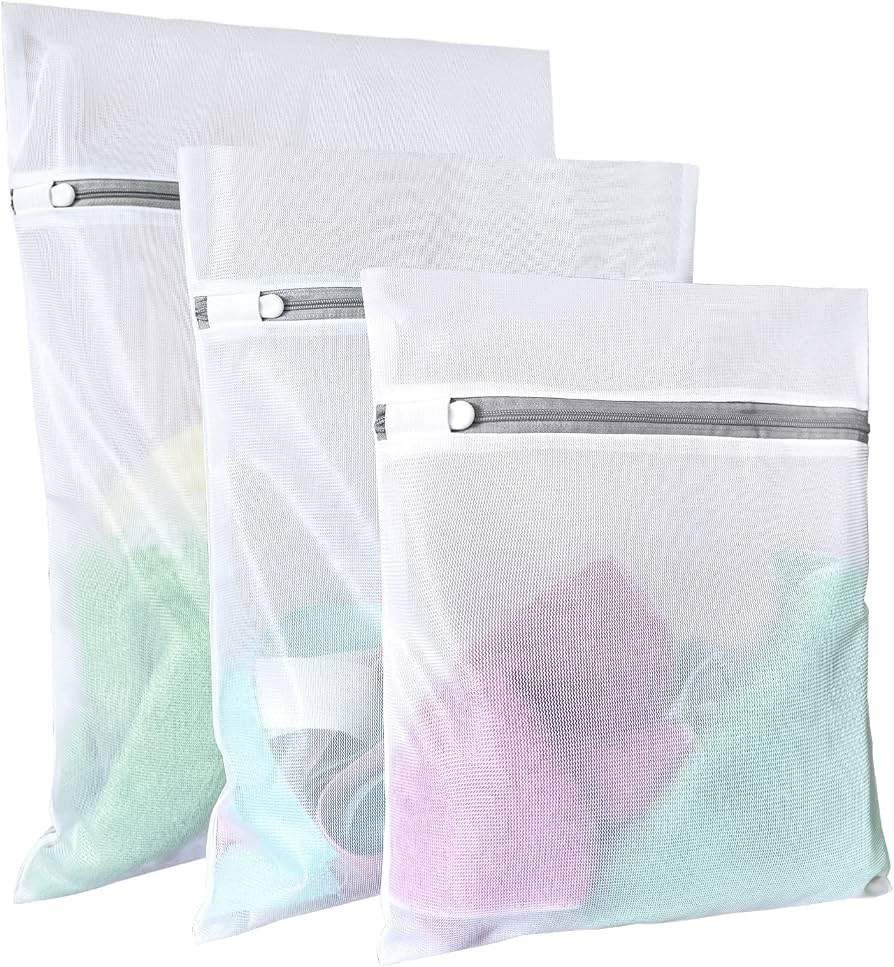
You know that mesh laundry bag you keep meaning to buy for your bras and silk camisoles? A pillowcase does the same thing.
Place your delicates inside, tie the open end in a loose knot (or use a hair elastic to secure it), and toss it in the washing machine on a gentle cycle. The fabric buffers the items from the agitator and keeps hooks from snagging on everything else in the load.
Cotton pillowcases work better than synthetic ones here because they absorb and release water evenly through the wash cycle. Synthetic satin or polyester pillowcases can create static cling, which is the opposite of what you want with delicates. Use a white or light-colored pillowcase so there’s no risk of dye transfer, and wash it along with the delicates on cold.
8. Decorative Plant Pot Cover
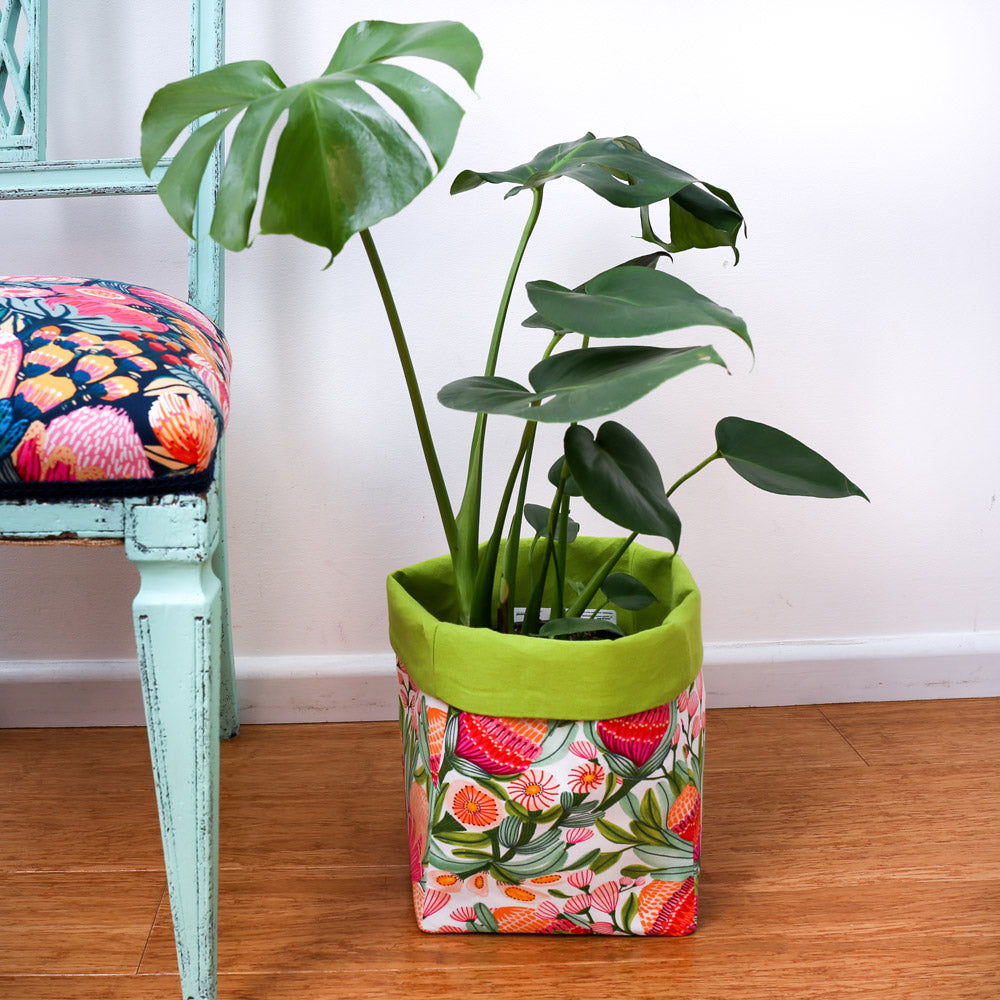
Those basic terracotta or plastic nursery pots are functional but ugly. Wrapping them in a pillowcase is a five-second fix that costs nothing.
Slide the pot into the open end of the pillowcase, fold the excess fabric under at the bottom, and use a rubber band or piece of twine to cinch it around the rim. The result looks like a soft, casual fabric planter — the kind of thing you’d pay twelve dollars for at a home decor store.
This works best for pots you keep indoors or on a covered porch. Fabric will mildew and rot if it stays wet outdoors, so don’t use this on pots that sit in rain.
When you water the plant, either take it out of the cover first or set the wrapped pot in the sink and let it drain fully before putting it back. Neutral or earth-toned pillowcases look the most intentional — bold prints can work, but they read as “repurposed bedding” pretty quickly if the pattern is obviously pillow-like.
FAQ
What can you make from old pillowcases without sewing?
Most of the ideas in this list require nothing more than scissors and a rubber band. Drawstring bags need a simple fold and cord, tote bags just need two handle cuts, and plant pot covers are pure wrapping. Iron-on hem tape (like HeatnBond) is a good middle ground if you want clean edges without threading a needle.
Can old pillowcases be used as cleaning rags?
Absolutely, and it’s one of the simplest reuses. Cotton pillowcases cut into squares make excellent dusting cloths and window-wiping rags — they’re softer than most t-shirt rags and don’t leave lint on glass. Cut them into manageable sizes, about 12 by 12 inches, and keep a stack under the sink.
How should you wash old pillowcases before reusing them?
Wash them on the hottest water setting the fabric can handle (check the label — most cotton handles warm or hot fine) with a regular detergent. Add a half cup of white vinegar to the rinse cycle if the pillowcases have any musty storage smell. Dry them completely on medium heat before using them for any storage or food-contact purpose.
Are old pillowcases recyclable or compostable?
Cotton and linen pillowcases are technically compostable — cut them into small strips first so they break down faster. Synthetic fabrics like polyester or microfiber are not compostable and shouldn’t go in yard waste. Most textile recycling programs accept clean pillowcases regardless of material, so that’s your best bet for anything you can’t reuse.
Between the heating pad I made last winter and the produce bags I’ve been rotating through the grocery store for months, I’ve barely thrown out a pillowcase in two years. The trick is keeping a few clean ones in a designated spot — a basket in the linen closet works — so they’re right there when you need one. A pillowcase you actually use is worth more than a stack of them waiting for a project you’ll never start.
Leave a Reply