

Old books bring texture, history, and warmth to fall decorating projects when you repurpose their pages, covers, and spines into seasonal accents. These crafts turn forgotten volumes into focal points that layer naturally with pumpkins, dried foliage, and candlelight.
Book Page Pumpkins
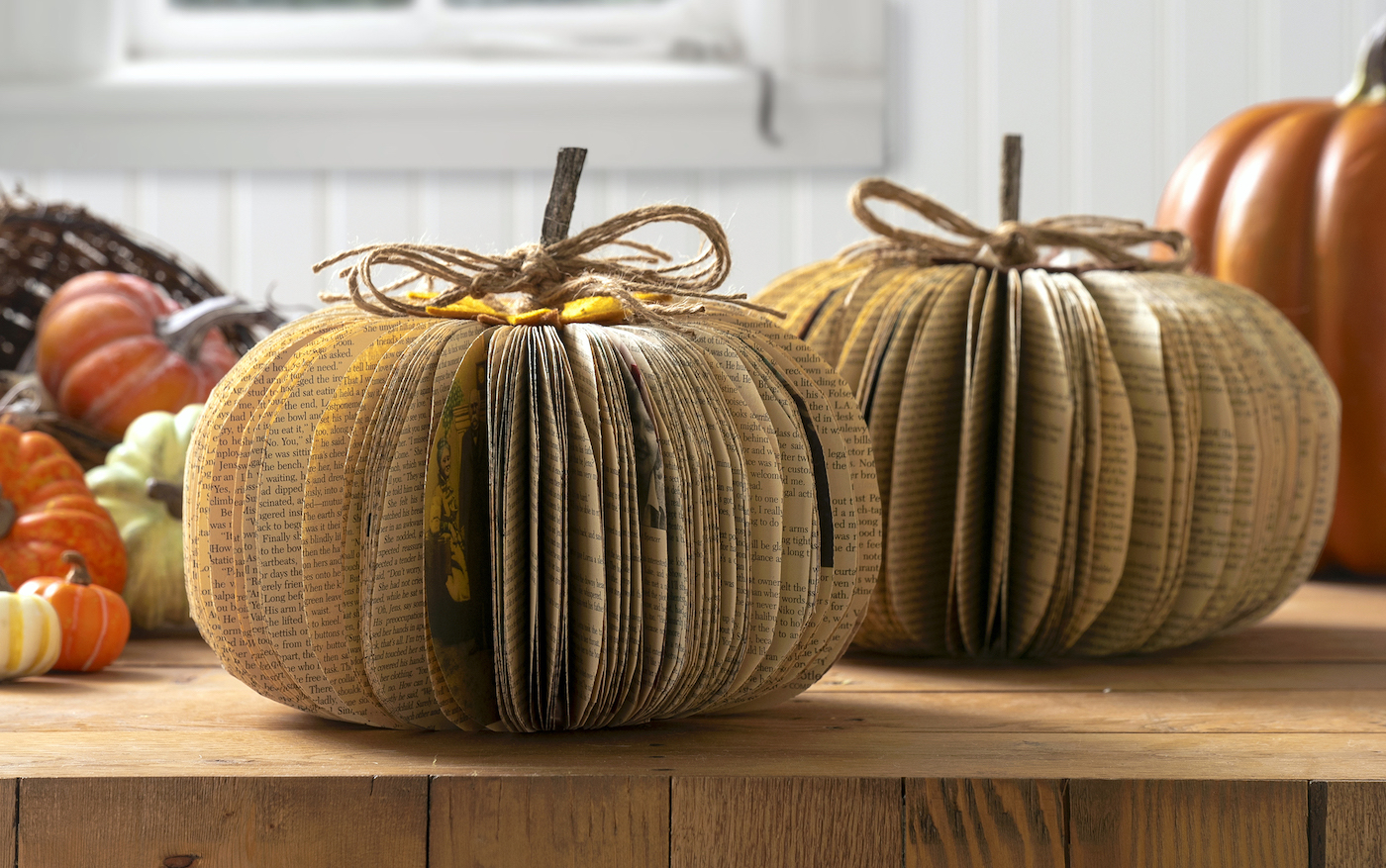
Book page pumpkins sit on mantels and tabletops as soft, sculptural alternatives to real gourds. You stack and shape rolled or folded pages into rounded forms, then add a small stick or twig stem for an authentic harvest look. The paper layers catch light differently than solid materials, giving each pumpkin a gentle glow when placed near lamps.
Vary the scale by using different book sizes so a cluster feels collected rather than matched. Tuck a few pumpkins among real mini pumpkins or pinecones to blend the crafted and natural elements. A common placement mistake is overcrowding the arrangement; leave breathing room so the paper edges remain visible and the overall display stays airy.
Folded Book Acorns
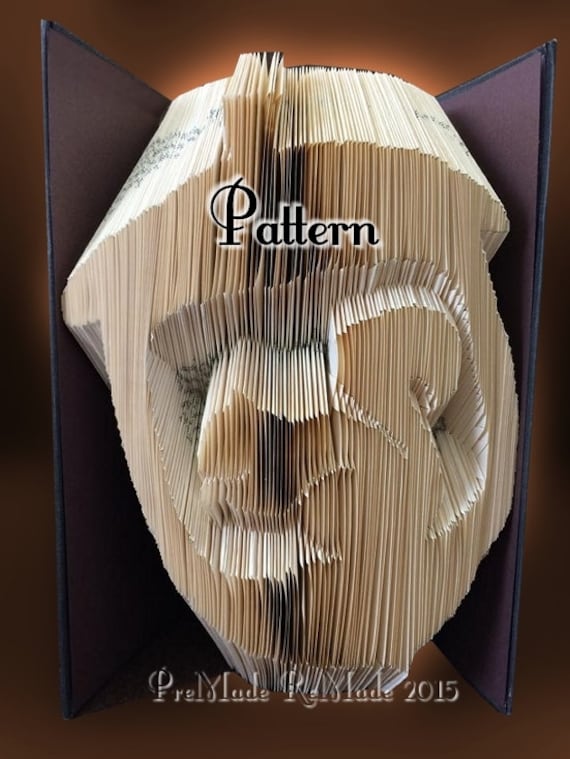
Folded book acorns offer compact accents that fit into bowls, wreaths, or place settings. You fold individual pages into tight ovals, attach a small cap cut from a real acorn or painted wood piece, and finish with a thin ribbon loop. The resulting shapes read as miniature versions of the real nut while still showing the printed text.
These work especially well scattered across a dining table runner or tucked into a garland. Choose books with slightly yellowed pages for a warmer tone that matches fall palettes. Avoid over-gluing the folds because excess adhesive flattens the dimensional quality that makes the acorns interesting up close.
Vintage Book Wreaths
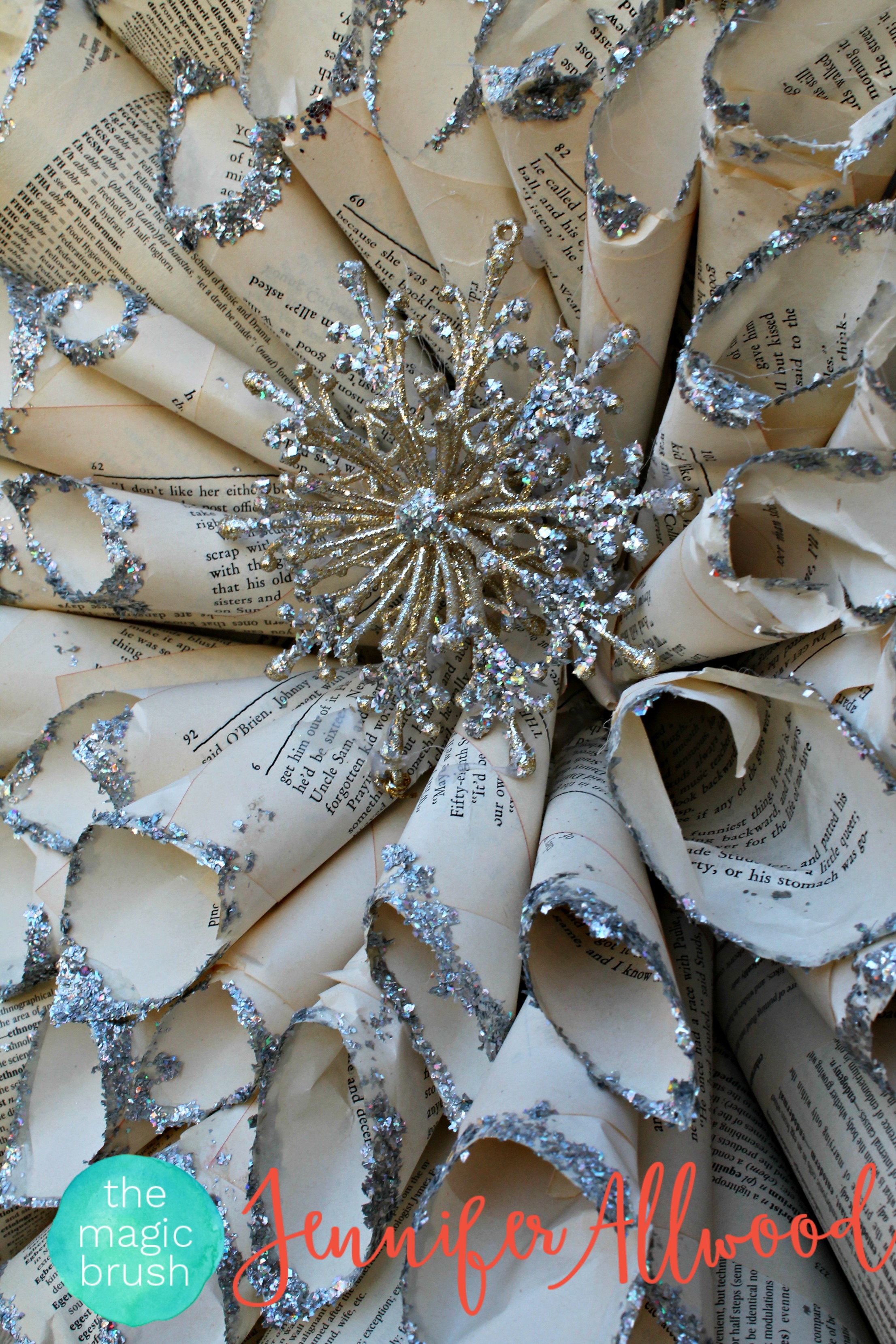
Vintage book wreaths combine rolled pages or torn strips into circular forms that hang on doors or above fireplaces. You wire or glue the paper elements around a foam or grapevine base, then weave in dried leaves or small branches for color. The finished wreath gains depth from the varied page edges that catch shadows throughout the day.
Hang one on an interior door where it can be viewed from both sides, or place a smaller version flat on a coffee table as a candle ring. Test the wreath weight before hanging so it does not pull away from the wall over time.
Stacked Book Centerpieces
Paper grain direction affects how cleanly pages fold or roll, so always check the natural fold line before committing to a shape.
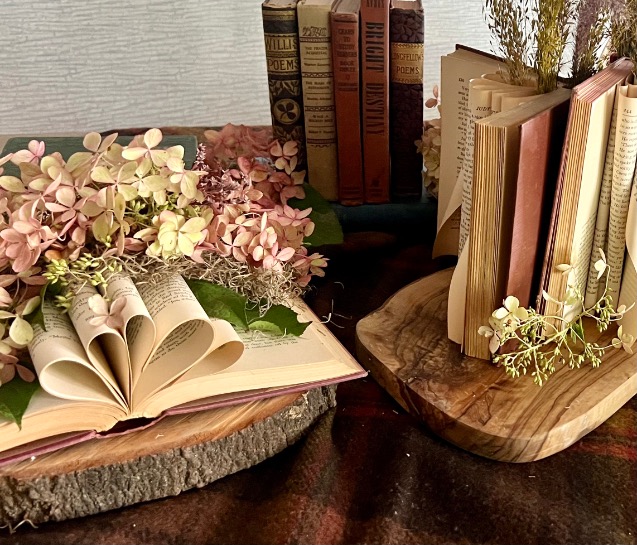
Stacked book centerpieces use whole volumes of varying heights and widths to create tiered platforms for candles or small vases. You arrange the books horizontally or at slight angles, then nestle seasonal items between the levels. The spines provide visual lines that guide the eye through the arrangement.
Place the tallest stack at the back of a dining table so sight lines remain open for guests. Swap the top objects seasonally without moving the books themselves. This approach keeps the display flexible through the entire autumn season.
Book Spine Candle Holders

Book spine candle holders turn narrow strips of spine into sleeves that fit around pillar candles. You cut spines to the height of the candle, then secure them with twine or a thin band so the text remains visible. The paper acts as both shade and decoration, softening the flame glow.
| Spine Material | Best Candle Size | Durability in Dry Air | Visual Texture |
|---|---|---|---|
| Thick hardcover | 3-inch pillar | High | Deep ridges |
| Paperback | Taper or votive | Medium | Smooth surface |
| Leather-bound | Any pillar | Very high | Aged patina |
Position holders on a tray to catch any stray wax and protect surfaces.
How do I prevent book spines from cracking when I cut them?
Select spines from books printed before the 1970s whenever possible because older glue remains more flexible. Score the cut line lightly with a craft knife first, then finish the cut in one smooth motion rather than sawing. Store finished holders away from direct heat sources to maintain the paper integrity through multiple seasons.
Book Page Garlands
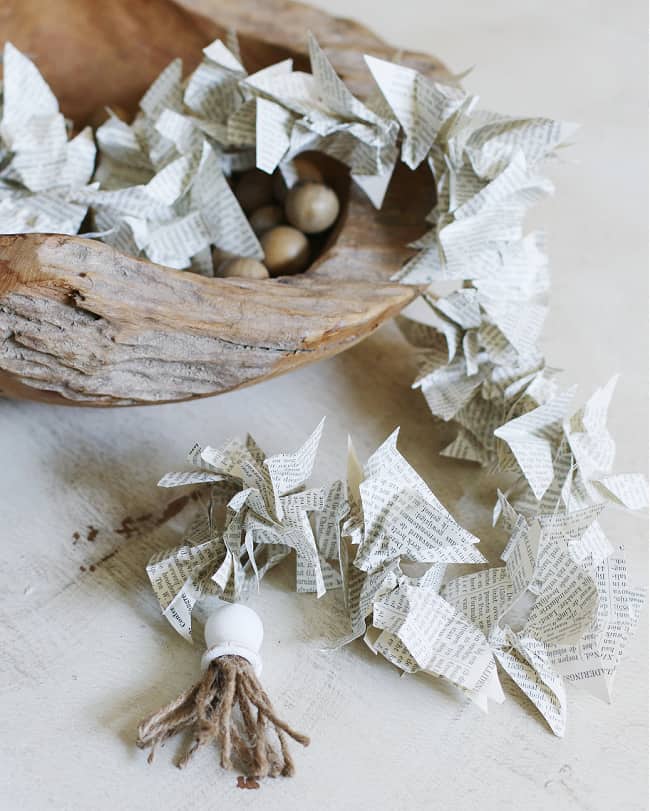
Book page garlands string individual leaves or simple shapes cut from pages across mantels or along stair rails. You punch two holes near the top of each shape and thread twine or thin wire through them. The lightweight paper moves slightly with air currents, adding subtle motion to a static display.
Alternate the shapes with small wooden beads or dried orange slices for extra color. Measure the finished length before hanging so the garland drapes evenly rather than sagging in the middle.
Old Book Lanterns
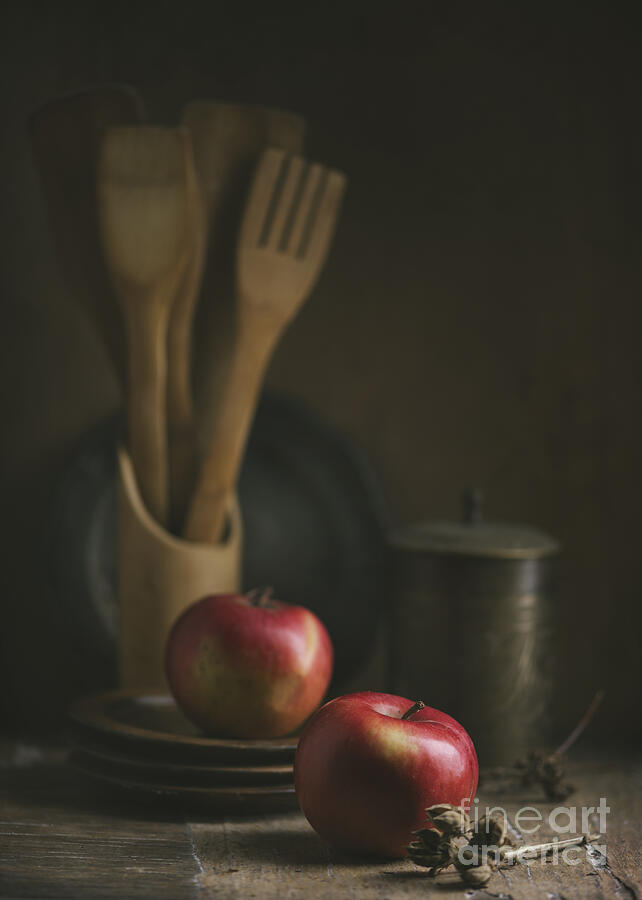
Old book lanterns enclose battery candles inside page cylinders or folded book covers. You remove the text block from a hardcover, then reassemble the cover into a box shape with the pages forming the sides. The printed interior glows when the light is on, turning ordinary text into a patterned shade.
Use these on covered porches where wind cannot reach the paper. Check battery candles regularly because heat buildup, even from LEDs, can dry pages over several weeks.
Folded Book Trees
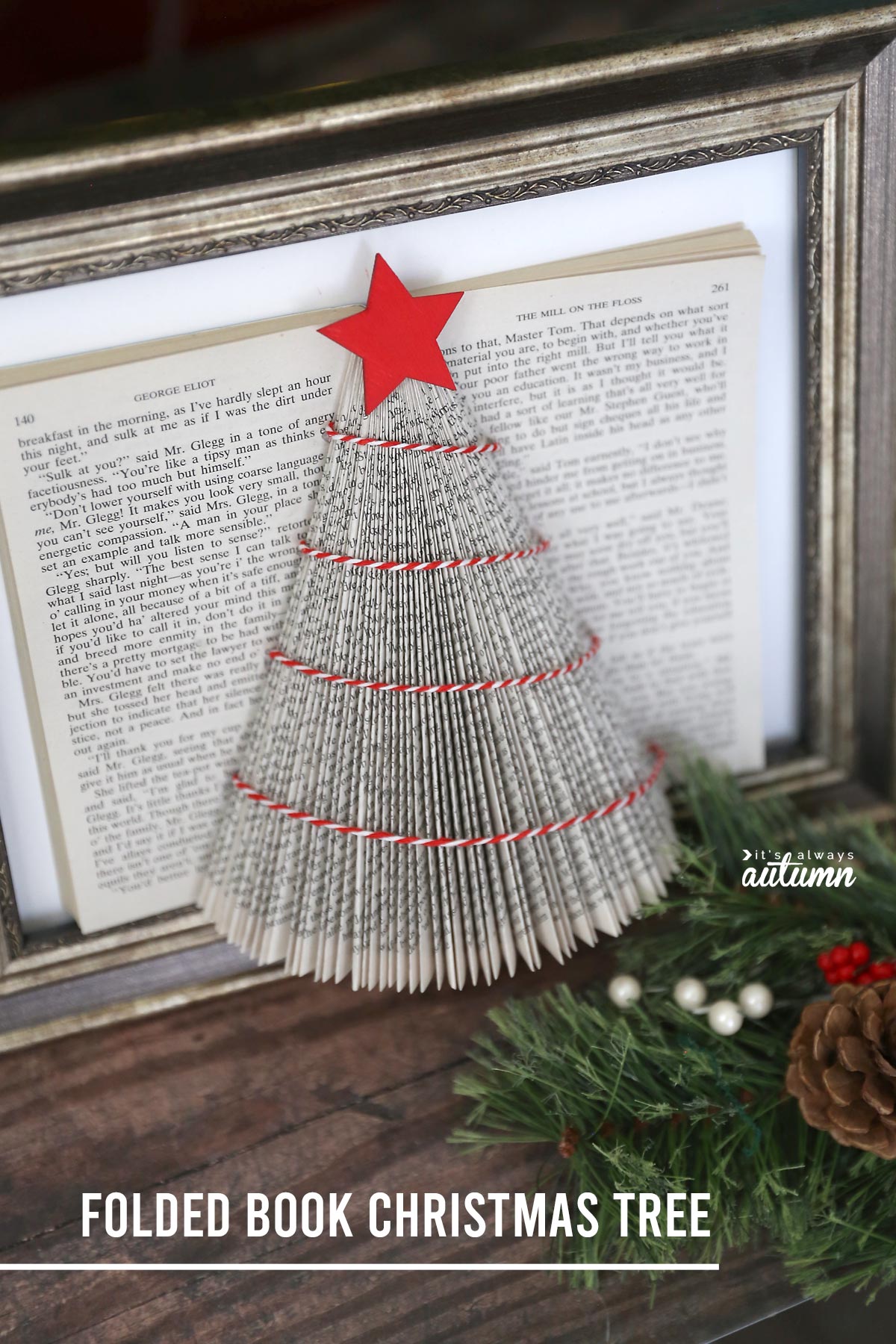
Folded book trees stand upright when pages are folded inward from both sides to form a triangular profile. You work from the center outward, creasing each page at a consistent angle so the tree tapers naturally. A small wooden base or heavy book underneath keeps the structure stable.
Position one on a side table beside a reading chair so the folded edges catch lamplight. Dust lightly with a soft brush rather than a cloth to avoid flattening the creases.
Book Cover Picture Frames
Book cover picture frames replace traditional mats with the inside of a hardcover. You cut an opening in the cover, back it with cardstock, and slide a photo behind the window. The remaining cover edges become the frame border, preserving the original title or decorative stamping.
Group several frames of different book sizes on a gallery wall for an instant autumn reading nook. Keep the photos simple so the text on the cover remains the focal point.
Book Page Maple Leaves
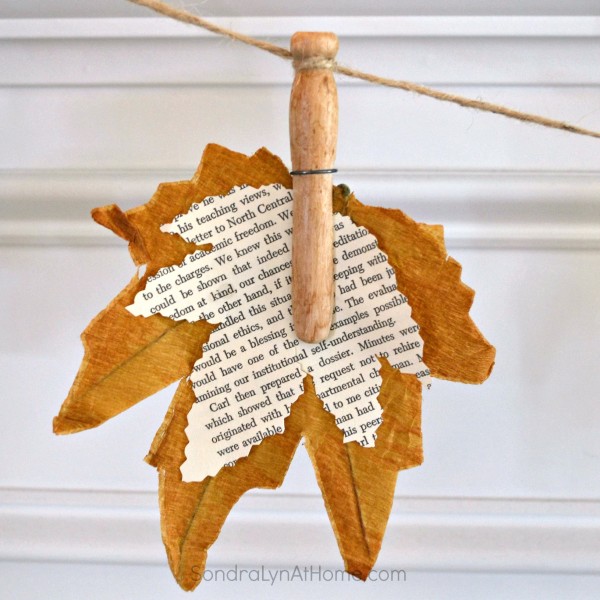
Book page maple leaves layer cut paper shapes to mimic the veining of real foliage. You trace a leaf template onto multiple pages, cut them out, then slightly curl the edges before gluing layers together. Wire stems let you tuck the leaves into arrangements or wreaths.
Scatter a handful across a console table runner for an organic finishing touch. Store extras flat between sheets of tissue paper so the curled edges do not flatten during off-season storage.
Vintage Book Vases
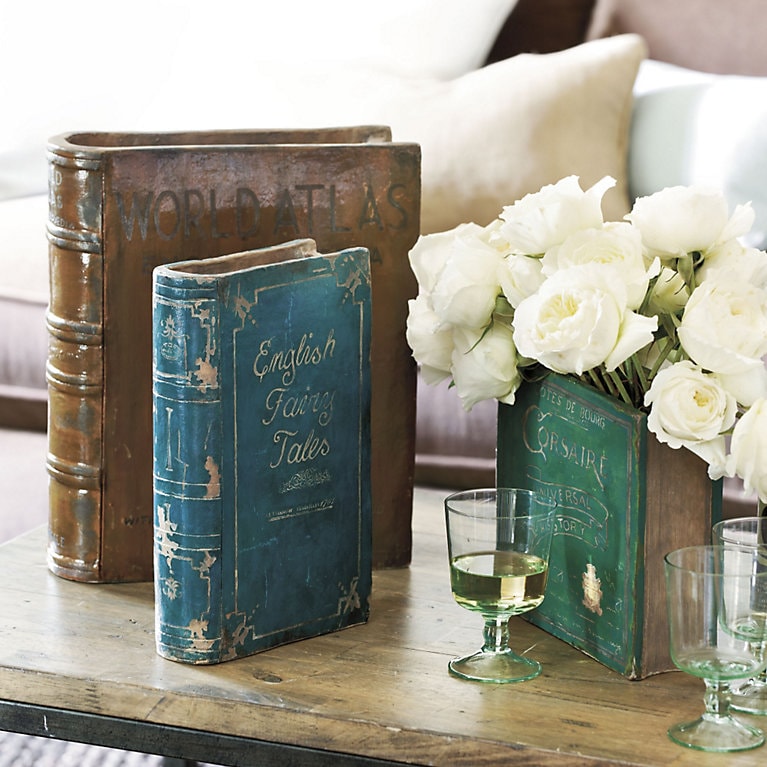
Vintage book vases hide glass jars inside hollowed book blocks. You remove the interior pages to create a cavity, then drop in a waterproof liner before adding dried stems or small bouquets. The book exterior provides a literary backdrop that contrasts with the softness of the flowers.
Choose books with sturdy covers so the structure holds its shape once pages are removed. Refresh the liner water weekly if using fresh cuttings to prevent moisture damage to the surrounding paper.
Book Spine Bookends
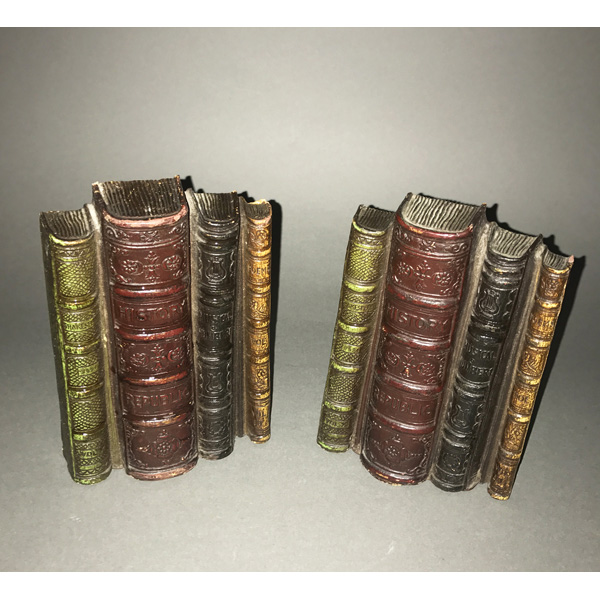
Book spine bookends pair two short stacks of spines glued to wooden blocks. You align the spines so the text runs horizontally or vertically, then weight the base with the wooden block. The finished pair keeps cookbooks or seasonal volumes upright while adding a crafted detail to open shelving.
Place them at the ends of a mantel display to contain smaller items. Avoid overloading the shelves because the paper spines offer limited structural strength compared with solid wood bookends.
Old Book Shadow Boxes
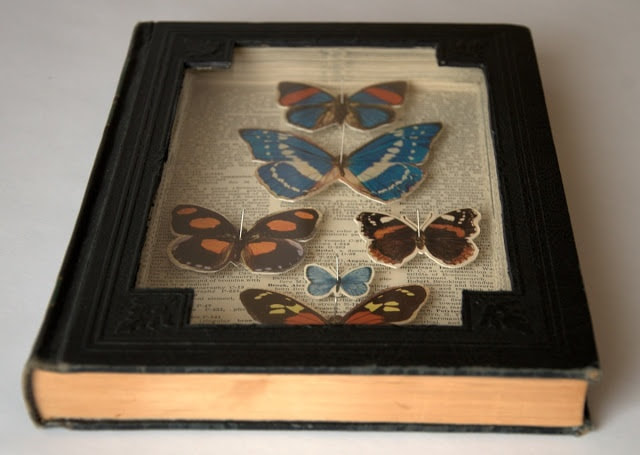
Old book shadow boxes frame small three-dimensional objects inside the hollowed pages of a thick volume. You cut a rectangular window through multiple pages, then glue the remaining layers to create depth. Tiny fall items such as acorns, pressed leaves, or miniature pumpkins sit inside the recess.
Hang the box at eye level so viewers can appreciate the layered pages as part of the composition. Seal the cut edges with a thin coat of matte medium to reduce fraying over time.
Book Page Fall Flowers
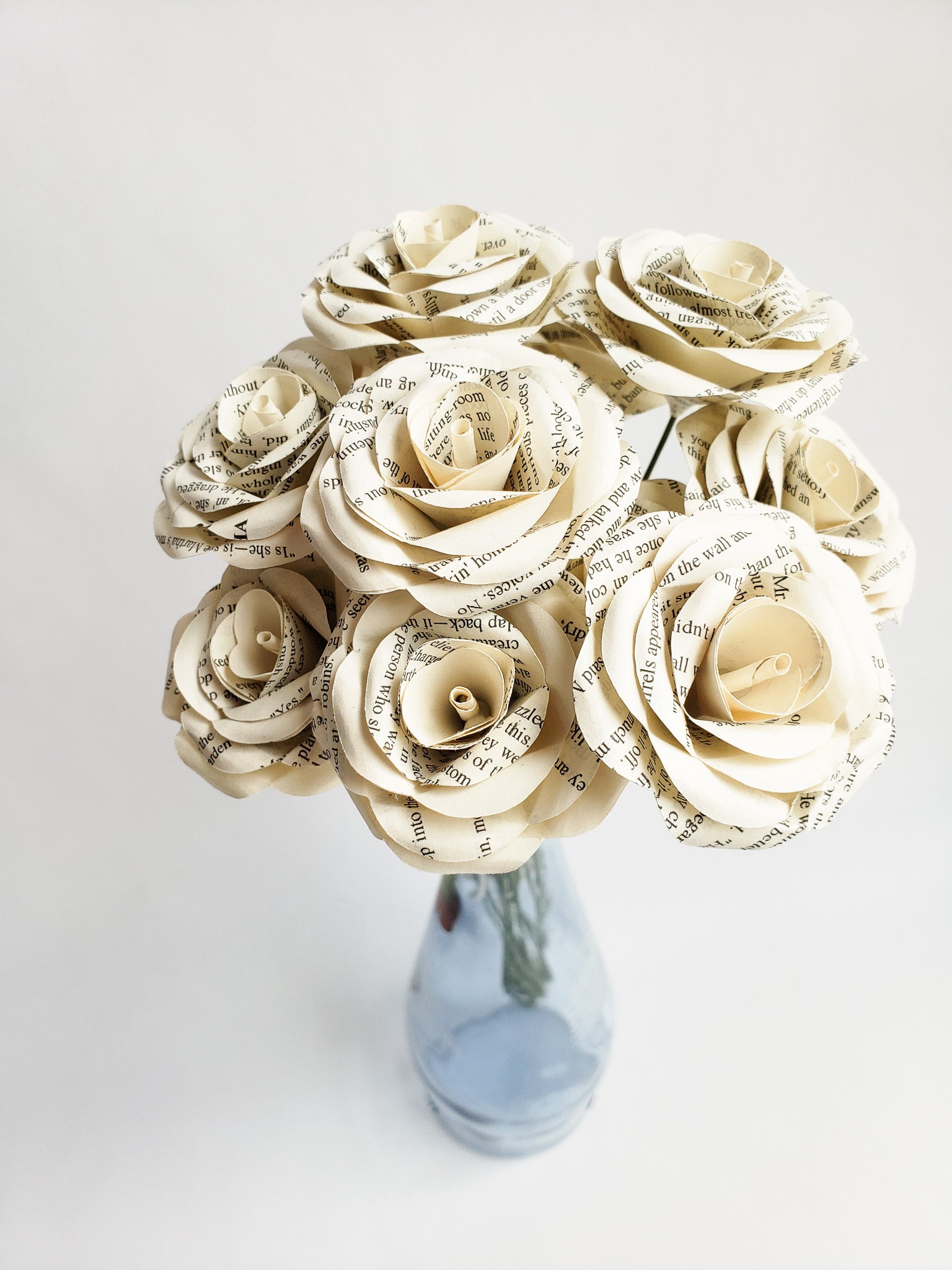
Book page fall flowers assemble rolled and folded pages into multi-petaled blooms. You layer different page sizes for dimension, then secure the center with a button or bead. Wire stems allow the flowers to be arranged in vases or tucked into wreaths without additional support.
Mix the paper flowers with real dried blooms so the arrangement feels collected rather than uniform. Rotate the flowers occasionally so one side does not fade from consistent light exposure.
Stacked Book Displays with Fall Accents

Stacked book displays with fall accents combine horizontal book piles with seasonal objects placed on top. You choose books whose spine colors echo the surrounding palette, then add small pumpkins, candles, or brass figurines at varying heights. The stacks create visual rhythm across a long surface.
Leave the top book of each stack slightly open to reveal an illustrated page. This small detail invites closer inspection without requiring additional props.
Leave a Reply