
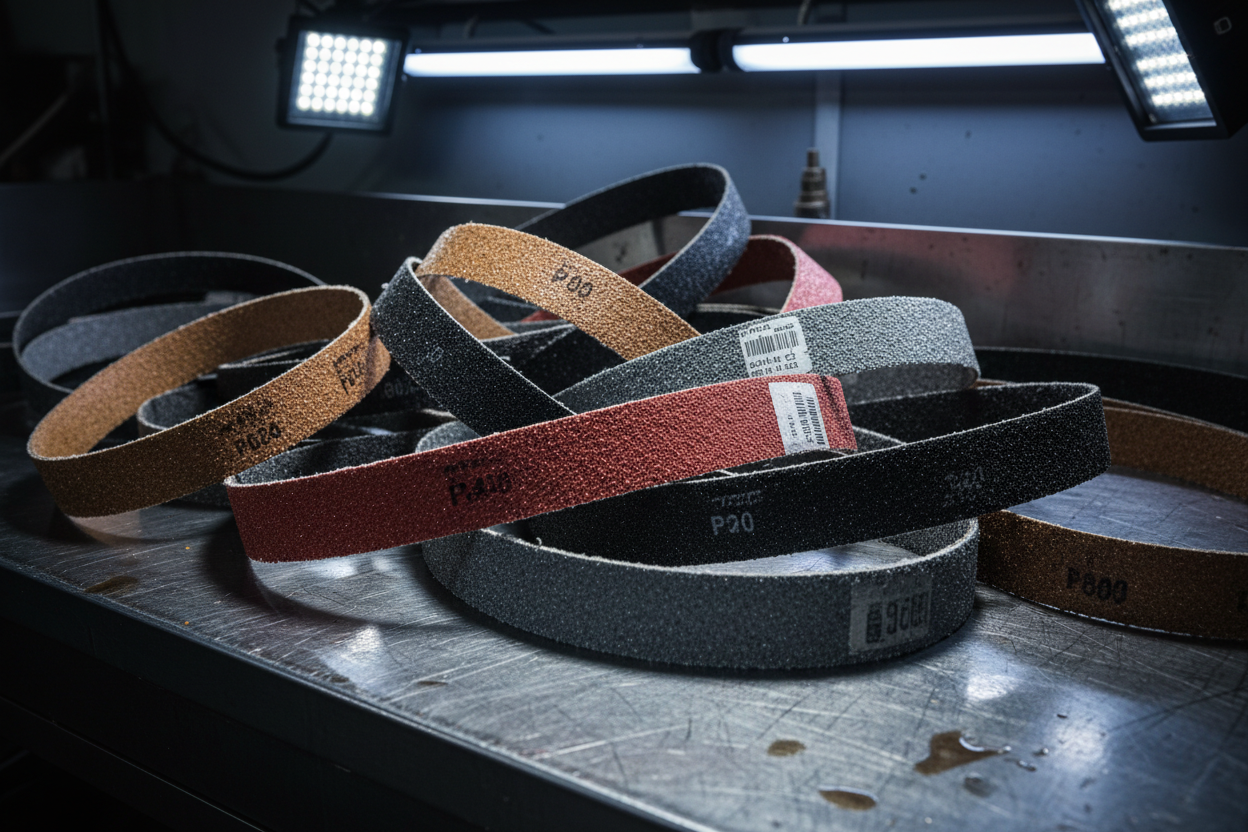
You know that drawer or hook where belts go to be forgotten? Those worn leather straps with cracked finishes or stretched-out holes still have plenty of life left.
Before you toss them, give them a second act. Old belts, especially leather ones, have a sturdy, textured charm that’s perfect for DIY projects.
Here are six ways to turn that forgotten bundle into something you’ll actually use and love.
Rustic Picture Frame or Mirror Accent
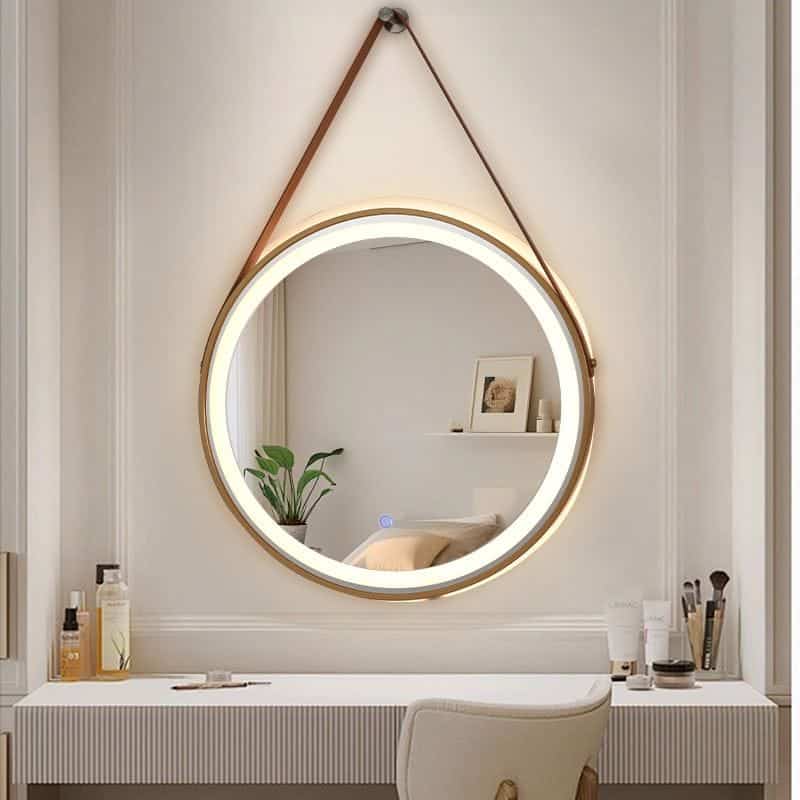
This is one of my favorites for adding instant texture to a plain frame. Take a standard wood or even a basic plastic frame from the craft store and wrap it with an old belt.
Secure the starting end on the back with a strong adhesive like E6000, then tightly wrap the belt around, gluing as you go. For corners, you can either miter the belt by cutting it at a 45-degree angle or just wrap it continuously for a more casual, overlapping look.
A wide belt works best for this, and the buckle can become a unique decorative element at the bottom.
Hanging Organizer for Tools or Kitchen Utensils
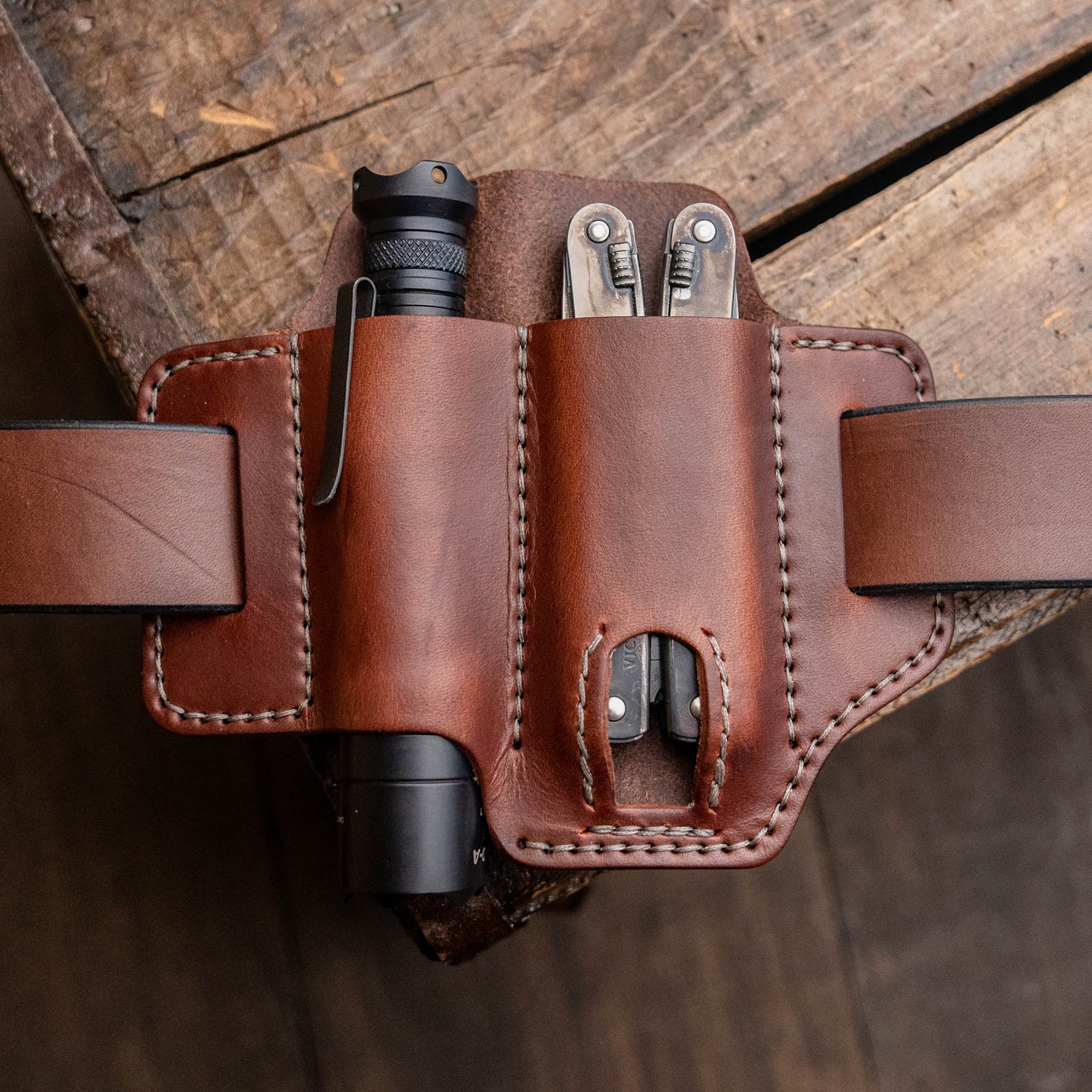
This is genius for your workshop, craft room, or even a kitchen. You’ll need a sturdy wooden board or a strip of reclaimed wood and several belts.
Cut the belts to different lengths and punch holes in each end. Nail or screw one end of each belt to the board, spacing them out.
The other end, with its buckle, becomes the adjustable loop that holds tools, spatulas, or even your curling iron. The leather is strong, and the buckle closure is perfect for securing items of varying sizes.
Unique Plant Hanger or Pot Holder
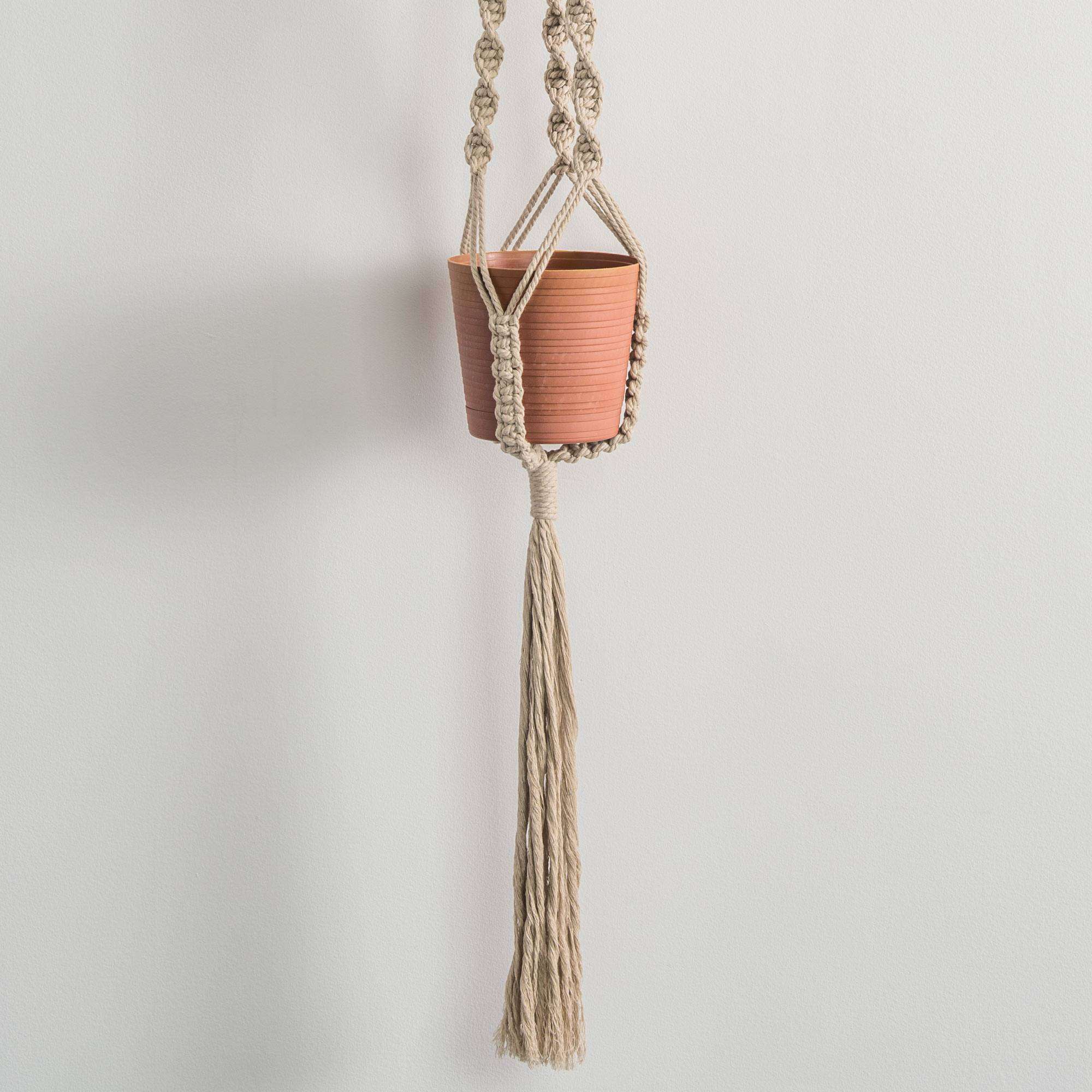
Add a bit of boho-rustic flair to your hanging plants. For a simple macramé-style hanger, you can use a belt as the primary structure or as a decorative accent woven into the cords.
A simpler method: take two or three belts, punch holes in each end, and connect them in a triangle or square using heavy-duty key rings or nuts and bolts. The center becomes a seat for a planter pot.
Ensure the belts are in good condition without deep cracks, as they’ll need to support weight.
Woven Stool or Bench Seat
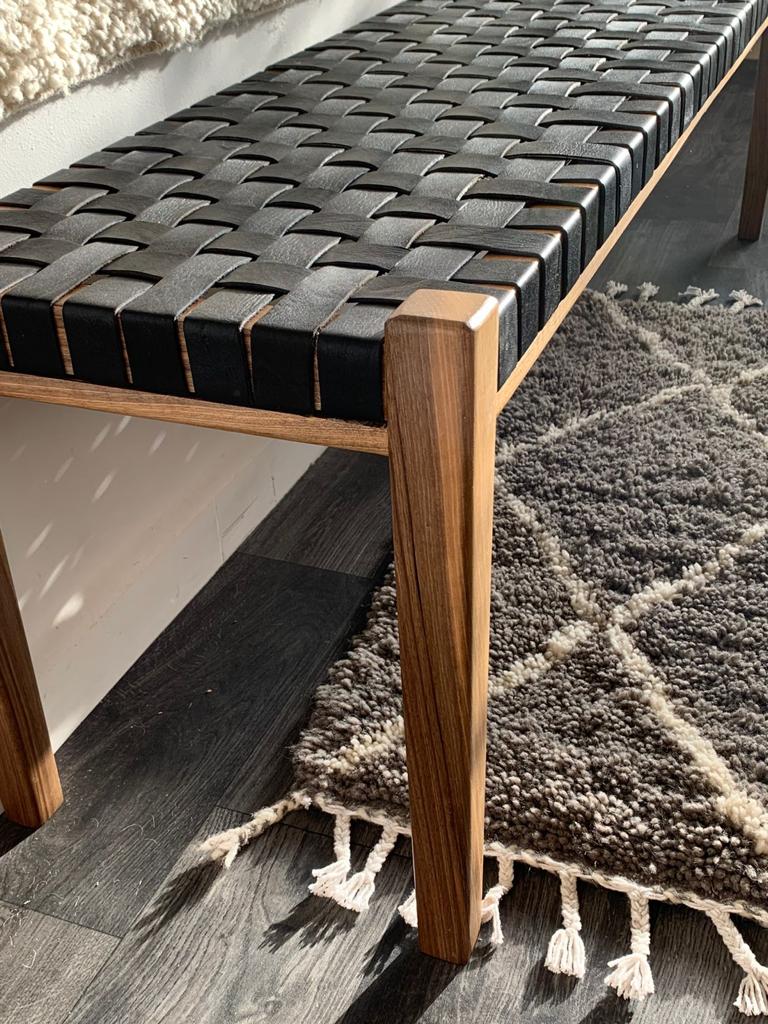
Got a tired wooden stool or a basic bench? Give it a custom seat with your belt collection.
Weave the belts across the frame in a simple over-under pattern, alternating the direction for strength. You can use belts of similar widths for a uniform look or mix widths for more character.
Secure the ends on the underside with heavy-duty staples or by folding them over and screwing them down. This creates a surprisingly comfortable and incredibly durable seat with a ton of visual interest.
Functional Key Holder or Jewelry Hanger
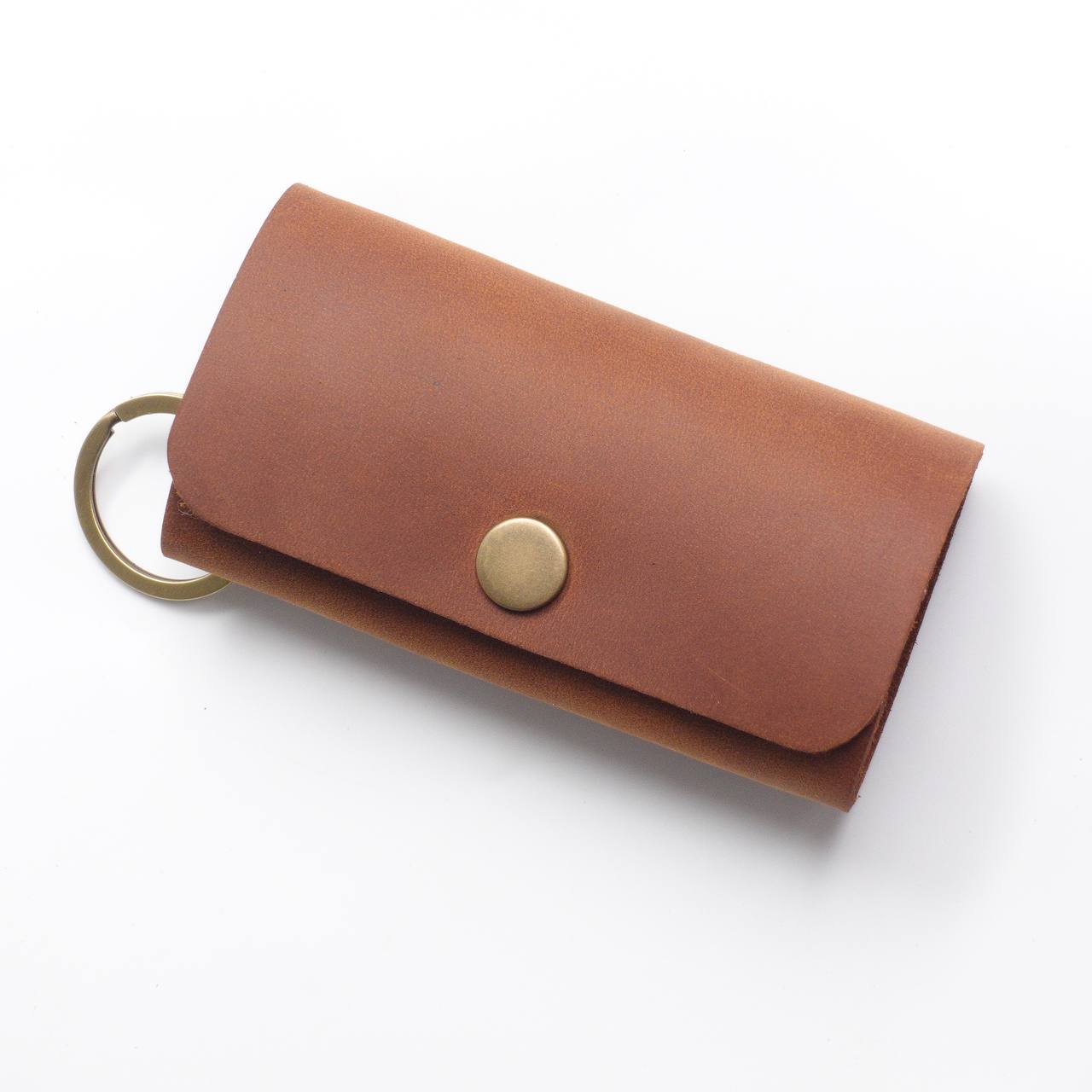
This is a quick, one-belt project perfect for an entryway. Mount a single belt horizontally on the wall using two sturdy screws or decorative nails right through the belt holes.
The buckle itself becomes a hook for keys, and you can attach smaller hooks or screw eyes along the belt’s length for additional rings, necklaces, or bracelets. For a more polished look, you can back it with a small wooden plaque first.
Door Draft Stopper
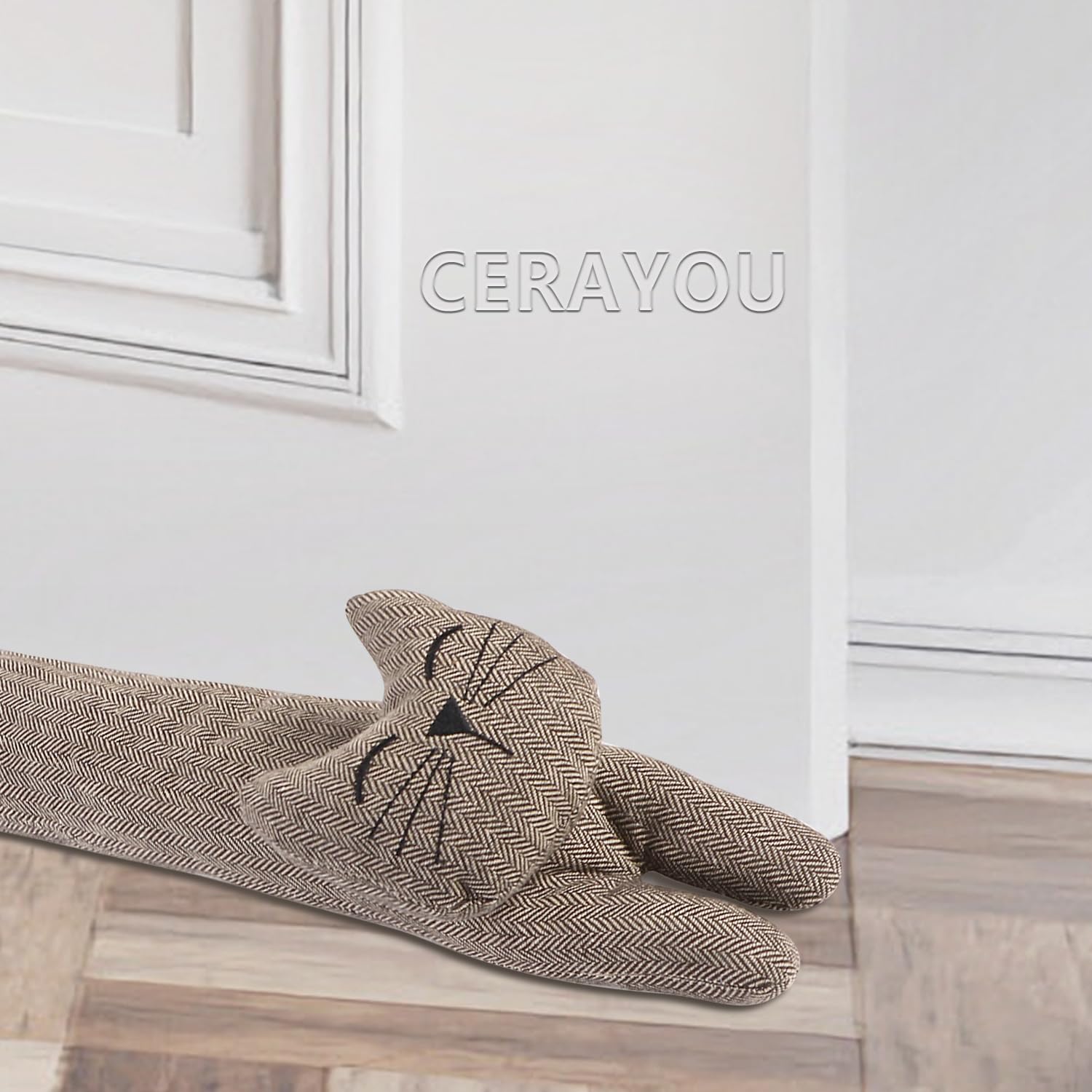
Old belts make a perfect durable “backbone” for a simple door draft stopper. Cut the belt to the width of your door.
Sew a long, sturdy fabric tube (like duck canvas or denim) that’s about the diameter of a pool noodle. Fill it with a mix of rice and dried lavender for weight and scent, then slide the cut belt inside the tube before sewing it completely shut.
The belt adds weight and structure, keeping it firmly in place against the door. It’s a functional piece of home decor you’ll be proud to have on display.
FAQ
Can I use faux leather belts for these projects?
You can, but real leather will be significantly more durable, especially for projects that bear weight like the plant hanger or bench seat. Faux leather can crack and peel over time, so it’s better suited for decorative projects like picture frames or key holders where stress is minimal.
How do I clean old leather belts before repurposing them?
Wipe them down with a damp cloth to remove surface dust and grime. For a deeper clean, use a leather conditioner or a mixture of equal parts water and white vinegar, testing on a hidden spot first. Allow them to dry completely before cutting or working with them.
Where can I find a lot of old belts?
Check thrift stores, garage sales, and flea markets—you can often buy them in bulk for next to nothing. Also, don’t forget to ask friends and family; most people have at least one or two belts they never wear anymore.
Is it safe to cut through a belt’s metal buckle?
It can be. Use a rotary tool with a metal-cutting wheel or a hacksaw, and wear safety glasses. Some projects, like the picture frame or stool, actually incorporate the buckle as a decorative element, so you might not need to cut it off at all.
With a little imagination, those old belts can go from clutter to character. Pick a project that speaks to you, gather your tools, and enjoy giving these durable materials a new purpose.
Leave a Reply