
Tangled lights are the thing that turns a happy December into a swearing match on a ladder. I’ve spent enough January evenings picking apart a knotted ball of mini lights to know the fix happens before the bin lid closes, not after.
The trick is giving every strand its own shape, its own space, and its own label — so next year you pull out a coil, not a puzzle. Here’s what’s actually worked in my house, from free cardboard setups to the one storage box I finally bought and don’t regret.
Test and Untangle Every Strand Before You Store It
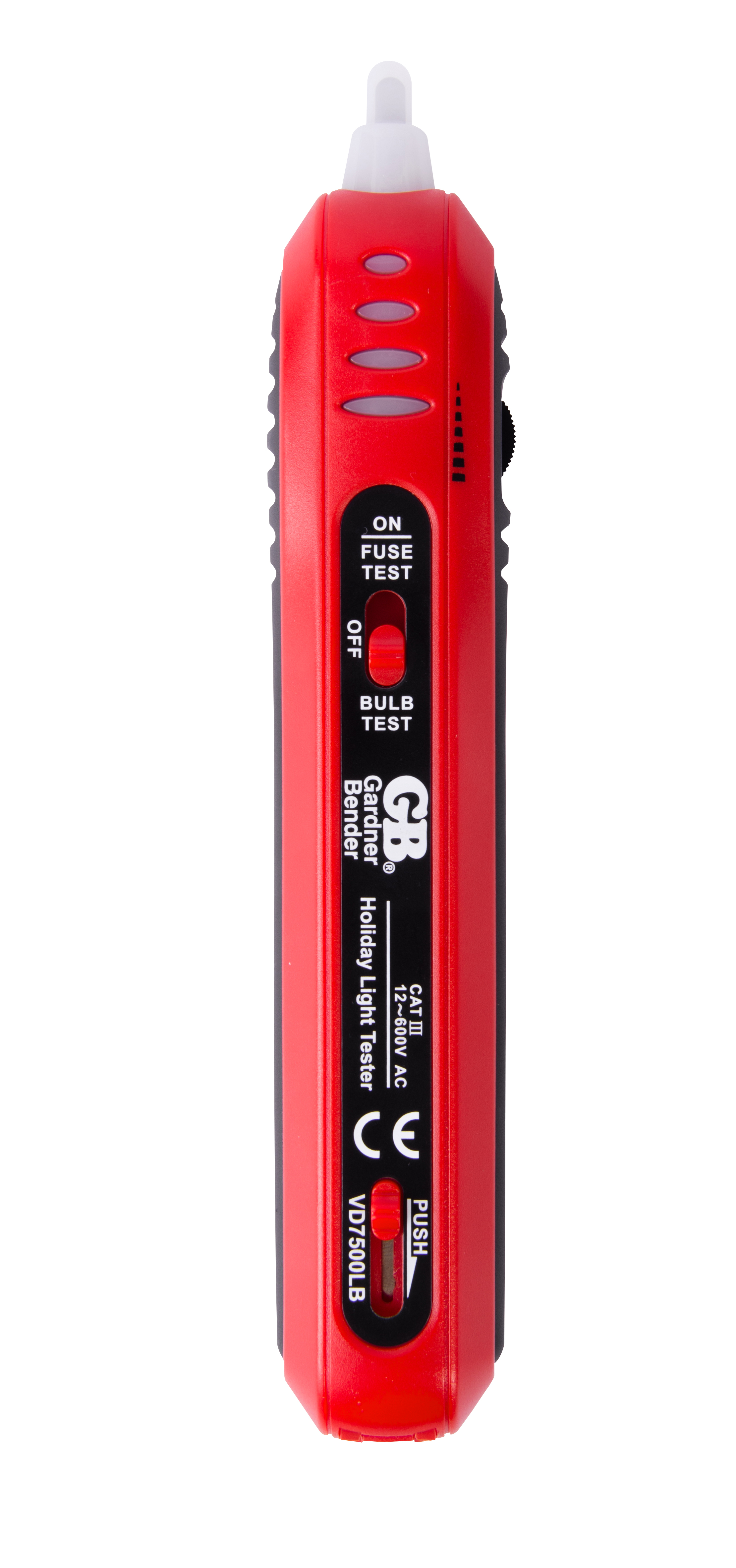
The single biggest time-saver isn’t a container at all — it’s ten minutes of work while the lights are still fresh in your memory. Test each strand before it goes into storage.
A Light Keeper Pro or any basic continuity tester will tell you in seconds whether a strand is worth keeping or whether it needs one burned-out bulb replaced now, while you can still see what you’re doing. Untangle anything that’s currently a knot while your patience is intact.
Then label. A strip of painter’s tape and a Sharpie on the plug end reads “mantel — 25 ft warm white” or “front porch railing — icicle,” and you’ll never again plug in the wrong set at the top of a ladder. This is also the moment to make sure everything is bone dry and to tuck a silica gel packet or two into the bin, because lights stored damp come back smelling like a basement.
Cut Notched Cardboard Wraps for Each Strand
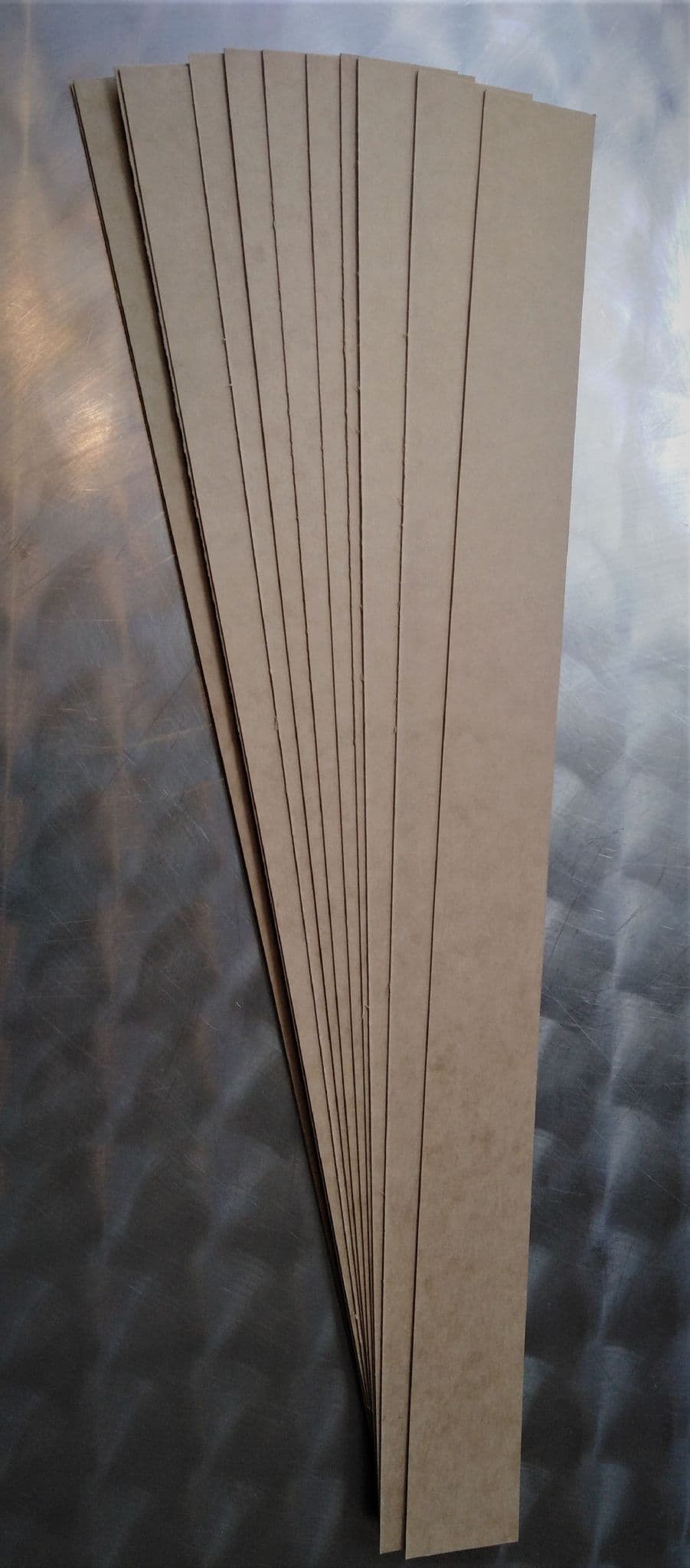
A flattened shipping box costs nothing and gives each strand a firm, flat shape that won’t collapse into itself. Cut a rectangle roughly 6 by 8 inches for mini lights (bigger for C7 or C9 bulbs), then snip a notch about an inch deep at the top and bottom edges on the same side. Wind the strand around the middle of the cardboard, hook the plug ends into the notches so they can’t spring loose, and stack the finished wraps upright in a bin like folders in a file box.
What I’ve learned the hard way: don’t make the notches too shallow or the plug pops out the second you set it down, and don’t use damp or squashed cardboard — it warps and the strand slides off. If you want these to last more than one season, cover each piece with packing tape so it survives being grabbed with cold hands.
Wind Lights Onto Empty Wrapping Paper Tubes
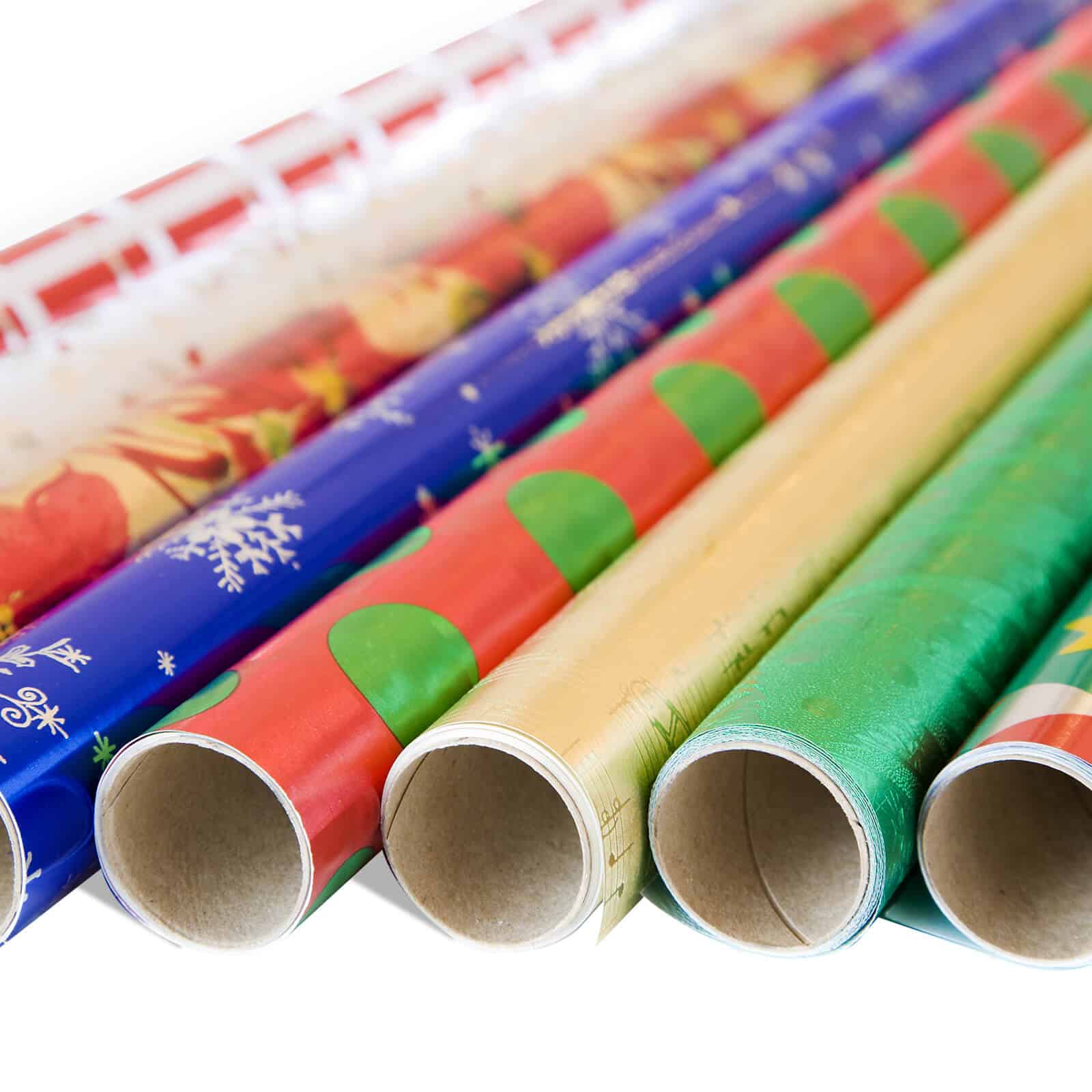
After the holidays I always have two or three wrapping paper tubes kicking around, and they make surprisingly good light spools. Cut each tube into 10- to 12-inch sections, then wind a strand around each section and slide the plug through the middle so it stays put. The tubes stack neatly in a long under-bed tote, and because they’re rounded, the strand keeps a gentle curve instead of a sharp crease that can kink the wire.
Paper towel tubes are tempting but too short for a full strand — you end up doubling up and you’re back to a tangle. If you don’t want to wait for December’s leftovers, a roll of kraft mailing tubes from the craft store works just as well and holds up longer.
Wrap Strands Around a Wire Clothes Hanger
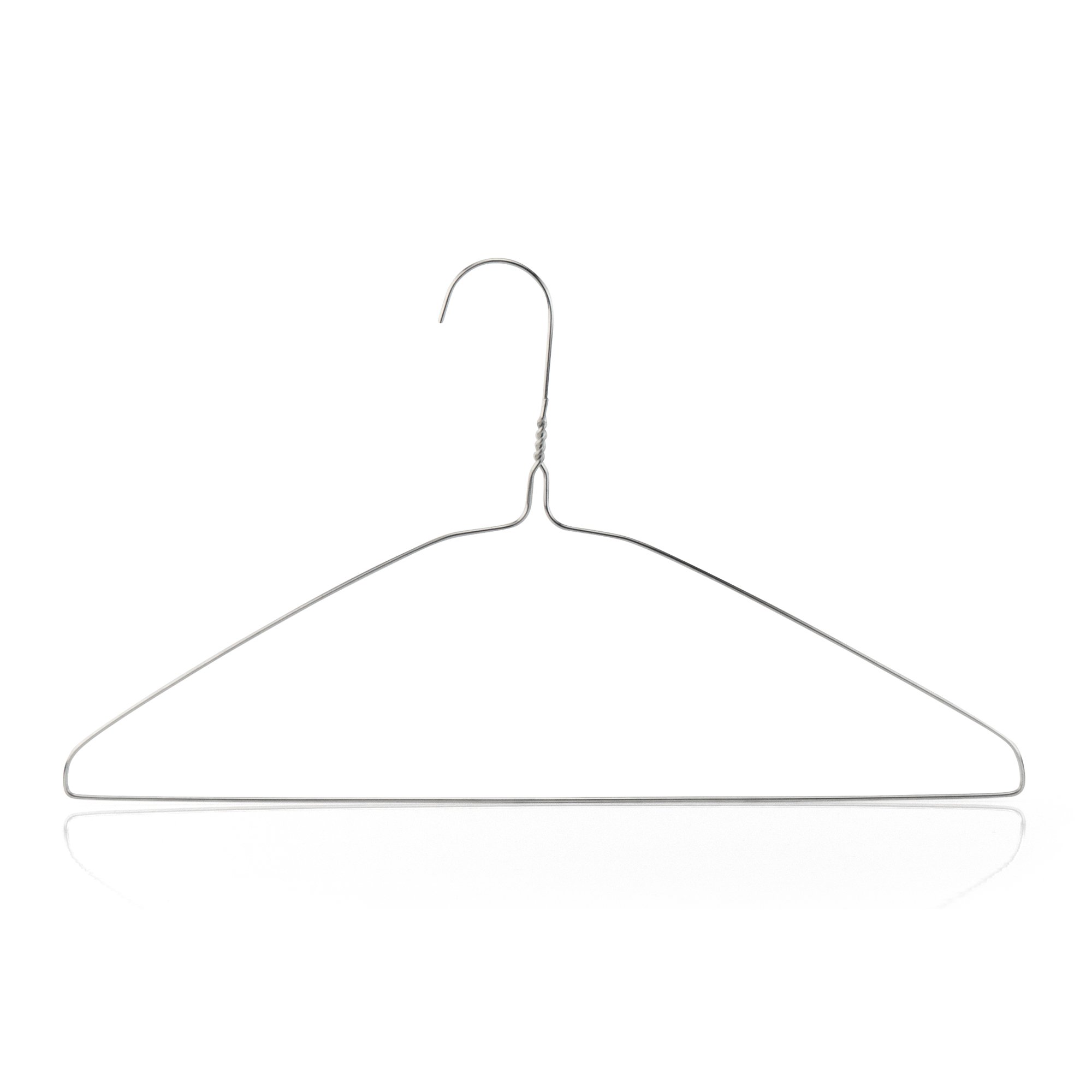
This is my favorite method for the strands that live on stair railings or banisters, because you can hang the whole thing on a closet rod and it stays out of the bin altogether. Take a wire hanger, cut a couple of small notches or simply wind the strand around the long bottom edge, and hook the plug ends under the twisted neck so they don’t slide off. A plastic hanger with molded notches works even better and won’t snag on the wire insulation.
The thing to watch: slippery LED strands will walk their way off a smooth hanger over a year in the attic. A single piece of painter’s tape at each end solves it, and label the hanger with the same tape-and-marker system so you know which room it belongs to.
Coil Each Strand Into Its Own Plastic Cup
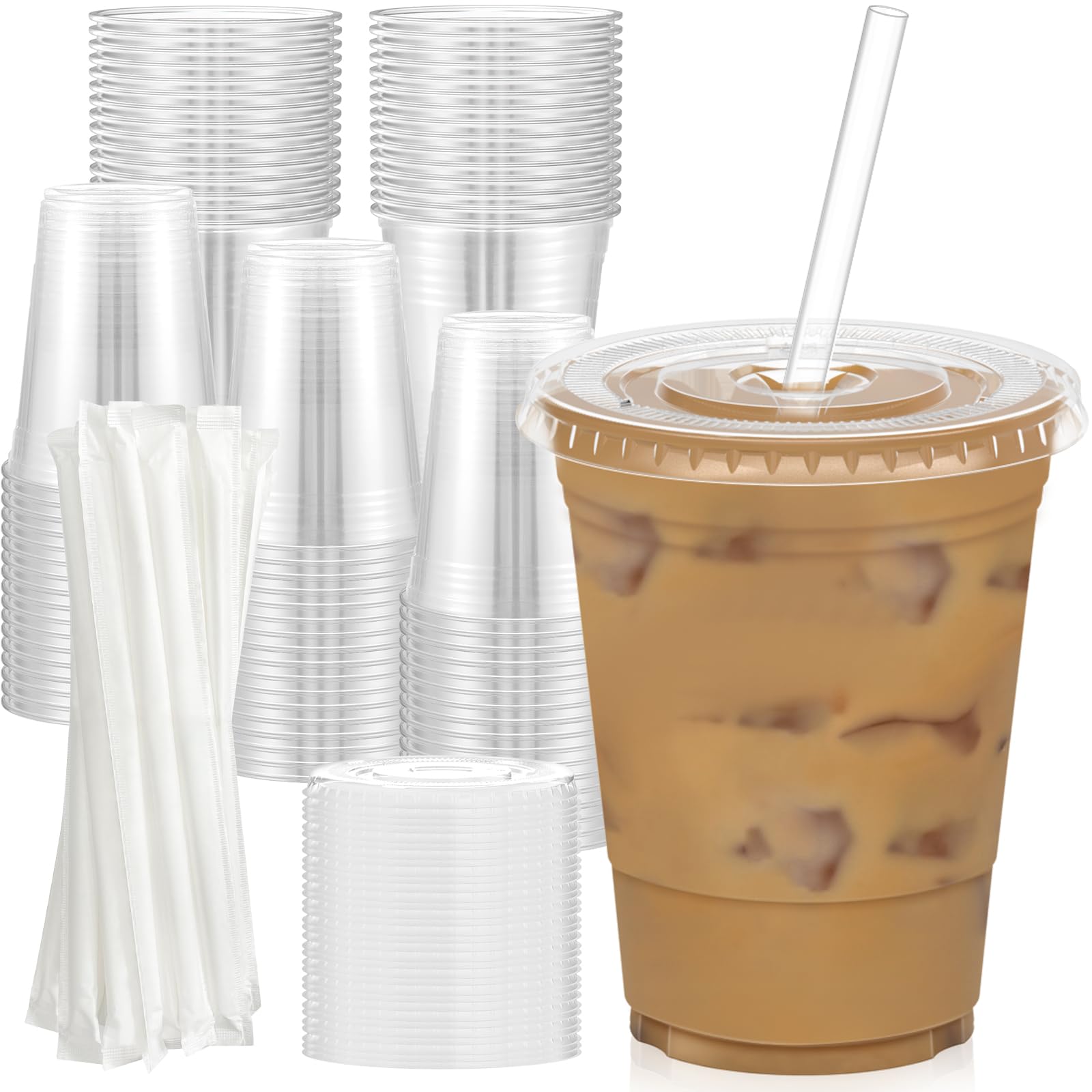
For short strands — tree toppers, garland accents, the string around a window — a cheap red party cup is a perfect little home. Set a row of cups inside a sturdy box, coil a strand loosely in your hand, drop it into a cup, and run the plug end up and over the rim. Every strand gets its own compartment, so nothing can migrate into a neighbor and knot.
This works beautifully for mini lights and battery-operated sets, less so for heavy C9 bulbs where the cup tip-overs become a domino run. If you want a sturdier version, a cardboard drink carrier or a wine box with dividers does the same job and keeps the cups from tipping.
Use a Pool Noodle with Slits as a Light Holder
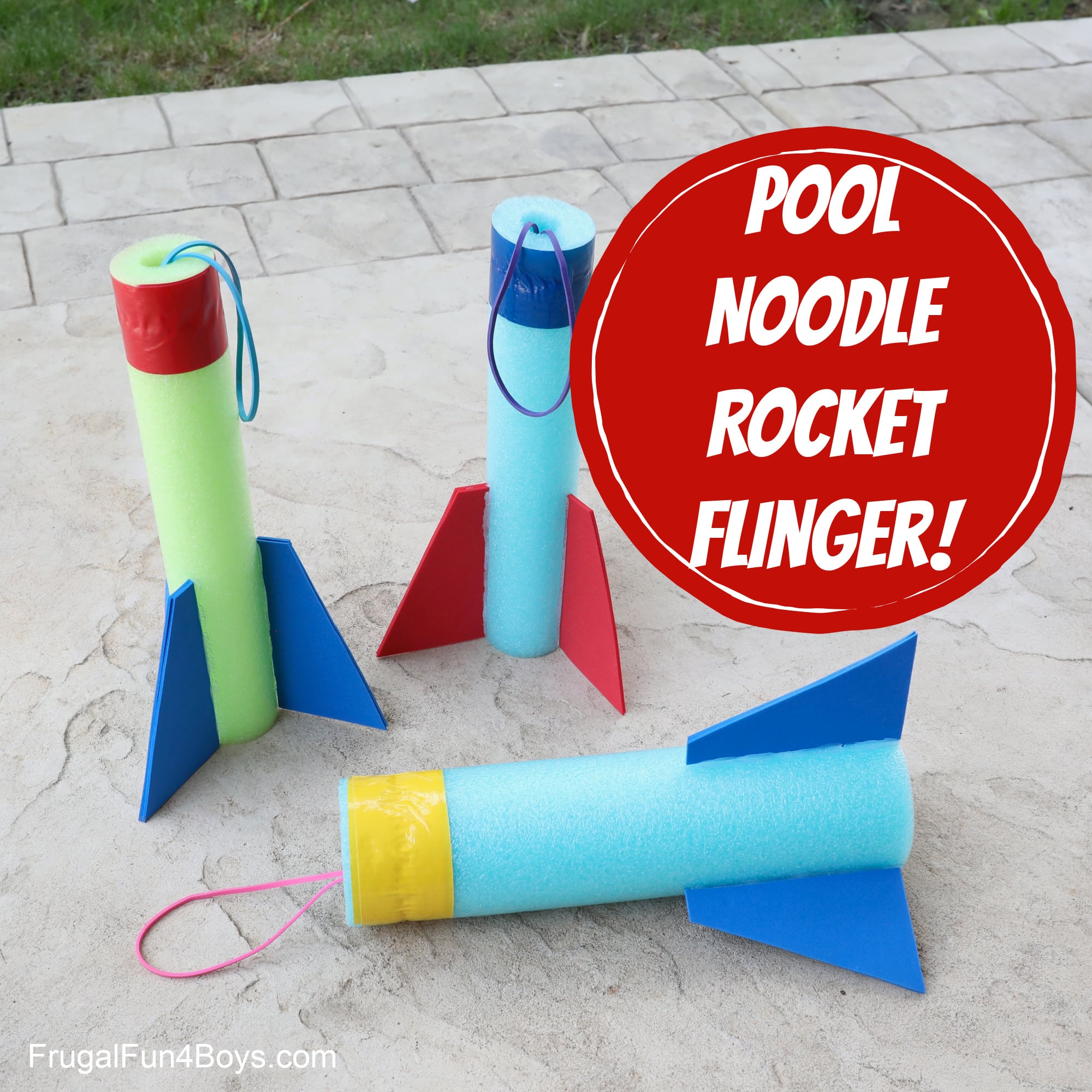
A one-dollar pool noodle makes a great soft spool for lighter strands. Slice a slit about two inches deep every three or four inches along the noodle, tuck the strand into the slits, and wind it around, letting the slits hold the wire in place as you go. It stores on a shelf without rolling away, and the foam won’t scratch glass bulbs.
Skip this one for heavy C9 strands or anything with large bulbs — the noodle bends under the weight and the bulbs knock together. And keep noodles out of a hot attic if you can; the foam goes brittle after a couple of summers and crumbles into orange confetti all over your lights.
Keep Every Strand in Its Own Zip-Top Bag
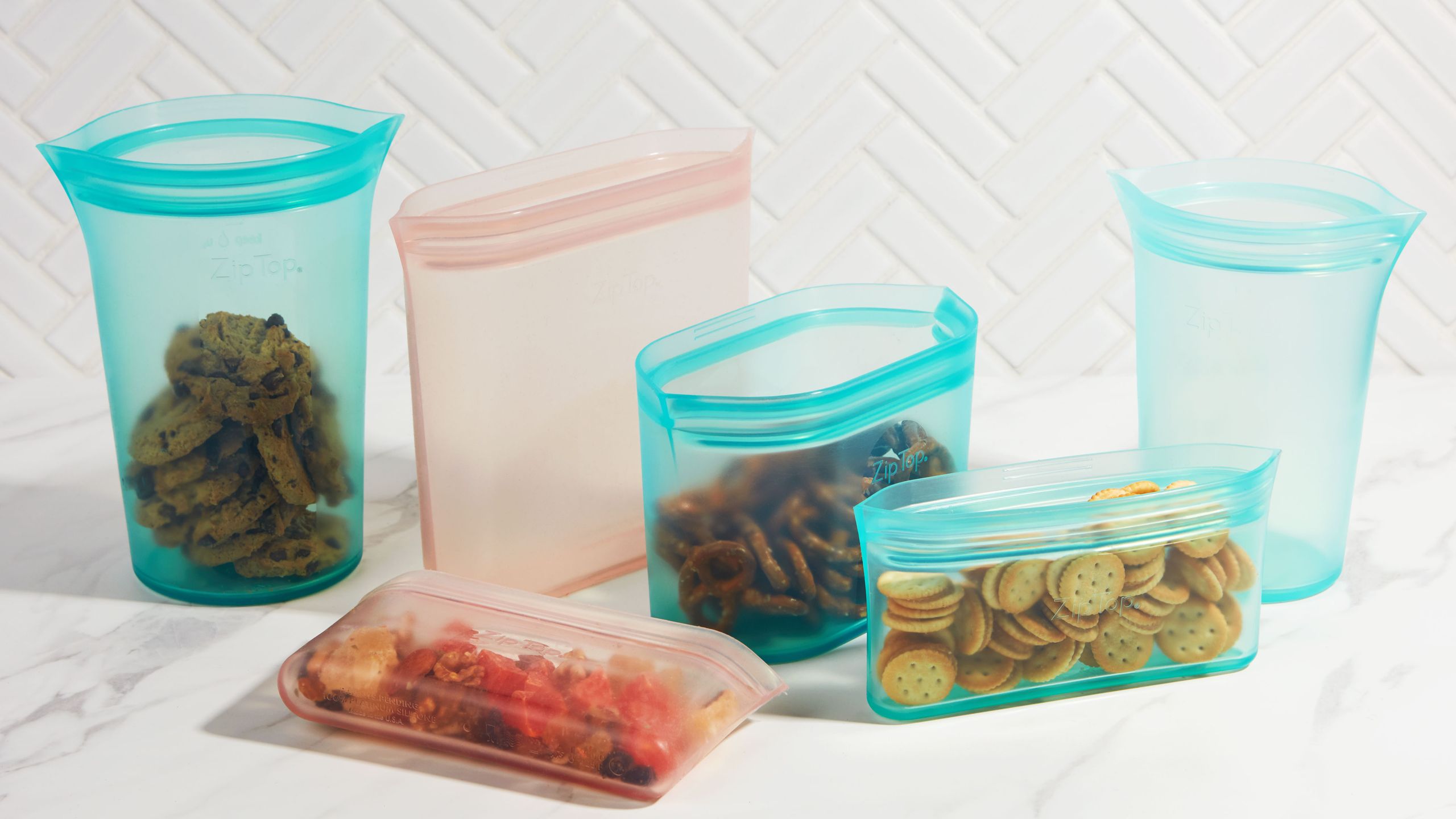
If you’re short on storage space, gallon Ziploc bags are the low-profile answer. Coil each strand loosely, drop it in a bag, squeeze out most of the air, seal it, and stack the bags flat in a bin like frozen vegetables. The clear plastic means you can see what’s inside without opening anything, and a bag keeps dust and moisture off the sockets.
Bread bag clips or small binder clips are a nice complement here — clip the coil itself so it can’t unwind inside the bag. Just don’t cram a strand in tight; the bag is a shell, not a compression sack, and bulbs crack against each other when everything’s squeezed.
Store Lights in an Ornament Box with Dividers
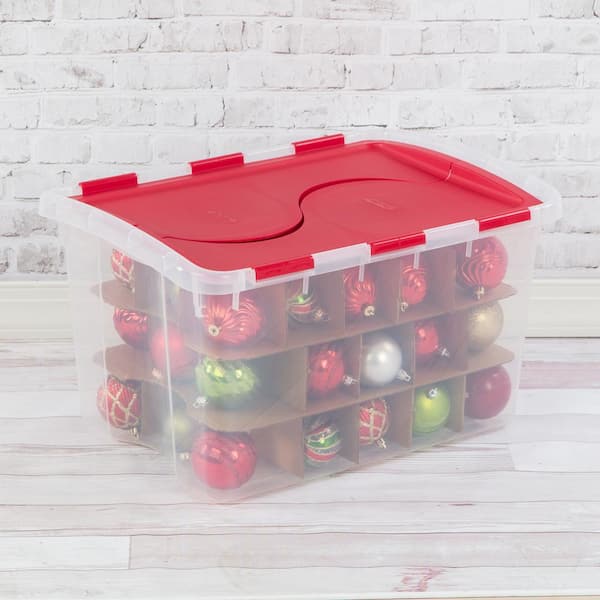
An ornament box with cardboard dividers is built for exactly this problem, even though it wasn’t designed for lights. The Rubbermaid 32-qt ornament container and similar versions come with a grid of cardboard walls, and each cell swallows a coiled strand perfectly. Pack the grid with strands standing on end, then tuck spare bulbs, fuses, and your tester in the top tray.
The warning here is weight. Don’t stack heavy bins on top of a cardboard-divided box or the walls crush and everything tips into one section. If your box is on the bottom shelf, slide a piece of rigid foam board under the grid to keep it supported.
Swap Rubber Bands for Velcro Cable Ties
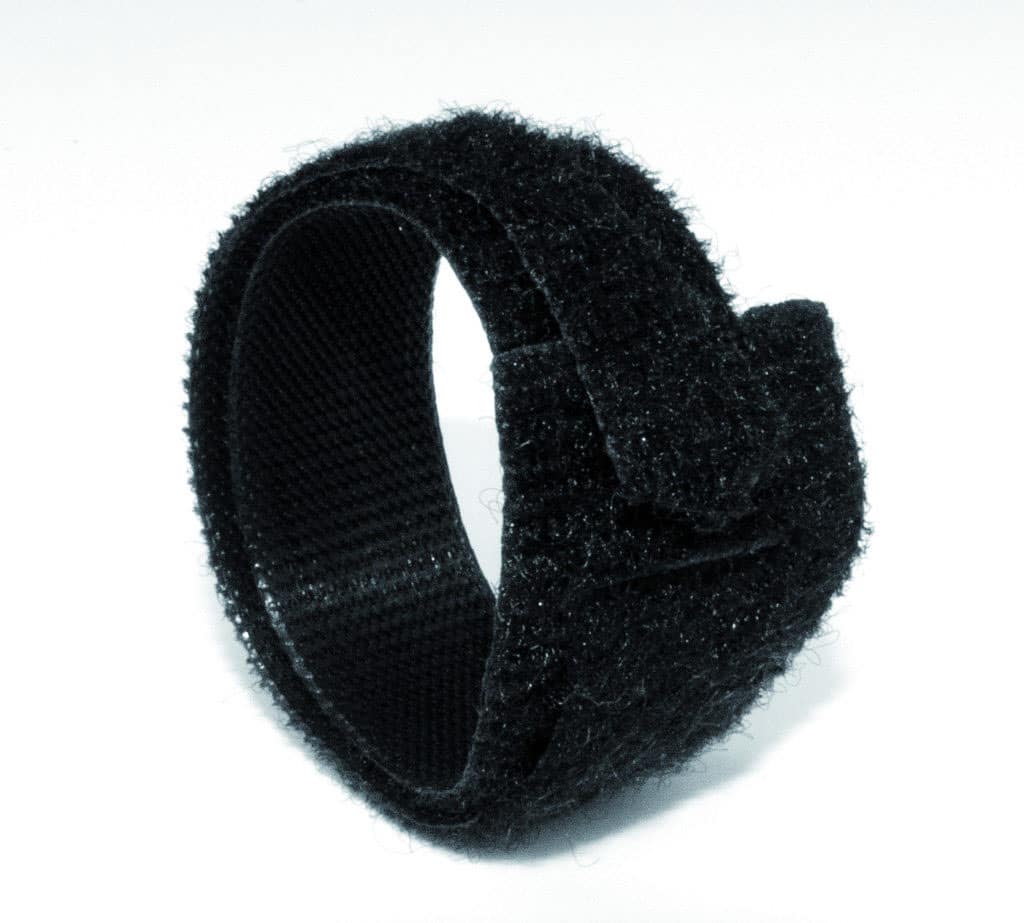
Whatever container you choose, how you tie the coil matters more than people expect. Velcro brand One Wrap thin ties (the kind sold for cable management) hold a coil snugly without pinching the wire, and they stay soft for years. Rubber bands dry out, snap, and leave the strand free to unspool into whatever’s nearby.
Bread clips and twist ties work in a pinch, and a strip of painter’s tape is fine for one season. But reusable Velcro ties have paid for themselves in my house, mostly because you can undo them one-handed while standing on a step stool.
Buy a Christmas Light Storage Box with Reels
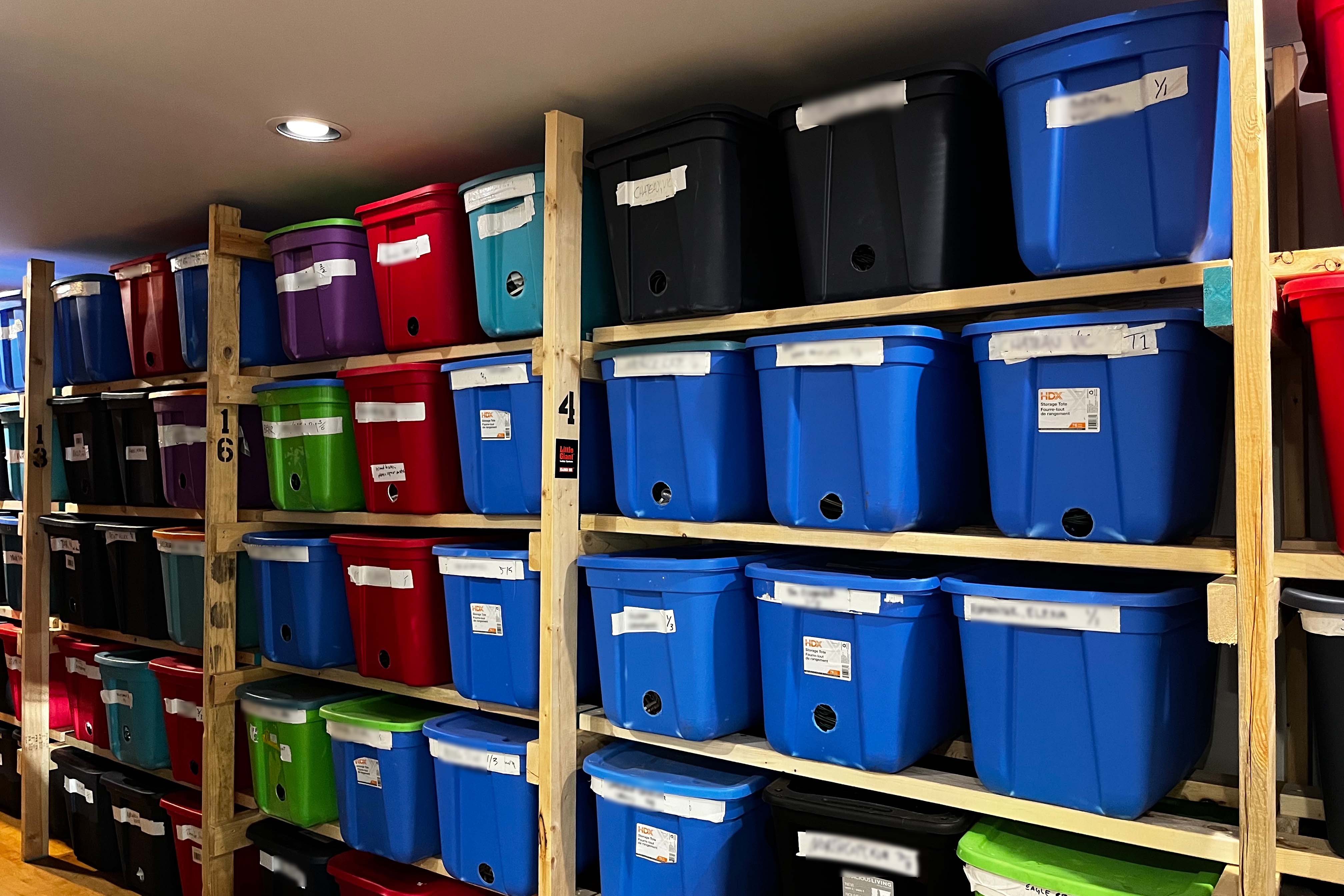
If you own enough lights to fill a garage shelf, a purpose-built light storage box is worth it. The Zober and Elf Stor versions come with plastic reels you wind each strand onto, plus a hard shell that keeps bulbs from being crushed. You pay somewhere between thirty and fifty dollars, and honestly, you make that back the first time you don’t have to replace a strand of C9 bulbs that got smashed under a suitcase.
Save the original boxes for specialty pieces — projector lights, illuminated wire frames, anything with a controller. And keep colors and lengths separated in the box; mixed strands are how you end up plugging three sets into one socket on Christmas Eve.
FAQ
How do you keep Christmas lights from tangling in storage?
Give every strand a rigid or semi-rigid shape — a cardboard wrap, a tube, a hanger, or a reel — and keep strands from touching each other. Coil loosely, secure the ends so the coil can’t spring open, and store each strand in its own slot, bag, or compartment rather than in one big pile.
Is it better to wind Christmas lights around cardboard or use a reel?
Both work, and it comes down to budget and volume. Cardboard wraps are free and fine for a handful of strands, while a reel-style storage box is sturdier, saves time, and protects bulbs if you own several sets or store them where things get stacked.
How do you store icicle and net lights without tangling?
Hang them. Icicle lights are the worst offenders because the dangling drops catch on everything, so wrap them around a wide piece of cardboard or a hanger with the drops hanging down freely, then hang the whole thing in a closet rather than binning it. Net lights fold back into their original rectangle and slide into a flat bag or bin on top of everything else.
Can you store Christmas lights in the attic?
Yes, but only in a sealed plastic bin, and only if your attic doesn’t hit extreme heat. Heat and humidity make insulation brittle and corrode sockets, so if your attic bakes above 120°F in summer, a climate-controlled closet or under-bed tote is the kinder home for them.
Whatever you pick, the win isn’t the container — it’s that every strand comes back to you next December the way you left it: labeled, tested, and ready to hang. Start with one bin this week and you’ll never again spend a Saturday afternoon untangling a mystery knot in the cold.
Leave a Reply