

There’s nothing quite as frustrating as waking up on a cold January morning to find your windows dripping with condensation — or worse, waking up to find a puddle on the windowsill that’s already started to rot the wood. Window fogging happens when warm, moisture-laden indoor air hits the cold glass surface, and in winter, that temperature gap is at its widest. Left unchecked, that condensation can lead to mold growth, peeling paint, and even structural damage around your frames.
The good news is that you can fix this. Some solutions are quick and free, others cost a bit but solve the problem for good.
I’ve tried most of these in my own home over several winters, and each one targets a different piece of the condensation puzzle — humidity levels, airflow, or the window itself. Here are ten ways to stop your windows from fogging up this winter.
1. Use a Dehumidifier
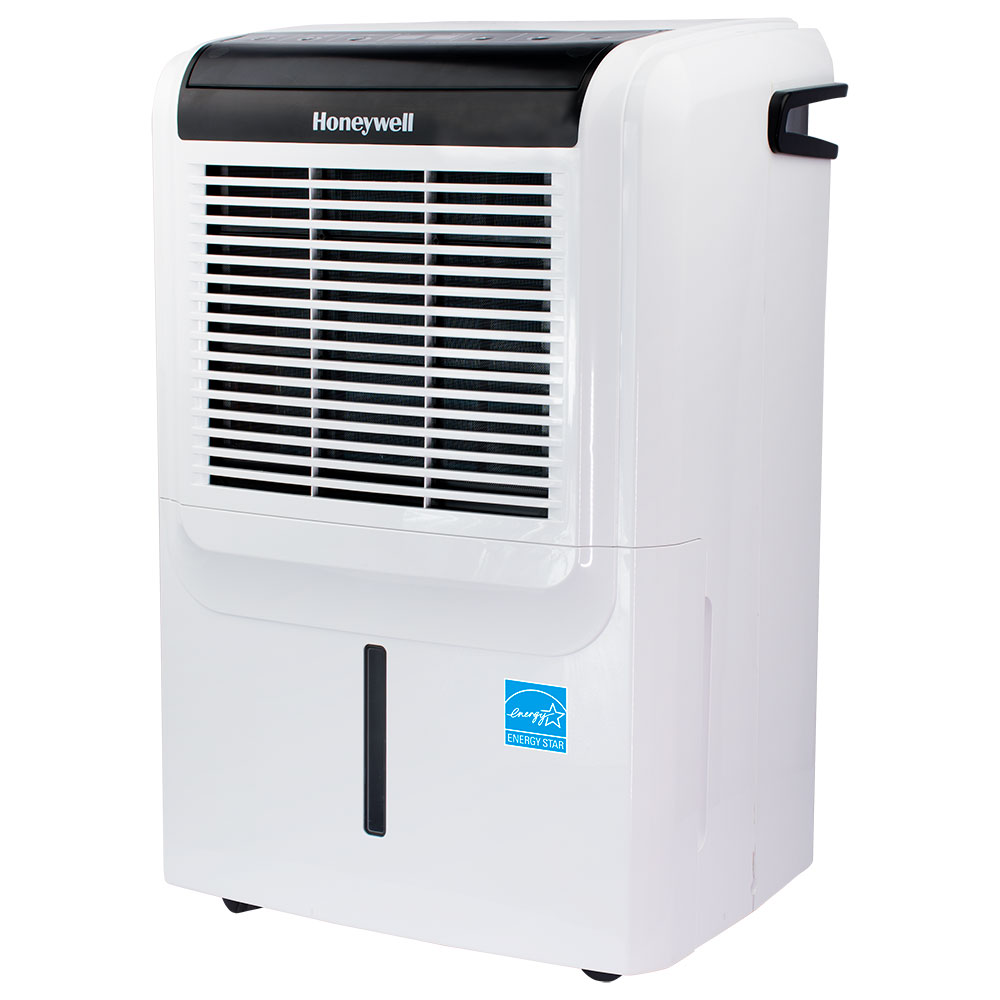
A dehumidifier is the single most effective tool for fighting window condensation because it tackles the root cause: excess moisture in the air. Ideal indoor humidity in winter sits between 30 and 50 percent — if yours is creeping above that (a cheap hygrometer will tell you), your windows don’t stand a chance.
Place a portable unit in the room with the worst fogging, set it to around 45 percent, and let it run. You’ll likely need to empty the reservoir daily at first, which tells you just how much moisture was hanging around.
Models like the Frigidaire 50-Pint or the hOmeLabs 4,500 sq ft unit work well for most homes. If condensation is a house-wide problem, a whole-home dehumidifier tied into your HVAC system is worth the investment — it typically runs $1,500 to $2,500 installed.
2. Run Exhaust Fans Regularly
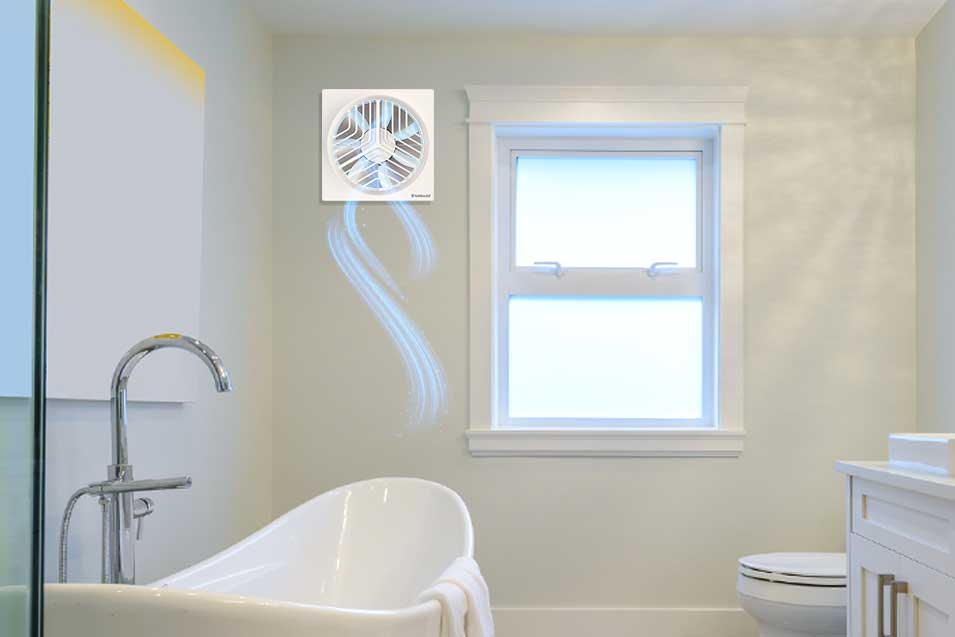
Your bathroom and kitchen exhaust fans exist for exactly this reason — they pull moist air out of the house before it can settle on your windows. Run the bathroom fan during every shower and for at least 15 to 20 minutes after. Same goes for the kitchen fan whenever you’re boiling water, running the dishwasher, or cooking anything that produces steam.
A lot of people don’t realize their exhaust fans are underpowered or venting into the attic instead of outside. If you can’t feel a strong pull when you hold a tissue up to the fan cover, it’s time to upgrade.
Panasonic WhisperCeiling fans are reliable, quiet, and move serious air. This is one of those fixes that costs very little and makes a noticeable difference overnight.
3. Improve Air Circulation Near Windows
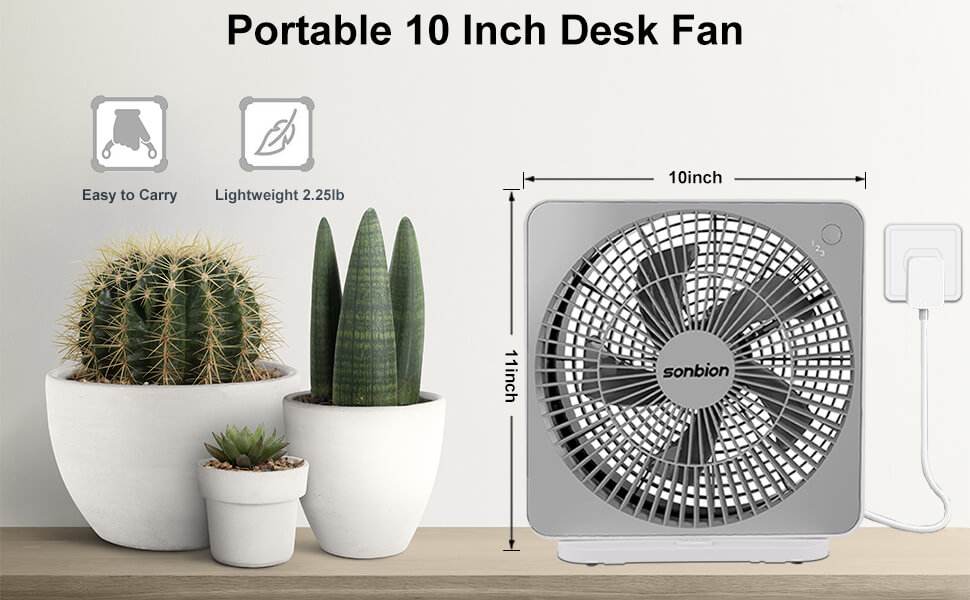
Still air is condensation’s best friend. When air sits stagnant against a cold window, it cools rapidly and releases its moisture. A small fan aimed at or near the foggy window keeps that air moving, which prevents the temperature at the glass surface from dropping as dramatically.
You don’t need anything fancy — a simple tabletop fan or even a ceiling fan running on low in reverse mode (clockwise, to push warm air down and around) will do the job. I keep a small Vornado Flippi on the worst offending windowsill in my house during the coldest months.
It looks a little odd, but the glass stays clear. Position it so air flows across the window rather than directly at it for the best results.
4. Open Curtains and Blinds During the Day

Heavy curtains and closed blinds trap cold air right against the glass, which is basically rolling out the red carpet for condensation. During the day, especially on sunny winter mornings, pull everything wide open. Let the sun warm the glass naturally and allow air to circulate against the window surface.
In the evening, you’ll want to close them again for insulation — but there’s a trick here. Leave a small gap at the bottom or sides so warm room air can still reach the glass.
Curtains that hang a couple inches above the floor or blinds that stop short of the sill by an inch or two help a lot. If you’re buying new window treatments anyway, cellular (honeycomb) shades are a great option because they insulate without fully sealing off the glass.
5. Crack a Window Open Briefly

It sounds counterintuitive in winter, but opening a window for even 10 to 15 minutes a day can dramatically reduce indoor humidity. You’re essentially doing a humidity flush — trading your stale, moist indoor air for drier outdoor air. Cold winter air holds very little moisture, so even a quick exchange makes a real difference.
The best time to do this is mid-morning when the outdoor temperature starts to climb slightly. Open windows on opposite sides of the house for a cross-breeze if you can stand it.
You’re not trying to air-condition the place — just a quick exchange. I do this every morning while making coffee, and it keeps condensation at bay on even the coldest days.
6. Apply an Anti-Fog Treatment to the Glass
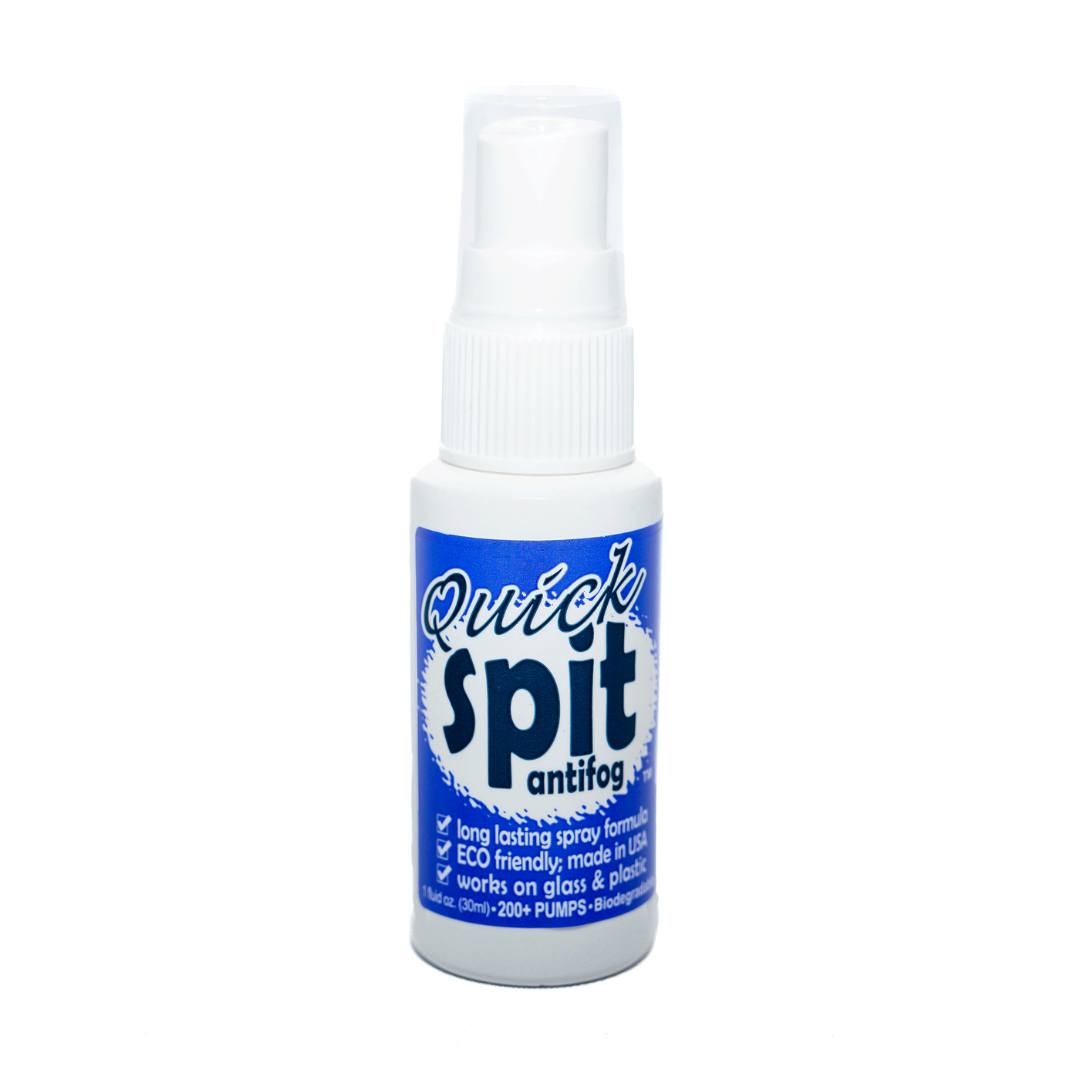
Anti-fog sprays and wipes create a thin, invisible film on the glass that prevents water molecules from beading up into visible condensation. This won’t solve a serious humidity problem, but it works well as a supplement to other fixes, especially on windows that are prone to fogging no matter what else you do.
Some options worth trying:
- ✦Rain-X Anti-Fog — widely available, easy to apply, lasts a few weeks per application
- ✦Invisible Glass Premium Glass Cleaner with anti-fog — cleans and prevents fogging in one step
- ✦Cat Crap Anti-Fog (yes, that’s the real name) — a wax-based balm popular with motorcyclists that works great on home windows too
- ✦DIY: one part white vinegar to three parts water — spray on, wipe with a microfiber cloth, and repeat weekly
Clean the glass thoroughly before applying anything, and reapply every couple of weeks or as needed. Interior glass only — there’s no reason to treat the outside.
7. Place Moisture Absorbers on the Windowsill
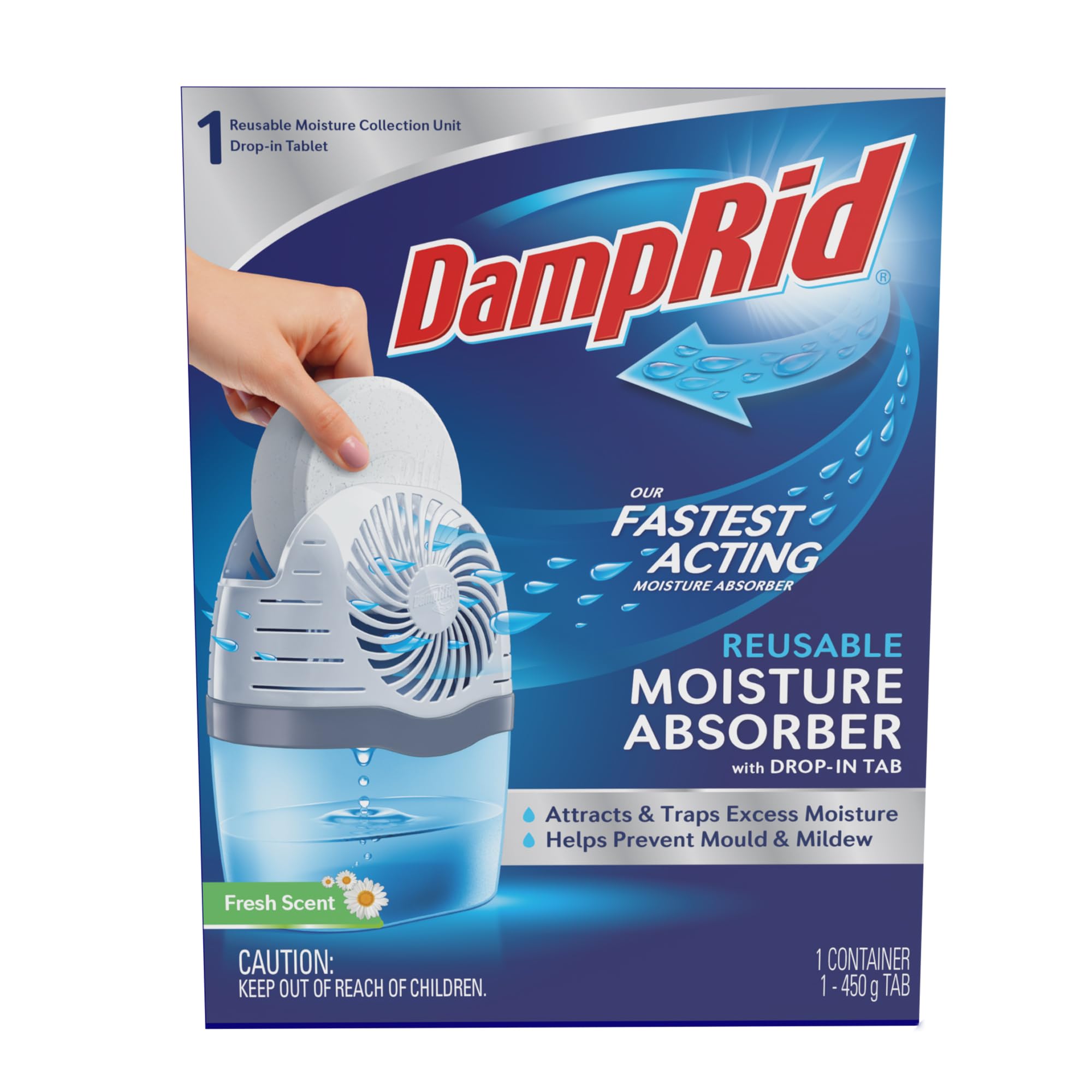
If you have a window that fogs up badly and you can’t easily move a dehumidifier into that room, passive moisture absorbers are a solid interim solution. These are containers filled with calcium chloride crystals or silica gel that silently pull moisture out of the surrounding air. They won’t replace a real dehumidifier for an entire room, but they can keep a single window noticeably drier.
DampRid is the most common brand — their hanging moisture absorbers or small refillable tubs fit neatly on a windowsill and cost just a few dollars each. You’ll notice the crystals dissolving into liquid as they do their job, which means they’re working.
Replace them when the crystals are gone. Eva-Dry makes a renewable mini dehumidifier that’s also worth a look — it’s a small plug-in unit with silica gel that you “recharge” by plugging it into an outlet to dry out the crystals, so there are no ongoing refill costs.
8. Set Your HVAC Fan to “On” or “Circulate”
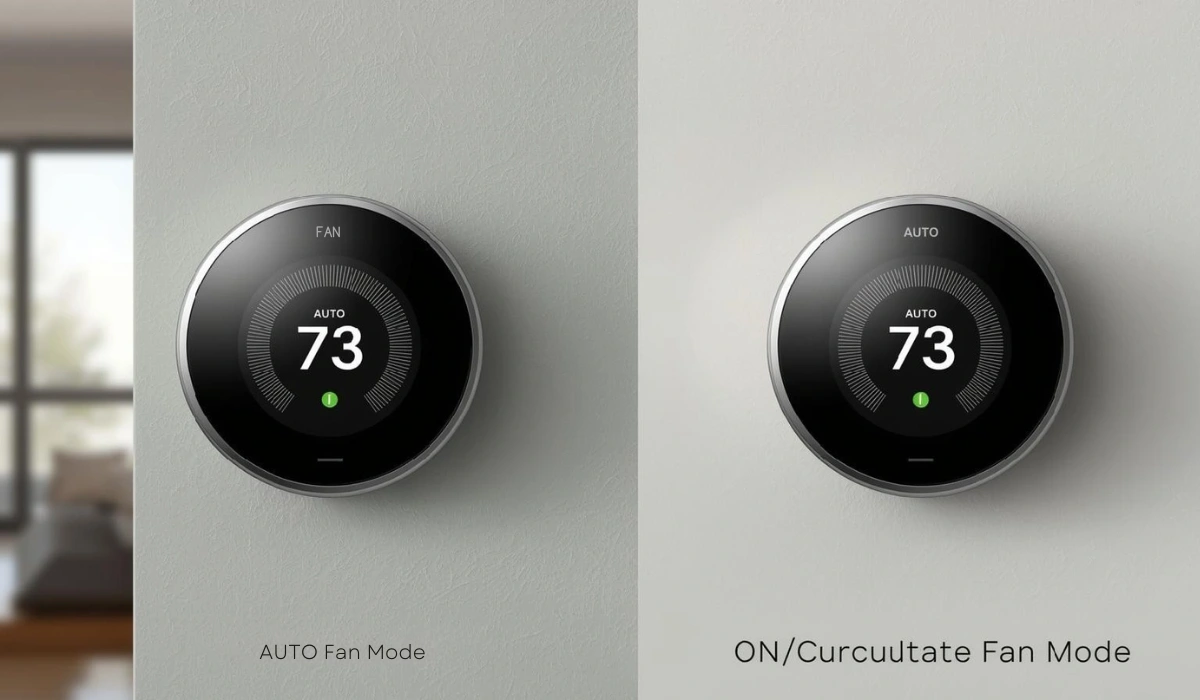
Most people run their HVAC fan on “Auto,” which means it only blows when the furnace is actively heating. Switching it to “On” or “Circulate” (if your thermostat has that option) keeps air moving through your ducts and rooms continuously, even between heating cycles. That constant circulation distributes warm, dry air evenly and prevents cold spots around windows where condensation loves to form.
You might see a slight bump in your electricity bill — the fan motor runs more — but it’s usually just a few dollars a month. If you have a smart thermostat like an Ecobee or Nest, you can often set a minimum fan runtime per hour (like 15 to 20 minutes) to get the benefit without running it nonstop. This is one of the easiest fixes on this list because it requires nothing but a thermostat adjustment.
9. Apply Window Insulation Film

Window insulation kits — the clear plastic film you shrink-tight with a hair dryer — create a dead air space between the film and the glass. That air gap acts as an insulating barrier, keeping the interior surface warmer and reducing the temperature differential that causes condensation. It’s cheap (about $5 to $10 per window), surprisingly effective, and completely transparent once installed.
3M and Duck Brand both make kits you can find at any hardware store. Application is straightforward: double-sided tape goes on the frame, the film sticks to the tape, and you hit it with a hair dryer until it shrinks drum-tight.
The main downside is that it’s not exactly attractive, and you can’t open the window while it’s installed. But for a basement window, a spare bedroom, or any window you don’t need to operate during winter, it works incredibly well.
I’ve used these on our north-facing windows for three winters running and condensation virtually disappeared.
10. Upgrade to Double or Triple-Pane Windows
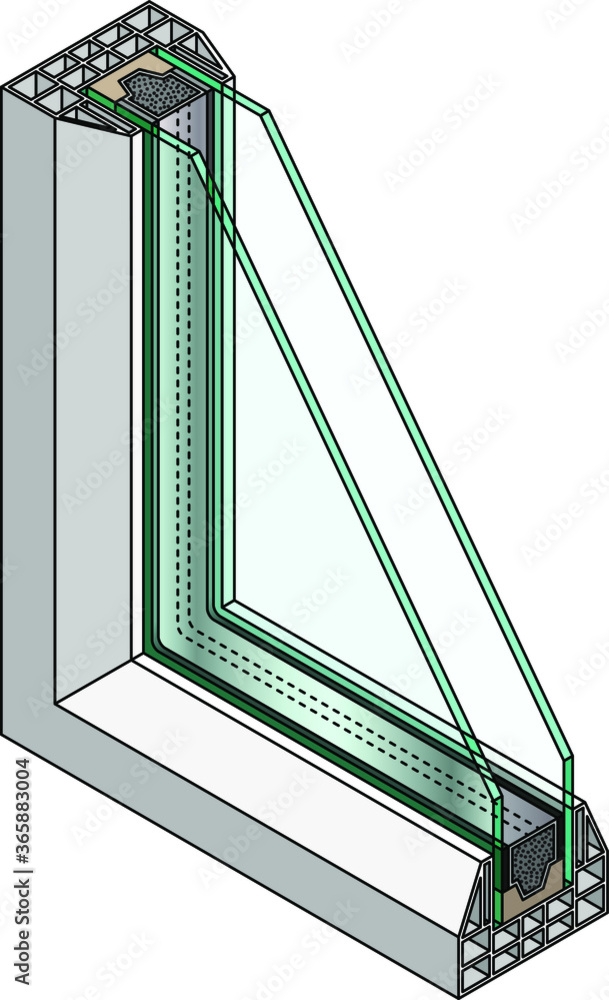
If you’re still fighting single-pane windows, no amount of dehumidifying will fully solve the problem. Single glass conducts cold so efficiently that its interior surface stays near outdoor temperatures, guaranteeing condensation in any reasonably humid home. Double-pane (insulated glass units, or IGUs) and triple-pane windows have sealed air or gas-filled spaces between the panes that keep the interior glass much warmer.
This is the most expensive fix on the list — expect $300 to $1,000+ per window installed — but it permanently eliminates condensation on the glass itself and pays for itself over time in energy savings. When shopping, look for units with a low U-factor (0.30 or below is excellent) and argon or krypton gas fill between the panes. If full replacement isn’t in the budget, having a reputable glass company install storm windows over your existing single-pane frames is a solid middle ground at roughly half the cost.
FAQ
Does condensation on windows mean they need to be replaced?
Not necessarily. Interior condensation is almost always a humidity problem, not a window problem.
Try the cheaper fixes on this list — dehumidifier, exhaust fans, better air circulation — before assuming your windows are the issue. Exterior condensation (fog on the outside of the glass) is actually a sign your windows are well-sealed and energy-efficient.
Is window condensation bad for my health?
It can be. Persistent condensation creates the perfect environment for mold and mildew, which can trigger allergies, asthma, and respiratory issues. If you notice black spots forming on window frames, sills, or nearby walls, address the moisture problem immediately and clean the mold with a diluted bleach solution or a commercial mold remover.
Should I wipe condensation off my windows every morning?
Yes, if you can. Wiping the moisture away with a towel or squeegee each morning prevents it from soaking into the wood frame and sill.
It’s treating the symptom, not the cause, but it buys you time while you work on the bigger fixes. Just make sure to wring the towel out into a sink — don’t let the wet towel sit on the sill.
Can houseplants cause window condensation?
They contribute to it, yes. Plants release moisture through transpiration, and a room full of tropical plants can raise humidity noticeably.
You don’t have to get rid of them — just be aware they’re part of the moisture load and factor that in if you’re already fighting high humidity. Moving plants away from the worst windows and into a bathroom (where you have exhaust fans running anyway) is a smart compromise.
Window condensation isn’t just an annoyance — it’s your home telling you there’s too much moisture in the air for the insulation level you have. Start with the free and cheap fixes (running fans, opening curtains, adjusting your thermostat), layer in a dehumidifier or moisture absorber if needed, and save the window upgrade for when the budget allows. Once you get the balance right, those foggy mornings will be a thing of the past.
Leave a Reply