

We’ve all been there — you shuffle across the carpet in your socks, reach for the light switch, and ZAP. That tiny jolt of static electricity is one of winter’s most annoying little surprises.
It’s not harmful, but it’s definitely startling, and it can make you hesitant to touch metal objects in your own home. The good news is, you can fight back.
Static is all about imbalanced electrical charges, and winter’s dry air is the perfect conductor for it. By adding moisture, changing your materials, and tweaking a few habits, you can say goodbye to those mini lightning bolts for good.
Here’s how to make your home a static-free zone this season.
Use a Humidifier
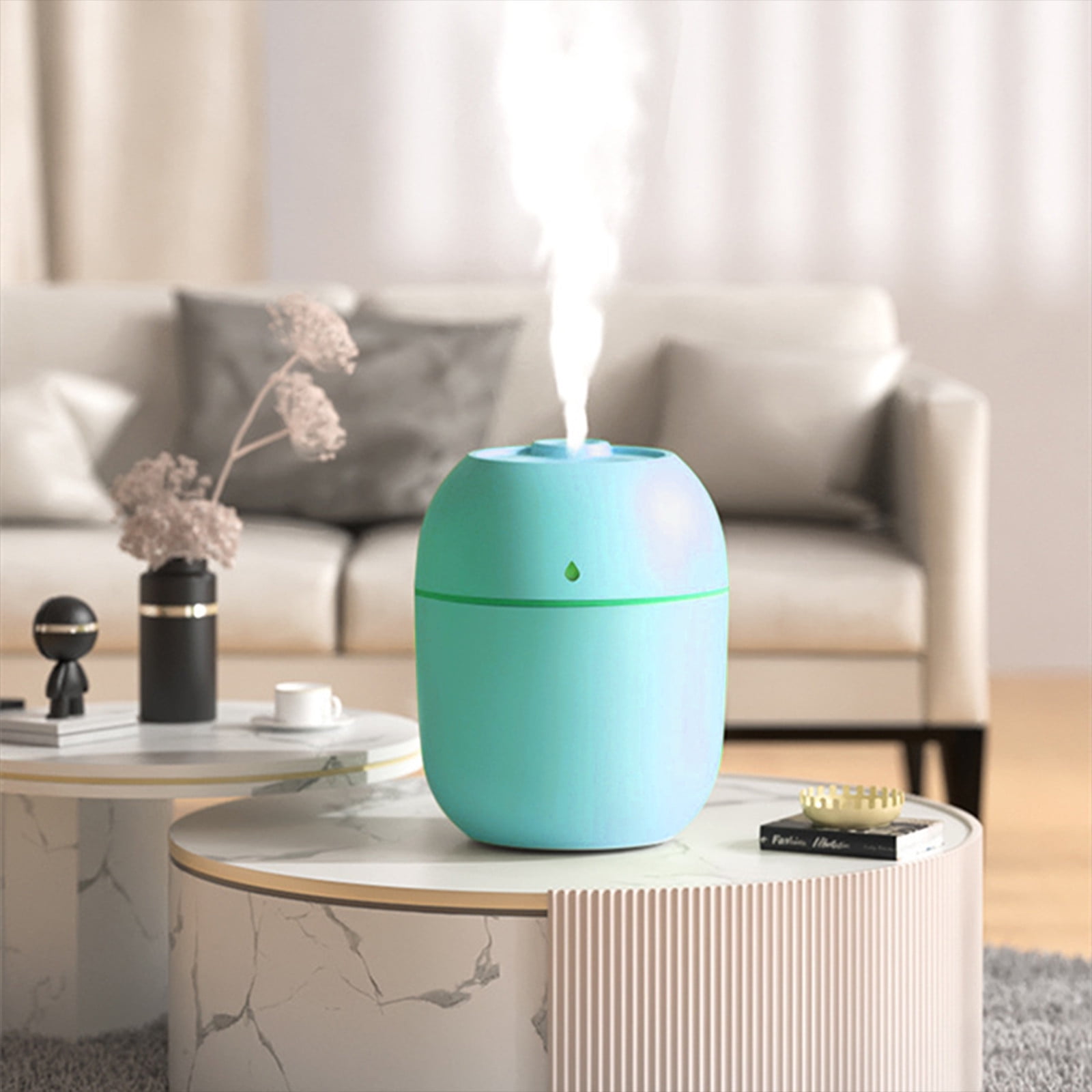
This is the single most effective weapon in your anti-static arsenal. Dry air is the main culprit behind winter static shocks.
When the humidity drops below 30-40%, the air becomes an excellent insulator, allowing charges to build up on surfaces and on you. A humidifier reintroduces moisture into the air, making it harder for static electricity to form.
For best results, aim to keep your home’s humidity between 40-60%. You don’t need one for every room; a well-placed unit in the living area or bedroom can make a huge difference for the whole floor.
Just remember to clean it regularly according to the manufacturer’s instructions to prevent mold or mineral buildup.
Moisturize Your Skin
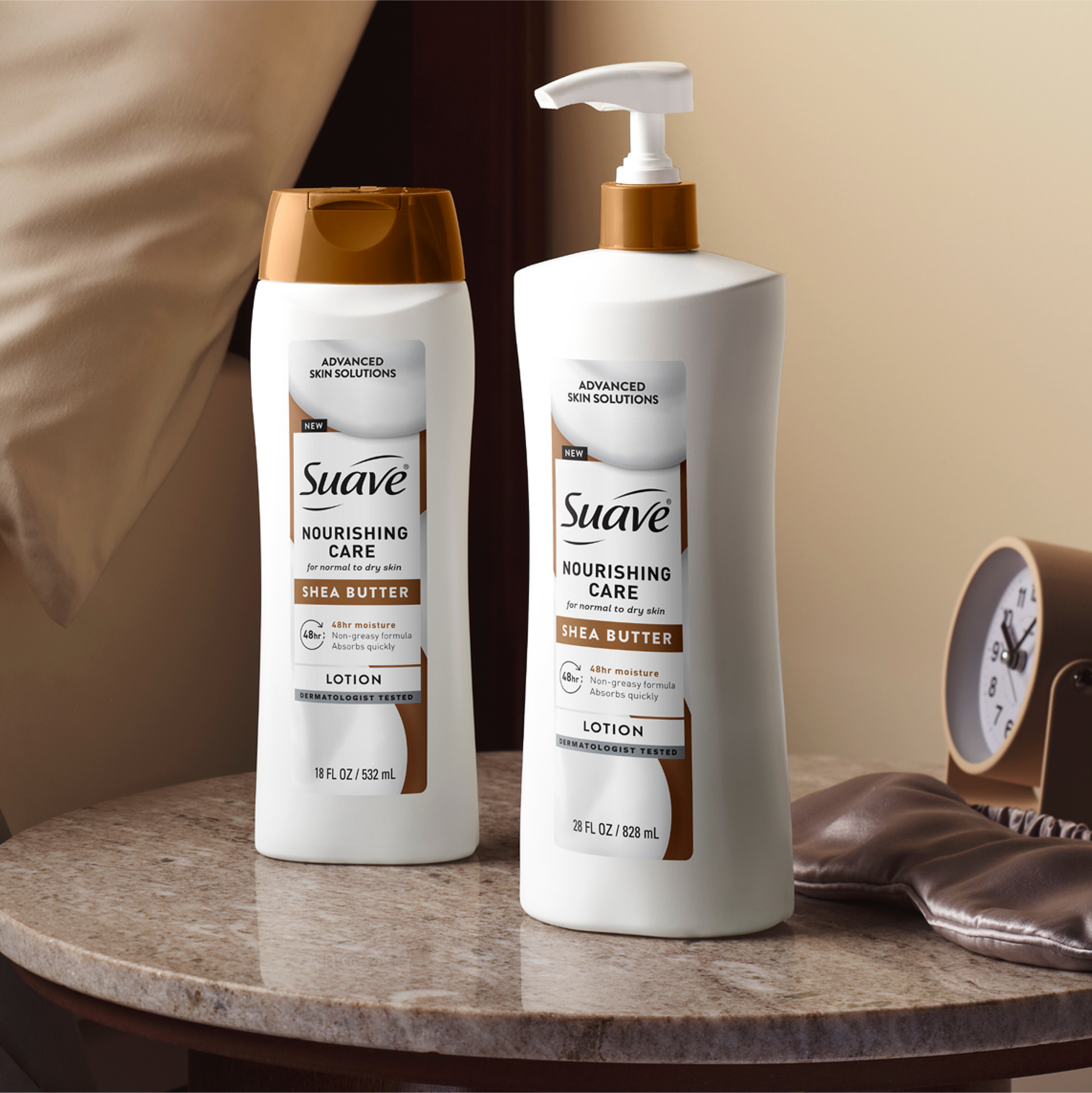
Dry skin is like a static electricity magnet. When your skin is parched, it’s more prone to building up and holding onto electrical charges.
Applying a rich body lotion or hand cream after you shower and throughout the day creates a slight barrier of moisture on your skin’s surface. This helps to dissipate charges before they can build up to a zap.
Focus on areas like your hands, arms, and legs — the parts that are most likely to come into contact with fabrics and surfaces. Look for formulas with glycerin, shea butter, or hyaluronic acid for a good dose of hydration.
Swap Out Your Shoes
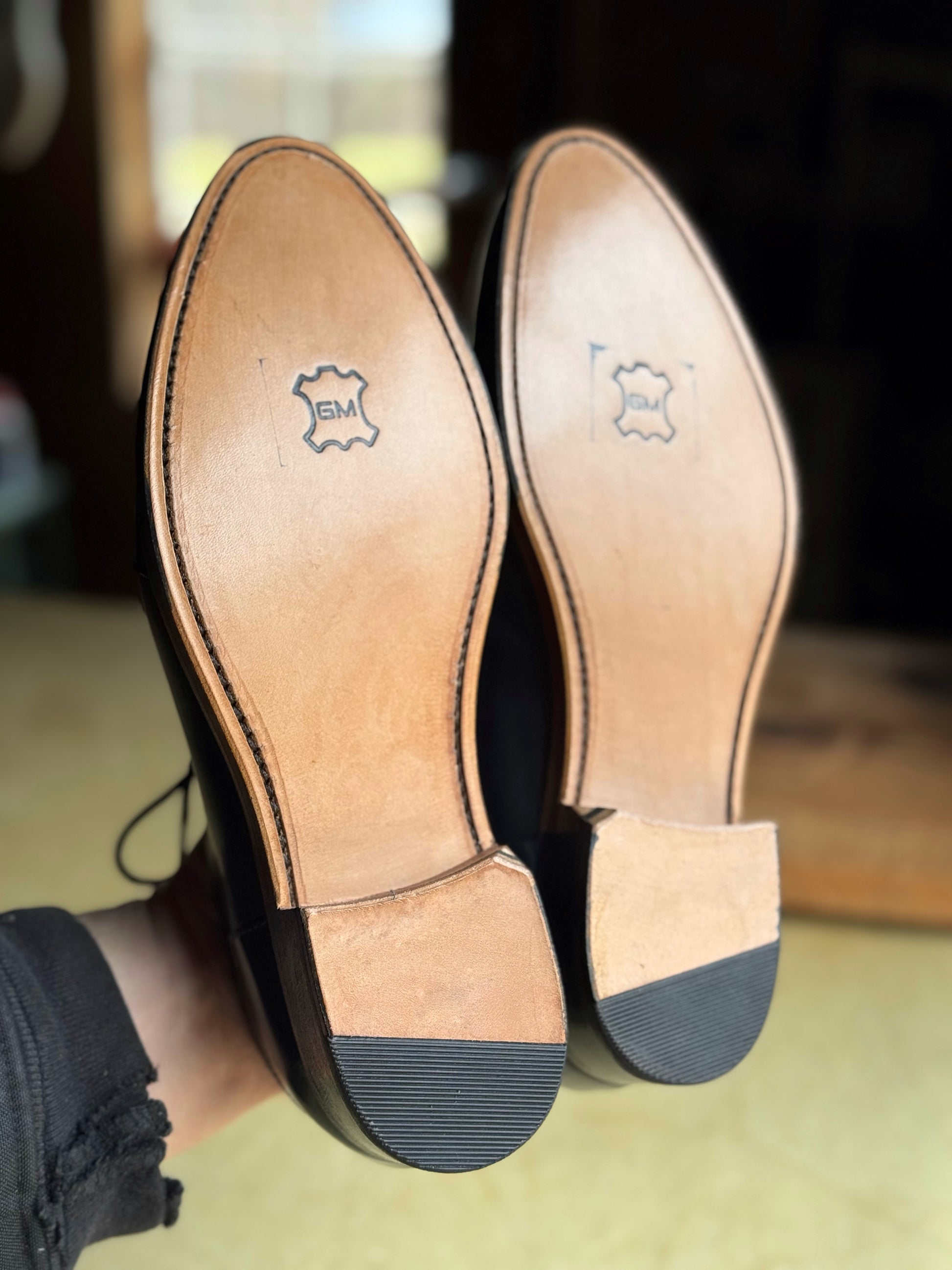
What you wear on your feet makes a big difference. Synthetic-soled shoes and rubber-soled slippers are fantastic insulators, meaning they trap the charge you generate as you walk across carpet instead of letting it flow into the ground.
Switching to shoes or slippers with leather soles can help ground you. Leather is a natural, slightly conductive material that allows the charge to dissipate safely.
Alternatively, you can wear socks with conductive silver threads woven in — they’re designed to prevent static buildup and are available from brands like Smartwool or specialized anti-static sock makers.
Add Baking Soda to Your Laundry
Your laundry routine is a key battleground. Synthetic fabrics like polyester and nylon are notorious for generating static cling in the dryer.
Adding about half a cup of baking soda to the wash cycle with your detergent can help. Baking soda acts as a natural water softener and helps regulate the pH of the wash water, which can reduce the amount of static that develops.
For even better results, you can add half a cup of white vinegar to the rinse cycle. It helps to rinse away detergent residue that can contribute to static and also naturally softens fabrics.
Use Dryer Balls (and Ditch the Sheets)

This is a simple swap that pays off. Those single-use dryer sheets work by coating your clothes in a layer of positively charged lubricant to reduce static.
While they work, they’re a recurring expense and create waste. Wool dryer balls are a reusable, natural alternative.
The wool helps to absorb moisture during the drying cycle and then releases it, creating a more humid environment inside the dryer. They also physically separate clothes, improving airflow and reducing the friction that causes static.
Toss 3-4 balls in with your load and you’re set. For a scent boost, you can add a couple of drops of essential oil to the balls before throwing them in.
Wear Natural Fibers
Your wardrobe choices are a direct line of defense. Natural fibers like cotton, wool, silk, and linen are much less likely to generate static electricity compared to synthetics.
They have a higher moisture content and don’t hold onto electrons as stubbornly. If you love your cozy fleece pullover or polyester-blend sweater, try layering a cotton t-shirt or camisole underneath it.
This creates a barrier between the static-prone fabric and your skin, significantly reducing the shock you feel when you take off the outer layer or touch a metal object.
Treat Your Carpets and Upholstery
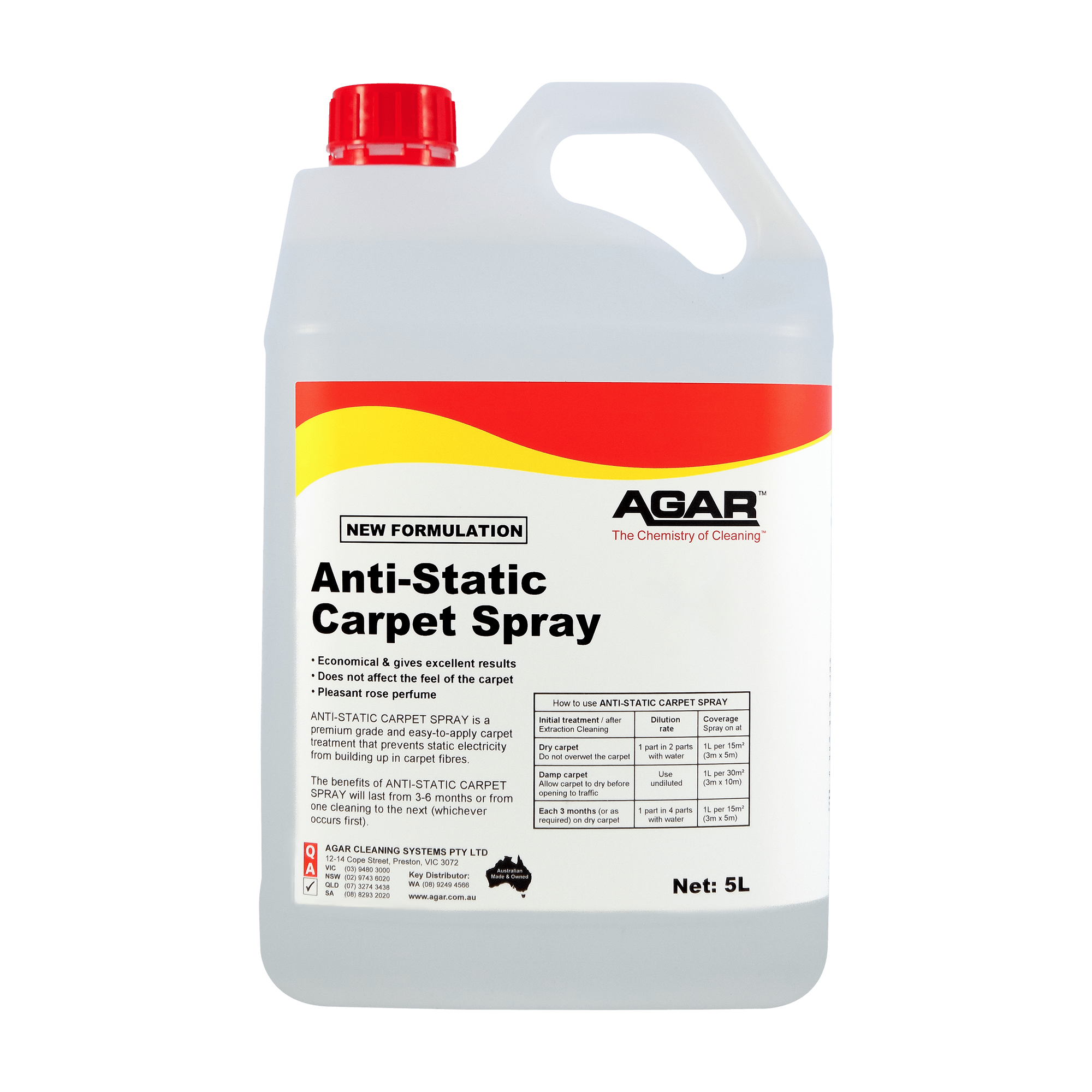
If wall-to-wall carpeting is a major static source in your home, you can treat it. An anti-static spray designed for carpets and upholstery works by leaving behind a thin, conductive layer that helps neutralize charge buildup.
You can find these sprays at hardware or home goods stores. Always test it on a hidden area first for colorfastness.
A more DIY approach is to lightly mist the carpet with a solution of one part liquid fabric softener to four parts water in a spray bottle. Use a very light mist — you don’t want to dampen the carpet fibers.
Touch Wood or Metal with a Key First

This is a classic trick that actually works. Before you touch that doorknob, light switch, or car door handle that’s likely to zap you, first touch it with a metal object you’re holding, like a key or a coin.
The static charge will jump from your body to the metal object and then to the grounded object, and you’ll feel little to nothing. It’s a tiny spark, but it happens away from your sensitive fingertip nerves.
It becomes a habit pretty quickly and is perfect for situations where you can’t avoid the shocking surface.
Change Your Laundry Detergent
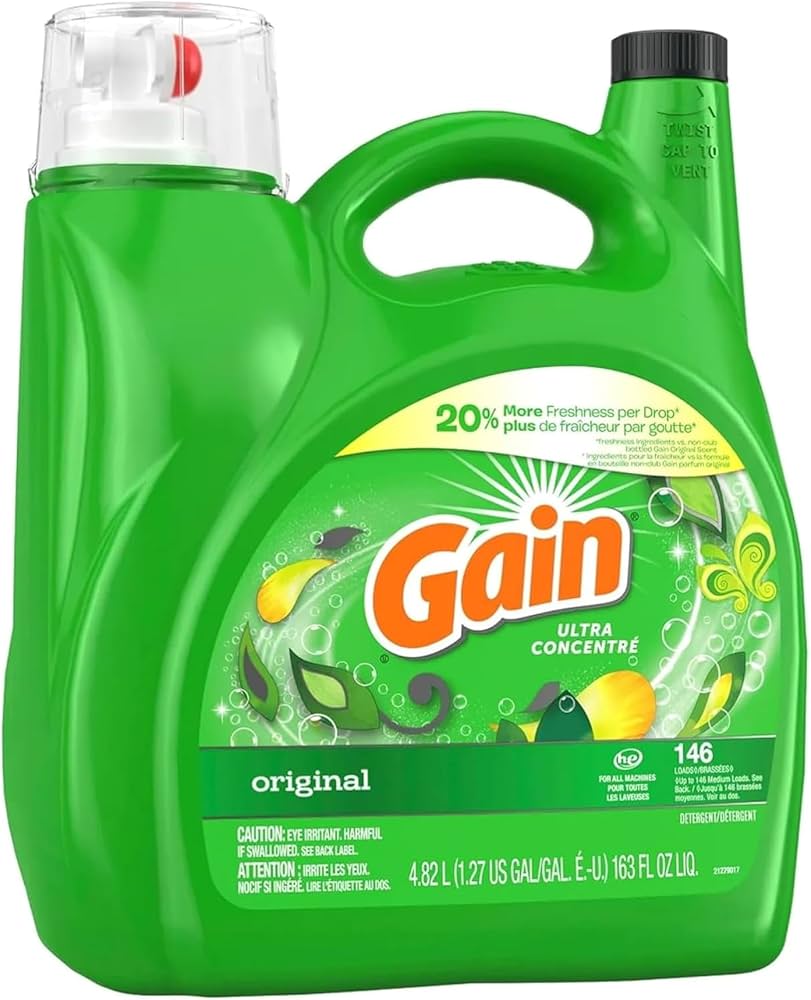
Some laundry detergents, especially heavy-duty or “ultra” formulas, contain more surfactants that can leave a residue on fabric. This residue can increase static cling.
If you’re struggling with static on your clothes, consider switching to a detergent that’s marketed as “free and clear” or specifically for sensitive skin. These often have simpler formulations that rinse out more cleanly.
You might also be using too much detergent per load, so check the measuring lines on the cap — often, you need less than you think.
Rub a Dryer Sheet on Your Hair

If your hair is a static nightmare — flying away from your head and clinging to your scarf or hat — a dryer sheet is a quick fix. Simply take a fresh dryer sheet and lightly rub it over your hair, from roots to ends.
The anti-static agents in the sheet will transfer to your hair, helping to tame flyaways and reduce static cling. Keep a box in your bathroom drawer or even in your car for touch-ups throughout the day.
It’s a lifesaver for that just-took-off-a-hat look.
Moisturize Your Hair
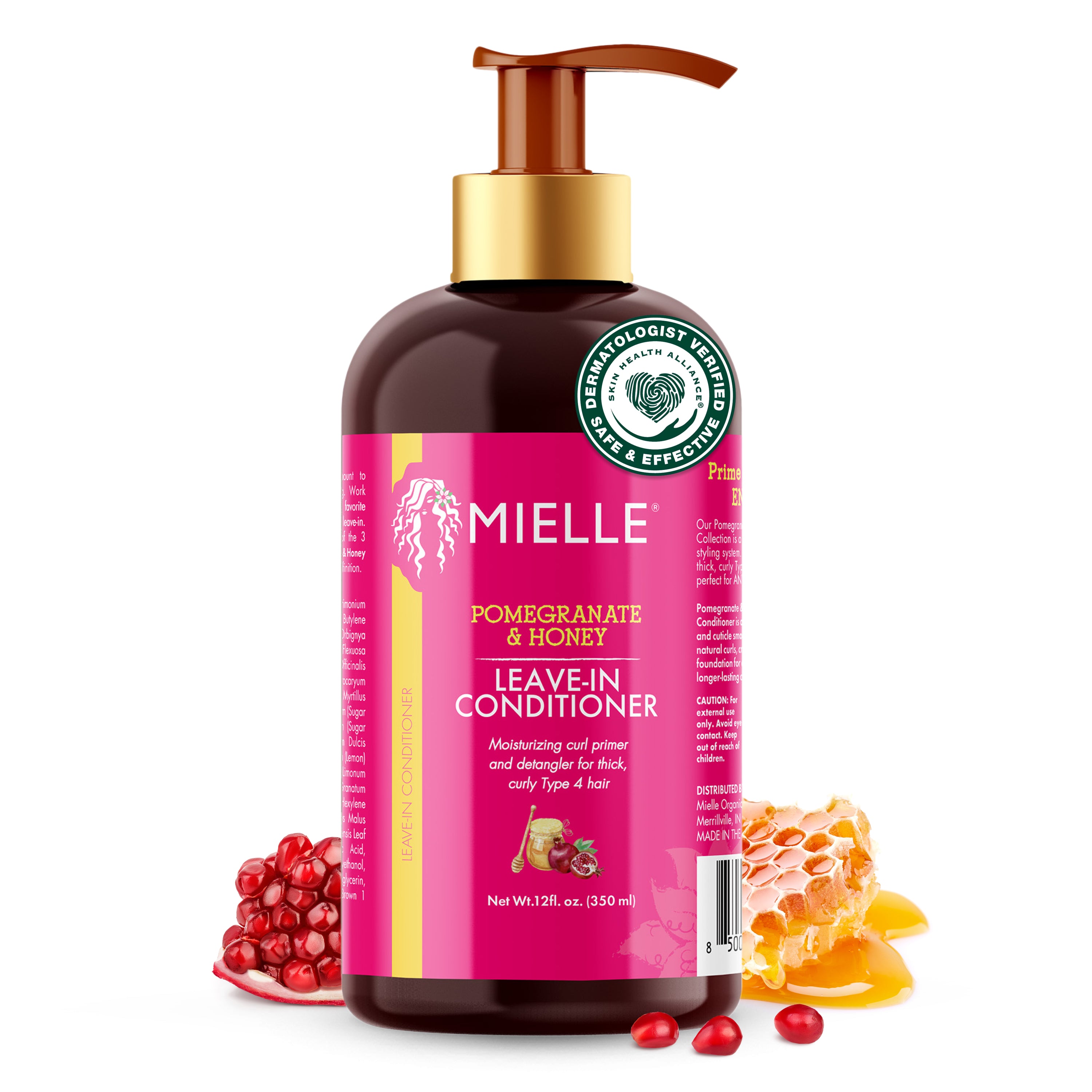
Just like with your skin, dry hair is static-prone hair. Using a leave-in conditioner or anti-frizz serum after washing can help.
These products coat the hair shaft with a light layer of moisture and smoothing agents, which helps to prevent charge buildup and keeps hair cuticles lying flat. In winter, you might also want to switch to a more moisturizing shampoo and conditioner combo.
On non-wash days, a light spritz of water followed by a tiny amount of oil or serum can also work wonders to restyle and tame static.
Ground Yourself Before Touching Objects
This is about changing your movement. The shock happens when the built-up charge on your body suddenly jumps to a grounded object.
You can help equalize the charge gradually by touching a large, grounded metal object with something that has more surface area than just your fingertip. Instead of pointing your finger to touch a light switch, try pressing the flat of your palm against a nearby metal appliance (like the fridge) or a water faucet first.
The charge will dissipate over a larger, less sensitive area of skin, and you’re far less likely to feel a sting.
Frequently Asked Questions
Why is static electricity worse in winter?
It’s almost entirely due to the lack of humidity in the air. Cold outdoor air holds very little moisture, and when that air is heated inside your home, its relative humidity drops even further. This extremely dry air acts as an excellent insulator, preventing the electrical charges on your body (created by friction with carpets, clothes, etc.) from naturally dissipating into the air or the ground.
Do dryer sheets really work for static?
Yes, they do. Dryer sheets work by coating your clothes in a thin layer of positively charged lubricants (usually quaternary ammonium compounds) during the dryer’s heat cycle.
This coating helps neutralize the negative charges that build up on the fabric, preventing them from repelling each other (which causes cling) and from shocking you. Their effect is temporary, which is why a fresh sheet is needed for each load.
Can static electricity be dangerous?
The tiny static shocks you feel at home are harmless. The voltage can be very high (sometimes thousands of volts), but the current is extremely low — it’s a single, instantaneous discharge.
However, static electricity can be a serious hazard in environments with flammable gases, solvents, or fine dust (like grain silos or fueling stations), where a spark could cause an explosion. In those settings, special grounding and anti-static protocols are critical.
Does putting a pan of water by the radiator help?
It can, a little. Placing a bowl or pan of water on or near a radiator allows the heat to slowly evaporate the water, adding a small amount of moisture back into the air in that immediate area.
It’s a low-tech, zero-cost humidity boost. For a noticeable difference in a whole room, though, you’d likely need several pans, which is why a humidifier is a more efficient and controllable solution.
Tackling winter static is really about fighting dryness and making smarter material choices. You don’t have to do everything on this list — start with the two biggest hitters, a humidifier and better moisturizing habits, and you’ll likely see a dramatic reduction in those annoying zaps. A few small changes to your routine can make your home a much more comfortable, shock-free place to be all winter long.
Leave a Reply