
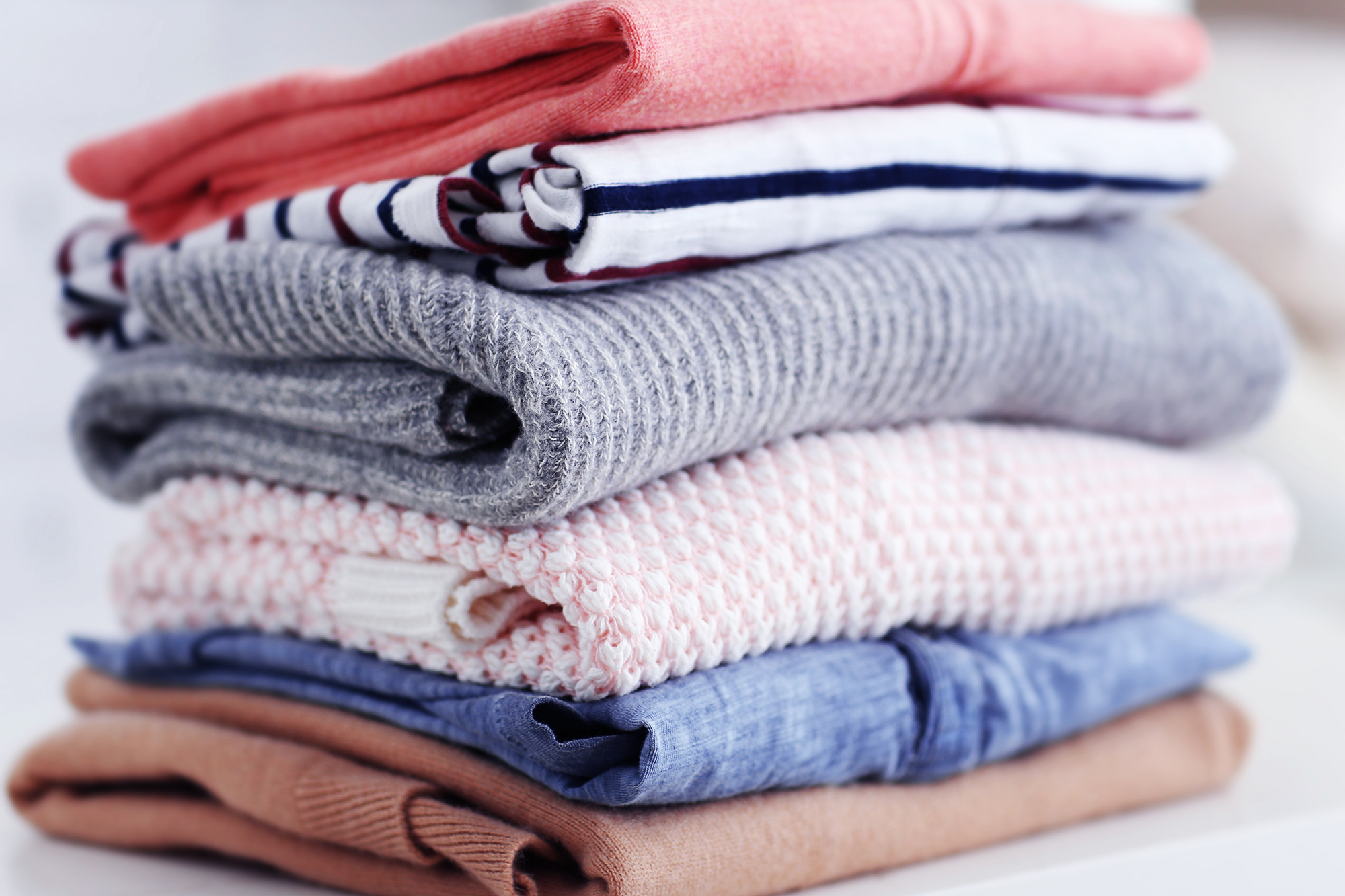
Static cling is really just an electrical problem wearing a laundry disguise: when dry fabrics rub together in the drum, they trade electrons, opposite charges build up, and suddenly your socks are welded to your sweater and every shirt crackles going over your head. Dryer heat and dry winter air make it worse, which is why the problem peaks around the same time your skin does.
The good news is that every piece of it is fixable with things you probably already own — vinegar, baking soda, wool, a damp cloth, a little metal. Below are the ten natural fixes I actually use, roughly in the order I’d try them, plus when each one makes the most sense.
Add White Vinegar to the Rinse Cycle
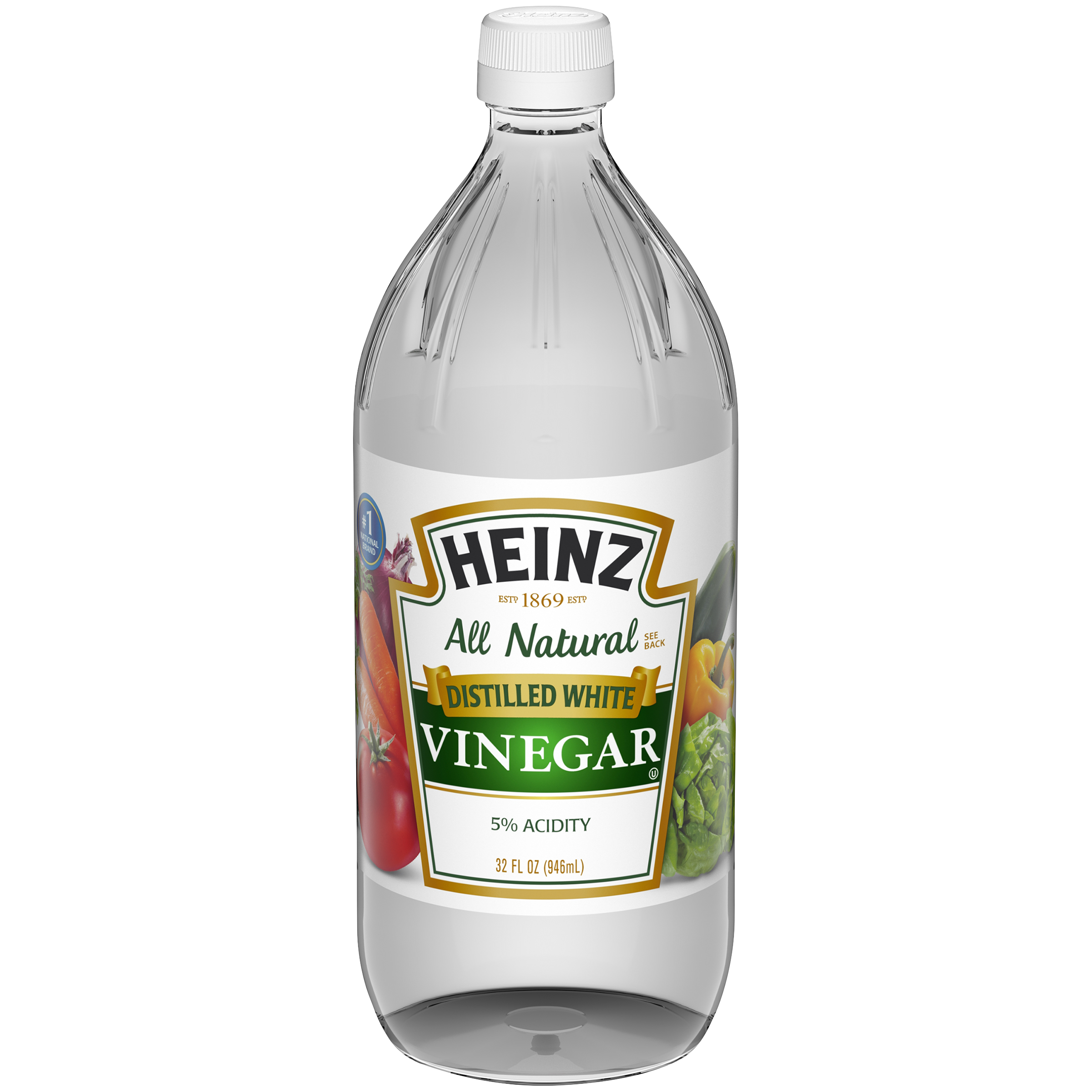
This is the single change that made the biggest difference in my laundry, and it costs about a nickel per load. The acetic acid in distilled white vinegar neutralizes the electrical charge on the fibers and dissolves the leftover detergent and mineral deposits that make fabric feel stiff and grippy — those residues are a big part of why your towels and sheets cling to each other. Pour about ½ cup into the fabric softener dispenser so it releases in the final rinse, or add it by hand if your machine doesn’t have one.
Don’t mix it with chlorine bleach (the combination creates chlorine gas), and don’t worry about the smell: it rinses out completely and your clothes come out scentless, not salad-scented. If you’ve been using liquid fabric softener, you can stop — it coats fibers with a waxy film that actually makes towels less absorbent over time, and the vinegar will slowly strip that buildup back out over a few washes.
Does vinegar fade colors or damage the washing machine?
No on both counts. At ½ cup diluted in a full drum of rinse water, it’s gentle enough for darks, delicates, and whites alike, and plenty of appliance manufacturers actually recommend it for cleaning the machine itself. Just keep it out of the wash with bleach and don’t pour it directly onto dry fabric in concentrated form.
Toss in Wool Dryer Balls
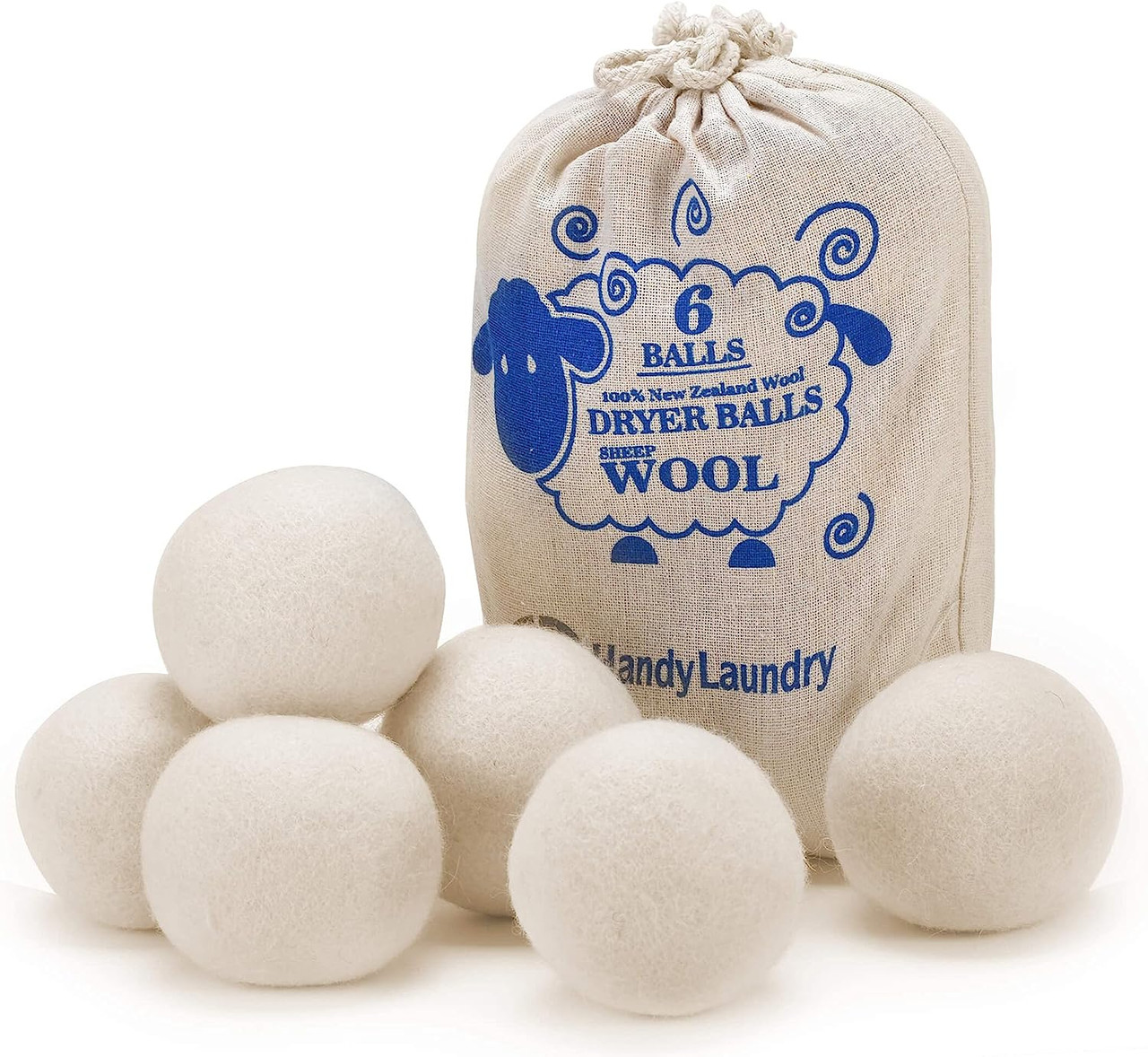
Wool dryer balls are the natural swap for dryer sheets, and they do three jobs at once: they physically separate your clothes so air circulates better, they wick moisture out of the load and redistribute it as light humidity, and their felted surface softens fibers by gently beating them as they tumble. I use four large balls from Smart Sheep for a full load and six for a big batch of towels; Friendsheep makes good ones too. They last for roughly 1,000 loads, so the up-front $15–20 pays for itself in a couple of months.
Because they cut drying time by 15–25%, they also cut the amount of over-drying that causes static in the first place. If you miss scented laundry, add three or four drops of lavender or cedar essential oil to a ball before the cycle and let it absorb for an hour — never apply oil right before a hot load, or you risk spotting. Avoid them on heavily embellished garments, since anything with beads or sequins can catch.
Add Baking Soda to the Wash
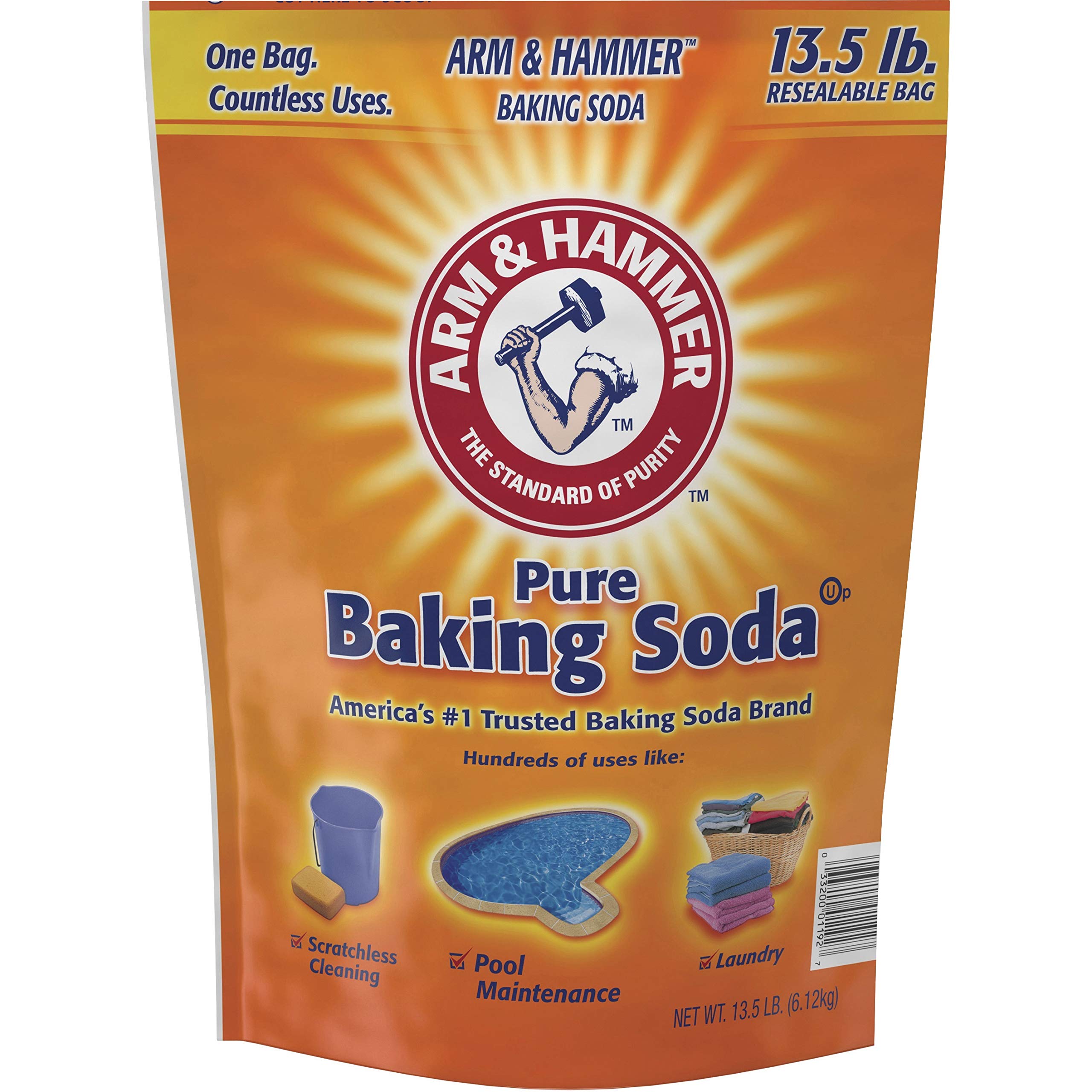
A ¼ cup of baking soda (Arm & Hammer, the plain stuff, not the scented kind) tossed in with your detergent does two useful things: it softens the wash water so fibers stay flexible instead of drying out stiff and wiry, and it helps suspend detergent residue so it actually rinses away. Softer, cleaner fibers generate far less charge when they rub together in the drum. It’s also a genuinely good deodorizer, which is a nice bonus for gym clothes and pet blankets.
Keep it to the ¼-cup range — more isn’t better here. Too much can leave a faint gritty film on dark fabrics if your rinse cycle is short, and it can dull the performance of some enzymatic detergents if you dump it straight on top of them. Add it to the drum with the clothes before you start the wash so it dissolves in the fill water.
Throw a Damp Washcloth in the Dryer
Static needs dry air to build, so the fastest countertop fix is to reintroduce a little moisture by hand. Wring out a clean washcloth or small hand towel until it’s damp but not dripping, and toss it in for the last 10–15 minutes of the cycle on low heat. The burst of steam in the drum neutralizes the charge across the whole load, and everything comes out soft instead of crackling.
The two things to watch: don’t use a cloth that’s sopping, or you’ll add minutes to your drying time and risk a faint damp smell, and don’t leave the load sitting after the cycle ends. If you forget it overnight with the door shut, that leftover humidity is mildew’s favorite condition. This is a good trick for a single clingy load you don’t want to rewash.
Take Clothes Out While They’re Still Slightly Damp
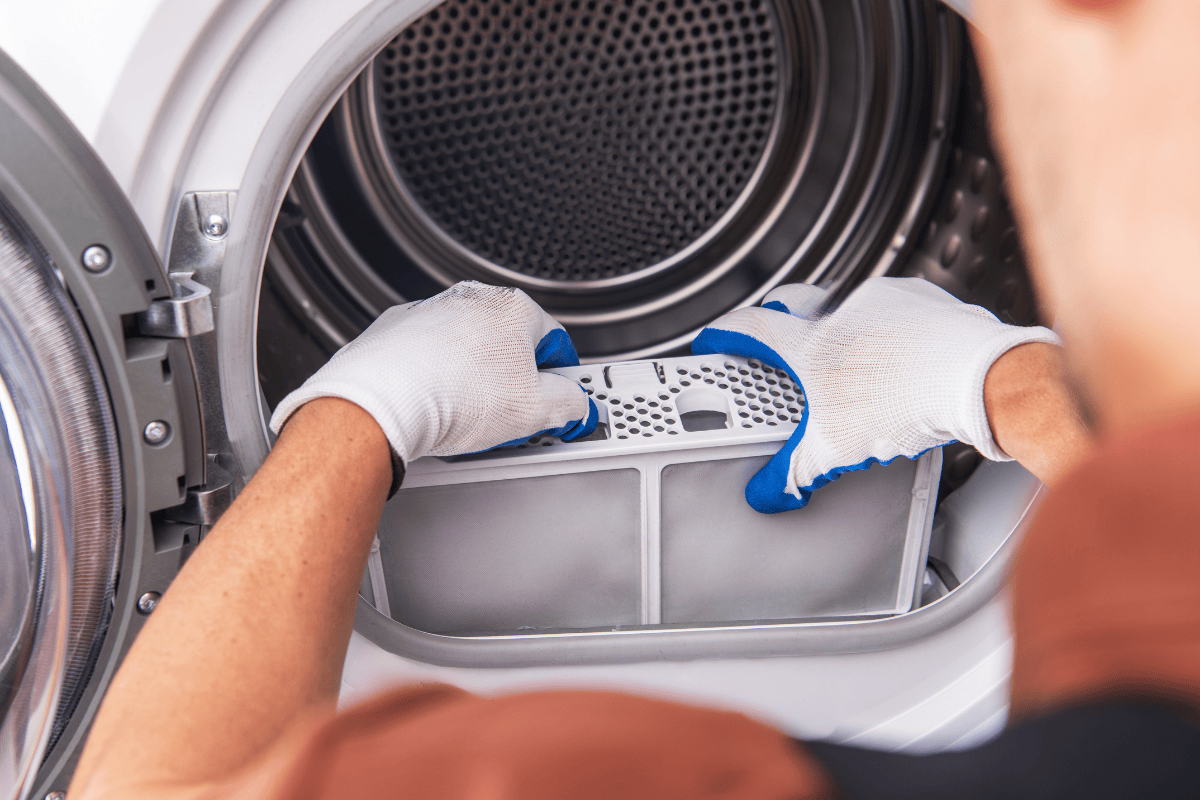
Over-drying is the number-one cause of static, and most of us are guilty of it — we set the timer long “just in case” and then forget the load for two hours. Fibers that have been baked bone-dry are stripped of the natural moisture that keeps them from holding a charge, and they sit in the drum rubbing against each other the whole time. Dry on low or medium heat, use the auto-dry/moisture-sensor setting instead of timed dry, and pull the load out the minute the tumble feels light and the fabric is barely damp to the touch.
Then shake each piece out and fold it or hang it right away. This also kills wrinkles, so you may find you can retire the iron. If your machine’s sensors are unreliable (mine are), set the timer 10 minutes short and check — it’s an easy habit once you see how much static it prevents.
Line Dry When You Get the Chance
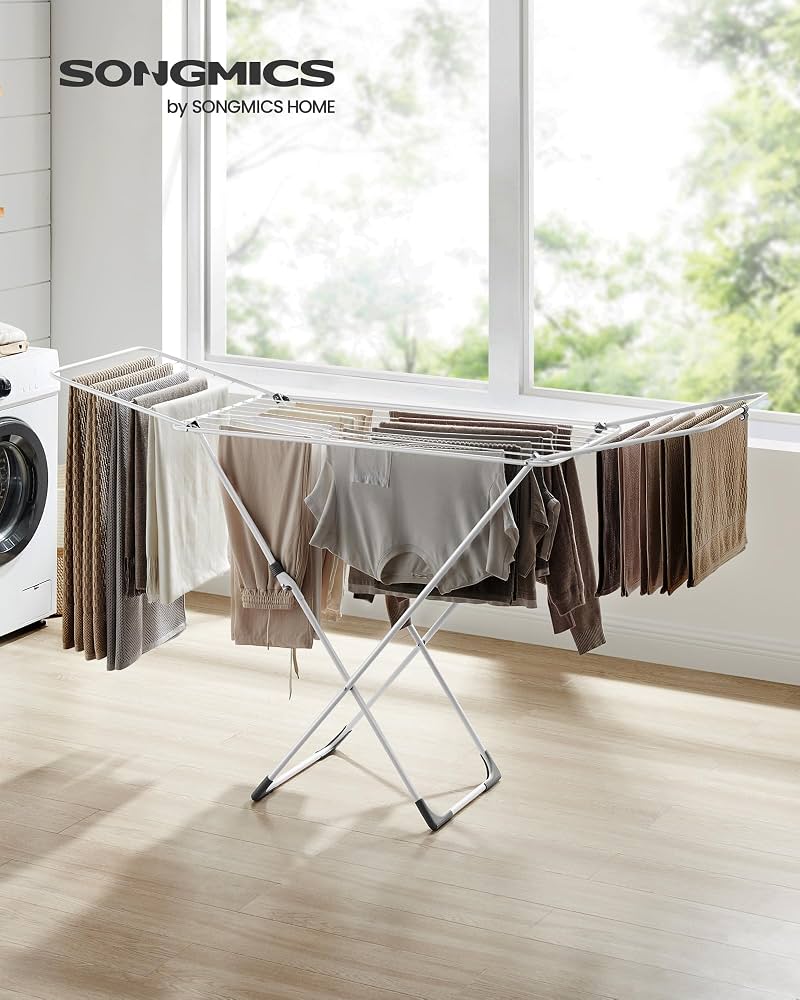
Nothing tumbles against nothing means nothing builds a charge, which is why air-dried laundry comes out static-free every single time. A folding rack like the IKEA Mulig or a Honey-Can-Do over-the-door model holds a full load indoors, and in winter that load acts like a passive humidifier for the room — helpful, since dry indoor air is exactly what lets static thrive. Outdoors on a line is even better, and sunshine is a free sanitizer.
The trade-off is texture: line-dried towels and jeans can feel a little stiff. That’s easy to fix with that ½ cup of white vinegar in the rinse, or by tumbling the load on air-fluff (no heat) for five minutes with a wool dryer ball afterward. Even line-drying just your sheets and towels, which are the clingiest offenders, will noticeably improve the rest of your laundry.
Sort Synthetics Away From Natural Fibers
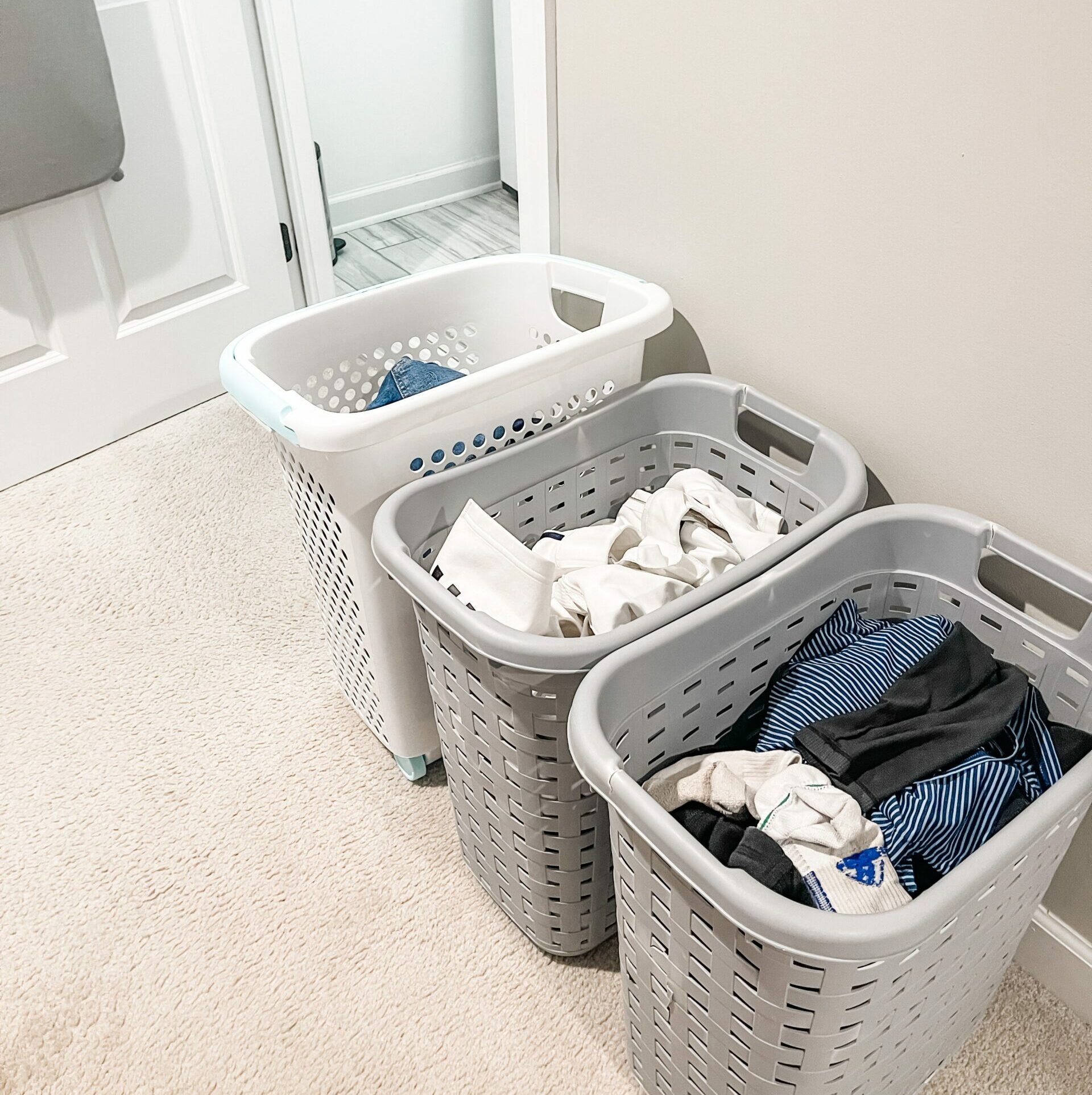
Static is largely a polyester problem. Synthetics — polyester, nylon, acrylic, fleece, spandex blends — sit near the positive end of the triboelectric series, and when they rub against cotton or wool in the drum they generate far more charge than cotton does against cotton. Once you start sorting by fiber content instead of just by color, the problem shrinks dramatically: keep fleece pajamas, athletic wear, and microfiber out of the load with your cotton tees and flannel sheets.
Wash synthetics together on a lower heat setting and dry them on low or air-fluff; they don’t need high heat anyway, and it degrades elastic over time. Turning fleece and athletic pieces inside-out also reduces pilling, which is a nice second payoff. It takes one extra pile on laundry day and it’s worth it.
Drop an Aluminum Foil Ball in the Dryer
This one sounds like a myth and works like a charm. Crumple a standard sheet of aluminum foil into a tight ball roughly the size of a tennis ball — two or three inches across — and toss it in with the load. The metal collects and neutralizes the electrical charge the same way the conductive strip in a dryer sheet does, but without any fragrance or chemicals, and the same ball keeps working for 20–30 loads before it starts to flatten.
Make sure it’s tightly crumpled so no sharp corners can snag a knit, and skip it for delicate or embellished pieces. You can also roll a couple of foil balls around with wool dryer balls for an all-in-one setup. If you notice any tiny dark marks on light fabric (rare, but it happens with cheaper foil), just toss the ball and make a fresh one.
Mist Your Clothes With a DIY Anti-Static Spray
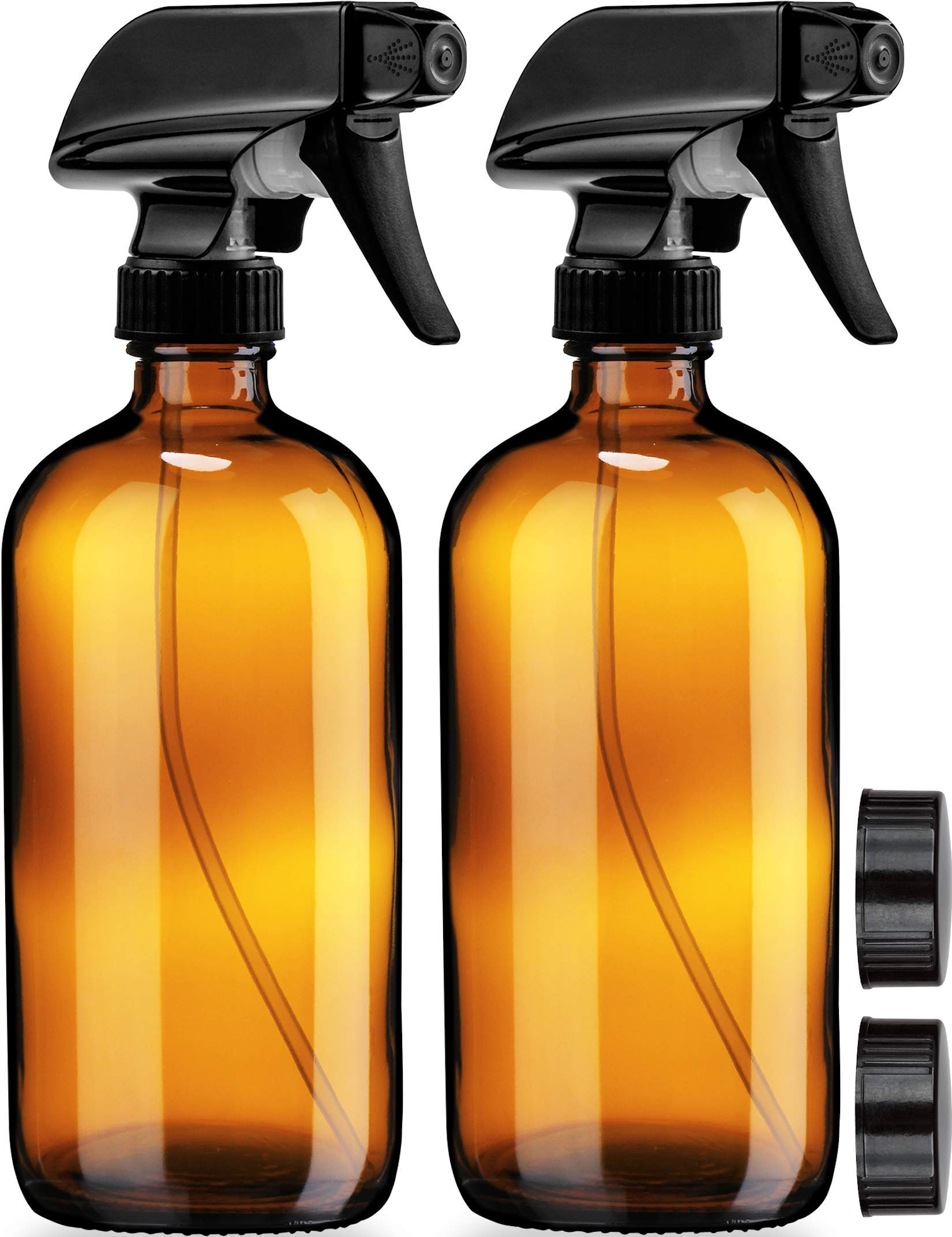
For the clothes that cling after they’re already hanging in the closet, a quick mist is the answer. Fill an amber glass or PET spray bottle with one cup of distilled water, ¼ cup of white vinegar, and about five drops of essential oil (lavender and cedarwood both work nicely and repel moths as a side effect). Shake it before each use and mist from 8–10 inches away — you want a fine, barely-there dampness, not a soaking.
- ✦Plain distilled water for silk, rayon, and anything you’re nervous about — moisture alone dissipates the charge
- ✦Witch hazel base (half witch hazel, half water) if you want it to evaporate faster and leave zero residue
- ✦Vodka-and-water (a few tablespoons of plain vodka per cup) for an unscented version that dries clean on delicate fabrics
- ✦Light essential oil only — skip citrus oils on anything that will see sunlight, since they can bleach
Label the bottle. I’ve misted my face with a mystery spray bottle more than once, and the vinegar version is a memorable lesson.
Swipe With a Metal Clothes Hanger
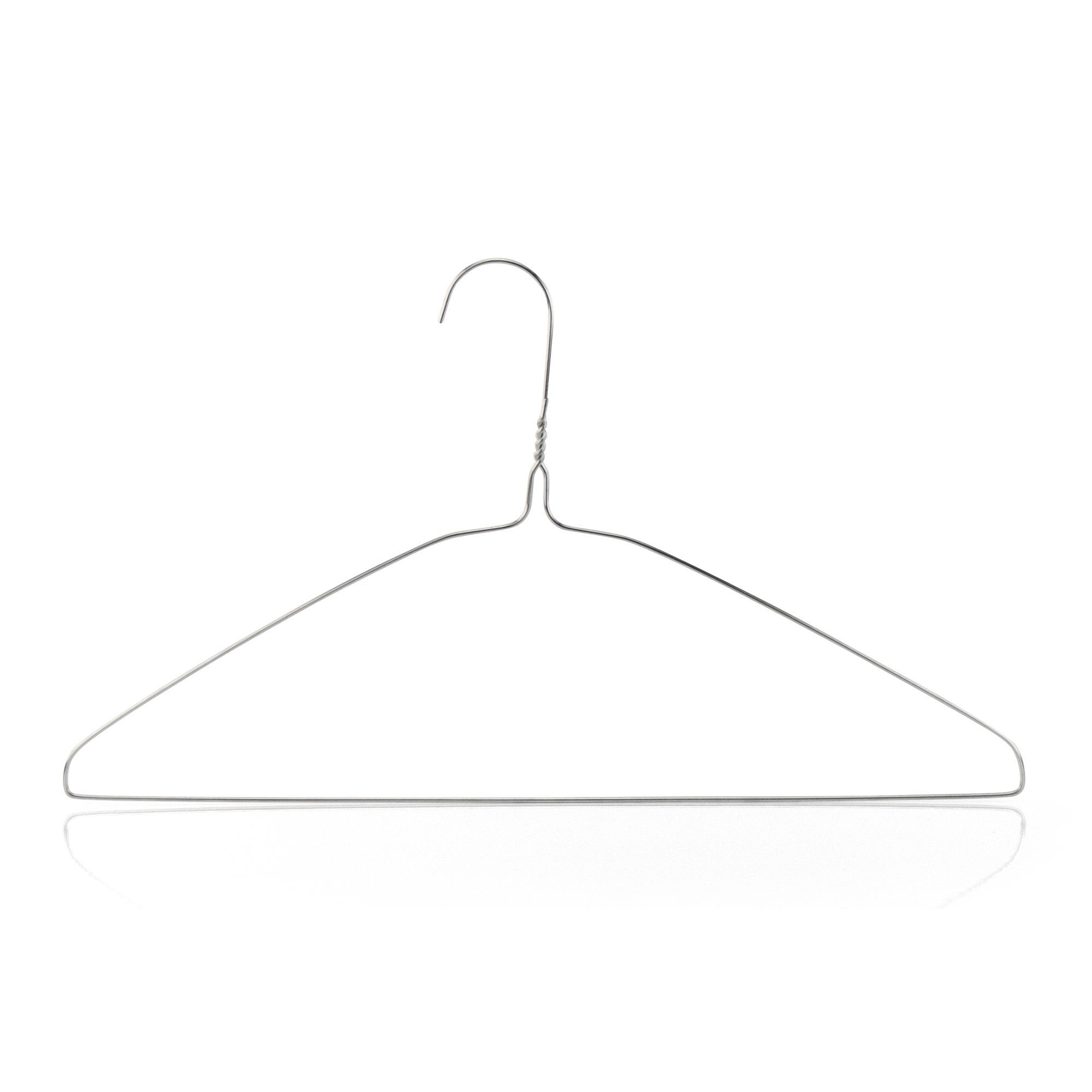
Metal discharges static on contact, which is why this old closet trick works so well in the thirty seconds before you walk out the door. Slide a plain wire or metal clothes hanger gently over the surface of a clingy skirt, dress, or pair of trousers — a couple of slow passes and the fabric drops away from your legs. It also works on a sweater that’s plastered to a cotton shirt underneath.
Keep the hanger smooth and dry so it doesn’t snag or spot the fabric, and use it as a finishing touch rather than a full solution; if you’re doing this every morning, one of the earlier fixes is the real cure. Touching a metal doorknob or a grounded appliance before you get dressed does the same discharge job in a pinch, which is why that little zap is actually the static leaving your body.
Which Fix Suits Your Laundry
At a glance, if you want to pick one or two things to start with:
| Method | Cost | Effort | Best for |
|---|---|---|---|
| White vinegar rinse | Very low | None | Every load, all fabrics |
| Wool dryer balls | Low (one-time) | None | Dryer users, towels, sheets |
| Baking soda in wash | Very low | None | Stiff, detergent-heavy laundry |
| Damp washcloth | Free | Low | One-off clingy loads |
| Out while slightly damp | Free | Low | Anyone over-drying |
| Line drying | Low | Medium | Sheets, towels, delicates |
| Sorting synthetics | Free | Low | Fleece and athletic wear |
| Aluminum foil ball | Free | None | Dryer users on a budget |
| Anti-static spray | Very low | Low | Static after hanging |
| Metal hanger swipe | Free | None | Last-minute rescue |
Frequently Asked Questions
Why does my laundry get so static in winter?
Cold outdoor air holds very little moisture, and indoor heating dries it out further, so wet fibers lose their residual moisture fast and rub together with almost no humidity to bleed off charge. Keeping your home somewhere around 40–50% humidity helps broadly, but a vinegar rinse and wool dryer balls will handle most of it on their own.
Does a ball of aluminum foil really work in the dryer?
Yes — the foil is conductive, so it collects and neutralizes the static charge that builds as fabrics tumble, functioning much like the conductive strip in a commercial dryer sheet. Crumple it tightly into a tennis-ball-sized sphere and expect it to keep working for 20–30 loads.
Is white vinegar safe for all fabrics and colors?
At about ½ cup per rinse cycle, it’s safe for colors, whites, delicates, and cotton alike, and it won’t fade dyes. The only hard rule is never to combine it with chlorine bleach, and avoid pouring it undiluted directly onto dry fabric.
How do I get rid of static on clothes without a dryer?
Air-drying prevents static entirely, since there’s no tumbling to generate charge. For clothes that cling after hanging, mist them lightly with plain distilled water or the DIY vinegar spray, or swipe a metal hanger over the fabric before you dress.
Most of these fixes stack well, and after a few weeks you’ll settle into a routine that fits your machine and your household. Start with the vinegar rinse and one or two wool dryer balls this week, keep synthetics out of the cotton load, and pull everything out of the drum while it’s still faintly damp — do those four things consistently and the crackling mostly disappears on its own.
Leave a Reply